

Crisis Management Capability Deck Powerpoint Presentation Slides




Try Before you Buy Download Free Sample Product
 Impress Your
 Audience
 100%
100% Editable
 Save Hours
 of Time


Our Crisis Management Capability Deck Powerpoint Presentation Slides are topically designed to provide an attractive backdrop to any subject. Use them to look like a presentation pro.
People who downloaded this PowerPoint presentation also viewed the following :
Content of this Powerpoint Presentation
Slide 1: This slide introduces Crisis Management Capability Deck. State Your Company Name and begin.
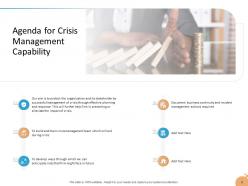
Slide 2: This slide shows Agenda for Crisis Management Capability.
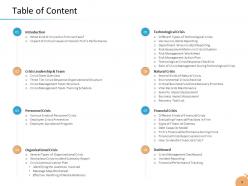
Slide 3: This slide presents Table of Content describing- Introduction, Crisis Leadership & Team, Organizational Crisis, etc.
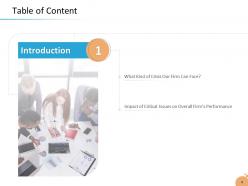
Slide 4: This slide displays Table of Content highlighting Introduction.
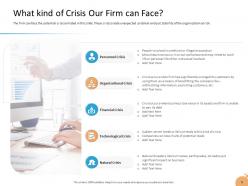
Slide 5: This slide represents What kind of Crisis Our Firm can Face?
Slide 6: This slide showcases Significant drop in demand of product or service.
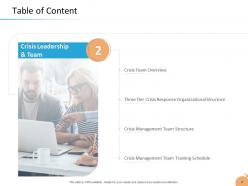
Slide 7: This slide shows Table of Content highlighting Crisis Leadership & Team.
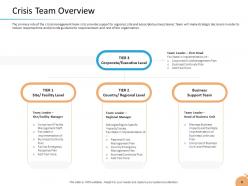
Slide 8: This slide presents Crisis Team Overview in order to reduce response time and provide guidance to response team and rest of the organization.
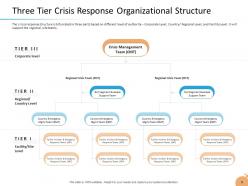
Slide 9: This slide displays Three Tier Crisis Response Organizational Structure
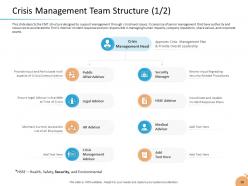
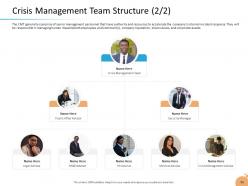
Slide 10: This slide represents the CMT structure designed to support management through crisis level issues. It comprise of senior management that have authority and resources to accelerate the firm’s internal incident response and are responsible in managing human impacts, company reputation, share values, and corporate assets.
Slide 11: This slide showcases Crisis Management Advisor with name and designation.
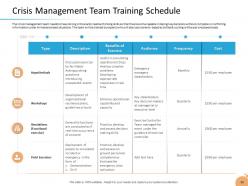
Slide 12: This slide shows Crisis Management Team Training Schedule.
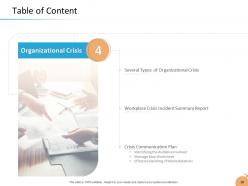
Slide 13: This slide presents Table of Content highlighting Organizational Crisis.
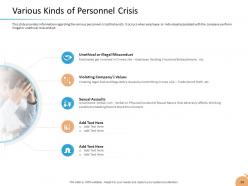
Slide 14: This slide displays information regarding the various personnel crisis that exists.
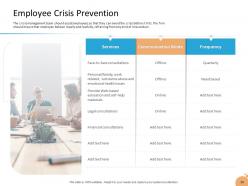
Slide 15: This slide represents Employee Crisis Prevention.
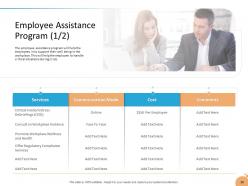
Slide 16: This slide showcases Employee Assistance Program.
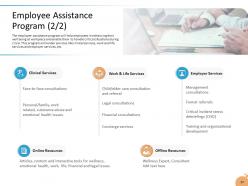
Slide 17: This is another slide continuing Employee Assistance Program.
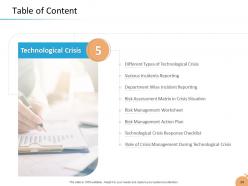
Slide 18: This slide shows Table of Content highlighting Technological Crisis.
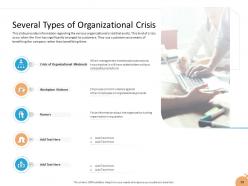
Slide 19: This slide presents Several Types of Organizational Crisis.
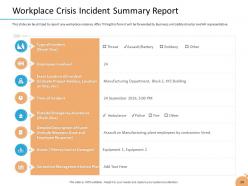
Slide 20: This slide displays Workplace Crisis Incident Summary Report.
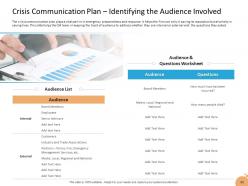
Slide 21: This slide represents Crisis Communication Plan – Identifying the Audience Involved.
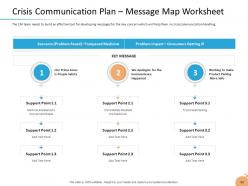
Slide 22: This slide showcases Crisis Communication Plan – Message Map Worksheet.
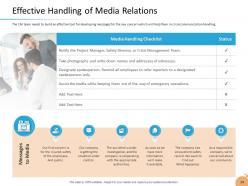
Slide 23: This slide shows Effective Handling of Media Relations.
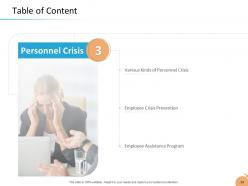
Slide 24: This slide presents Table of Content highlighting Personnel Crisis.
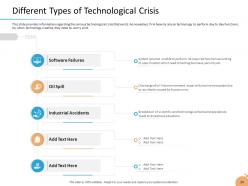
Slide 25: This slide displays Different Types of Technological Crisis.
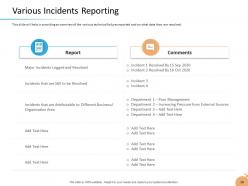
Slide 26: This slide represents Various Incidents Reporting.
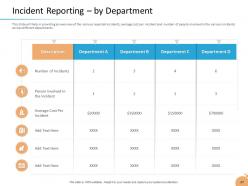
Slide 27: This slide showcases Incident Reporting- by Department.
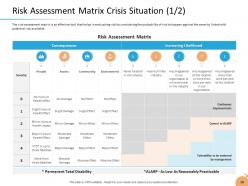
Slide 28: This slide shows Risk Assessment Matrix in Crisis Situation.
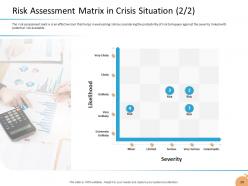
Slide 29: This is another slide showing Risk Assessment Matrix in Crisis Situation.
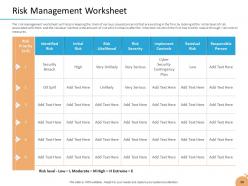
Slide 30: This slide presents Risk Management Worksheet.
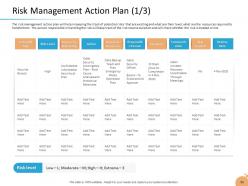
Slide 31: This slide displays Risk Management Action Plan.
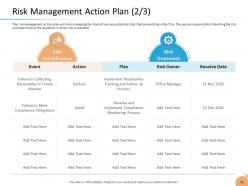
Slide 32: This is another slide showing Risk Management Action Plan.
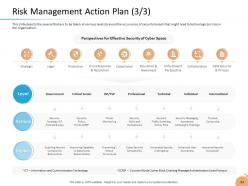
Slide 33: This slide represents Risk Management Action Plan describing- Skills and Competence, Traffic Scanning, Enabling Security Compliance & Assurance, etc.
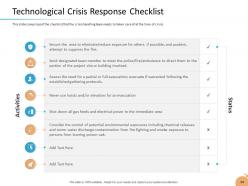
Slide 34: This slide showcases Technological Crisis Response Checklist.
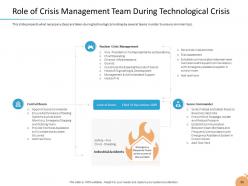
Slide 35: This slide shows Role of Crisis Management Team During Technological Crisis.
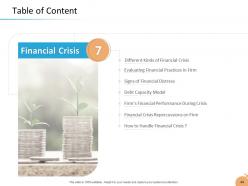
Slide 36: This slide presents Table of Content highlighting Financial Crisis.
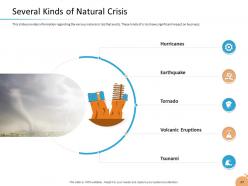
Slide 37: This slide displays Several Kinds of Natural Crisis.
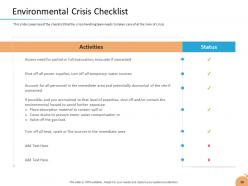
Slide 38: This slide represents Environmental Crisis Checklist.
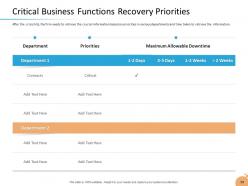
Slide 39: This slide showcases Critical Business Functions Recovery Priorities.
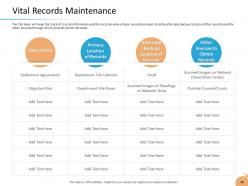
Slide 40: This slide shows Vital Records Maintenance.
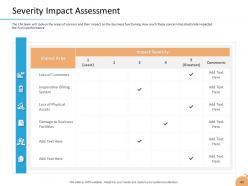
Slide 41: This slide presents Severity Impact Assessment with text boxes.
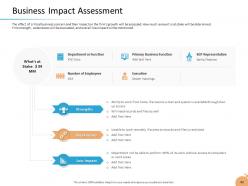
Slide 42: This slide displays Business Impact Assessment.
Slide 43: This slide represents Recovery Task List mentioned with the time taken for the recovery and the person responsible for the recovery.
Slide 44: This slide showcases Table of Content highlighting Recovery Task List.
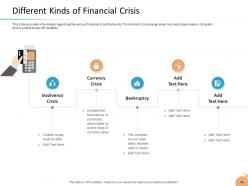
Slide 45: This slide shows information regarding the various financial crisis that exists.
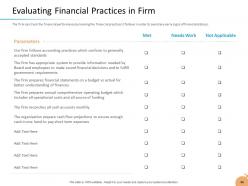
Slide 46: This slide presents Evaluating Financial Practices in Firm.
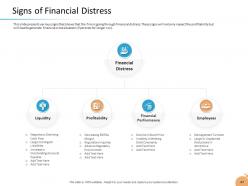
Slide 47: This slide displays various signs that shows that the firm is going through financial distress.
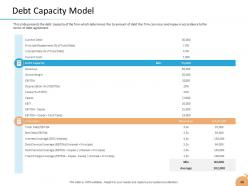
Slide 48: This slide represents the debt capacity of the firm which determines the to amount of debt the firm can incur and repay in accordance to the terms of debt agreement.
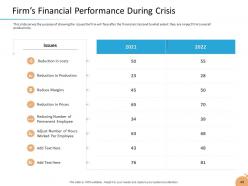
Slide 49: This slide showcases Firm’s Financial Performance During Crisis.
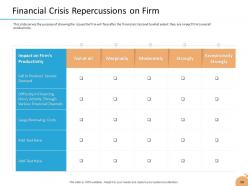
Slide 50: This slide shows Financial Crisis Repercussions on Firm.
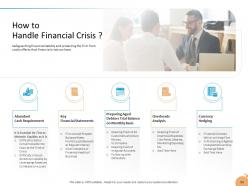
Slide 51: This slide presents How to Handle Financial Crisis ?
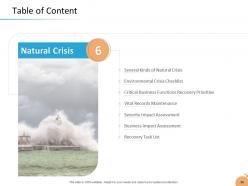
Slide 52: This slide displays Table of Content highlighting Natural Crisis.
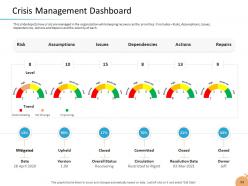
Slide 53: This slide represents how crisis are managed in the organization while keeping recovery as the priorities.
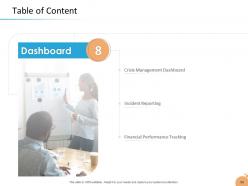
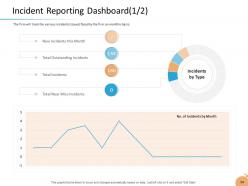
Slide 54: This slide showcases Incident Reporting Dashboard.
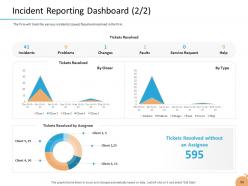
Slide 55: This slide shows incidents (issues) faced and resolved in the firm.
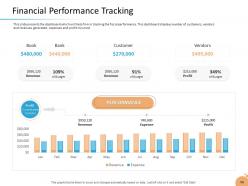
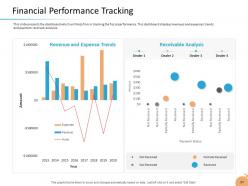
Slide 56: This slide presents the dashboard which will help firm in tracking the fiscal performance. This dashboard displays number of customers, vendors and revenues generated, expenses and profit incurred.
Slide 57: This slide displays Financial Performance Tracking.
Slide 58: This slide shows Icons for Crisis Management Capability.
Slide 59: This slide is titled as Additional Slides for moving forward.
Slide 60: This is About Us to show company specifications etc.
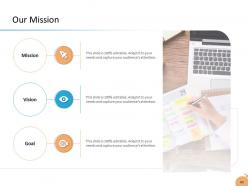
Slide 61: This is Our Mission slide with related imagery and text.
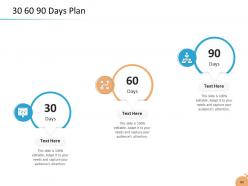
Slide 62: This slide shows 30 60 90 Days Plan with text boxes.
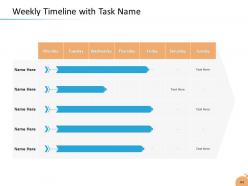
Slide 63: This slide displays Weekly Timeline with Task Name.
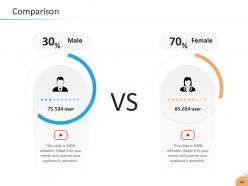
Slide 64: This is a Comparison slide to state comparison between commodities, entities etc.
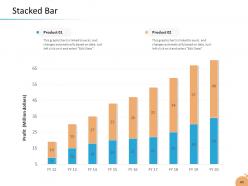
Slide 65: This slide shows Stacked Bar with two products comparison.
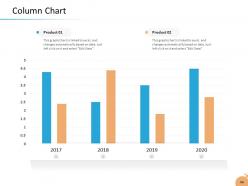
Slide 66: This slide displays Column Chart with two products comparison.
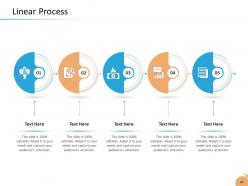
Slide 67: This slide shows Linear Process with additional textboxes.
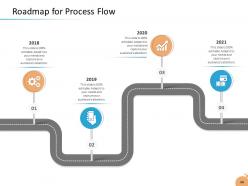
Slide 68: This slide showcases Roadmap for Process Flow.
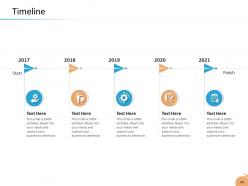
Slide 69: This is a Timeline slide. Show data related to time intervals here.
Slide 70: This is a Thank You slide with address, contact numbers and email address.
Crisis Management Capability Deck Powerpoint Presentation Slides with all 70 slides:
Use our Crisis Management Capability Deck Powerpoint Presentation Slides to effectively help you save your valuable time. They are readymade to fit into any presentation structure.

FAQs for Crisis Management Capability Deck
**INPUT**: What are the key components of an effective crisis management plan? **OUTPUT**: Effective crisis management plans include clear communication protocols, designated response teams, stakeholder contact databases, risk assessment frameworks, and recovery procedures. These components work together by streamlining decision-making, enabling rapid stakeholder notification, and maintaining operational continuity, with many organizations finding that comprehensive planning significantly reduces response times and minimizes business disruption during critical situations.
Organizations assess their current crisis management capabilities by conducting comprehensive audits of response plans, communication systems, resource allocation protocols, staff training levels, and decision-making structures. Through simulated crisis exercises, stakeholder feedback collection, and gap analysis reviews, companies identify vulnerabilities while benchmarking against industry standards, ultimately enabling them to strengthen preparedness and minimize operational disruptions during actual emergencies.
Communication serves as the backbone of crisis management by ensuring accurate information flow, maintaining stakeholder trust, coordinating response efforts, and minimizing confusion during critical situations. Effective crisis communication can be improved through pre-established protocols, regular training simulations, multi-channel messaging systems, and designated spokesperson roles, with many organizations finding that transparent, timely updates ultimately preserve reputation and accelerate recovery.
Technology enhances crisis management through real-time monitoring systems, automated alert mechanisms, predictive analytics, communication platforms, and resource tracking tools. These solutions enable organizations to detect threats earlier, coordinate responses faster, and maintain operational continuity, with many financial institutions and healthcare systems finding that integrated crisis platforms reduce response times while improving stakeholder communication and decision-making accuracy.
Effective crisis management training methods include scenario-based simulations, tabletop exercises, cross-functional workshops, stress inoculation training, and real-time decision-making drills. These approaches enhance preparedness by building muscle memory, improving communication protocols, and developing rapid response capabilities, with many organizations finding that regular simulation exercises significantly reduce response times and improve coordination during actual crisis situations.
Measuring crisis management effectiveness involves assessing response time, stakeholder communication quality, operational continuity, and recovery speed through predefined KPIs and post-crisis analysis. Organizations track metrics like customer retention rates, revenue impact, and reputation recovery, with many financial institutions and healthcare systems finding that regular simulation exercises and feedback loops ultimately enhance their preparedness and minimize future disruption costs.
Common crisis mistakes include delayed response, inconsistent messaging, inadequate stakeholder communication, lack of leadership visibility, and insufficient preparation planning. Organizations can avoid these through proactive crisis frameworks, designated response teams, pre-approved communication templates, and regular scenario training, with many companies finding that swift, transparent communication ultimately preserves stakeholder trust and competitive positioning.
Simulations and drills enhance crisis management readiness by testing response protocols, identifying operational gaps, and building team coordination under realistic pressure scenarios. Through tabletop exercises and full-scale emergency drills, organizations streamline decision-making processes, improve communication workflows, and strengthen stakeholder coordination, with many finding that regular practice significantly reduces response times and enhances organizational resilience.
Stakeholder engagement strategies during crises include transparent communication, regular updates, dedicated response teams, multi-channel outreach, and collaborative problem-solving sessions. These approaches streamline information flow by establishing clear protocols, maintaining trust through consistency, and enabling real-time feedback, with many organizations finding that proactive stakeholder involvement ultimately delivers faster resolution and stronger post-crisis relationships.
Organizations should prioritize crisis management initiatives by assessing industry-specific vulnerabilities, regulatory requirements, operational dependencies, and stakeholder expectations that define their risk landscape. Financial services typically focus on cybersecurity and regulatory compliance, while manufacturing emphasizes supply chain resilience and safety protocols, with healthcare prioritizing patient safety and data protection, ultimately enabling each sector to build targeted defenses against their most critical threats.
A cross-functional crisis management team ensures diverse expertise, comprehensive decision-making, and coordinated response across all business functions during emergencies. These teams streamline communication, enhance resource allocation, and minimize operational disruptions by combining insights from finance, operations, communications, and leadership, with many organizations finding that integrated approaches deliver faster recovery times and stronger stakeholder confidence.
Organizations ensure business continuity through comprehensive crisis management planning, robust communication protocols, diversified supply chains, remote work capabilities, and financial reserves. These strategies enable companies to maintain operations during disruptions, with many financial institutions and healthcare systems finding that pre-established contingency frameworks, regular testing, and stakeholder coordination ultimately deliver faster recovery times and competitive resilience.
Crisis management evaluation frameworks include the Crisis Management Maturity Model, Business Continuity Planning standards, Risk Assessment matrices, Incident Command Systems, and Post-Crisis Analysis protocols. These frameworks enhance organizational resilience by identifying vulnerabilities, streamlining response procedures, and improving communication channels, with many financial services and healthcare institutions finding that regular capability assessments ultimately deliver faster recovery times and stronger stakeholder confidence.
Organizations can leverage past crisis lessons by conducting thorough post-crisis analyses, documenting response effectiveness, updating emergency protocols, and creating knowledge repositories accessible across departments. Many companies now establish crisis learning committees that systematically capture insights from incidents like supply chain disruptions or cybersecurity breaches, ultimately building organizational resilience and faster response capabilities for future challenges.
Ethical considerations during crisis management include transparent communication, stakeholder protection, equitable resource allocation, privacy safeguards, and accountability for decisions made under pressure. These principles guide organizations through maintaining public trust, ensuring fair treatment across affected communities, and balancing immediate response needs with long-term reputational integrity, ultimately delivering sustainable recovery and enhanced stakeholder confidence.
-
Great designs, Easily Editable.
-
Unique and attractive product design.
-
Excellent design and quick turnaround.
-
Awesome use of colors and designs in product templates.
-
Awesome presentation, really professional and easy to edit.
-
Understandable and informative presentation.
-
Colors used are bright and distinctive.
-
The Designed Graphic are very professional and classic.
-
Best way of representation of the topic.
-
Excellent template with unique design.
-
Page:
- You're currently reading page 1
- Page 2
-
