


Cycle process 4 steps ppt template




Try Before you Buy Download Free Sample Product
 Impress Your
 Audience
 100%
100% Editable
 Save Hours
 of Time


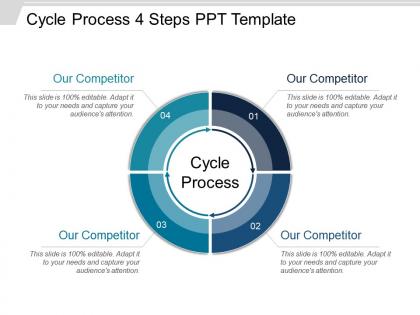
Generate a huge amount of energy with our Cycle Process 4 Steps Ppt Template. Bring about fusion of ideas.
People who downloaded this PowerPoint presentation also viewed the following :
Cycle process 4 steps ppt template with all 5 slides:
Elucidate on your views on any subject. Our Cycle Process 4 Steps Ppt Template will put the spotlight on all.

FAQs for Cycle process 4
So basically there's four main parts: planning, doing it, keeping track, and looking back at how it went. Planning's where you figure out what you want and how to get there. Then you actually do the work - but here's the thing, you can't just set it and forget it. You've gotta watch how things are going and tweak stuff as needed. Most people mess up right here honestly. After everything's done, spend real time reviewing what worked and what sucked. That feedback goes straight into your next round of planning. The review part is clutch - it's what makes each cycle way better than the last one.
So cycle processes are basically about catching problems before they blow up your deadlines. Map out how work *actually* moves through your team - not the fantasy version in your head. You'll spot where stuff gets stuck every single time. Honestly, the first time I did this it was pretty shocking how obvious the bottlenecks were. Which phases eat up resources? Where do handoffs go sideways? Track one project's timing this week. Then you can finally give stakeholders real timelines based on data instead of just crossing your fingers and hoping.
So feedback is basically your safety net - catches problems before they get worse. I'd say pick 2-3 spots in whatever you're doing where you can stop and check: what's working? What sucks? Where are things getting stuck? It's like having checkpoints in a video game (weird analogy but whatever). Without them you're just hoping everything works out, which... usually doesn't go great. The trick is actually doing something with what you learn instead of just collecting feedback for no reason. Small tweaks along the way beat having to fix a disaster later.
So basically you're always tweaking stuff based on what you learn - works for both products and marketing campaigns. Build something, test it, get feedback, then make it better. Rinse and repeat. Marketing's the same deal - launch a campaign, see how it performs, adjust your approach, test again. I actually kind of love this process once you get the hang of it. Set up regular check-ins to see what's actually working. Don't drag your feet between cycles though - I've found monthly reviews beat quarterly ones every time. Keeps you way more responsive to changes.
Honestly, drawing out cycle processes is a game changer. You can see how everything connects instead of juggling it all mentally. I'm super visual so maybe I'm biased, but sketching it out reveals bottlenecks and gaps you'd totally miss otherwise. When you're explaining it to someone else, having that diagram keeps everyone following along - way better than just describing it. Start with a rough sketch of your current process. You'll probably catch issues right away. Even stick figures work if you're not artistic lol. Trust me, it's worth the five minutes.
Honestly, the hardest part is getting people to actually change what they're doing. Everyone's stuck in their ways, even when stuff's clearly broken. Documentation is always a mess too, and teams never talk to each other properly. Oh, and training - people have no clue what they're supposed to be doing half the time. You'll also run into that whole "who's responsible for this" nightmare where nobody owns anything. Start with something small first, maybe just one team. Get the big bosses on your side early or you're screwed. Don't go company-wide until you've proven it works.
Look, different industries just bend the process to fit what they actually need. Manufacturing goes crazy with testing and quality checks. Software teams? They're constantly iterating and getting user feedback - honestly makes sense since they can push updates so fast. Healthcare has to build in tons of safety protocols because people's lives are literally on the line. Financial companies throw compliance checkpoints everywhere (regulations, ugh). The trick is figuring out what's critical for YOUR industry and working those requirements into each phase. Don't try forcing some cookie-cutter process that doesn't match your reality.
Okay so for each stage you're gonna want different metrics. Planning phase? Track if you're hitting timelines and whether your resource estimates are actually realistic (spoiler: they usually aren't). During execution, watch throughput rates and quality scores - plus identify bottlenecks because that's honestly where everything goes to hell. Review phase is all about completion rates, how many errors popped up, and total cycle time. Don't go crazy with data though. Pick like 2-3 key metrics per stage max. Set up some automated dashboards and check them weekly so small issues don't turn into disasters.
Honestly, tech is a game-changer here. Start by mapping out what you're doing now - then automate the stuff that's driving everyone crazy. Workflow tools are clutch for cutting out all those manual handoffs between teams. The time you'll save is insane. Cloud platforms make collaboration way smoother, plus you can track everything in real-time. AI helps catch problems before they spiral (though I'm still figuring out half the analytics myself). Integration tools are huge too - stops your systems from being weird islands that don't talk. Focus on your biggest pain points first.
Dude, you absolutely need stakeholders in the loop throughout your whole process. Otherwise you'll end up building something nobody actually wants - trust me on this one. I've seen projects crash and burn because people waited until the end to get feedback. Check in with them at major milestones, not just kickoff and wrap-up. They'll catch problems early before you waste time going down rabbit holes. Plus nobody wants to be surprised by changes that mess with their workflow (learned that lesson the expensive way). Their input keeps you headed in the right direction instead of guessing what people need.
Look, cycle design is just thinking about your whole product journey upfront - from raw materials to what happens when people throw it away. Way smarter than building something and then scrambling to make it "green" afterward (honestly, that approach is such a mess). Get your sustainability people involved early, not when you're already halfway done. Map out where your product hits the environment hardest - manufacturing, shipping, whatever - and tackle those spots first. You'll save money and actually make a difference instead of just slapping recycling labels on everything.
Templates are a lifesaver for each phase - trust me on this one. Document who's doing what, key decisions, inputs/outputs. We once wasted hours trying to figure out what the hell happened in a previous cycle because nobody wrote anything down. Version control everything with timestamps and quick notes explaining why you changed stuff. Flowcharts help people see dependencies fast. Here's the thing though - document as you go, not later when you've forgotten half the details. Set up folders that match your phases so anyone can jump in and find what they need without hunting around.
Look, hands-on training beats dusty manuals every time. Your team needs to actually walk through the process together – run some mock scenarios, mess up in a safe space, figure out the tricky bits. That way when real issues hit, they're not scrambling. Also helps everyone speak the same language. No more confused looks during meetings when someone mentions a phase nobody remembers. Make the sessions interactive though, not some boring presentation where people zone out. Oh, and don't forget quarterly refreshers – this stuff gets fuzzy if you don't practice it.
Look, I get wanting to cut corners when deadlines are breathing down your neck. But honestly? You'll just end up doing double work later. Those stages exist for a reason - each one catches stuff the previous missed. Skip requirements gathering and boom, you're rebuilding features halfway through. Miss dependency mapping and suddenly nothing talks to each other properly. The worst part is having to explain to your boss why you need extra time to fix something that should've been done right the first time. Trust me on this one.
Honestly, write down what went right and what was a disaster after each cycle - then actually READ those notes before the next one starts. Most teams totally skip this part and wonder why they keep screwing up the same way. Testing time always takes longer than you think, right? Start noticing those patterns. Maybe Susan from marketing needs three extra days to review stuff, or your estimates are consistently off. Keep a little "don't forget this next time" list during planning. The trick is making it official, not just hoping you'll magically remember to do better.
-
Understandable and informative presentation.
-
Unique research projects to present in meeting.