


Powerpoint-Präsentationsfolien zur Digitalisierungsstrategie zur Beschleunigung der Business Transformation




Try Before you Buy Download Free Sample Product
 Impress Your
 Audience
 100%
100% Editable
 Save Hours
 of Time


Unsere PowerPoint-Präsentationsfolien zur Digitalisierungsstrategie zur Beschleunigung der Business Transformation sind themenspezifisch gestaltet, um jedem Thema einen attraktiven Hintergrund zu bieten. Verwenden Sie sie, um wie ein Präsentationsprofi auszusehen.
People who downloaded this PowerPoint presentation also viewed the following :
Inhalt dieser Powerpoint-Präsentation
Folie 1 : Diese Folie stellt die Digitalisierungsstrategie vor, um die Transformation des Unternehmens zu beschleunigen. Geben Sie Ihren Firmennamen an und beginnen Sie.
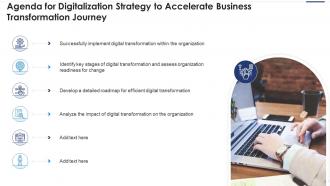
Folie 2 : Diese Folie präsentiert die Agenda für die Digitalisierungsstrategie zur Beschleunigung der Transformation des Unternehmens.
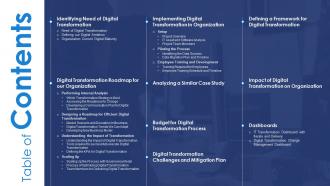
Folie 3 : Diese Folie zeigt das Inhaltsverzeichnis der Präsentation.
Folie 4 : Diese Folie zeigt Titel für Themen an, die als nächstes in der Vorlage behandelt werden sollen.
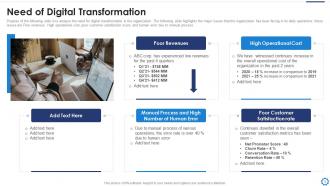
Folie 5 : Diese Folie zeigt den Bedarf an digitaler Transformation in der Organisation.
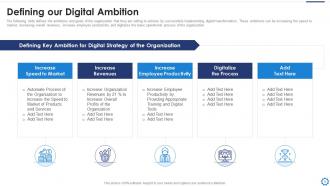
Folie 6 : Die folgende Folie definiert die Ambitionen und Ziele der Organisation.
Folie 7 : Diese Folie stellt die Notwendigkeit dar, eine Strategie für die digitale Transformation innerhalb der Organisation zu entwickeln und umzusetzen.
Folie 8 : Diese Folie zeigt Titel für Themen, die als nächstes in der Vorlage behandelt werden sollen.
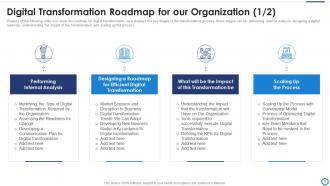
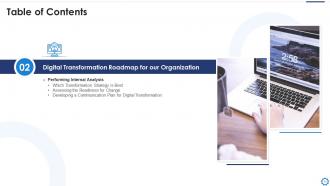
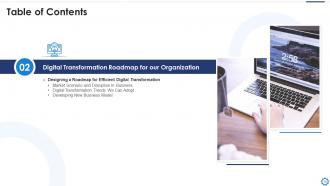
Folie 9 : Diese Folie zeigt den Fahrplan für die digitale Transformation für unsere Organisation.
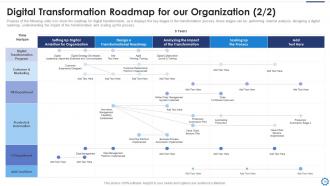
Folie 10 : Dies ist eine weitere Folie, die den Fahrplan für die digitale Transformation für unsere Organisation fortsetzt.
Folie 11 : Diese Folie zeigt Titel für Themen, die als nächstes in der Vorlage behandelt werden sollen.
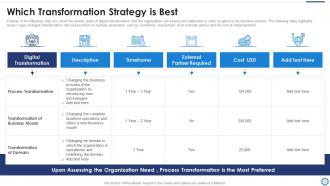
Folie 12 : Diese Folie stellt verschiedene Arten der digitalen Transformation vor, die das Unternehmen bewerten kann.
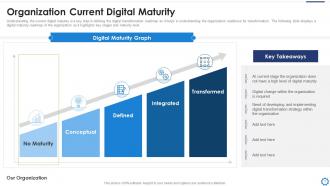
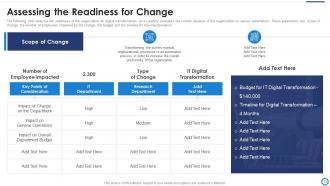
Folie 13 : Die folgende Folie analysiert die Bereitschaft der Organisation für die digitale Transformation.
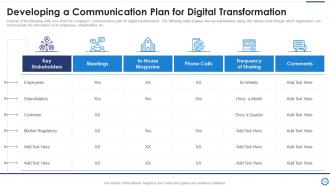
Folie 14 : Diese Folie zeigt die Entwicklung eines Kommunikationsplans für die digitale Transformation.
Folie 15 : Diese Folie zeigt Titel für Themen, die als nächstes in der Vorlage behandelt werden sollen.
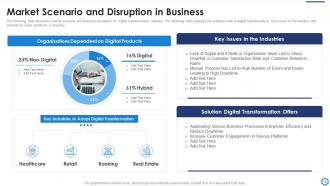
Folie 16 : Diese Folie veranschaulicht Marktszenarien und Geschäftsunterbrechungen für die Industrie der digitalen Transformation.
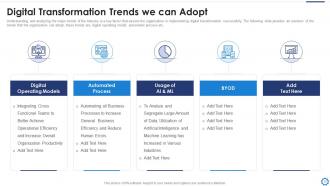
Folie 17 : Diese Folie präsentiert Trends der digitalen Transformation, die wir übernehmen können.
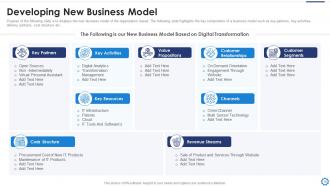
Folie 18 : Diese Folie zeigt das neue Geschäftsmodell der Organisation basierend.
Folie 19 : Diese Folie zeigt Titel für Themen, die als nächstes in der Vorlage behandelt werden sollen.
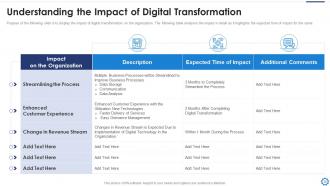
Folie 20 : Diese Folie zeigt das Verständnis der Auswirkungen der digitalen Transformation.
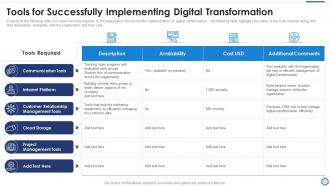
Folie 21 : Diese Folie zeigt Tools für die erfolgreiche Umsetzung der digitalen Transformation.
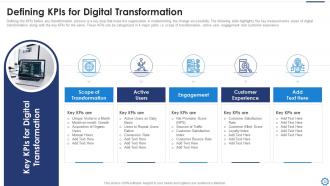
Folie 22 : Diese Folie zeigt die wichtigsten Messbereiche der digitalen Transformation zusammen mit den wichtigsten KPIs.
Folie 23 : Diese Folie zeigt Titel für Themen, die als nächstes in der Vorlage behandelt werden sollen.
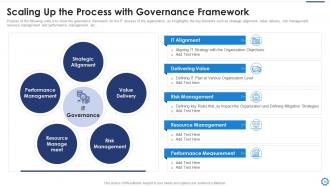
Folie 24 : Diese Folie zeigt die Skalierung des Prozesses mit Governance Framework.
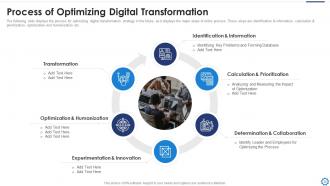
Folie 25 : Diese Folie zeigt den Prozess zur Optimierung der Strategie für die digitale Transformation in der Zukunft.
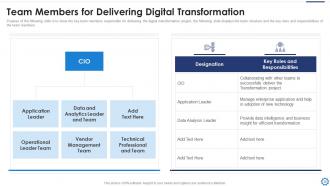
Folie 26 : Diese Folie stellt die Teammitglieder für die Bereitstellung der digitalen Transformation dar.
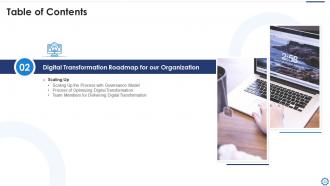
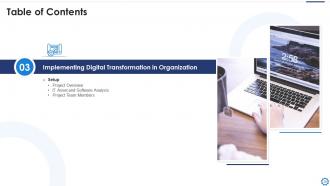
Folie 27 : Diese Folie zeigt das Inhaltsverzeichnis der Präsentation.
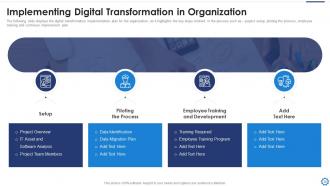
Folie 28 : Die folgende Folie zeigt den Implementierungsplan für die digitale Transformation für das Unternehmen.
Folie 29 : Diese Folie zeigt Titel für Themen, die als nächstes in der Vorlage behandelt werden sollen.
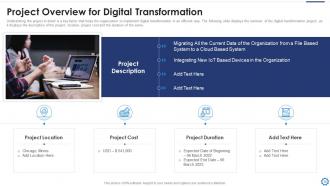
Folie 30 : Diese Folie präsentiert einen Projektüberblick für die digitale Transformation.
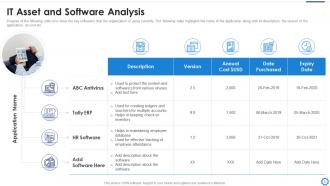
Folie 31 : Diese Folie zeigt wichtige Software, die die Organisation derzeit verwendet.
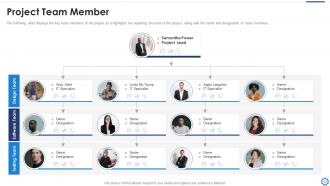
Folie 32 : Diese Folie stellt die wichtigsten Teammitglieder des Projekts dar, da sie die Berichtsstruktur des Projekts hervorhebt.
Folie 33 : Diese Folie zeigt Titel für Themen, die als nächstes in der Vorlage behandelt werden sollen.
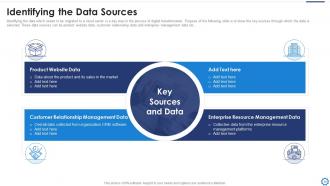
Folie 34 : Diese Folie präsentiert Schlüsselquellen, aus denen die Daten ausgewählt werden.
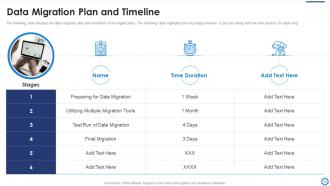
Folie 35 : Diese Folie zeigt den Datenmigrationsplan und den Zeitrahmen der Organisation.
Folie 36 : Diese Folie zeigt Titel für Themen, die als nächstes in der Vorlage behandelt werden sollen.
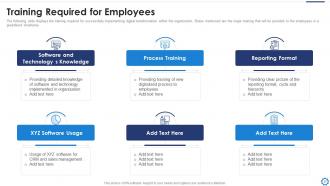
Folie 37 : Diese Folie stellt die Schulung dar, die für die erfolgreiche Umsetzung der digitalen Transformation erforderlich ist.
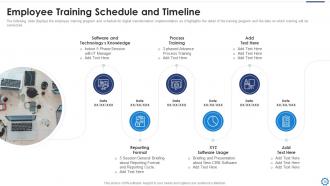
Folie 38 : Diese Folie zeigt das Mitarbeiterschulungsprogramm und den Zeitplan für die digitale Transformation.
Folie 39 : Diese Folie zeigt Titel für Themen, die als nächstes in der Vorlage behandelt werden sollen.
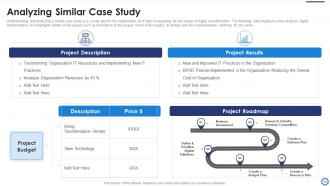
Folie 40 : Diese Folie präsentiert eine Fallstudie zur digitalen Transformation, da sie Details des Projekts hervorhebt.
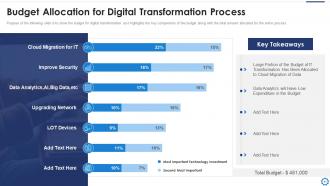
Folie 41 : Diese Folie zeigt die Budgetzuweisung für den digitalen Transformationsprozess.
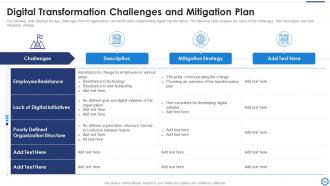
Folie 42 : Diese Folie stellt die Herausforderungen der digitalen Transformation und den Minderungsplan dar.
Folie 43 : Diese Folie zeigt Titel für Themen, die als nächstes in der Vorlage behandelt werden sollen.
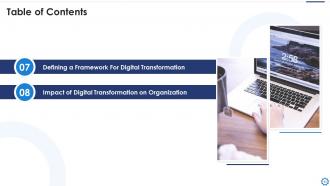
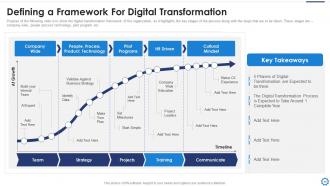
Folie 44 : Diese Folie zeigt die Definition eines Rahmens für die digitale Transformation.
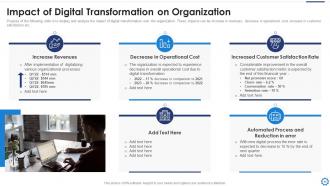
Folie 45 : Diese Folie zeigt die Auswirkungen der digitalen Transformation auf die Organisation.
Folie 46 : Diese Folie zeigt Titel für Themen, die als nächstes in der Vorlage behandelt werden sollen.
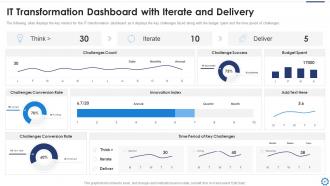
Folie 47 : Diese Folie zeigt das IT-Transformations-Dashboard mit Iteration und Bereitstellung.
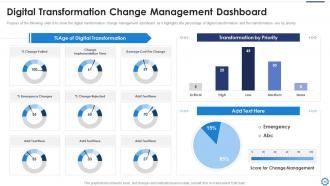
Folie 48 : Diese Folie repräsentiert das Dashboard für das Änderungsmanagement der digitalen Transformation.
Folie 49 : Diese Folie zeigt Symbole für die Digitalisierungsstrategie zur Beschleunigung der Geschäftstransformation.
Folie 50 : Diese Folie trägt den Titel „Zusätzliche Folien“, um voranzukommen.
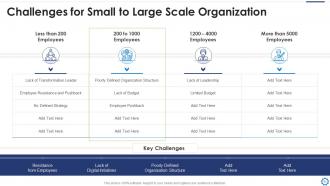
Folie 51 : Diese Folie präsentiert Herausforderungen für kleine bis große Organisationen.
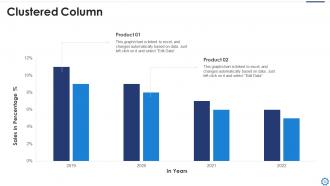
Folie 52 : Diese Folie zeigt ein gruppiertes Säulendiagramm mit zwei Produktvergleichen.
Folie 53 : Dies ist die Folie „Über uns“, um Unternehmensspezifikationen usw. anzuzeigen.
Folie 54 : Dies ist unsere Missionsfolie mit zugehörigen Bildern und Texten.
Folie 55 : Dies ist eine Timeline-Folie. Zeigen Sie hier Daten zu Zeitintervallen an.
Folie 56 : Dies ist die Folie „Unser Team“ mit Namen und Bezeichnung.
Folie 57 : Diese Folie enthält einen 30-60-90-Tage-Plan mit Textfeldern.
Folie 58 : Diese Folie zeigt Haftnotizen. Posten Sie hier Ihre wichtigen Notizen.
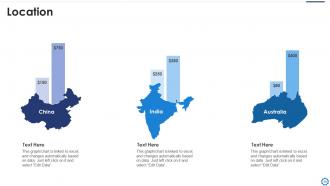
Folie 59 : Dies ist eine Standortfolie mit Karten, um Daten anzuzeigen, die sich auf verschiedene Standorte beziehen.
Folie 60 : Diese Folie präsentiert die Roadmap mit zusätzlichen Textfeldern.
Folie 61 : Dies ist eine Dankeschön-Folie mit Adresse, Kontaktnummern und E-Mail-Adresse.
Digitalisierungsstrategie zur Beschleunigung der Business Transformation Journey Powerpoint-Präsentationsfolien mit allen 66 Folien:
Verwenden Sie unsere Powerpoint-Präsentationsfolien zur Digitalisierungsstrategie zur Beschleunigung der Geschäftstransformation, um Ihnen effektiv dabei zu helfen, wertvolle Zeit zu sparen. Sie sind gebrauchsfertig und passen in jede Präsentationsstruktur.









FAQs for Digitalization strategy to accelerate business transformation journey
Look, you need three main things: clear goals, a tech audit of what you've got, and a solid change management plan. Don't just digitize everything because it sounds cool - that gets expensive fast and creates chaos. Focus on processes that actually need it first. Get leadership on board early (trust me on this one), then build cross-functional teams. You'll want data governance sorted, training programs ready, and KPIs to measure success. Customer experience should guide most decisions. Start with small pilot projects - test stuff out, learn what works, then scale up from there.
Honestly, you gotta track both the hard numbers and the fuzzy stuff to really know what's working. Start with operational metrics - process efficiency, cost cuts, revenue from new digital channels. Employee adoption rates matter too though, plus customer satisfaction scores and how fast you're pivoting when the market shifts. Some benefits won't show up for months, which is super annoying but just how it goes. Pick maybe 3-4 key metrics that actually tie back to your original goals. Then do monthly check-ins to see if you're on track or need to change direction.
Honestly? Training your people is everything. I've seen companies blow tons of cash on fancy software that just sits there collecting digital dust because nobody knows how to use it. Your team needs to actually understand the new workflows, otherwise they'll just resist the whole thing. Start the training before you even roll everything out - not after when people are already frustrated. Keep it going too, don't just do some one-day workshop and call it done. When employees feel confident with the tools, they actually want to use them instead of finding workarounds.
Look, first thing - figure out which digital stuff actually hits your business targets. Like if you need to slash costs by 15%, find the tech that'll get you there. Don't just digitize random crap because it sounds cool (seriously, how many useless company apps have we all downloaded?). Focus on projects that boost revenue, make customers happier, or streamline operations. Get your leadership on the same page about strategy and digital plans. Check in regularly since things change fast. Here's the thing - digital transformation should serve your goals, not become the goal itself. That's where companies mess up.
Oh man, getting everyone on the same page is brutal - every department thinks their project should go first. Budget's always tight too, especially when you're dealing with ancient systems that need total rebuilds. And don't even get me started on employees fighting new processes (though I get it, change sucks). Finding people who actually know both your business AND the tech side? Good luck with that. Honestly though, just pick something small to pilot first. Get a quick win under your belt, then use that momentum to tackle bigger stuff. Way easier than trying to boil the ocean right away.
Customer feedback is literally your roadmap for going digital. Surveys, user testing, support tickets - that's where you'll find the real problems worth solving. I've watched companies burn through budgets building stuff nobody wanted because they didn't ask first. Map out complaints to see which systems need digitizing most. Your feedback shows you where interfaces are confusing and helps decide where to spend tech money. Honestly, skip this step and you're just guessing what matters. Start with the biggest pain points customers actually complain about.
Cloud stuff, AI/ML, and data analytics are your big three - that's where most companies see real results. Also get an API-first setup going because otherwise your systems won't play nice together. Trust me on that one. Mobile-first design and automation tools are solid additions too, but honestly? Don't get hung up on specific tech. What matters is finding platforms that actually integrate well. I'd start by looking at what you've got now, then figure out where customers are getting frustrated or where you're wasting time operationally. That'll tell you what to tackle first.
Security can't be an afterthought - build it in from the start. Get a good data governance system going that actually classifies your info and controls who sees what. I've watched way too many companies rush their digital stuff then completely freak out about security later. Don't do that lol. Your employees need training because they'll click on anything, and you need encryption plus regular audits. Zero-trust is worth looking into if you're going cloud. The whole point is making security work WITH your digital transformation, not against it.
So digitalization totally flips how you think about creating value for customers. Your old ways of doing things? Gone. Physical processes get automated, middlemen disappear, and suddenly everyone's going direct-to-consumer. Subscription models are everywhere now too - honestly feels like everything's monthly payments these days! Data becomes huge, sometimes worth more than what you're actually selling. The whole thing makes you way more customer-focused. You've gotta move faster and be flexible. I'd start small though - just pick one part of your business that's super manual and see how tech could streamline it.
Honestly, just start small and don't overthink it. Pick one department to experiment with - maybe automate their workflow or something simple first. You don't want to blow your whole budget on some massive overhaul that might flop. Set up some basic checkpoints so you know when things are working (or when to bail). Run a few different pilots at once - that way if one crashes and burns, you're not totally screwed. Oh, and make sure your leadership is cool with potentially losing whatever you spend on innovation. They need to expect some failures upfront. It's way better than gambling everything on one big bet.
First thing - you gotta map out all your legacy stuff and figure out how data moves around. APIs are your best friend here, seriously. They'll bridge everything without making you want to pull your hair out. If your old systems are being really stubborn, middleware might save you. Don't try to do everything at once though - I've seen that blow up spectacularly. Roll it out in phases instead. Oh, and backup your data mapping before you change anything. Trust me on that one.
Honestly, this is where small businesses can crush it. Big companies are drowning in red tape - they need three meetings just to change their homepage. You can pivot overnight. Start with whatever would help your customers most - maybe a chatbot or better mobile experience. The cool thing is you're not stuck with some ancient system from 2003 like they are. Cloud tools, automation, personalized marketing - it's all accessible now. While they're scheduling another committee meeting, you can test something new and see if it works. Pick one digital upgrade and just go for it.
Honestly, you'll want to track the obvious stuff first - processing times, automation savings, revenue from new digital channels. But here's what people miss: the softer metrics are just as crucial. Customer satisfaction scores, how fast people adopt your digital tools, whether employees are actually getting better with tech. I'd personally focus on maybe 4 key metrics max instead of going crazy with tracking everything. Oh, and don't sleep on measuring technical debt reduction - sounds boring but it matters. System integration success is huge too. Pick what aligns with your actual goals though.
You really need everyone involved from day one, not just IT. Marketing sees problems operations doesn't, finance has totally different concerns than sales - and if you skip getting their input early, you'll build something that technically works but misses the actual issues people face daily. I've seen so many projects fail because they designed everything in a vacuum then wondered why nobody wanted to use it. Mixed teams during planning is the way to go. Map out who's gonna be most impacted by whatever you're building and get them helping design the solution, don't just ask for feedback afterward.
Honestly, think of customer experience as your guiding light for any digital moves. Map out their journey first - where do they get frustrated? Those pain points are where you want to focus your tech investments. I've watched companies throw money at random digital stuff just because it seemed trendy, which is basically lighting cash on fire. Survey your customers about what's actually bugging them. Then tackle those problems with the right digital tools. Make things faster or easier for them, not just shinier. Start small with the biggest complaints first - that's where you'll see real impact.
-
Informative design.