


E Commerce Application Development Powerpoint Presentation Slides
Get your e commerce application development journey started with our comprehensive E commerce Application Development PowerPoint presentation. This presentation is designed to guide you through the different aspects of app development and help you develop a user case scenario for the app development process. The presentation begins by introducing the app development and marketing solutions company and its major clients from various industries. The deck also covers details about the project, such as project goals, proposed solutions, results, site mapping, and app promotion strategies. The PPT also helps analyze competitors applications based on design, price, performance, and quality. In addition, our e commerce application development module represents the app development process, including app specifications, potential requirements, and technologies used for app development. It also describes UX UI visual designs, app store strategies, and an overview of the beta program. Furthermore, investments needed for app development, post production support services, app development project execution roadmap, and various app promotional activities are also covered. Lastly, the presentation highlights the timeline for the app development and marketing process and app performance tracking dashboards. Our 100 percentage editable e commerce ppt templates can be customized with assistance from our highly skilled research or design team. Download now to kickstart your e commerce application development journey.
Get your e commerce application development journey started with our comprehensive E commerce Application Development Power..

















-

- Google Slides is a new FREE Presentation software from Google.
- All our content is 100% compatible with Google Slides.
- Just download our designs, and upload them to Google Slides and they will work automatically.
- Amaze your audience with SlideTeam and Google Slides.
-

Want Changes to This PPT Slide? Check out our Presentation Design Services
-

- WideScreen Aspect ratio is becoming a very popular format. When you download this product, the downloaded ZIP will contain this product in both standard and widescreen format.
-

- Some older products that we have may only be in standard format, but they can easily be converted to widescreen.
- To do this, please open the SlideTeam product in Powerpoint, and go to
- Design ( On the top bar) -> Page Setup -> and select "On-screen Show (16:9)” in the drop down for "Slides Sized for".
- The slide or theme will change to widescreen, and all graphics will adjust automatically. You can similarly convert our content to any other desired screen aspect ratio.
Compatible With Google Slides

Get This In WideScreen
You must be logged in to download this presentation.


Do you want to remove this product from your favourites?
PowerPoint presentation slides
Enthrall your audience with this E Commerce Application Development Powerpoint Presentation Slides. Increase your presentation threshold by deploying this well-crafted template. It acts as a great communication tool due to its well-researched content. It also contains stylized icons, graphics, visuals etc, which make it an immediate attention-grabber. Comprising fifty seven slides, this complete deck is all you need to get noticed. All the slides and their content can be altered to suit your unique business setting. Not only that, other components and graphics can also be modified to add personal touches to this prefabricated set.

People who downloaded this PowerPoint presentation also viewed the following :
Content of this Powerpoint Presentation
Slide 1: This slide introduces E-Commerce Application Development . State your company name and begin.
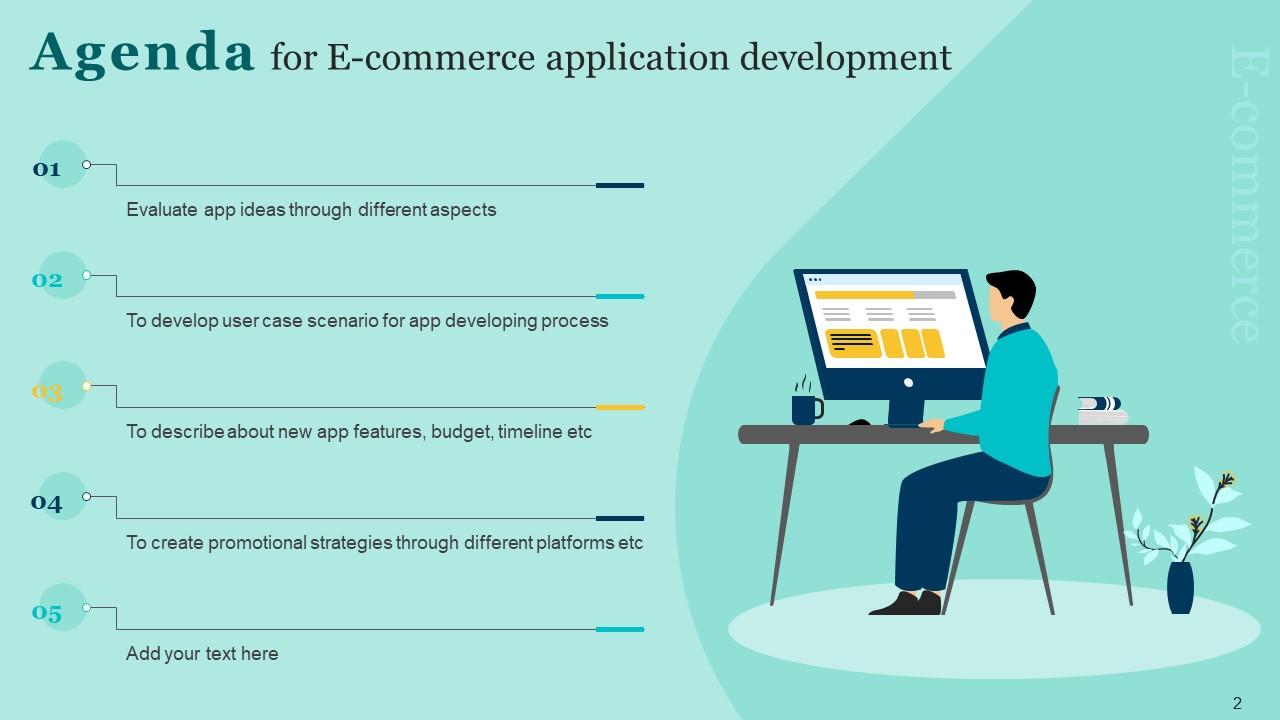
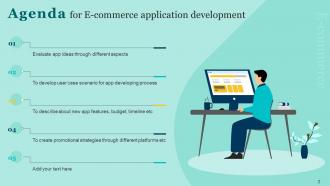
Slide 2: This slide depicts the Agenda of the presentation.
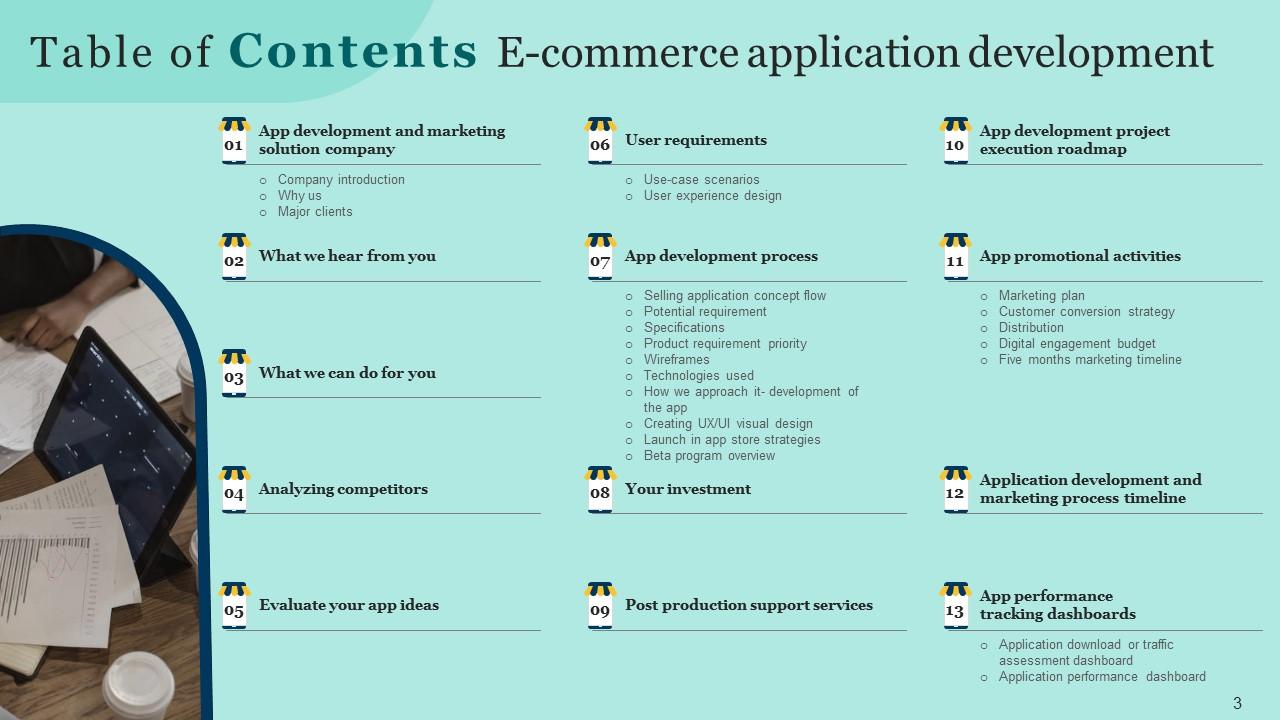
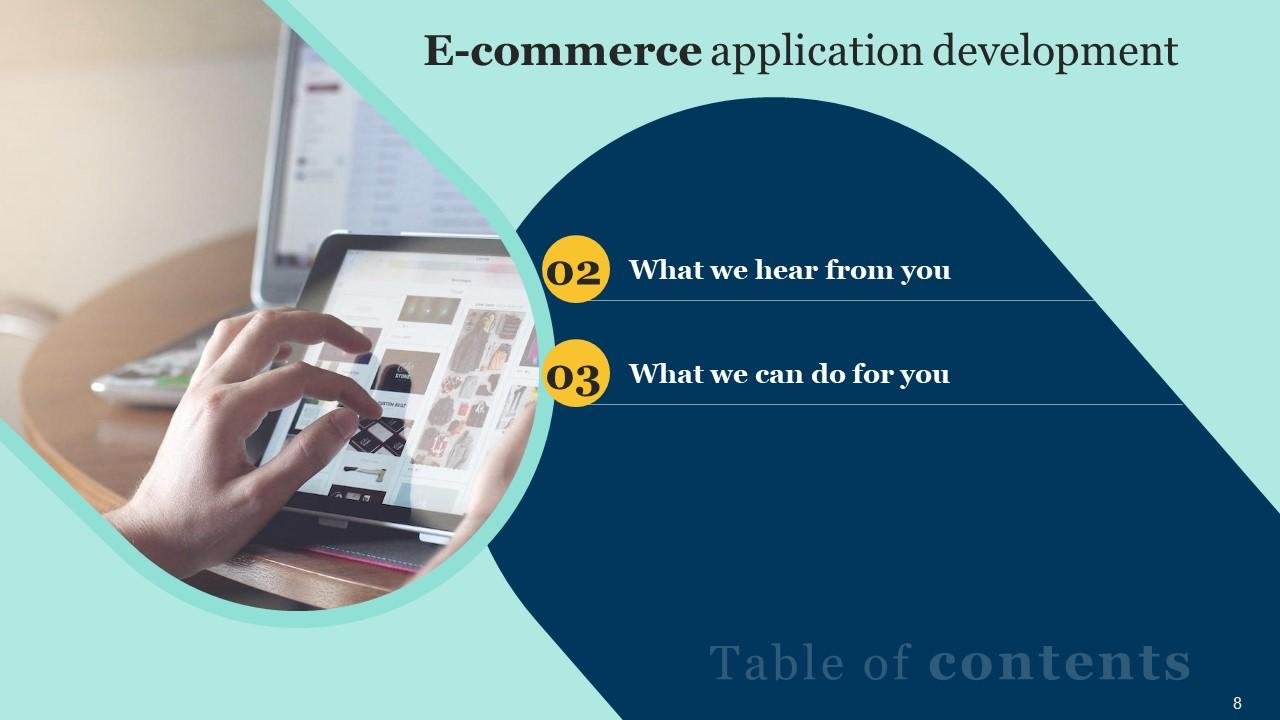
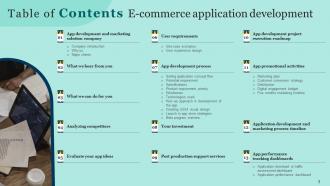
Slide 3: This slide shows Table of Content for the presentation.
Slide 4: This slide highlights title for topics that are to be covered next in the template.
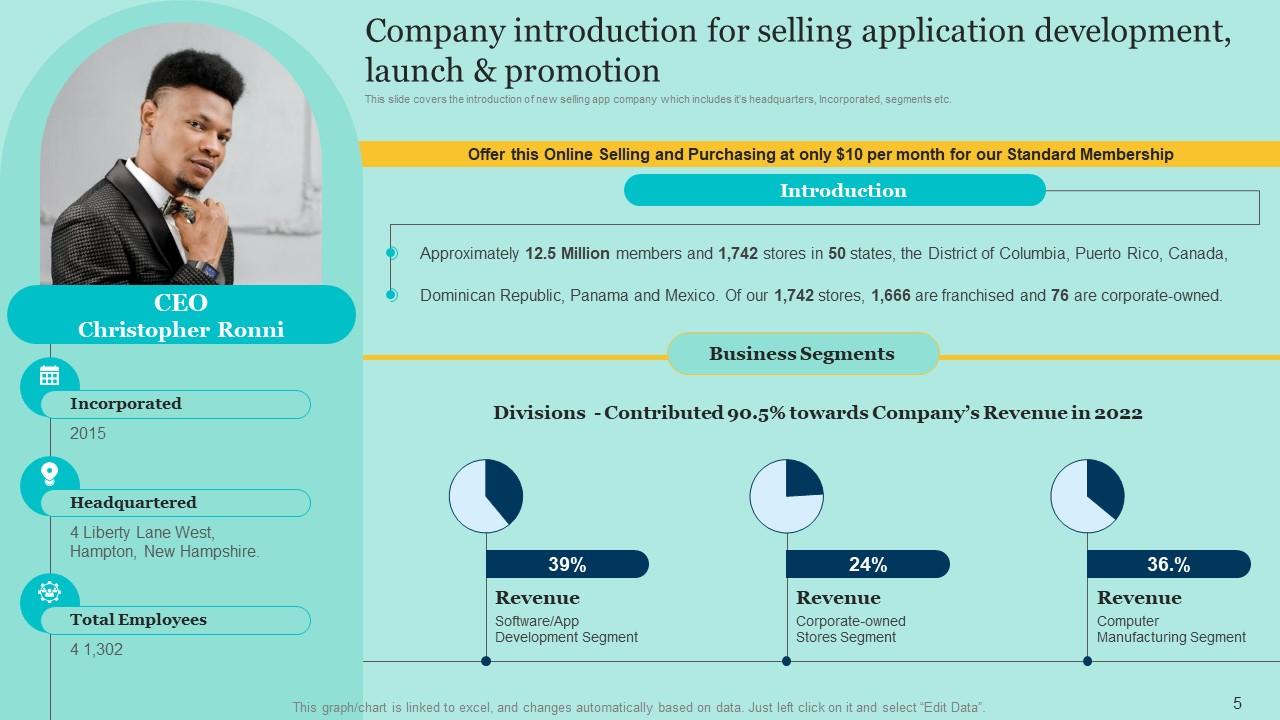
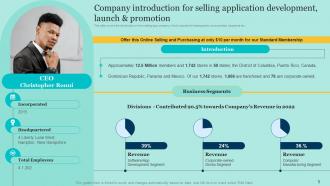
Slide 5: This slide displays the Company introduction for selling application development, launch & promotion.
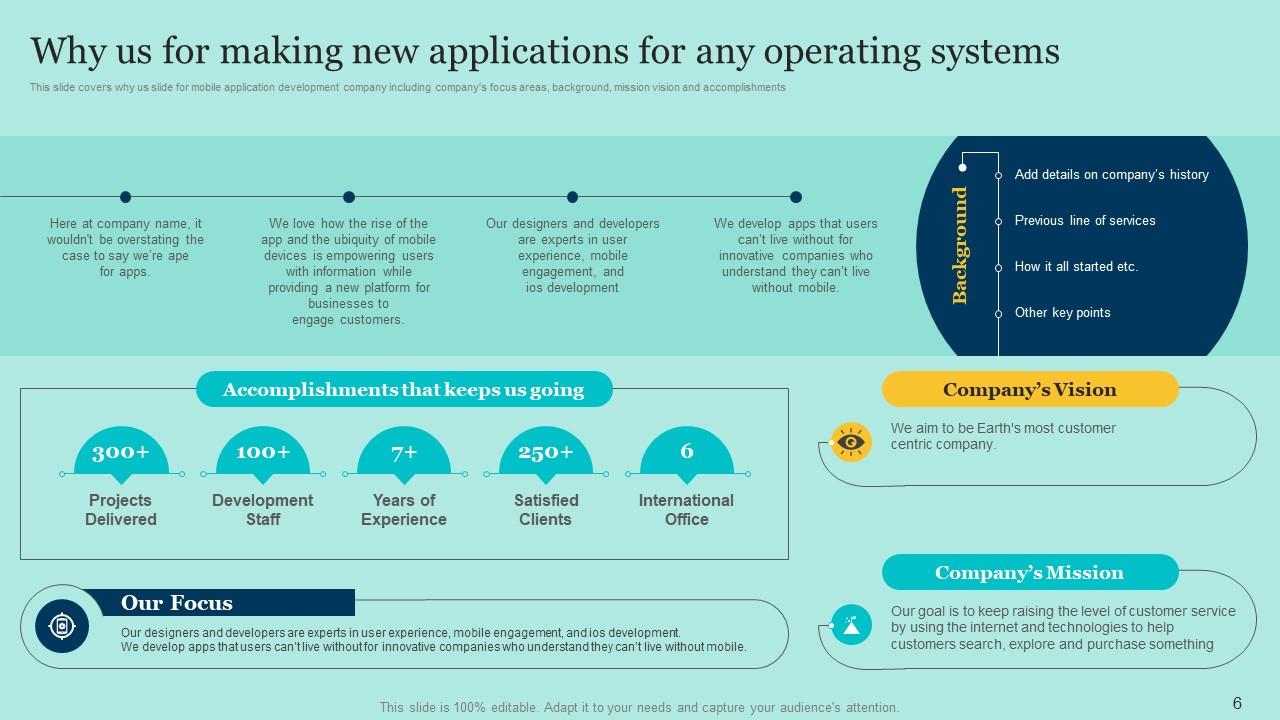
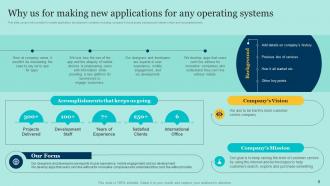
Slide 6: This slide deals with the Company's supremacy for making new applications for any operating systems.
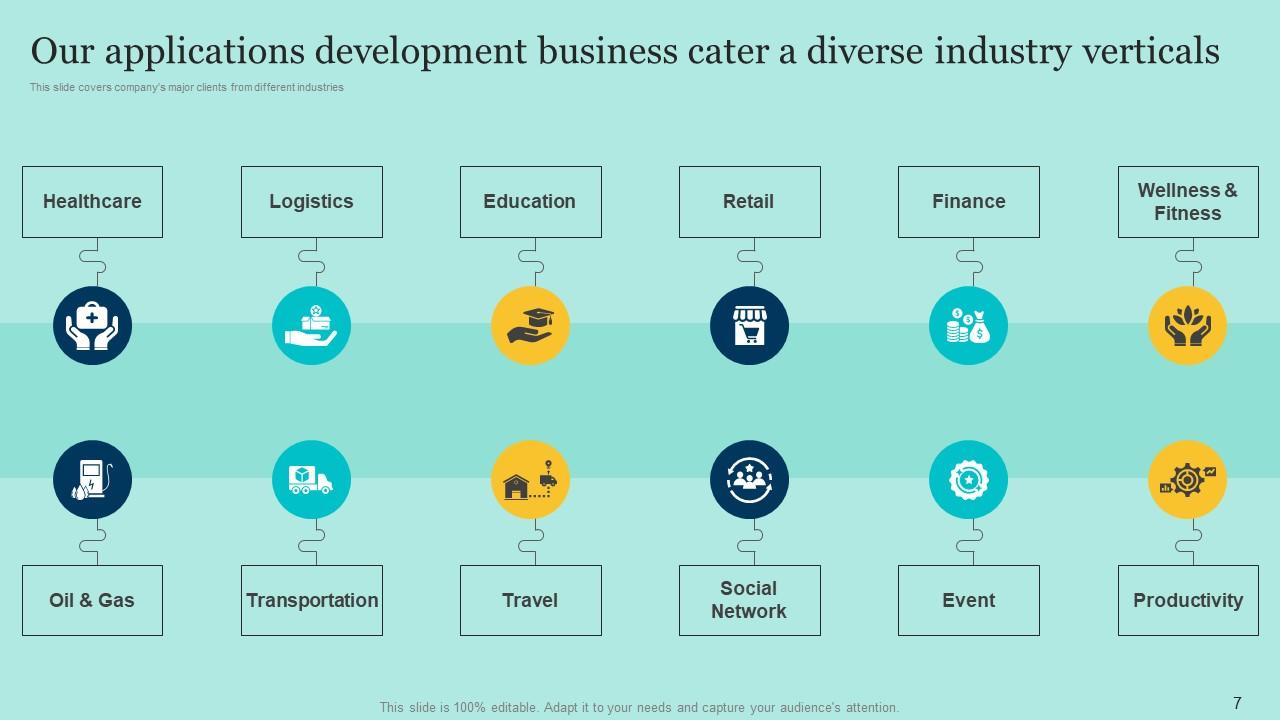
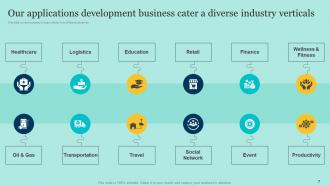
Slide 7: This slide highlights the company’s major clients from different industries.
Slide 8: This slide elucidates the Title for the Ideas to be discussed in the upcoming template.
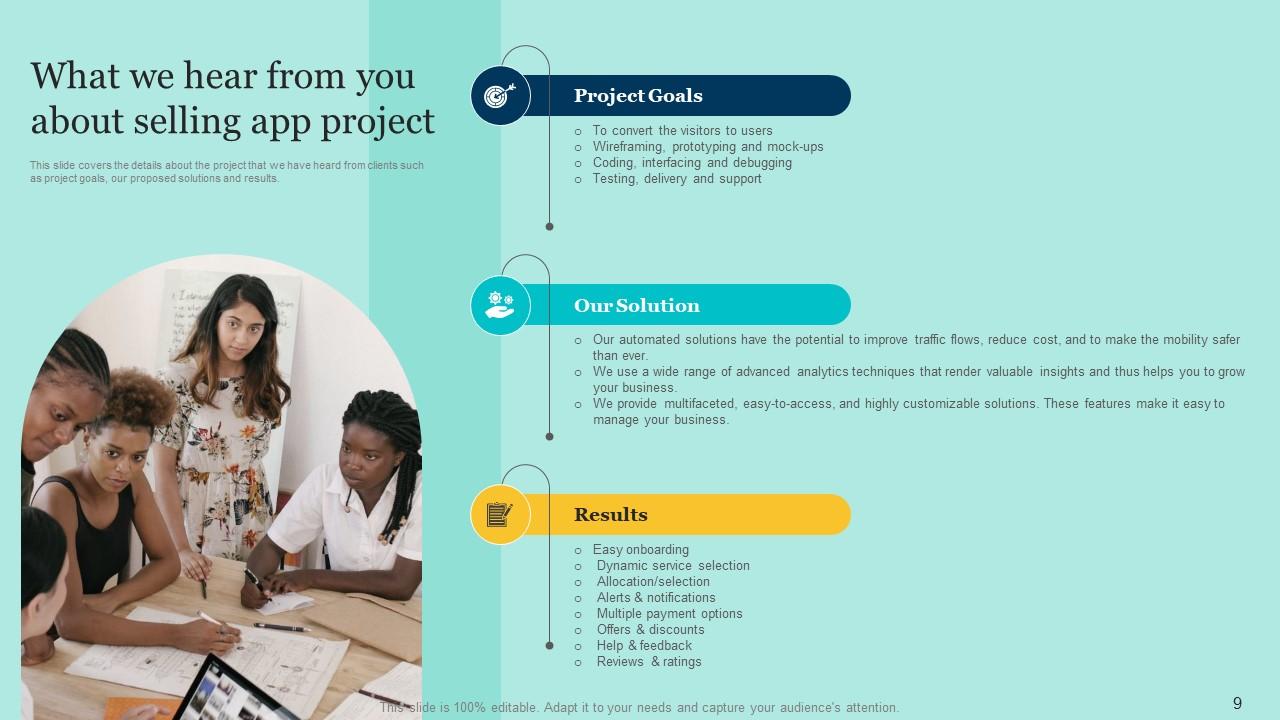
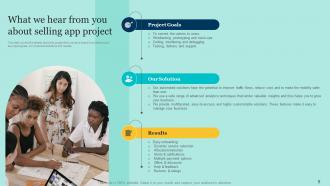
Slide 9: This slide covers the details about the project that the Organization heard from clients about selling app project.
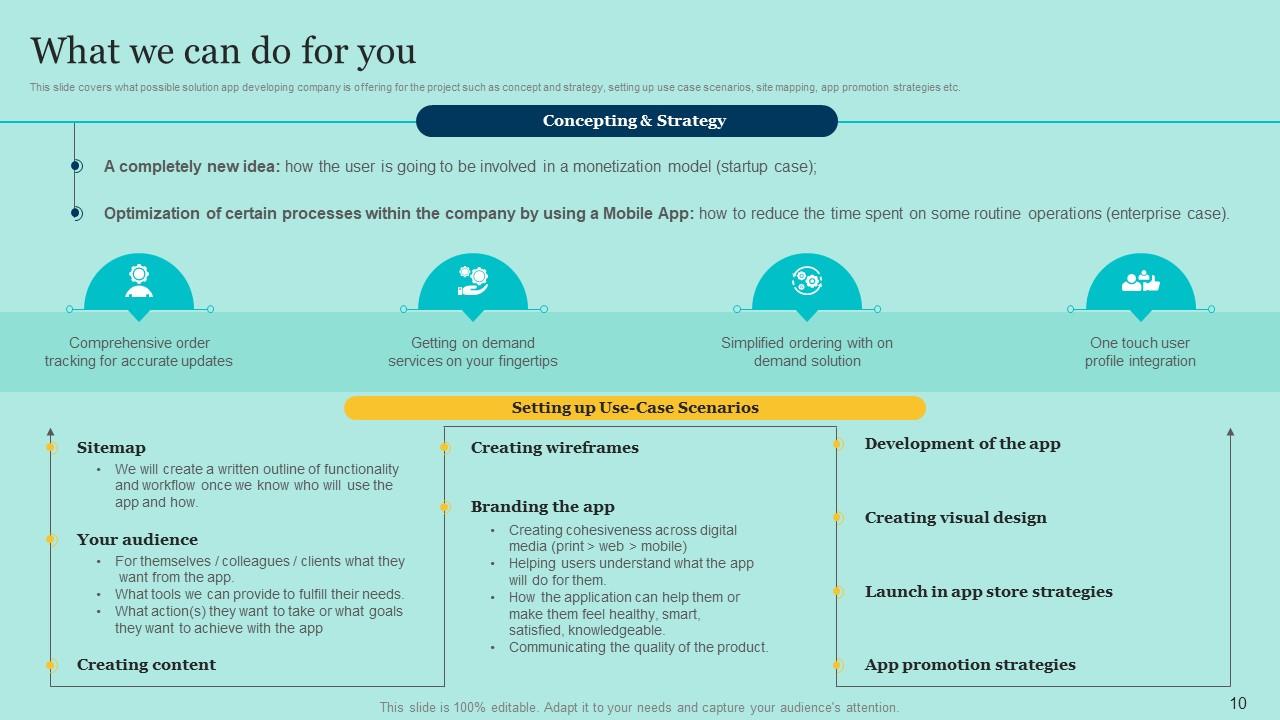
Slide 10: This slide states the possible solutions that the Company offers for the project.
Slide 11: This slide incorporates the Heading for the Contents to be discussed next.
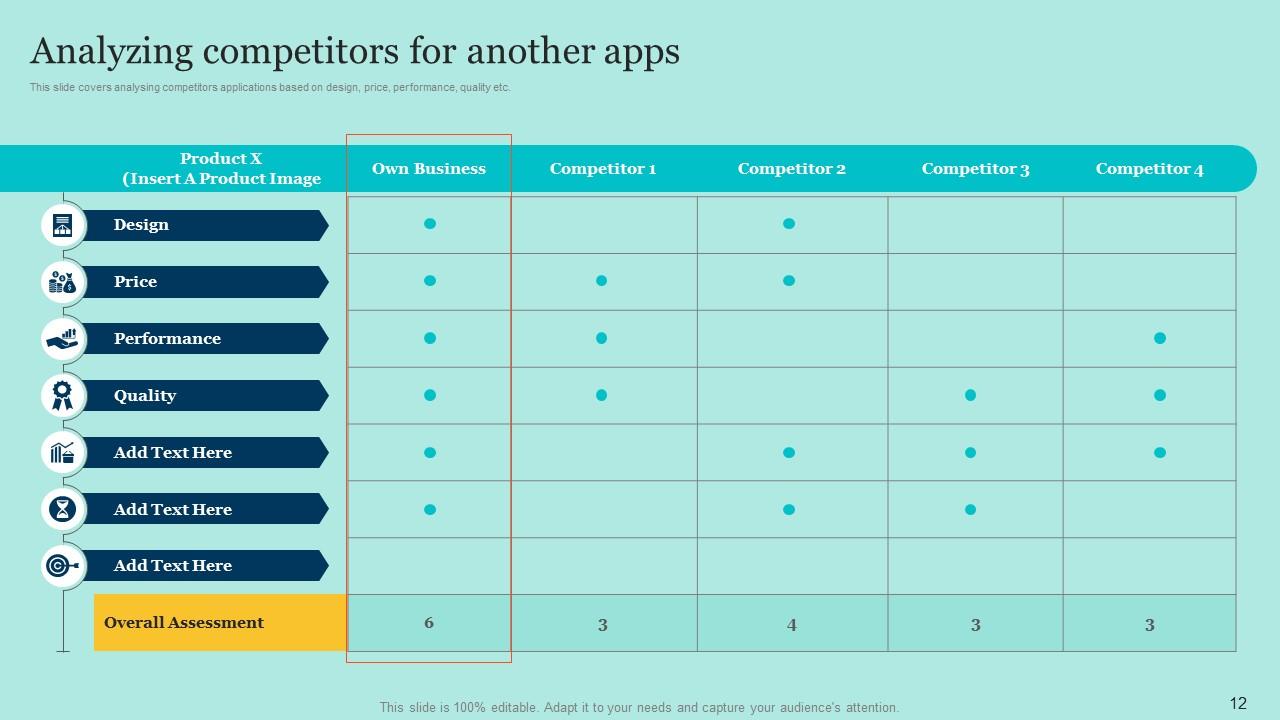
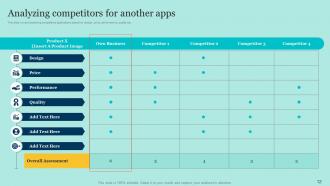
Slide 12: This slide deals with Analyzing competitors for another apps.
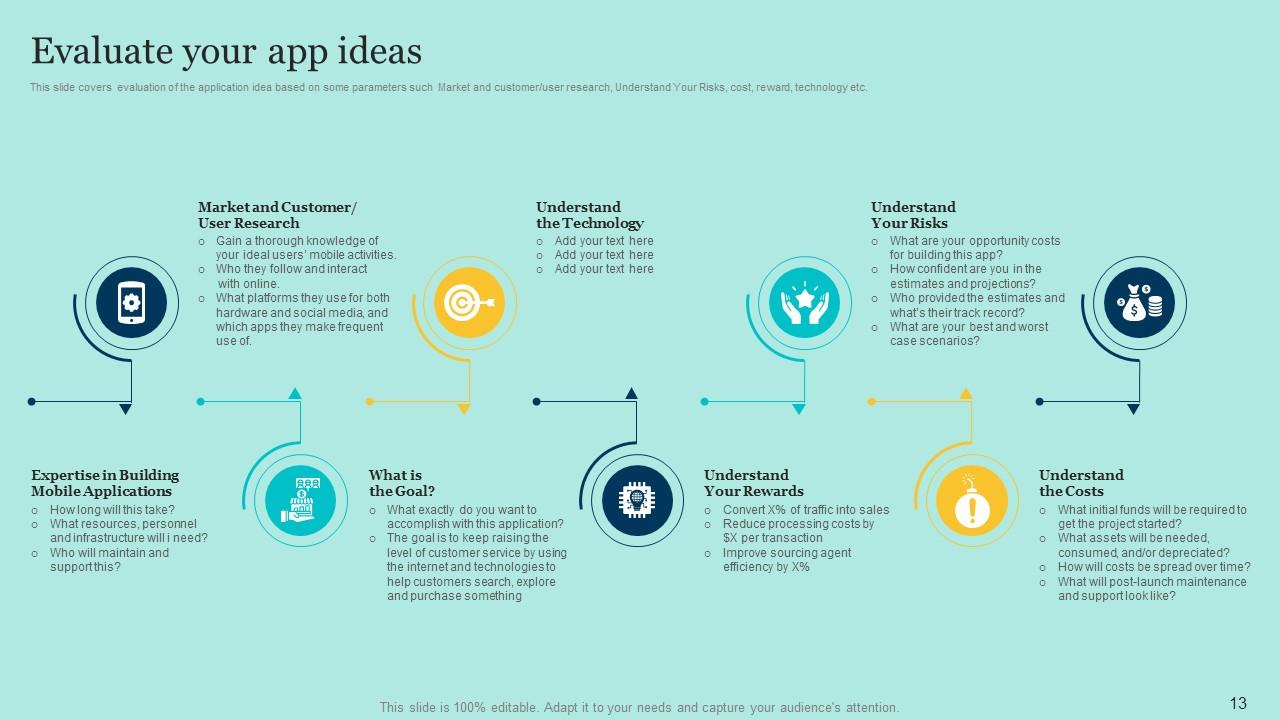
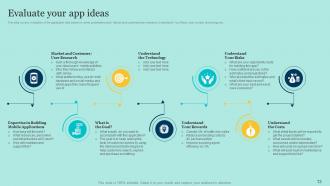
Slide 13: This slide takes into consideration Evaluating the app ideas.
Slide 14: This slide contains the Title for the Ideas to be discussed in the forth-coming template.
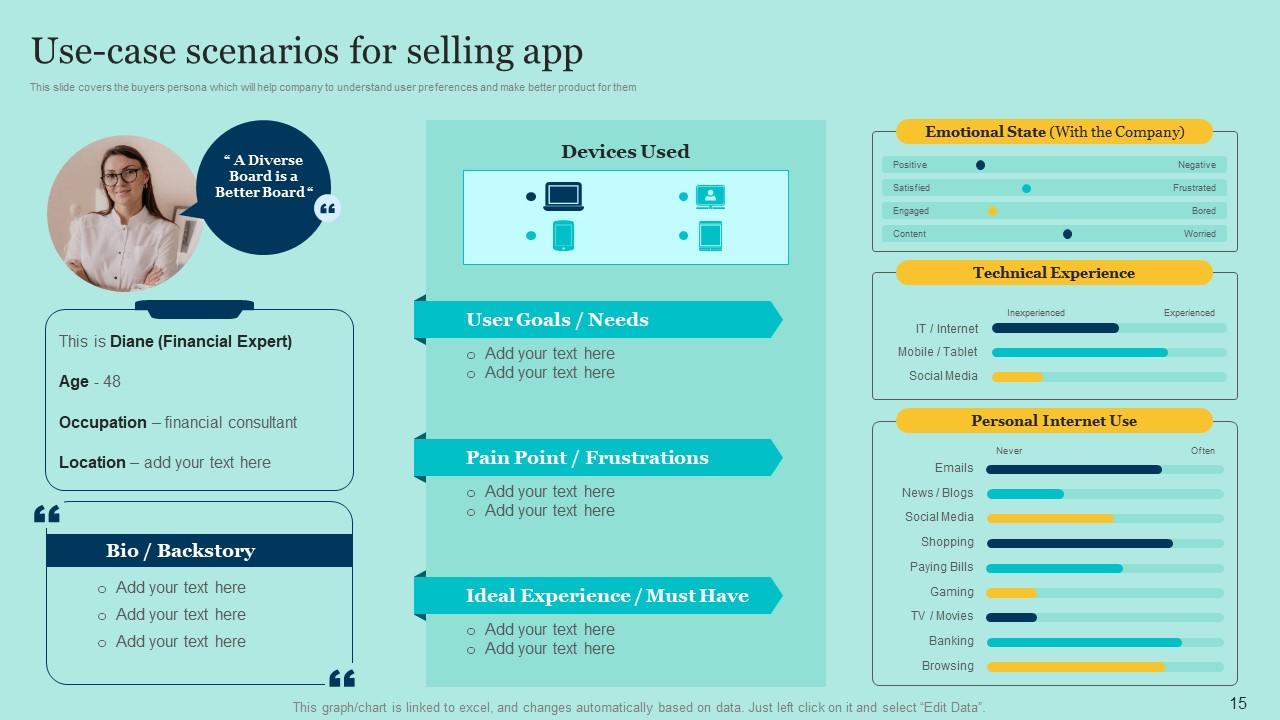
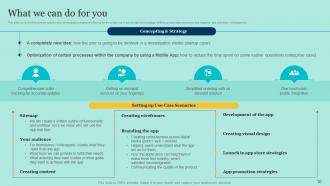
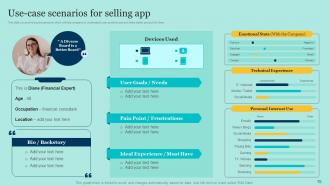
Slide 15: This slide emphasizes on Use-case scenarios for selling app.
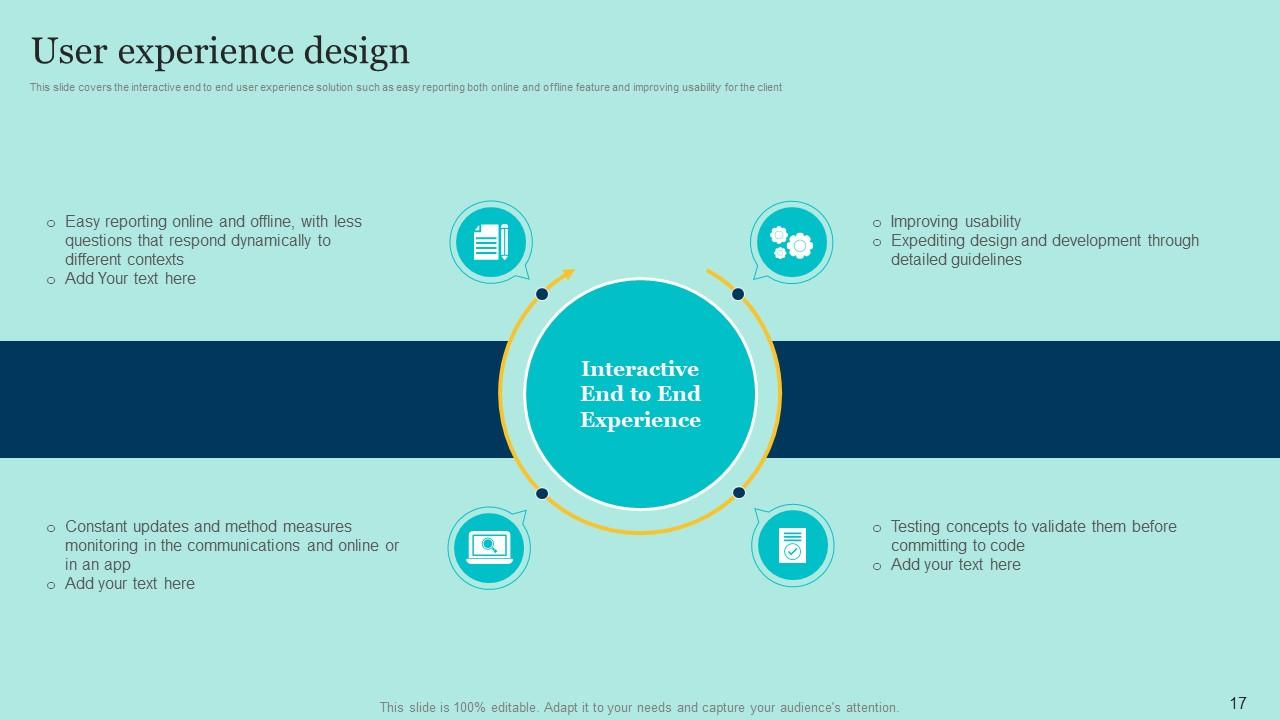
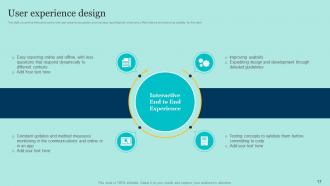
Slide 16: This slide illustrates User experience design.
Slide 17: This slide reveals the Heading for the Contents to be covered next.
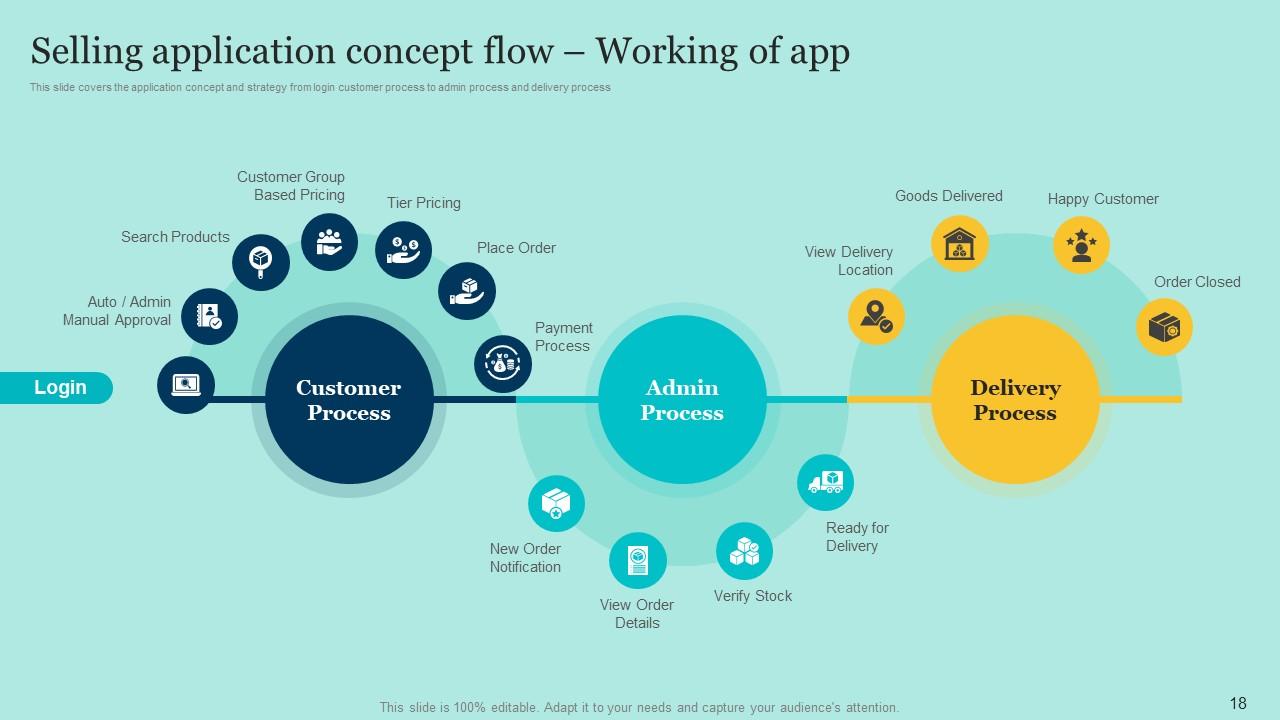
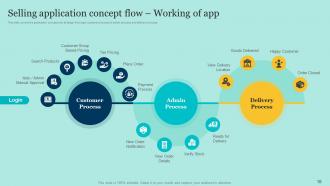
Slide 18: This slide highlights Selling application concept flow and Working of app.
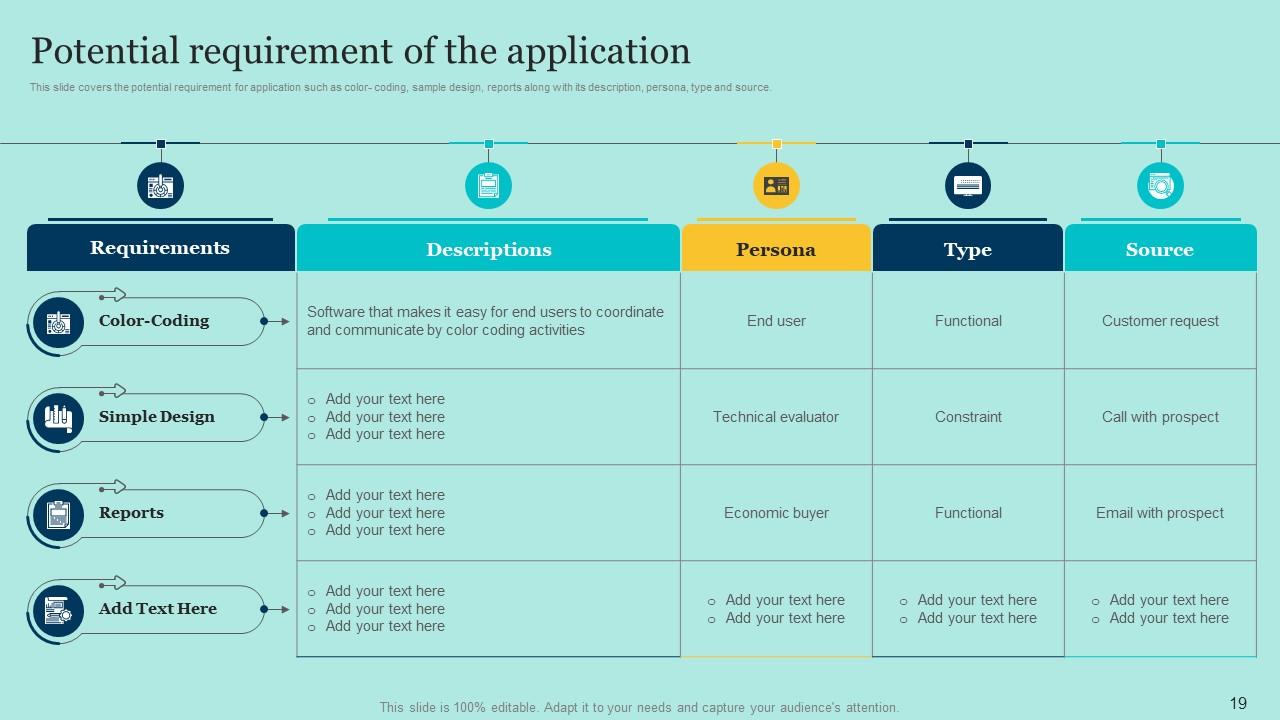
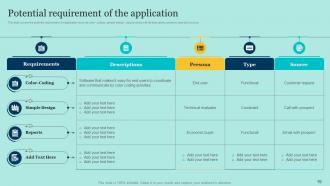
Slide 19: This slide depicts the Potential requirement of the application.
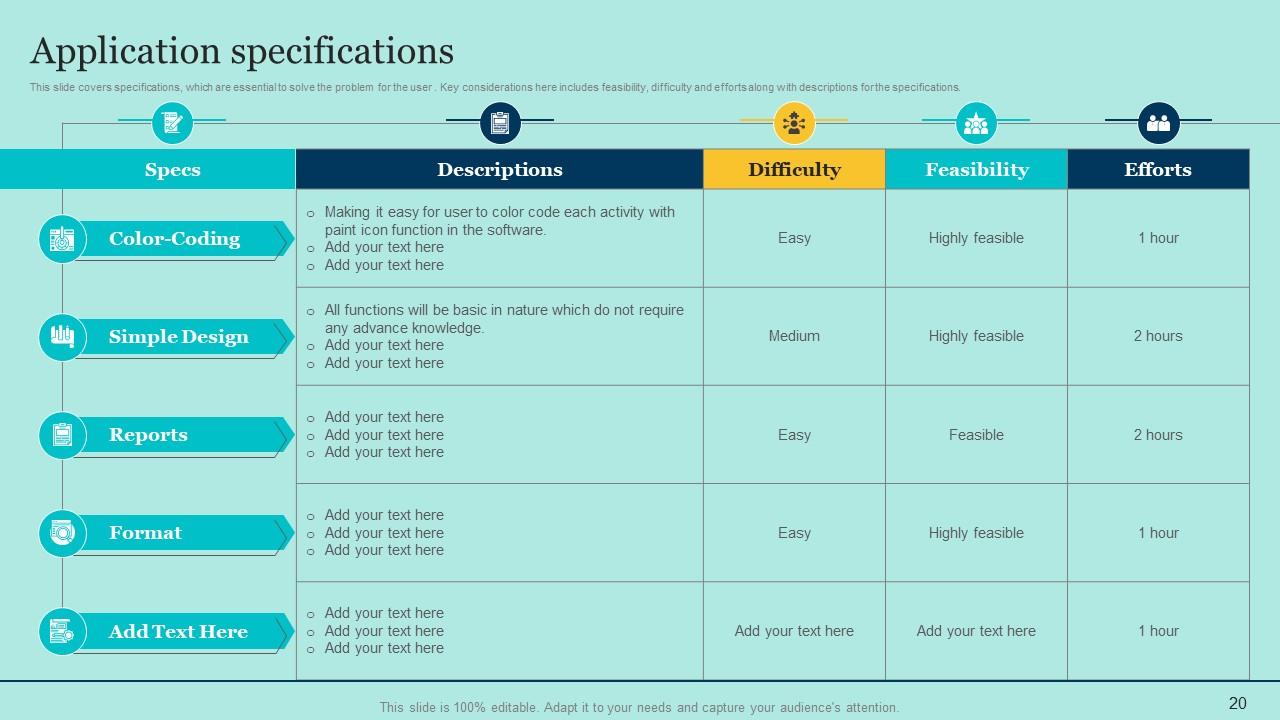
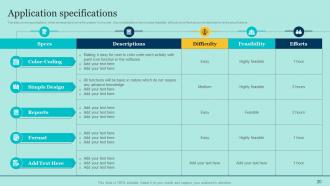
Slide 20: This slide elucidates Application specifications.
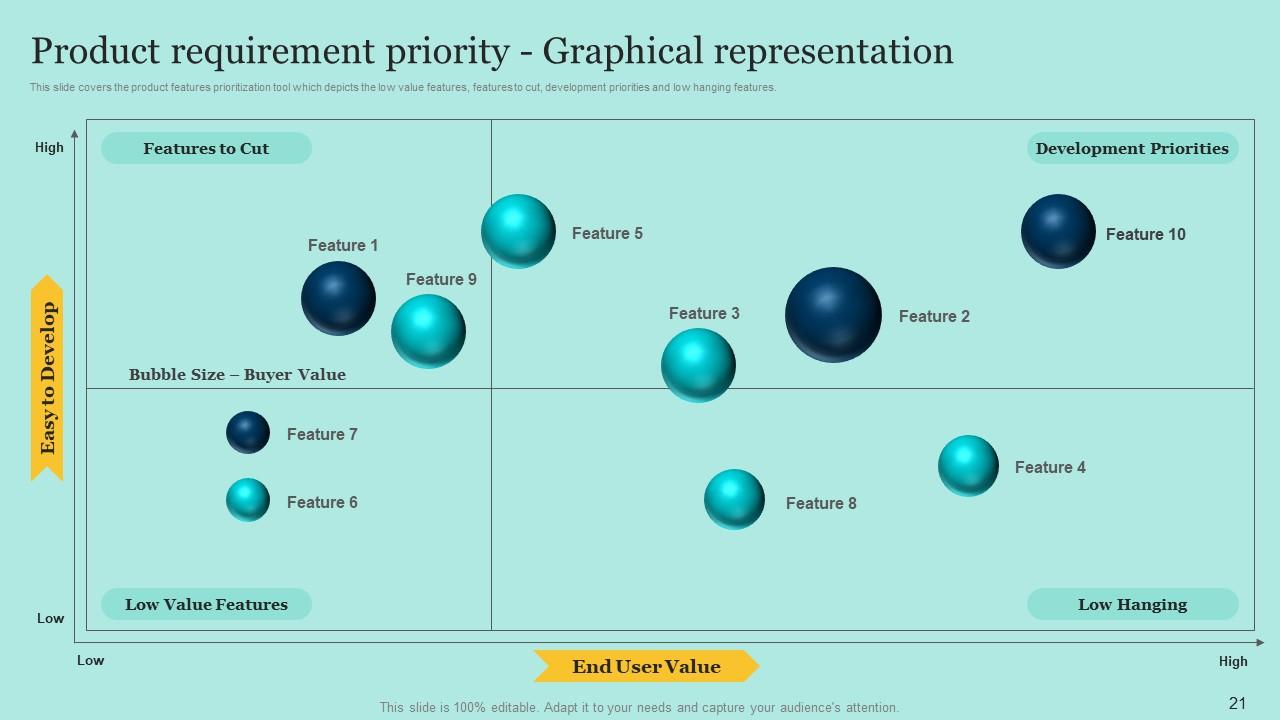
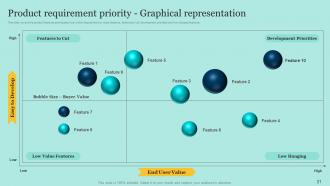
Slide 21: This slide features the Product requirement priority through Graphical representation.
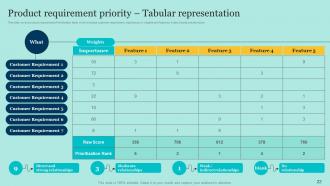
Slide 22: This slide depicts Product requirement priority by Tabular representation.
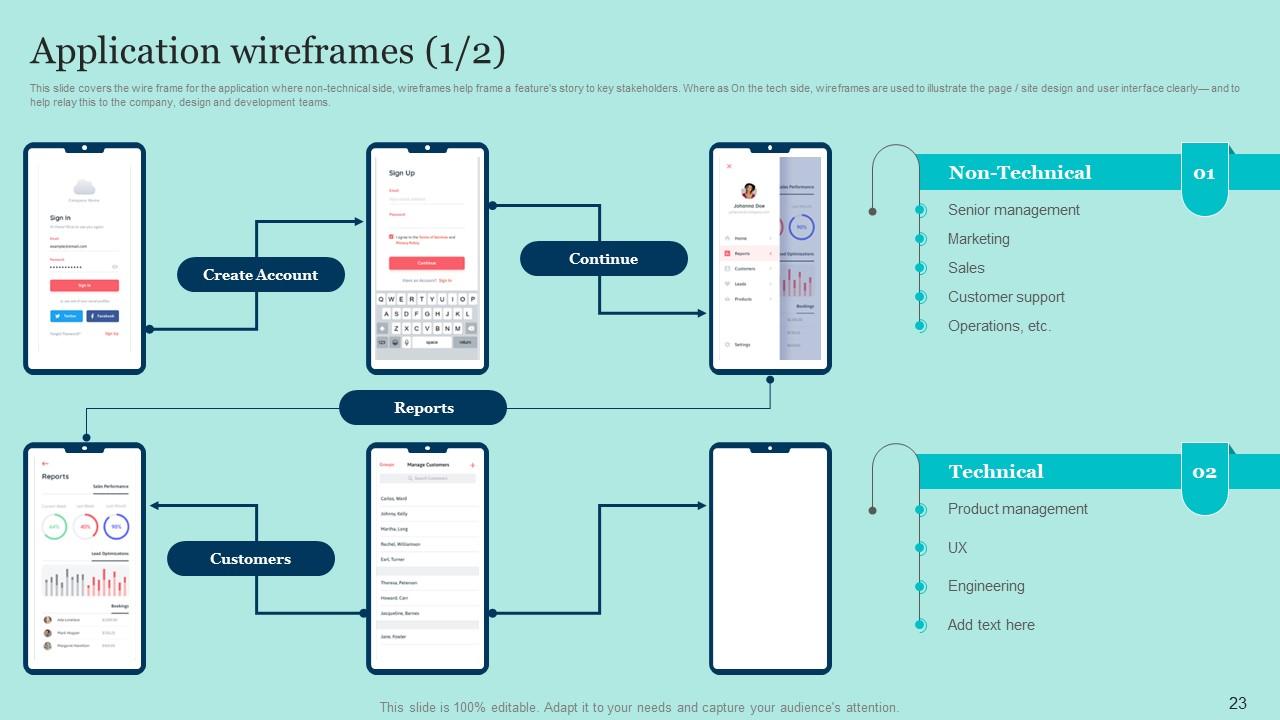
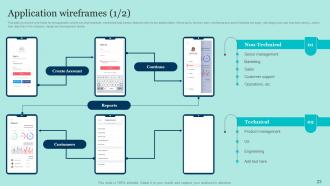
Slide 23: This slide exhibits Application wireframes.
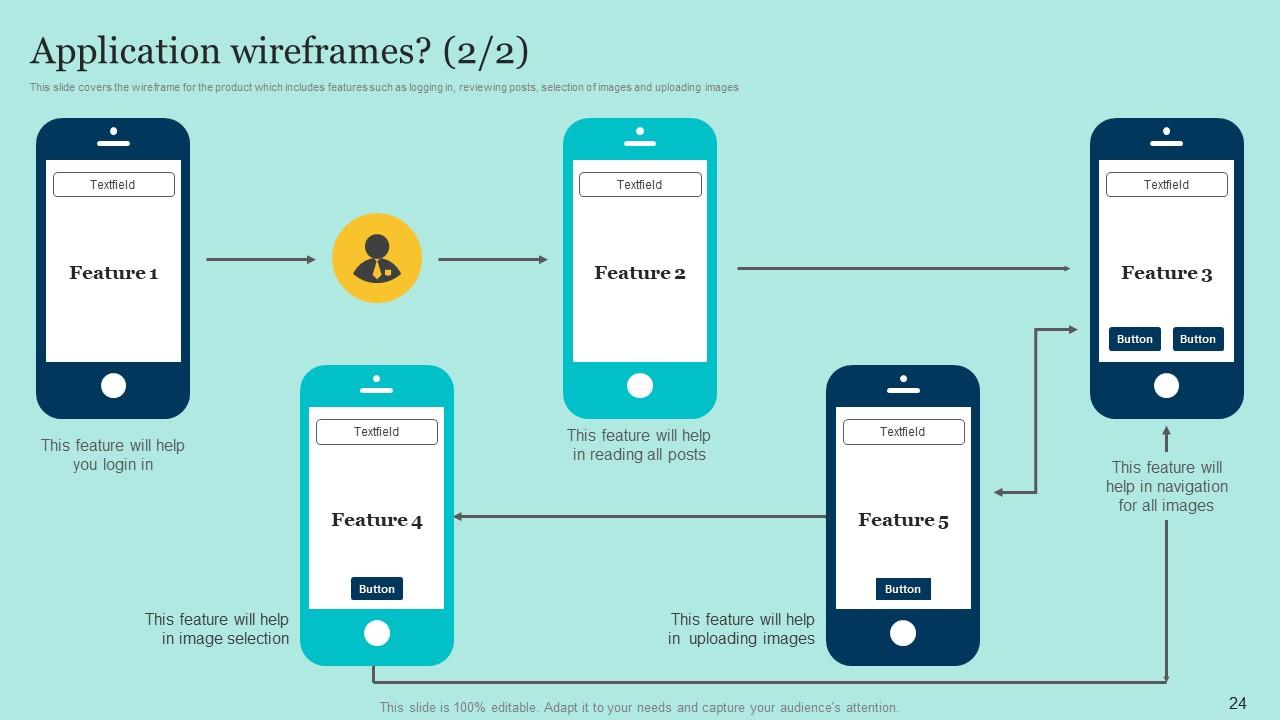
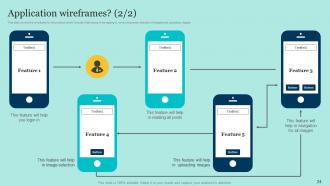
Slide 24: This is yet another slide depicting Application wireframes.
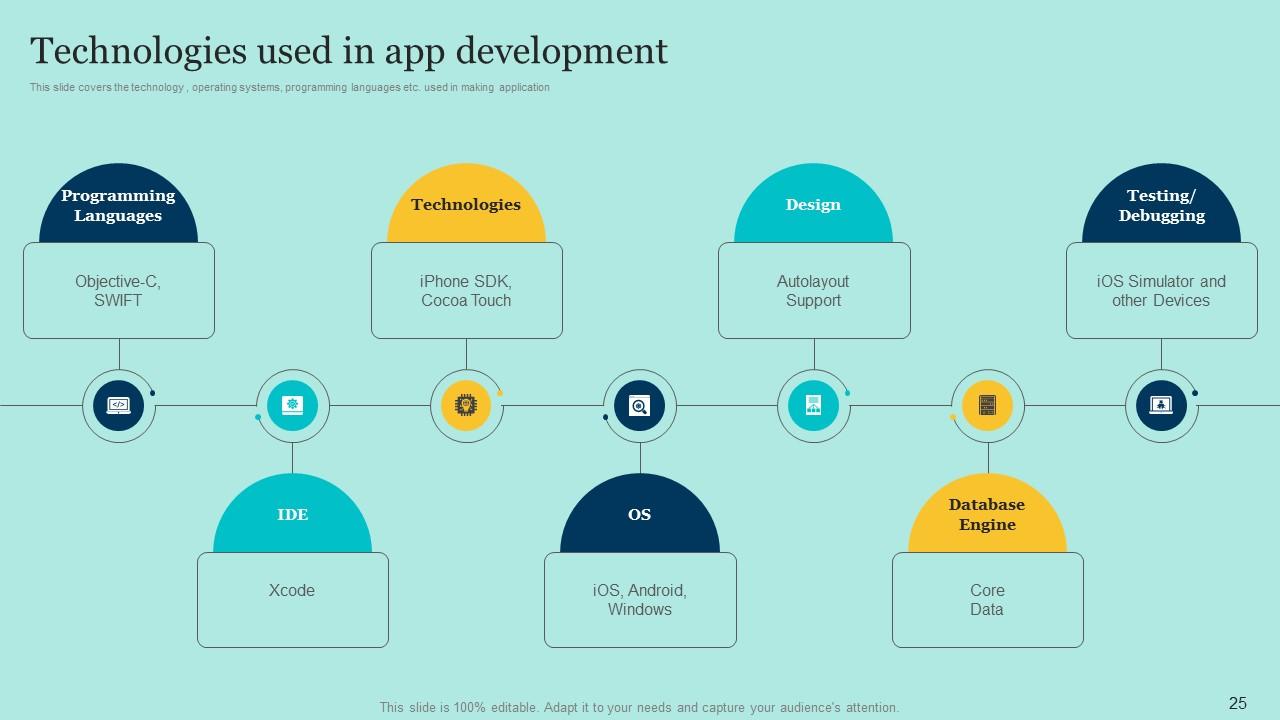
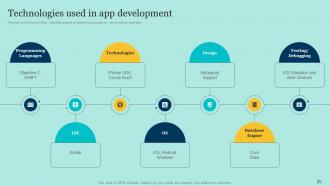
Slide 25: This slide shows the Technologies used in app development.
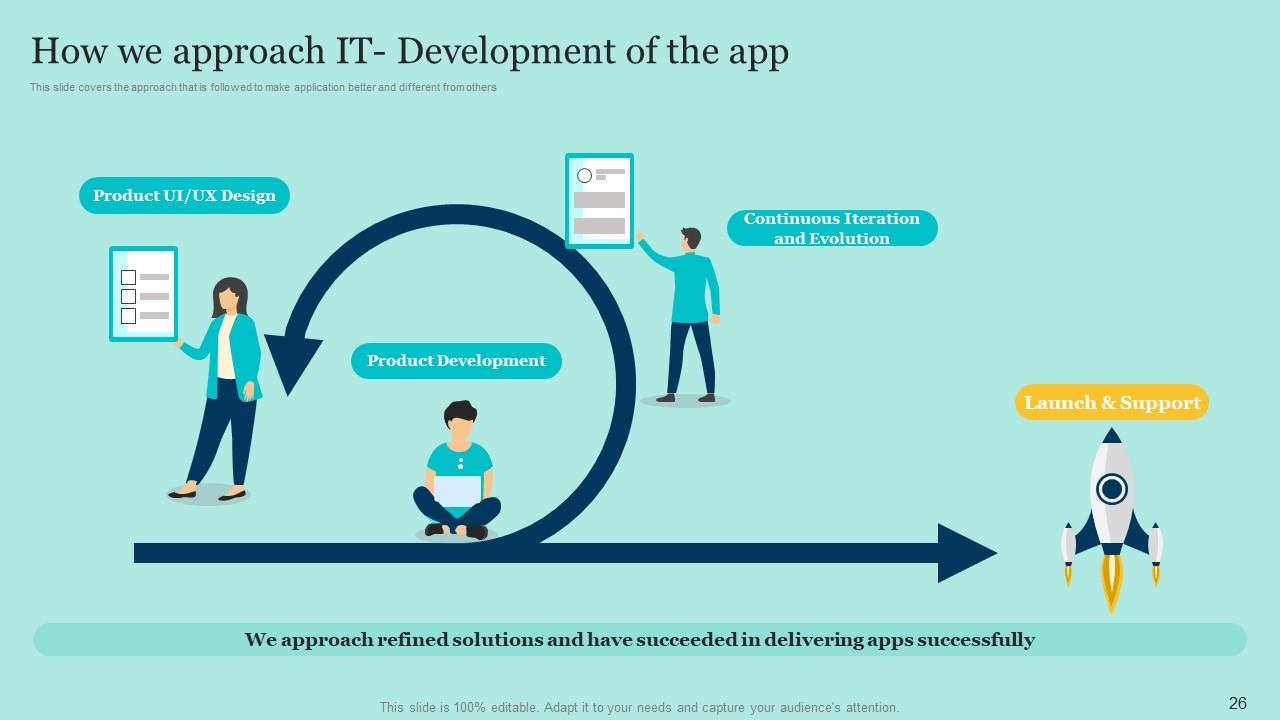
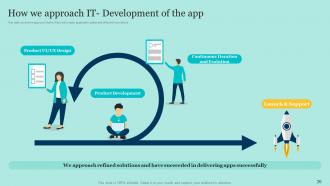
Slide 26: This slide displays the approach towards Development of the app.
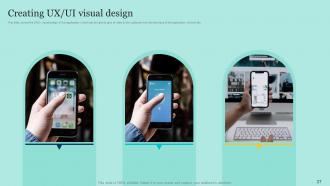
Slide 27: This slide deals with Creating UX/UI visual design.
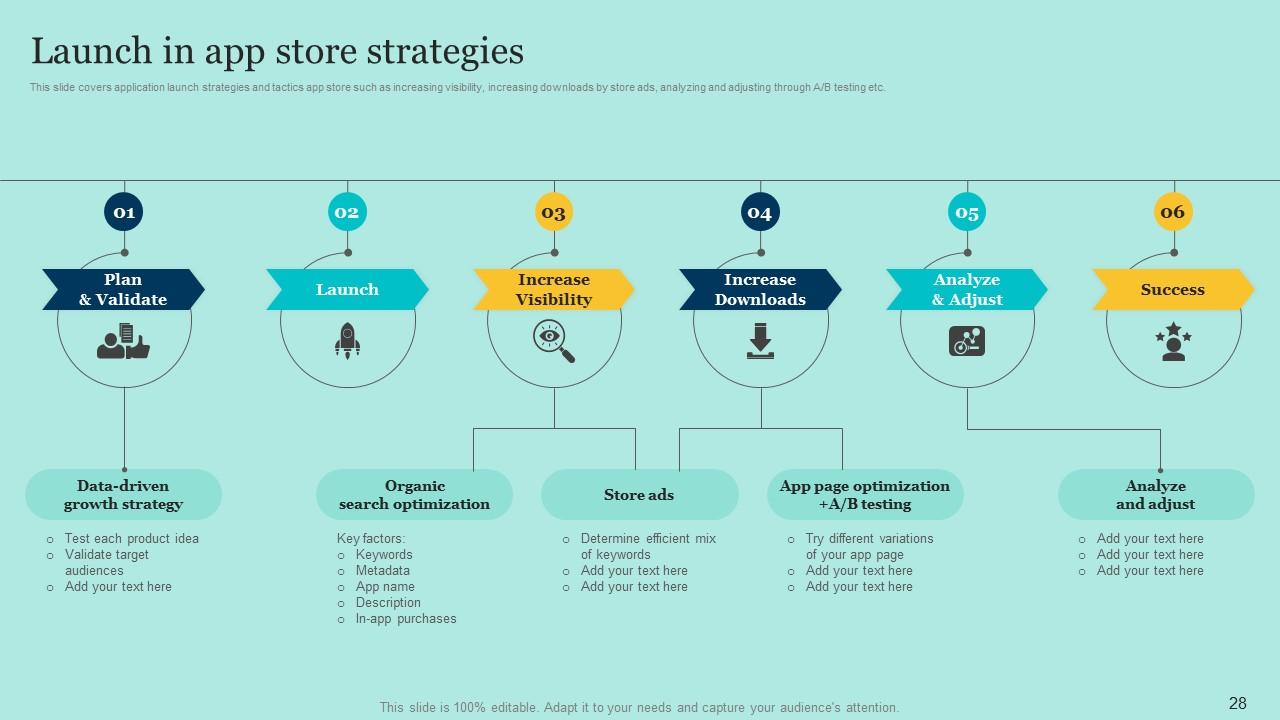
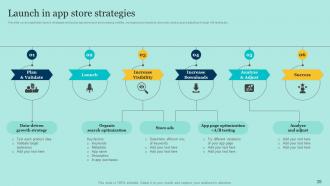
Slide 28: This slide incorporates Launch in app store strategies.
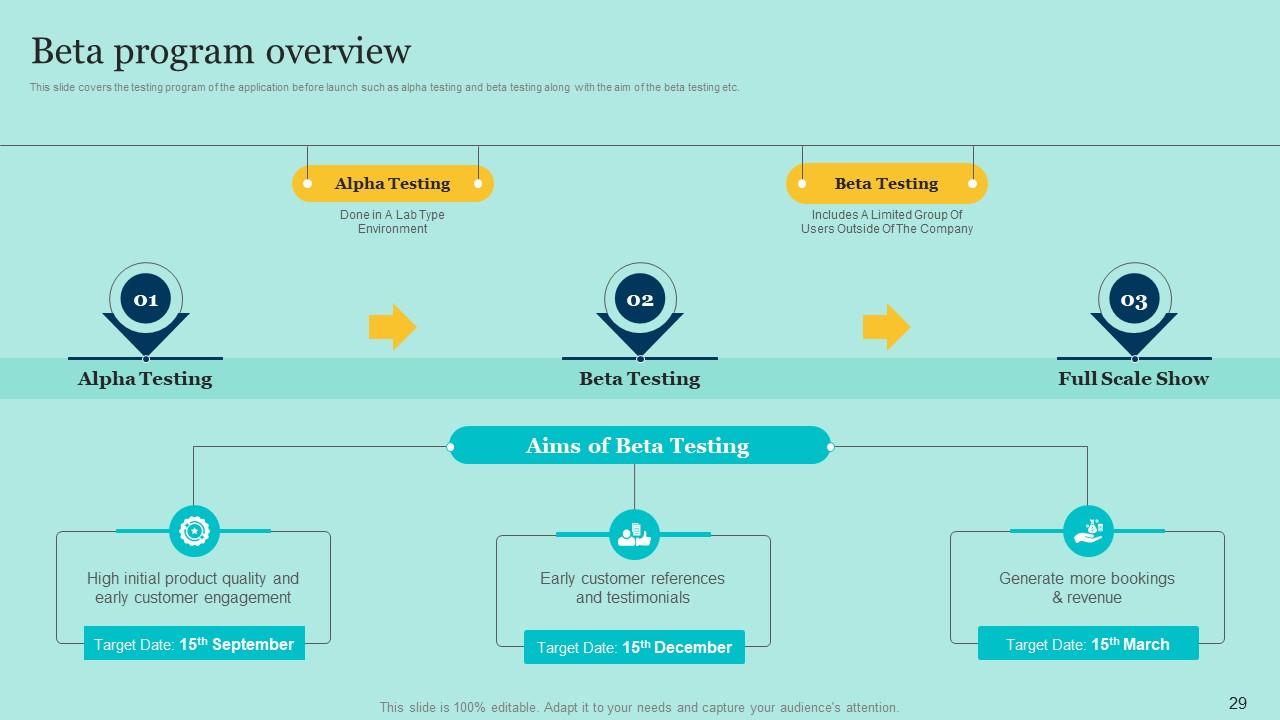
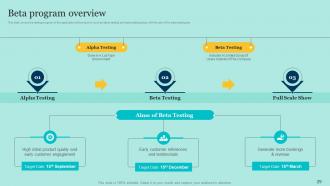
Slide 29: This slide presents Beta program overview.
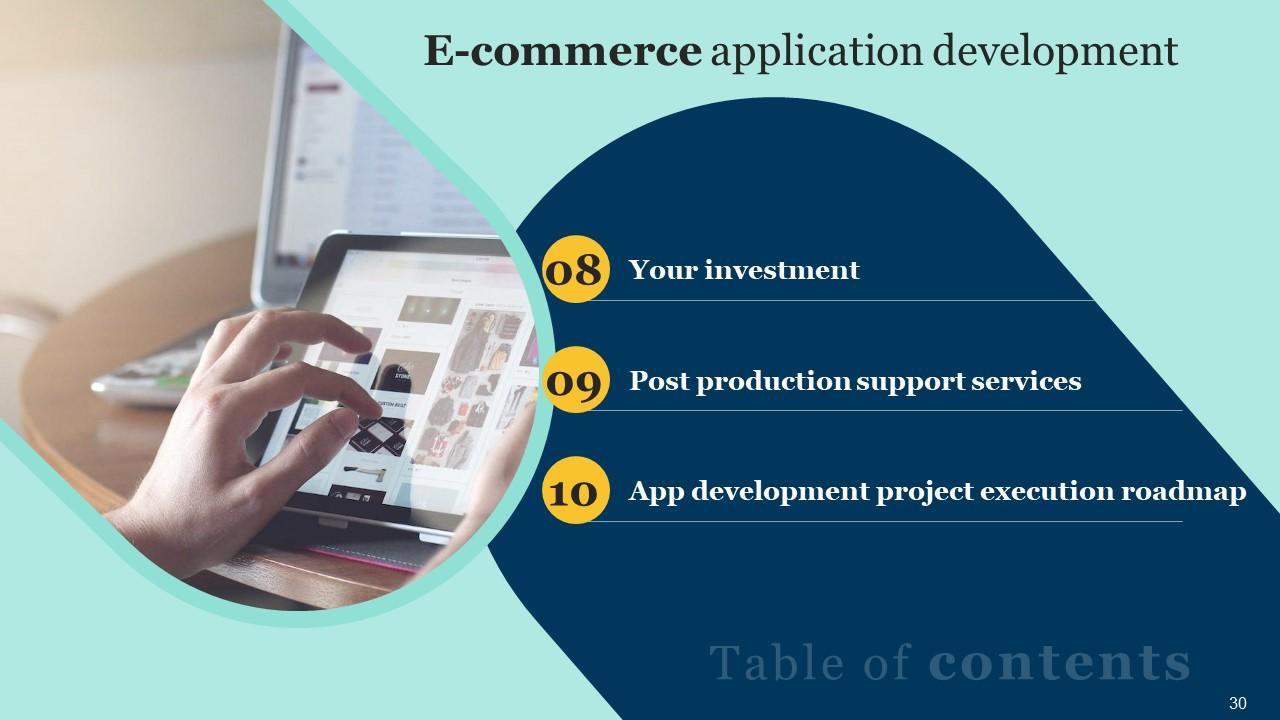
Slide 30: This slide includes the Title for the Contents to be discussed further.
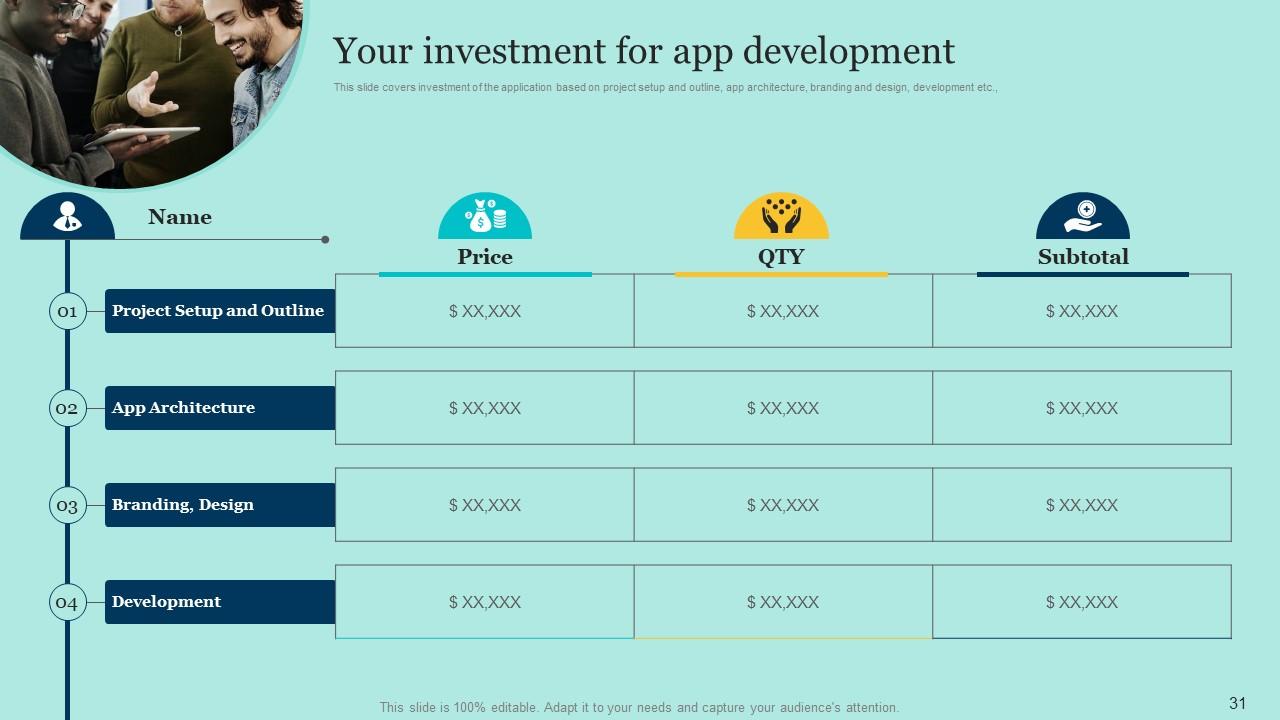
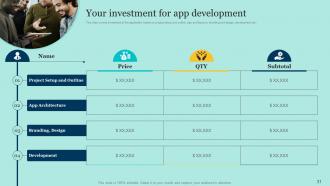
Slide 31: This slide showcases the investment for app development.
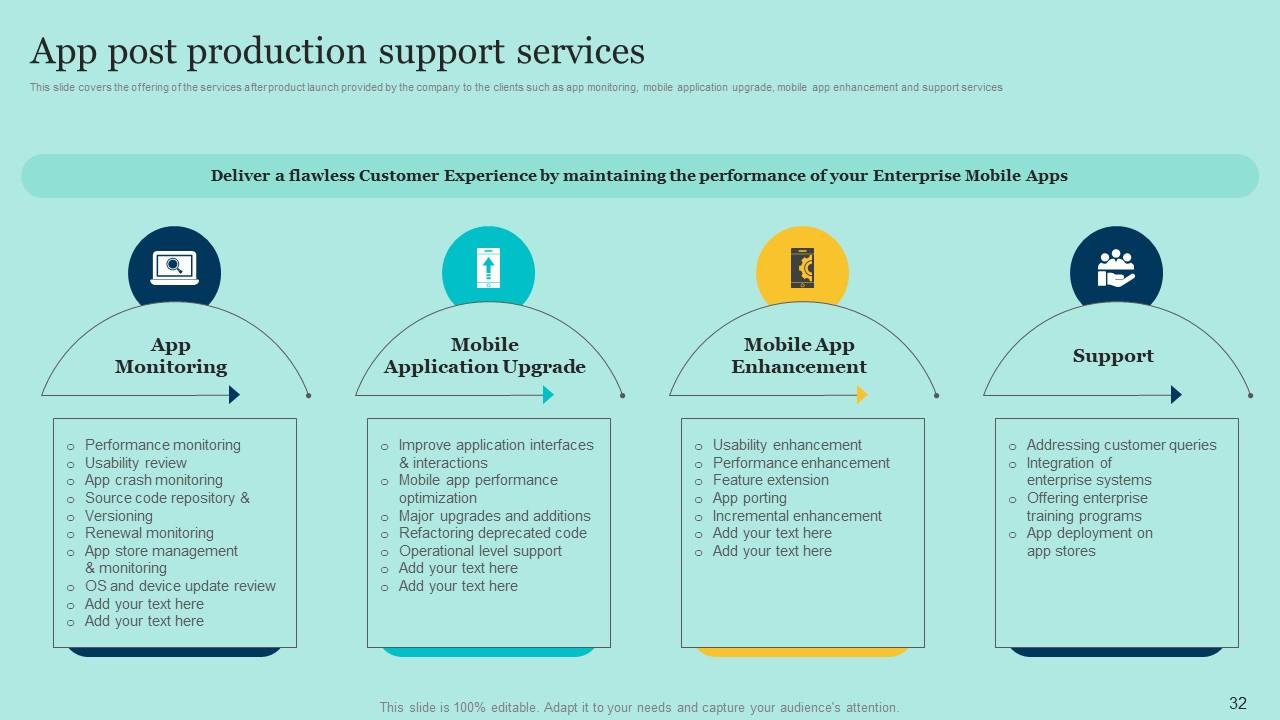
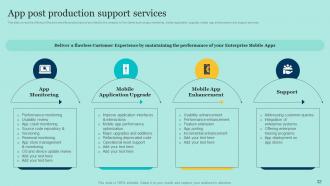
Slide 32: This slide elucidates App post production support services.
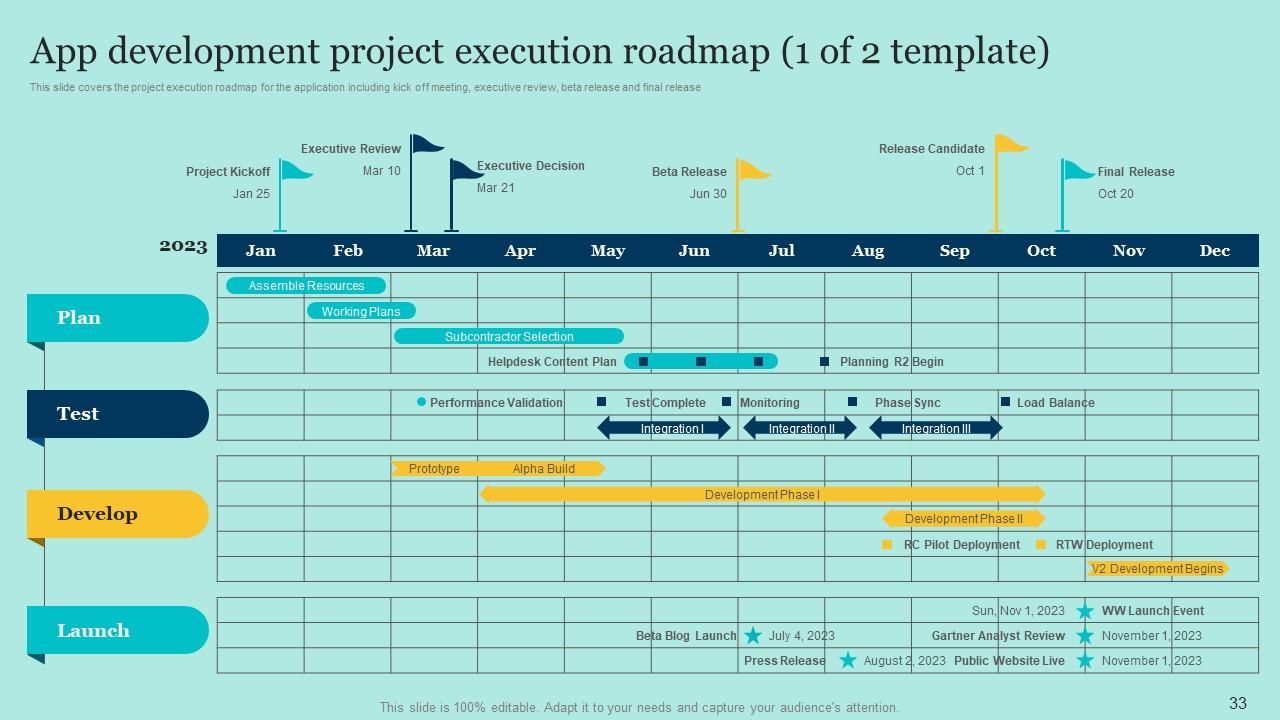
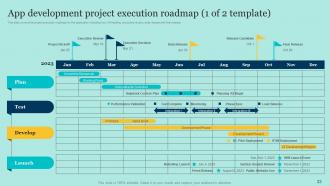
Slide 33: This slide represents App development project execution roadmap.
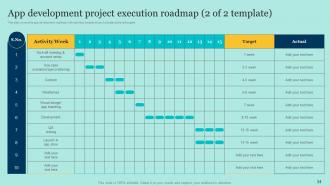
Slide 34: This is the slide of continuation for App development project execution roadmap.
Slide 35: This slide depicts the Title for the Topics to be discussed in the forth-coming slide.
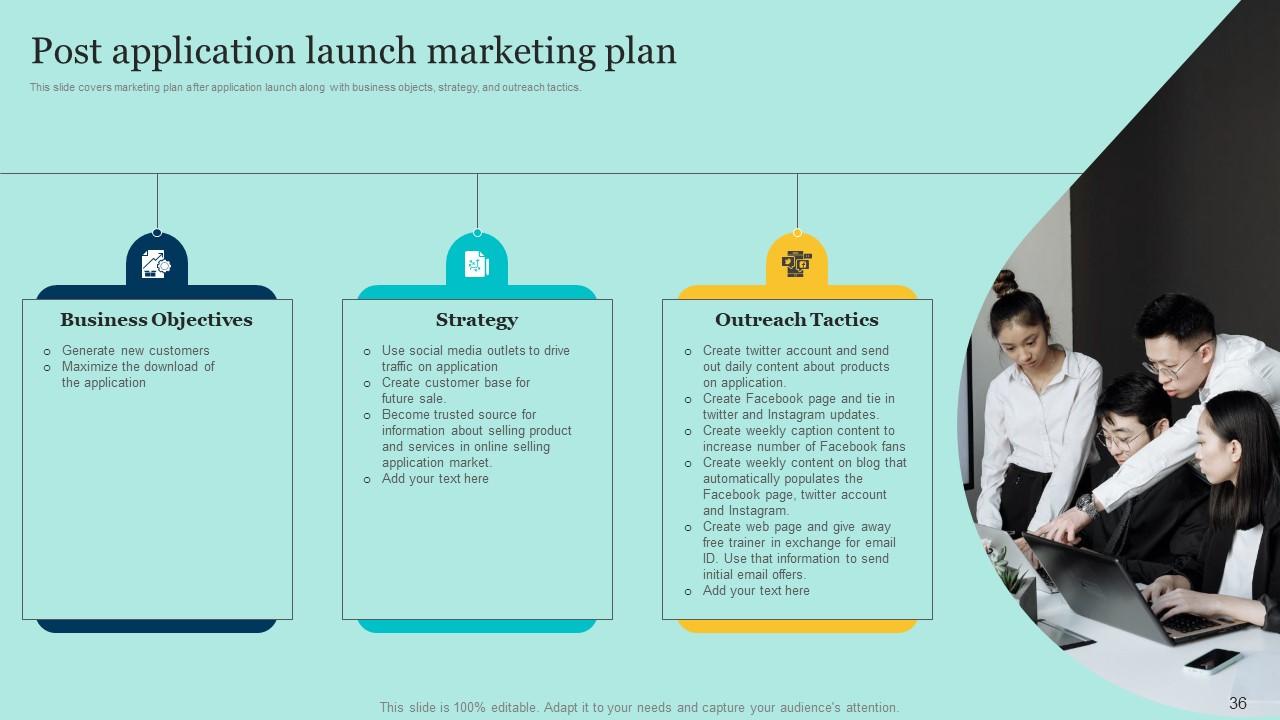
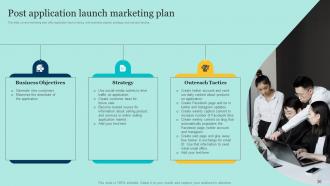
Slide 36: This slide focuses on the Post application launch marketing plan.
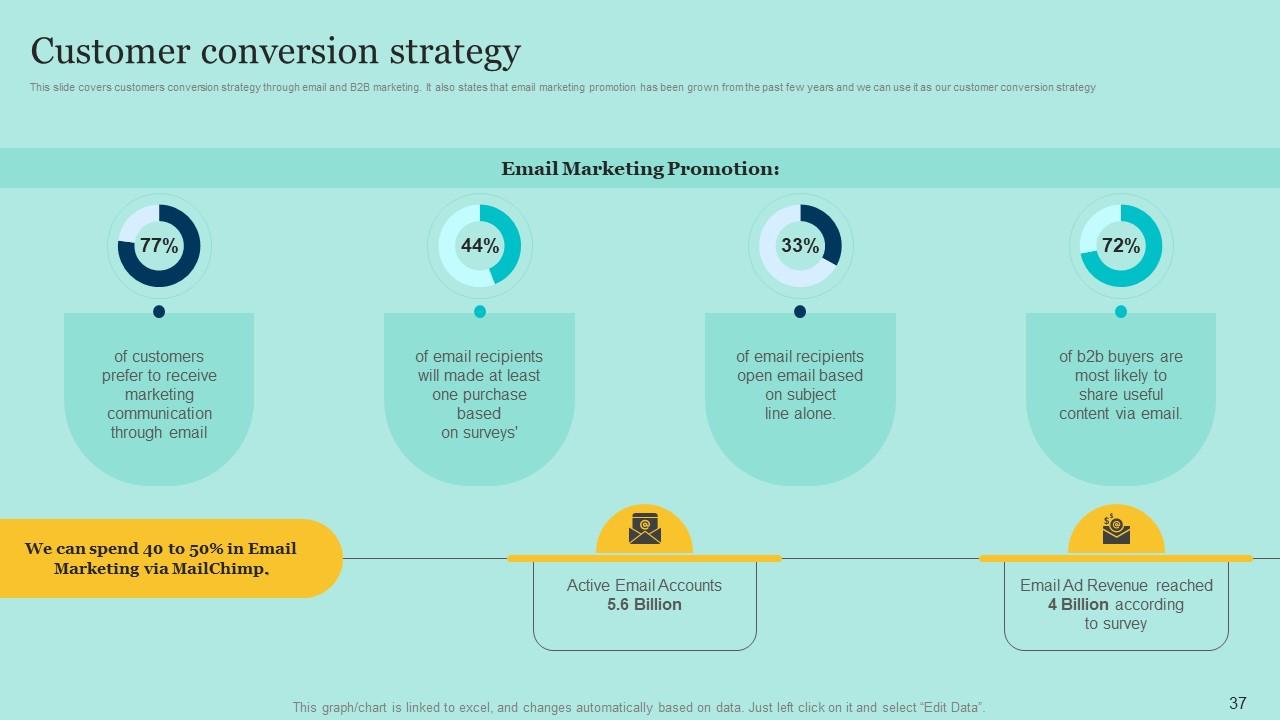
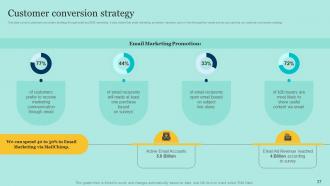
Slide 37: This slide emphasizes on Customer conversion strategy.
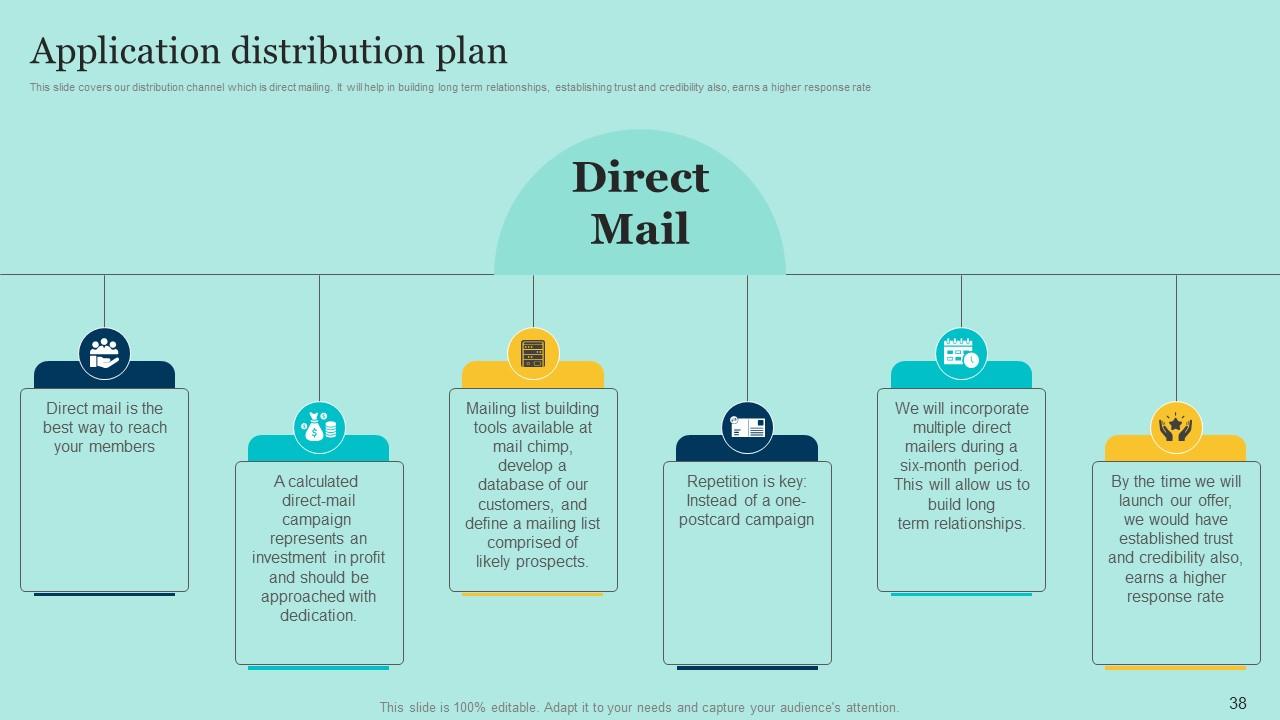
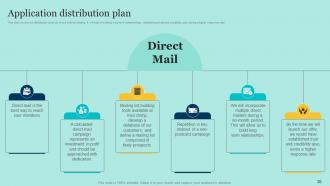
Slide 38: This slide shows the Application distribution plan.
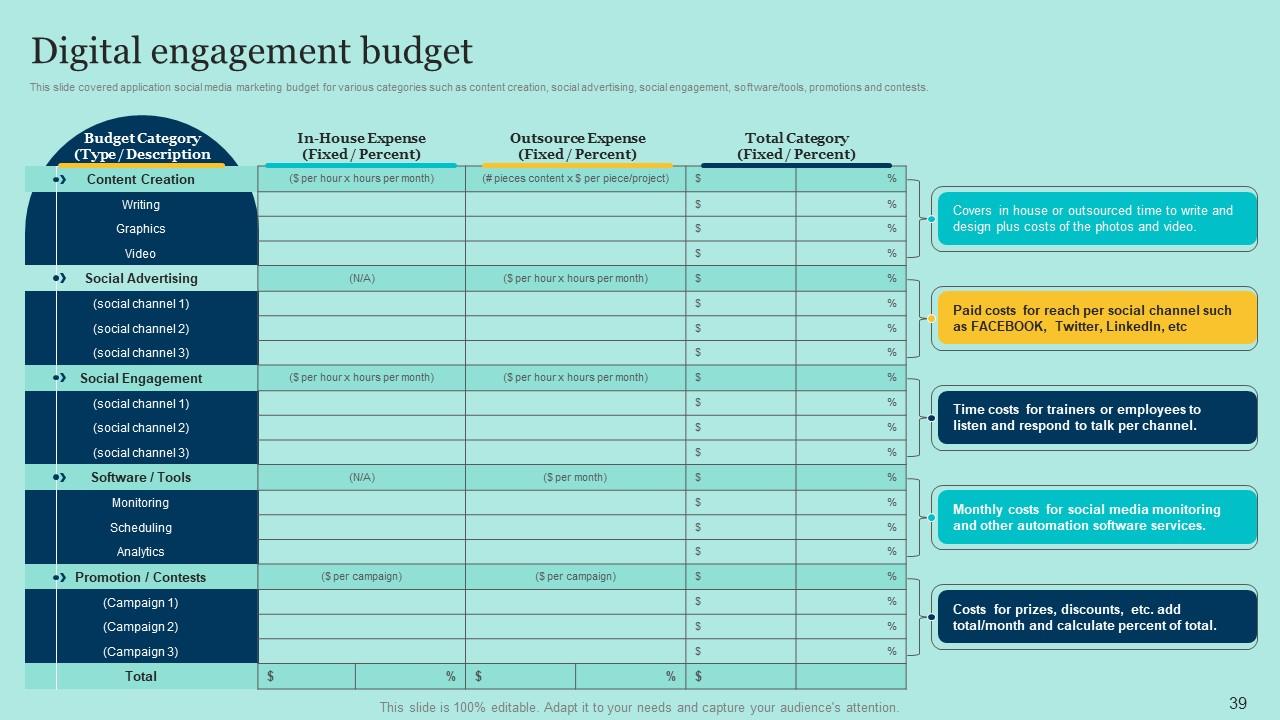
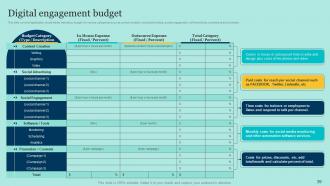
Slide 39: This slide illustrates the Digital engagement budget.
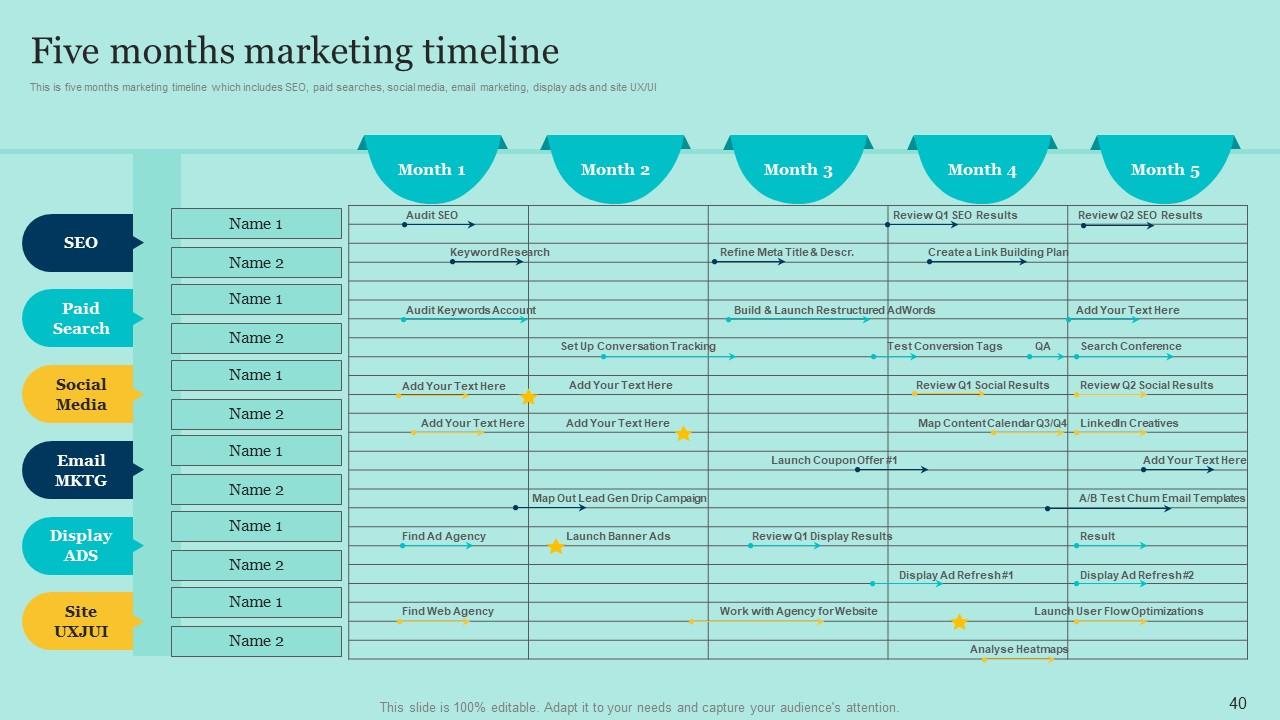
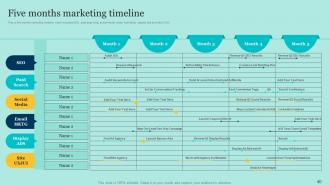
Slide 40: This slide displays the Five months marketing timeline.
Slide 41: This slide provides information about the Heading for the Ideas to be further discussed.
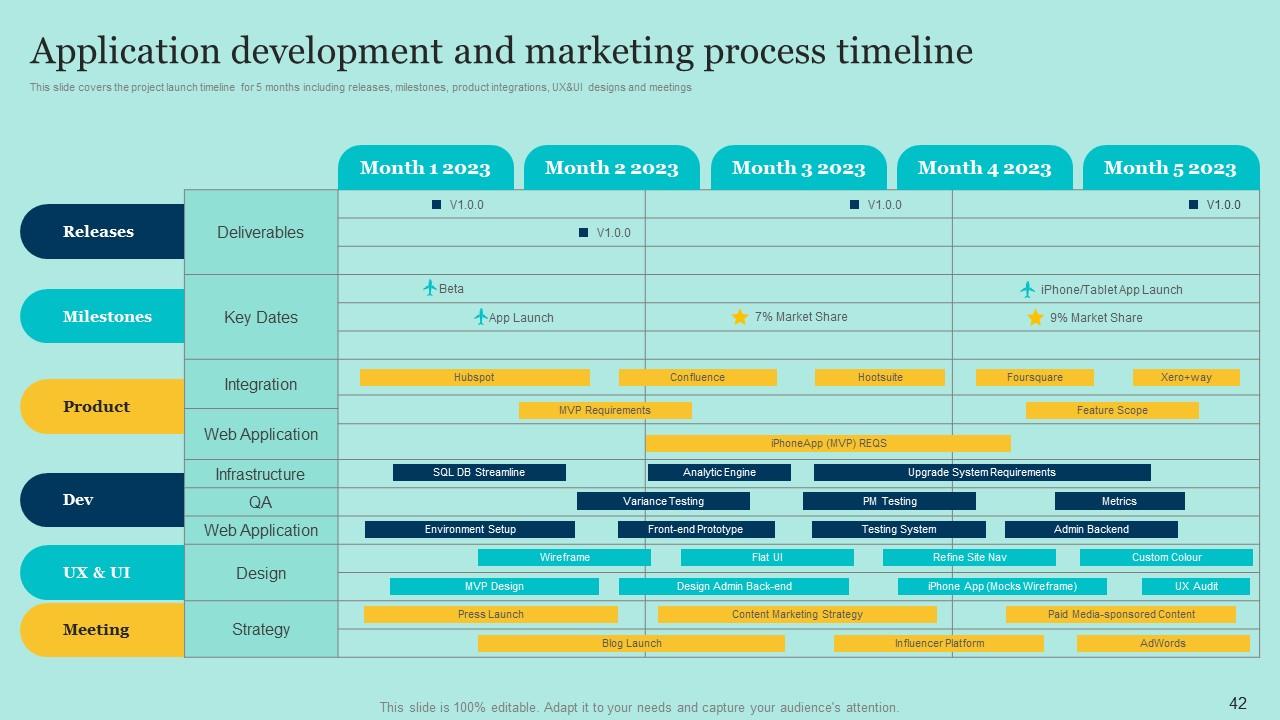
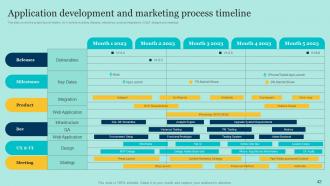
Slide 42: This slide reveals the Application development and marketing process timeline.
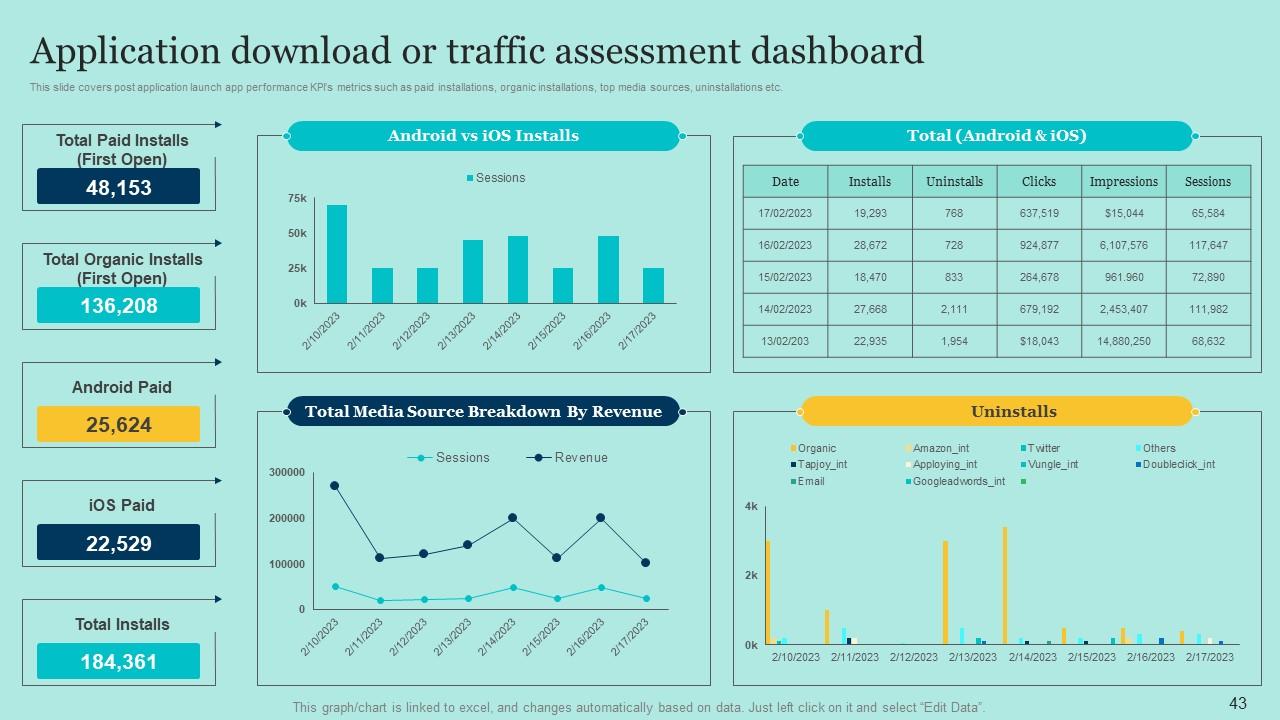
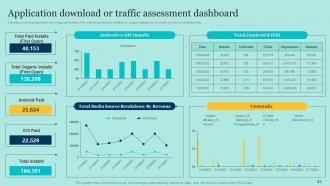
Slide 43: This slide exhibits the Application download or traffic assessment dashboard.
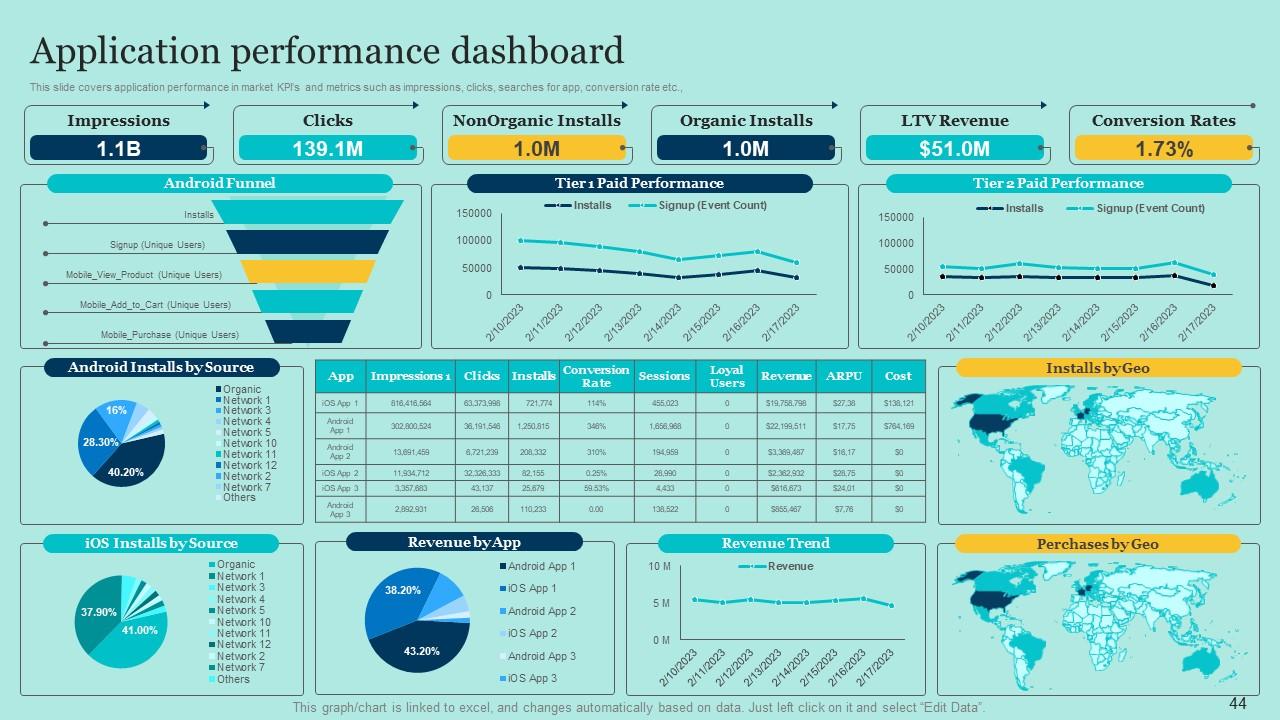
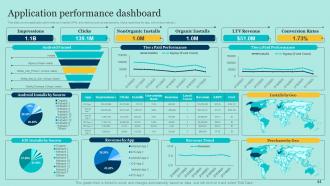
Slide 44: This slide elucidates the Application performance dashboard.
Slide 45: This slide contains all the icons used in this presentation.
Slide 46: This slide is titled as Additional Slides for moving forward.
Slide 47: This slide shows Post It Notes. Post your important notes here.
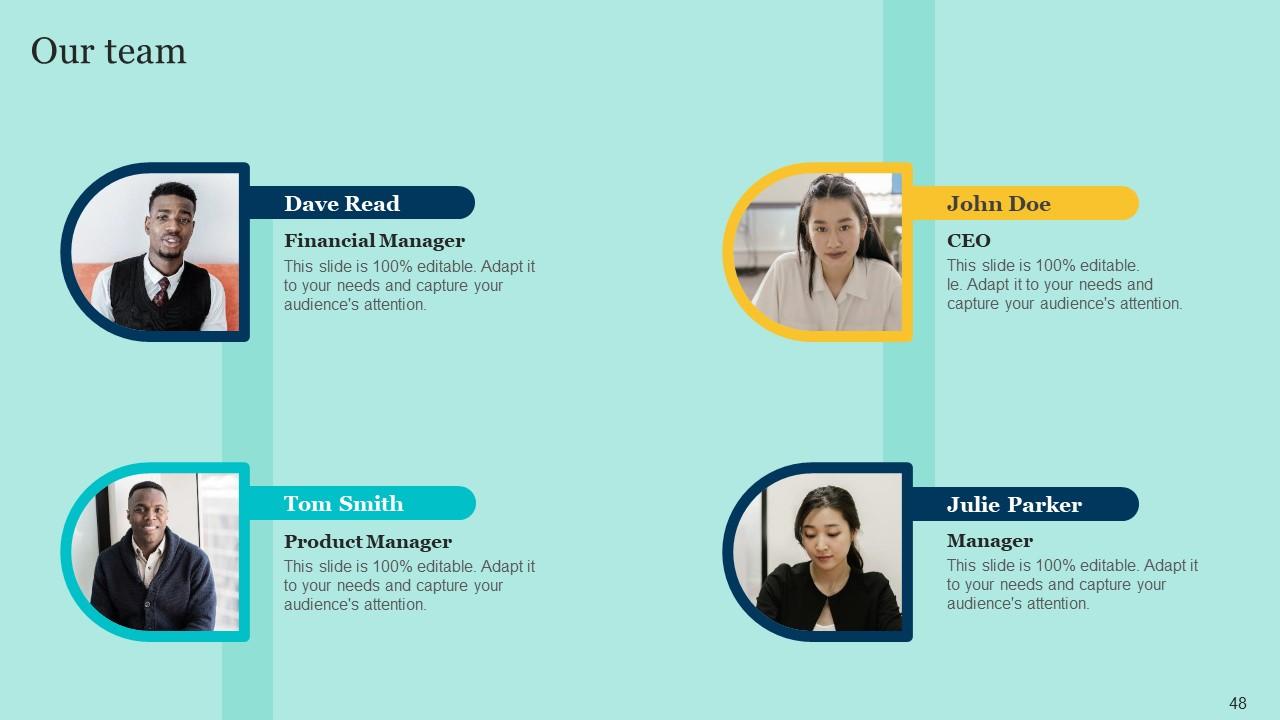
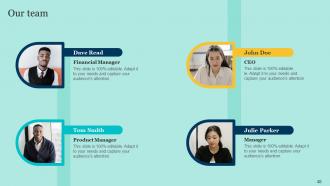
Slide 48: This is Our Team slide with names and designation.
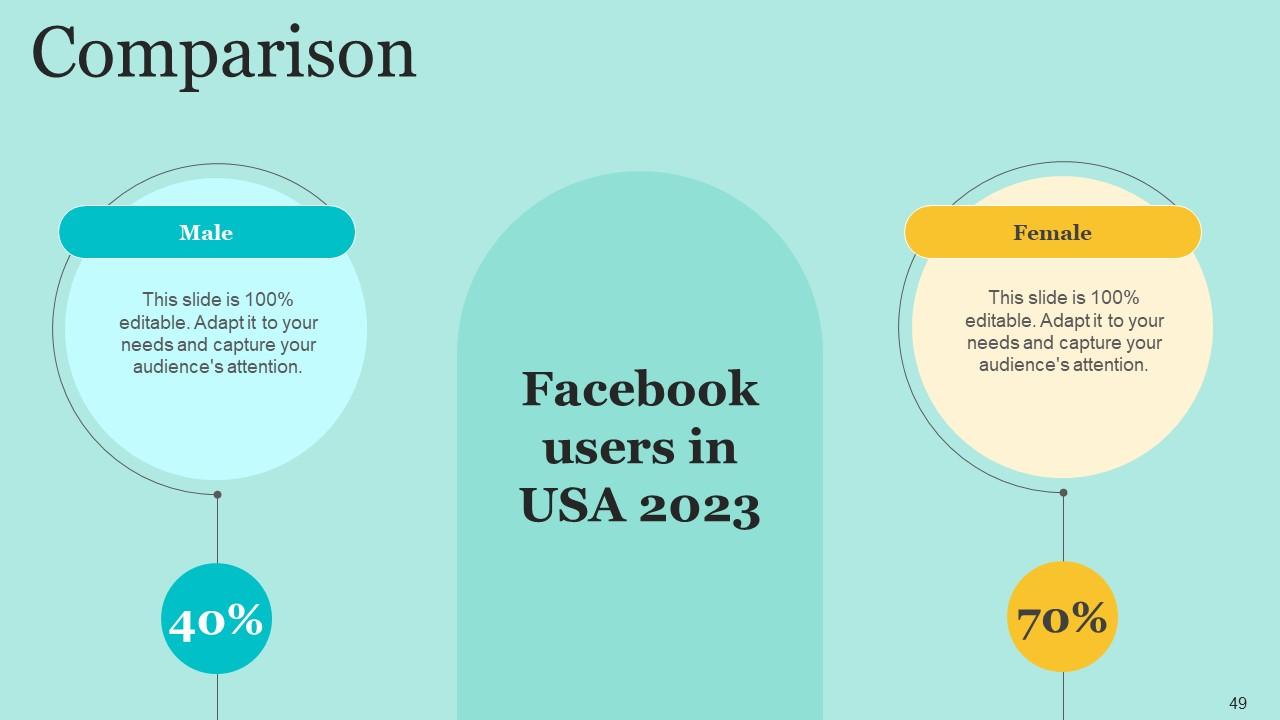
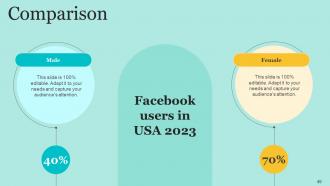
Slide 49: This is a Comparison slide to state comparison between commodities, entities etc.
Slide 50: This is Our Mission slide with related imagery and text.
Slide 51: This slide depicts Venn diagram with text boxes.
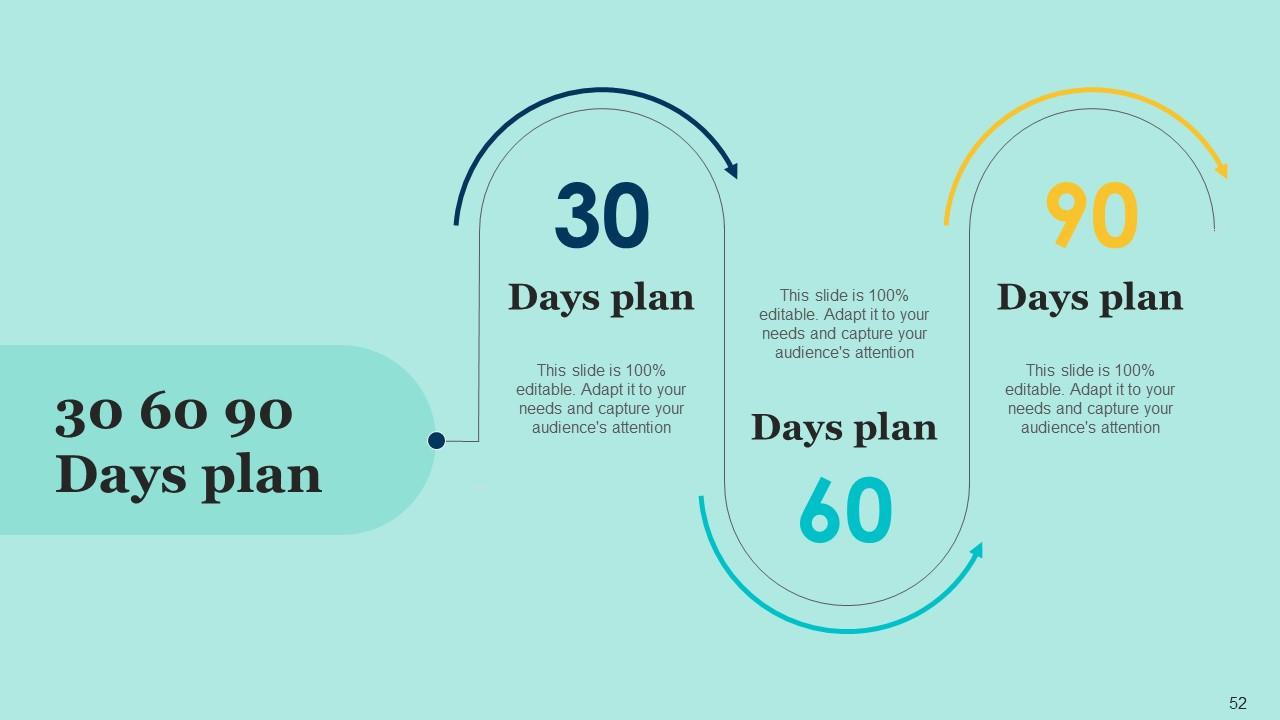
Slide 52: This slide provides 30 60 90 Days Plan with text boxes.
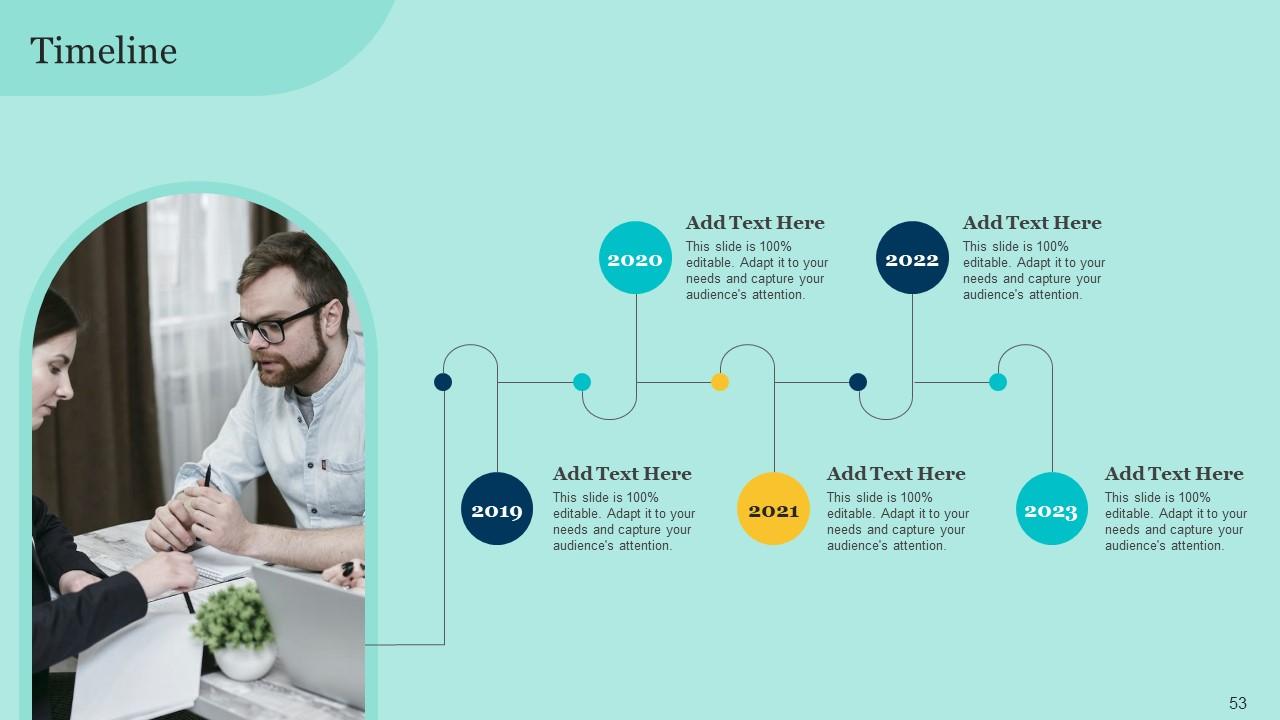
Slide 53: This is a Timeline slide. Show data related to time intervals here.
Slide 54: This slide displays Mind Map with related imagery.
Slide 55: This is a Financial slide. Show your finance related stuff here.
Slide 56: This is an Idea Generation slide to state a new idea or highlight information, specifications etc.
Slide 57: This is a Thank You slide with address, contact numbers and email address.
E Commerce Application Development Powerpoint Presentation Slides with all 62 slides:
Use our E Commerce Application Development Powerpoint Presentation Slides to effectively help you save your valuable time. They are readymade to fit into any presentation structure.
-
Thank you for showering me with discounts every time I was reluctant to make the purchase.
-
Well-designed and informative templates. Absolutely brilliant!
