Ecommerce Solutions Powerpoint Presentation Slides
Try Before you Buy Download Free Sample Product
Audience
Editable
of Time
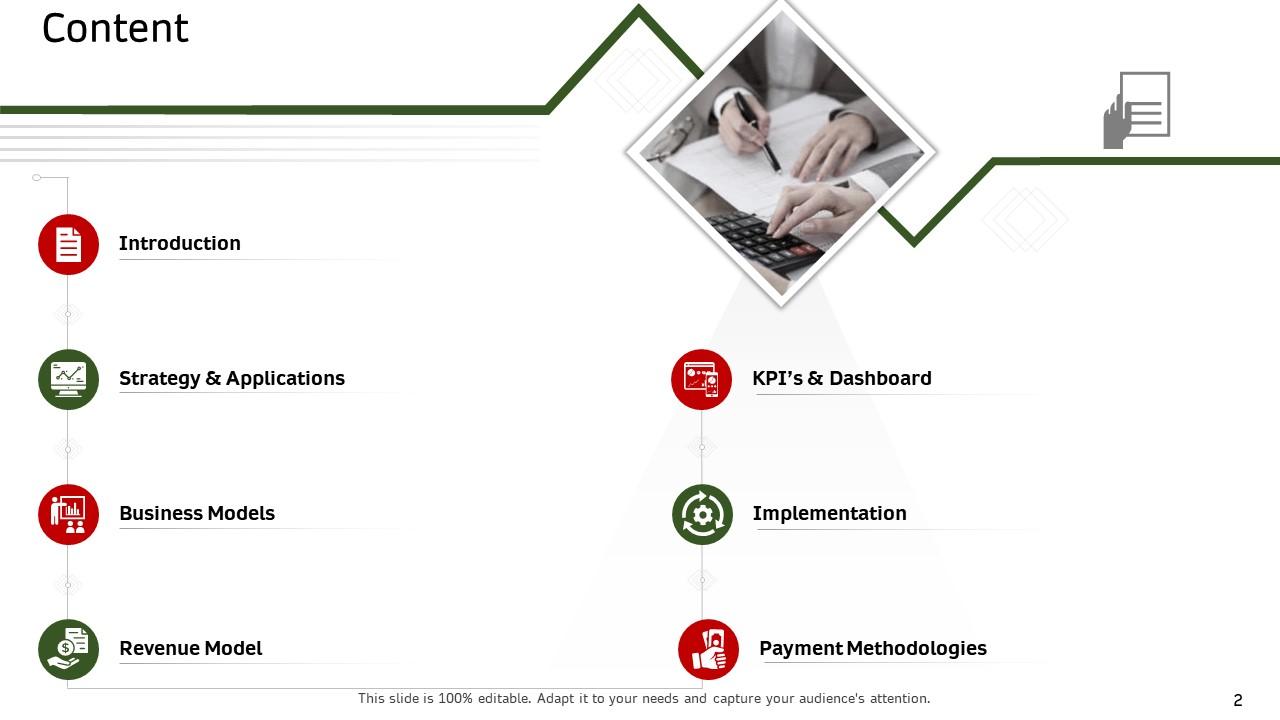
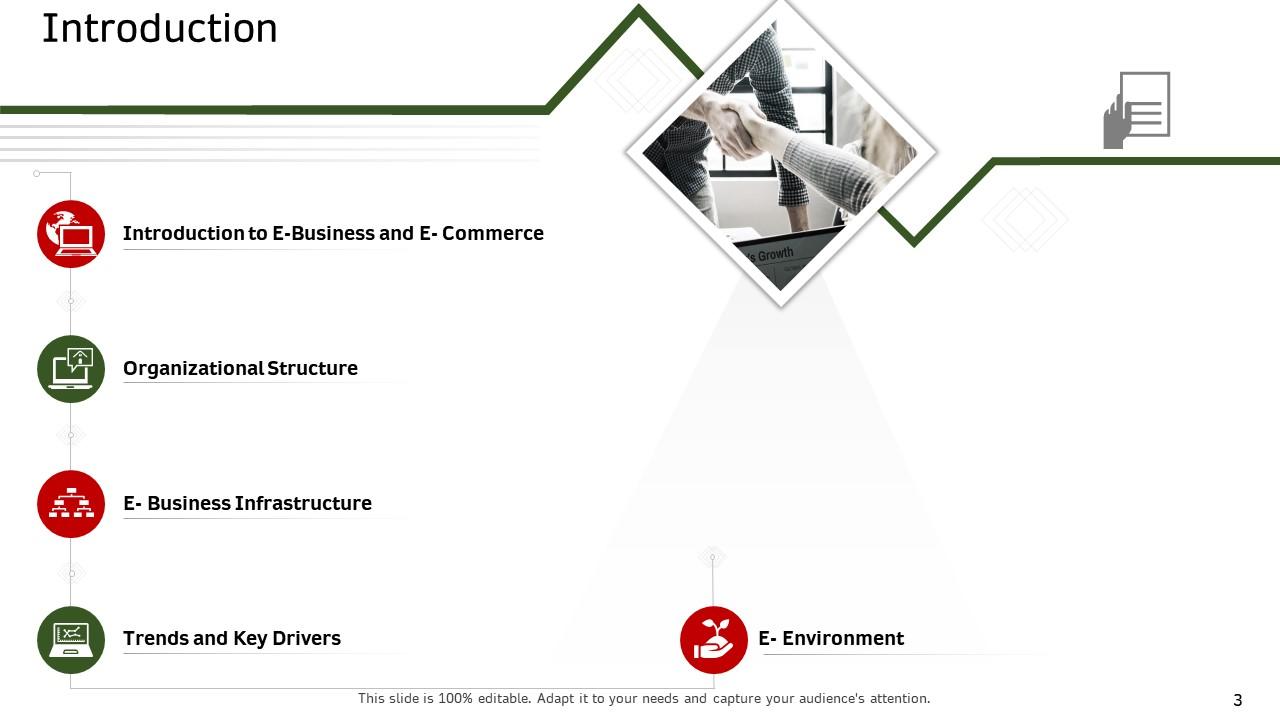
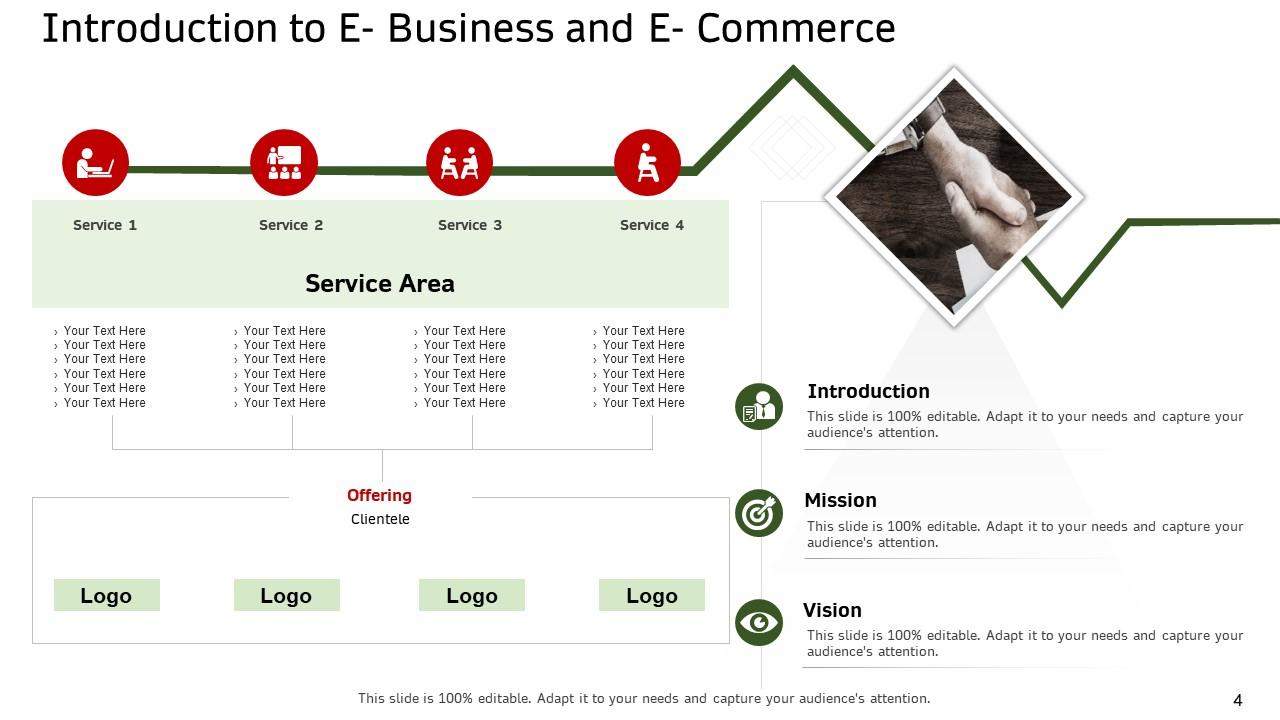
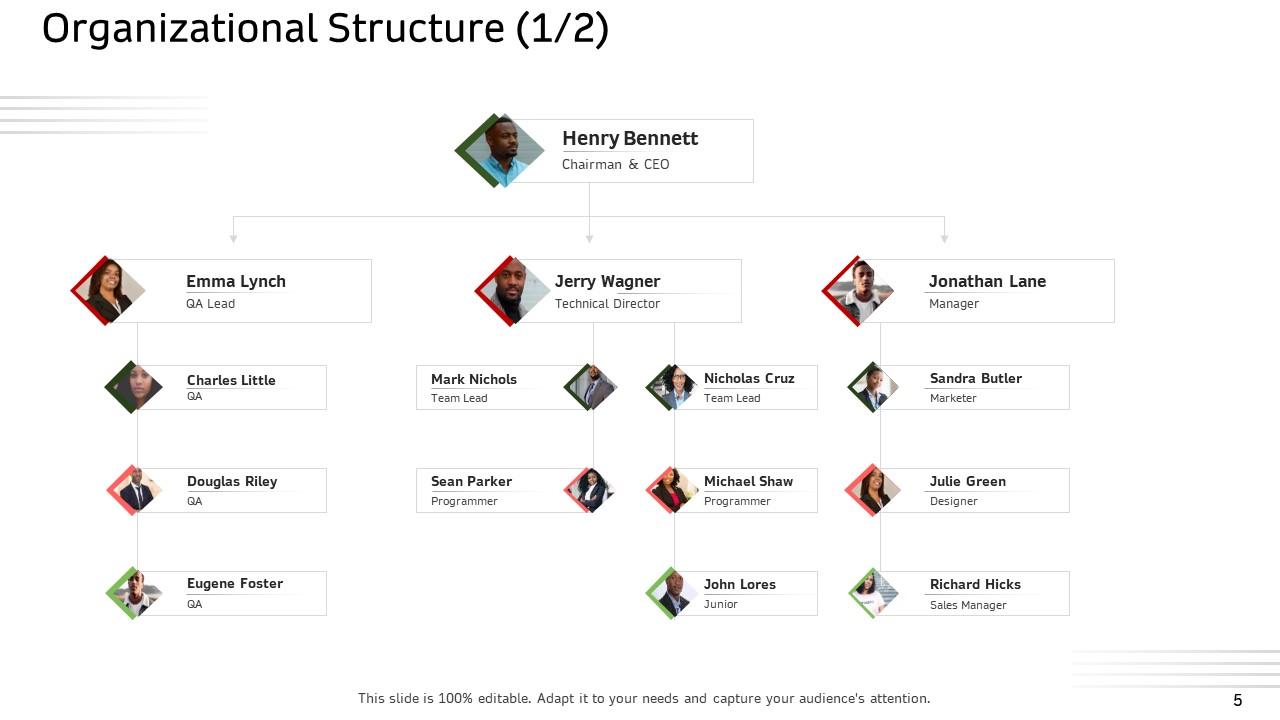
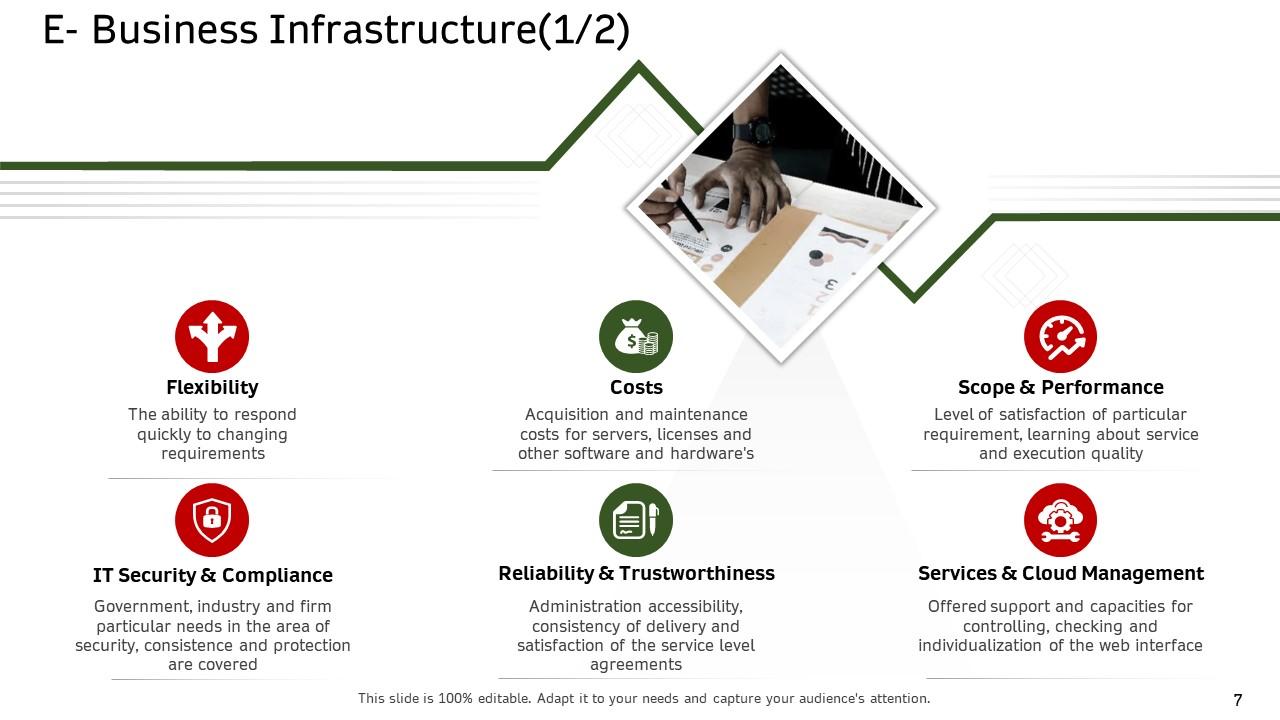
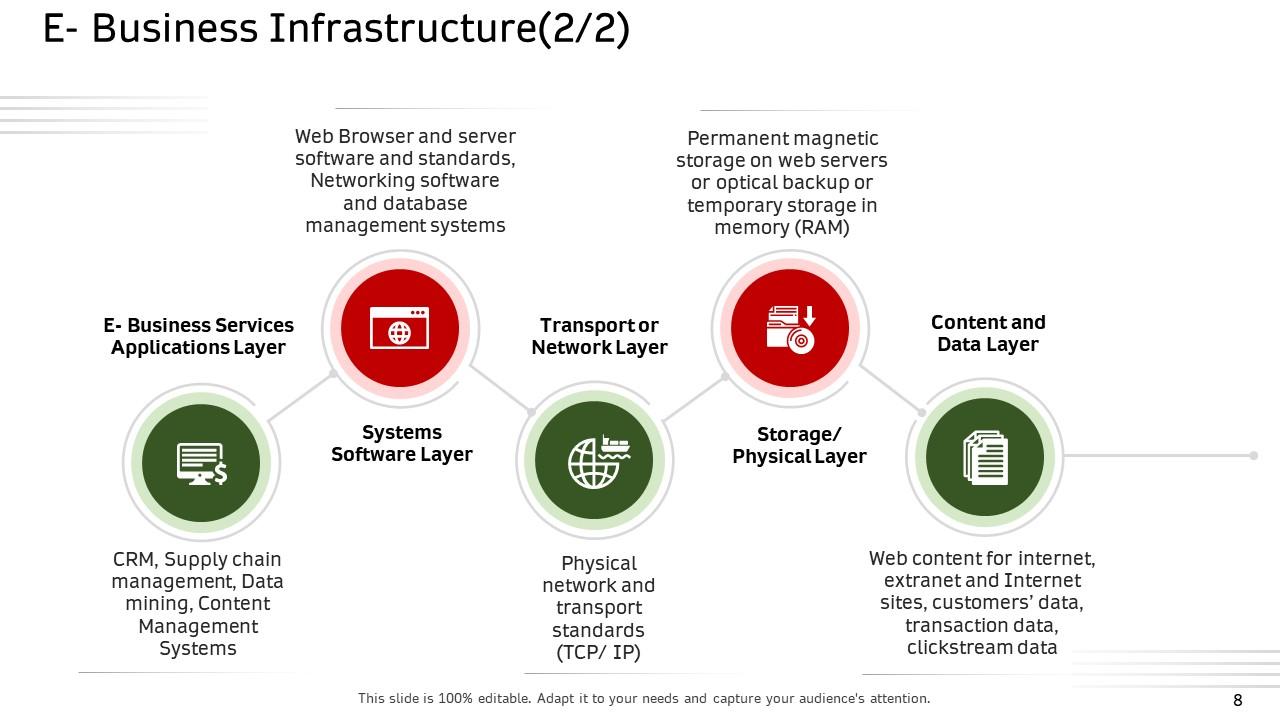
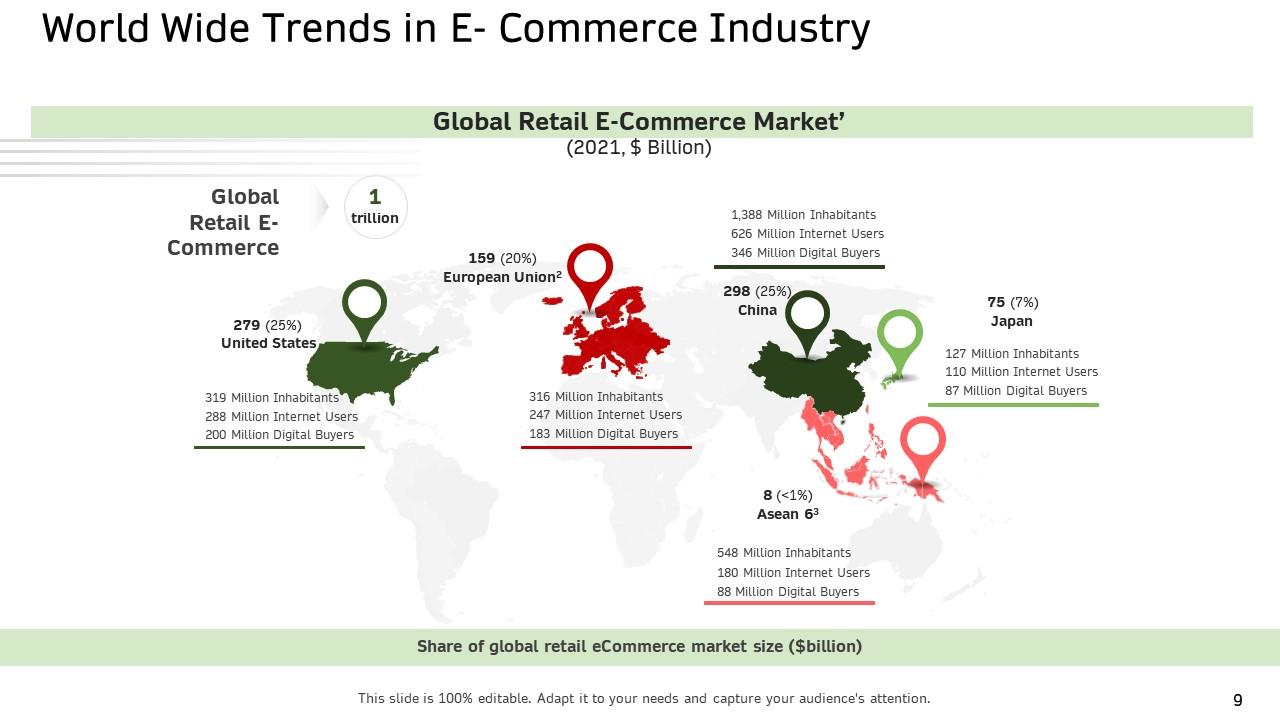
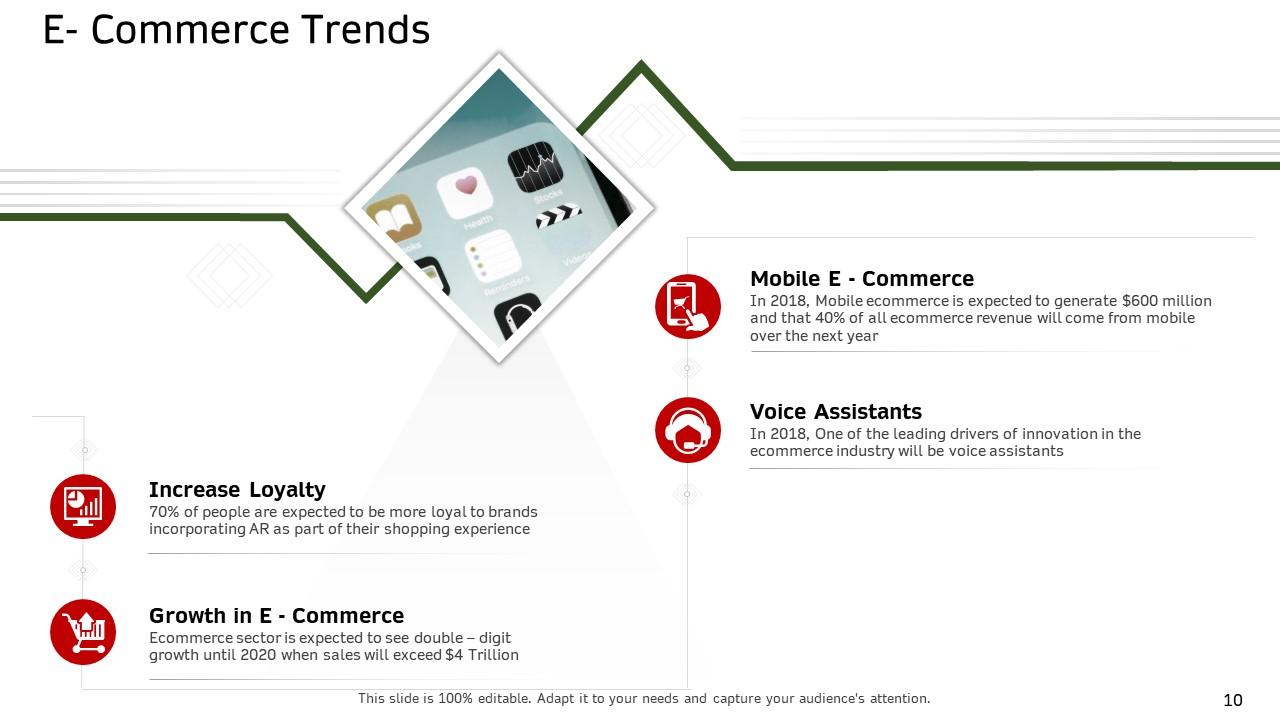
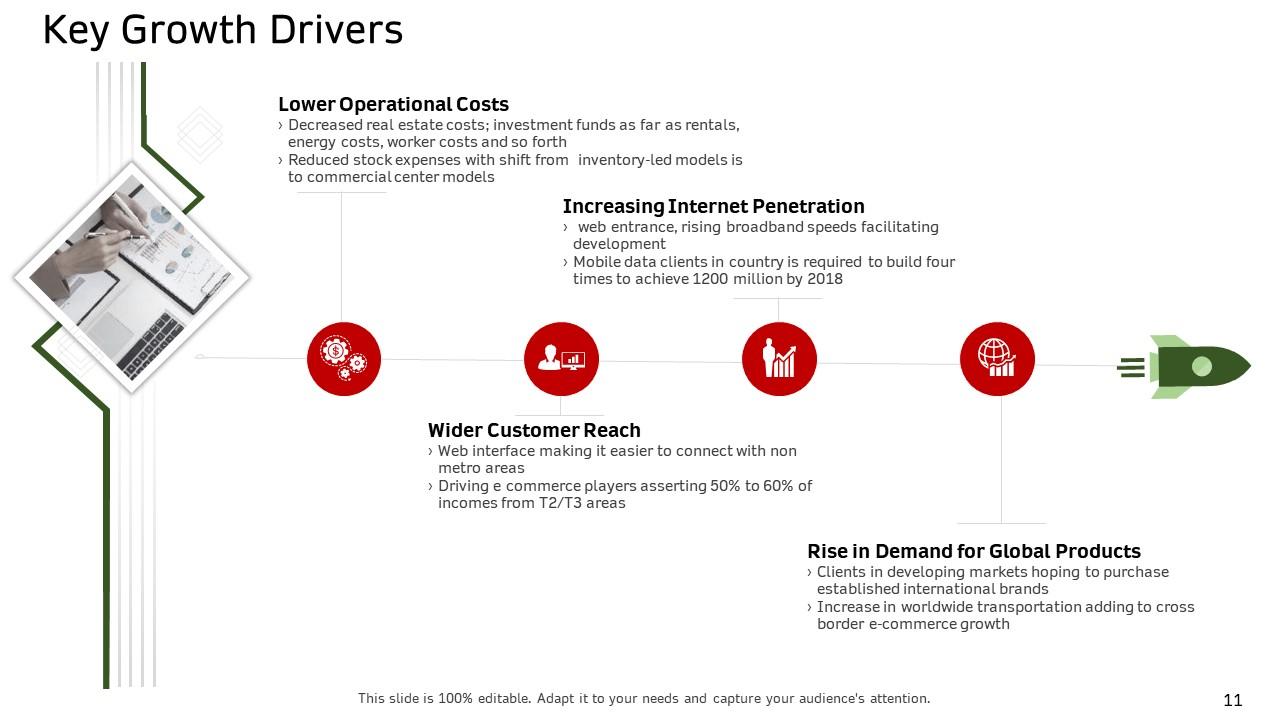
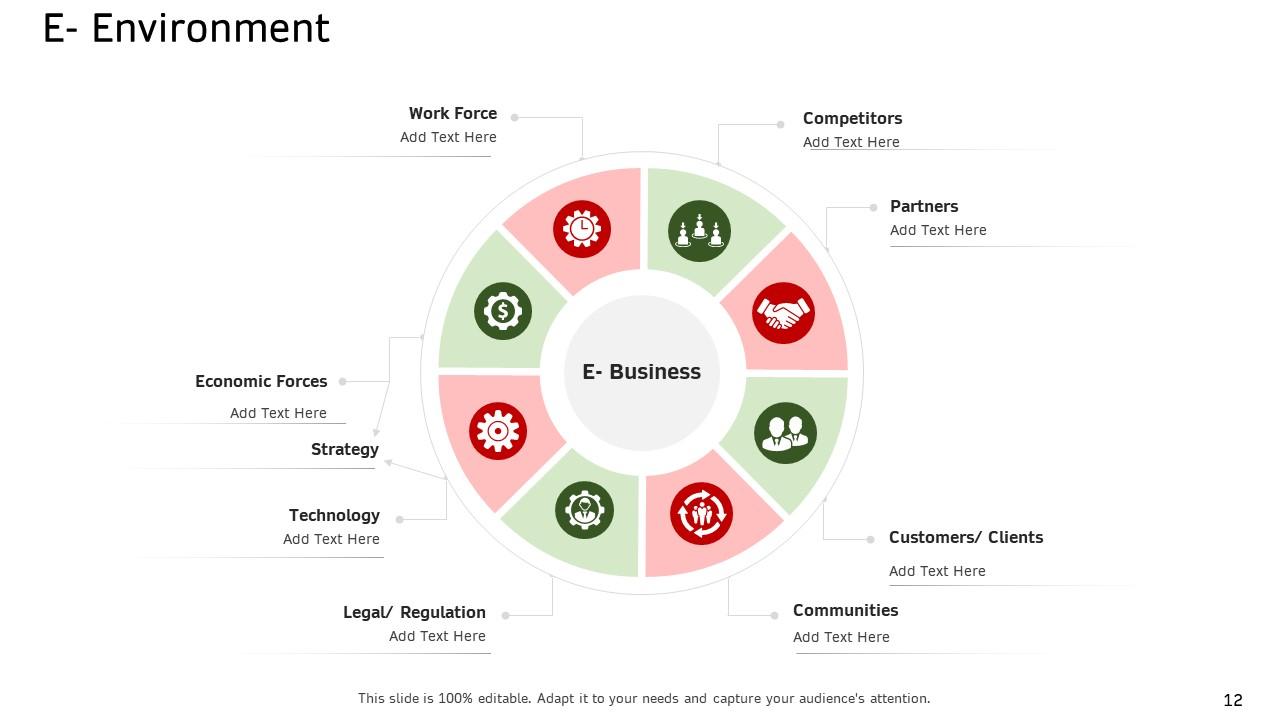
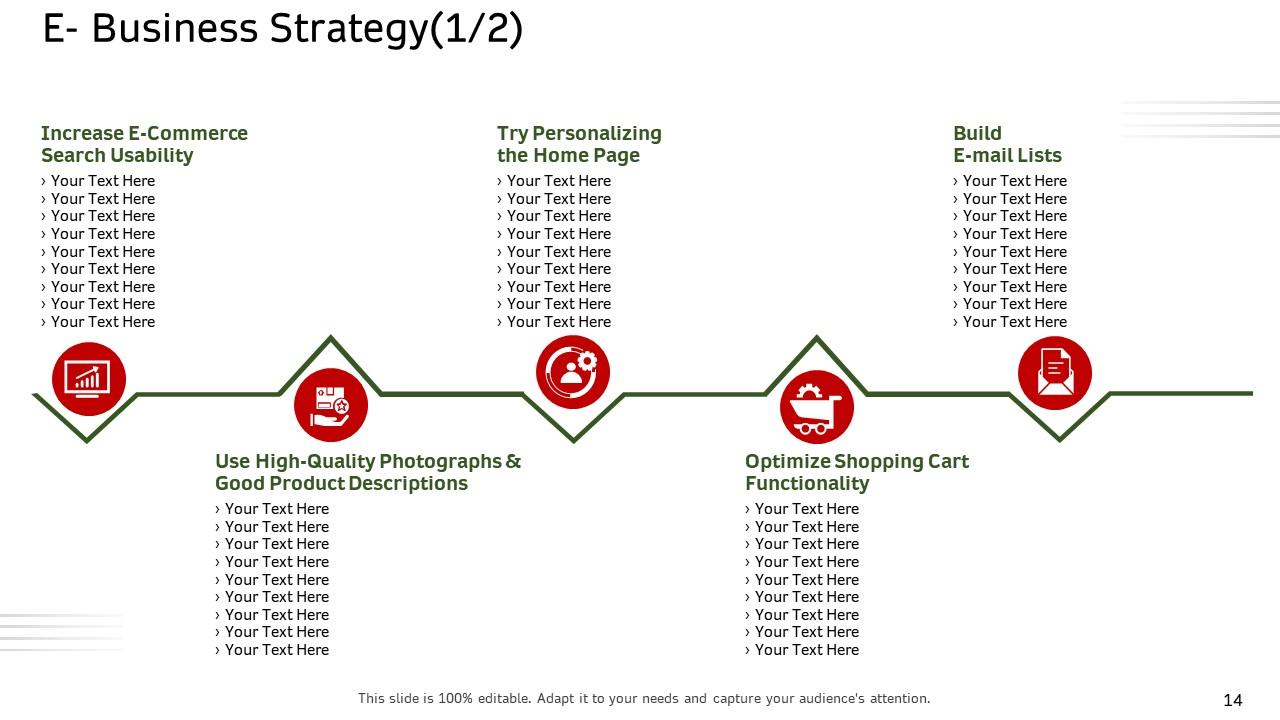
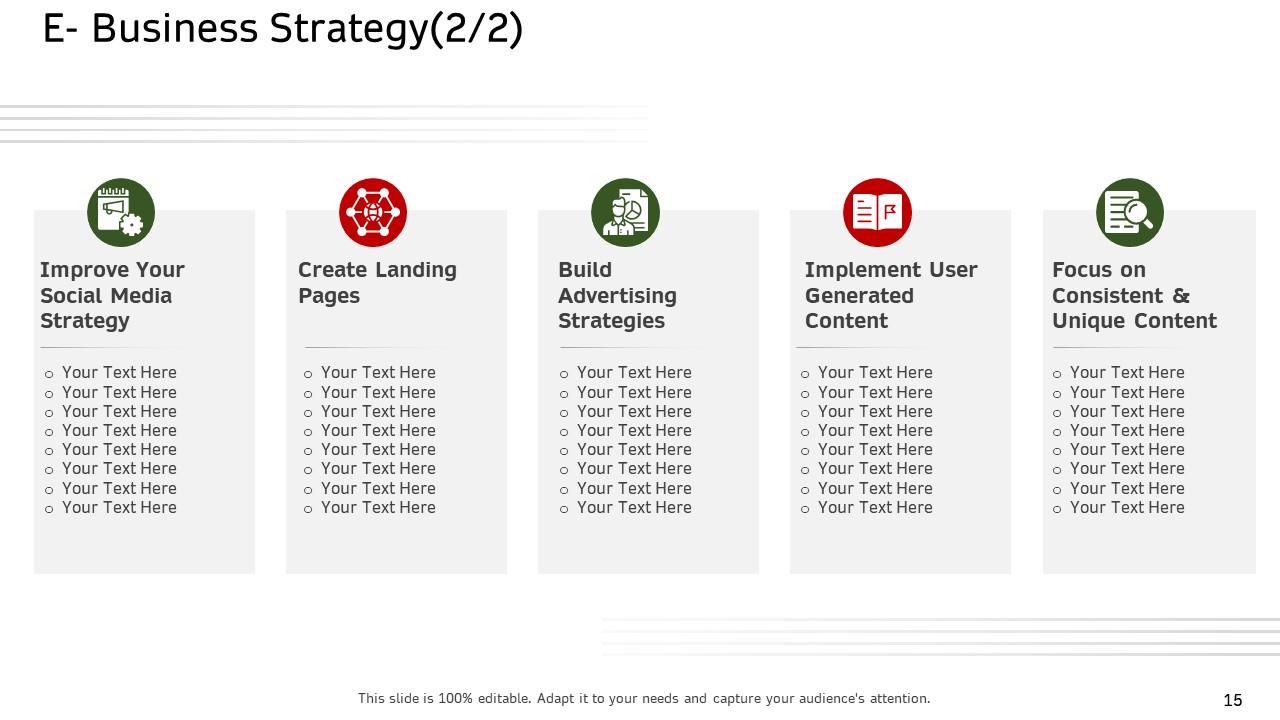
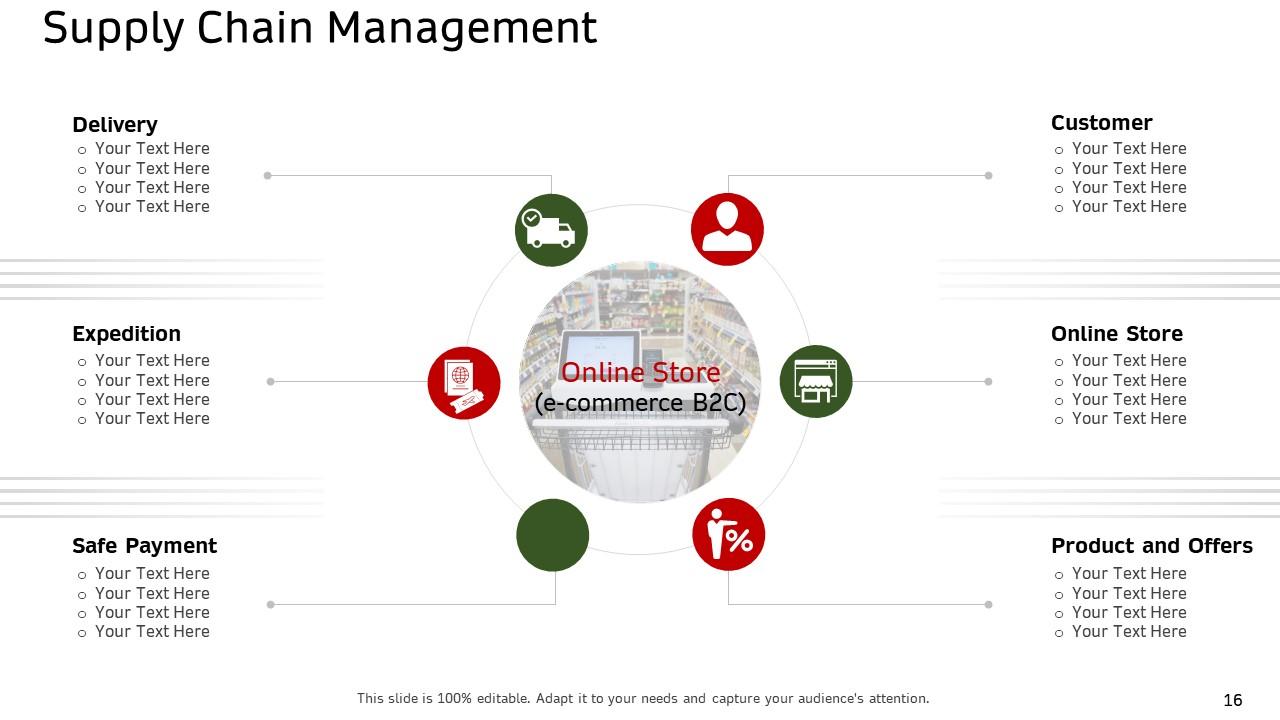
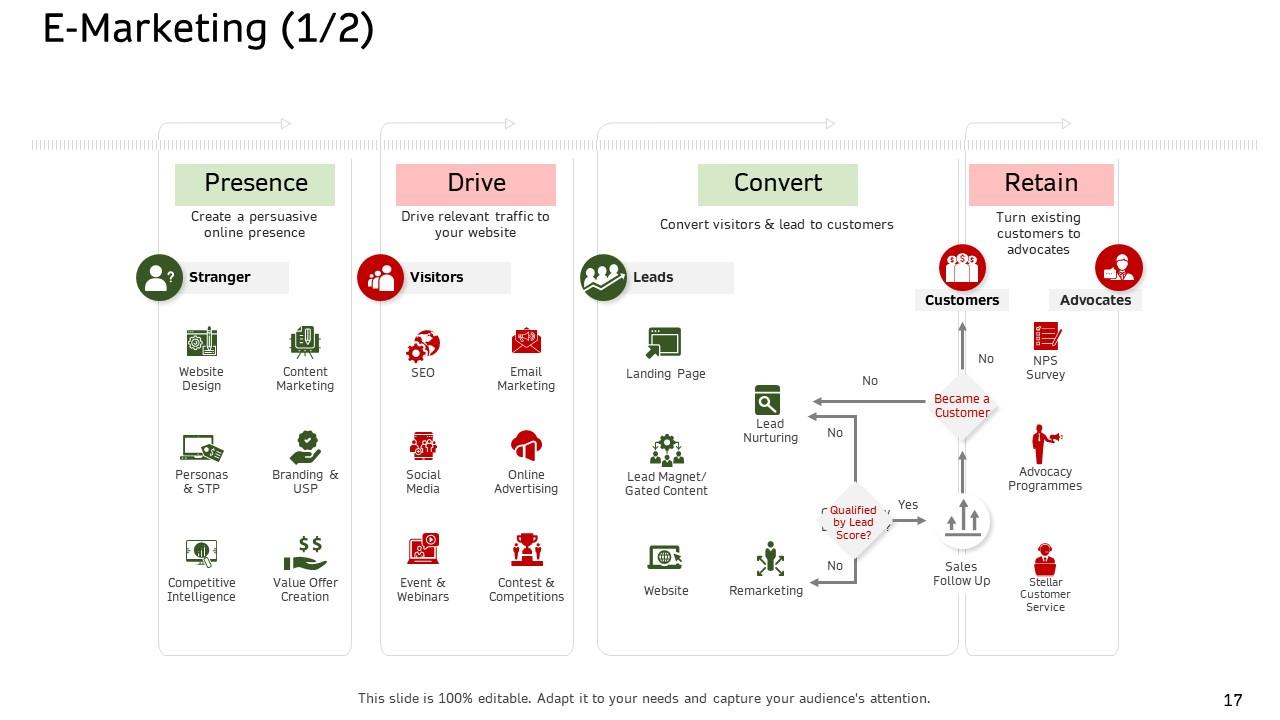
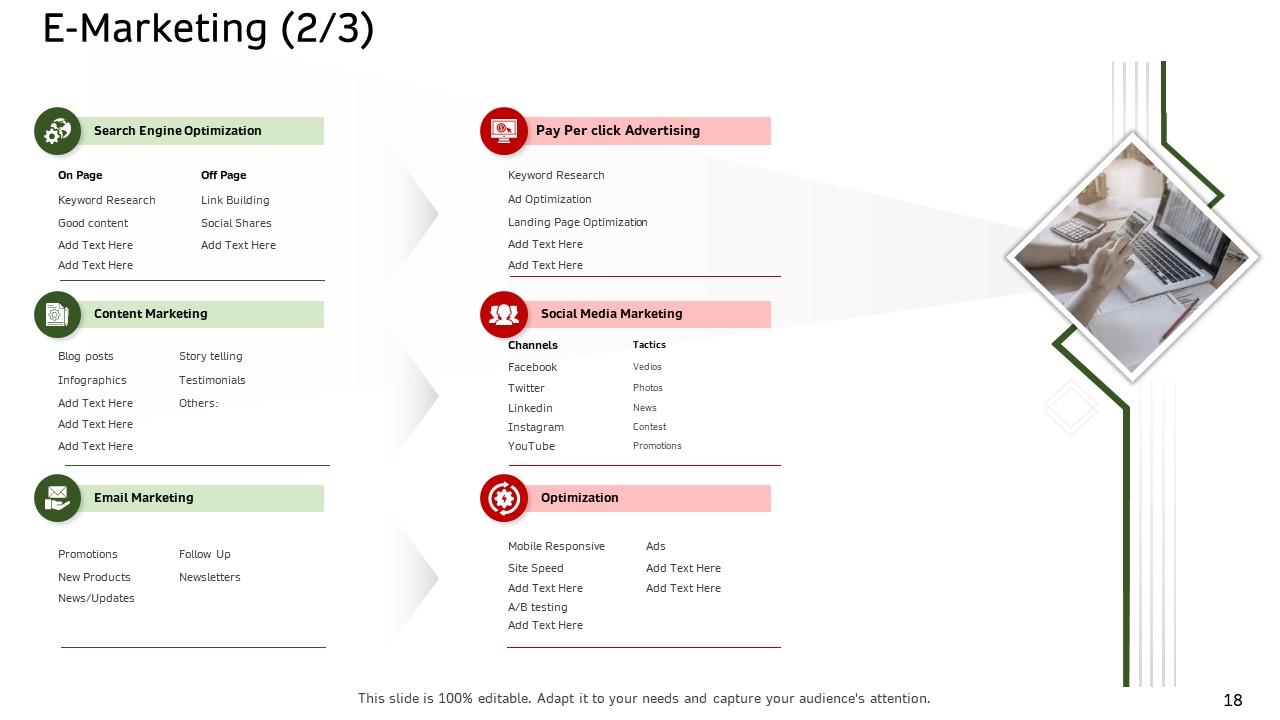
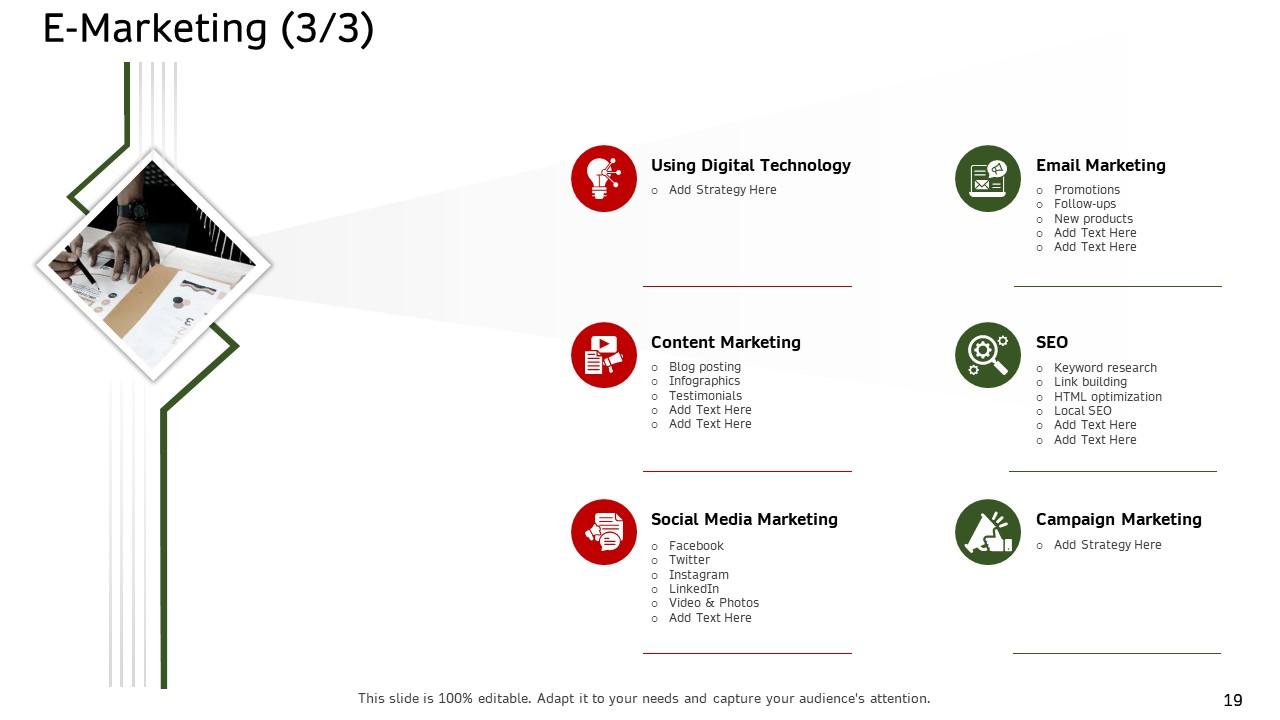
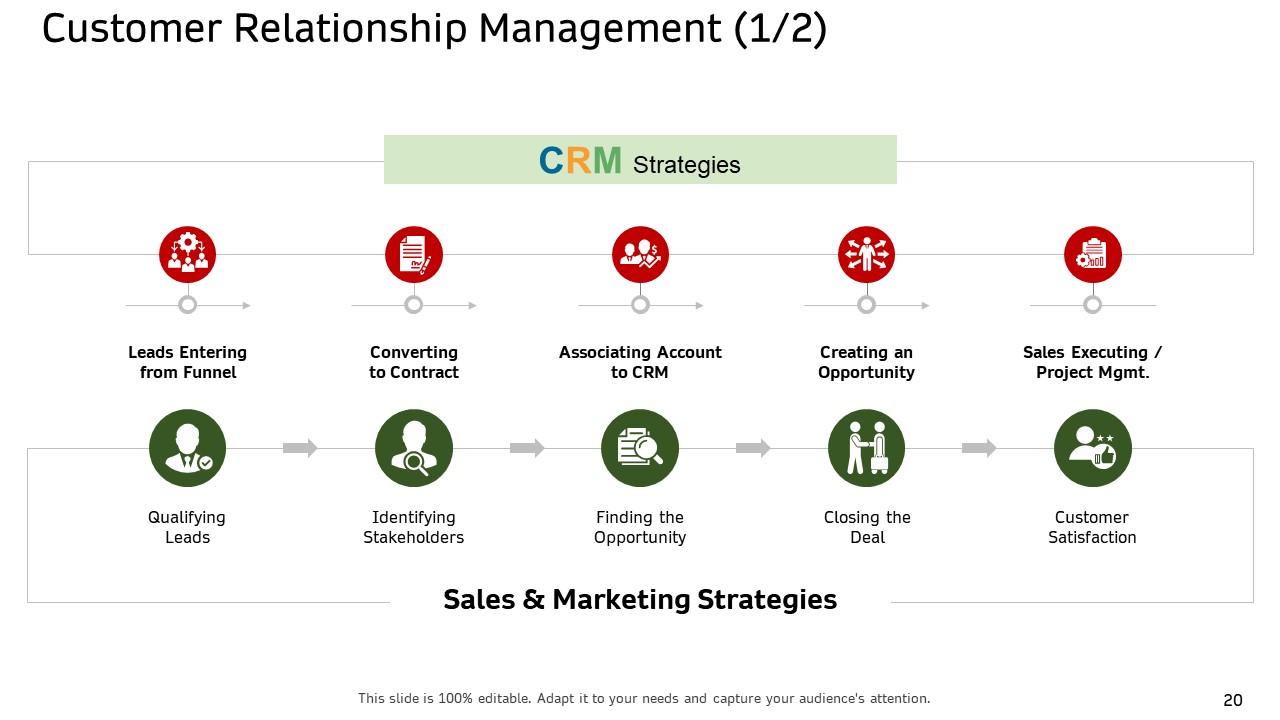
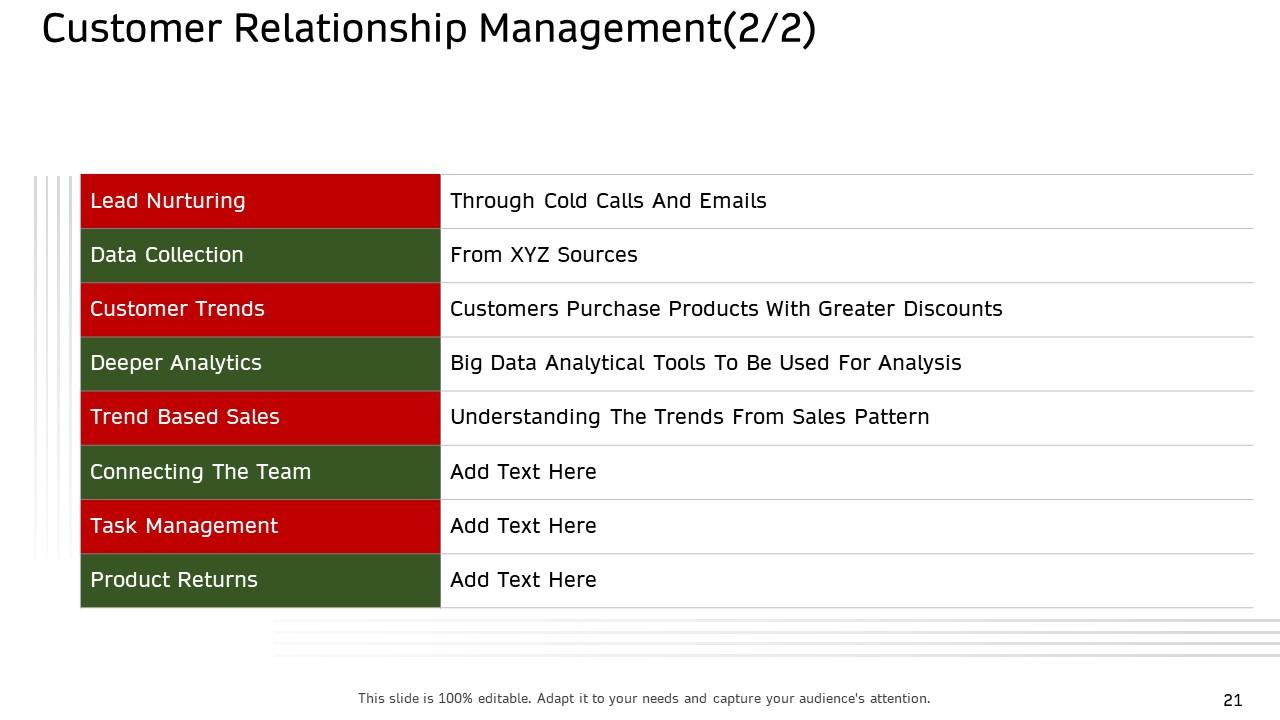
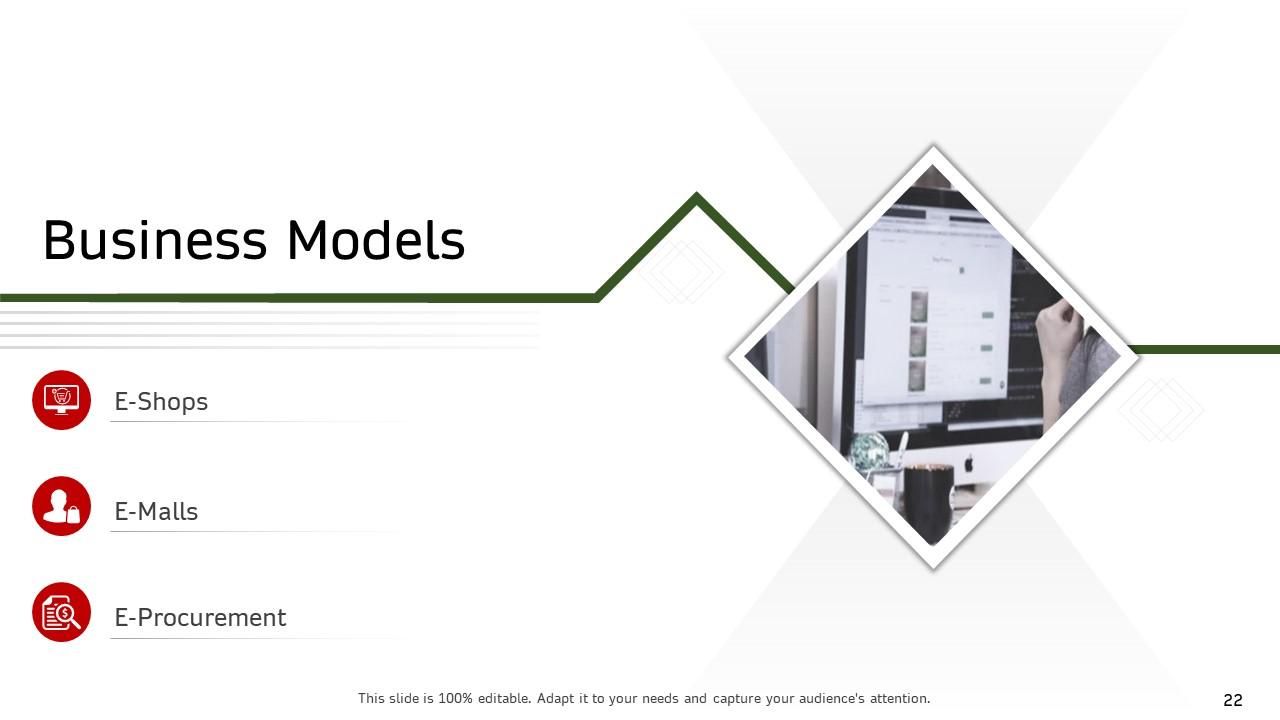
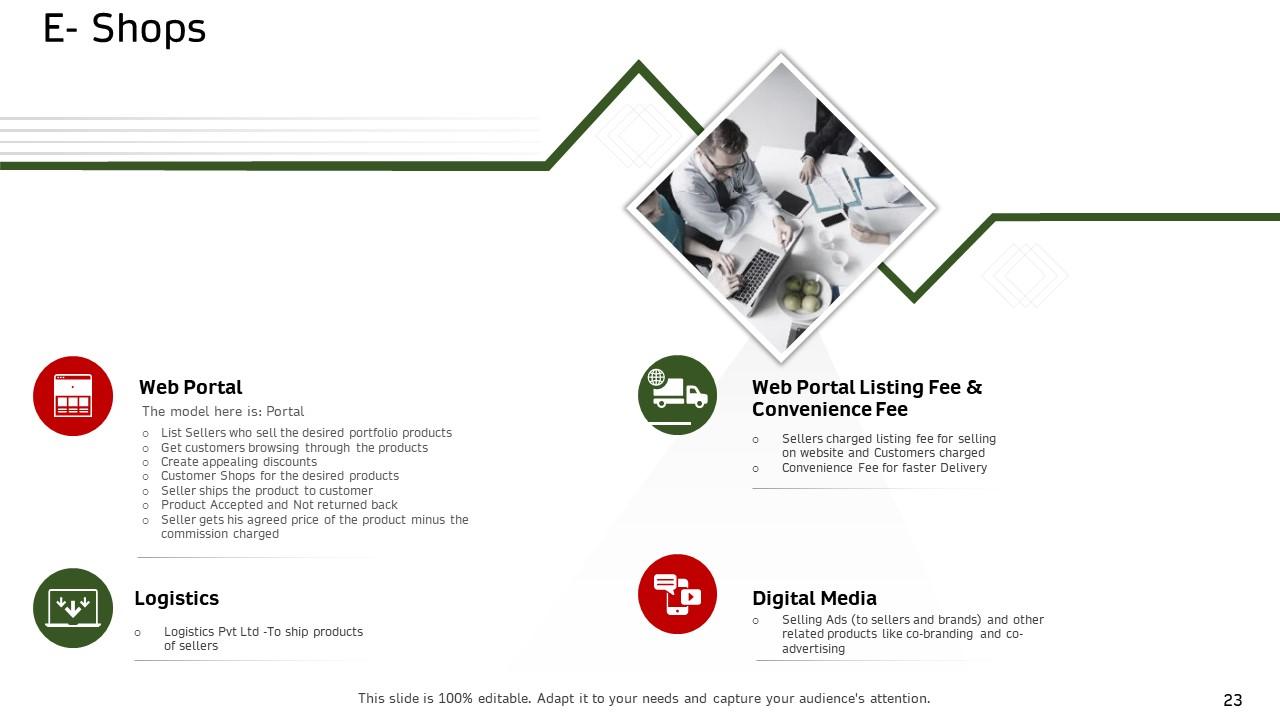
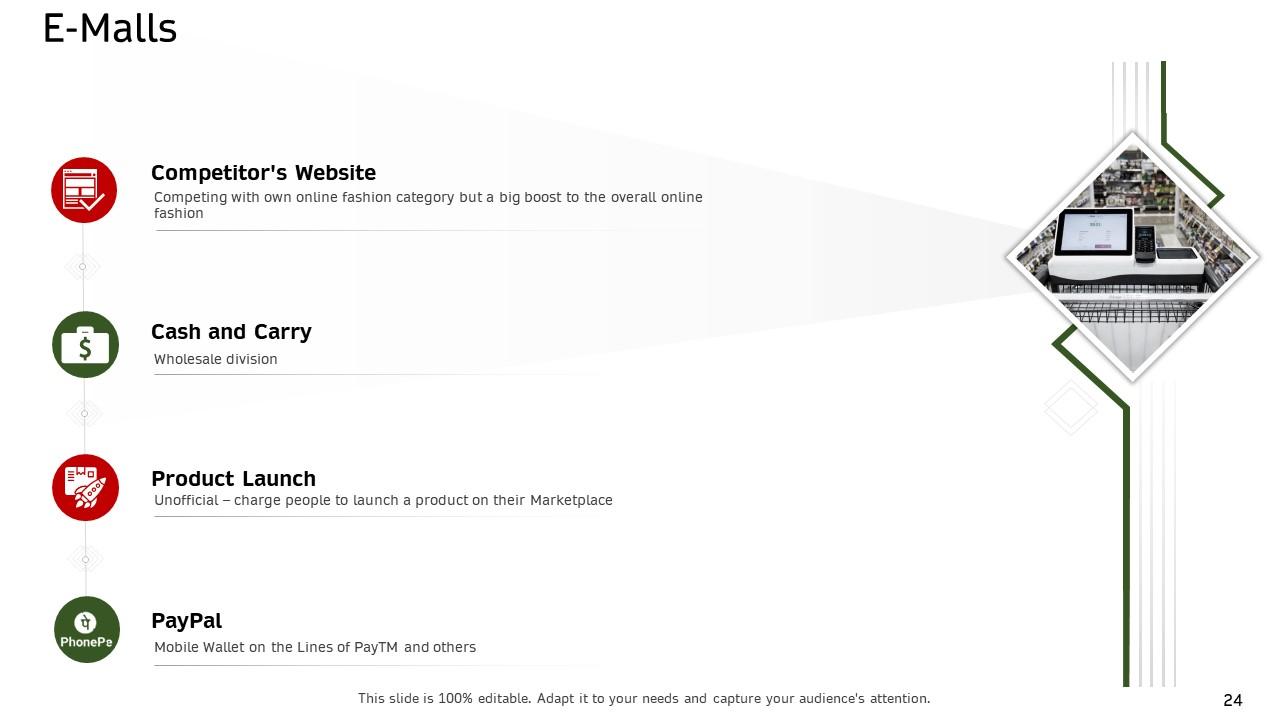
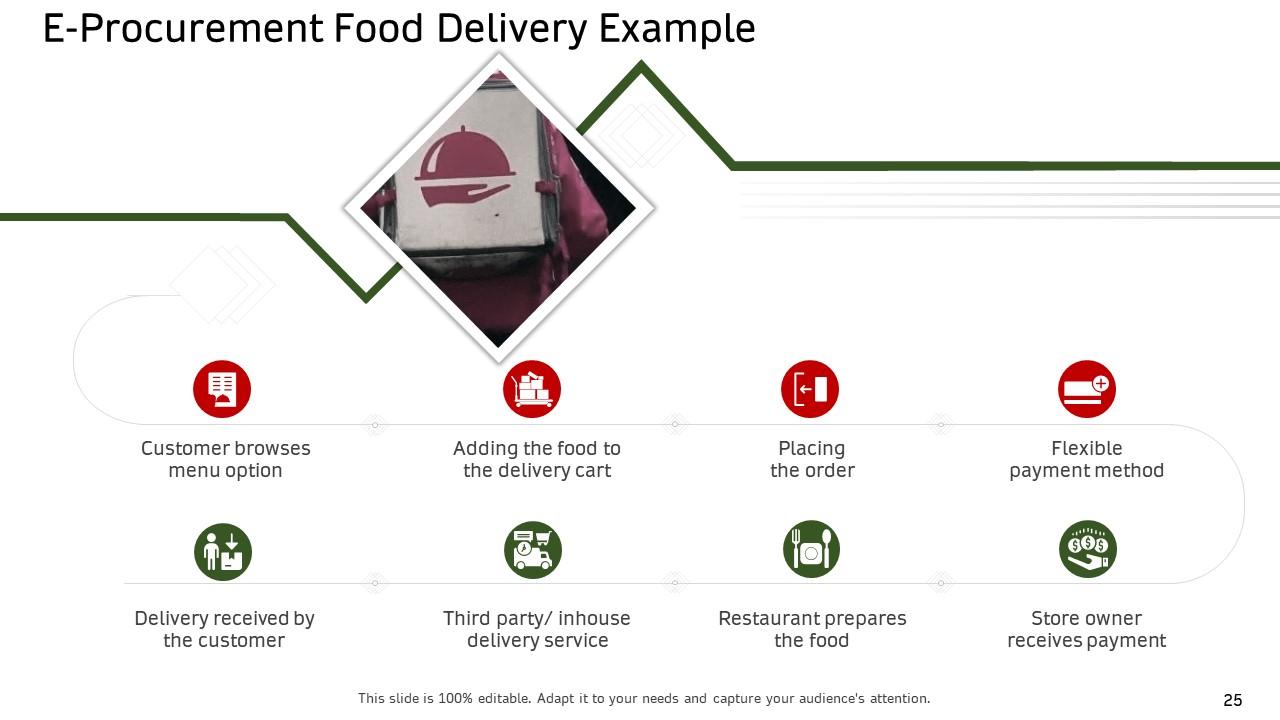
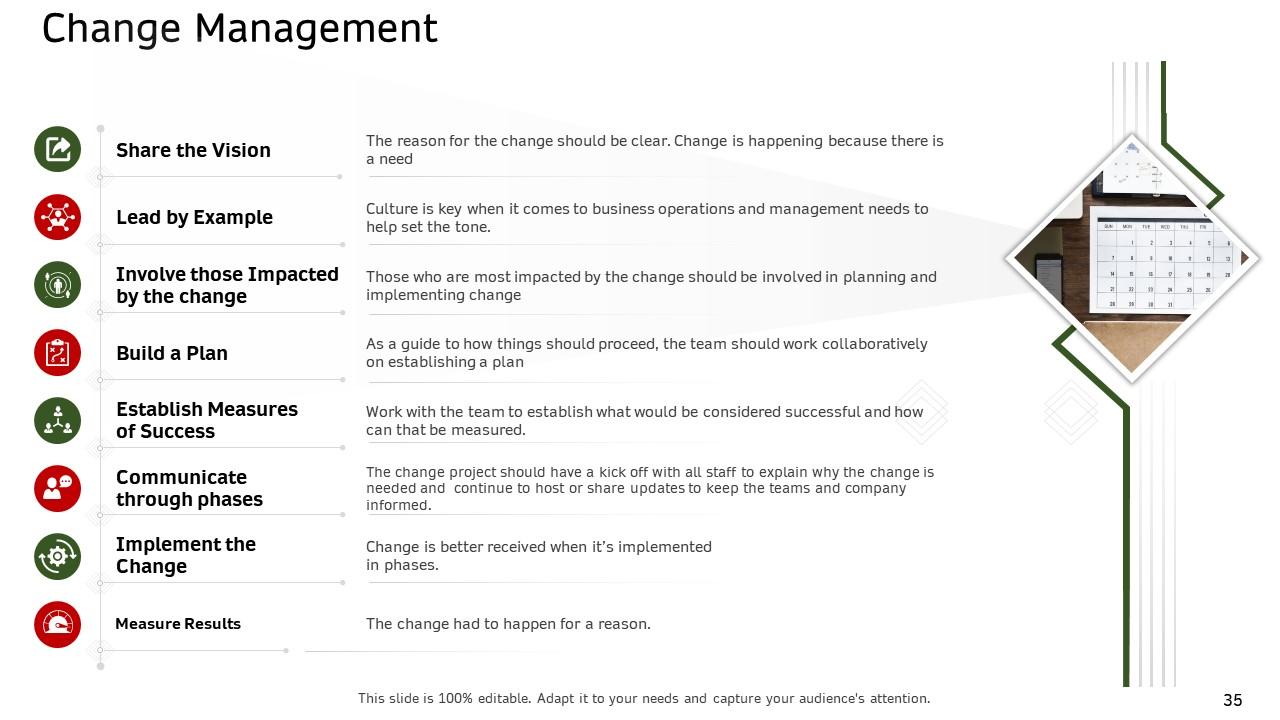
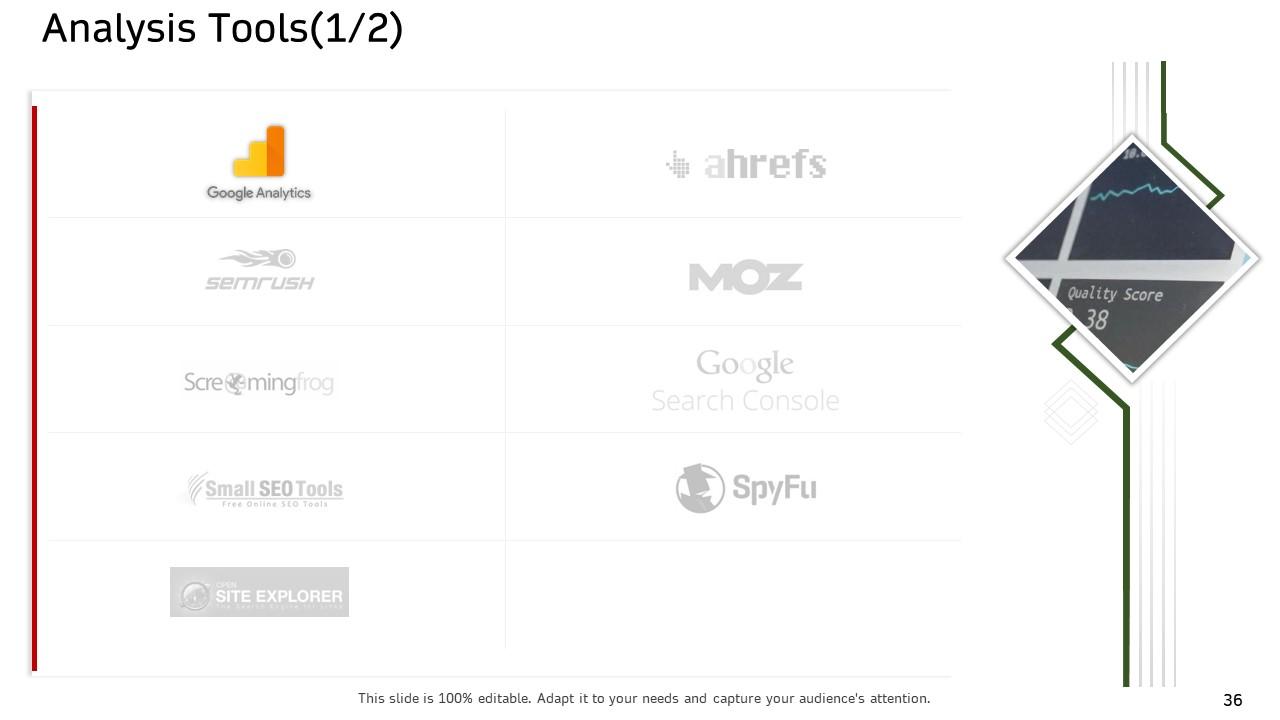
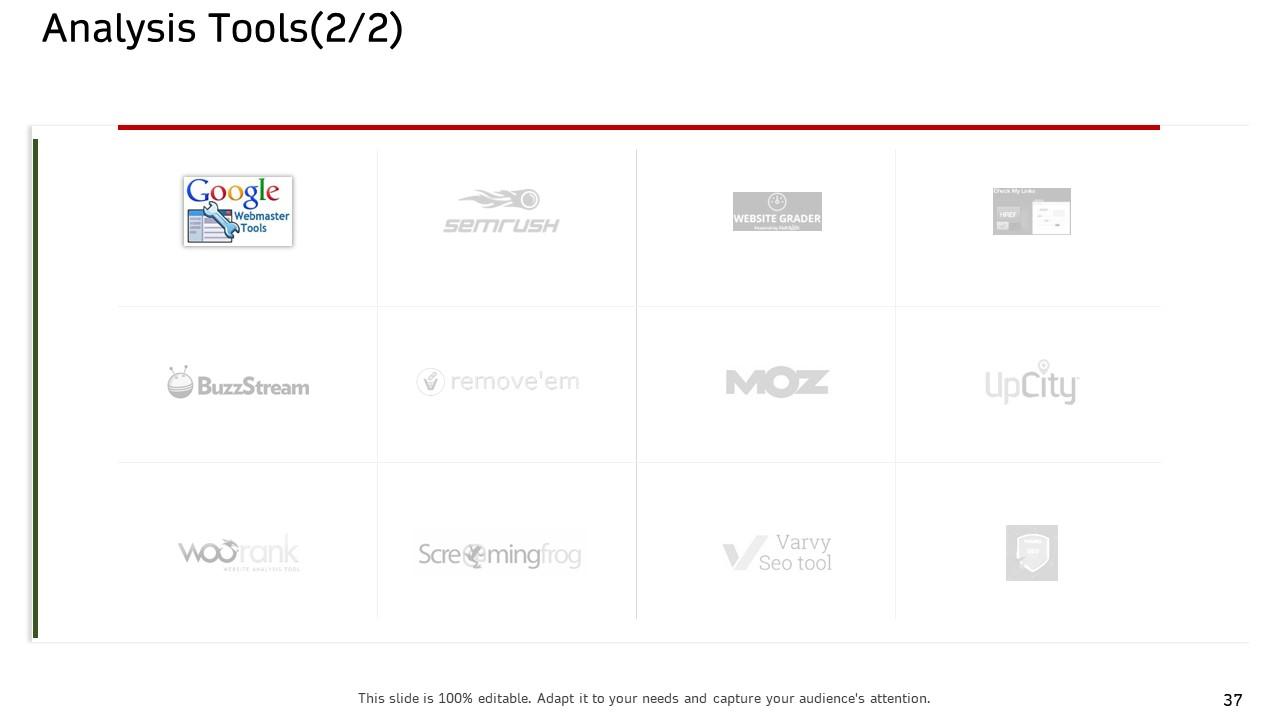
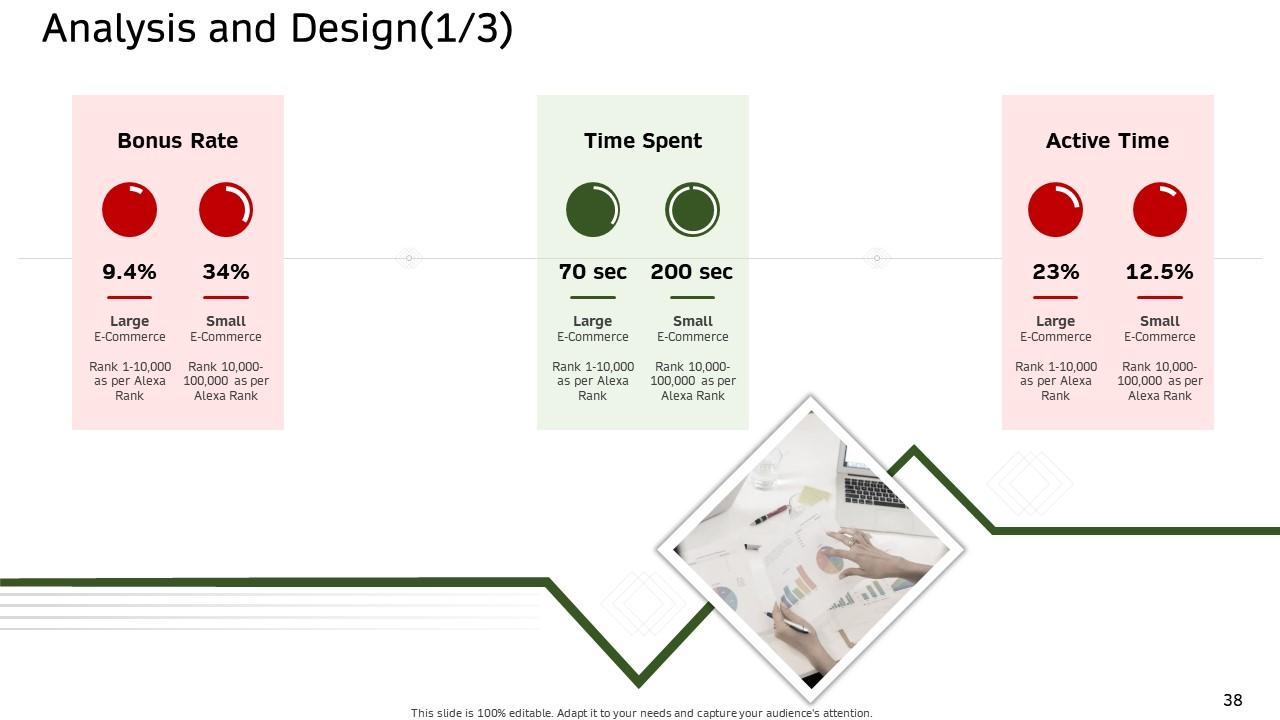
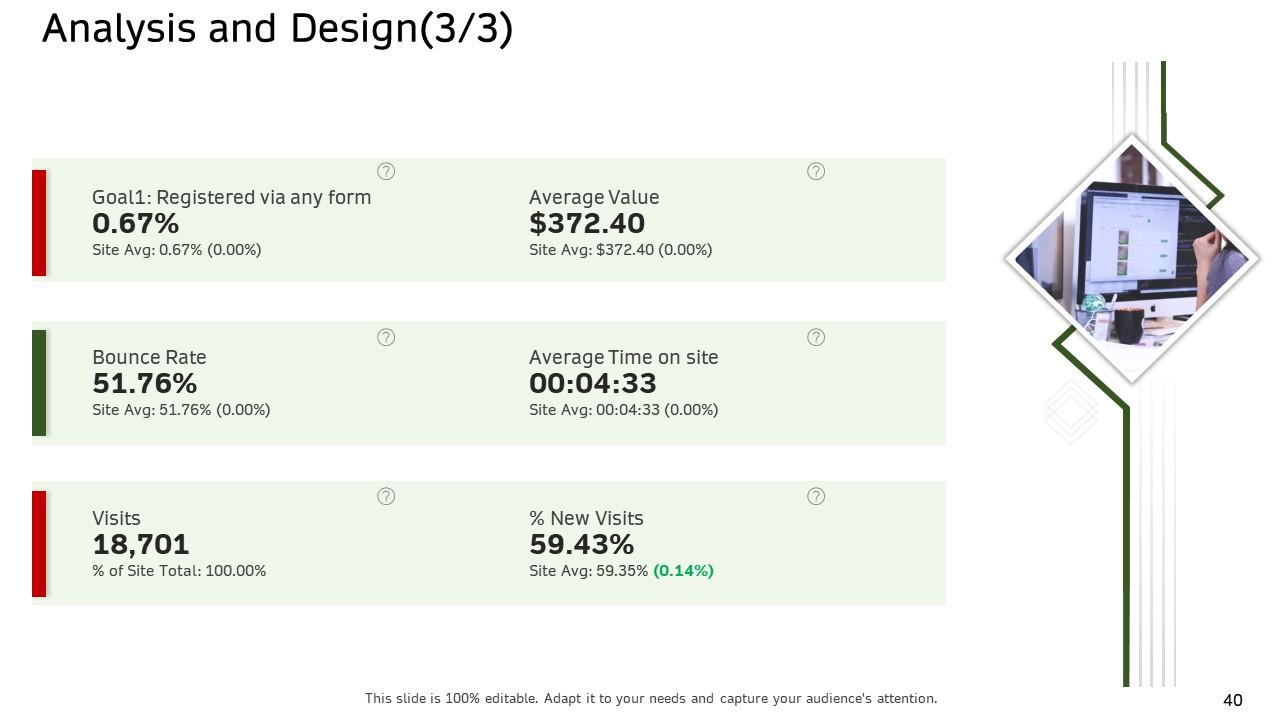
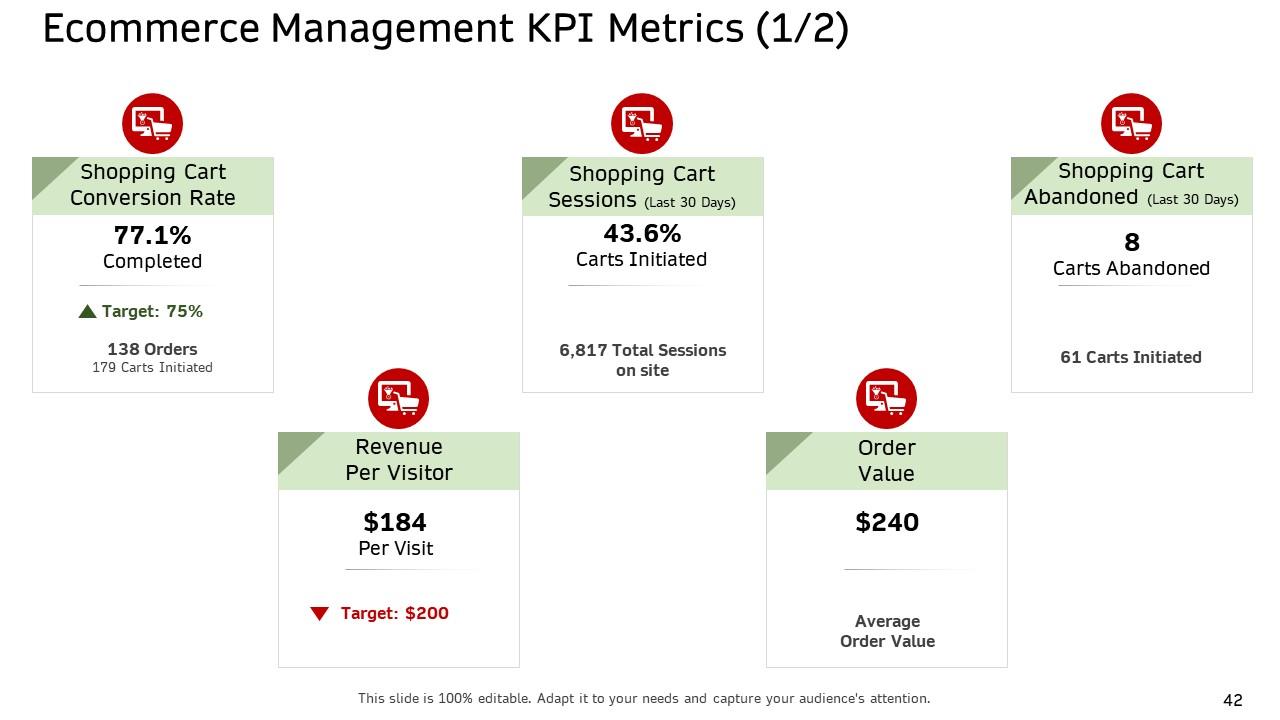
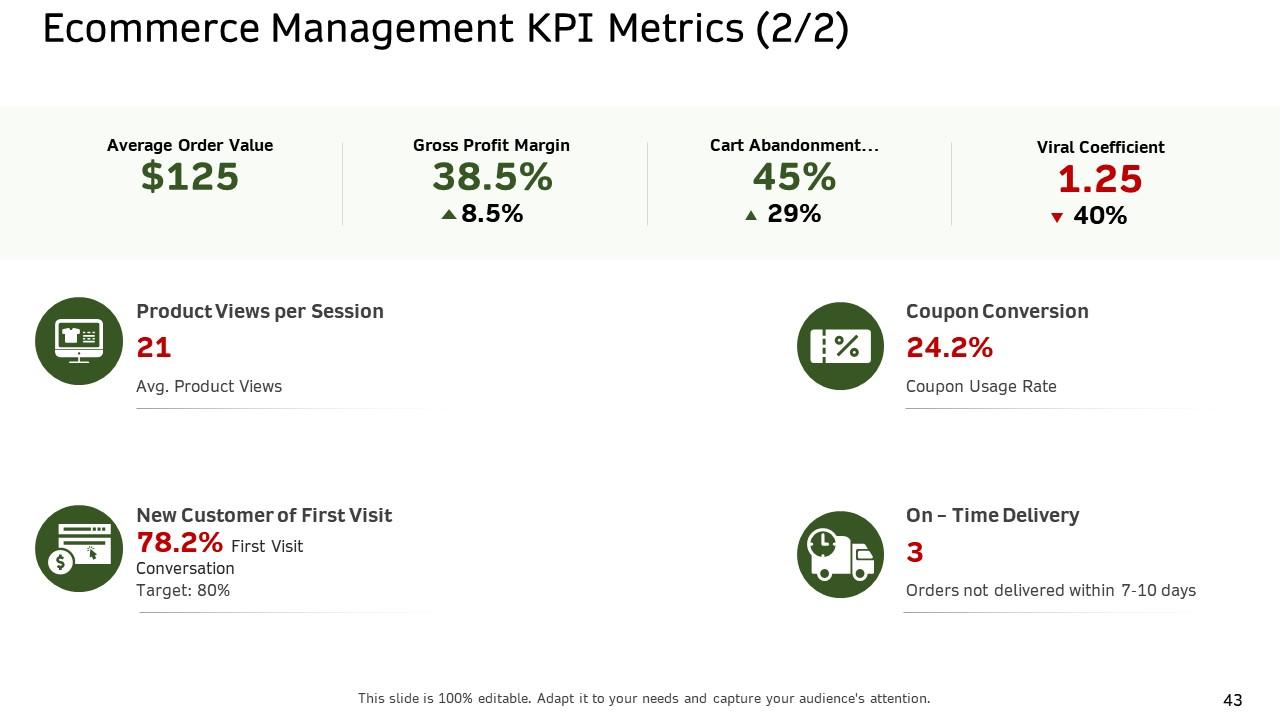
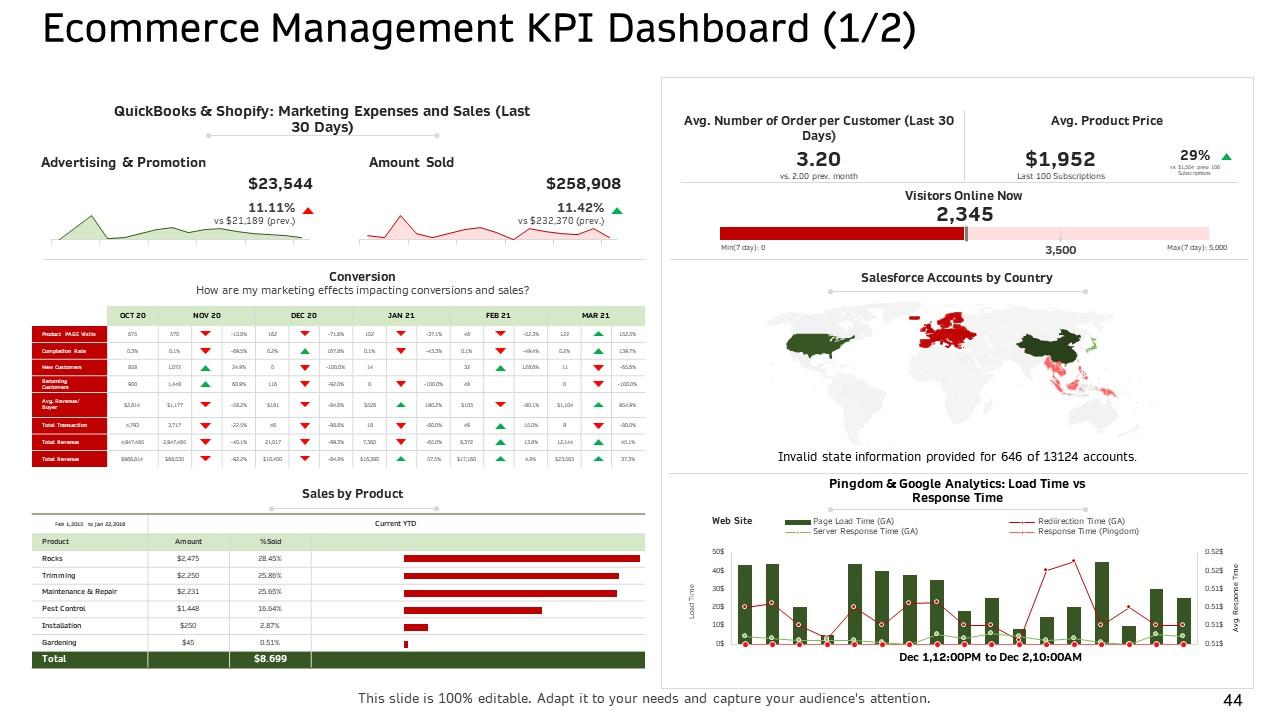
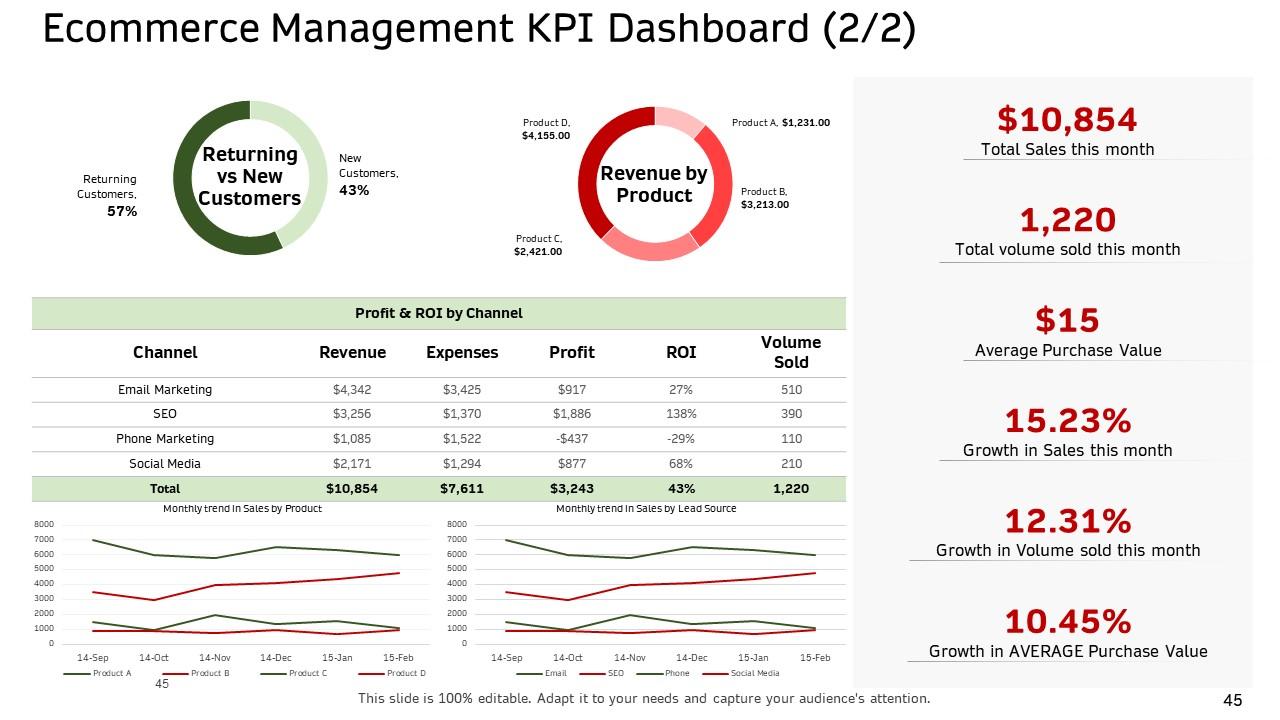
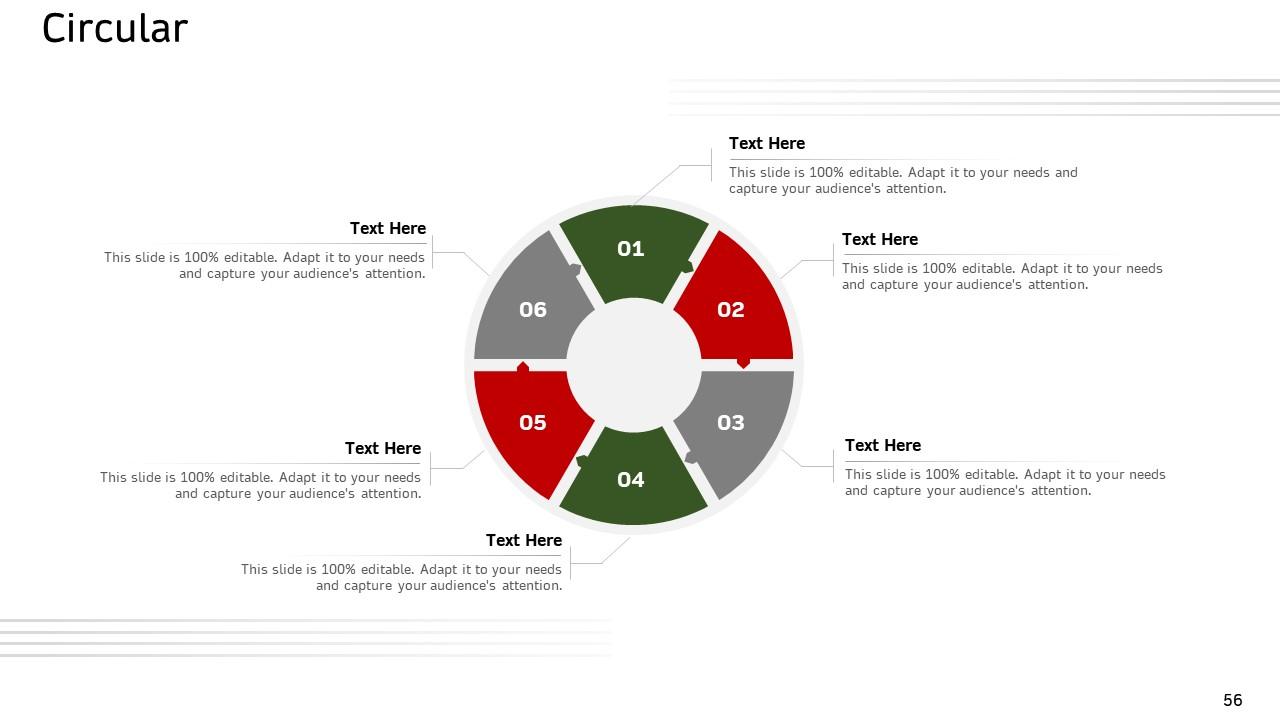
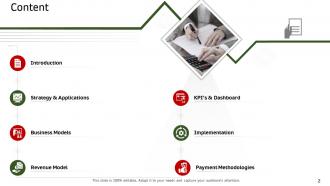
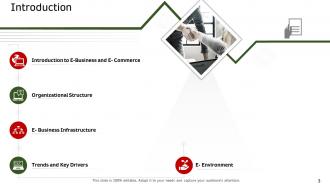
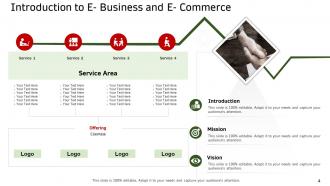
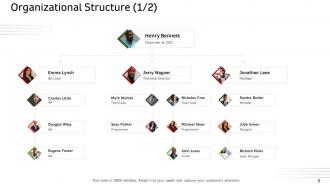
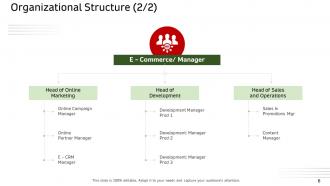
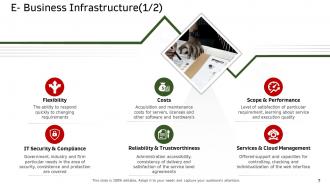
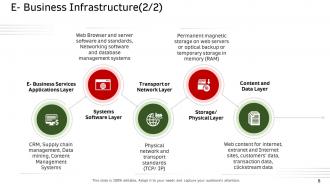
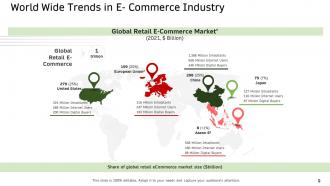
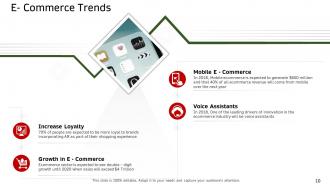
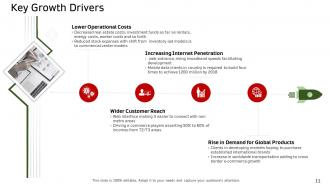
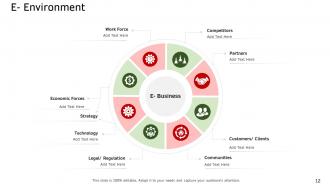
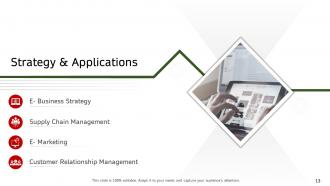
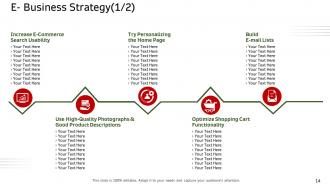
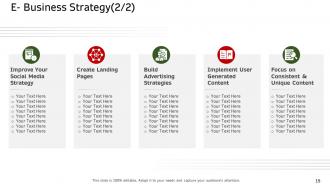
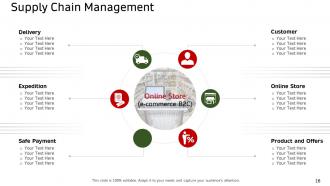
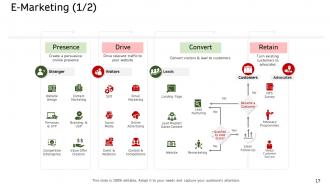
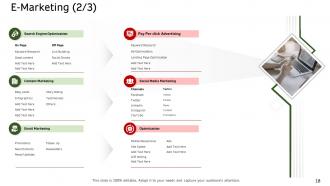
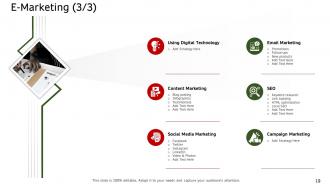
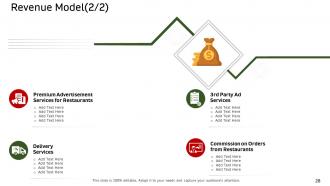
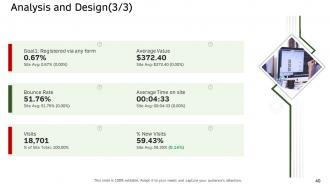
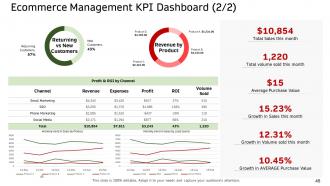
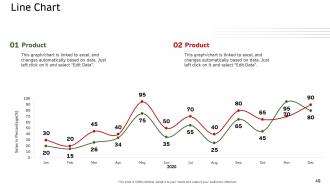
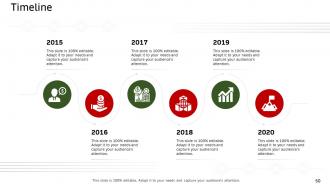
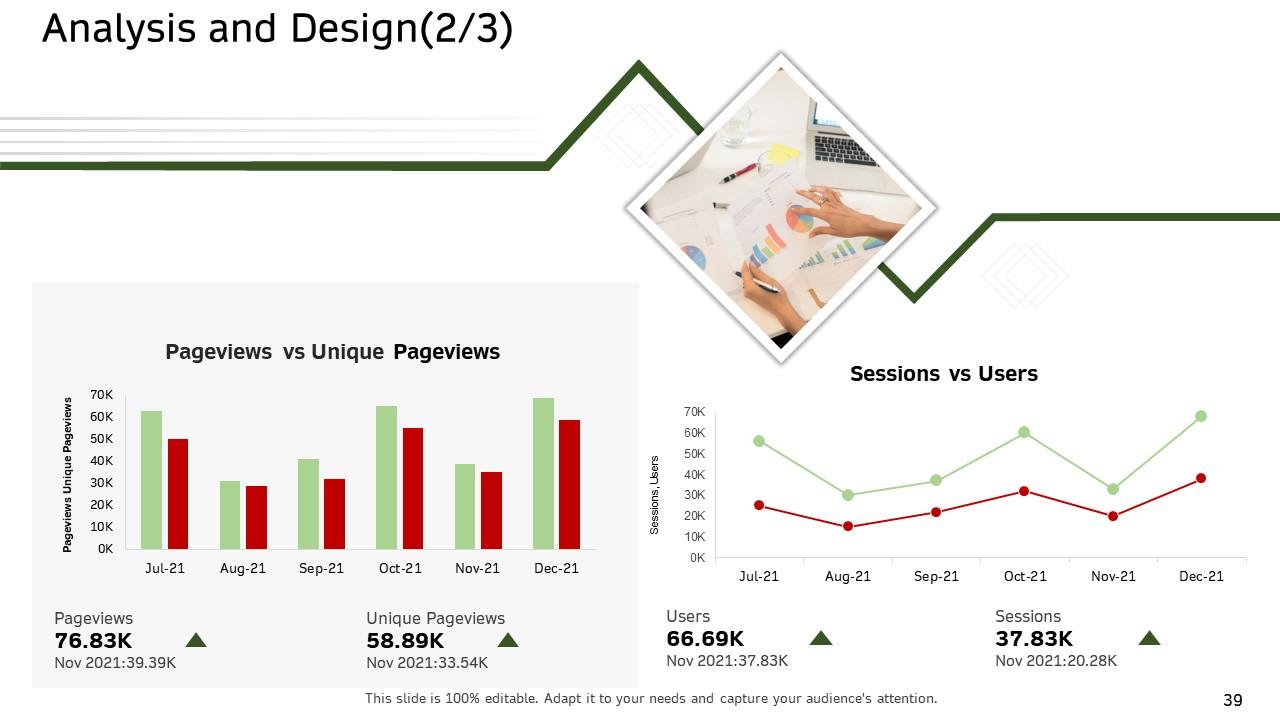
Employ our Ecommerce Solutions PowerPoint Presentation Slides and build a successful strategy to take your business online. Widen your customer base by utilizing these marketing PPT templates to understand the target market and audience. You can use these e-business PPT slides to formulate a plan of action best suited to the market demands. Elaborate on the importance of incorporating modern technologies in business operations to build a digital platform for your products and services using these e-commerce PowerPoint graphics. Mention the crucial elements of a digital infrastructure system for a smooth online experience like well-built software, network layer, storage layer, and data layer through this business strategy PPT slideshow. Showcase the benefits of a webpage to reach customers locally and globally with the assistance of this digital marketing PPT presentation. Illustrate the growth of the online commercial sector by taking the aid of these market strategy PPT designs. Download this professionally curated e-environment PowerPoint deck to educate your audiences about the benefits of internet business.
People who downloaded this PowerPoint presentation also viewed the following :
Ecommerce Solutions Powerpoint Presentation Slides with all 57 slides:
Use our Ecommerce Solutions Powerpoint Presentation Slides to effectively help you save your valuable time. They are readymade to fit into any presentation structure.
FAQs for Ecommerce Solutions
Honestly, payment processing and mobile optimization are absolute must-haves - don't even consider platforms without those. Inventory management too if you're selling physical stuff. Look for decent SEO tools and templates you can actually customize without wanting to pull your hair out. SSL certificates should be standard at this point. Integration with your current tools is huge (trust me on this one). You'll want something that can grow with you so you're not stuck switching platforms later. Oh, and scalability matters more than you think. Just make a list of your deal-breakers first, then compare maybe 3 options max.
Honestly, it depends what you're trying to do. Shopify's super easy to get going but you'll hit walls later when you want more control. WooCommerce is basically the opposite - crazy flexible since it's open source, but you better know your way around code. Magento can handle massive stores, though unless you're doing serious volume it's way too much hassle. BigCommerce is probably the sweet spot for most people. Oh and here's the thing - don't just think about what you need right now. Pick something that'll work when you're actually making money in a couple years.
Start with Stripe or PayPal for payments - that's non-negotiable. You'll also need shipping sorted with FedEx or UPS, plus some kind of inventory system so you're not selling stuff you don't have. Mailchimp or similar for email is huge - those abandoned cart reminders actually work way better than you'd think. Your accounting software should sync automatically because doing taxes manually is absolute hell. Oh, and definitely get Google Analytics running from day one. CRM stuff can wait honestly. Social selling is getting bigger but focus on the basics first, then add the fancy marketing tools once you're not drowning.
Responsive design is huge - your site has to look good on everything. Mobile loading speed matters way more than people think, like seriously, nobody waits around for slow sites anymore. Keep navigation simple and make buttons big enough to actually tap without zooming in. The checkout process should work the same whether I'm on my phone or laptop. Oh, and test on real devices, not just those browser tools. Your payment stuff and shopping cart need to sync between devices so customers can browse on their phone at work then buy later on their computer at home.
Dude, payment gateways are seriously crucial. I've seen people abandon carts instantly when their payment method isn't supported or the checkout takes forever to load. Stripe and PayPal are usually safe bets - they handle most card types and people trust them. The fee difference matters more than you'd think too. Like, 2.9% vs 3.5% adds up quick when you're doing decent volume. I actually screwed this up on my last project by going with a cheaper gateway that was super janky. Customers hated it. Test the whole checkout flow yourself first - if it annoys you, it'll definitely annoy them.
Dude, eCommerce platforms handle all that inventory stuff automatically. Stock levels update in real-time when orders come through. The low-stock alerts are honestly a lifesaver - I'd probably be out of business without them lol. You can sync everything across different sites too, so when something sells on Amazon it updates your other stores instantly. Oh, and some platforms predict when you'll run out of popular stuff, which is pretty cool. Definitely set up those low-stock notifications first though. That's like the easiest thing that'll make the biggest difference right away.
SSL certificates are absolutely essential - don't even consider platforms without them. Same goes for PCI DSS compliance when you're dealing with payments. Two-factor authentication is a must-have too. Make sure they do regular security updates and have solid backup systems. Data encryption should come standard (I can't believe some places still charge extra for basic security). Check if they've had any major breaches lately - that'll tell you a lot. Oh, and verify they work with legit payment gateways like Stripe or PayPal. Just ask about their security certs right off the bat.
Honestly, once you start looking at real data instead of just winging it, everything changes. You'll see which products actually sell, where people bail during checkout, what marketing actually works. The numbers become weirdly addictive - I spent way too much time last week analyzing customer segments. Seasonal patterns pop out, you catch why campaigns tank, and best part? Test something and see results right away. Your conversion funnel is probably the best place to start digging. That's where most people find their biggest wins anyway.
Okay so basically it's control vs. convenience. Open-source stuff like WooCommerce gives you total freedom to customize whatever you want, and you own all your data. But then you're stuck dealing with hosting, security patches, all that technical headache stuff. Shopify and those hosted platforms? They handle everything for you - no 2am server crashes to worry about, which honestly is amazing. Downside is you're trapped in their ecosystem and they'll nick transaction fees. Oh and my cousin learned this the hard way - you can't always add the features you want later. If you've got tech skills and weird specific needs, go open-source. Otherwise just pick hosted and focus on actually selling stuff.
Start with the basics - clean URLs, meta tags, and making sure your site loads fast. Shopify and WooCommerce actually handle most of this stuff automatically, thank god. Write unique descriptions for each product (I know, it's tedious) and don't forget alt text for images. Category pages are where you'll see the biggest impact though. Internal linking between similar products works really well too. Oh, and test everything on mobile first since that's how most people shop now. Honestly? Just run an SEO audit tool to see what's broken, then tackle the worst issues first.
Honestly, start with email campaigns based on what people already bought from you - that stuff actually works. Build a loyalty program that doesn't suck (nobody gets excited about 5% off). Cart abandonment emails are clutch, just don't spam people every hour lol. The boring stuff matters most though - make checkout stupid easy and fast. Customer service can make or break you. Ask for feedback and actually listen to what they're saying. Pick like two things from this list first. Trying to do everything at once is how you end up doing nothing well.
Honestly, Instagram Shopping and TikTok Shop are game-changers - people can buy without leaving the app which is clutch for sales. Facebook Marketplace works great too. Set up retargeting ads for people who looked but didn't buy (I was skeptical at first but they actually convert really well). Get your customers posting photos with your stuff and reshare them - that social proof is everything. Oh, and whatever you do, make checkout super smooth. Pick whichever platform your people hang out on most and focus there first. You don't want to spread yourself too thin trying to be everywhere at once.
Oh man, data migration is going to be your biggest headache. Moving all your product info, customer data, order history - it's messy. Your SEO will probably tank temporarily when URLs change too, which sucks. Staff training takes forever because nobody wants to learn new systems. Honestly the whole thing is like trying to rebuild a plane while flying it. Also random thought but why do these migrations always happen right before busy season? Anyway, budget triple the time you think you need and definitely run both systems side by side during the switch.
Dude, your checkout is probably a nightmare - I'd bet money on it. Start with guest checkout because honestly, who wants to make an account for random stuff? Show shipping costs upfront too, people hate surprises at the end. Make sure it works on mobile since everyone shops on their phone now. Oh, and throw in some security badges or whatever so people don't think you're sketchy. PayPal and Apple Pay are must-haves. I'd also test it yourself once a month - you'd be shocked how often stuff breaks and nobody notices until customers bail.
Honestly, AI personalization is where it's at right now - and voice commerce too. Social commerce is blowing up, especially since Gen Z practically lives on TikTok and Insta. Sustainability stuff matters way more now, so think eco packaging and carbon-neutral shipping. Mobile-first isn't negotiable anymore either. Headless commerce is getting trendy because you can tweak the frontend without starting over (though it's kinda technical). Oh, and personalized recommendations are clutch. I'd probably start by checking how awful your mobile experience is right now and go from there.
-
Much better than the original! Thanks for the quick turnaround.
-
Informative presentations that are easily editable.
-
Very well designed and informative templates.
-
Nice and innovative design.
-
Best Representation of topics, really appreciable.
-
I discovered this website through a google search, the services matched my needs perfectly and the pricing was very reasonable. I was thrilled with the product and the customer service. I will definitely use their slides again for my presentations and recommend them to other colleagues.
-
Presentation Design is very nice, good work with the content as well.
-
Much better than the original! Thanks for the quick turnaround.
-
Awesome use of colors and designs in product templates.