


Ecommerce management powerpoint presentation slides





Try Before you Buy Download Free Sample Product
 Impress Your
 Audience
 100%
100% Editable
 Save Hours
 of Time


Talk about worldwide trends in the e-commerce industry with the aid of our content ready Ecommerce Management PowerPoint Presentation Slides. Showcase factors influencing e-commerce development such as flexibility, cost, scope and performance, services and cloud management, IT security and compliance, etc. by using this professionally designed e-commerce solutions PPT slideshow. Take advantage of the e-business management PowerPoint complete deck to discuss key growth drivers like low operational costs, wide customer reach, rise in demand for global products and so on. Utilize the visually appealing online business plan PPT slideshow to demonstrate steps of customer relationship management strategy e.g. qualifying leads, identifying stakeholders, finding the opportunity, and closing the deal, etc. You can also use the ready-to-use e-commerce administration PowerPoint templates to display the e-procurement food delivery process in an interactive way. Thus, download the topic-specific and informative online business management PPT graphics to manage the functioning of electronic commerce. Commercial capability grows with our Ecommerce Management Powerpoint Presentation Slides. They generate bigger deals.
People who downloaded this PowerPoint presentation also viewed the following :
Content of this Powerpoint Presentation
Slide 1: This slide introduces Ecommerce Management. State your Company name and begin.
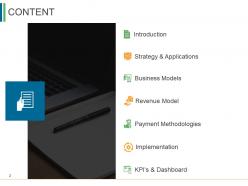
Slide 2: This slide displays the Content of the presentation containing- Introduction, Strategy & Applications, Business Models, Revenue Model, Payment Methodologies, Implementation, KPI’s & Dashboard.
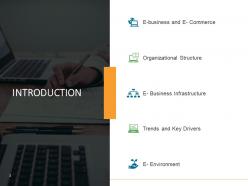
Slide 3: This slide displays the Introduction.
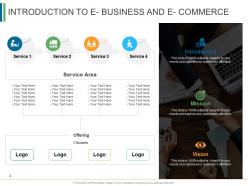
Slide 4: This slide presents Introduction To E-Business And E-Commerce.
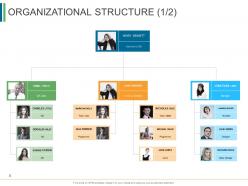
Slide 5: This slide showcases Organizational Structure.
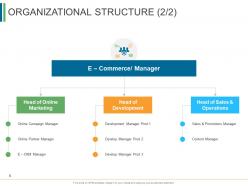
Slide 6: This slide depicts the Organizational Structure.
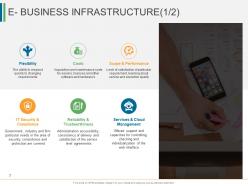
Slide 7: This slide showcases E-Business Infrastructure.
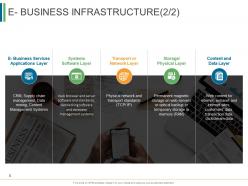
Slide 8: This slide is continued with E-Business Infrastructure.
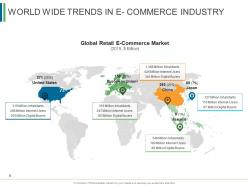
Slide 9: This slide presents World Wide Trends In E-Commerce Industry.
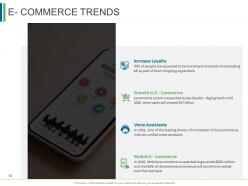
Slide 10: This slide presents E-Commerce Trends.
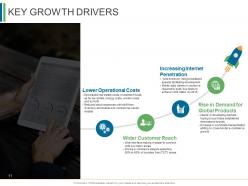
Slide 11: This slide depicts Key Growth Drivers.
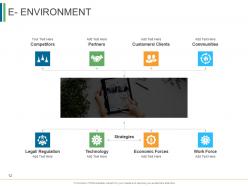
Slide 12: This slide represents E-Environment with- Competitors, Partners, Customers/ Clients, Communities, Legal/ Regulation, Technology, Economic Forces, Work Force.
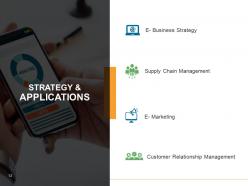
Slide 13: This slide represents Strategy & Applications containing- E- Business Strategy, Supply Chain Management, E- Marketing, Customer Relationship Management.
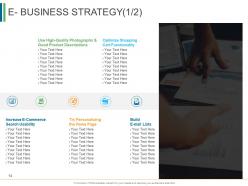
Slide 14: This slide presents E- Business Strategy.
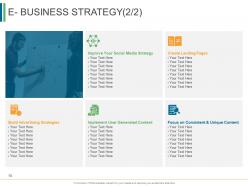
Slide 15: This slide presents E-Business Strategy.
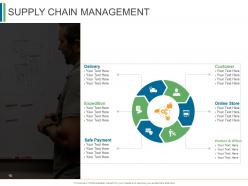
Slide 16: This slide showcases Supply Chain Management.
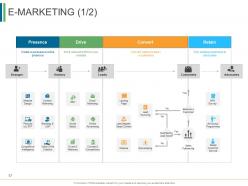
Slide 17: This slide presents E-marketing.
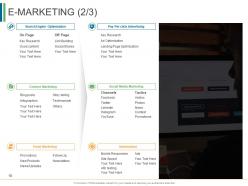
Slide 18: This slide presents E- Marketing.
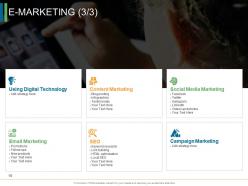
Slide 19: This slide presents E- Marketing using Digital Technology such as- Social Media Marketing, Facebook,, Twitter, Instagram, LinkedIn, Videos and photos, Content Marketing, etc.
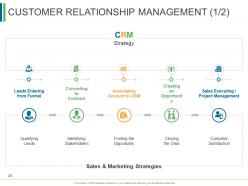
Slide 20: This slide represents Customer Relationship Management.
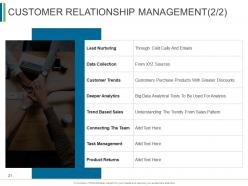
Slide 21: This slide represents Customer Relationship Management.
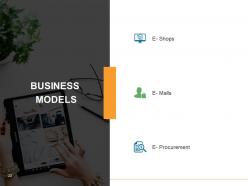
Slide 22: This slide presents Business Models such as- E- Shops, E- Malls, E- Procurement.
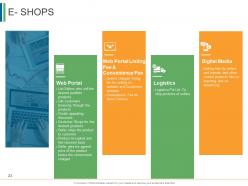
Slide 23: This slide showcases E- Shops.
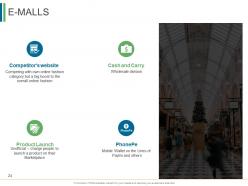
Slide 24: This slide represents E- Malls.
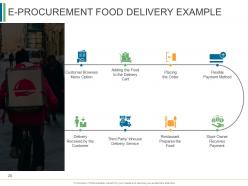
Slide 25: This slide depicts E- Procurement Food Delivery Example.
Slide 26: This slide depicts the Revenue Model.
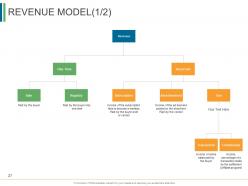
Slide 27: This slide represents Revenue Model.
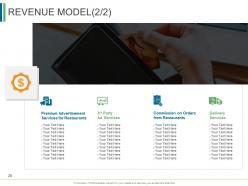
Slide 28: This slide showcases Revenue Model containing- Premium Advertisement Services for Restaurants, 3rd Party, Ad Services, Commission on Orders from Restaurants, Delivery Services.
Slide 29: This slide showcases Payment Methodologies.
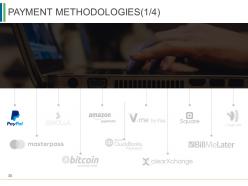
Slide 30: This slide also showcases Payment Methodologies.
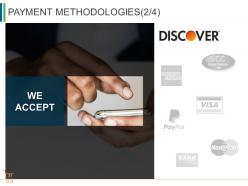
Slide 31: This slide presents Payment Methodolgies with related information.
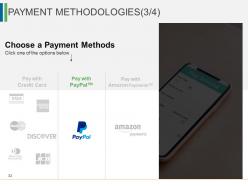
Slide 32: This slide presents Payment Methodolgies such as- Pay with Credit Card, Pay with PayPalTM, Pay with Amazon PaymentsTM.
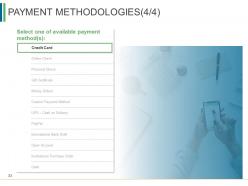
Slide 33: This slide presents Payment Methodolgies such as Credit Card, Online Check, Personal Check, Gift Certificate, Money Orders, Custom Payment Method, UPS – Cash on Delivery, PayPal, International Bank Draft, Open Account, Institutional Purchase Order, Cash.
Slide 34: This slide depicts Implementation with- Change Management, Analysis And Design, Implementation And Maintenance.
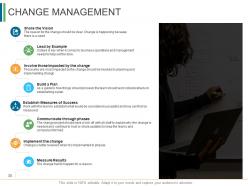
Slide 35: This slide showcases Change Mangement.
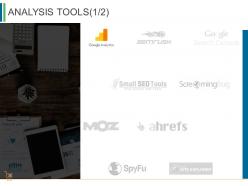
Slide 36: This slide showcases Analysis Tools.
Slide 37: This slide showcases Analysis Tools.
Slide 38: This slide presents Analysis And Design.
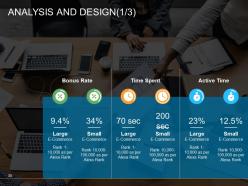
Slide 39: This slide showcases Analysis And Design.
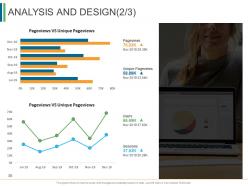
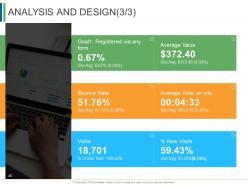
Slide 40: This slide showcases Analysis And Design.
Slide 41: This slide depicts ECommerce Management KPIS & Dashboard with- KPI Metrics, KPI Dashboards.
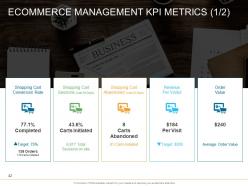
Slide 42: This slide showcases ECommerce Mangement KPI Metrics.
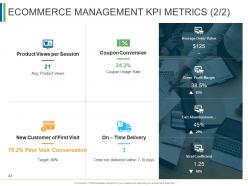
Slide 43: This slide presents ECommerce Mangement KPI Metrics.
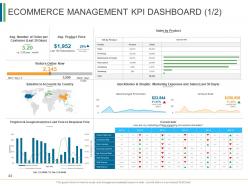
Slide 44: This slide showcases Ecommerce Management KPI Dashboard.
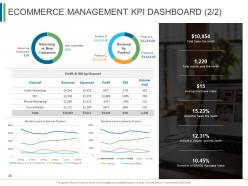
Slide 45: This slide presents ECommerce Management KPI Dashboard.
Slide 46: This slide depicts Revenue Model.
Slide 47: This is ECommerce Management Icons Slide.
Slide 48: This slide is titled as Additional Slides for moving forward.
Slide 49: This slide reminds about Coffee Break.
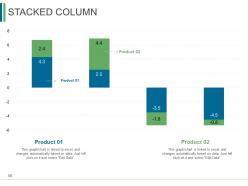
Slide 50: This slide presents Stacked Column chart with product comparison.
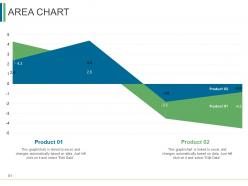
Slide 51: This slide displays Area Chart with different product comparison.
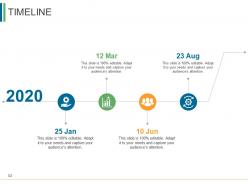
Slide 52: This slide displays Timeline process.
Slide 53: This is Our Goal slide. Mention your Goals.
Slide 54: This slide displays Magnifying glass to highlight important content.
Slide 55: This is Lego slide with text boxes.
Slide 56: This slide displays Mind Map to represent entities.
Slide 57: This is About us slide to showcase Company specifications.
Slide 58: This is Thank You slide with Email address, Address and Contact number.
Ecommerce management powerpoint presentation slides with all 58 slides:
Use our Ecommerce Management Powerpoint Presentation Slides to effectively help you save your valuable time. They are readymade to fit into any presentation structure.





FAQs for Ecommerce management
Honestly, focus on three main things first: inventory management, customer experience, and data analytics. Your website has to be lightning fast and work perfectly on mobile - I can't stress this enough since most people shop on their phones now. Payment processing needs to be bulletproof, and don't sleep on order fulfillment because one shipping nightmare will lose you customers forever. Marketing automation saves you tons of time. If you're selling on multiple platforms like Amazon or social media, make sure everything syncs up properly. Oh, and supply chain management is crucial too. Just pick your weakest area and start there.
Dude, analytics is a game changer - no more shooting in the dark with your store decisions. Track how customers actually behave on your site, figure out which products make you real money (not just the ones that sell a lot), and catch trends early. Conversion funnels are honestly where it gets crazy good - you'll see exactly where people bail and can fix those spots. Plus you can nail your inventory planning and make your marketing way more targeted. Oh, and seasonal forecasting becomes so much easier. Start with Google Analytics 4, pick your top 3 metrics to obsess over first, then build from there.
Honestly, customer experience is everything in ecommerce. People will straight up leave if your site's confusing or checkout sucks - we've all done it. Every single touchpoint matters, from how they navigate to whether your support actually helps them. Companies killing it with CX make like 5.7x more revenue than their competitors (crazy right?). Make your site work well on mobile, keep things simple. Oh and definitely map out how customers move through your site right now. You'll spot the annoying parts pretty quick. Fix those first and you'll see way better conversion rates.
Honestly, you've got to nail three things: visibility, speed, and flexibility. Real-time inventory tracking is huge - figure out what you actually have in stock across all channels (can't believe how many people just guess at this). Get your stuff closer to customers with regional warehouses or dropshipping deals to cut fulfillment times. Multiple suppliers are your lifeline when things go sideways. I'd start by auditing where you're currently screwing up the most - like, what's your biggest bottleneck right now? Having backup plans for everything saves you from those middle-of-the-night panic moments.
Honestly, automated alerts are a lifesaver - set them up so you know when stock's running low before you're completely out. Do regular cycle counts too. ABC analysis helps you figure out which products actually matter for your bottom line. Spreadsheets work fine at first but they become a total mess once you grow. Get some decent inventory management software that connects to wherever you're selling. Safety stock is crucial based on how long your suppliers take. Oh, and audit what you're doing now first - you'll probably find weird gaps where stuff just disappears.
Dude, mobile optimization is huge for ecommerce - like 20-30% sales boost huge. Your checkout flow on mobile drives me crazy sometimes, honestly. Most people shop on phones now, so slow loading or wonky layouts just send customers running. Google loves mobile-friendly sites too, which gets you more traffic. I messed this up on my last project and learned quick. Make sure your buttons are actually clickable with thumbs. Test everything on your own phone first - if you're getting annoyed trying to buy something, your customers definitely are too.
Ugh, inventory sync is the absolute worst part. Your website says you have 10 units but Amazon thinks it's 5 and eBay shows 15 - total nightmare. Each platform wants different pricing and shipping setups too. Then you're juggling like 6 different dashboards that don't connect at all. Customer asks about their order? Good luck figuring out which system has their info. Honestly, I'd grab a decent inventory management tool before you go crazy trying to track everything manually. Also maybe don't rush into every platform at once - I learned that one the hard way lol.
Oh man, SEO is huge for ecommerce. Like, you're fighting against millions of other stores out there. No SEO = you're invisible, plain and simple. The cool thing is organic traffic doesn't cost you per click like ads do. I actually know a guy who doubled his sales just tweaking product titles and fixing his site structure - crazy right? But yeah, focus on your product descriptions first. Use the words people actually type into Google, not whatever sounds fancy. Your customers don't search for "premium artisanal widgets" - they search for "blue coffee mugs" or whatever.
You definitely need Stripe and PayPal - that's like the bare minimum. Stripe's super clean for card payments, and PayPal's great for people who just don't want to type their info again (which is honestly most of us lol). Apple Pay and Google Pay are pretty much required now too since everyone's shopping on their phones. Oh, and if you're selling anything over like $100, throw in Klarna or Afterpay. People love that stuff. Those four will probably get you 95% coverage, maybe more.
Honestly, speed is everything - you've gotta be everywhere customers might complain. Set up chat, email, social media monitoring, the works. We totally screwed up once by missing Instagram complaints for like 3 weeks, so learn from my mistake lol. Even if you can't fix their problem right away, just acknowledge it fast. Train your people to actually listen first, then apologize when it's warranted. Give them real solutions or throw in some compensation. Here's the thing though - complainers can become your biggest fans if you blow their minds during the fix. Check your response times first and see where you're sucking.
Honestly, just focus on the metrics that actually make you money. Conversion rate and average order value are huge - they show if people are buying and spending decent amounts. Customer acquisition cost matters too since you need to know what each customer costs you. Cart abandonment rate will probably depress you at first (mine was brutal), but tracking it helps. Oh, and definitely watch customer lifetime value plus return customer percentage. Repeat buyers are gold since getting new ones costs way more. Skip vanity stuff like total page views for now. Once you nail these basics, then worry about traffic sources and which products perform best.
Start with Instagram or Facebook - wherever your customers actually hang out. Set up those shoppable posts so people can buy straight from your feed (takes a bit to figure out but totally worth it). Keep an eye on what people are saying about your brand and jump in when there's customer service stuff. Oh, and definitely repost photos your customers share - that builds way more trust than regular ads ever will. Honestly, focus on nailing one platform first before you spread yourself too thin across everything.
So basically you gotta be upfront about what data you're grabbing and why. Get real consent - not that sneaky fine print BS that honestly nobody ever reads anyway. Don't hoard unnecessary info, just take what you actually need. Make it super easy for people to see their data or delete it if they want. Those manipulative design tricks? Skip 'em. Keep everything secure obviously. GDPR compliance isn't optional either. Really just think about how you'd want companies handling your own personal stuff and do that.
Honestly, there's so much you can automate it's kinda crazy. I'd start with inventory stuff - set automatic reorder points so you don't sell out of your best products. Those abandoned cart emails? They actually bring back like 15% of sales, which blew my mind when I first heard that stat. Chatbots are clutch for handling basic customer questions at weird hours. You can also do social media scheduling, order processing, even pricing that adjusts based on what competitors are charging. My advice though - don't go nuts right away. Pick whatever task you're doing most often and start there.
So right now the big things are AI personalization, voice shopping, and social commerce. Everyone's expecting those super tailored experiences - you know how Amazon somehow knows exactly what you want? That's becoming standard everywhere. Voice ordering through Alexa is actually picking up steam, though I still can't imagine yelling "order toilet paper" at my Echo. Instagram and TikTok are basically full shopping platforms now. Same-day delivery and sustainability stuff? Yeah, that's just expected at this point. Honestly, if you're not playing around with AI recommendation tools yet, you're missing out - even basic ones can bump your conversions pretty nicely.
-
great
-
Understandable and informative presentation.
-
Great quality slides in rapid time.