


Emotional Intelligence Leadership Management Awareness Conceptual Framework Business Success





Try Before you Buy Download Free Sample Product
 Impress Your
 Audience
 100%
100% Editable
 Save Hours
 of Time


Our Emotional Intelligence Leadership Management Awareness Conceptual Framework Business Success are topically designed to provide an attractive backdrop to any subject. Use them to look like a presentation pro.
People who downloaded this PowerPoint presentation also viewed the following :
Emotional Intelligence Leadership Management Awareness Conceptual Framework Business Success with all 12 slides:
Use our Emotional Intelligence Leadership Management Awareness Conceptual Framework Business Success to effectively help you save your valuable time. They are readymade to fit into any presentation structure.


FAQs for Emotional Intelligence Leadership Management Awareness Conceptual
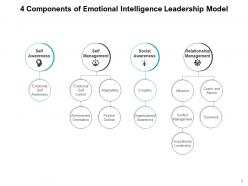
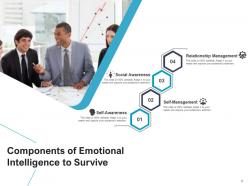
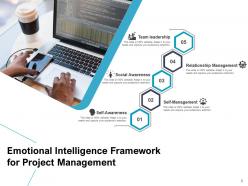
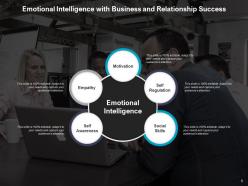
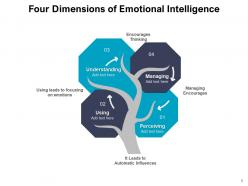
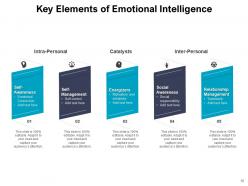
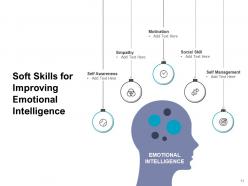
So EQ breaks down into four things: knowing your own emotions, controlling them, reading other people, and being good socially. Honestly, the people with higher emotional intelligence just make work so much less drama - they don't lose it in meetings, they actually listen when you're stressed, and they know when to pick their battles. You'll see it everywhere once you start looking. Self-aware coworkers handle feedback better. Empathetic managers get why you're overwhelmed. Watch your reactions in your next few meetings - that's where I'd start. You might be surprised what patterns you notice.
Honestly, just pay attention to how your team's actually feeling instead of bulldozing through everything. When someone seems off, say something - don't pretend you didn't notice. Your energy is contagious too. Stay chill during chaos and they'll follow your lead. During your next one-on-one, skip the usual project updates for a sec. Ask how they're really handling their workload. Actually listen to what they say back (this is harder than it sounds lol). The ripple effect is wild once you start doing this consistently. Pick one person this week and just... check in for real.
Honestly, emotional intelligence is like your built-in BS detector when everything's going sideways. It stops you from making those cringe decisions you'll regret later because you were panicked or whatever. You get better at actually reading people too - like noticing when your team's about to lose it before they even say anything. That gives you way more info to work with. The stress management thing is huge because everyone's watching how you handle it. I know it sounds cheesy, but if you practice being aware of your reactions when things are chill, it'll kick in automatically during the crazy moments.
Honestly, start with something like the EQi 2.0 assessment - gives you real baseline numbers to work with. Those questionnaires measure self-awareness, empathy, all that stuff. Then you'll want training with role-playing and 360 feedback sessions. Mindfulness workshops help too, though some people roll their eyes at first. What actually works really well is pairing your high-EQ people with others who need work. But here's the thing - don't make it a one-and-done deal. Regular check-ins are crucial. Create spaces where people can mess up and learn without feeling judged about it.
Honestly, emotional intelligence is like having a cheat code for arguments. You can actually figure out what's really bothering someone instead of just dealing with their surface-level anger. Like when someone's being super aggressive, they're probably just scared or frustrated underneath. I've noticed that staying calm gives you this weird advantage - though god knows that's hard when someone's yelling at you. The trick is listening for the emotions behind what they're actually saying. Mirror back their concerns first before jumping into fix-it mode. Builds trust way faster than you'd expect.
So basically, emotional intelligence lets you read between the lines with customers. Like when someone's clearly pissed but being super polite about it? You can actually address what's really bothering them instead of just the surface stuff. It also helps you not get all defensive when they're venting - which honestly I still struggle with sometimes. But the main thing is customers feel like you actually get them, not just that you're going through the motions. Try listening for their actual emotions first next time, not just their words.
Honestly, start with an emotion journal - sounds cheesy but it works. Just write down what you're feeling and why. Active listening is huge too (way harder than people think). Really watch body language when someone's talking. The pause thing changed my life though. Before reacting when you're pissed or stressed, just... wait a sec. Ask friends you trust how you come across - might surprise you. Pick one thing to work on each week instead of trying to fix everything at once. Daily practice beats overthinking it occasionally.
Oh man, this is such a real thing! What feels "emotionally intelligent" to you might totally backfire with teammates from different cultures. Like, your direct feedback could come off super harsh to someone from a high-context culture, while being indirect might drive others crazy. Eye contact, personal space, how people express emotions - it's all over the map depending on where someone's from. I've definitely learned this the hard way before. You've gotta develop cultural awareness alongside your EQ so you can adjust how you communicate based on who you're talking to.
Honestly, the biggest myth is thinking EI means you have to be sweet and pleasant 24/7. That's BS - it's really about understanding your emotions and handling them well, not stuffing them down. People also assume you're just born with it or not. Wrong again! You can totally build this skill with practice. Oh, and don't get me started on folks who dismiss it as "fluffy" compared to hard skills. Research proves it's what actually separates decent performers from the rockstars. Quick tip? Just notice how you react emotionally this week. That's your starting point.
Don't do EI as a separate training thing - weave it into what you're already doing. Leadership workshops, team meetings, whatever. Role-playing tough conversations is honestly where the magic happens (people need that safe practice space). Set up peer coaching so it actually sticks instead of being forgotten next week. Your managers have to walk the walk too - nobody listens to "do as I say, not as I do." Oh, and skip the big one-time events. Regular small touches work way better than those intense all-day sessions that everyone complains about.
You'll spot it pretty easily - they miss social cues completely, flip out over feedback, and blame everyone but themselves. Can't handle stress without losing it either. Also terrible at reading the room or rolling with changes. I'd start with honest one-on-ones about specific stuff they're doing. Active listening practice helps, though it feels weird at first. Role-playing tricky situations works too - sounds cheesy but whatever, it actually does something. Be patient but don't let things slide. Set clear expectations and stick to them. Honestly, some people just need more direct feedback than others realize.
Yeah, so people with higher emotional intelligence definitely handle stress and anxiety way better at work. Like, when you can actually recognize what's setting you off, you're not just reacting to everything - you can pause and think first. Game changer, honestly. Plus you'll read the room better and not step on people's toes as much (learned that one the hard way). The whole thing about building stronger relationships is real too. My advice? Just start by naming whatever emotion you're feeling before you respond to stressful stuff. Sounds simple but it works.
Honestly, most kids can't describe feelings beyond "good" or "bad" - which is wild when you think about it. Daily emotional check-ins work way better than doing some big unit once a year. When you're stressed in class, show them how you handle it instead of just telling them. Literature discussions are perfect for this stuff naturally. Role-playing helps too. Make your classroom somewhere they can actually talk about feelings without judgment. I'd start small - maybe just ask how everyone's doing each Monday? The trick is weaving it into regular routines so it doesn't feel forced.
Honestly, it's all about making people feel safe to throw out crazy ideas without getting shut down. When you can actually read the room and notice tensions, your team won't just stick to boring, safe suggestions. I've seen this so many times - someone who seems "difficult" is usually just freaking out about their own deadlines, you know? Understanding those different emotional angles helps you catch problems others totally miss. The trick is creating that space where people can literally say "okay this might be completely insane, but what if..." Before your next brainstorm, maybe address whatever weird energy is already there first.
So here's the thing - emotional intelligence is actually huge for leadership success. Goleman's research shows EQ makes up like 58% of job performance, which honestly blew my mind when I first read it. Teams engage more, people stick around longer, and you make way better decisions when you can actually read the room. Harvard Business Review found that emotionally intelligent leaders boost innovation by 67% because they create that psychological safety thing everyone talks about. Try really listening in your next meeting - not just waiting for your turn to speak, you know? You'll probably notice the whole vibe shifts.
-
Excellent
-
Amazing product with appealing content and design.
-
Excellent template with unique design.
-
inteligence