


Employee Engagement Strategy Powerpoint Presentation Slides
Create productive employees with our content ready Employee Engagement Strategy PowerPoint Presentation Slides. Align the personal goals of the employee with the vision of the company. The ready to use employee satisfaction PowerPoint complete deck contains ready to use PPT slides such as key statistics, do the survey, survey results, assign a mentor for newcomers, have themed office days, have team photos, encourage charity, recognize and encourage innovation, celebrate achievements, create in house mentorship opportunities, recognize great employee performance, celebrate people, employ effective group learning strategies etc. Identify internal growth plans using professionally designed employee engagement Ideas PowerPoint templates. Showcase ways to inspire your employees to give their best performance. Besides this, employee experience PPT visuals are apt to present various concepts like organizational commitment, human resources, job satisfaction, staff motivation, work satisfaction, work engagement, to name a few. Download this visually appealing personnel engagement presentation deck to boost morale and increase job satisfaction. Our Employee Engagement Strategy Powerpoint Presentation Slides are committed to conservation. They are decidedly energy efficient.










You must be logged in to download this presentation.


Do you want to remove this product from your favourites?
PowerPoint presentation slides
Presenting this set of slides with name - Employee Engagement Strategy Powerpoint Presentation Slides. We bring to you to the point topic specific slides with apt research and understanding. Putting forth our PPT deck comprises of thirty-eight slides. Our tailor-made Employee Engagement Strategy Powerpoint Presentation Slides editable presentation deck assists planners to segment and expounds the topic with brevity. Content and design of slides are fully editable make changes to colors, data, and fonts if needed. PPT slides are accessible in both widescreen and standard format. PowerPoint templates are compatible with Google Slides. Quick and risk-free downloading process. It can be easily converted into JPG or PDF format.

People who downloaded this PowerPoint presentation also viewed the following :
Content of this Powerpoint Presentation
Slide 1: This slide introduces Employee Engagement Strategy. State Your Company Name and begin.
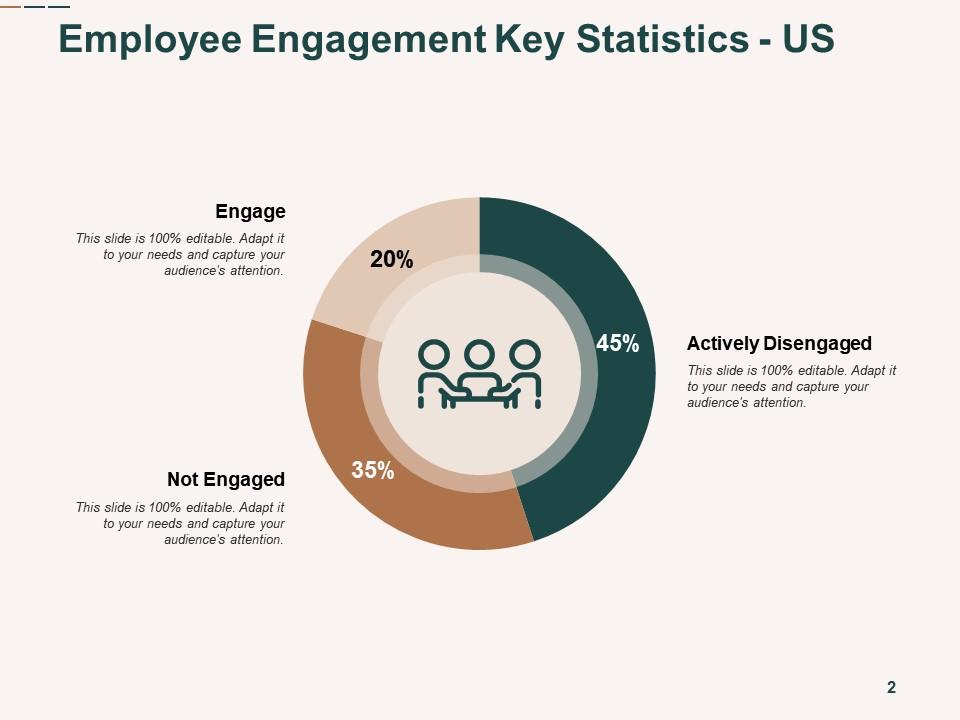
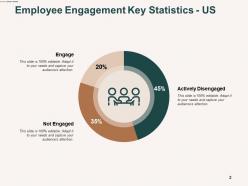
Slide 2: This slide shows Employee Engagement Key Statistics - US displaying- Actively Disengaged, Not Engaged, Engage.
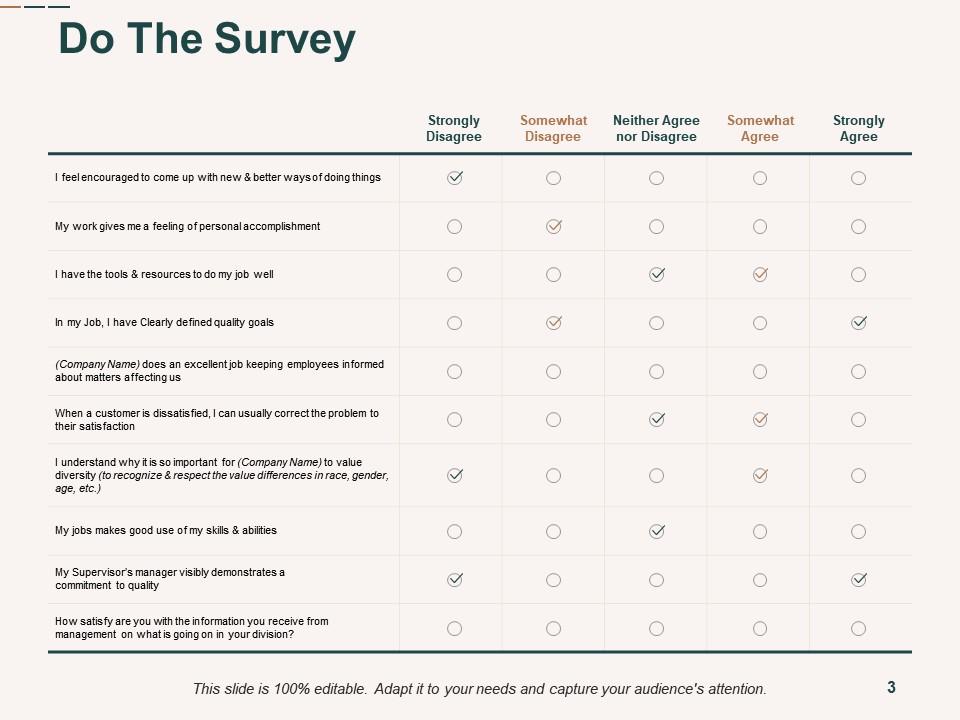
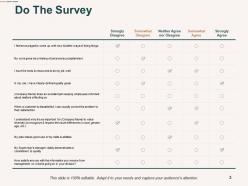
Slide 3: This slide presents Do The Survey with the following parameters- Strongly Disagree, Somewhat Disagree, Neither Agree nor Disagree, Somewhat Agree, Strongly Agree.
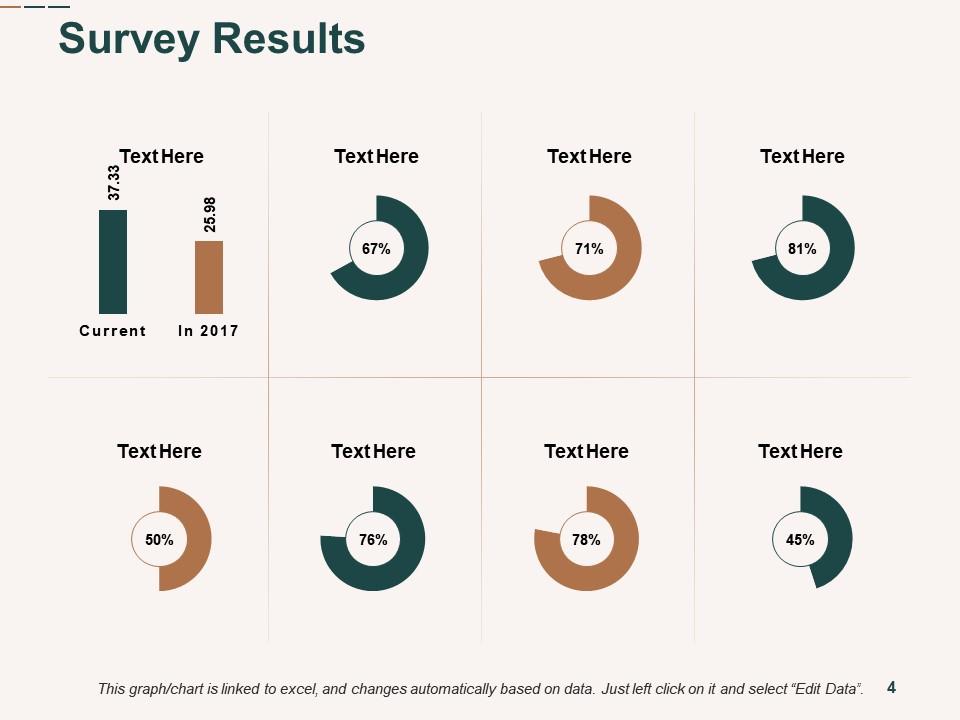
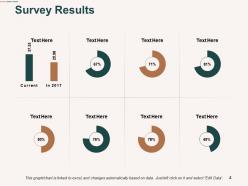
Slide 4: This slide presents Survey Results in donut chart form.
Slide 5: This slide presents Activities To Increase Employee Engagement.
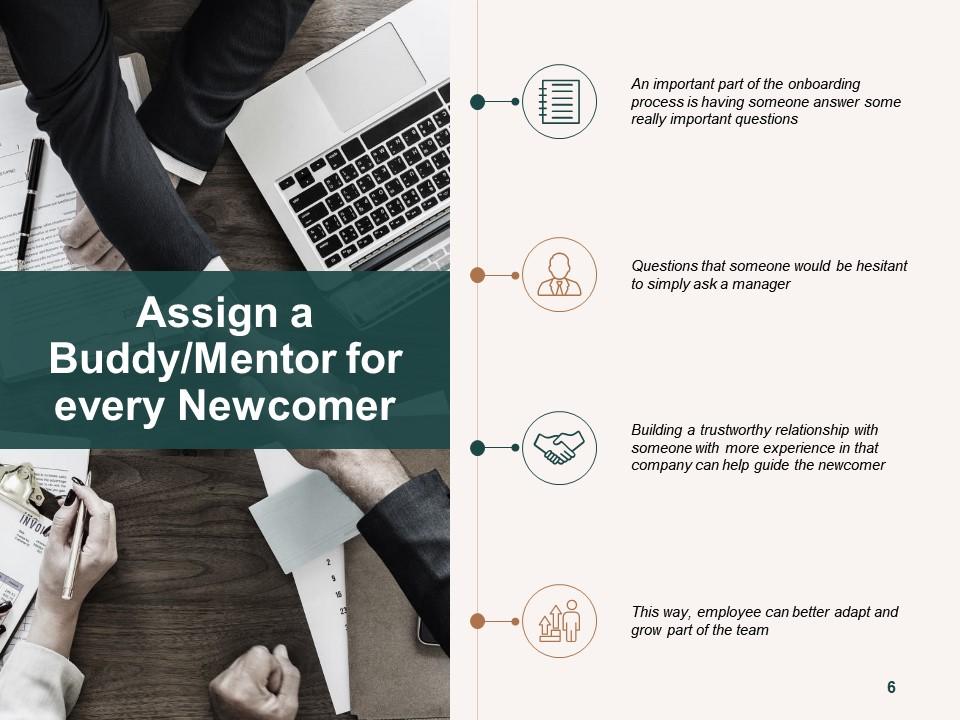
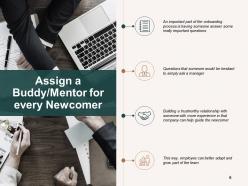
Slide 6: This slide showcases Assign a Buddy/Mentor for Every Newcomer with the following points- An important part of the onboarding process is having someone answer some really important questions. Questions that someone would be hesitant to simply ask a manager. Building a trustworthy relationship with someone with more experience in that company can help guide the newcomer. This way, employee can better adapt and grow part of the team.
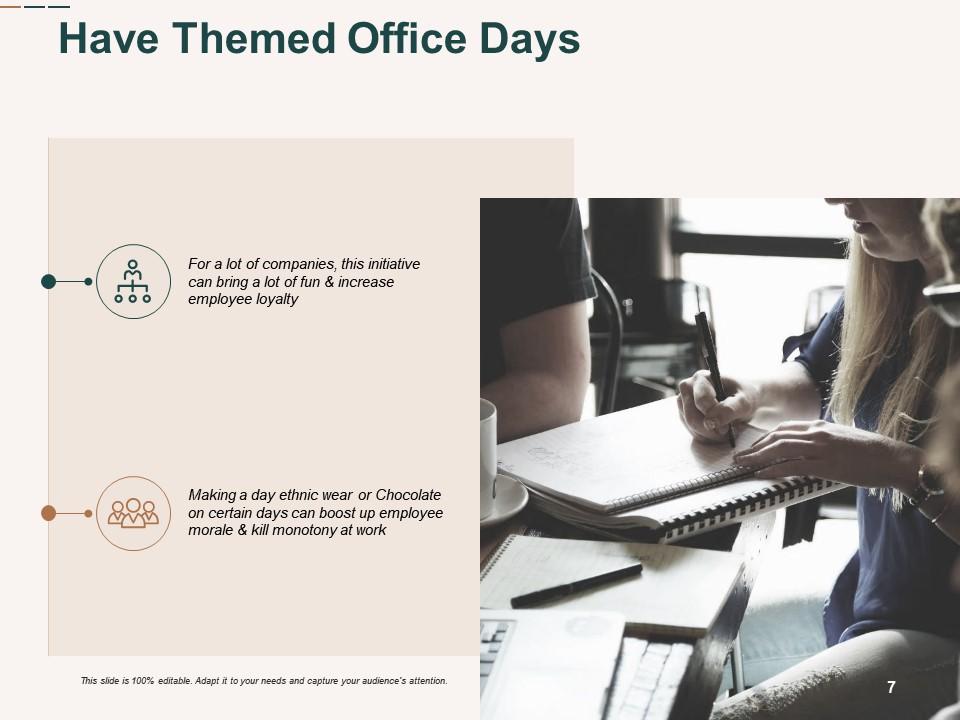
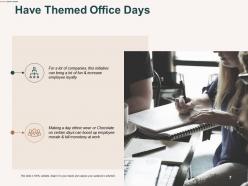
Slide 7: This slide shows Have Themed Office Days with the following points- For a lot of companies, this initiative can bring a lot of fun & increase employee loyalty. Making a day ethnic wear or Chocolate on certain days can boost up employee morale & kill monotony at work.
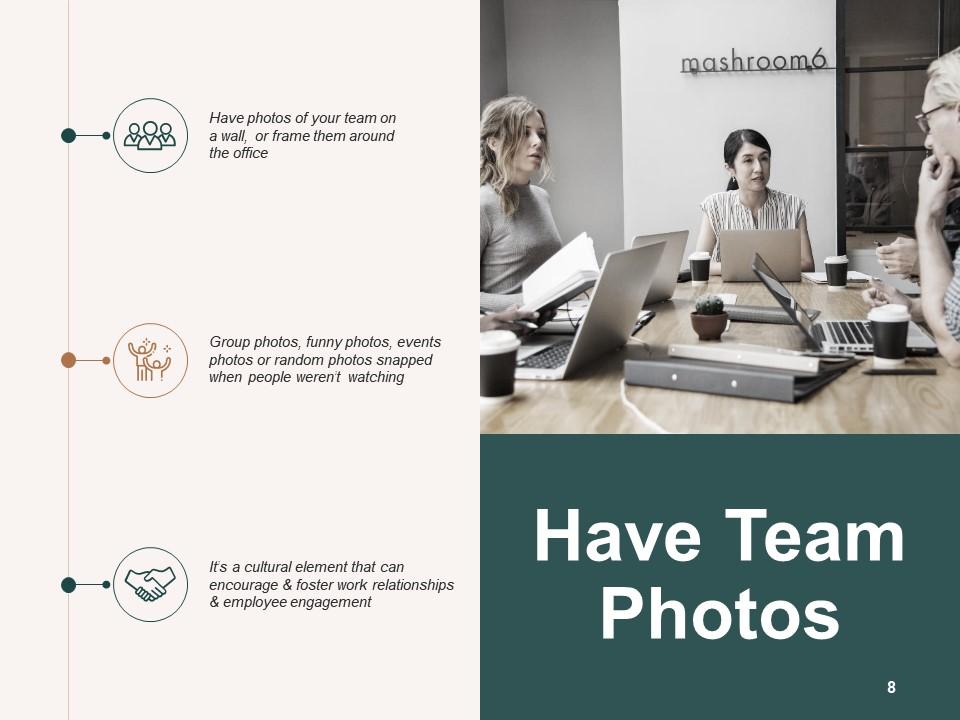
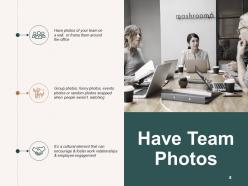
Slide 8: This slide shows Have Team Photos consisting of- Have photos of your team on a wall, or frame them around the office Group photos, funny photos, events photos or random photos snapped when people weren’t watching It’s a cultural element that can encourage & foster work relationships & employee engagement.
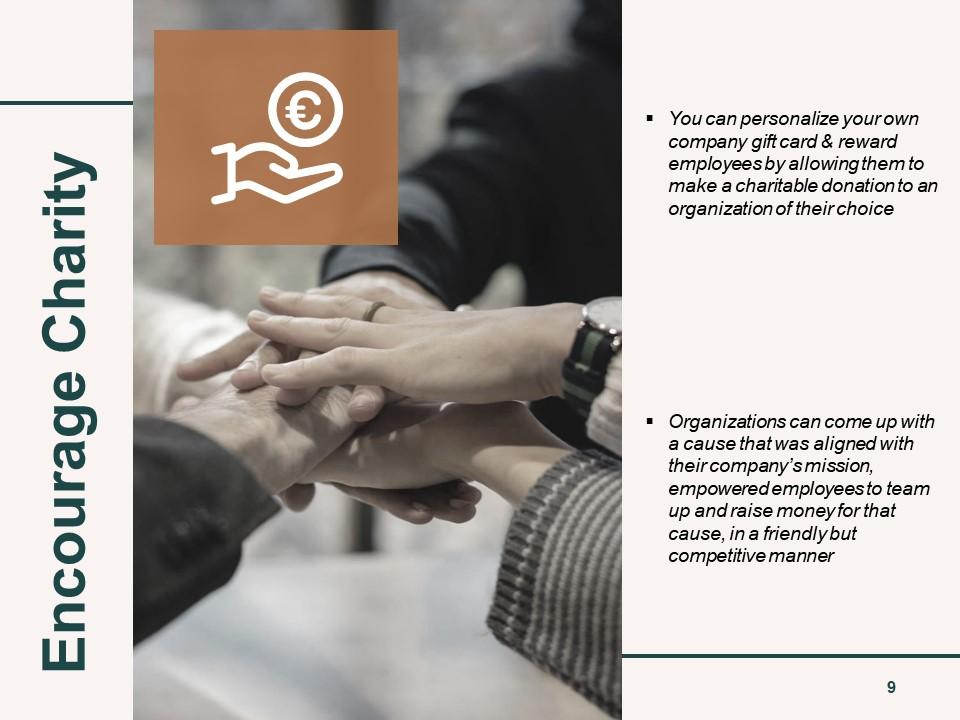
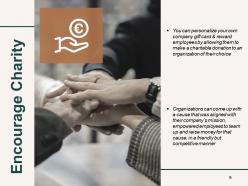
Slide 9: This slide shows Encourage Charity with- You can personalize your own company gift card & reward employees by allowing them to make a charitable donation to an organization of their choice. Organizations can come up with a cause that was aligned with their company’s mission, empowered employees to team up and raise money for that cause, in a friendly but competitive manner.
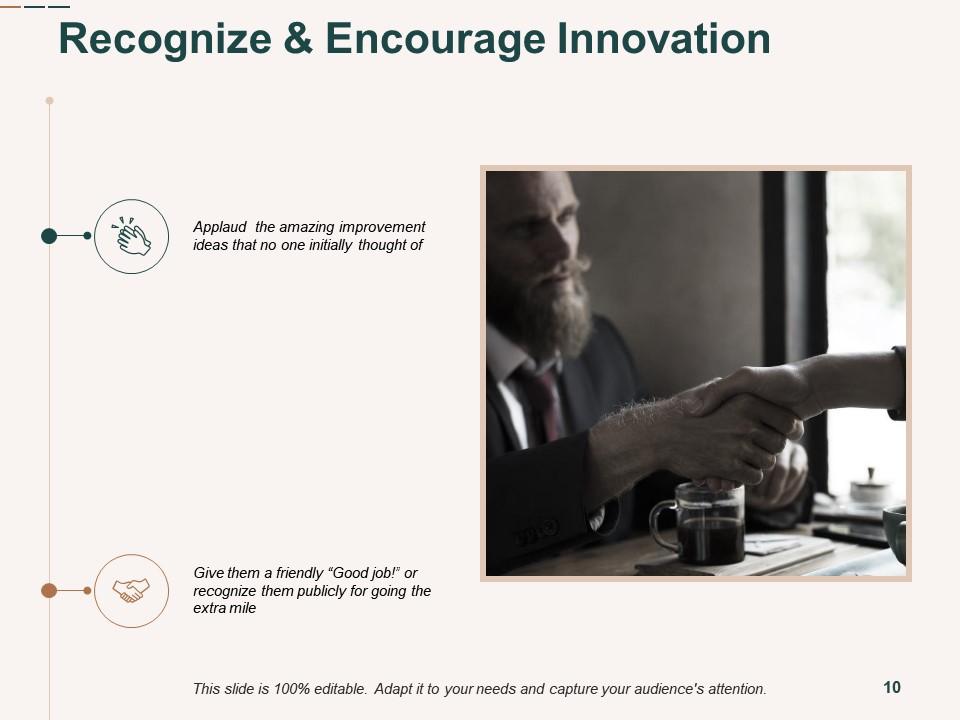
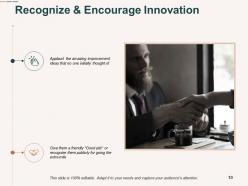
Slide 10: This slide showcases Recognize & Encourage Innovation.
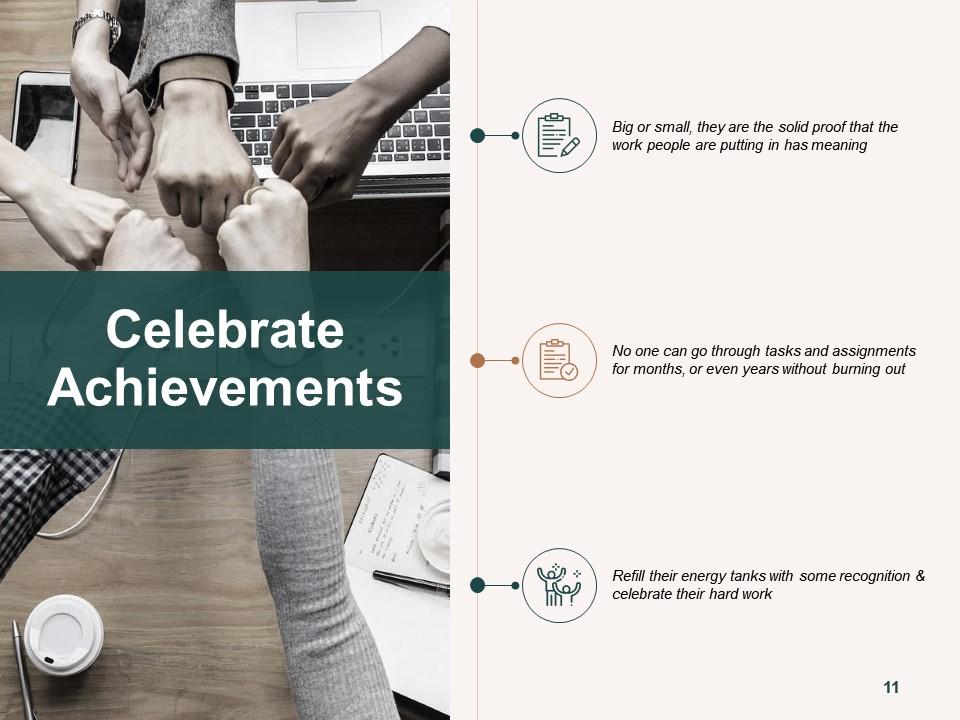
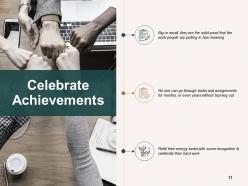
Slide 11: This slide displays Celebrate Achievements with related imagery and text.
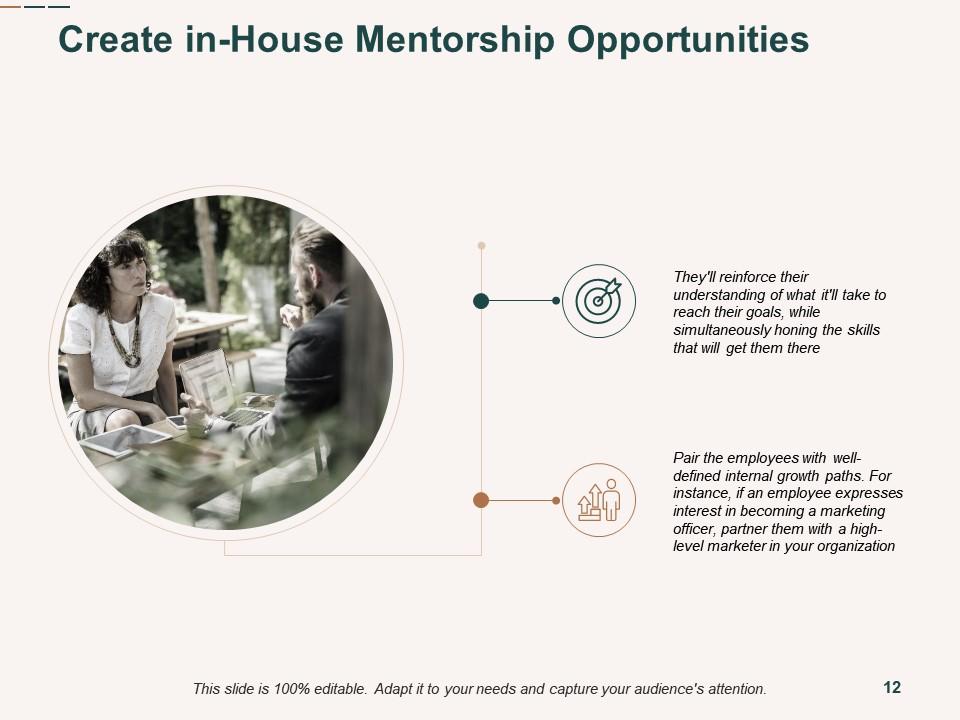
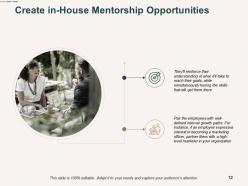
Slide 12: This slide shows Create in-House Mentorship Opportunities. Pair the employees with well-defined internal growth paths. For instance, if an employee expresses interest in becoming a marketing officer, partner them with a high-level marketer in your organization. They'll reinforce their understanding of what it'll take to reach their goals, while simultaneously honing the skills that will get them there.
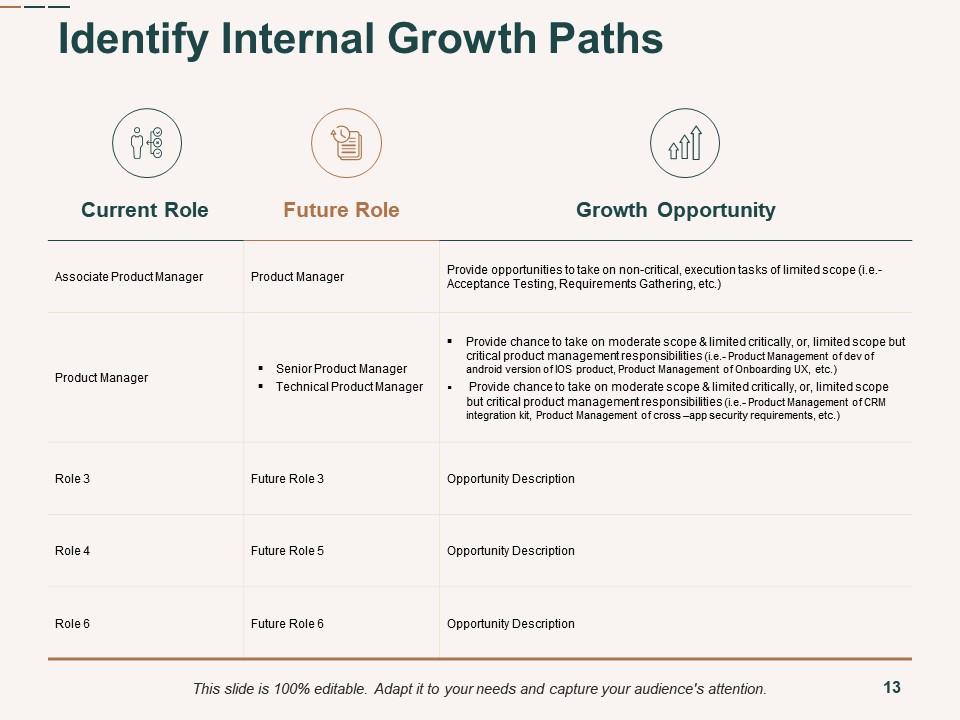
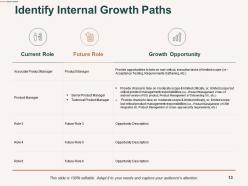
Slide 13: This slide showcases Identify Internal Growth Paths with role and opportunity.
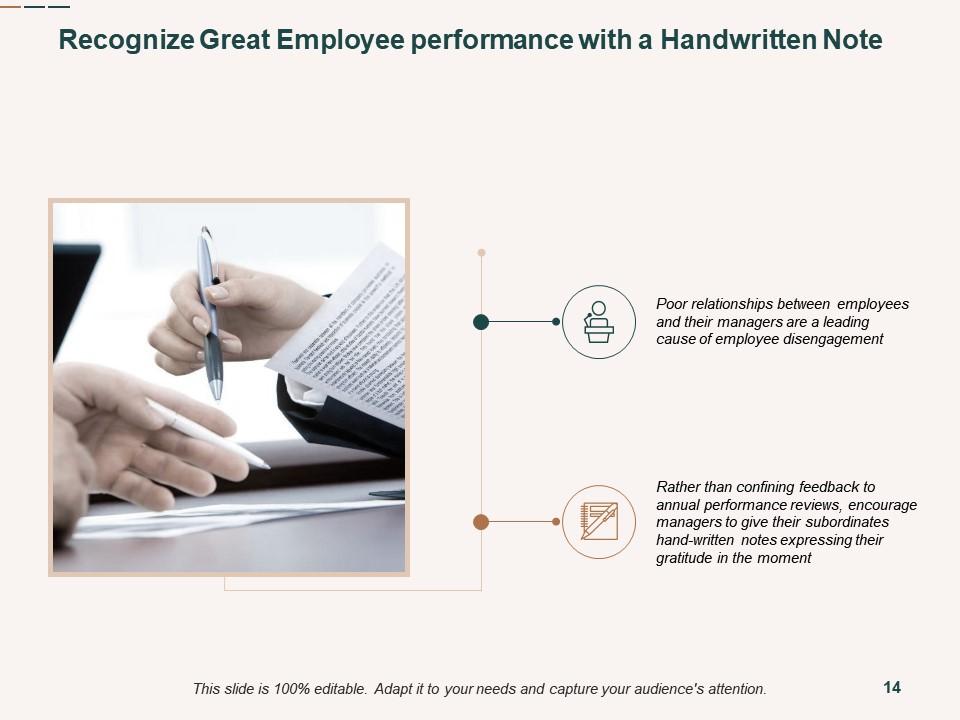
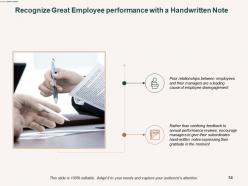
Slide 14: This slide shows Recognize Great Employee performance with a Handwritten Note displaying- Poor relationships between employees and their managers are a leading cause of employee disengagement. Rather than confining feedback to annual performance reviews, encourage managers to give their subordinates hand-written notes expressing their gratitude in the moment.
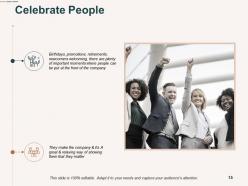
Slide 15: This slide shows Celebrate People displaying- Birthdays, promotions, retirements, newcomers welcoming, there are plenty of important moments where people can be put at the front of the company. T hey make the company & it’s A great & relaxing way of showing them that they matter.
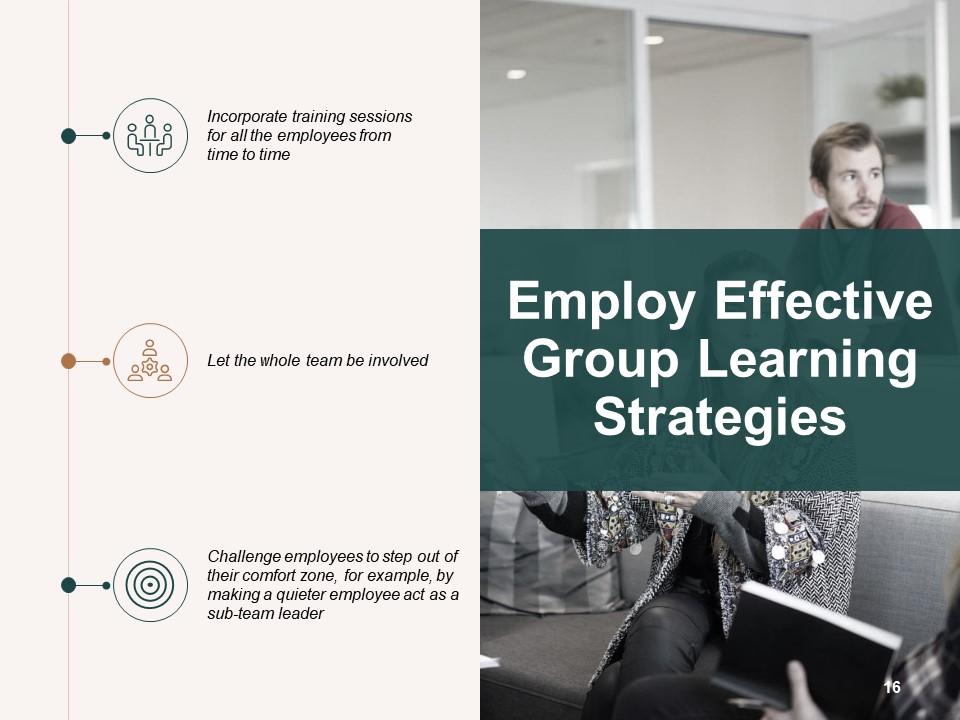
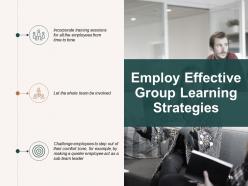
Slide 16: This slide displays Employ Effective Group Learning Strategies.
Slide 17: This slide showcases Employee Engagement Icons.
Slide 18: This slide reminds about a 15 minutes Coffee Break.
Slide 19: This slide is titled as Additional Slides for moving forward.
Slide 20: This is Our Mission slide with related imagery and text.
Slide 21: This is Meet Our Team slide with names and designation.
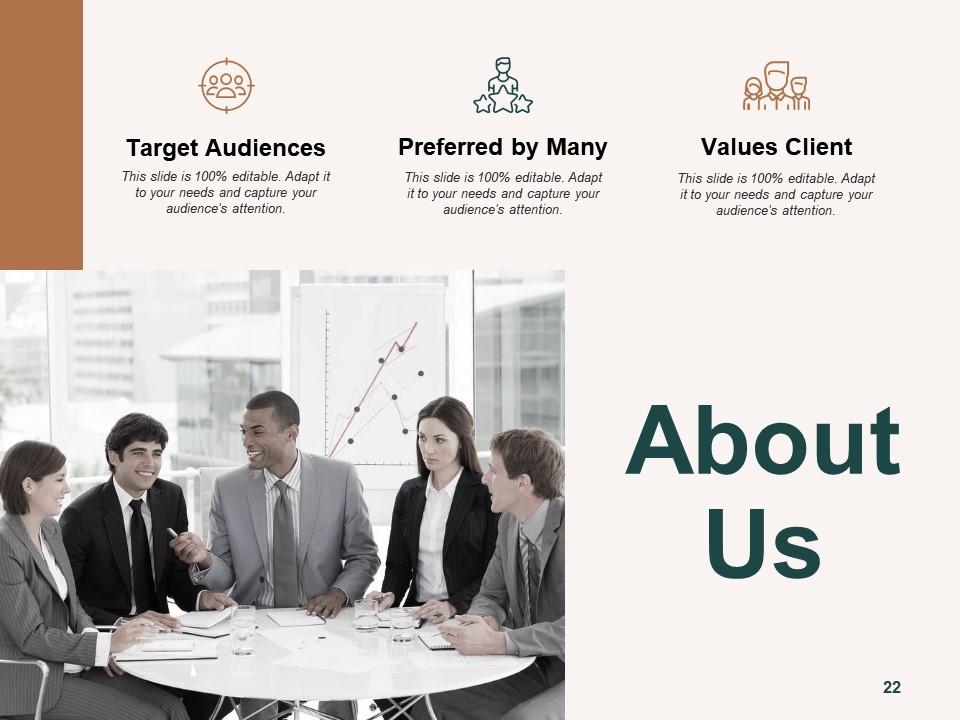
Slide 22: This is About Us slide to show company specifications etc.
Slide 23: This is Our Goal slide. Show your firm's goals here.
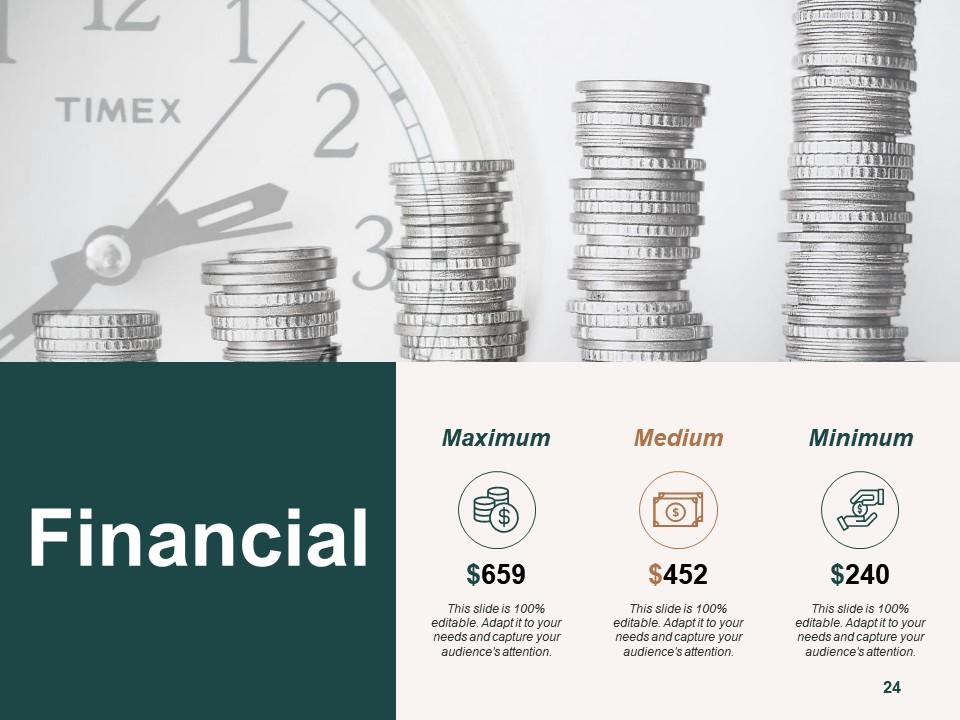
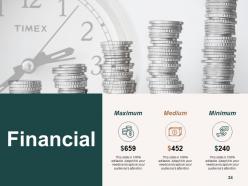
Slide 24: This is a Financial slide. Show your finance related stuff here.
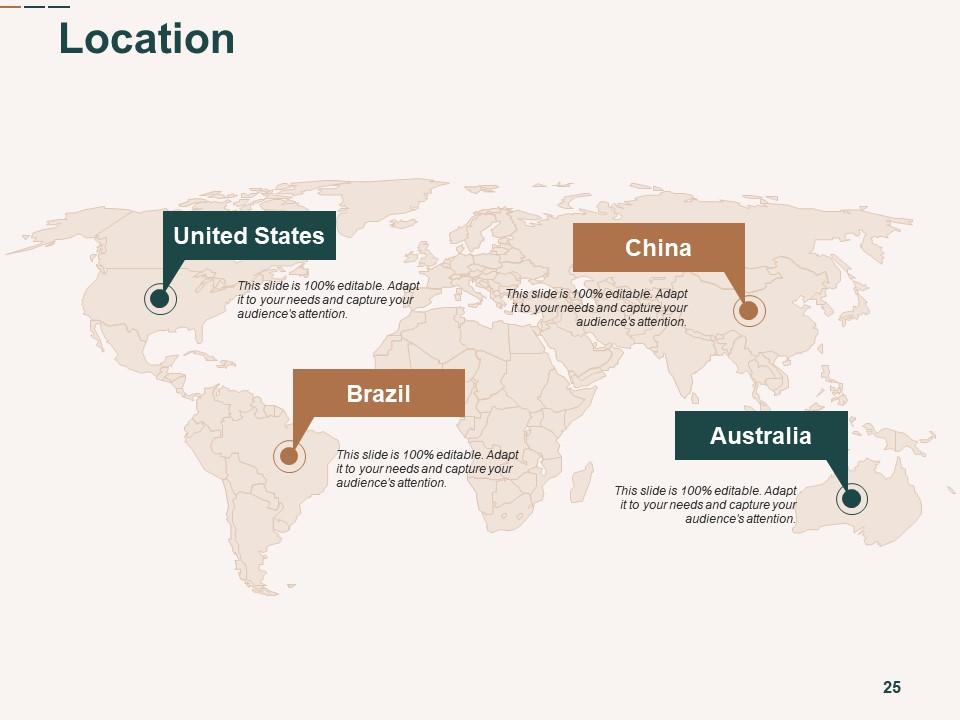
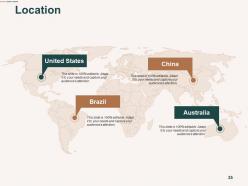
Slide 25: This is a Location slide with maps to show data related with different locations.
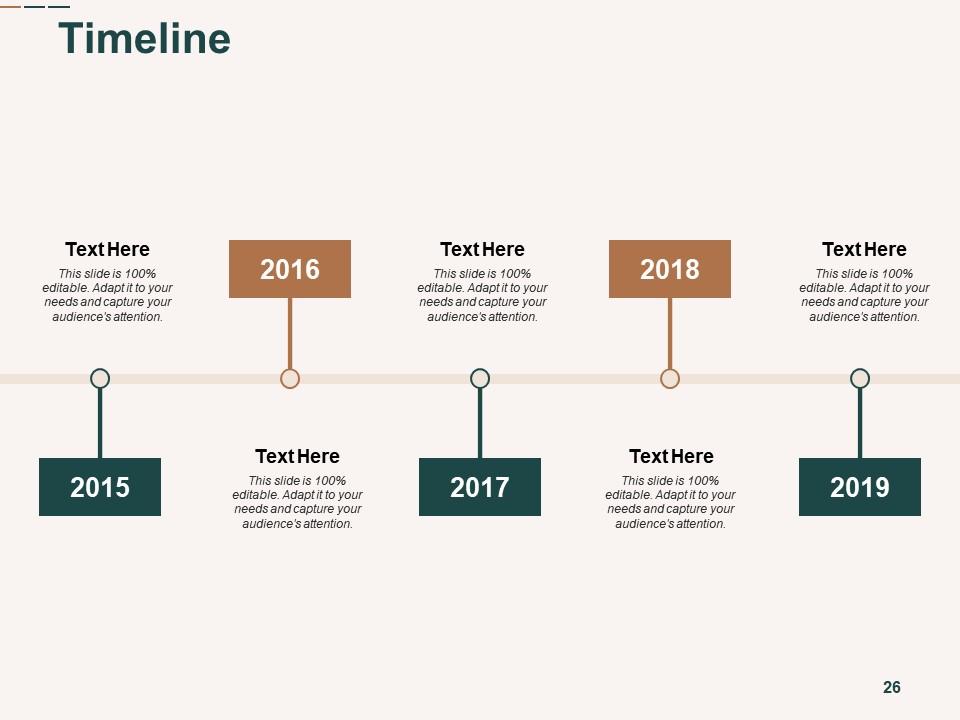
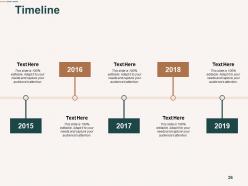
Slide 26: This is a Timeline slide to show information related with time period.
Slide 27: This slide is titled as Important Notes. Post your important notes here.
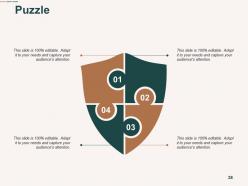
Slide 28: This is a Puzzle slide with text boxes.
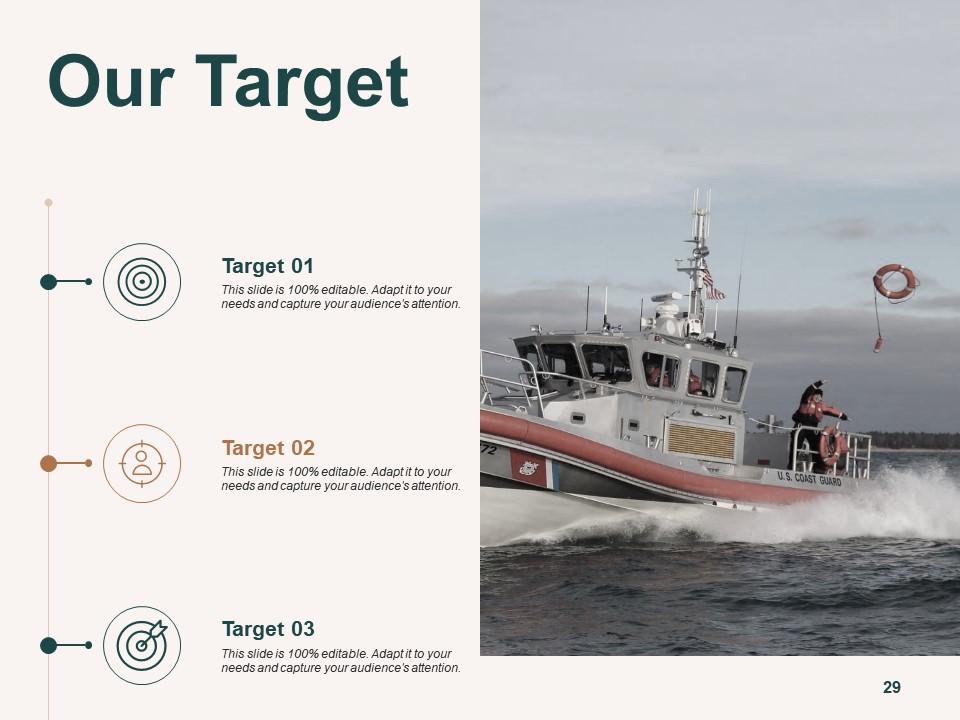
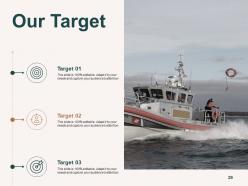
Slide 29: This is Our Target slide. State your targets here.
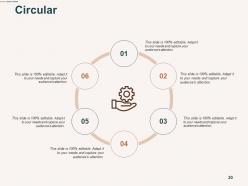
Slide 30: This slide shows Circular diagram with text boxes.
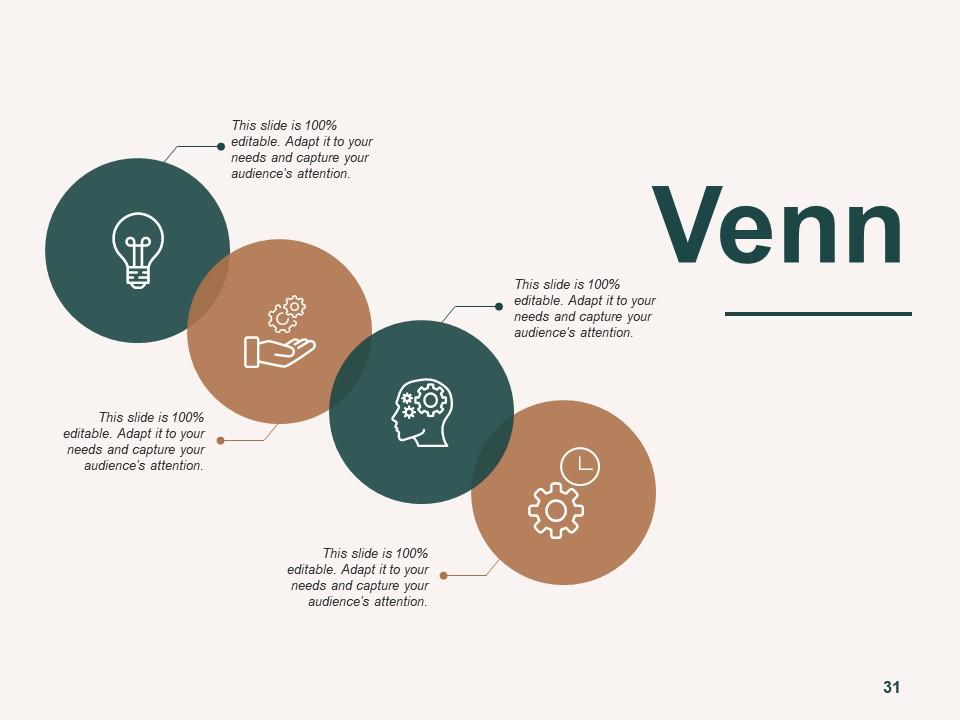
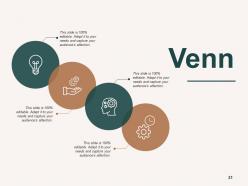
Slide 31: This is a Venn slide with text boxes to show information.
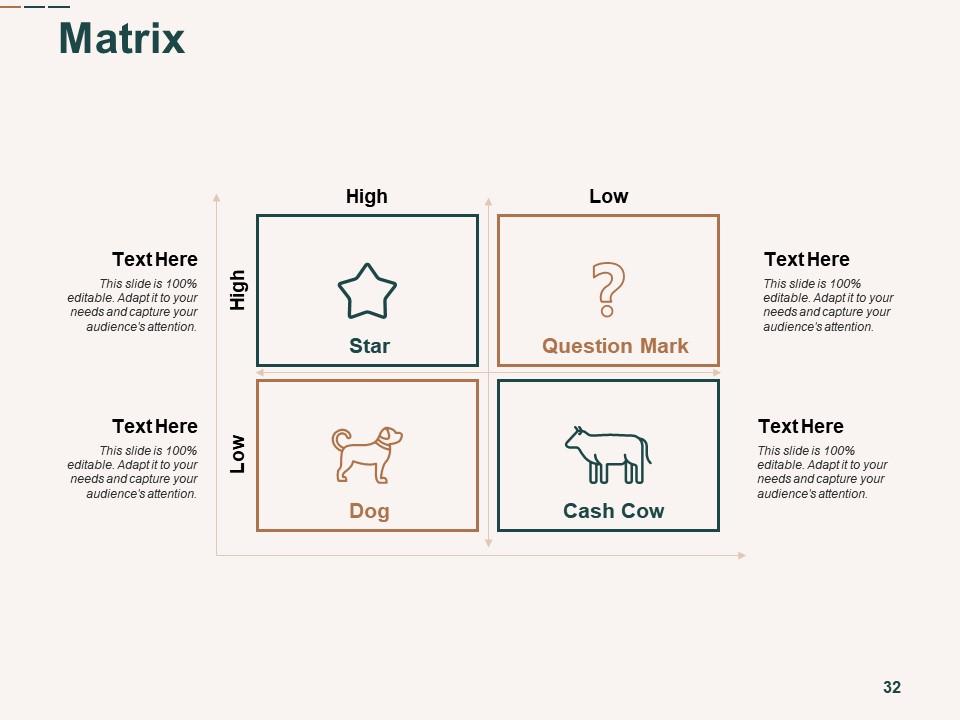
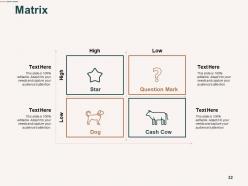
Slide 32: This is a Matrix slide. Show relevant comparing data accordingly.
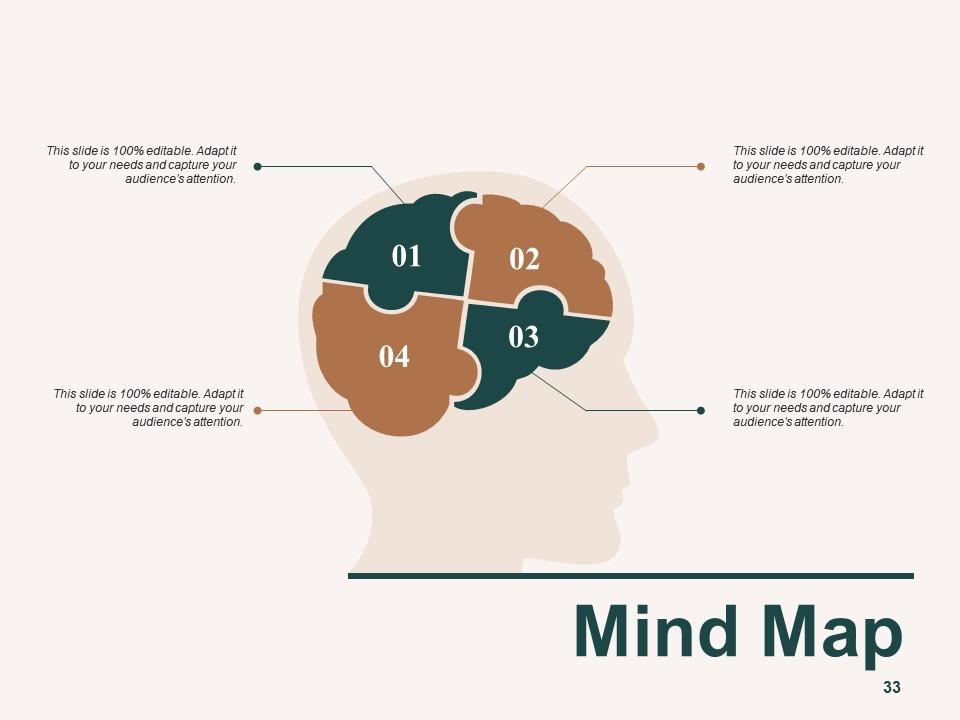
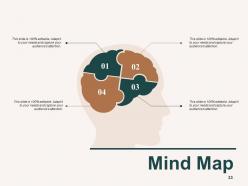
Slide 33: This slide shows Mind Map for representing entities.
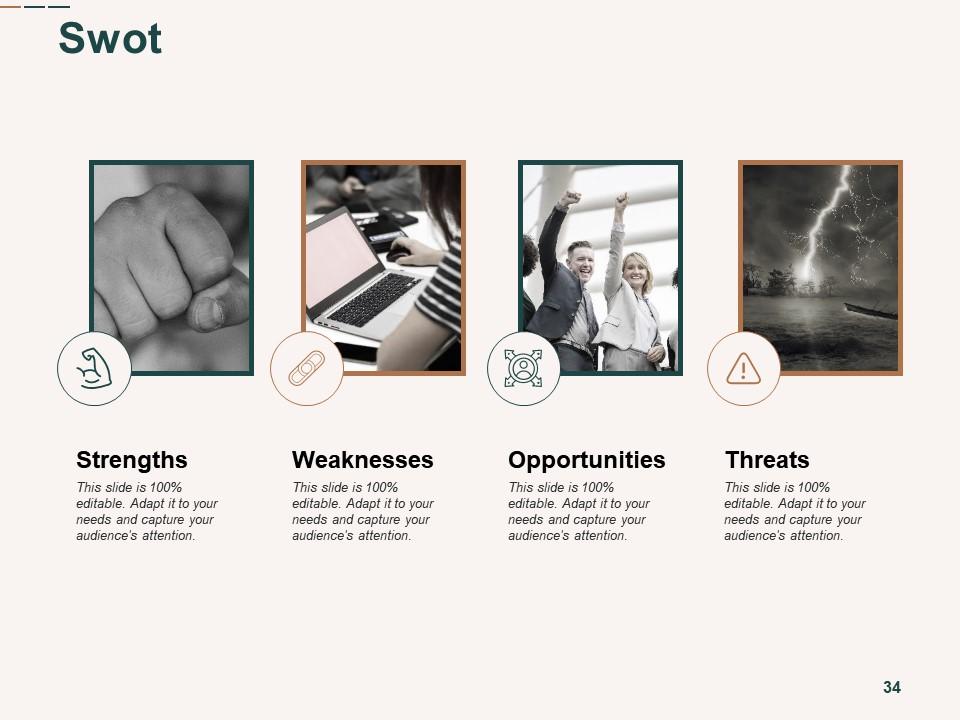
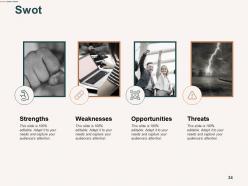
Slide 34: This slide presents Swot describing- Strengths, Weaknesses, Opportunities and Threats.
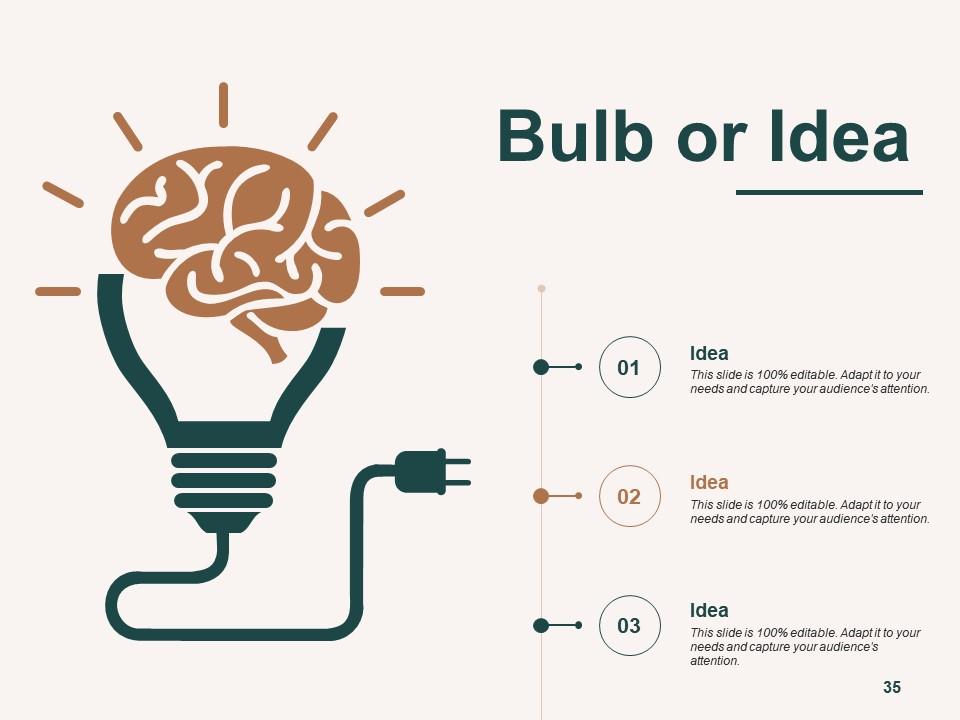
Slide 35: This is a Bulb or Idea slide to state a new idea or highlight information, specifications etc.
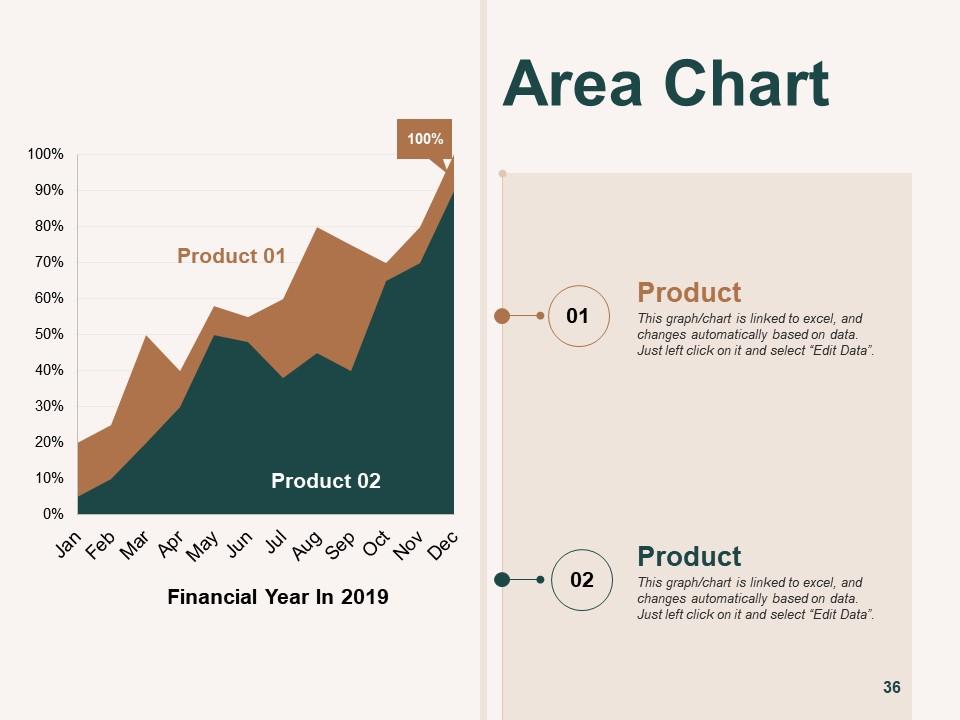
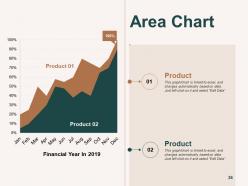
Slide 36: This slide shows Area Chart with two products comparison.
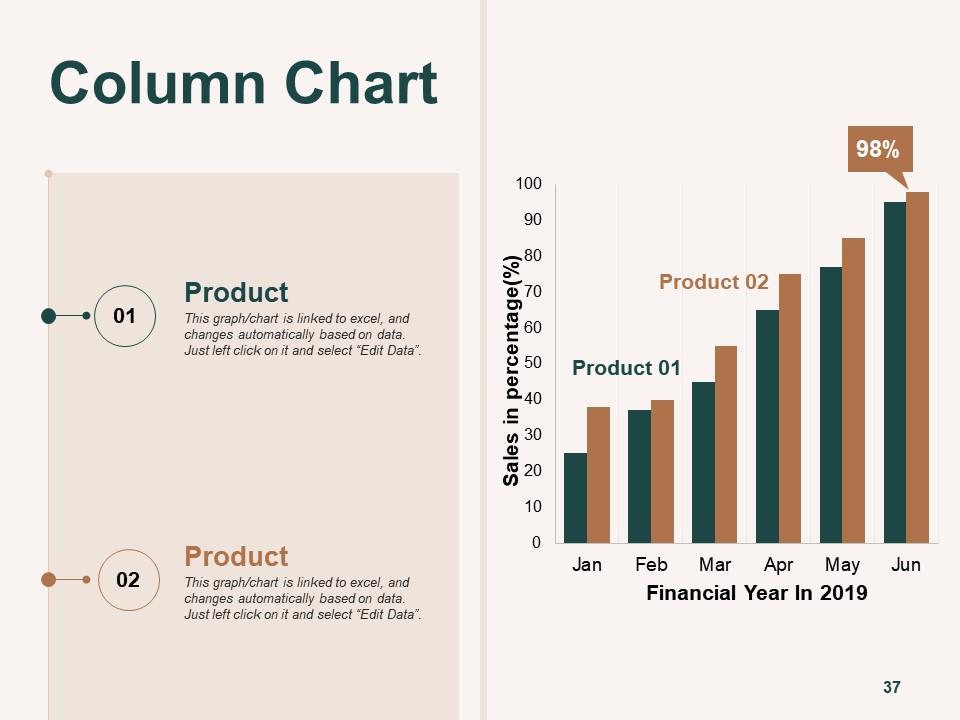
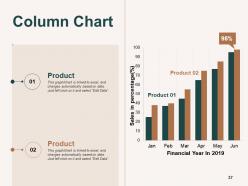
Slide 37: This slide displays Column Chart with two products comparison.
Slide 38: This is a Thank you slide with address, contact numbers and email address.
Employee Engagement Strategy Powerpoint Presentation Slides with all 38 slides:
Ensure every important element gets included with our Employee Engagement Strategy Powerpoint Presentation Slides. Be able to create a fool proof contract.
No Reviews
