


Employee Induction Policies Strategy Vision Corporate Social Media Access





Try Before you Buy Download Free Sample Product
 Impress Your
 Audience
 100%
100% Editable
 Save Hours
 of Time


Our Employee Induction Policies Strategy Vision Corporate Social Media Access are topically designed to provide an attractive backdrop to any subject. Use them to look like a presentation pro.
People who downloaded this PowerPoint presentation also viewed the following :
Employee Induction Policies Strategy Vision Corporate Social Media Access with all 12 slides:
Use our Employee Induction Policies Strategy Vision Corporate Social Media Access to effectively help you save your valuable time. They are readymade to fit into any presentation structure.

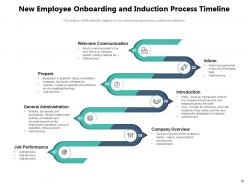

FAQs for Employee Induction Policies Strategy Vision Corporate
Honestly, it's all about making new people not feel like deer in headlights on their first day. Help them understand what they're actually supposed to be doing - and I mean beyond just "here's your desk, good luck." Cover the basics like company culture and their specific role. Give them the tools they need upfront. People who feel supported from the start stick around longer, which saves you from hiring again in six months. Structure it so you hit both the boring paperwork stuff AND the relationship building - that part's huge. Oh, and set clear expectations early. Nothing worse than someone floundering because nobody told them what success looks like.
Dude, remote onboarding is SO much harder than people think. Ship them a welcome box before day one - makes a huge difference. You'll need way more check-ins than usual, like weekly video calls their first month. Everything has to be digital now: handbook, team intros, those cheesy office tours. The worst part? No random conversations by the coffee machine. Try setting up casual chats with teammates and give them a buddy for weird questions. Also, spell out EVERYTHING timeline-wise since they can't just walk over when confused. Overcommunicate like crazy or they'll feel totally lost.
Your company culture totally shapes how you should design onboarding. Like if you're all collaborative with flat hierarchies, focus on team intros, cross-department shadowing, and casual mentoring. More formal places? They'll want structured presentations and detailed policy walkthroughs. Honestly, I've seen some places get way too intense about the whole "culture fit" thing - but whatever. The main point is your onboarding should reflect how people actually work together. You can't just talk about your values in boring presentations. New hires need to experience them firsthand through the process itself.
Honestly, just start with digital onboarding platforms - they're worth every penny. New hires can knock out all their paperwork and training videos before day one, which is huge. Set up some automated emails to walk them through everything step by step. E-signatures make contracts way easier too. Oh, and those interactive dashboards where people track their progress? People actually love seeing that stuff. Virtual meet-and-greets over video work surprisingly well for introductions. I'd probably tackle the paperwork nightmare first since that's what takes forever, then build out from there. Makes the whole thing way less painful for everyone.
Track the numbers first - retention rates, how fast people hit their targets, completion rates. But honestly? The survey stuff is where you'll learn the most. Ask new hires about confidence, role clarity, whether they feel like they fit in yet. Their managers too - do they seem ready? I'd do check-ins at 30, 60, 90 days while everything's still fresh in their minds. Oh and don't go crazy trying to measure everything right away. Pick 3-4 things that actually matter and start there. You can always add more later once you've got the basics down.
Pair new hires with someone experienced right from their first day. The mentor handles all the unofficial stuff - where's the decent coffee, what's the real team dynamic, being there for those questions you feel dumb asking publicly. Weekly check-ins for at least a month work well, longer if the job's complicated. Honestly, make it official though or it won't stick. Give mentors actual expectations and recognize them for it. Your new people need formal training, sure, but they also need that insider knowledge that actually makes them useful quickly. It's way more effective than just throwing them a handbook.
Honestly, the biggest mistake is making everything way too generic - just boring checklists that don't actually help people settle in. Week one information dumps are the worst too. Sure, paperwork has to happen, but don't make that the focus. Get them meeting their actual teammates instead. Explain your company's vibe and give context about their role. Oh, and train your managers properly - don't just hand them some document and expect magic. Short sentences work better sometimes. Ask your recent hires what would've actually helped them most when they started.
Honestly, new hire feedback is pure gold for figuring out what's actually broken in your process. Send out quick surveys after their first week, month, and quarter - you want to catch issues while they're still annoyed about them. Three people complained about the same software bug at my last job and we ended up redoing our whole IT setup because of it. Ask specific stuff like "what took forever?" or "what would've made you productive faster?" Those generic 1-10 satisfaction questions are pretty useless. The companies that actually fix the patterns they spot? Those are the ones with onboarding that doesn't suck.
Honestly, just tackle the must-haves first - safety training, anti-discrimination stuff, and data protection. Those are deal-breakers if you mess them up. Your induction needs harassment policies and emergency procedures too. Industry regulations depend on what you do obviously. The paperwork part is annoying but super important - get signed acknowledgments for conduct codes and confidentiality agreements. Covers your butt later if things go sideways. Oh, and have someone review your checklist yearly because regulations change constantly. HR or legal can catch stuff you'd miss.
Honestly, skip the boring slide presentations - people zone out anyway. Instead, give them real scenarios they'll actually encounter and walk through how your values apply. Role-playing helps too. Get your current team to share stories about when the values actually mattered in their work (those stories stick way better than corporate speak). Make it specific to what they'll be doing, not some generic workshop nonsense. Oh, and give them a little reference card they can keep at their desk. The whole point is making it interactive and relevant to their actual job.
Do 30, 60, and 90-day check-ins - that timing works really well. At 30 days, you'll catch any major issues before they get worse. I swear, managers who skip this always regret it! The 60-day one is perfect for seeing how they're actually fitting into your team culture. Then 90 days is the big decision point - are they working out or not? Oh, and definitely prep some feedback questions beforehand so you're not just making stuff up on the spot. Trust me, winging performance reviews never goes well.
Honestly, you gotta ditch the one-size-fits-all approach - it just doesn't work anymore. Mix up your formats: videos, visual stuff, hands-on activities. People learn totally different ways. Cultural backgrounds matter too, so don't be patronizing but definitely acknowledge different norms and maybe offer materials in other languages. Different experience levels are huge - pair newbies with mentors who actually get their background. Oh, and this might sound obvious but actually ask for feedback and use it. I've seen too many companies just ignore what people tell them about their onboarding.
Honestly, keep it simple - good employee handbook, training stuff for their specific role, and login info ready day one. Org charts are lifesavers because nobody wants to spend two weeks figuring out who handles what. Contact lists for their team and other departments they'll actually work with are huge too. I'm old school but physical checklists hit different than digital ones sometimes. Focus on what gets them functional in their first week rather than dumping everything on them. You can always add more later once they're settled.
Get your current team involved instead of just dropping new policies on them. Ask the experienced folks what they wish someone had told them on day one - trust me, they'll give you gold that HR never thinks of. Frame it as helping them mentor better, not dumping more work on their plate. Bring it up in team meetings so people can actually ask questions and suggest changes. The key thing? Show them how better onboarding means they won't have to babysit confused newbies for weeks. Make them part of building it, not just following another random policy.
So definitely pair new people with existing employees - buddy systems are clutch for those first few weeks. Group lunches help too, or coffee chats if you're doing remote stuff. I know it sounds cheesy, but those icebreaker games actually work better than you'd expect! What really helps is having multiple new hires start together and go through orientation as a group. Shared awkwardness bonds people fast. Don't just hope connections happen naturally though - you gotta be intentional about it. Schedule some informal check-ins and let people actually socialize during work time.
-
Informative presentations that are easily editable.
-
Use of icon with content is very relateable, informative and appealing.
-
Much better than the original! Thanks for the quick turnaround.
-
Thanks for all your great templates they have saved me lots of time and accelerate my presentations. Great product, keep them up!
-
It saves your time and decrease your efforts in half.