

Employee retention plan retention dashboard





Try Before you Buy Download Free Sample Product
 Impress Your
Audience
 100%
Editable
 Save Hours
of Time


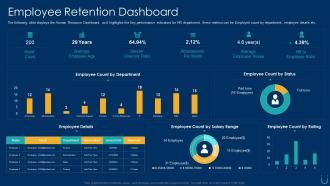
The following slide displays the Human Resource Dashboard, as it highlights the key performance indicators for HR department, these metrics can be Employee count by department, employee details etc..
People who downloaded this PowerPoint presentation also viewed the following :
Employee retention plan retention dashboard with all 7 slides:
Use our Employee Retention Plan Retention Dashboard to effectively help you save your valuable time. They are readymade to fit into any presentation structure.





FAQs for Employee retention
Pay matters - you can't lowball people anymore or they'll bounce. But here's what surprised me: flexibility wins just as much. Remote work, decent PTO, flexible hours. That stuff keeps people around daily. Most folks actually quit bad managers, not jobs, so train your supervisors better. One-on-ones help. Career paths matter too - people want to see where they're headed, not feel stuck. Oh, and just ask your current team what would make them stick around. Sometimes it's simpler than you think.
Honestly, culture makes or breaks retention. People bolt when they feel undervalued or ignored - seen it happen so many times. But if they genuinely like coming to work and feel heard? They'll stick around. Nobody leaves a job they actually enjoy for slightly better pay elsewhere. Your culture has to match what your team actually cares about though, not just the fluff you put on LinkedIn. Oh, and toxic environments? Those send your best people straight to competitors. Check in with your team regularly about what's working.
Dude, you absolutely need to invest in professional development if you want to keep good people. Training, conferences, skill-building - whatever it takes. High performers get bored fast without growth opportunities. They'll bolt to somewhere that actually cares about their career path. I've seen it happen so many times. Make sure the development stuff connects to what they actually want to do, not just random workshops nobody asked for. Regular opportunities work way better than one-off things. Your best employees need to feel like they're moving forward, or they won't stick around.
Honestly, people just want to know they're not invisible at work. Check in with your team regularly - even quick 15-minute weekly chats work wonders. Nobody wants to feel like they're screaming into the void while you wait for annual reviews to notice problems. Frequent communication catches issues before your best people start job hunting. It builds real trust too. When employees feel heard and see you actually care about their growth, they stick around. I swear, sometimes the smallest conversations prevent the biggest headaches later. Worth the time investment.
Dude, recognition is honestly everything for keeping people around. Nobody wants to feel invisible at work, you know? When you actually tell someone they did a good job - and be specific about it - they'll remember that way longer than you'd think. Like don't just say "great work," tell them exactly what they nailed. Even a quick shout-out in meetings works. I've seen people literally light up from simple thank yous. It's wild how much that stuff matters. Start noticing the little wins and just... say something about it.
Look, people will absolutely leave if your pay and benefits suck - I've seen it happen so many times. Salary matters obviously, but it's also the whole package. Health insurance, time off, 401k matching, remote work options. All that stuff makes employees feel like you actually care about them. The smart move? Check what other companies in your industry are offering and - this part's crucial - actually ask your people what they want most. You might be surprised what they prioritize. Tight job market means they'll bolt for better deals if you're not competitive.
Dude, bad managers are like employee repellent - people flee from micromanagers and toxic bosses faster than you'd think. Trust your team instead of breathing down their necks. Regular feedback helps too, but the real magic happens when you actually invest in people's growth. I've seen it firsthand - supportive leaders keep their best people around. Schedule those one-on-ones and figure out what makes each person tick. Sounds obvious, but most bosses skip this stuff. Then they wonder why everyone's updating their LinkedIn profiles.
Dude, work-life balance is probably THE biggest thing for keeping people around. Your team needs to feel like they have an actual life outside the office, you know? Otherwise they'll burn out fast and start job hunting. Companies that get this right have retention rates like 40% higher - which is insane when you think about it. Short sentences work. But honestly, if people are bolting from your company, first thing I'd check is whether everyone's working ridiculous hours or feels like they can never disconnect. That'll kill morale faster than anything.
Honestly, exit interviews are gold mines for figuring out why people keep quitting. Departing employees usually spill the real tea about bad managers, crazy workloads, or toxic culture stuff. Look for patterns though - if multiple people complain about the same supervisor being awful, that's your smoking gun. The data's only useful if you actually do something with it. I've seen companies just collect feedback and then... nothing. Analyze what keeps coming up and fix those issues before you lose more talent. It's way cheaper than constantly hiring replacements.
Okay so three big things come to mind. First, set up mentorship programs pairing diverse employees with senior leaders. Employee resource groups are honestly where the magic happens though - I've watched them completely flip workplace dynamics. Flexible work arrangements matter too since people have different cultural needs and life stuff going on. Oh and make sure your promotion process isn't some black box mystery. Survey your diverse employees first about what they actually need most. Their input beats any expensive consultant. Also - and this is huge - don't just invite diverse voices to meetings then ignore them when they speak up.
Dude, remote work totally changes the retention game. Tech and finance companies see way less turnover when they offer flexibility - people will literally bail for remote jobs elsewhere. Manufacturing and healthcare obviously can't do full remote, but even hybrid helps keep people around. Here's the thing though - don't just assume everyone wants the same setup. Some people actually prefer the office (weird, I know). Just ask your team what kind of flexibility they actually want. When you give people control over where they work, they stick around longer. It's pretty straightforward.
Dude, just focus on keeping your people actually engaged - that's your golden ticket right there. When employees feel valued and connected to their work, they don't bolt for the first better offer that comes along. The numbers are wild too - engaged teams have like 18-43% less turnover (varies by industry, but still). Look, people stick around when they have room to grow and don't dread Mondays. Sounds obvious but most companies miss this completely. Start simple: ask your team what would genuinely make them more excited about showing up, then actually do something about it. Short surveys work great for this.
Dude, mentoring programs work because people actually feel like someone gives a damn about them. You're basically creating those connections that stop employees from bailing - and trust me, most people quit their boss, not the job itself. Mentors help with skill building and confidence stuff, which makes people way happier at work. Shows you're not just squeezing them for what they can do right now, you know? I'd honestly just try some casual mentor pairings first and see how it goes.
Definitely start with turnover rates - break those down by department and how long people have been there. Satisfaction surveys are clutch for catching problems early. I'd also watch how long it takes to fill empty spots since turnover makes hiring such a pain. Oh, and track retention for your star employees separately because honestly? Losing good people stings way more than dead weight leaving. Exit interviews will show you patterns too. Don't sleep on internal promotion rates either - people want to feel like they're going somewhere. These basics should give you a solid picture pretty quickly.
Oh totally, wellness programs are game-changers for keeping people around. Companies with good ones cut turnover by like 40%. Your team stays way more engaged when you actually give a damn about their mental health and stuff. Burnout becomes less of an issue too. Honestly, I think people these days expect employers to care - it's not just about paychecks anymore, you know? The math works out since hiring new people costs a fortune compared to keeping current ones happy. You don't need anything fancy either. Start with mental health resources or flexible schedules.
-
Great quality slides in rapid time.
-
Very unique and reliable designs.