Employee Training Plan Powerpoint Ppt Template Bundles

Rating:
90%
Slide 1 of 17
Favourites Favourites

Try Before you Buy Download Free Sample Product

Audience Impress Your
Audience
Editable 100%
Editable
Time Save Hours
of Time
The Biggest Sale is ending soon in
0
0
:
0
0
:
0
0
Rating:
90%
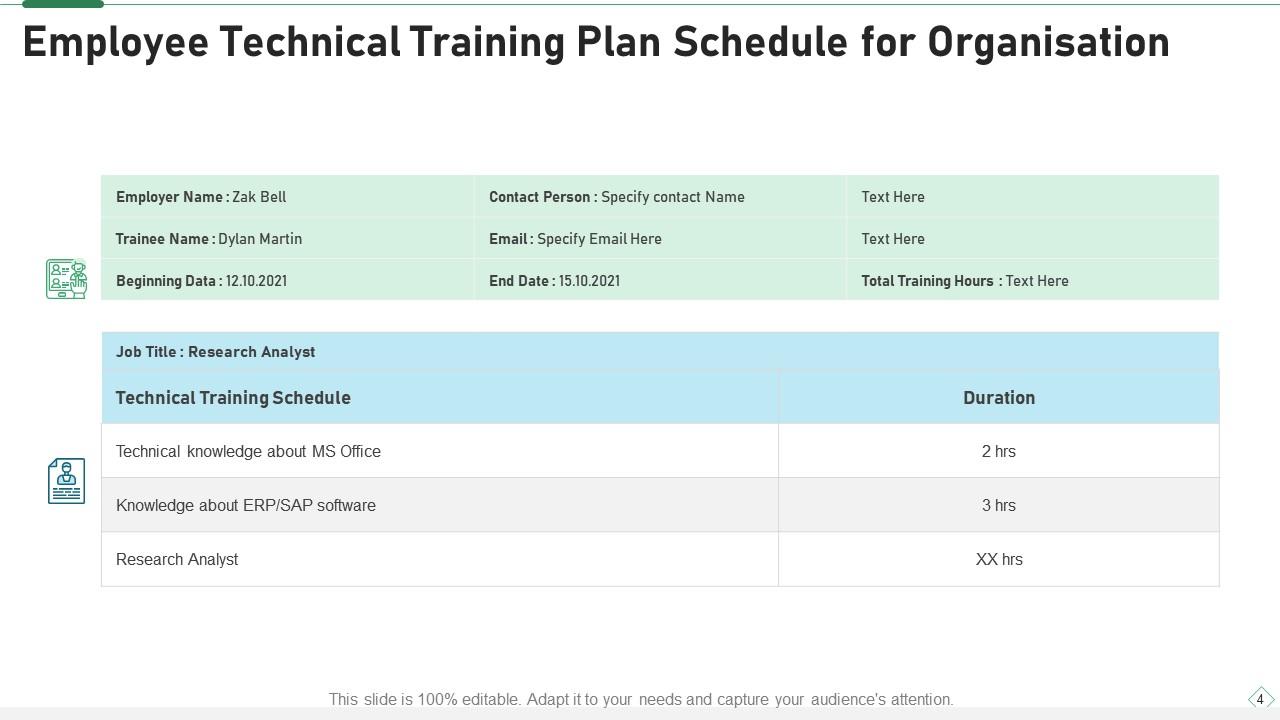
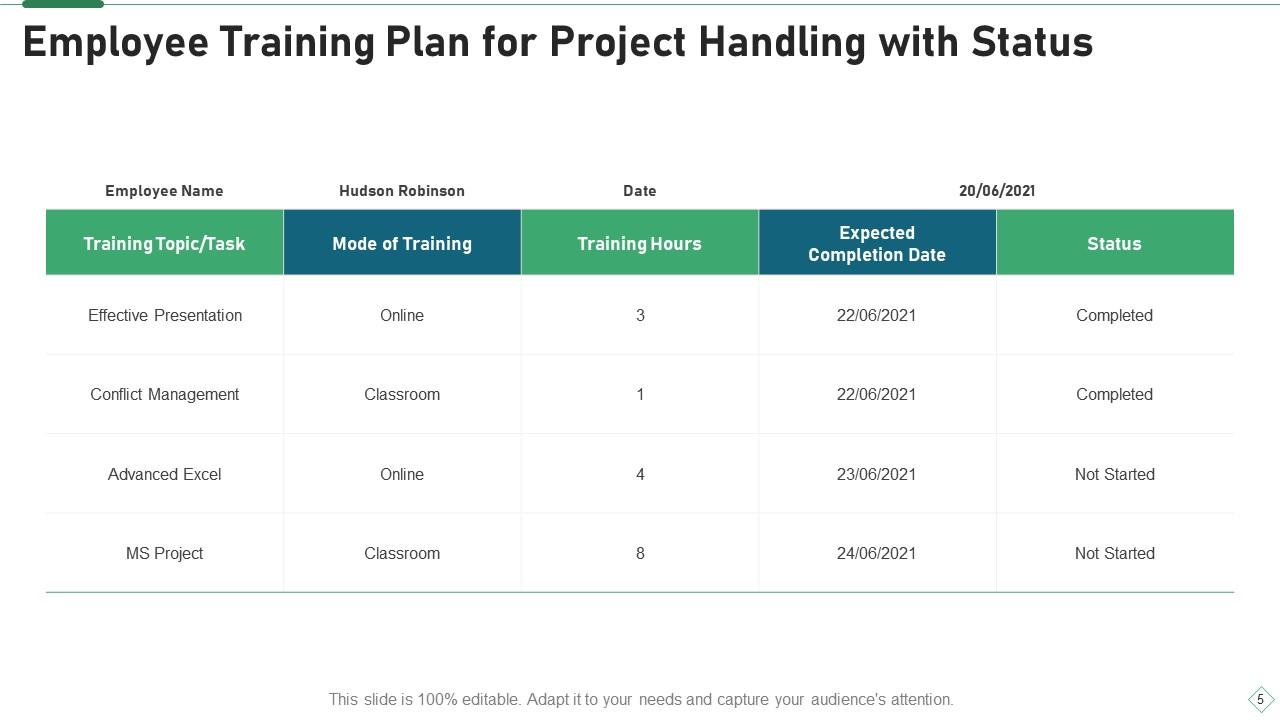
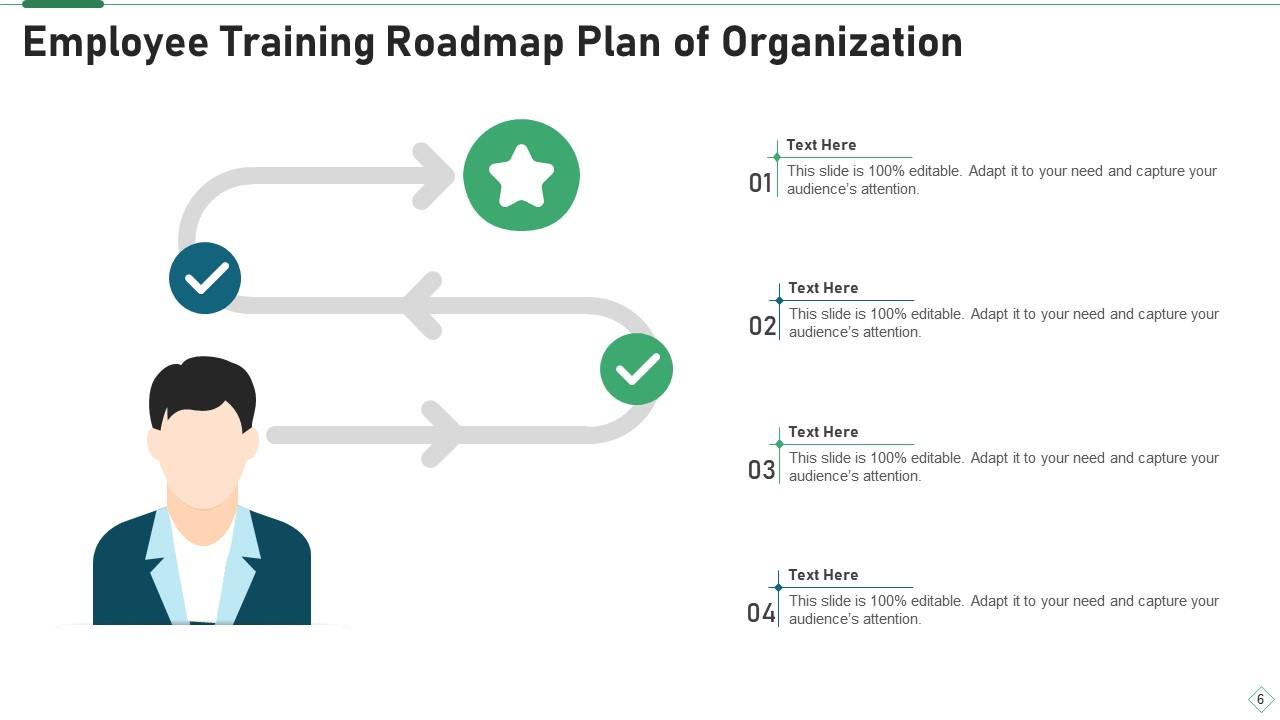
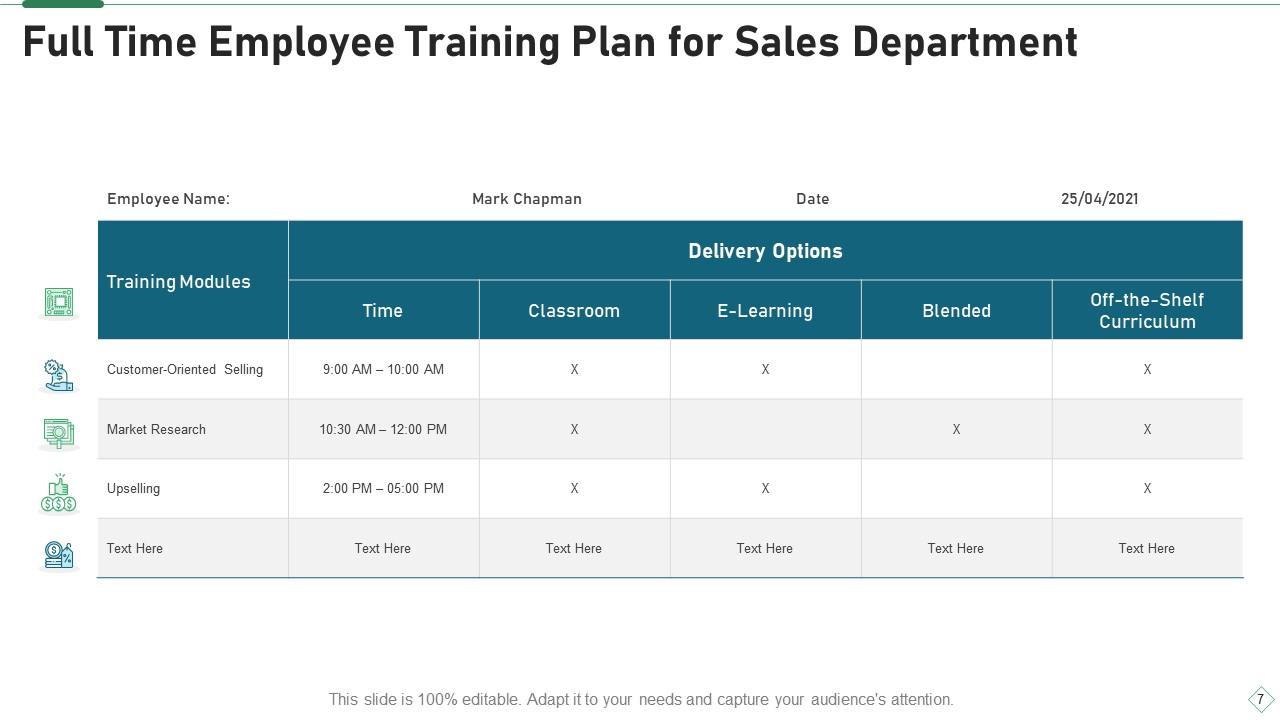
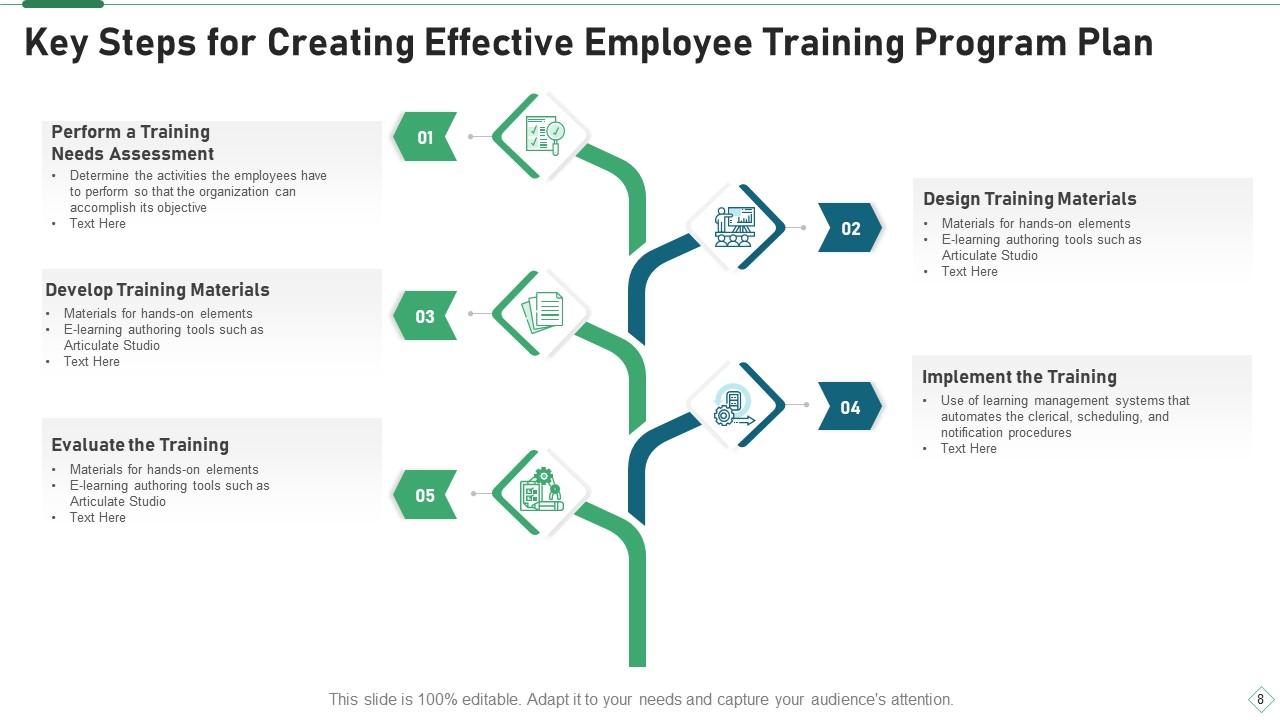
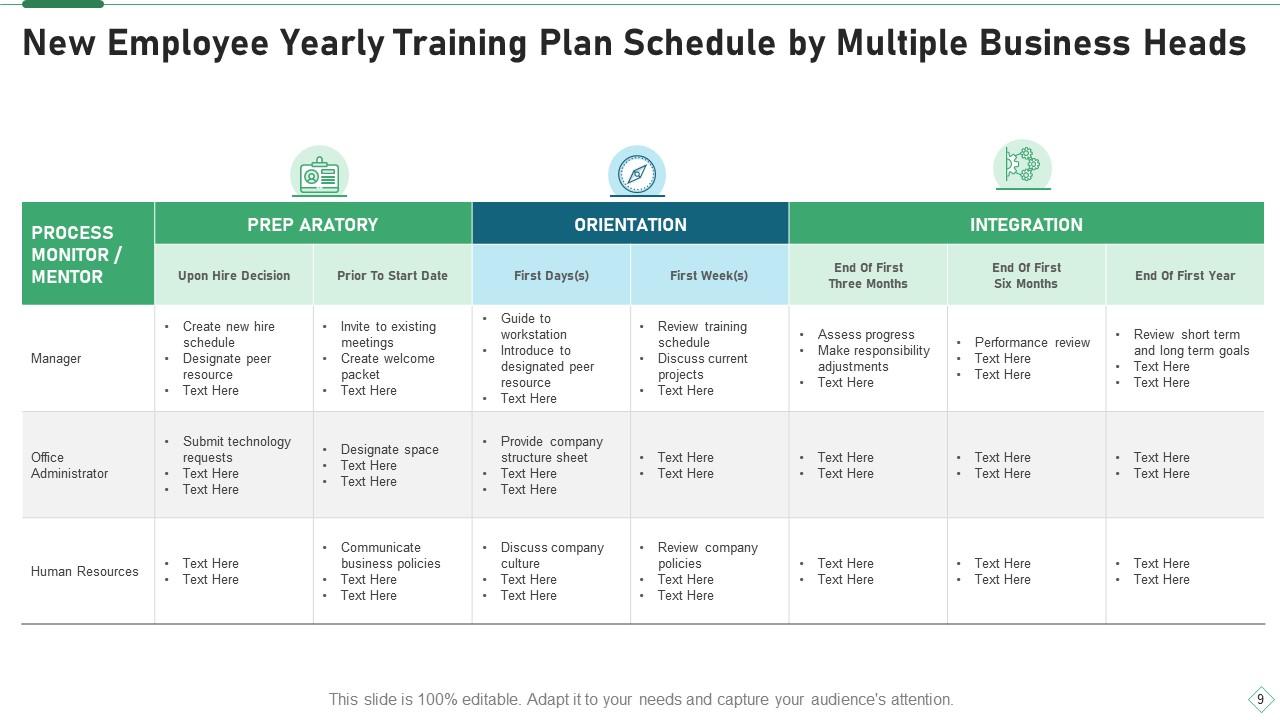
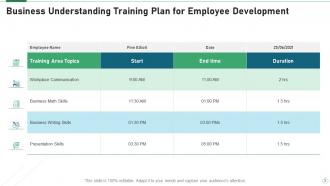
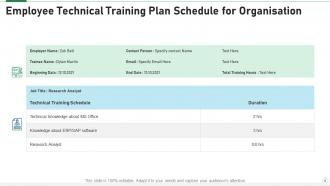
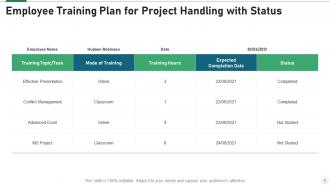
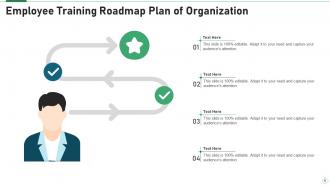
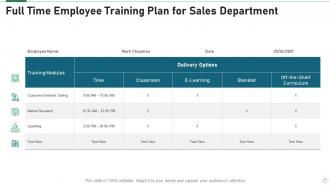
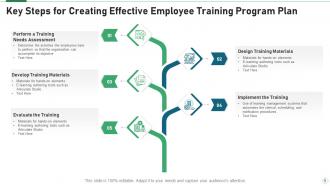
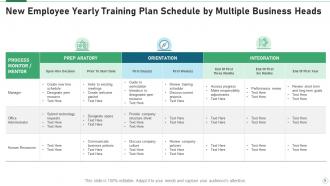
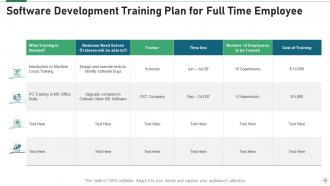
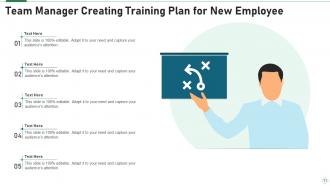
Deliver a lucid presentation by utilizing this Employee Training Plan Powerpoint Ppt Template Bundles. Use it to present an overview of the topic with the right visuals, themes, shapes, and graphics. This is an expertly designed complete deck that reinforces positive thoughts and actions. Use it to provide visual cues to your audience and help them make informed decisions. A wide variety of discussion topics can be covered with this creative bundle such as Training Schedule, Project Handling, Training Roadmap, Sales Training. All the twelve slides are available for immediate download and use. They can be edited and modified to add a personal touch to the presentation. This helps in creating a unique presentation every time. Not only that, with a host of editable features, this presentation can be used by any industry or business vertical depending on their needs and requirements. The compatibility with Google Slides is another feature to look out for in the PPT slideshow.

FAQs for Employee Training Plan Powerpoint

Honestly, start with figuring out your biggest skill gaps first - that's way more useful than some generic training nobody cares about. You'll want clear objectives that actually connect to real work stuff, not just compliance nonsense. Mix up how you deliver it too (death by PowerPoint is still a thing unfortunately). Build in ways to check if people are getting it and give feedback along the way. Oh, and don't forget realistic timelines - I've seen too many rushed programs fail. Make sure someone owns each piece. The whole point is creating something people can actually use day-to-day.

Honestly, just start by asking people what they want to learn - send out a quick survey with "what skills would help you do your job better?" Performance reviews are gold mines for this stuff too. Look at where people are struggling vs. where they need to be. I'd also peek at your company's big goals for next year and work backwards from there. What skills will everyone need? Industry trends matter too, though that feels obvious. Oh, and don't forget compliance training - that one bites you if you skip it. The survey thing works surprisingly well though. People are way more honest than you'd think.

Honestly, tech has completely changed how we do training at work. LMS platforms track who's actually learning what, VR gives people real practice without the real-world mess-ups, and AI personalizes everything based on how each person learns best. Mobile apps are great for learning on the go - though yeah, most people probably just end up on TikTok instead. The data's the best part though. You can see exactly where people are getting stuck and fix it. My advice? Don't try to revolutionize everything overnight. Just pick one tool that'll solve your biggest training problem first.

Honestly, I'd start with just 2-3 things you can actually track - don't go overboard. Test people before and after training to see what stuck. Performance metrics are huge though - are they actually doing their jobs better? Faster completion times, fewer mistakes, that kind of stuff. Employee feedback helps too, but here's the thing - what really matters is whether they're using it day-to-day. I've seen so many training programs that look great on paper but nobody applies anything. Oh, and definitely retest after a few months because people forget everything way faster than you'd think. Pick metrics that tie directly to whatever you're trying to fix.

Look at what skills gaps you actually have first, then tie those to business goals - makes selling the budget way easier. Most companies do 1-3% of payroll but honestly that number's kinda random. Break it into buckets: compliance stuff (ugh), skills training, leadership development, outside certifications. The hidden killer is all that time people spend away from their actual jobs, so factor that in too. Oh and don't forget materials and platform costs - those add up fast. Track performance improvements and retention rates afterward. You'll need that data to fight for your budget again next year.

Honestly, start with asking people what they actually want to learn before you plan anything - management's priorities and real workplace struggles don't always match up. During training, check in mid-way so you can pivot if something's not clicking. Surveys work great, but focus groups give you the real tea. Make feedback anonymous because nobody wants to trash a program with their name attached. Post-training evaluations are obvious but necessary. The trick is actually doing something with all that input instead of just collecting it. Oh, and don't make the feedback process a huge pain or people won't bother.

Dude, e-learning is honestly such a lifesaver for training employees. No more booking conference rooms or dealing with travel costs - people can just log in whenever. They'll learn way faster too since they can rewind stuff they didn't get the first time. The tracking features are pretty solid, shows you exactly who's struggling with what. My old company saved tons once we switched over. Plus you build the modules once and boom, every new hire can use them. Oh and definitely test it out with like one training module first - see how your team actually responds before going all in.

Start by figuring out which regulations hit each role in your company. Build training modules around those - OSHA stuff, data privacy rules, whatever applies to you. I keep a compliance checklist because honestly it's super easy to forget something when you're dealing with multiple frameworks. Document everything since auditors are obsessed with paper trails. Regulations change all the time though, so you'll need quarterly reviews to update your content. Trust me, it's way better to catch new requirements early than get blindsided later. The whole thing sounds boring but it'll save your butt.

Honestly, the key is making it feel worth their time instead of just another checkbox exercise. Show them exactly how it'll help their actual job or career - people tune out otherwise. Interactive stuff beats boring lectures every single time (seriously, death by PowerPoint is real). Let them choose session times if you can, and throw in some gamification - badges, leaderboards, whatever gets them competitive. The biggest thing though? Get managers involved and actually participating. When leadership shows up and cares, everyone else follows suit. It's pretty predictable but it works.

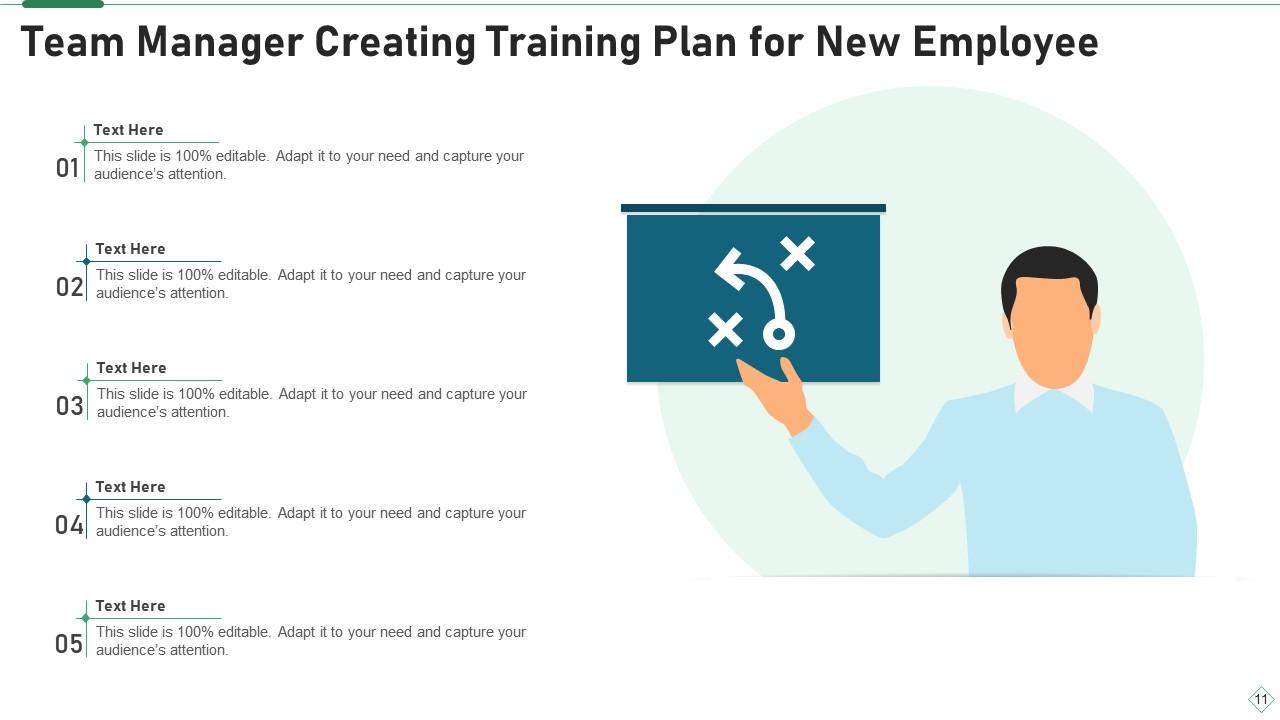
Honestly, a solid 30-60-90 day plan makes all the difference. Map out specific milestones instead of just winging it - we've all seen how that goes! I'd mix up the formats too: some self-paced stuff, shadowing, actual hands-on work. Way better than death by PowerPoint. Make sure there's mentorship built in with regular check-ins so they're not just floating around confused. The trick is keeping it challenging but not overwhelming - nobody wants to feel totally lost on week one. Start by figuring out where your current process is falling short and fix those gaps first.

Honestly, budget's always the killer - nobody wants to spend money on training. Getting people to actually show up is brutal too when everyone's swamped. Leadership says they want results like, yesterday, but this stuff takes forever to actually work. Content goes stale so fast it's not even funny. And measuring success? Good luck with that beyond "did they click through the modules." Start with something small first - maybe pilot one team. Loop leadership in early or they'll torpedo you later. Build in ways to get feedback constantly so you're not flying blind the whole time.

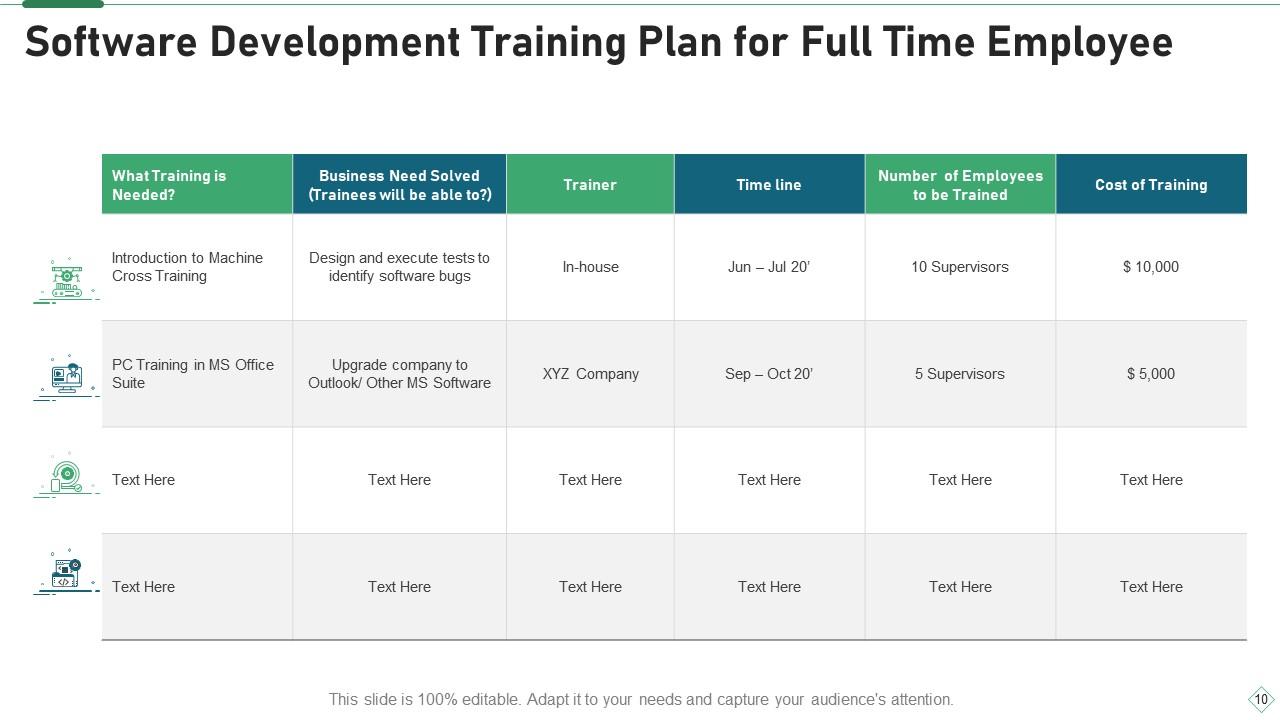
Honestly, cross-training is such a smart move. You pick up different skills that make you way more valuable - and it beats doing the exact same tasks every single day. Companies love it because they're not totally screwed when someone quits unexpectedly (which happens all the time). Plus you can actually move people around when things get crazy busy in one department. The best part? You start understanding how other teams operate, so working together becomes less of a headache. I'd figure out which skills would actually complement what you're already doing - don't just pick random stuff.

Honestly, ongoing training is like having insurance for your career. Everything moves so fast now - especially tech stuff - that what you knew last year might already be outdated. I try to block out time each month to learn something new, even if it's just a random online course. Your boss will notice when you're staying ahead of trends instead of scrambling to catch up later. The trick is making it regular, not waiting for some annual training day that never comes. Skills get stale quick these days, so you've got to keep feeding your brain new stuff or risk getting left in the dust.

Honestly, ditch the whole "diversity day" thing - it's so cringe. Instead, bake it into everything you're already doing. Leadership training? Add scenarios about inclusive decision-making. Customer service stuff? Include diverse case studies. Even technical courses can feature examples from different backgrounds. Unconscious bias awareness works great when you weave it into decision-making workshops rather than making it standalone. Your materials should naturally reflect different perspectives anyway. The trick is making it feel relevant to people's actual jobs, not some random HR requirement they have to sit through. Way more effective that way.

Honestly, start simple with like 3-4 metrics that actually matter to your business goals. Track the obvious money stuff - training costs vs productivity gains, revenue bumps, fewer errors, better retention rates. But don't ignore the softer things either (even though they're harder to measure). Employee satisfaction, engagement scores, how many people are getting promoted - that stuff adds up too. Most companies are already collecting this data somewhere, they just don't connect the dots. Once you get the hang of it, you can always add more metrics later. The key is picking what actually moves the needle for you guys specifically.

Ratings and Reviews

90% of 100
Review Form
Write a review
Most Relevant Reviews
  1. 100%

    by Jones Cook

    It saves your time and decrease your efforts in half.
  2. 80%

    by Deangelo Hunt

    Unique research projects to present in meeting.

2 Item(s)

per page: