Expert Systems In Artificial Intelligence With Characteristics Components And Applications
Try Before you Buy Download Free Sample Product
Audience
Editable
of Time
Our Expert Systems In Artificial Intelligence With Characteristics Components And Applications are topically designed to provide an attractive backdrop to any subject. Use them to look like a presentation pro.
People who downloaded this PowerPoint presentation also viewed the following :
Expert Systems In Artificial Intelligence With Characteristics Components And Applications with all 11 slides:
Use our Expert Systems In Artificial Intelligence With Characteristics Components And Applications to effectively help you save your valuable time. They are readymade to fit into any presentation structure.
FAQs for Expert Systems In Artificial Intelligence With Characteristics
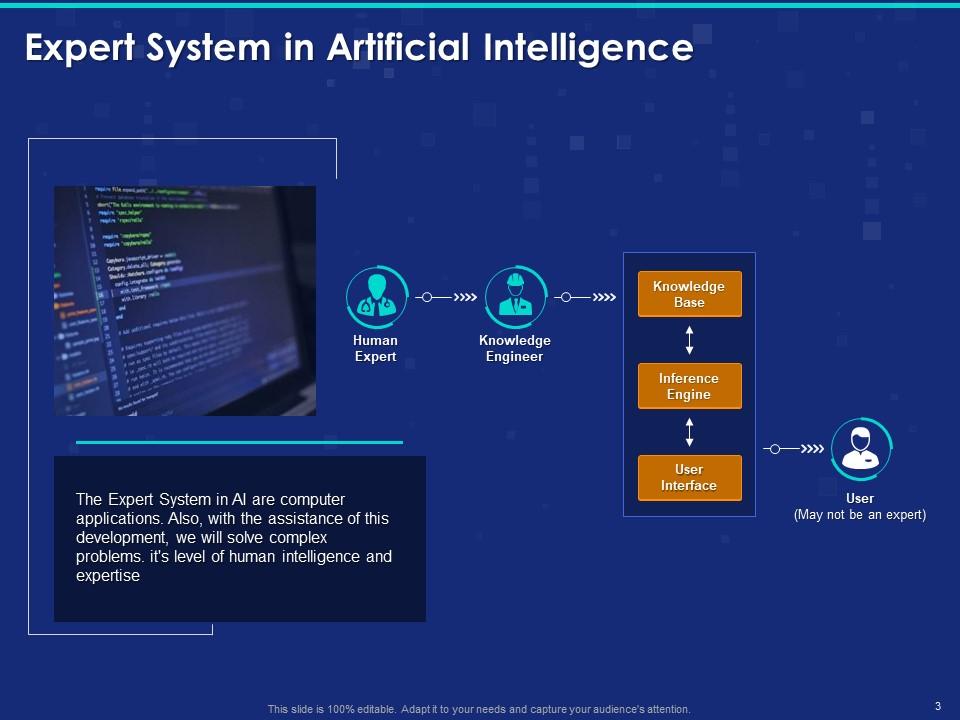
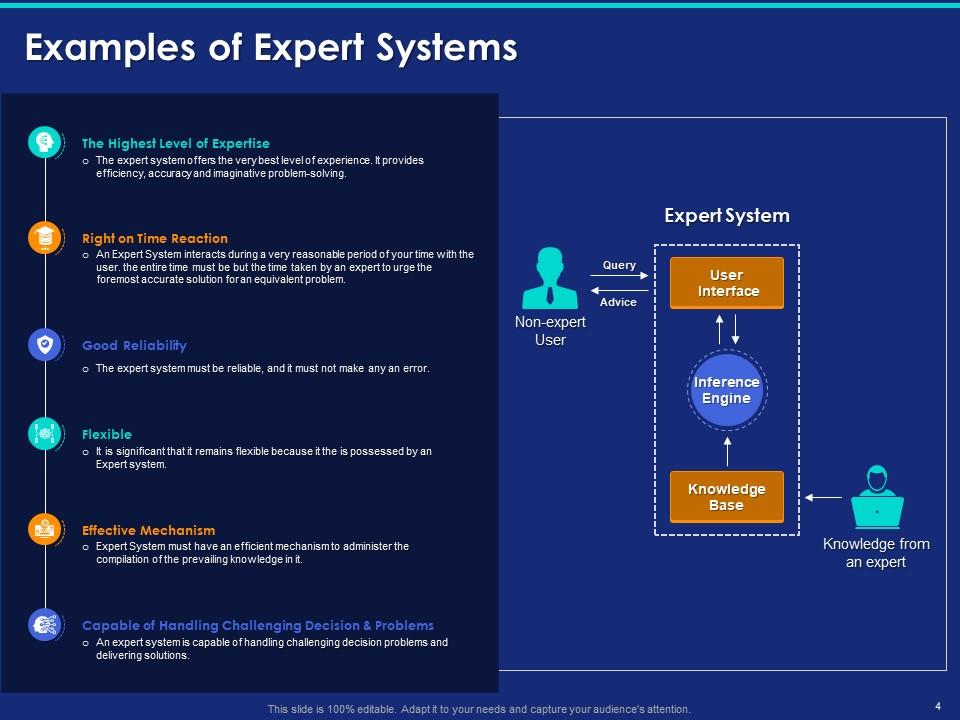
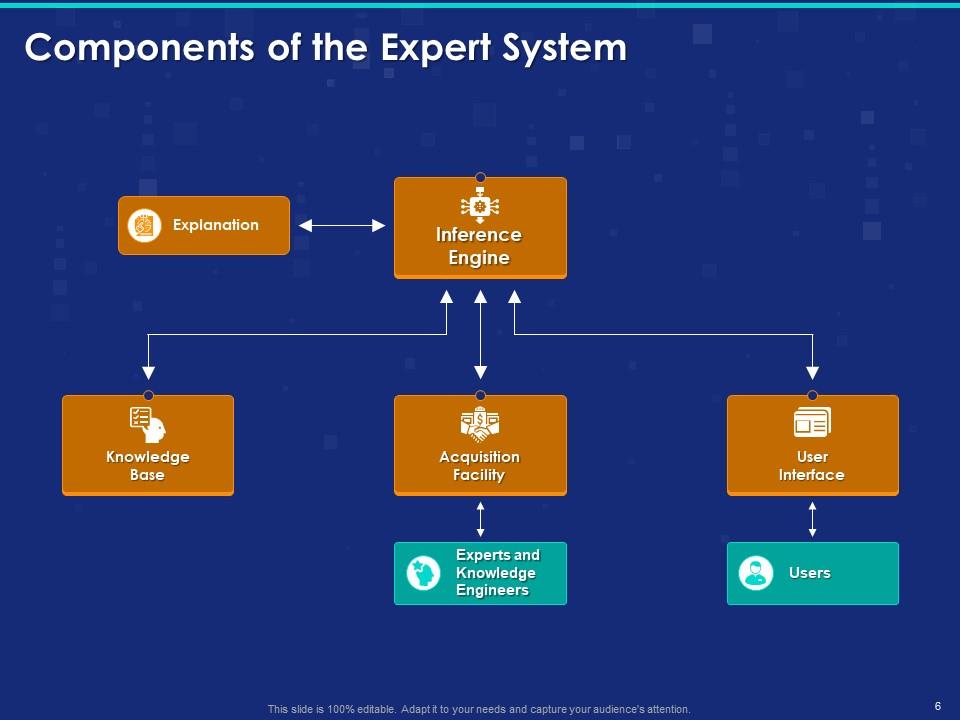
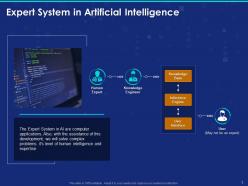
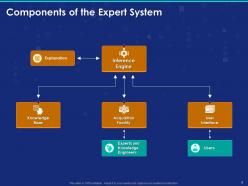
So there are three main parts you need to worry about. First is the knowledge base - that's where all your facts and rules live, basically the brain of the whole thing. Then you've got the inference engine that actually processes everything and makes decisions. The user interface is pretty obvious - lets regular people use it without coding. Oh, and some systems have explanation features so users know why it made certain choices. Honestly, I'd start with nailing down your knowledge base first since everything else builds off that foundation. Makes the whole process way smoother.
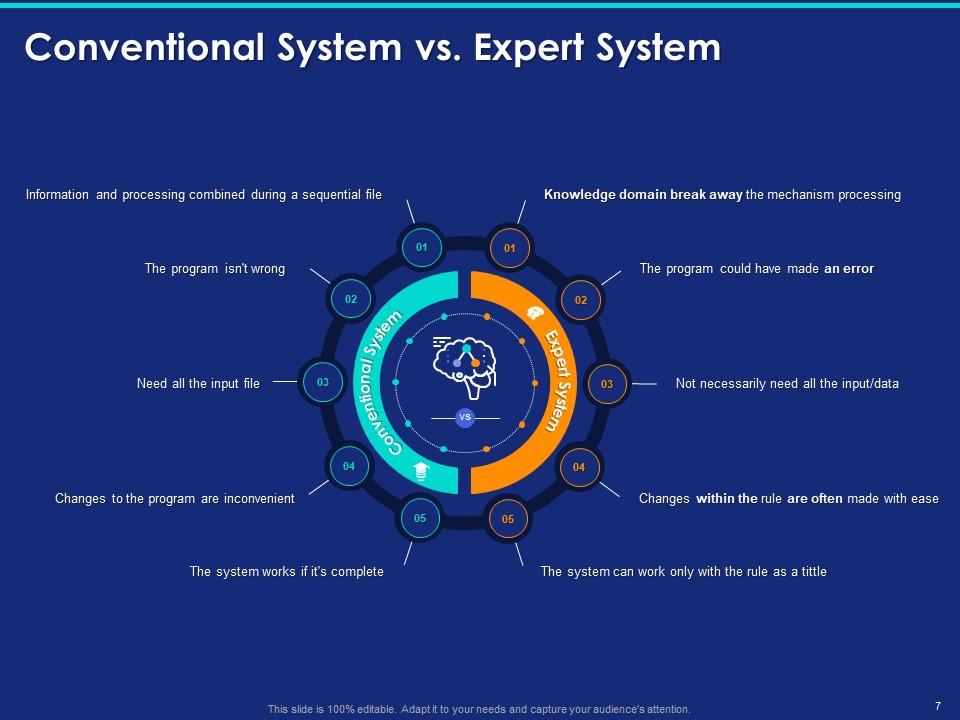
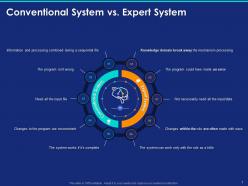
So regular programs just do what you tell them - follow the steps, no thinking involved. Expert systems are different though. They actually try to reason through problems like a human would, using knowledge bases and rules to make decisions. Pretty cool tbh. They can even explain why they picked a certain answer, which is handy when you're trying to debug something. Oh, and they handle uncertainty way better than traditional code. If you're working on something that needs to make judgment calls or diagnose tricky issues, expert systems are probably worth looking into over regular programming approaches.
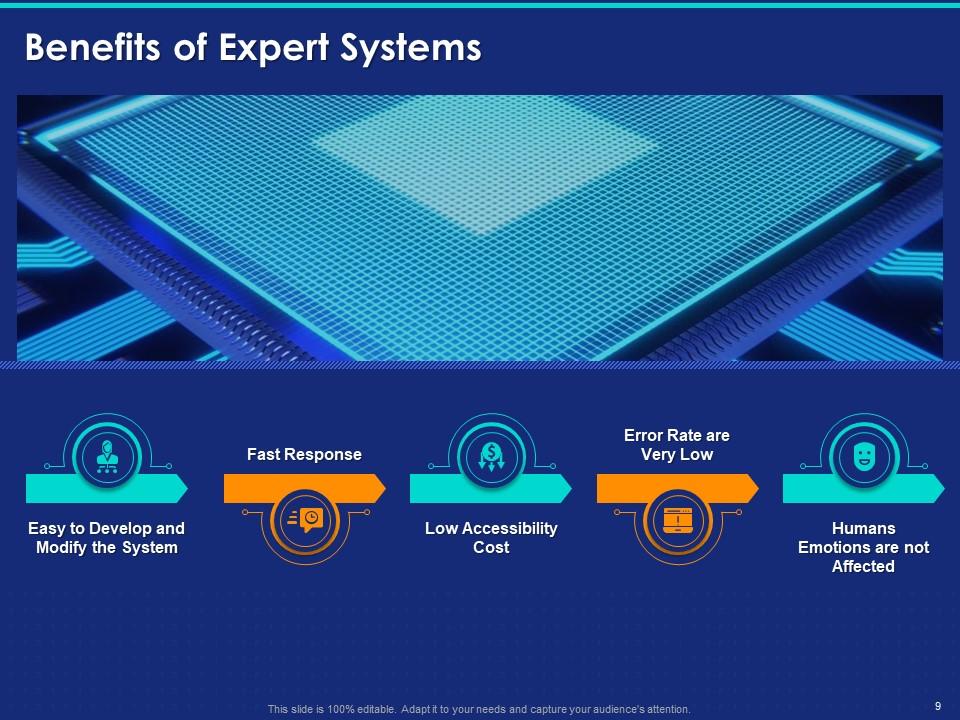
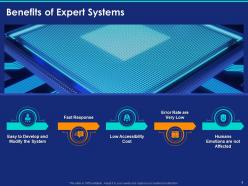
Expert systems are honestly pretty great for decision-making because they give you solid, data-backed advice 24/7. They crunch through way more info than you ever could and catch things you'd probably miss. No mood swings or personal bias either, which is nice. What I really like is how they explain their reasoning - you're not just getting a random answer. Super helpful when you're juggling tons of variables at once. Oh, and they're perfect for those repetitive decisions that eat up your time. Look for spots in your workflow where you're making the same types of calls over and over.
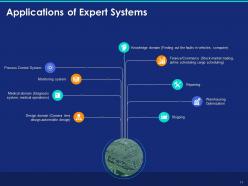
Healthcare and finance are killing it with expert systems right now. Manufacturing too - they're using them for quality control and it's working really well. Medical diagnosis support, risk assessment, that sort of thing. Oil and gas is probably the most interesting one though, the applications there are insane. Legal services have jumped on board recently, and customer support obviously makes sense. Basically if you've got experienced people making the same knowledge-based decisions over and over, expert systems can help you scale that up without hiring tons more staff.
Dude, picking the wrong knowledge representation will absolutely wreck your expert system. Rule-based stuff gives you clear logic but sucks with uncertainty. Frames and semantic networks? Way better for complex relationships, though maybe overkill if you're solving something simple. I swear, my last team wasted like 3 months debugging because we chose poorly from the start. Match your technique to how complex your domain actually is. What kind of reasoning does your system need to handle? Map out a few sample problems first - trust me, it'll save you so much pain down the road.
So ML totally changed the game for expert systems. You don't have to hand-code every damn rule anymore - the system just learns patterns from your data. Knowledge acquisition? Way easier now. Rule generation happens automatically, and it can even handle uncertainty better. The old way was such a pain, honestly. Your system actually gets smarter over time instead of staying stuck. Neural networks are great at fuzzy logic stuff that traditional rule-based systems couldn't handle well. Oh, and definitely check out hybrid approaches - they mix ML with classic expert system designs. That's probably your best bet.
Think of the knowledge base as your expert system's brain - that's where you dump all the real-world expertise. Facts, rules, how different things connect... basically everything a human expert carries around in their head but organized way better. Here's the thing though - you can build the most sophisticated reasoning engine ever, but without a decent knowledge base? Total waste of time. It's like having a Ferrari with no gas. My advice? Don't rush this part. Sit down with actual domain experts (buy them coffee, whatever it takes) and really dig into how they think about problems. Worth every minute you'll spend on it.
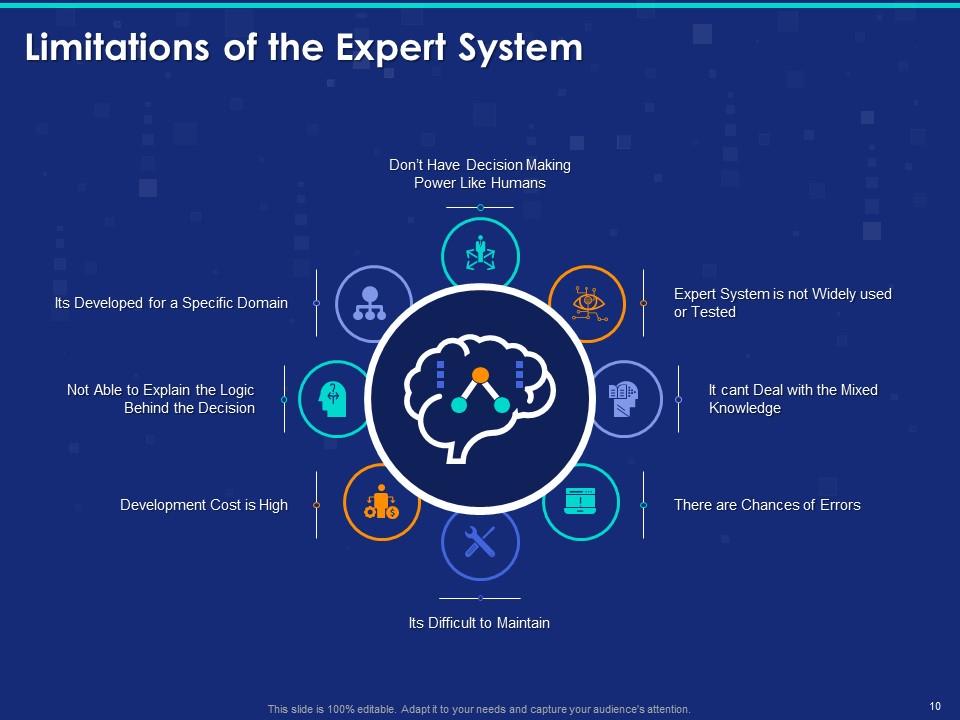
Honestly, the hardest part is getting experts to actually explain how they think - they just "know" stuff but can't always break it down. Plus you're constantly updating everything since knowledge changes. Real-world problems are messy too, not like clean textbook examples, so handling uncertainty gets tricky. Complex rule sets can make things painfully slow. Users hate systems that can't explain why they made certain decisions (totally fair tbh). Start small with something specific, keep your experts involved the whole time, and build explanation features early. Trust me on that last part - you'll thank yourself later.
So expert systems deal with uncertainty by using probability stuff - Bayesian networks, fuzzy logic, certainty factors. They'll assign confidence scores to different facts and rules, then track how certain they are as they work through problems. When data's missing, they make educated guesses using default reasoning (which sounds fancier than it is). They can always backtrack if new info proves them wrong. Some will bug users for missing details or just work with whatever partial info they've got. Oh, and if you're making one, set confidence thresholds so it won't give sketchy recommendations when it's basically clueless.
So for getting knowledge from experts, interviews work best - just sit with them and ask how they make decisions. Protocol analysis is where you have them talk through problems out loud, which honestly shows you way more than they realize. Repertory grids help map how they think about concepts too. Oh, and case studies - looking at their past situations is gold. The thing is, experts suck at explaining what they actually know, so you'll need to mix methods. Start with talking to them, then watch what they really do to double-check.
Honestly, the biggest headache is gonna be bias - if your expert's knowledge is skewed, your system will be too. Then there's the whole accountability mess when things go sideways. Like, if it recommends the wrong medical treatment, who gets blamed? You, the knowledge engineer, the original expert? It's a nightmare. Transparency is another issue since users can't see how decisions get made. Oh, and people tend to trust these systems way too much, which is dangerous. Build in disclaimers and check for bias regularly. Trust me on this one.
Honestly, the UI is what makes or breaks these things. People will bail instantly if it's confusing - doesn't matter how smart your AI is underneath. You want something that feels like having a conversation, walks them through the logic step by step. Trust is huge here, especially when they're making big decisions based on what the machine tells them. The system has to explain its reasoning clearly and make it super easy for users to add their own expertise. I've seen brilliant expert systems just sit there unused because nobody could figure out how to work with them. Focus on making it intuitive first.
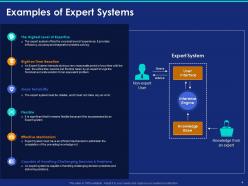
MYCIN's the big one everyone talks about - diagnosed bacterial infections better than most doctors back in the '70s, which was honestly incredible. Then there's DENDRAL, totally changed chemistry by figuring out molecular structures from mass spectrometry data. XCON saved Digital Equipment Corporation a ton of money automatically configuring computer systems. These days you see decent diagnostic tools for car repair and financial planning that actually work. What's interesting is they all focused on really specific areas where you could clearly map out what experts know and turn it into rules.
Yeah, expert systems actually work great with other AI stuff! They handle all the rule-based logic while ML does the pattern recognition. So like, the expert system manages your business rules and decision trees, then neural networks process the messy data - images, text, whatever. What's cool is expert systems can actually explain their reasoning (ML is basically a black box). They make good "interpreters" for the whole system. Honestly, for anything mission-critical, I'd probably go with this hybrid approach. Each method just does what it's best at, you know?
Honestly, expert systems are getting pretty wild lately. They're mixing traditional rule-based stuff with those GPT-style language models - basically the best of both worlds. Cloud deployment means small companies can finally afford them instead of just the big players. The explainability factor is massive for anything regulated (finance, healthcare, whatever). What's really cool though? These low-code platforms where your subject matter experts can build systems themselves. No more waiting around for developers. I'd probably start by figuring out where you're currently making slow decisions and see if a hybrid system could speed things up.
-
Excellent design and quick turnaround.
-
Top Quality presentations that are easily editable.
-
Good research work and creative work done on every template.
-
Visually stunning presentation, love the content.
-
Best Representation of topics, really appreciable.
-
Amazing product with appealing content and design.
-
Informative design.
-
Great designs, really helpful.
-
Perfect template with attractive color combination.