


Artificial intelligence powerpoint presentation slide template complete deck




Try Before you Buy Download Free Sample Product
 Impress Your
 Audience
 100%
100% Editable
 Save Hours
 of Time


Artificial Intelligence Powerpoint Presentation Slide Template Complete Deck is a comprehensive virtual solution for technology experts. With the help of this PowerPoint theme, you can elucidate the differences between machine intelligence, machine learning, and deep learning. Employ our PPT presentation to cover merits, demerits, learning techniques, and types of supervised machine learning. You can also elucidate the benefits, limitations, and types of unsupervised machine learning. Similarly, cover important aspects related to reinforcement learning. Our AI PowerPoint slideshow also helps you in elaborating back propagation of neural networks. Walk your audience through the expert system in artificial intelligence. Cover examples, features, components, application, benefits, limitations, and other aspects of the expert system. Consolidate the deep learning process, recurrent neural networks, and convolutional neural networks through this PPT template deck. Give a crisp introduction to artificial intelligence. Introduce types, algorithms, trends, and use cases of artificial intelligence. Hit the download icon and begin instant personalization. Our artificial intelligence presentation are explicit and effective. They combine clarity and concise expression.
People who downloaded this PowerPoint presentation also viewed the following :
Content of this Powerpoint Presentation
Slide 1: This slide introduces Artificial Intelligence PowerPoint Presentation Slide Template. State your Company name.
Slide 2: This slide displays Table of Content of the presentation.
Slide 3: This slide displays Table of Content.
Slide 4: This slide gives Introduction of AI
Slide 5: This slide shows Artificial Intelligence Transforming the Nature of Work, Learning, and Learning to Work
Slide 6: This slide depicts Introduction to AI Levels?
Slide 7: This slide shows Types of Artificial Intelligence containing Deep Learning, Machine Learning, Artificial Intelligence.
Slide 8: This slide describes Artificial Intelligence.
Slide 9: This slide describes Machine Learning
Slide 10: This slide depicts Deep Learning
Slide 11: This slide shows AI VS Machine Learning VS Deep Learning
Slide 12: This slide describes Where is AI used?
Slide 13: This slide shows AI Usecase in HealthCare
Slide 14: This slide represents AI Use Cases in Human Resource
Slide 15: This slide shows AI in Banking for Fraud Detection
Slide 16: This slide displays AI in Supply Chain.
Slide 17: This slide showcases Ai Chatbots in Healthcare
Slide 18: This slide explains Why is AI booming now?
Slide 19: This slide depicts 10 AI Trend in 2020
Slide 20: This slide showcases Machine Learning.
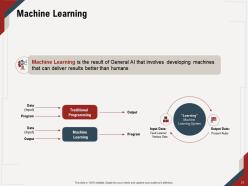
Slide 21: This slide shows Machine Learning.
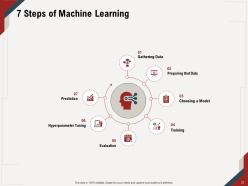
Slide 22: This slide highlights 7 Steps of Machine Learning.
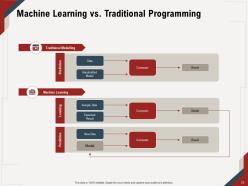
Slide 23: This slide compares Machine Learning with Traditional Programming
Slide 24: This slide describes How does Machine Learning Work?
Slide 25: This slide shows Machine Learning Algorithms.
Slide 26: This slide shows Machine Learning Use Cases.
Slide 27: This slide describes How to Choose Machine Learning Algorithm
Slide 28: This slide showcases Why use Decision Tree Machine Learning Algorithm?
Slide 29: This slide describes Challenges and Limitations of Machine learning.
Slide 30: This slide shows Application of Machine Learning
Slide 31: This slide describes Why is Machine Learning Important?
Slide 32: This slide showcases Deep Learning.
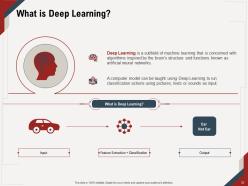
Slide 33: This slide describes What is Deep Learning?
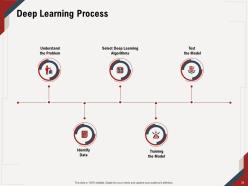
Slide 34: This slide explains Deep Learning Process
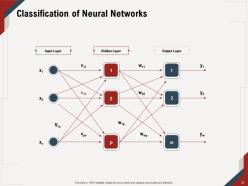
Slide 35: This slide describes Classification of Neural Networks
Slide 36: This slide showcases Types of Deep Learning Networks
Slide 37: This slide represents Feed-forward Neural Networks
Slide 38: This slide presents Recurrent Neural Networks (RNNs)
Slide 39: This slide shows Convolutional Neural Networks (CNN)
Slide 40: This slide shows Reinforcement Learning
Slide 41: This slide displays Examples of Deep Learning Applications
Slide 42: This slide explains Why is Deep Learning Important?
Slide 43: This slide presents Limitations of Deep Learning
Slide 44: This slide shows Difference between AI vs ML vs DL
Slide 45: This slide shows Difference between AI vs ML vs DL
Slide 46: This slide explains AI.
Slide 47: This slide explains ML. Machine Learning is a type of AI that enables machines to learn from data and deliver predictive models.
Slide 48: This slide explains Deep Learning.
Slide 49: This slide shows Machine Learning Process
Slide 50: This slide presents Deep Learning Process
Slide 51: This slide depicts Difference between Machine Learning and Deep Learning
Slide 52: This slide shows Which is better to start AI,ML or DL?
Slide 53: This slide shows Supervised Machine Learning
Slide 54: This slide displays Types of Machine Learning.
Slide 55: This slide explains What is Supervised Machine Learning?
Slide 56: This slide explains How Supervised Machine Learning works
Slide 57: This slide shows Types of Supervised Machine Learning Algorithms
Slide 58: This slide presents Supervised vs. Unsupervised Machine Learning Techniques
Slide 59: This slide displays Advantages of Supervised Learning
Slide 60: This slide shows Disadvantages of Supervised Learning
Slide 61: This slide shows Unsupervised Machine Learning
Slide 62: This slide explains Unsupervised Learning.
Slide 63: This slide explains How Unsupervised Machine Learning works
Slide 64: This slide explains Types of Unsupervised Learning
Slide 65: This slide shows Disadvantages of Unsupervised Learning
Slide 66: This slide depicts Reinforcement learning
Slide 67: This slide explains What is Reinforcement Learning?
Slide 68: This slide explains How Reinforcement Learning Works?
Slide 69: This slide depicts Types of Reinforcement Learning
Slide 70: This slide shows Disadvantage of Reinforcement Learning
Slide 71: This slide presents Back Propagation Neural Network in AI
Slide 72: This slide shows Back Propagation Neural Network in AI
Slide 73: This slide explains Artificial Neural Networks.
Slide 74: This slide describes Backpropagation Neural Networking
Slide 75: This slide explains Why We Need Backpropagation?
Slide 76: This slide explains Feed Forward Network.
Slide 77: This slide shows Types of Backpropagation Networks
Slide 78: This slide shows Best Practice Backpropagation
Slide 79: This slide shows Expert System in Artificial Intelligence
Slide 80: This slide depicts Types of Deep Learning Networks
Slide 81: This slide presents Examples of Expert Systems
Slide 82: This slide describes Characteristic of Expert System
Slide 83: This slide explains Components of the Expert System
Slide 84: This slide shows Conventional System vs. Expert System
Slide 85: This slide shows Human Expert vs. Expert System
Slide 86: This slide shows Benefits of Expert Systems
Slide 87: This slide explains Limitations of the Expert System
Slide 88: This slide explains Applications of Expert Systems
Slide 89: This is Artificial Intelligence PowerPoint Presentation Complete Icons Slide
Slide 90: This slide is titled as Additional Slides for moving forward.
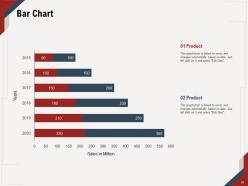
Slide 91: This slide displays Bar Chart for comparison of products.
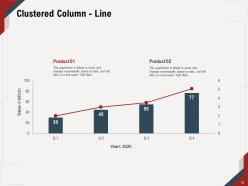
Slide 92: This slide displays Clustered Column - Line chart for comparison of products.
Slide 93: This slide displays Agenda
Slide 94: This is Idea Generation slide to highlight important ideas and facts.
Slide 95: This slide displays Venn
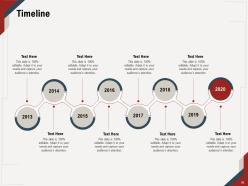
Slide 96: This slide shows Timeline process.
Slide 97: This slide is titled as Post It Notes. Post your important notes.
Slide 98: This slide shows Puzzle
Slide 99: This is Thank You slide with Contact details.
Artificial intelligence powerpoint presentation slide template complete deck with all 99 slides:
Use our Artificial Intelligence Powerpoint Presentation Slide Template Complete Deck to effectively help you save your valuable time. They are readymade to fit into any presentation structure.
-
Artificial Intelligence PowerPoint Presentation Slide Template
-
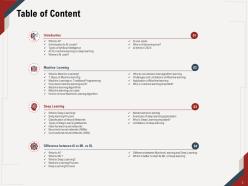
Table of Content
-
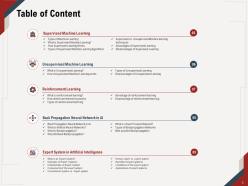
Table of Content
-
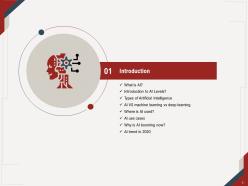
Introduction to Artificial Intelligence
-
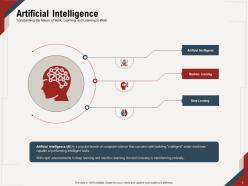
Artificial Intelligence
-
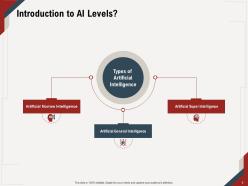
Introduction to AI Levels
-
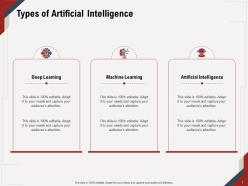
Types of Artificial Intelligence
-
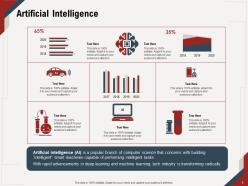
Artificial Intelligence
-
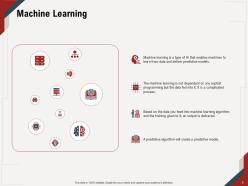
Machine Learning
-
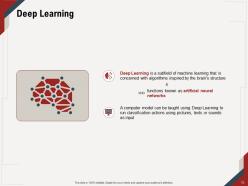
Deep Learning
-
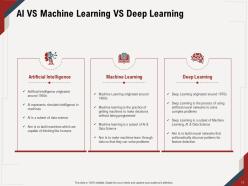
AI VS Machine Learning VS Deep Learning
-
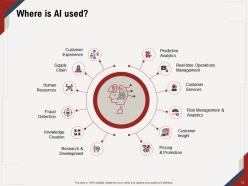
Where is AI used
-
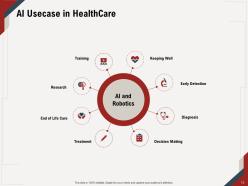
AI Use Case in HealthCare
-
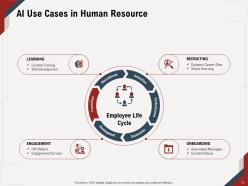
AI Use Cases in Human Resource
-
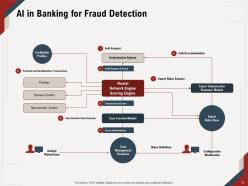
AI in Banking for Fraud Detection
-
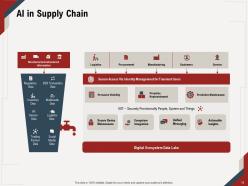
AI in Supply Chain
-
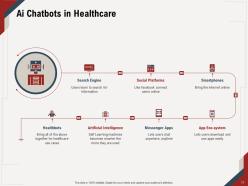
AI Chatbots in Healthcare
-
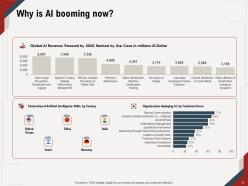
Why is AI booming now
-
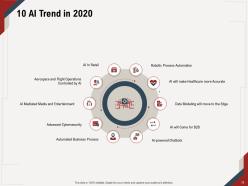
10 AI Trend in 2020
-
Machine Learning
-
Machine Learning
-
7 Steps of Machine Learning
-
Machine Learning vs Traditional Programming
-
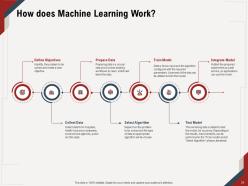
How does Machine Learning Work
-
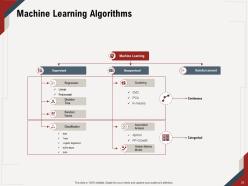
Machine Learning Algorithms
-
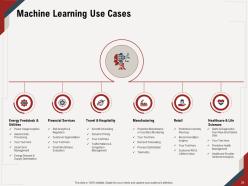
Machine Learning Use Cases
-
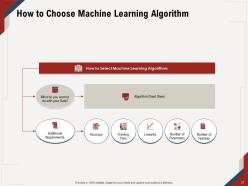
How to Choose Machine Learning Algorithm
-
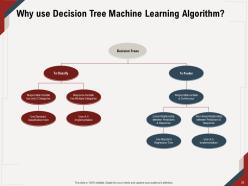
Why use Decision Tree Machine Learning Algorithm
-
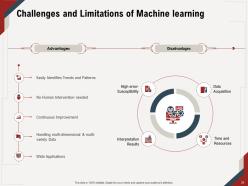
Challenges and Limitations of Machine Learning
-
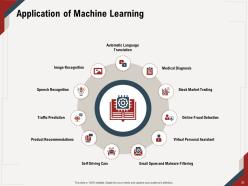
Application of Machine Learning
-
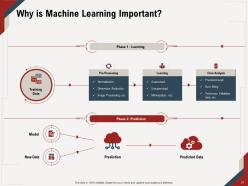
Why is Machine Learning Important
-
Deep Learning
-
What is Deep Learning
-
Deep Learning Process
-
Classification of Neural Networks
-
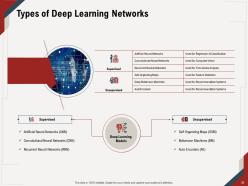
Types of Deep Learning Networks
-
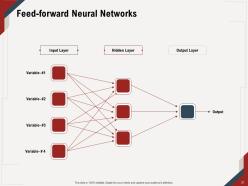
Feed forward Neural Networks
-
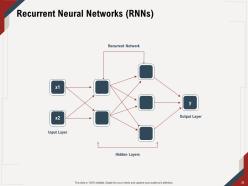
Recurrent Neural Networks RNNs
-
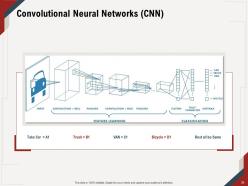
Convolutional Neural Networks CNN
-
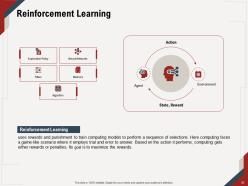
Reinforcement Learning
-
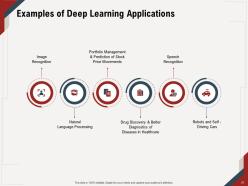
Examples of Deep Learning Applications
-
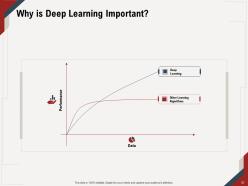
Why is Deep Learning Important
-
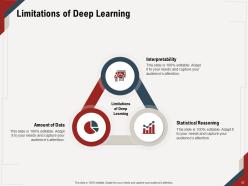
Limitations of Deep Learning
-
Difference between AI vs ML vs DL
-
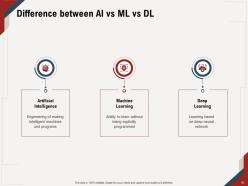
Difference between AI vs ML vs DL
-
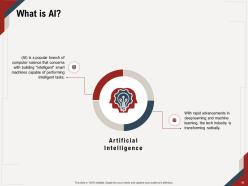
What is AI
-
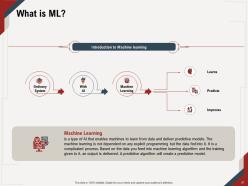
Introduction to Machine Learning
-
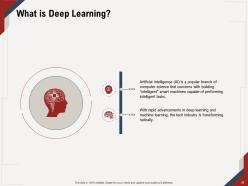
What is Deep Learning
-
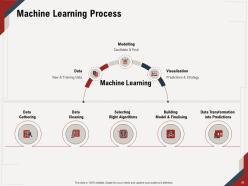
Machine Learning Process
-
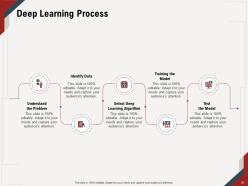
Deep Learning Process
-
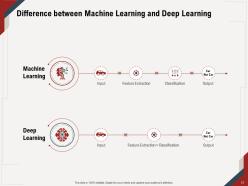
Difference between Machine Learning and Deep Learning
-
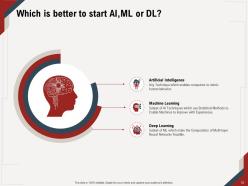
Which is better to start AI ML or DL
-
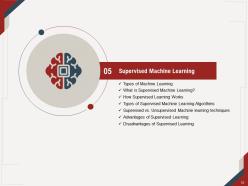
Supervised Machine Learning
-
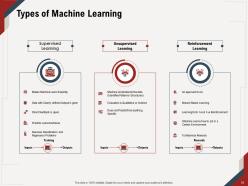
Types of Machine Learning
-
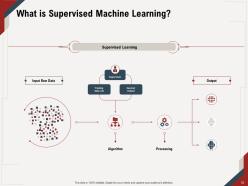
What is Supervised Machine Learning
-
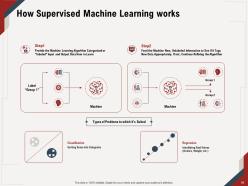
How Supervised Machine Learning works
-
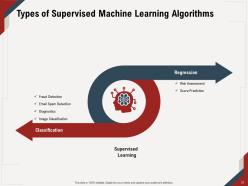
Types of Supervised Machine Learning Algorithms
-
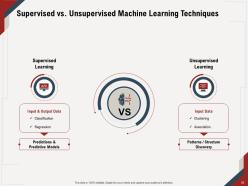
Supervised vs Unsupervised Machine Learning Techniques
-
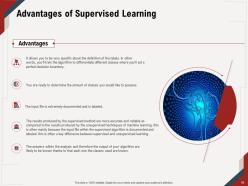
Advantages of Supervised Learning
-
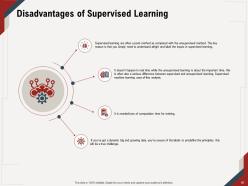
Disadvantages of Supervised Learning
-
Unsupervised Machine Learning
-
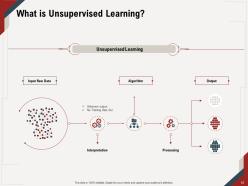
What is Unsupervised Learning
-
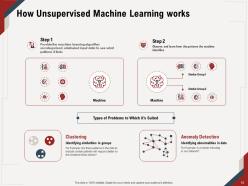
How Unsupervised Machine Learning works
-
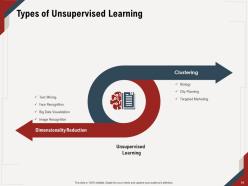
Types of Unsupervised Learning
-
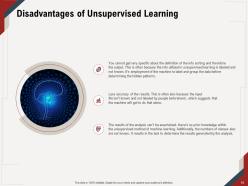
Disadvantages of Unsupervised Learning
-
Reinforcement learning
-
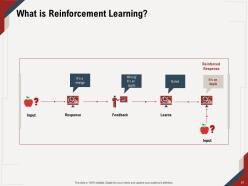
What is Reinforcement Learning
-
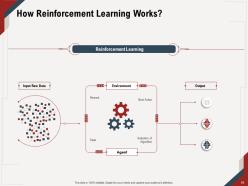
How Reinforcement Learning Works
-
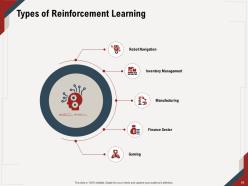
Types of Reinforcement Learning
-
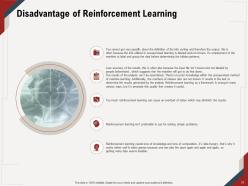
Disadvantage of Reinforcement Learning
-
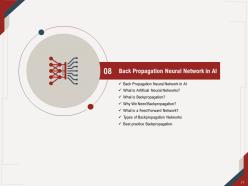
Back Propagation Neural Network in AI
-
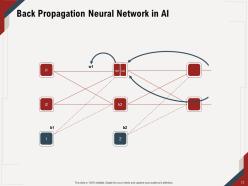
Back Propagation Neural Network in AI
-
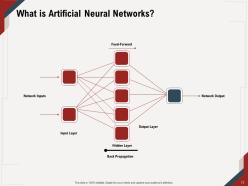
What is Artificial Neural Networks
-
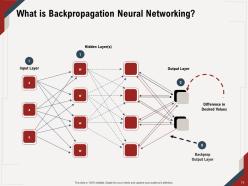
What is Backpropagation Neural Networking
-
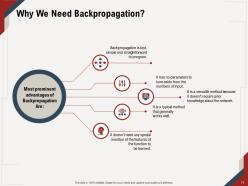
Why We Need Backpropagation
-
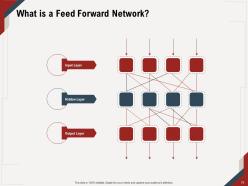
What is a Feed Forward Network
-
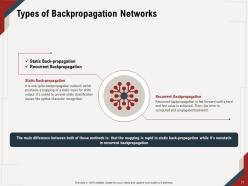
Types of Backpropagation Networks
-
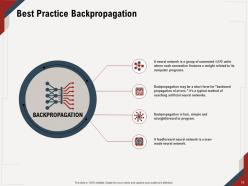
Best Practice Backpropagation
-
Expert System in Artificial Intelligence
-
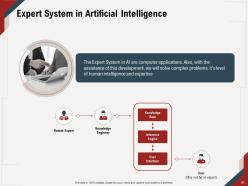
Expert System in Artificial Intelligence
-
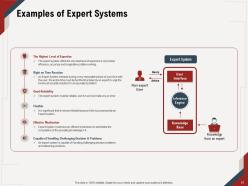
Examples of Expert Systems
-
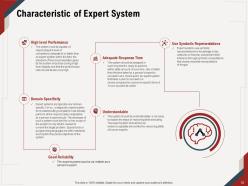
Characteristic of Expert System
-
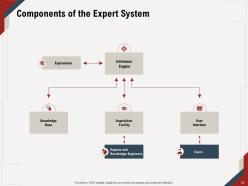
Components of the Expert System
-
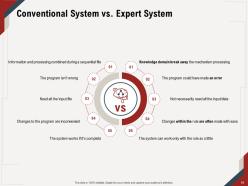
Conventional System vs Expert System
-
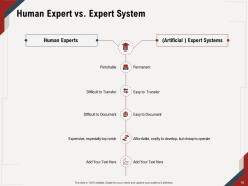
Human Expert vs Expert System
-
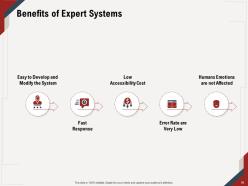
Benefits of Expert Systems
-
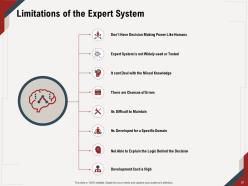
Limitations of the Expert System
-
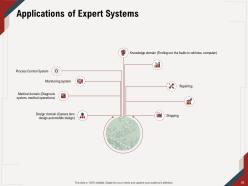
Applications of Expert Systems
-
Artificial Intelligence PowerPoint Presentation Slide Template Icons Slide
-
Additional Slides
-
Bar Chart
-
Clustered Column Line
-

Our Agenda
-
Idea Generation
-
Venn
-
Timeline
-
Post It Notes
-
Puzzle
-

Thank You
FAQs for Artificial intelligence powerpoint presentation slide
Honestly, bias is probably the scariest one - if your training data sucks, you'll just automate discrimination. Privacy's a mess too since these things hoover up personal info like crazy. People hate black box decisions (can't blame them), so transparency matters. Job displacement is obviously on everyone's mind, though that's more long-term. Oh, and as AI gets more capable, there's this whole safety question about keeping it under control. My advice? Start by actually looking at where your data comes from - most people skip that step but it's crucial. Build in ways to explain decisions from the beginning too.
Dude, AI can crunch through data way faster than we ever could and catch patterns we'd totally miss. It's crazy good at predicting stuff - market trends, what customers will do, supply chain problems before they blow up. The accuracy is honestly getting scary good. You can run different scenarios and see how things might play out, which beats guessing. Plus it cuts out human bias since it just looks at the numbers. Oh, and it removes that whole "going with your gut" thing that sometimes backfires. I'd say start small though - test it on one decision process first, see how it goes.
So machine learning is basically what's pushing AI forward these days. Instead of coding every scenario manually, systems just learn patterns from data and get better over time. It's everywhere now – Netflix recommendations, ChatGPT, even medical diagnosis tools. What's crazy is they keep improving without rebuilding everything from scratch. More data means smarter systems. If you're planning any AI stuff, I'd honestly just use existing ML frameworks rather than starting fresh. Way easier than the old rule-based approach we used before. Trust me on that one.
Dude, AI is changing everything in healthcare and finance right now. Doctors are using it to spot diseases in scans way faster than before. It can even predict which patients might get worse. Finance is crazy - banks catch fraud instantly and those trading algorithms are insane. Oh, and drug discovery too, which is honestly pretty cool when you think about it. Both industries deal with tons of data that would take humans forever to sort through. If you're working with either sector, you'd be smart to check out what AI tools could do for you.
Yeah, AI's definitely gonna wipe out a bunch of routine jobs - think data entry, basic customer service, some factory work. But honestly? It's also opening up tons of new roles in AI development and data analysis. Jobs requiring creativity and emotional intelligence are way harder to automate, so those are safer bets. The manufacturing thing always gets me though - we've seen this before with other tech revolutions. Anyway, I'd focus on whatever makes you uniquely human in your current job. Stay curious, keep learning new skills. Don't panic, but don't ignore it either.
Honestly, governance policies are your first move - gotta define what's okay and what isn't for AI use. Regular bias checks are crucial because this tech can get weird real quick if nobody's paying attention. Don't just let your engineers handle everything; get diverse voices involved in reviewing decisions. Oh, and people deserve to know when they're talking to a bot instead of a human. Set up clear accountability too so there's always someone who owns the outcome. I know it sounds like a lot, but think of it like any major business risk and build the right safety nets.
Multimodal AI is the big one - basically ChatGPT that can see and make videos too. AI agents are finally getting good at handling complex stuff on their own. Edge AI runs right on your phone so your data stays private, which is nice. The code generation tools are honestly getting a bit scary good lately - I probably use them way too much now lol. Scientific breakthroughs are happening fast with drug discovery and climate research. Just start playing around with this stuff in small ways. Seriously, it's gonna change how we work way sooner than most people realize.
So basically, whatever biases are in your training data will show up in your AI's outputs. The algorithm just learns from what you feed it. Got hiring data that's historically biased against women? Your AI will pick that up and keep doing it. Same with facial recognition - it sucks at recognizing darker skin tones because the training sets were mostly lighter faces. Honestly, it's like learning history from biased textbooks and then wondering why your worldview is skewed. You really need to audit your data beforehand and test how it performs across different groups. Otherwise you're just automating discrimination.
Oh man, this stuff keeps me up at night sometimes. Hackers can mess with AI training data or feed it bogus inputs to make it screw up completely. Power grids and water systems are huge targets because one bad AI decision can spiral out of control before anyone notices. The speed is what gets me - these systems react so fast that damage spreads before human operators can step in. You definitely want solid monitoring and input checks. And seriously, don't let AI make the really critical calls without a human double-checking first.
Honestly, you've got a better shot than you think. Big companies are stuck in endless approval processes while you can just pick up ChatGPT and start cranking out content today. Customer service bots, social media scheduling - this stuff used to cost企业 massive budgets but now it's like $20/month. Here's what I'd do: grab the task that eats most of your time and throw some AI at it. Don't overthink it. You'll move way faster than those corporate giants who need three committees to change their chatbot's greeting. That agility thing isn't just consultant speak - it's your actual superpower here. Just pick something this week and mess around with it.
Look, don't go crazy and try to automate everything at once - that's how companies mess this up. Pick some smaller, low-stakes areas to experiment first. Map what you're doing now, then figure out where AI actually solves real problems (not just because it sounds fancy). Your team's gonna push back initially, which is totally normal. Train them properly though. I'd focus on making people's jobs easier rather than cutting heads - way less drama that way. Oh, and actually track if this stuff is working. Half the time these projects sound amazing on paper but flop in reality.
So explainable AI is basically the opposite of those black-box algorithms that just spit out answers without telling you why. You get to see which data points actually influenced the decision - like having someone walk you through their thinking instead of just going "trust me on this." It's honestly game-changing for stuff like healthcare or finance where you can't just wing it with mysterious AI verdicts. People are way more likely to actually use your system when they understand what's happening under the hood. Makes sense, right?
Oh man, context is still the biggest nightmare. Like, AI just can't pick up on sarcasm or when you're being ironic - it's honestly kind of funny sometimes. Long conversations? Forget about it, the models lose track halfway through. Plus there's all this bias baked into the training data which is... yikes. Ambiguous words mess them up too since they can't figure out which meaning you actually want. If you're building anything NLP-related, definitely test it with weird edge cases and make sure your data's diverse. Trust me on that one.
Dude, AI is completely changing how companies do personalized marketing. It crunches tons of customer data to figure out what people actually want to buy. Netflix recommendations? Those creepy Instagram ads for stuff you literally just thought about? That's all AI at work. Companies can segment audiences way better now, plus automate email campaigns and tweak website content based on how users browse. Oh and Amazon's "you might like" section - I swear it reads my mind sometimes. If you're not using AI tools for marketing yet, you're honestly behind the curve.
So narrow AI is everywhere right now - thinks like face recognition, Netflix suggestions, that stuff. Super good at one thing but totally useless at anything else. General AI would be more like human intelligence that can actually learn new things and adapt. Doesn't exist yet though. They both use machine learning but honestly general AI is still pretty much sci-fi territory. Think of narrow AI as this really smart hammer that's incredible at hitting nails. General AI would be having an entire toolbox. For your work stuff, I'd just focus on narrow AI since that's what you can actually use today.
-
Easily Editable.
-
Top Quality presentations that are easily editable.
-
Awesome use of colors and designs in product templates.
-
Excellent Designs.
-
Easy to edit slides with easy to understand instructions.