


First in first out powerpoint presentation slides




Try Before you Buy Download Free Sample Product
 Impress Your
 Audience
 100%
100% Editable
 Save Hours
 of Time


Jump on the bandwagon with our First In First Out Powerpoint Presentation Slides. They will sing an ode to your success.
People who downloaded this PowerPoint presentation also viewed the following :
First in first out powerpoint presentation slides with all 21 slides:
Make your presentation stand out. With a nearly limitless selection our First In First Out Powerpoint Presentation Slides are aimed at every presentation need.


FAQs for First in first out
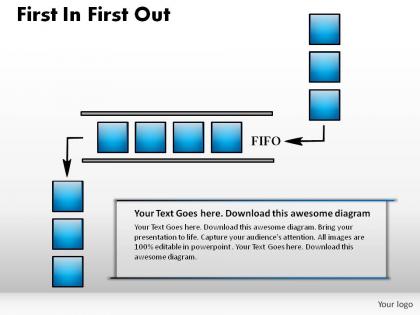
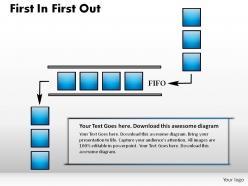
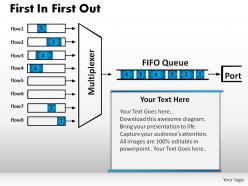
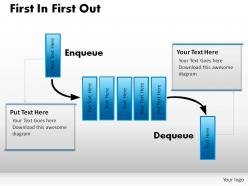
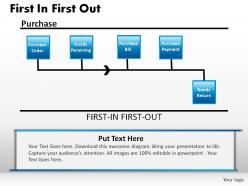
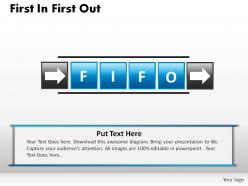
FIFO basically means selling your oldest stuff first - like grabbing milk that expires soonest. You match your sold items with the oldest purchase prices, so your leftover inventory shows recent costs on the balance sheet. Super handy when prices are going up because your cost of goods sold uses those older, cheaper numbers while inventory stays current. Honestly, it's just common sense but also legally required in tons of places. Oh, and definitely organize your warehouse so old stock moves first - makes the whole tracking thing way less of a headache later.
So FIFO matches your old, cheap inventory costs against current sales, which pumps up your gross margins during inflation. Looks amazing on paper! But here's the kicker - you'll get hit with way more taxes since your profits appear higher. Your balance sheet shows inventory closer to market value though, which investors love. LIFO would save you cash on taxes but make your margins look worse. Honestly, it's one of those annoying trade-offs where looking profitable costs you actual money upfront. Really depends on whether you need to impress people or preserve cash flow.
FIFO's perfect for food, pharma, and retail - anywhere stuff expires. Food places need it for safety regulations and to avoid serving old milk while fresh sits in back (gross). Pharmacies can't have meds expiring on shelves. Most retailers use it too since it cuts waste. Honestly, I think any business dealing with perishables should just default to FIFO. You'll save money on spoilage and keep customers happy. Makes sense when you think about it - oldest stuff goes out first, newest stays fresh longer.
Set your system to auto-assign timestamps when stuff comes in, then configure it to pull oldest items first for orders. Most inventory software already has FIFO built in - just gotta turn it on (you'd be shocked how many people skip this step). Your receiving needs to capture actual dates, and picking has to follow those dates. Run reports regularly to spot anything that's not rotating right. Oh, and definitely audit your oldest stock first to see where you're starting from - that'll give you a baseline to work with.
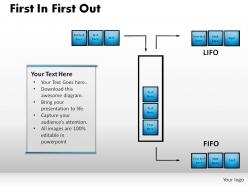
Honestly? FIFO just makes way more sense most of the time. You're processing stuff in order, so nothing gets buried forever at the bottom. LIFO can be a nightmare - newer things keep shoving old ones down the stack. Think about it like customer service or payment processing. People expect first-come, first-served, right? Plus your memory access patterns stay cleaner with FIFO. I mean, unless you've got some specific reason to do otherwise, I'd go with FIFO by default. Way less headaches down the road.
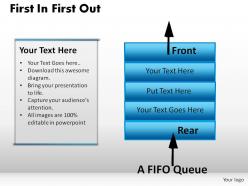
FIFO is basically using your oldest stock first - super important for anything that goes bad. You know how grocery stores put new milk in the back? Same idea. New shipments go behind the old stuff, and you always sell from the front. Otherwise you're stuck with spoiled products, which honestly would tank your reputation pretty fast. The key is setting up your storage so it flows naturally - like, your team shouldn't have to think too hard about which items to grab first. Train everyone to always pull from that designated front section and you'll cut way down on waste.
Yeah, so the biggest issue with FIFO is your balance sheet ends up looking weird when prices keep going up. You're stuck with old, cheap costs in your COGS but your inventory shows the newer expensive stuff. Makes your profits look way better than they actually are, which honestly can bite you later when stakeholders expect those numbers to keep up. Your taxes will be higher too since you're showing inflated profits. If prices in your industry swing around a lot, FIFO might not even make sense - could be worth looking at other methods that actually match how your business works.
Dude, you definitely need good inventory software for this - tracking everything manually is pure hell. Get something that automatically does FIFO for you. Train your team so they actually get it, otherwise they'll just grab whatever's easiest to reach. Do regular checks to make sure old stuff is really moving first. Set up alerts when inventory's been sitting around too long - that's saved my butt more than once. Document everything because auditors love their paper trails. Honestly, just build FIFO checks into your regular reviews and you'll be fine.
FIFO saves you from drowning in expired stuff - trust me on this one. Your oldest inventory moves first, which cuts waste big time. Fresh products stay fresh, and you're not stuck with outdated tech that's worth pennies. You'll actually see what's selling vs what's just collecting dust. Cost tracking gets way more accurate too since you're using real product costs. Just date everything when it comes in and train your people to grab the old stuff first. Honestly, it's pretty straightforward once everyone gets the hang of it.
So FIFO basically uses your oldest inventory costs first when you sell stuff. Rising material prices? Your cost of goods sold stays lower initially because you're burning through that cheaper old stock. Makes your margins look pretty sweet for a while - honestly, accounting can be kinda weird like that. But your remaining inventory on the books gets valued at those newer, pricier costs. You'll see better P&L numbers short-term, though your balance sheet inventory value jumps up. Definitely worth tracking both sides when you're planning budgets and stuff.
Honestly, tech makes FIFO so much simpler. Get some barcode scanners - they'll automatically track when stuff comes in and goes out, no more manual date checking mistakes. Your inventory software shows you exactly how old everything is in real-time. It'll even alert you when things are about to expire, which is clutch. Some systems create picking lists that put older stock first automatically. Pretty cool, right? Your warehouse guys can use mobile apps to scan items and see all the FIFO info right on their phones. If you're still doing everything manually, just start with basic barcode scanning first.
Honestly, skip the classroom stuff and just walk them through the warehouse. Show them how to read date codes and organize by arrival dates - way more effective than PowerPoint slides. Role-play the messy situations too, like when someone finds expired products mixed with fresh ones (trust me, it happens constantly). The whole team needs to get WHY FIFO matters, not just memorize steps. Short sentences work better for training. Set up quick refreshers every few weeks and do random spot-checks. Really though, it's all about repetition and having clear visual systems so it becomes second nature.
Space constraints are probably your biggest headache - warehouses just aren't designed for proper rotation half the time. Staff will forget FIFO protocols constantly, which is maddening but happens everywhere. Your WMS needs to actually track lot dates properly or you're flying blind. Peak season makes everything worse since everyone's rushing. Product damage during rotation is inevitable too, especially with awkward dimensions. Oh, and if your labeling system sucks, good luck getting anyone to follow procedures. Start with training and clear labels - that'll solve like 70% of your problems right there.
Yeah, just run FIFO separately for each product type instead of mixing everything together. Your phone cases don't need the same rotation as protein powder - that'd be weird, right? Electronics can sit longer than perishables obviously. I'd start with whatever expires first or costs the most, then expand from there. Set up different queues in your system and let it track arrival dates automatically. Fashion stuff is tricky because seasons matter more than age sometimes. But honestly, once you get the high-risk categories sorted, the rest falls into place pretty easily.
Track inventory turnover first - that's your bread and butter metric. Higher turnover means you're moving stock fast, which is good. Then watch stockout frequency so you know if FIFO is keeping shelves stocked without creating shortages. The expiration/spoilage rate is honestly the main reason most people do FIFO anyway. Don't forget carrying costs and warehouse stuff like how long picks take. Oh, and definitely establish baselines before you start - otherwise you won't know if you're actually improving anything. Check these monthly and you'll see what's working.
-
Illustrative design with editable content. Exceptional value for money. Highly pleased with the product.
-
Commendable slides with attractive designs. Extremely pleased with the fact that they are easy to modify. Great work!