

Five phases of project management powerpoint ppt template bundles




Try Before you Buy Download Free Sample Product
 Impress Your
 Audience
 100%
100% Editable
 Save Hours
 of Time


Our Five Phases Of Project Management Powerpoint Ppt Template Bundles are topically designed to provide an attractive backdrop to any subject. Use them to look like a presentation pro.
People who downloaded this PowerPoint presentation also viewed the following :
Five phases of project management powerpoint ppt template bundles with all 18 slides:
Use our Five Phases Of Project Management Powerpoint Ppt Template Bundles to effectively help you save your valuable time. They are readymade to fit into any presentation structure.






FAQs for Five phases of project management powerpoint
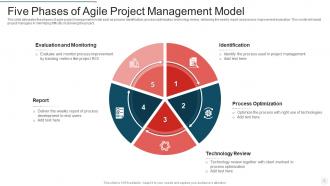
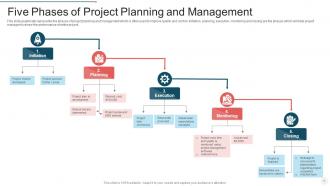
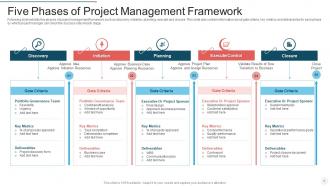
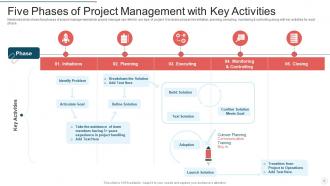
So each phase has stuff you gotta get done. Project charter and stakeholder register happen during initiation. Planning's brutal but necessary - that's your scope, WBS, timeline, budget, risk register. Execution is messy (like I warned you!) but you'll get your actual deliverables plus status reports. Oh, and change requests... lots of those. Monitoring gives you performance reports and approved changes. Closing wraps everything up with final deliverables and lessons learned. Seriously, don't blow off that lessons learned doc - you'll hate yourself later when you're doing something similar and can't remember what went wrong.
So basically, each project phase needs totally different communication vibes. You'll spend initiation doing tons of stakeholder alignment - getting everyone on the same page about expectations. Planning gets super technical with your team, and honestly? This is where things usually fall apart if you're not paying attention. Once you hit execution, it's all rapid-fire status updates and putting out fires. Monitoring means constantly reporting progress and handling changes as they pop up. Then closure is about capturing lessons learned and doing formal handoffs. The trick is just matching how much and what type of communication each phase actually demands.
Honestly, just stick with the basics for real-time stuff. Slack or Teams for quick messages and check-ins. Then grab something like Asana or Trello to track who's doing what and when it's due. Google Workspace is clutch for editing docs together - way better than emailing files back and forth like it's 2005. You'll need Zoom for actual face-to-face convos too. But seriously, don't go overboard picking tools. Two or three max, otherwise everyone gets confused jumping between a million different apps.
So basically you start by figuring out what could go wrong and how likely it is. Then during planning you map out how you'll handle stuff when it hits. Execution gets messy - that's where you're actually dealing with problems as they come up (and oh boy, they always do). You'll spend a lot of time checking if your fixes are working. At the end, write down what you learned so you don't make the same mistakes twice. Honestly, just start that risk list early and keep updating it. Don't let it sit there gathering digital dust.
Dude, stakeholders will literally make or break your project at every step. You need their buy-in right from the start to nail down scope and goals. Planning phase? Their input saves you from those "oh wait, we actually needed THIS" moments later. During execution, keep talking to them regularly or watch scope creep destroy your timeline - I've seen it happen too many times. Their feedback during monitoring helps spot problems early. And never, ever try closing without getting their official sign-off first. Honestly, the trick is figuring out who needs to be looped in when, not just inviting everyone to everything.
Focus on the big four: schedule variance (running late?), cost variance (blowing the budget?), scope creep, and quality stuff like defect rates. Seriously though, don't be that PM who tracks literally everything - I worked with one guy who had like 47 different metrics. Total nightmare. Just pick what actually moves the needle for your project. Weekly dashboard updates are your friend here. You'll catch problems while they're still manageable instead of when everything's on fire. Keep it simple and you won't drown in spreadsheets.
Honestly, you gotta bake check-ins into every phase from day one. Revisit your project charter at each stage - I can't tell you how many times I've watched teams completely lose sight of what they're supposed to be doing. Weekly status meetings, dashboards, even just a simple email update works. The trick is making it routine, not something you remember to do when things go sideways. Also, keep those objectives visible to everyone on the team. Make alignment automatic, not accidental. Trust me, set up these touchpoints now and actually stick to them.
Look, documentation is basically your receipt for each project phase - without it, you can't prove what actually got done or what decisions were made. Stakeholders need that paper trail before they'll sign off on moving forward. Plus the next team will thank you for having solid reference material instead of trying to piece together what happened. Honestly, most people wing this part and regret it later. Create a simple checklist of required docs for each transition and actually stick to it. Trust me, it'll save you so many headaches down the road.
Honestly, whatever you learn from each phase should totally guide your next steps. Like if planning showed your stakeholder communication was a mess, build better check-ins into execution. Timeline too aggressive during execution? Adjust your monitoring and future planning accordingly - we've all been there. The trick is writing this stuff down as it happens, not scrambling to remember later. I keep a running log throughout the project so I can actually use those insights right away. Trust me, your future self will thank you when you're not repeating the same mistakes.
Ugh, the worst mistakes? Don't underestimate how long stuff actually takes - seriously, double whatever timeline you're thinking. Also skip getting input from stakeholders and you're basically asking for drama later. Scope creep will absolutely murder your project too. People always go "oh just add this tiny thing" and suddenly you're drowning. I learned this the hard way honestly. Check if your team actually knows how to do what you need them to do - sounds obvious but you'd be surprised. Set clear success criteria upfront or you'll be arguing about whether you "won" forever. Dependencies between tasks? Yeah, those always bite you.
Yeah, you don't have to scrap everything! Start by breaking your project into sprints during planning - get stakeholders involved in writing user stories too. Execution is where it gets fun though. Daily standups are clutch, and you'll want to iterate fast instead of being married to your original plan. I'd mix burn-down charts with whatever traditional metrics you're already tracking. Short cycles, adapt based on feedback, all that good stuff. Most PMs are doing some frankenstein version of this anyway - honestly it's kinda the norm now. Just keep that flexibility mindset while still nailing your big milestones.
Honestly, you've gotta set up change control from day one and actually stick to it. Document every single request - even the "tiny" ones that stakeholders swear won't take long (they're always lying to themselves about this). Get impact assessments done and formal sign-offs before you touch anything. Regular check-ins help you spot scope creep before it gets out of hand. Don't be scared to push back either. I learned this the hard way on a project that went completely sideways because I was too nice about "small tweaks." Paper trail everything and make it crystal clear that changes = more time and money.
Honestly, culture affects every single phase but in different ways. Some teams need tons of relationship stuff upfront before any real work happens - others just want to get going. The planning part gets weird because certain cultures won't directly tell you when something's wrong, so you're basically guessing. Execution is brutal for communication styles (trust me, found that out during a nightmare global project). Oh and the closing phase? People celebrate wins totally differently. I'd say figure out your team's cultural quirks early and just roll with adapting your approach.
Honestly, there's a bunch of ways to go about this. PMI's got solid phase-specific courses, and their PMP cert covers all five phases pretty thoroughly. Coursera, LinkedIn Learning, Udemy - they all have targeted stuff for initiation, planning, execution, monitoring, closing. But here's the thing: combining formal training with actual hands-on work is where you'll really get somewhere. Theory alone just doesn't cut it, you know? Oh, and definitely check if your company covers training costs first - mine did and I had no idea for like two years. Figure out which phase trips you up most, then mix structured courses with some practical workshops that fit how your brain works.
Honestly, the best thing you can do is automate those handoffs between project phases. Tools like Asana or Monday will automatically ping people when milestones hit and update your dashboards without you babysitting everything. Cloud storage is a lifesaver too - no more "wait, are we using version 3 or 5?" headaches. The trick is making sure your tools actually connect to each other instead of creating more mess to juggle. I'd start by looking at where you're doing manual handoffs now and see what you can automate. Integration tools help requirements flow from start to finish, which honestly saves so much time.
-
Excellent work done on template design and graphics.
-
Graphics are very appealing to eyes.