


Fmcg cross selling powerpoint presentation slides




Try Before you Buy Download Free Sample Product
 Impress Your
 Audience
 100%
100% Editable
 Save Hours
 of Time


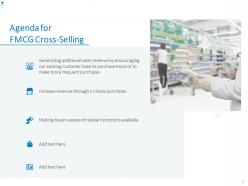
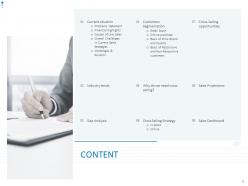
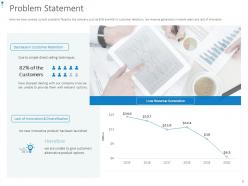
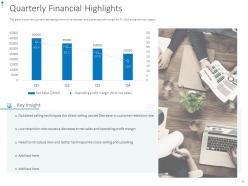
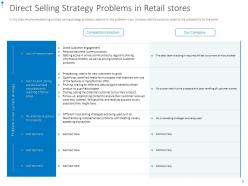
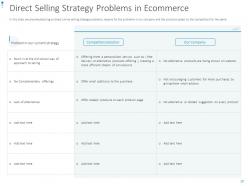
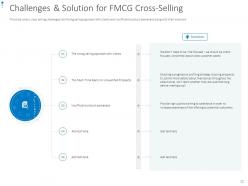
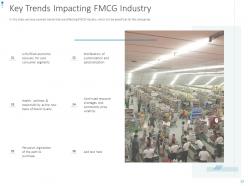
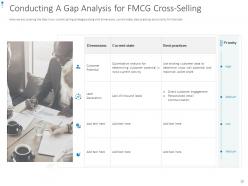
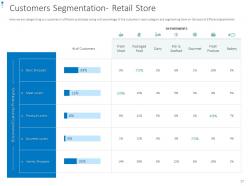
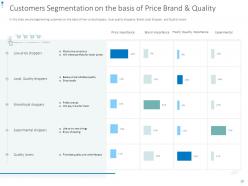
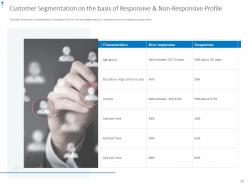
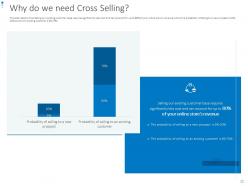
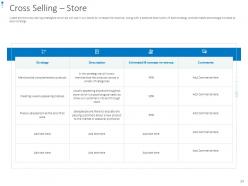
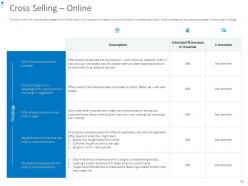
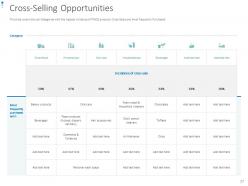
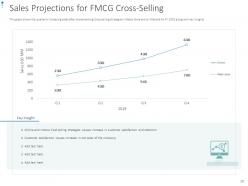
Identify new markets and customer leads with the aid of our professionally designed FMCG Cross-Selling PowerPoint Presentation Slides. Discuss the challenges and solutions of FMCG cross-selling such as wrong selling techniques and insufficient product awareness etc. by using B2B cross-selling PPT slideshow. Take advantage of the cross-selling retail PowerPoint templates to showcase key trends affecting the FMCG industry. The upselling and cross-selling techniques PowerPoint complete deck includes various topic-specific slides that help you to create an impressive cross-selling strategy for your business. Utilize the upselling in retail industry PPT slides to categorize your customers in different prototypes along with the percentage of customers in each category. You can also use the fast-moving consumer goods cross-selling PPT graphics to demonstrate the growth in quarterly sales. Implement cross-selling techniques and provide insights. Thus, download the sales strategy for FMCG products to determine sales projections. Enjoy a frolic with our FMCG Cross-Selling Powerpoint Presentation Slides. Every experience will be full of fun.
People who downloaded this PowerPoint presentation also viewed the following :
Fmcg cross selling powerpoint presentation slides with all 45 slides:
Use our FMCG Cross Selling Powerpoint Presentation Slides to effectively help you save your valuable time. They are readymade to fit into any presentation structure.











FAQs for Fmcg cross selling
Look at your sales data first - that's where the gold is. Bundle stuff that makes sense together, like pasta and sauce or chips with dip. Sounds basic but you'd be shocked how many people skip this step. Target different customer groups based on their buying habits, then work with retailers on smart shelf placement. Point-of-sale displays work great too. The trick is making it feel natural, not like you're being all salesy about it. Oh, and train the retail staff - they're the ones actually talking to customers. Start small with the obvious opportunities and build from there.
Dude, data analytics is like having x-ray vision for sales opportunities. Look at your transaction data first - you'll find crazy patterns of what people buy together. I was shocked when I saw how predictable some combos are. Then you can figure out timing - like when someone's probably ready for that next purchase. Customer segmentation is where it gets really useful though. Group people by how they shop and target each group differently. Honestly, just start with the obvious product pairings and work from there. The patterns jump out once you actually dig into the numbers.
Look, you gotta segment your customers if you want cross-selling to actually work in FMCG. Random product suggestions are basically useless. Dig into your sales data and group people by what they're already buying, their age, shopping habits - whatever makes sense. Families with little kids? Perfect for pairing snacks with lunch stuff. I mean, it's pretty obvious when you think about it. The trick is creating targeted recommendations for each segment instead of throwing everything at the wall. Start with your biggest customer groups and figure out which products naturally go together for them.
Honestly, brand loyalty is like your secret weapon for cross-selling. Once people trust you, they'll try your other stuff without much hassle. Like if I'm obsessed with Dove soap, I'm definitely gonna try their shampoo too, you know? You can bundle related products together or run special promos just for your existing customers. Smart shelf placement helps too - put complementary items near each other. The trick is figuring out how your loyal customers already shop, then introducing products that actually make sense for their routine. I'd start with your most devoted buyers first and test different offers with them.
Honestly, data fragmentation will be your biggest headache - customer info scattered everywhere makes spotting real opportunities nearly impossible. Inventory coordination is brutal too. You'll try bundling stuff that's not even available together (trust me on this one). Sales teams need proper training because randomly pushing products feels super spammy. Category managers working in silos don't help either - they hate promoting competing products. Oh, and customers can smell desperation from a mile away. Fix your data mess first though. Once you can actually see buying patterns clearly, everything else clicks into place way faster.
So basically, when you actually use what you know about your customers, cross-selling works way better. Like if someone always buys organic stuff, don't randomly suggest Doritos, you know? I've seen this work - people respond when recommendations actually fit their lifestyle. Short sentences hit different than long generic ones. You can set up automated campaigns based on purchase patterns, but honestly the trick is making it feel helpful instead of salesy. Nobody wants to feel like they're being pushed into buying random crap they'll never use.
Look at what naturally goes together - chips and dip, shampoo and conditioner, that kind of stuff. Convenience bundles are solid too, like grouping all your breakfast items. But honestly? The "oh crap I forgot" products are where you'll make bank. Batteries next to electronics, phone chargers by tech stuff. Check your sales data first though - see what people actually buy together instead of guessing. Those seasonal combos work great too depending on your store. I'd start with your top 10 frequent pairs and just test from there.
Dude, placement is everything for cross-selling. You want complementary stuff together - like chips by the beer section or batteries near the electronics. Makes total sense, right? Eye-level works best since that's where people look first. Checkout counters are gold for impulse buys too. Honestly, I've seen stores mess this up so badly by putting random products together. Test different setups and see what actually sells. The trick is making it feel helpful, not like you're trying to squeeze every penny out of them. Focus on pairings that genuinely make shopping easier.
Track basket penetration first - basically how many different product categories each customer buys. Also watch your cross-sell conversion rates by product pairs and average basket size. Revenue per customer is probably the biggest one though, since it shows if you're actually growing wallet share or just moving purchases around. Oh, and attachment rates for obvious combos work well - like pasta + sauce. Customer lifetime value changes tell you whether cross-selling builds loyalty or pisses people off. I'd check these monthly and break them down by customer segments. The aggregate numbers can be pretty misleading honestly.
So online you've got all this crazy data - tracking clicks, purchases, the whole thing. Makes it super easy to suggest stuff instantly. In stores though? You're dealing with where you put things on shelves, training your team to actually talk to people. Digital lets you test everything (seriously, it gets addictive). But honestly, nothing beats a good salesperson who can read the room and make suggestions that don't feel pushy. The trick is keeping your messaging consistent so it doesn't feel like two different companies when someone shops both ways.
Totally! Promos definitely help with cross-selling. People get into this "deal hunting" headspace where they're way more open to tossing extra stuff in their cart. Like when pasta sauce is on sale, they'll grab noodles and cheese too - suddenly everything feels like a smart purchase instead of random impulse buys. Bundle deals crush it for this reason. "Buy two, get one" or those "complete your meal" setups work so well. Just don't be too pushy about it, you know? The suggestions need to actually make sense together. I'd start by looking at what people are already buying together when you run sales.
Honestly, training your staff is make-or-break for cross-selling. Most people think it's just common sense, but it really isn't. Your team needs to learn which products go together and how to read customers without being annoying about it. Role-playing helps a ton - give them actual scenarios they can practice. Timing is huge too. I've watched so many stores mess this up because they don't teach people when to jump in. Short version: show them product relationships, teach them to spot buying signals, and please don't let them be pushy. Nobody wants that.
Honestly, AI makes cross-selling way easier than it used to be. Your system can spot buying patterns and suggest stuff that actually makes sense - like when someone grabs spaghetti, it'll recommend sauce automatically. Pretty smart, right? CRMs track all this customer behavior and send personalized offers without you lifting a finger. Mobile apps are great for reps who are always running around. Here's what I'd do first: connect your POS data with your customer database. Then use predictive analytics to figure out who's most likely to buy more stuff. Don't waste time on customers who won't bite.
Look at P&G - they're killing it by bundling their whole lineup as daily routines. You know, Pantene + Olay + Gillette for that "complete care" thing. Unilever does the same with their personal care stuff. But honestly? Coca-Cola might be the smartest here. They push you from regular Coke to Smartwater to Powerade depending on what you're doing that day. The beverage companies just get it better than everyone else, I think. For your strategy, don't just sell individual products - create those "consumption occasions" instead. Way more effective.
Honestly, don't just push whatever you're trying to get rid of. Look at your actual sales data first - what do people already buy together? Pasta and sauce is obvious, but timing is everything. You can't just throw random suggestions at people. Survey customers about how they actually shop, then test small campaigns before going big. I learned this the hard way lol. Start with your most obvious pairs and see what converts. The key thing? Suggest stuff when it makes sense in their buying process, not just whenever. Most people get this backwards and wonder why cross-selling doesn't work.
-
Unique design & color.
-
Really like the color and design of the presentation.
-
Very unique, user-friendly presentation interface.
-
Easily Understandable slides.
-
Easy to edit slides with easy to understand instructions.