


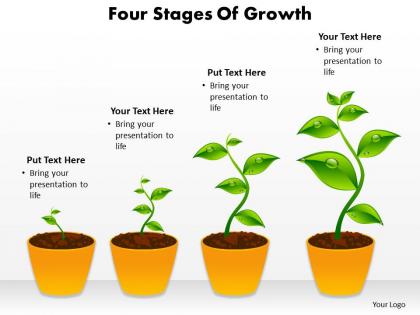
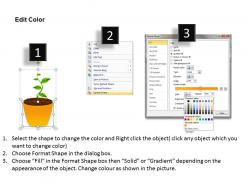
Four stages of growth shown by plants growing in pots powerpoint diagram templates graphics 712




Try Before you Buy Download Free Sample Product
 Impress Your
 Audience
 100%
100% Editable
 Save Hours
 of Time


Give your thoughts that distinctive flavour. Put in a pinch of our four stages of growth shown by plants growing in pots powerpoint diagram templates graphics 712.
People who downloaded this PowerPoint presentation also viewed the following :
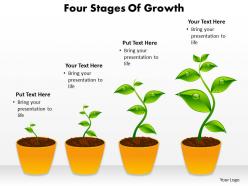
Four stages of growth shown by plants growing in pots powerpoint diagram templates graphics 712 with all 4 slides:
Whet their appetite with our four stages of growth shown by plants growing in pots powerpoint diagram templates graphics 712. Your thoughts will be a delightful intake.
FAQs for Four stages of growth shown by plants growing in pots powerpoint diagram
So basically, germination is just your seed cracking open - first root pops out, then the little shoot. After that you get the seedling stage where real leaves start showing up and roots get established. Vegetative growth is honestly where it gets fun because everything explodes - stems, leaves, the whole thing just takes off super fast. Then reproductive stage hits and you'll see flowers and fruits forming. I always keep track by just noting when new leaf patterns show up or measuring height every few days. Oh, and definitely watch for those first flower buds - that's your signal things are shifting gears. Once you start paying attention, you'll totally predict what's coming next.
So basically, your plants go through four stages - germination, seedling, vegetative, and reproductive. Environmental stuff like temperature, light, water, and nutrients can either speed things up or slow them down at each stage. Seeds won't even germinate if it's too cold. During vegetative growth, skimp on light and you'll end up with those sad, stretchy plants that barely flower later (learned this the hard way lol). Plants are pretty smart though - they're constantly checking if conditions are good enough to keep growing. Just match your setup to whatever stage they're in and you'll be golden.
So basically hormones are like your plant's internal messaging system. Gibberellins get seeds to actually sprout and break out of dormancy. Auxins handle the growth part - stems stretching, roots developing, plus that weird way plants lean toward windows. Then you've got florigen and cytokinins managing when flowers show up (honestly the balance thing is kinda finicky). Abscisic acid deals with aging and leaves falling off. If your plant's acting weird, figure out what growth stage it's in first. That usually tells you which hormone might be slacking off.
So when your seed first starts germinating, there's just one main root - the radicle - that pops out of the seed coat first. It grows straight down following gravity and soaks up all the water and nutrients your baby plant needs. Honestly, it's wild how quickly this happens once everything clicks. Later on you'll get those side roots branching out everywhere, but early on? That main tap root is basically doing all the work. Oh and btw - seeing that first root break through is your green light that germination's actually working.
So basically your plant stops living off the seed's stored food and starts making its own through photosynthesis. The leaves get way more green (that's the chlorophyll kicking in) and spread out to catch more light. Root system gets more complex too, branching out for water and nutrients. Growth hormones go crazy during this phase - auxins, gibberellins, all that stuff really speeds up cell division. The stem starts getting thicker and taller super fast, which honestly still blows my mind how quick it happens. Just watch your watering since the roots are still figuring themselves out and can't handle too much or too little yet.
It's all over the map honestly - radishes can go from seed to making more seeds in like 30 days, but oak trees? We're talking decades before they even flower. Annuals are basically sprinting through all four stages in one growing season. Perennials though, they're way more chill about it, especially hanging out in that juvenile phase forever. Trees and shrubs will spend years just building up their root systems before bothering with reproduction. I'd just look up whatever specific plant you're dealing with since the timeline can be anywhere from a month to... well, some trees live for centuries so yeah.
Oh man, reproduction is basically when plants go through hell. They're dumping all their energy into making flowers and seeds instead of keeping themselves healthy. Water becomes this huge issue - they need tons of it but can't absorb as much. Plus they get sick way easier since their immune system is basically on vacation. Honestly, timing is everything too. One random frost or dry spell? Game over for the whole season. Make sure you're watering more during flowering - they're literally working double shifts and will definitely show it if you slack off.
So nutrient availability pretty much controls how your plants move through their growth phases. Seeds start with their own stored food, so soil doesn't matter as much at first. But once they're seedlings? That's when nutrient problems really show up - not enough nitrogen and you'll get stunted leaves. The vegetative stage is honestly where plants get super demanding, especially for nitrogen and potassium to build all that green growth. Then when they switch to flowering, phosphorus becomes the star for getting good blooms and fruit. Just don't go overboard though - I've seen people kill plants with kindness! You're way better off switching up your fertilizer mix as the plants change stages instead of using the same stuff all season.
Plants are surprisingly smart about adapting as they grow. Seeds will actually wait to germinate until conditions are right - which honestly blows my mind sometimes. Seedlings develop deeper roots when it's dry or bigger leaves in shade. Mature plants get creative too, like shedding leaves during droughts or growing waxy coatings in heat. They even time their flowering based on temperature and daylight hours. For your plants, just watch how they react to your space. You'll notice patterns and can adjust watering or move them around accordingly.
Dude, once you learn the growth stages, timing becomes so much easier. Water and fertilizer hit at the right moments instead of just winging it. Honestly, most people fertilize way too early - plants can't even use it yet. You'll spot problems faster too since you know what healthy looks like. Short sentences help here. Labor planning gets way better when you know exactly when harvest hits. I'd pick one crop first and really watch it closely. The yield difference is crazy once you dial it in. Makes you feel like you actually know what you're doing for once.
So during veg growth, photosynthesis is basically everything. Your plant's building all its core structure - leaves, stems, roots, the whole deal. It needs tons of energy for all that green growth, and photosynthesis converts light into the sugars that fuel the process. I always think of it like a 24/7 construction zone, honestly. Better photosynthesis now = stronger plant later when it's flowering. That's why good lighting during veg is so crucial - you're setting yourself up for success down the road. Don't skimp on it!
Dude, plant stress is all about timing. Germination and seedling phases? That's when drought will straight up murder your plants before they even get going. Pests hitting during vegetative growth stunt everything and mess with final size. But flowering is where you really see the damage - that's when stress tanks your actual harvest quality. Stage transitions are sketchy too, plants get weird during those periods. I learned this the hard way with my tomatoes last year, completely ignored early watering and lost like half my seedlings. Reproductive stage stress hits the hardest though, you'll definitely notice it in your final yield.
So basically your plant's DNA is like having a built-in schedule for everything - when to sprout, grow leaves, flower, the whole deal. Different genes flip on and off depending on light and temperature, but honestly the timing is mostly just programmed in there already. That's why two tomato varieties can be completely different even though they're both tomatoes, you know? I learned this the hard way when I planted early and late varieties together last year - total mess. Anyway, if you're planning anything out, definitely look up the specific variety you're getting so you don't end up surprised by weird timing.
So basically, flowering plants do the whole flower-and-seed thing for reproduction, while non-flowering ones just use spores. Way simpler honestly. Both types start with germination and go through that veggie growth phase where they're building themselves up. But then flowering plants have to do their dramatic blooming show before making seeds, and ferns just skip straight to releasing spores. Timing's different too - your annual flowers bloom once a year, but I've noticed ferns can drop spores like multiple times in a season. When you're checking what stage your plants are in, just look for flowers or not.
So it really depends on what growth stage you're dealing with. Start with germination rates and measuring root/shoot length for seedlings. Vegetative growth is where things get interesting - track leaf area, stem diameter, and biomass since that's when they really explode. Flower and fruit counts matter once you hit the reproductive phase. Then there's senescence where you'd monitor chlorophyll breakdown. Honestly? A basic ruler and scale work for most of this stuff - way simpler than you'd think. Just stay consistent with when and where you measure.
-
Graphics are very appealing to eyes.
-
Informative presentations that are easily editable.