


Fraud Risk Assessment Powerpoint Ppt Template Bundles




Try Before you Buy Download Free Sample Product
 Impress Your
 Audience
 100%
100% Editable
 Save Hours
 of Time


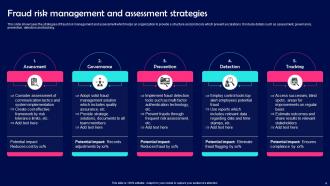
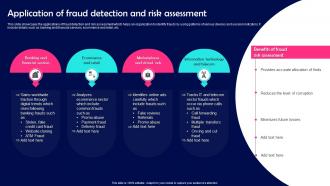
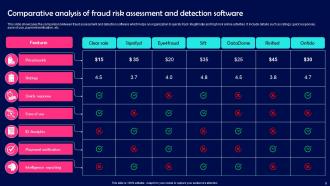
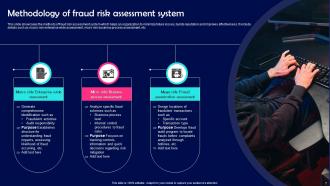
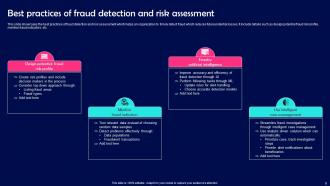
Introducing our comprehensive PowerPoint PPT presentation on Fraud Risk Assessment, an invaluable resource for businesses seeking to mitigate the risks associated with fraudulent activities. This informative presentation guides you through the process of fraud risk assessment, providing insights into effective methodologies and tools to identify and evaluate potential fraud risks. Our PPT covers essential topics such as fraud risk assessment tools, fraud risk assessment methodologies, and the fraud risk management process. With visually engaging slides and real world examples, this presentation equips businesses with the knowledge and strategies needed to proactively manage fraud risks. Stay one step ahead of fraudsters, protect your organizations assets, and safeguard your reputation with our insightful PPT on Fraud Risk Assessment.
People who downloaded this PowerPoint presentation also viewed the following :
Fraud Risk Assessment Powerpoint Ppt Template Bundles with all 28 slides:
Use our Fraud Risk Assessment Powerpoint Ppt Template Bundles to effectively help you save your valuable time. They are readymade to fit into any presentation structure.

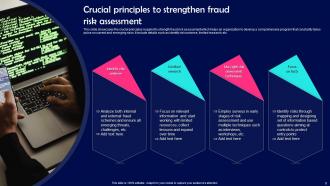
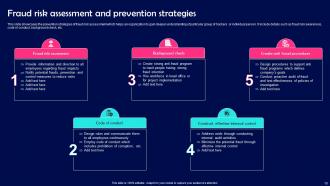
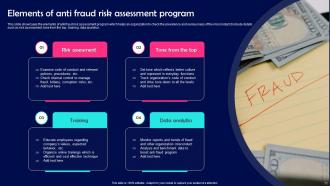
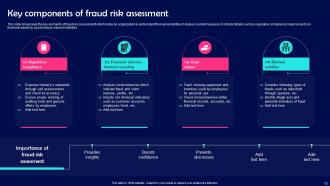







FAQs for Fraud Risk Assessment Powerpoint
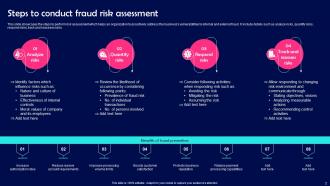
So you'll want three main pieces: identifying fraud risks, assessing them, and planning responses. Map out where fraud could actually happen - who's got access to what, where are the obvious weak spots? Then figure out how likely each risk is and what damage it could do. Documentation is tedious as hell but you really need it. After that, create specific procedures for different fraud scenarios. Oh and quarterly reviews are clutch because these scammers keep evolving their tactics. Don't let your framework get stale.
Start by checking out what fraud schemes have actually hit companies like yours - dig into regulatory reports and industry publications. Healthcare gets targeted differently than retail, so generic training is pretty useless honestly. Map out where you're vulnerable: payment flows, sensitive data, weak control spots. Industry fraud forums are gold for real examples (way better than theoretical stuff). The whole point is understanding how scammers specifically go after your business model. Don't waste time on cookie-cutter approaches that miss your actual risks.
So basically data analytics can catch fraud patterns that would be impossible for humans to spot. You're looking at huge amounts of transaction data and flagging weird stuff in real-time. The algorithms have gotten crazy good recently - honestly better than I expected. Instead of manually checking random samples, you get risk scores for everything. Plus it can actually predict where fraud might pop up next, which is wild. Just make sure your data quality is solid and keep updating the detection rules when new fraud tactics emerge.
Honestly, once a year is the bare minimum but probably not enough anymore. Things move way too fast now. I'd do them whenever big stuff changes - new systems, key people leaving, different processes. Oh, and definitely after you catch any actual fraud (hopefully you won't though). The thing is, new vulnerabilities keep popping up that weren't even on your radar six months ago. Most regulations expect regular assessments anyway, so you're kinda stuck doing them. My advice? Schedule your next one right now and make it part of your yearly planning so it doesn't get forgotten when things get crazy.
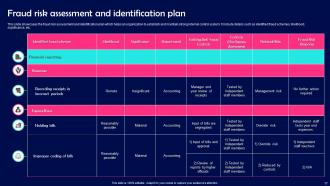
Honestly, start with the money trail - weird revenue jumps or expenses that make zero sense for what the business actually does. Then watch people's behavior. Someone living way above their paycheck? Red flag. Also that coworker who never, ever takes time off is suspicious as hell (they might be hiding something). Missing paperwork is bad news, and if one person controls too much of a process without oversight, that's trouble. Oh, and toxic management who brush off concerns or set impossible goals? Major warning sign. Just compare this stuff to what you're seeing at your place.
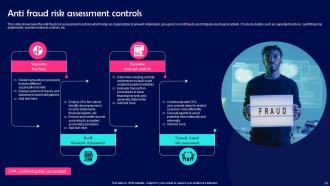
Your fraud detection is only as good as your internal controls - they're literally the foundation. Good controls mean better data, cleaner audit trails, and way more reliable red flags during risk assessments. It's like trying to spot sketchy behavior with HD cameras versus some grainy security footage from 2005. Poor controls? That's where fraudsters set up shop because they know you can't see what's happening. Honestly, I'd spend time fixing your control gaps before running another assessment. Trust me, you'll thank yourself later when everything actually works like it should.
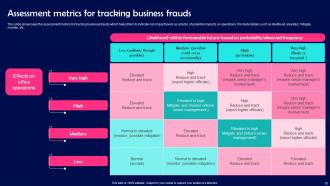
Honestly, start with a simple risk matrix - plot likelihood vs impact so you can tackle the scary high-probability stuff first. Check what's happening to companies like yours too, that's usually eye-opening. Your historical data will show patterns if you dig into it, but don't skip talking to your team either. They'll catch things that won't show up in spreadsheets yet. The sweet spot is mixing hard numbers with gut instincts from people who actually know your business inside out.
Look, your employees are honestly your secret weapon here. Train them to spot weird behavior and red flags - they'll catch stuff your fancy systems totally miss. Most fraud happens because people just don't know what sketchy looks like. Create a vibe where folks actually want to report suspicious stuff without worrying about getting in trouble. I mean, ground-level intel beats algorithms sometimes, you know? Your risk assessments get way better when people feed you real information. Just do some basic fraud awareness training first and make sure everyone knows how to report things easily.
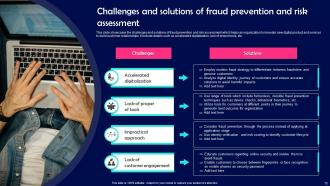
Yeah, remote work definitely complicates fraud detection. You can't just walk by someone's desk and notice they're doing something sketchy, you know? Plus everyone's using their own devices and home wifi now, which honestly makes me nervous from a security standpoint. Those random hallway conversations where you'd be like "wait, what's this charge for?" just don't happen over video calls. It's also tougher to verify who's actually behind the computer accessing sensitive stuff. I'd probably invest in better digital monitoring tools and do more regular one-on-ones. Gotta maintain some human connection somehow.
COVID basically broke everyone's fraud controls, so you're gonna need to start over. Remote work opened up tons of new ways for people to scam - fake invoices, payroll tricks, sketchy IT setups. Some companies are still figuring this out honestly. Your risk assessment probably looks nothing like reality now. Update it for hybrid work, double-check your vendor processes, and watch for weird financial stuff. Oh, and employees are way more tempted to steal when they're stressed about money. Map out what controls actually failed when everyone went remote - that's your starting point.
Look, you've got tons of options here. ACL and IDEA are solid for crunching numbers and catching weird transaction patterns - Excel works too if you're just starting out. The fancy stuff like SAS Fraud Framework or FICO Falcon is legit but costs a fortune. Process mapping tools are clutch for seeing where your workflows are vulnerable. My advice? Don't go crazy buying everything upfront. Start simple with some basic data analysis on your riskiest areas, then add more tools as you figure out what's actually missing. Way better than dropping serious cash on software you might not even need.
Get your key people involved right away - hit up finance, operations, HR, procurement folks since they actually see where things go wrong. Run some workshops where everyone can talk openly about fraud risks they've spotted or are worried about. Honestly, don't just focus on the executives though. Frontline workers usually catch the sketchy stuff first. Anonymous surveys are clutch because people will actually tell you what they've seen when there's no names attached. Document everything and loop back with people about what you're doing with their input. Oh, and map out who sees what risks in different areas first.
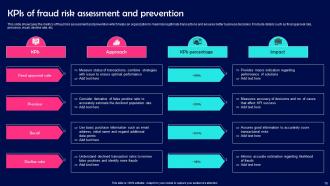
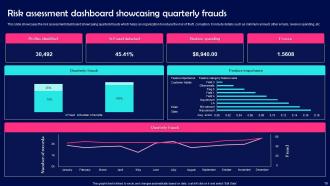
You'll definitely want to track your detection rates - basically what percentage of actual fraud you're catching vs. what slips through. False positives are huge too because flagging legit transactions constantly will drive everyone crazy. Response times matter - how fast can your team investigate alerts? Also track the financial stuff like prevented losses and cost per investigation. Honestly, monthly or quarterly trends tell you way more than random snapshots. Oh, and set up some kind of automated dashboard so you're not frantically pulling numbers when your boss randomly asks about performance. Makes life so much easier.
So basically, legal reqs set your minimum baseline for fraud risk assessments. You've gotta hit specific areas regulators actually care about - AML stuff, sanctions, financial reporting fraud. SOX is obvious, FCPA if you're international, plus whatever industry-specific rules apply to you. Here's the thing though - these aren't just suggestions. They literally tell you how often to assess, what documentation you need, how to test controls. Your auditors will absolutely grill you on this stuff too. My advice? Start with what's legally required first, then layer on anything else you think makes sense from there.
Document everything with clear methodology and specific evidence - skip the vague "we found issues" stuff. Start with an executive summary because honestly, most people won't read past page one anyway. When you're presenting, give leadership the big picture with prioritized fixes, but operations teams need the nitty-gritty action items. Don't forget to assign who does what and when. The whole point is making it actionable so people actually do something with your findings instead of filing it away.
-
I never had to worry about creating a business presentation from scratch. SlideTeam offered me professional, ready-made, and editable presentations that would have taken ages to design.
-
You guys are life-saver when it comes to presentations. Honestly I cannot do much without your services. Thank you!!!