


Hierarchy ppt templates





Try Before you Buy Download Free Sample Product
 Impress Your
 Audience
 100%
100% Editable
 Save Hours
 of Time


Our Hierarchy Ppt Templates are a helpful device. They speed up your reaction time.
People who downloaded this PowerPoint presentation also viewed the following :
Hierarchy ppt templates with all 5 slides:
Our Hierarchy Ppt Templates allow you to act with authority. Folks feel duty bound to follow.

FAQs for
Honestly, it's pretty straightforward - just make sure everyone knows who they report to and who reports to them. Sounds basic but companies screw this up constantly! Decision-making power should match responsibility levels, flowing top to bottom. Most managers can handle 5-7 direct reports max before things get messy. Look for weird overlaps or gaps when you map out your current setup. The whole point is clear accountability without creating bottlenecks everywhere. Oh, and don't let authority get all scattered - that's where things really fall apart.
Yeah, so here's the thing - when you've got strict hierarchy, people just clam up. Junior team members won't say a word if there's a director in the room, even when they're sitting on brilliant ideas. Everything has to go through "proper channels" which honestly just slows everything down. The communication bottlenecks are real. You need to work on making meetings feel psychologically safe - like people can actually speak up without worrying about stepping on toes. Sometimes that means letting people skip the chain of command a bit, which feels weird but works.
Honestly, flat hierarchies work because people get way more autonomy. Your team can actually talk to decision-makers without going through three different managers first - which is huge. Ideas move faster, and employees feel like they own their work instead of just following orders. The creativity boost is real too since nobody's sitting around waiting for approval to test something new. I've noticed people grow faster when they're exposed to bigger decisions early on. Maybe start small though? Give your team more control over minor projects first and see how it goes.
Hierarchical structures are solid for accountability and scaling up - you get clear decision paths and everyone knows who's boss. Innovation can crawl though, and people feel super disconnected from the top. Flat orgs? Way more agile. Everyone's voice actually matters and collaboration flows better. But honestly, it gets messy fast when you need quick calls and nobody's sure who decides what. Most companies I know just mix both depending on what's happening. Your team size matters a lot here, plus how fast your industry moves. What's your company culture like? That'll help you figure out the right blend.
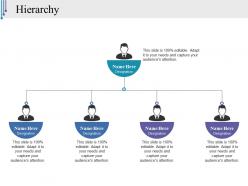
Dude, your brain literally processes pictures faster than words - that's why org charts and flowcharts are so clutch for showing who's in charge of what. Even basic indented bullet points work better than paragraphs of text (honestly learned this the hard way in my last presentation). Tree diagrams are solid too. Just make sure you're going top-down or left-right so people don't get lost. Put the big boss at the top, then work your way down through each level. That way everyone instantly gets the chain of command without having to decode some confusing wall of text.
Honestly, hierarchy controls who decides what and how quickly stuff gets done. Most places push bigger decisions up the chain, which creates those annoying bottlenecks we all hate. But it does prevent total chaos, so there's that. You want your team to handle daily decisions without constantly asking permission - that's where the magic happens. Meanwhile, strategic stuff still goes upward. I'd push for clearer boundaries on what you can actually decide at your level. Saves everyone from those endless "can I get approval for..." emails.
Oh man, this is such a real thing! So some team members come from backgrounds where you never question the boss - like, ever. Others grew up thinking hierarchy is basically BS and everyone should speak up. Super awkward when you mix them together. You'll have people staying quiet in meetings while others are constantly pushing back. I'd honestly just address it head-on with your team. Talk about when you want input vs when a decision's already made. Set some ground rules about communication styles so people aren't constantly confused about how they're supposed to engage.
Honestly, transparency is your best friend here. Be upfront about how decisions get made and create different ways for people to give feedback - one-on-ones, skip meetings, even anonymous boxes if that's what it takes. Don't flatten the whole hierarchy though, that's not the problem. Rigid hierarchy is. Give people real authority to make calls, not just busy work. Actually listen when they disagree with you too (this one's harder than it sounds). Oh, and admit when you mess up - sets the tone for everyone else. Pick one communication thing you can fix this week and just do it.
So basically, visual hierarchy is like creating a roadmap for people's eyes. Your title should be the biggest, boldest thing on the slide - that's what hits them first. Then you've got your subheadings at medium size, and body text smallest. Font weights, spacing, and colors all help show what's actually important vs. the supporting stuff. I always try to make sure my main message jumps out immediately, then fill in details around it. Oh, and here's a good test - if someone can't scan your slide in 3 seconds and get the point, you've probably crammed too much in there.
Stick with the same fonts throughout - H1 for big sections, H2 for smaller ones, body text for everything else. People need to know where they are without thinking about it. Bullet points work great, just don't nest them too deep or everyone zones out. I learned that one the hard way! Group similar stuff together with white space. Number your sections if it helps show the flow. Here's the test: if someone walks in during slide 15, they should still get how it connects to your main point. Consistency is what makes presentations actually readable.
So basically you break everything down into levels - big picture stuff at the top, then phases, then actual tasks underneath. Think of it like a family tree but for your project. Work breakdown structures are honestly the best thing ever for messy projects. Dependencies become super clear when you can see everything laid out like that. Plus you can track progress however you want - zoom out for the big view or drill down into the weeds. Just start with your main goal and keep asking "okay but what actually needs to happen here?" until you can't break it down anymore.
Look, hierarchy basically sets up who you can delegate to and what you're allowed to pass down. You can't delegate stuff that's above your pay grade, and you've gotta match the task difficulty to where someone sits on the ladder. The tricky part? When your direct report messes up something you delegated, guess who gets blamed. Strategic stuff stays with higher-ups while the day-to-day execution flows down. Honestly, half the battle is just knowing your boundaries and making sure whoever you're handing work to actually has the juice to get it done.
Honestly, it really depends on your industry. Tech companies usually stay pretty flat - fewer layers means they can pivot faster. But manufacturing? They stick with strict hierarchies because someone needs to coordinate all those moving parts safely. Healthcare's weird though - teams collaborate like crazy day-to-day, but the second there's an emergency, boom, clear chain of command kicks in. Military and aviation are obviously super rigid since people die if communication breaks down. If you're in something creative, go flatter. Safety-critical stuff? Keep those reporting lines crystal clear. Speed vs. risk basically determines everything.
Ugh, hierarchy is such a double-edged sword. Clear levels can motivate people since they see a path up, which is great. But honestly? Too much of it just crushes creativity and makes everyone feel like they can't do anything without approval. Micromanaging kills morale faster than anything - I've seen it happen so many times. You want enough structure so people aren't confused about roles, but not so much that they feel trapped. Maybe try giving your team more say in decisions that affect their work directly. Flatter structures usually work better anyway.
So you want people to actually look at the important stuff? Make your main headings bigger and bold - like, way bigger than you think you need. Then use smaller fonts for the details underneath. Bright colors grab attention for key points, but don't go crazy with it. Most people read top-to-bottom, left-to-right, so put your main message there. Oh and white space isn't just filler - it actually helps separate different ideas so things don't look cluttered. Here's what I do: squint at your slide. Whatever jumps out first better be your most important point.
-
Professional and unique presentations.
-
Illustrative design with editable content. Exceptional value for money. Highly pleased with the product.