


Hotel Budget Powerpoint Ppt Template Bundles





Try Before you Buy Download Free Sample Product
 Impress Your
 Audience
 100%
100% Editable
 Save Hours
 of Time


Our Hotel Budget Powerpoint Ppt Template Bundles are topically designed to provide an attractive backdrop to any subject. Use them to look like a presentation pro.
People who downloaded this PowerPoint presentation also viewed the following :
Hotel Budget Powerpoint Ppt Template Bundles with all 31 slides:
Use our Hotel Budget Powerpoint Ppt Template Bundles to effectively help you save your valuable time. They are readymade to fit into any presentation structure.






FAQs for Hotel Budget Powerpoint
Pick your location first - that's gonna be your biggest expense. Peak season vs off-season is night and day pricing wise. Then think about what kind of room you actually want and how many nights. Watch out for all those random fees though! Resort fees, parking, wifi - they're total BS but they'll hit your wallet hard. I got burned by this in Miami, learned my lesson. Transportation to the hotel matters too, especially if you're ubering everywhere. Start with your overall budget and work backwards. What amenities do you actually use? Don't pay for a pool you'll never see.
You're gonna have to budget in waves, not straight lines. Peak season? Go nuts with staffing and marketing since your room rates are crushing it. Off-season's the nightmare though - cutting costs while not letting your place look like crap is honestly brutal. Here's what actually works: build those seasonal swings into your yearly budget upfront instead of scrambling each month. Pull at least three years of data to see your real patterns. Trust me, trying to wing it month-to-month will drive you insane. The numbers don't lie once you map them out properly.
Most hotels do 3-7% of revenue on marketing. New places or super competitive markets? You'll probably need closer to 10%. I've seen boutique hotels blow way past that when they're launching - kinda wild but sometimes it works. If you've got solid repeat guests, you can stick to the lower end. Your occupancy and room rates matter too obviously. I'd check what similar hotels in your area are spending first, then tweak it based on what's actually bringing you bookings. No point throwing money at stuff that doesn't work.
So your operational costs basically control everything else in your hotel budget. Fixed stuff like utilities, wages, maintenance - that's already 60-70% gone before you even start. What sucks is these costs change with seasons and how full you are, so you can't just set it and forget it. I made that mistake my first year lol. Track your cost-per-occupied-room each month, then add like 10-15% buffer because something always goes wrong. Trust me on this one - that buffer will save you when the AC breaks during peak season or whatever.
Dude, it's a game changer - no more spending hours on spreadsheets every week. Real-time expense tracking happens automatically, and your PMS system feeds data straight into the budget platform. The predictive stuff is pretty cool too, catches spending issues before they blow up. Most integrate with whatever accounting software you're already using. Dashboard reports show exactly where money's going by department. I spent way too much time manually tracking this stuff before switching. Look for cloud-based platforms that'll sync with your hotel systems - that's where you'll see the biggest time savings.
So I'd definitely look at your past 2-3 years of booking data first - seasonal stuff, local events, which days perform best. Economics actually matter way more than most people realize, so factor that in too. Current booking pace is huge for spotting trends early. Construction or big events coming up? Those'll mess with your numbers for sure. I do a rolling 13-month forecast and tweak it weekly based on how bookings are actually coming in vs what I predicted. Monthly updates aren't enough honestly - things change too fast. Oh and don't just set it once and forget about it, that's where people screw up.
Dude, budget templates are seriously clutch for hotels. They save you from scrambling to remember every expense category - trust me, there's always something you'd forget otherwise. Starting with a framework beats staring at a blank spreadsheet any day. The consistency thing is huge too since you can actually compare how you did last quarter vs this one. Your whole team stays on the same page when everyone's using identical formats. Oh, and during peak season when you're swamped? Total lifesaver. Just grab a basic template and tweak it for your specific property - add your revenue streams, cost centers, whatever works.
So here's the thing - luxury and economy hotels basically flip their budgets completely. Luxury properties dump way more into labor costs (like, we're talking 40-50% more per room) because they need higher staff ratios and specialized positions. Plus all those premium amenities and constant facility upkeep. Economy hotels? They're laser-focused on efficiency and basic comfort. Skip the fancy stuff entirely. Obviously the revenue game changes too - luxury gets higher room rates but deals with totally different seasonal patterns. I'd honestly start by looking at what other hotels in your segment typically spend on labor and amenities, then match those ratios based on what guests expect at your price point.
Honestly, the worst mistake is being way too optimistic about how full you'll be - especially during slow seasons. Seen so many people crash and burn on this. Also don't forget those costs that go up when you're busier, like cleaning supplies and power bills. Never just copy-paste last year's budget either, actually dig into what the trends are telling you. Oh and maintenance stuff will definitely surprise you when you least expect it. My take? Lowball your income estimates, bump up expenses by maybe 5-10%, and have backup plans ready. Being pessimistic here actually pays off.
Dude, definitely set aside 3-5% of your operating budget for emergencies. Our HVAC crapped out during July and I almost cried lol. Put money away monthly for the random stuff - broken equipment, surprise repairs, whatever. Plus keep a bigger reserve for major disasters or renovations. Honestly, the percentage thing is just a starting point. Look back at what you actually spent on emergencies last year and use that as your baseline. You'll probably need to tweak it up or down once you see the real numbers. Start tracking this stuff now so you're not scrambling later.
Training costs hit harder than most people realize. Direct expenses add up fast - trainer fees, materials, plus you're paying staff who aren't bringing in money. But honestly? Skipping it backfires big time. You'll bleed cash through turnover and bad reviews instead. Most decent programs run about 2-4% of labor costs, which sounds steep until you see retention rates improve. I always tell people to budget for compliance stuff (obviously) plus actual skills training. The productivity boost alone makes it worth it, not to mention you'll stop hemorrhaging good employees.
Set up separate budget lines for your green projects - makes tracking way easier. LED lights and smart thermostats are no-brainers since they basically pay for themselves through lower utility bills. Also budget for water conservation and waste reduction stuff. The ROI is honestly better than most people think it'll be. I'd track your monthly savings religiously so you can plow that money back into bigger upgrades like solar or new HVAC systems. Oh, and when you're pitching this to leadership? Frame it as cost reduction over time, not just spending money on feel-good projects. That usually gets better buy-in.
So you're looking at the big stuff first - room renos like flooring, bathrooms, furniture. Lobby upgrades, HVAC, roofing, structural work. But honestly, elevators and kitchen equipment will surprise you with how much they cost. Technology infrastructure too. Don't forget permits, architect fees, project management - that stuff adds up quick. Always build in 10-15% extra because something will definitely go sideways. I learned this the hard way lol. Break everything into "must have" versus "would be nice" categories. Makes the whole thing way less overwhelming when you're staring at those numbers.
Look, your room rates basically control everything else in your budget - it's wild how connected it all is. You'll be constantly checking what other hotels charge and tweaking yours, which honestly gets old fast but you have to do it. Build in some wiggle room because you might slash rates when it's dead or jack them up during busy times. Marketing costs change too depending if you're priced higher or lower than everyone else. Oh, and always have backup scenarios ready because price wars are brutal and happen way more than you'd think.
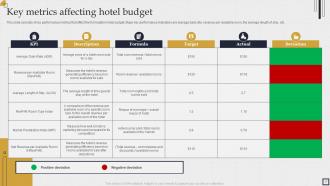
RevPAR's your big one - that's revenue per available room. Obviously track occupancy and daily rates too. Labor costs will eat you alive if you're not careful, they're usually the second biggest expense. Got dining? Watch those F&B margins like a hawk. Utility bills are sneaky bastards that can spike without warning, so check them monthly. Cost per occupied room matters for housekeeping supplies and amenities. Set up weekly variance reports - catching overspending early saves your ass later. Oh, and property costs are typically your biggest expense, just so you know what you're dealing with.
-
The templates are handy and I can personalize them as per my needs. Glad to be your subscriber!
-
Like always a great experience with you guys. Always there on the drop of hat to help.