

Présentation PowerPoint sur l'industrie de la gestion hôtelière




Try Before you Buy Download Free Sample Product
 Impress Your
Audience
 100%
Editable
 Save Hours
of Time


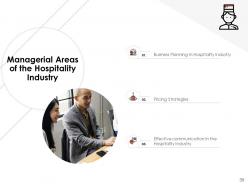
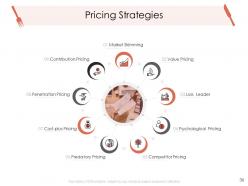
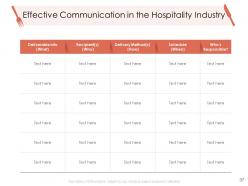
Sélectionnez nos diapositives de présentation PowerPoint de l'industrie de la gestion hôtelière pour familiariser vos audiences avec les tendances cruciales de l'industrie hôtelière. Mettez en évidence la gamme étendue des services tels que l'hébergement, les services de voyage et la gestion d'événements que vous offrez pour la meilleure expérience client en utilisant notre présentation PPT du secteur de l'hôtellerie. Affichez les principales considérations de l'entreprise comme les boissons et les restaurants, le tourisme, les clubs et les jeux avec nos modèles de présentation PPT du secteur des services. Concentrez-vous sur les domaines de gestion de l'industrie de l'hôtellerie avec ces mises en page PPT de l'industrie hôtelière. Préparez un plan d'affaires adapté pour les stratégies de tarification et une communication efficace dans l'industrie avec nos diapositives adaptables. Engagez-vous dans l'affichage du tableau de bord des indicateurs clés de performance pour votre organisation avec nos icônes, graphiques, colonnes, images de haute qualité, modifiables et adaptables de la présentation PPT de la gestion hôtelière. Cela vous permet de mesurer tous les éléments nécessaires pour développer votre entreprise et satisfaire vos clients. Téléchargez et tirez parti de ces modèles de contenu spécifiques professionnellement conçus pour formuler un modèle industriel le mieux adapté au développement de votre entreprise.
People who downloaded this PowerPoint presentation also viewed the following :
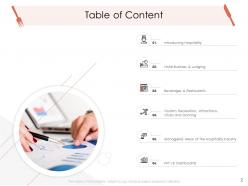
Contenu de cette présentation Powerpoint
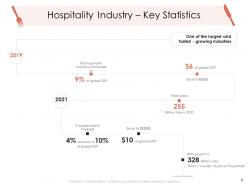
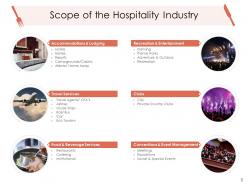
Les hôtels, les restaurants, les services de restauration et de nombreuses autres entreprises font partie de l'industrie de l'hospitalité. C'est également l'une des industries les plus en croissance et les plus variées géographiquement dans le monde. Il existe plus de 187 000 hôtels dans le monde, avec un nombre stupéfiant de 17,5 millions de chambres d'hôtes disponibles. Le marché hôtelier mondial devrait générer 446,50 milliards de dollars de ventes d'ici 2024.
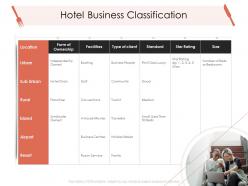
The Ritz-Carlton, Four Seasons Hotels and Resorts, Hilton Worldwide, Marriott International, et bien d'autres font partie des groupes hôteliers les plus connus au monde offrant un hébergement de luxe et d'autres services aux clients.
L'hospitalité est également l'une des plus anciennes entreprises, remontant à l'époque des aubergistes. Le phénomène des voyages de loisirs de la fin des années 1800 a donné naissance aux écoles de gestion hôtelière, qui aident à comprendre l'administration des éléments du fonctionnement d'un hôtel.
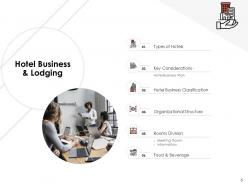
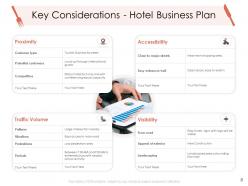
La gestion hôtelière comprend les opérations liées au fonctionnement quotidien d'un hôtel. Cela favorise des processus plus efficaces. Ce blog fournit des informations sur les aspects de la gestion hôtelière. Utilisez-le pour en apprendre davantage sur la gestion hôtelière, y compris le personnel, l'entretien des bâtiments, la paie et le service d'étage. Cela aide également à discuter des principales caractéristiques des hôtels, des tâches des clients et des stratégies pour offrir un excellent service aux clients.
Diapositives de présentation PowerPoint pour l'industrie de la gestion hôtelière avec les 55 diapositives.
Utilisez nos diapositives de présentation PowerPoint pour l'industrie de la gestion hôtelière pour vous faire gagner un temps précieux. Elles sont prêtes à s'intégrer dans n'importe quelle structure de présentation.




FAQs for Hotel Management Industry
Honestly, it all comes down to three things: cleanliness, how fast your staff responds, and whether the rooms are actually comfortable. Your front desk people are everything - a grumpy check-in ruins the whole vibe. Make sure the basics work: wifi that doesn't suck, decent beds, spotless bathrooms. Broken AC in July? Game over. I'd probably focus most on training housekeeping and front desk since guests interact with them the most. Oh, and if you've got food service, that definitely affects reviews too. Temperature control sounds boring but it's huge for satisfaction scores.
Honestly, start with whatever's driving you crazy first - like if booking management is a nightmare, tackle that. Mobile apps are clutch because guests can adjust room temp and order stuff without bugging your front desk (saves everyone time). Those automated check-in kiosks help too, especially during busy periods. Property management systems are worth it since they handle reservations, billing, and housekeeping all together. Data analytics sounds fancy but it's just using numbers to figure out better pricing and predict when you'll be busy. Don't try to do everything at once though - pick one system and go from there.
Dude, you HAVE to stay on top of your online reviews - seriously, it's make-or-break for hotels these days. People check TripAdvisor, Google, Booking.com before they book anything. I've watched places tank because they ignored bad reviews and let them pile up. Respond to everything, good and bad, but keep it professional. Also, ask happy guests to actually leave reviews (most won't unless you nudge them). Don't just wait around hoping for the best - check those review sites regularly and jump on issues fast. One angry guest can really mess things up if you're not paying attention.
Honestly, local regs are gonna control pretty much everything you do - fire codes, ADA stuff, zoning, how many people you can fit. Permits for literally everything, plus inspections that could shut you down if you mess up. Health dept will be all over your kitchen and pool areas. The annoying part? Rules are totally different city to city, so don't assume anything from your last place applies here. Oh and tourism boards sometimes have weird requirements about signage or parking too. Just hit up your local business licensing office first - they'll tell you exactly what hoops you need to jump through for your specific spot.
Honestly, start with paying people what they're actually worth - check what competitors are offering because good employees will leave for better money, period. Career stuff matters too though. Give them ways to grow and learn new skills so they don't feel stuck. Open communication is huge - do regular check-ins and actually listen to feedback. Oh, and recognition programs are great but skip the cheesy corporate stuff. Here's what I'd do first: just ask your current team what they want most. Their answers might totally surprise you and save you from guessing wrong.
Three big areas to hit: energy, waste, and water. LED lights and smart thermostats are no-brainers - you'll actually save money. Ditch single-use plastics, set up recycling programs. Partner with local suppliers too (cuts down on shipping). Low-flow fixtures help with water, or go fancy with greywater systems if you're feeling ambitious. Honestly, guests expect this stuff now anyway. Oh, and definitely start with an energy audit first - shows you exactly where you're bleeding money. The sustainability angle is just a bonus at that point.
So everyone's obsessed with hyper-personalization right now - like using AI to remember if someone prefers extra towels or hates cilantro. Sustainability matters too, guests actually care if you're trashing the planet. Social media's where it's at though, especially that authentic stuff showing your actual staff (not just pretty lobby shots). Loyalty programs are getting weird and creative beyond basic points now. Oh, and people want emotional connections, not just "thanks for staying here" emails. Honestly? Start by figuring out what guest data you're already sitting on and how you can actually use it to make people feel special.
Honestly, it's all about nailing your pricing and staffing game. Peak season? Jack up those rates and have everyone working. But off-season gets messy - you're slashing prices just to fill rooms while trying not to hemorrhage money on labor costs. I'd focus on keeping just the essential services running. Cross-train your remaining staff so they can jump between roles when needed. The real trick is forecasting demand way ahead of time - like 3-4 months out - so you're not panicking at the last second trying to figure everything out.
Okay so definitely track RevPAR, ADR, and occupancy rate first - those are your bread and butter for revenue. Guest satisfaction scores matter a ton too since bad reviews kill future bookings. Labor costs as a percentage and energy costs per room are huge operationally. Honestly, GOPPAR is sometimes way more useful than RevPAR because it actually shows if you're making money, not just bringing it in. Also track online review ratings obviously. Set up weekly dashboards for all this stuff and you'll catch issues early. Trust me, waiting for monthly reports is too slow in this business.
Your PMS and CRM are sitting on a goldmine of guest info. Track stuff like their preferred room temp, pillow types, what they order for dinner - even their usual check-in times. Honestly, some hotels get crazy detailed with this and use analytics to figure out housekeeping schedules based on whether guests are night owls or early birds. Booking patterns tell you tons about what amenities people actually want. I'd start simple though - maybe just personalize welcome amenities using your existing guest history. You can always build from there with targeted offers based on spending habits.
Honestly, get your crisis plan sorted NOW before chaos hits. Learned this during that crazy summer blackout - we were totally unprepared! Pick your crisis team and make sure everyone knows their role. Front desk needs to know exactly who to call and what scripts to use. Communication protocols are huge - both for guests and staff. Have backups for literally everything... power, booking systems, the works. Oh and practice regularly or people forget everything when stuff actually goes wrong. Keep those emergency contacts updated too. Trust me, you'll thank yourself later when something inevitably breaks at 2am.
Skip the boring promotional posts - nobody cares about those anymore. Instead, show off your hotel's actual personality! Behind-the-scenes content works amazing, plus guest photos if they're cool with you reposting them. Your staff deserves the spotlight too. Stories are honestly where it's at - sunset shots from the rooftop, chef making breakfast, that kind of stuff. People love that real-time vibe way more than polished ads. Oh, and definitely connect with local spots and travel influencers for cross-promotion. Just stay consistent and don't try to be something you're not. Guests can tell when content feels fake.
Feedback is honestly your best tool for figuring out what guests actually want - and trust me, it's usually different from what you think they want. Collect it through surveys, reviews, casual conversations, whatever works. Then actually do something with it! Complaints are obvious fixes, but positive feedback shows what you're nailing and shouldn't mess with. I'd set up a monthly thing where you look for patterns and make real changes based on what people are saying. It's crazy how much hotels miss by not listening to their guests properly.
So basically you team up with local spots to give guests cool stuff you can't do yourself, plus make extra money. Think exclusive dinner deals with restaurants, custom tours, brewery tastings - honestly craft beer partnerships are always a hit for some reason. Map out what your guests actually want first, then find businesses that match your vibe. You'll get referral cuts or revenue splits without having to build everything from scratch. Way easier than trying to become a tour company AND a hotel. Just focus on places that feel authentic to your area.
Honestly, mobile check-in is where I'd start - guests just expect it now. AI chatbots are huge too, they handle requests around the clock so your staff doesn't have to. Smart rooms are pretty cool, letting people control lights and temp from their phone. Oh, and those IoT sensors? They'll catch maintenance issues before stuff breaks down on you. Revenue management has gotten insane - prices adjust automatically based on demand. Cloud-based systems make everything more flexible too. I know it sounds like a lot, but even just getting mobile check-in going will make a difference.
-
Editable templates with innovative design and color combination.
-
Wonderful templates design to use in business meetings.
-
Awesome presentation, really professional and easy to edit.
-
Understandable and informative presentation.