


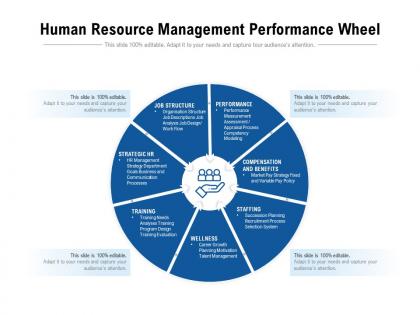
Human resource management performance wheel




Try Before you Buy Download Free Sample Product
 Impress Your
 Audience
 100%
100% Editable
 Save Hours
 of Time


Develop endless patience with our Human Resource Management Performance Wheel. They help calmly answer all possible queries.
People who downloaded this PowerPoint presentation also viewed the following :
Human resource management performance wheel with all 2 slides:
Our Human Resource Management Performance Wheel have great endurance. They can keep going on and on.
FAQs for Human resource
HR tech has completely transformed everything - from recruiting to performance management. ATS systems now screen resumes automatically, chatbots answer employee questions, and platforms like Workday handle the whole employee journey. Manual payroll is basically extinct (thank god). Your HRIS stores benefits info, training records, all that compliance stuff. Analytics are pretty cool too - they catch turnover patterns before things get messy. Oh, and definitely audit where your team's getting bogged down tech-wise. That's where you'll want to spend money first.
Mix surveys with actual behavioral data - that's where the real insights are. Do annual engagement surveys as your baseline, but quarterly pulse surveys catch problems before they explode (just keep them short, like 3-5 questions). Track your turnover rates and see who's actually getting promoted internally. Exit interviews are honestly where people tell you the brutal truth. Also watch if employees are using their PTO - sounds random but it reveals a lot about work culture. The whole thing falls apart though if you don't act on what people tell you.
Okay so you basically need four things sorted. First, make your company actually appealing - employer branding matters way more than people think. Then get a decent sourcing strategy instead of just throwing job posts into the void. Your interview process can't drag on forever either, that kills everything. Oh and candidate experience - this is where like 90% of companies completely bomb it. Nobody wants to deal with your weird application portal from 2003, you know? Track your data too because otherwise you're just guessing what's broken. I'd start by figuring out where people are bailing on your process.
Look, diverse teams just solve problems better - that's not corporate BS, it's real. Different backgrounds mean different approaches to tackling stuff. Plus when people actually feel included (not just hired as a checkbox), they'll speak up more in meetings instead of sitting there quietly. Your turnover drops because people want to stay. Decision-making gets sharper. And honestly? Top candidates notice companies that get this right. The trick isn't just recruiting diverse people though - you've got to create that safe space where everyone feels comfortable being themselves. Once you nail that psychological safety thing, the productivity boost happens pretty fast.
Start with regular one-on-ones where you actually dig into their career goals, not just project updates. Cross-training is clutch - lets people test drive different roles without committing. Mentorship programs work crazy well too, honestly people stick around way longer when someone's genuinely invested in their development. Map out realistic career paths for each position first, then figure out what training fills those skill gaps. Tuition help and conference tickets are solid if you've got budget for it. Oh, and don't forget internal job postings - sometimes your best hires are already there.
So basically, data analytics helps you spot patterns in turnover and performance stuff instead of just guessing. Check which departments keep people longest, what training actually works, timing of when folks usually bail - that kind of thing. Honestly the results can surprise you. I've heard of teams finding out their top performers had weird things in common nobody expected. Plus you can predict hiring needs ahead of time and catch flight risks early. My advice? Just start with whatever data you've got lying around already. Build it up from there - don't overcomplicate it at first.
Oh man, remote HR is a whole different beast. Communication breaks down constantly - you miss all the nonverbal stuff and random hallway chats that actually build relationships. Managing performance gets weird when you can't physically see people (which honestly might force us to finally ditch the whole hover-over-shoulders thing). Getting new people up to speed virtually? Brutal. And don't get me started on keeping company culture alive when everyone's scattered. My biggest tip though - just communicate way more than feels normal and schedule regular check-ins instead of hoping conversations will magically happen.
Start with an Employee Assistance Program and actually train managers to spot warning signs. Survey your team first though - find out what they'd genuinely want. Most companies talk a big game about mental health then dump impossible deadlines on people anyway, so don't be that. Make it okay to discuss stress without tanking someone's career prospects. Flexible work helps. Bring in mental health pros for workshops if budget allows. Work-life boundaries aren't just buzzwords - enforce them. The whole thing only works if you're proactive instead of scrambling after someone burns out.
Okay so first thing - learn the big ones like EEOC, FLSA, and FMLA inside and out. State laws are usually stricter than federal (California's meal break stuff nearly got us last year, ugh). Document everything - hiring, reviews, firing processes. Consistency is key or you'll get sued. Honestly? Get a labor attorney you can call when weird situations pop up. Regular training helps too, even if it's boring as hell. Also worth checking if your state has any quirky local requirements because some cities have their own rules on top of everything else.
Honestly, start with making your workplace actually good first - fair pay, real growth opportunities, managers who don't suck. Fake culture always backfires eventually. Your current employees are gonna be your best marketing anyway, so actually listen when they give feedback. Share their real stories on social media instead of those cringe stock photos with corporate speak. Oh, and check Glassdoor to see what people really think about working there. Your hiring process matters too - don't say you're collaborative then grill candidates like they're criminals. That's just weird.
Okay so first - actually prep for it! Don't just wing it like half the managers I've worked with do. Grab specific examples of their good work and stuff they need to work on. Skip the vague "you need to communicate better" nonsense and get concrete. Talk about what they actually did, not their personality. And honestly? Ask for their side too. Let them tell you what's been hard or what they need from you. The worst reviews are just one-way lectures. End with real next steps and when you'll check in again, otherwise it's just forgotten by next week.
Honestly, start with figuring out where communication is actually breaking down - like, audit what's happening now. Then set up some basic stuff: town halls, skip-level meetings, maybe an anonymous feedback system because people will actually tell you what they think when there's no chance of getting in trouble. The real trick though? Leaders have to genuinely listen and do something with the feedback, not just collect it. I'd also train managers on how to communicate better - some of them are terrible at it, no offense to your managers lol. Open-door policies help too, but only if people trust they won't get burned for using them.
Okay so succession planning is honestly just smart insurance against total chaos when someone important leaves. You develop people internally who already get your company culture instead of panicking and hiring random strangers later. Way less stressful, trust me. Your current employees actually love seeing clear paths up the ladder too - keeps them around longer. My old boss never did this and we were always scrambling when people quit. Start figuring out who could handle bigger roles and what training they'd need now, before you actually need them.
Honestly, you're gonna be the translator between what leadership wants and what employees are actually feeling. Start with the "why" - people get super frustrated when they're kept in the dark about changes. Set up solid training so folks aren't scrambling to learn new skills on the fly. Find those naturally influential people in each department who can help spread the word (they're way more trusted than management emails anyway). Don't just blast out announcements and vanish though. Stay visible, create real ways for people to voice concerns. Oh, and frequent check-ins beat one big meeting every time.
Ugh, the gig economy is basically forcing HR to throw out their old playbooks. You're gonna need totally different ways to handle freelancers and contractors - different onboarding, performance reviews that actually make sense for short projects, plus all that compliance stuff gets way messier. Honestly? It's kind of a pain but you get access to people with crazy specialized skills. The tricky part is keeping your company culture intact when half your team rotates out every few months. I'd start by looking at what policies you have now and figuring out what's completely useless for gig workers.
No Reviews