


Introduction of iot internet of things iot ppt powerpoint presentation file deck





Try Before you Buy Download Free Sample Product
 Impress Your
 Audience
 100%
100% Editable
 Save Hours
 of Time


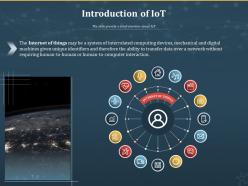
The slide provide a brief overview about IoT.
People who downloaded this PowerPoint presentation also viewed the following :
Introduction of iot internet of things iot ppt powerpoint presentation file deck with all 2 slides:
Use our Introduction Of IoT Internet Of Things IOT Ppt Powerpoint Presentation File Deck to effectively help you save your valuable time. They are readymade to fit into any presentation structure.
FAQs for Introduction of iot internet of things iot ppt powerpoint
Ugh, IoT security is such a mess right now. Most devices come with garbage passwords like "admin123" - I swear manufacturers don't even try anymore. Encryption? What encryption. Half these things send data in plain text. Updates are basically nonexistent too, so vulnerabilities just sit there forever. Here's the scary part: one hacked smart bulb can give attackers access to your whole network. Seriously. My advice? Put all IoT stuff on its own separate network and change those default passwords immediately. It's not foolproof but it'll save you major headaches later.
Dude, you can seriously cut your energy bills by like 20-30% with smart home stuff. Smart thermostats learn when you're home and adjust automatically. Lights turn off when rooms are empty, appliances run when electricity's cheapest. The cool part? Everything talks to each other - so your lights dim for movie night while the AC uses your solar power before peak rates hit. I was shocked at how much my old cable box was costing me just sitting there. Honestly start with a thermostat first, then add other devices as you go.
So edge computing moves the processing right to your IoT devices instead of everything going to the cloud first. Way faster responses - like milliseconds vs hundreds of milliseconds. Your sensors can crunch data locally and just send the important stuff up to the cloud, which saves bandwidth. If your internet craps out, things still work. Honestly perfect for anything that needs instant decisions - think self-driving cars or factory equipment. I'd look at which of your IoT things need lightning-fast responses first. Those are your best bets for edge processing.
So basically you've got all these rules governing IoT stuff - GDPR for data, FCC for radio frequencies, Matter for smart home compatibility. It's kind of a nightmare to navigate honestly. But here's the thing - they actually make your life easier in the long run because everything can work together and people trust your devices more. The trick is baking compliance into your dev process from day one. Don't try to slap it on later, trust me on that one. Way more painful that route.
So basically, consumer IoT is like your Fitbit or smart thermostat - cheap, easy to set up, no big deal if it craps out. Industrial IoT? That's monitoring entire oil rigs and factory floors. Way different stakes. Your smart bulb goes offline and you shrug it off. But when production sensors fail, companies lose tens of thousands in minutes. Industrial stuff needs bulletproof reliability and security since it's running mission-critical operations. Plus the connectivity requirements are insane compared to consumer devices. Really depends what you need it for though.
So basically your IoT sensors are constantly feeding data - temperature, vibration, pressure, all that stuff - into machine learning algorithms. The cool part? These algorithms start recognizing patterns that scream "I'm about to break!" way before anything actually fails. You'll catch problems humans would totally miss. No more waiting for catastrophic breakdowns or doing maintenance just because the calendar says so. Honestly, it's a game-changer for avoiding those nightmare scenarios where everything goes sideways at 2 AM. The money you save on emergency repairs alone makes it worth it.
Dude, 5G is going to be huge for IoT stuff. You're looking at crazy fast speeds and almost zero delay - like milliseconds instead of that annoying 4G lag. Real-time apps that were impossible before? Now they'll actually work. Think self-driving cars, remote surgeries, factory robots that respond instantly. Oh, and get this - it can handle a million devices per square kilometer, which honestly sounds insane but whatever. Start thinking about what you could build with that kind of performance because the possibilities just opened way up.
IoT data shows you how people *actually* use your stuff in real-time. Smart appliances tracking usage patterns, wearables monitoring behavior - way better than surveys tbh. You'll spot when customers engage with features, what makes them bail, all the pain points surveys miss. Honestly, the personalization possibilities are pretty crazy since you're working with real usage data instead of just demographics. I'd start with one connected product though - don't go overboard collecting every data point. Focus on metrics that'll actually help you make decisions.
So you've got a few main ones to know about. MQTT is probably your best bet - it's lightweight and doesn't freak out when networks get spotty. CoAP is basically HTTP but for tiny, battery-powered stuff. Regular HTTP works too if your devices aren't super constrained (though it's kinda overkill for basic sensors). Oh, and there's LoRaWAN for when you need crazy long range, like farm equipment scattered across acres. I'd honestly just start with MQTT for whatever you're building. It handles most situations pretty well, and you can always pivot later if needed.
So IoT devices have a few tricks up their sleeve - encryption when sending data, secure logins, that kind of thing. Better ones encrypt everything both while it's moving and stored on servers. But honestly? It's a total crapshoot depending on the brand. Some companies actually give a damn about privacy, others just slap together whatever's cheapest. Data gets anonymized sometimes, and decent apps let you control what info gets shared. Oh, and some devices process stuff locally instead of shipping everything to the cloud, which is nice. Bottom line - dig into those privacy settings and actually read the policies, even though they're mind-numbing.
Honestly, get a solid device management platform first - you'll need remote updates and monitoring for thousands of devices. Keep your hardware standardized if you can, mixing different types is such a headache later. Security can't be an afterthought either - device authentication, encrypted comms, regular patches, the whole deal. Set up monitoring dashboards to catch connectivity issues before they spiral. Oh and your network infrastructure? Plan that stuff carefully because bad bandwidth will absolutely kill your deployment. I learned that one the hard way on my last project.
Dude, smart farming is getting insane these days. Sensors in the soil automatically trigger irrigation when plants need water - no more guessing games. Drones fly over and spot crop problems before you'd even notice from the ground. There's livestock stuff too where sensors on cows can detect sickness early, which honestly seems a bit dystopian but whatever works I guess. Weather tracking, soil nutrients, all that data helps maximize yields without wasting resources. If you're thinking agtech, precision farming platforms are where the money's at right now.
So IoT basically connects everything in a city - traffic lights that actually adjust to congestion, sensors tracking air quality, cameras spotting accidents right away. All that data goes to city control rooms where they can catch issues early. Smart streetlights dim and brighten based on foot traffic, there's gunshot detection, flood monitoring, the works. Honestly the surveillance stuff feels a bit Big Brother to me, but the traffic improvements are legit helpful. If you're thinking about this for a project, don't go crazy - pick one thing first and show it actually saves money before expanding.
Honestly, IoT is kind of a mixed bag for the environment. Smart buildings that adjust temp automatically? Huge energy savings. Supply chains cutting waste? Also amazing. But then you've got the flip side - we're cranking out billions of little sensors and gadgets, which is basically an e-waste nightmare waiting to happen. Plus they're all constantly sucking power and sending data everywhere. I think the trick is being picky about what actually gets connected. Like, does your toaster really need wifi? Probably not. Focus on stuff that'll genuinely make a difference environmentally.
So IoT stuff is pretty much the backbone of remote healthcare these days. Wearables track vitals, smart glucose monitors, blood pressure cuffs - even those pill dispensers that nag you to take your meds. Doctors can watch everything remotely and jump in before things get bad. Pretty wild if you ask me. During telemedicine calls, they get real data instead of patients just describing how they feel (which let's be honest, isn't always accurate). If you're looking into this area, focus on devices that play nice with existing healthcare systems. Interoperability is everything right now.
-
Great designs, really helpful.
-
Great product with highly impressive and engaging designs.
-
Attractive design and informative presentation.
-
Out of the box and creative design.
-
Excellent work done on template design and graphics.