

Introduction To Social Media Training Ppt




Try Before you Buy Download Free Sample Product
 Impress Your
 Audience
 100%
100% Editable
 Save Hours
 of Time


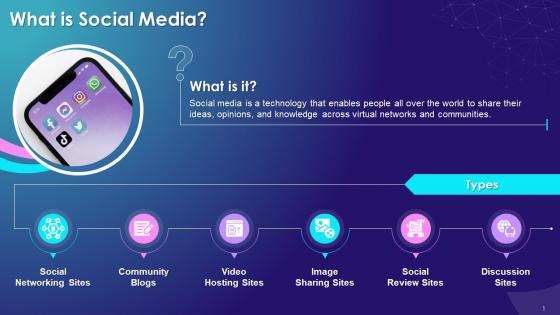
This slide defines social media technology and its various types such as social networking sites, community blogs, video hosting sites, image sharing sites, social review sites and discussion sites.
People who downloaded this PowerPoint presentation also viewed the following :
Introduction To Social Media Training Ppt with all 16 slides:
Use our Introduction To Social Media Training Ppt to effectively help you save your valuable time. They are readymade to fit into any presentation structure.







FAQs for Introduction To Social
Focus on the platforms your team actually uses - each one's got different rules. Brand voice consistency is huge so nobody goes rogue on Twitter. Definitely do hands-on practice instead of boring PowerPoints, people retain way more that way. Analytics training matters because otherwise you're just posting into the void. Throw in some legal stuff about disclosure rules too. Crisis management protocols are essential - trust me, you'll need them eventually. Oh and cover content creation basics like visuals and copy. Build everything around real scenarios they'll deal with, not textbook examples that don't apply to your business.
Honestly, you gotta measure both the obvious stuff and the subtle changes. Look at engagement rates, follower growth, website traffic from social - that should all tick up after training. Response times on customer questions matter too, plus brand sentiment scores. Revenue connection is honestly the hardest part, but track social leads and conversions from that traffic. Oh, and survey your team about their confidence levels - that's huge. Baseline everything before you start, then check quarterly. Otherwise you're just guessing if the training actually did anything worthwhile.
Okay so here's the thing - each platform is totally different, so your training has to match that. You can't teach Instagram using LinkedIn examples because the audiences are nothing alike! Twitter needs snappy, newsy content while TikTok is all about trends and video editing (which honestly took me forever to figure out). Facebook's weird because it's both personal AND business stuff mixed together. Bottom line: your examples and case studies need to actually reflect whatever platform people will be using, otherwise they'll be lost.
Look, basically you gotta train people differently based on what they actually do online. Customer service needs crisis management stuff - like when someone's having a meltdown in the comments. Marketing teams should focus on content creation and keeping the brand voice consistent. Sales people need personal branding help since they're always sharing industry posts and whatnot. Finance folks don't need to learn TikTok trends, you know? That's just weird. HR should stick to policy stuff and legal compliance. Start by figuring out which platforms each team uses, then build training around their specific risks.
Honestly, start with the basics - what can they post about work and what's off limits. Disclosure stuff is huge too, like when they mention the company they work for. Personal vs work accounts trip people up constantly. Training should have actual examples of good posts vs terrible ones so they get it. Who do they call when they're not sure? Put that info everywhere. Customer complaints online? Yeah, cover how to handle those without making things worse. Oh and make them a simple checklist - seriously, people need that visual reminder before they post stupid stuff.
Honestly, most people just wing it on social media, so training gives you a massive edge. Your team learns to respond fast and hit the right tone - customers definitely notice that stuff. You'll turn complaints into wins instead of just putting out fires. Response times get better, your brand voice stays consistent, and you actually build relationships rather than just manage problems. Oh, and you'll know when something needs to get escalated before it blows up. Start with platform basics first, then build from there. It's way better than the "figure it out as you go" approach most companies use.
Honestly, hands-on practice beats everything else. Set them up with actual practice accounts on whatever platforms they'll be using most - Instagram, TikTok, whatever. Canva's perfect for teaching design basics without overwhelming them. I swear, just having them scroll through competitor accounts for like 20 minutes teaches more than most courses. Hootsuite Academy has decent structured stuff if they need that. Oh, and grab Loom for making quick screen recordings when you need to show them something specific. Start with one platform though - don't dump everything on them at once.
Honestly, don't try to create some perfect comprehensive training program - you'll go crazy. Instead, teach the fundamentals and how to think critically about social media. When TikTok exploded, so many teams I knew were completely lost because they'd only learned Instagram tactics by heart. Do quarterly check-ins for new features and algorithm updates. Your social team should have a quick way to loop everyone in when stuff changes (which happens constantly, let's be real). The goal isn't knowing every single detail about every platform. Focus on teaching people how to adapt and evaluate new changes as they come.
Honestly, you gotta track both the immediate stuff and what happens weeks later. Check engagement during the actual training, throw in some quick knowledge tests, get their feedback. But here's where it gets interesting - watch if they're actually posting more, getting better engagement, sticking to brand rules. I always do follow-up surveys to see how confident they feel using the platforms. The magic happens when you still see improvements 30-60 days out, not just right after. Oh, and set up your tracking beforehand or you'll be scrambling later trying to remember what you wanted to measure.
Okay so social media training is basically damage control prep. Your team learns how to spot brewing disasters before they blow up and actually respond in a way that helps instead of making everyone angrier. Honestly, I've seen companies completely tank their reputation with one terrible response tweet - it's scary how fast things spiral. The training covers which platforms matter most, proper tone, timing, all that stuff. You want designated people who know the protocols so when crisis hits, they can flip it into a chance to show you're transparent and actually give a damn.
Honestly, employee pushback is your biggest nightmare. People think it's just more busy work or they're terrified of screwing up publicly - and let's be real, who can blame them after seeing some epic corporate fails? Time's always an issue too. Getting budget approval from leadership is like pulling teeth, plus you've got this weird generational divide where some folks are social media pros and others barely know Instagram exists. Oh, and platforms change their rules like every five minutes which is super fun. Best move? Survey everyone first to see what they're actually worried about, then design around fixing those specific issues instead of some generic training nobody wants.
Honestly, you gotta make people actually DO stuff if you want them to remember anything. Polls work great. So do breakout discussions or having them practice writing posts on the spot. I love showing real social media disasters - some are hilariously bad and people actually pay attention. When they're responding to fake customer complaints or working through crisis scenarios, they're building those skills they'll actually need. Way better than boring slides that put everyone to sleep. Oh, and switch it up every 15-20 minutes or you'll lose them completely. Trust me on this one.
Dude, skip the boring lecture stuff - nobody learns anything that way. Mix it up with hands-on practice on actual platforms and real case studies they can relate to. Gamification is clutch too, like team challenges or achievement badges. Break everything into smaller chunks so people don't zone out. Show them how this actually helps their specific job and career (that's what they really care about). Oh, and start by asking what social media problems they're dealing with right now - you'd be surprised how much that helps with buy-in.
Honestly, just send out quick surveys after each session - like 5 questions max asking what worked and what sucked. Focus groups are great too if you can swing them. People will straight-up tell you when something's boring or useless, which is actually super helpful. I'd also do casual check-ins since sometimes the real feedback comes out later. Watch for patterns - if everyone's saying the same thing about pacing or wanting more hands-on stuff, that's your answer right there. Oh, and update things quarterly because platforms change constantly. The informal conversations usually give you the best insights anyway.
Definitely hit TikTok and LinkedIn hard - those are where everyone's actually engaging right now. Facebook's basically just for parents at this point lol. Short-form video is everything, and honestly AI tools like ChatGPT will save you so much time on content creation. Canva's AI stuff is pretty solid too. Community building matters way more than just posting into the void. People can smell fake engagement from miles away. Oh, and you'll want sections on crisis management since that stuff changes constantly - privacy laws, platform updates, all that fun stuff. Maybe survey your team first? See what platforms they're actually struggling with most.
-
Use of different colors is good. It's simple and attractive.
-
I was mind-blown by the services that SlideTeam provided me. Thanks a ton!