

Investor Profile Portfolio Powerpoint Presentation Slides




Try Before you Buy Download Free Sample Product
 Impress Your
 Audience
 100%
100% Editable
 Save Hours
 of Time


Are you stressed about pitching your business plan to shareholders? No issues, our content ready investor profile portfolio PowerPoint presentation slides are ideal for you. This content ready investor personality profile PPT templates contain slides on various topics like company stockholder update, business model canvas, annual run rate, revenue model, financial deals, production costs, investment scorecard, competitive analysis, market dynamics, market budget, value chain, operating excellence, financial highlights, performance dashboards, venture timelines, organic growth etc. With the help of our investor’s scorecard PowerPoint presentation slides, investment bankers can explain to senior management that who are the potential stockholders for the company. This investors summary PPT templates can be used for the related topics like shareholder’s profile, portfolio manager, portfolio investment, portfolio investment strategy, portfolio management and investor updates, investors outline, stakeholder’s overview etc. Our predesigned investor profile portfolio PowerPoint presentation are fully editable and can be customized according to your needs. Download these slides and impress your stakeholders. Draw in the audience with our Investor Profile Portfolio Powerpoint Presentation Slides. Your ability will come to the fore.
People who downloaded this PowerPoint presentation also viewed the following :
Content of this Powerpoint Presentation
Slide 1: This slide showcase about Investor profile. State Your Company Name and get started.
Slide 2: This is an Agenda slide. State your agendas here.
Slide 3: This slide shows Company Investor Update. You can update your name, position and email address.
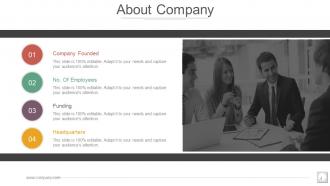
Slide 4: This is an About company slide consisting of Company Founded, No. Of Employees, Funding.
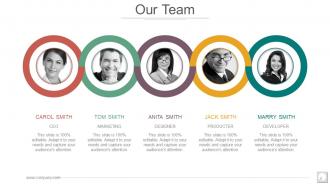
Slide 5: This is an Our Team slide with Name and Designation.
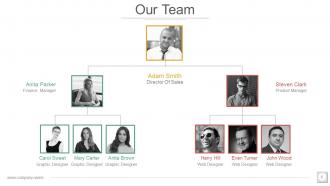
Slide 6: This slide is Our Team organisational flow chart. You can edit and make the best use of it.
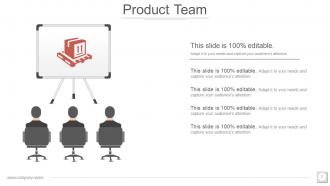
Slide 7: This slide displays Product Team with a relevant background image.
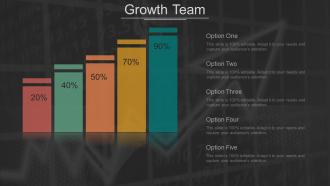
Slide 8: This slide presents Growth Team with a bar graph showing increasing growth.
Slide 9: This slide presents Business Model Canvas. It includes key partners, key activities, customer relationship etc.
Slide 10: This slide showcases Business Model Canvas. This is further categorize into various branches like as- Offering, Sustainability, Monetization.
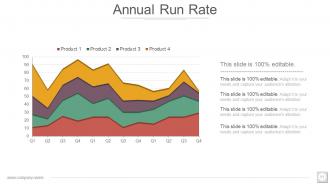
Slide 11: This slide displays Annual Run Rate. You can edit or modify according to your requirement.
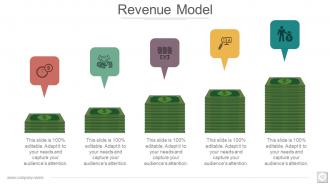
Slide 12: This slide showcase Revenue Model. You can modify according to your requirement.
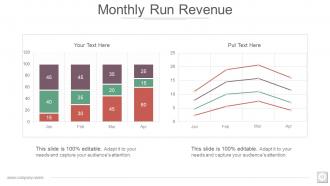
Slide 13: This slide presents Monthly Run Revenue. It shows bar chart and line chart with four months and revenue percentage.
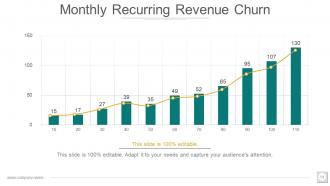
Slide 14: This slide presents Monthly Recurring Revenue Churn in form of bar chart.You can show the business growth
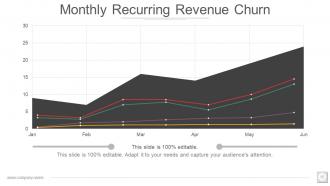
Slide 15: This slide displays Monthly Recurring Revenue Churn chart.
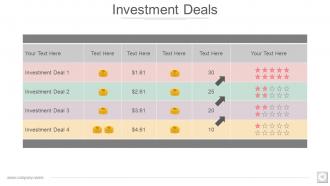
Slide 16: This slide showcases Investment Deals table. You can put your details according to requirement.
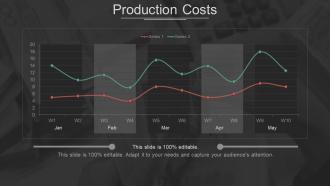
Slide 17: This slide shows Production Costs with months and two kind of series given.
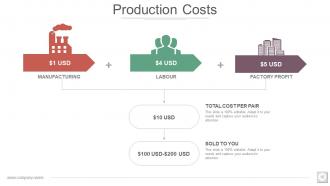
Slide 18: This slide displays Production Costs. Listing are options in which investment is to be done.
Slide 19: This slide is showing Investor Scorecard with four parameters as follows- Governance, Strategy, Performance, Engagement.
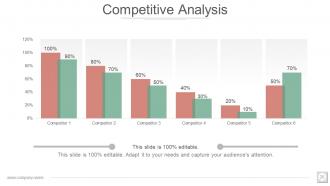
Slide 20: This slide showcase Competitive Analysis with six competitor showing different percentage.
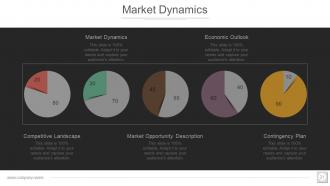
Slide 21: This displays Market Dynamics. It shows five different pie chart to shows the various stages as- Competitive Landscape, Contingency Plan, Market Opportunity Description.
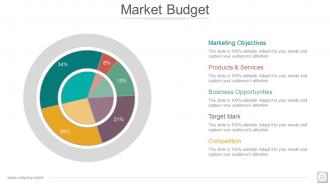
Slide 22: This slide represent Market Budget showing different percentages with certain factors as- Products & Services, Business Opportunities, Target Mark, Marketing Objectives, Competition.
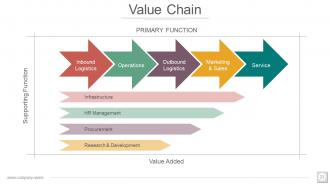
Slide 23: This slide explains slide Value Chain. It also shows primary functions and supporting functions like - Inbound Logistics, Operations Outbound Logistics, Marketing & Sales, Service.
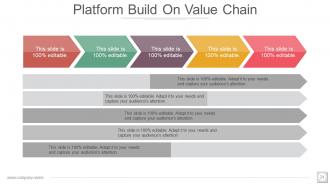
Slide 24: This slide presents Platform Build On Value Chain. It shows the five steps process and make the best use of it.
Slide 25: This slide include mainly Operating excellence showing various bar charts having cash flow,capacity utilization, operating income, operating expenses.
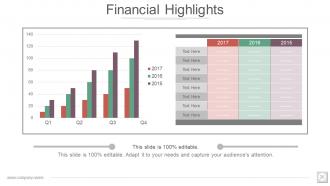
Slide 26: This slide explain you about four financial year bar chart and table for it showing the growth of your business.
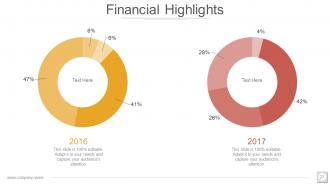
Slide 27: This is Financial Highlights. This also shows two pie chart with different percentage.
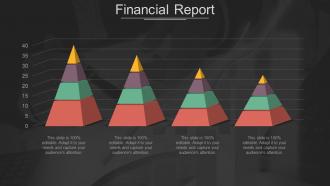
Slide 28: This is slide which explain a short Financial Report. With the help of this you can measure the four levels of business strengths and weakness.
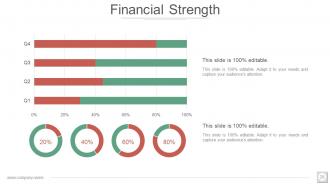
Slide 29: This slide showcases about Financial Strength.
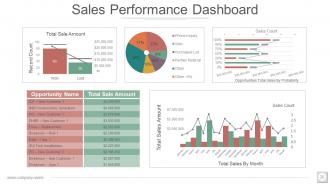
Slide 30: This slide displays Sales Performance Dashboard. These dashboards can also be used for total sale amount, sales count etc.
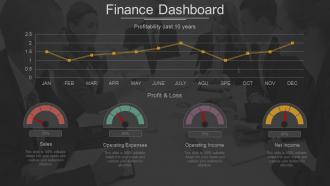
Slide 31: This slide showcases finance dashboard. Also it is showing meter for sales, operating expense, operating income, net income meter.
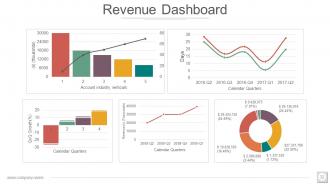
Slide 32: This is Revenue Dashboard slide which further have account industry verticals, calendar ,quarters.
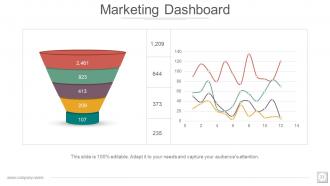
Slide 33: This slide presents Marketing Dashboard with funnel and line chart. With this you can analyse the various parameters.
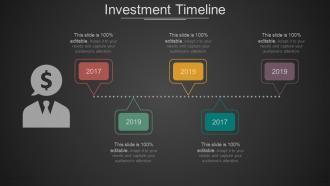
Slide 34: This slide is an Investment Timeline which is showing five year of roadmap.
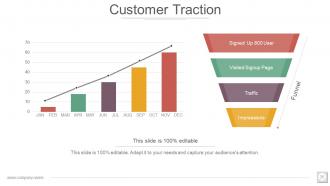
Slide 35: This slide is an Customer Traction that shows bar chart and funnel such as signed up user,visited sign up page, traffic, impression.
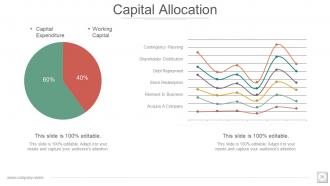
Slide 36: This slide display Capital Allocation which also describe capital expenditure and working capital.
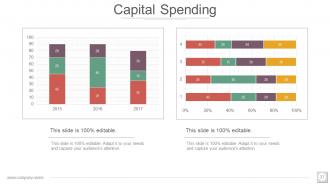
Slide 37: This slide showcases Capital Spending bar chart horizontal and vertical.
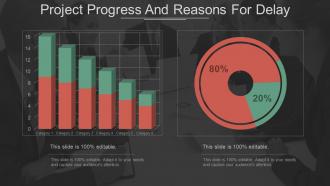
Slide 38: This slide Project Progress And Reasons For Delay showing in bar chart and pie chart form.
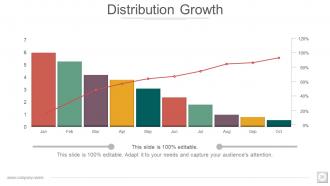
Slide 39: This slide is bar graph for Distribution Growth.You can display your business growth in this.
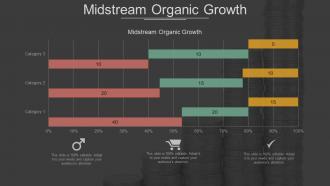
Slide 40: This slide showcases the Midstream Organic Growth.You can make the use of bar chart according to your requirement.
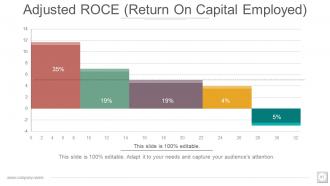
Slide 41: This slide displays Adjusted ROCE (Return On Capital Employed).You can use the chart with your percentage.
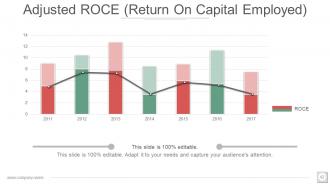
Slide 42: This slide shows Adjusted ROCE (Return On Capital Employed) and showing the financial years. you can allocate your data and use accordingly.
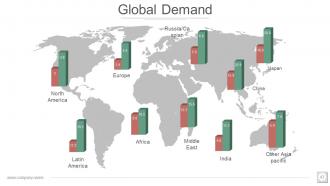
Slide 43: This slide presents Global Demand. Also it is showing across the globe distribution with numbers. You can use as per your requirement.
Slide 44: This slide displays Diversified Global Portfolio showing the location mark. with this you can edit the number of user across the globe.
Slide 45: This slide is titled Additional Slides to proceed forward.
Slide 46: This slide is titled Additional Slides to proceed forward.
Slide 47: This is an Our Mission slide.You can edit your company mission.
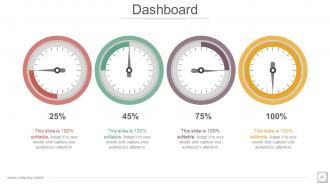
Slide 48: This slide is showing Dashboard .You can use these dashboards meter according to your requirement.
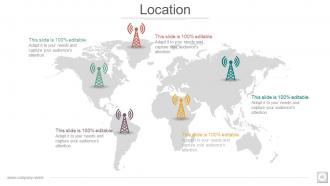
Slide 49: This slide showcases Location across the globe.
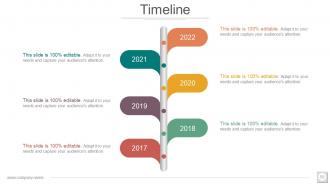
Slide 50: This slide presents Timeline showing various years.
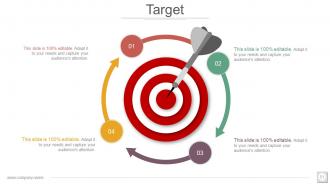
Slide 51: This is a Target slide to show targets to achieve etc.
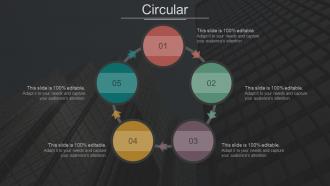
Slide 52: This is a slide Circular diagram.
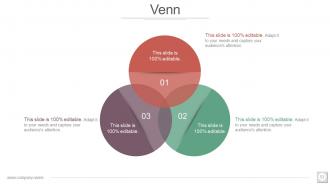
Slide 53: This is an Venn Diagram showing three overlapping circle.
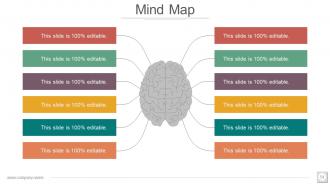
Slide 54: This slide is Mind Map.you can present data,information as per requirement.
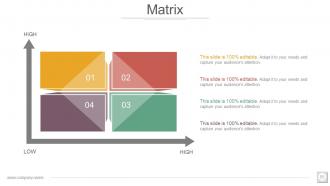
Slide 55: This is a slide of Matrix.It can be used for showing four quadrant application.
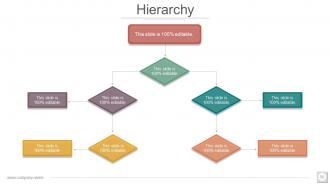
Slide 56: This Hierarchy slide can be used as organisational structure.
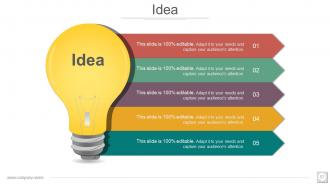
Slide 57: This is a Idea slide.You can add your idea listing in the points.
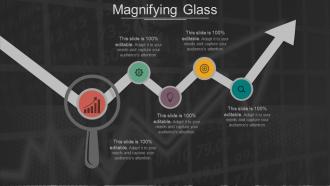
Slide 58: This slide is showing Magnifying Glass.You can use the best possible way to show analysis.
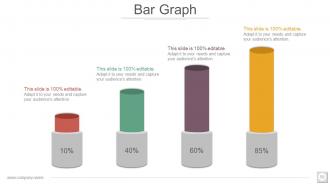
Slide 59: This slide shows Bar Graph.
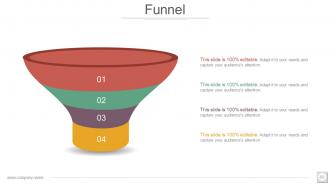
Slide 60: This slide displays a Funnel.
Slide 61: This is a Thank You slide with Address# street number, city, state, Contact Numbers, email Address.
Investor Profile Portfolio Powerpoint Presentation Slides with all 61 slides:
Folks eagerly come forward to join you due to our Investor Profile Portfolio Powerpoint Presentation Slides. They will accept your invitation.






FAQs for Investor Profile Portfolio
Honestly, you gotta nail down their risk tolerance first - and I mean what they can *actually* handle when shit hits the fan, not what sounds good on paper. Then figure out their timeline and what they're saving for. Retirement? House down payment? College fund? Also check their current money situation - steady income, any big life stuff coming up. I learned this the hard way, but there's no point throwing a conservative person into crazy growth stocks just because some rule says they should. Everything needs to match up or you'll have one stressed-out client.
So basically, figure out how much you can handle losing without freaking out. That number should drive your whole portfolio. Risk-averse? You'll want like 70-80% in bonds, CDs, stable stuff. Can handle more chaos? Load up on growth stocks, emerging markets, maybe even some crypto (though honestly that's getting pretty wild). The main thing is building something you won't panic-sell when markets tank. I learned this the hard way in 2020 - had way too much risk and almost bailed at the worst possible time. Just be honest about what percentage drop would make you lose sleep.
Honestly, most people think it's just stocks and bonds, but you've got way more options. Equities, fixed income, real estate, commodities, cash - that's your basic lineup. If your client has serious money, throw in some alternative stuff like private equity or hedge funds. The whole thing really comes down to matching what they can stomach risk-wise with their timeline and goals. I always start with figuring out their must-haves first. Then you can get creative with the other asset classes based on what actually makes sense for them. Don't overcomplicate it though - some people just need the basics and that's totally fine.
Check your portfolio every 3 months or so, but don't go crazy making changes unless something big happens - like you lose your job or the market totally crashes. Most people mess with their investments way too much and it backfires. Your age and timeline are what really matter here. If you're 25, you can handle way more ups and downs than someone who's 60 and wants to retire soon. I'd set phone reminders for quarterly reviews and then try to ignore the daily market drama. Seriously, those headlines will drive you nuts if you let them.
Look, diversification is just not putting all your money in one place. Spread it around different stocks, sectors, maybe some international stuff too. When one investment crashes (and trust me, some will), you won't lose everything. It's like having backup plans for your backup plans, honestly. The ups and downs get way less scary when you're not betting everything on Tesla or whatever. Figure out how much risk you can actually handle first. Then check if you've got too much money sitting in just one or two things right now.
Market conditions totally mess with how you balance risk for different client types. Bull markets? Even your conservative folks can handle more aggressive stuff since everything's doing well anyway. But when things tank, you're scrambling to add defensive positions to those growth-heavy portfolios - nobody wants to watch their money disappear, obviously. Your basic investor categories don't change, just the percentages you put in each asset class. I learned the hard way to write down why you made each shift. Trust me, you'll need to explain your reasoning later when clients start asking questions.
Track your total return and Sharpe ratio first - that's the good stuff that shows if your risk is actually paying off. I'm obsessed with Sharpe ratios honestly, way more useful than people think. Also watch your max drawdown and how much your sector allocation has drifted from where you wanted it. Compare against similar portfolios too. Oh and set up some kind of dashboard you'll actually look at, not one that'll just sit there. I do quarterly check-ins but whatever works for your schedule. Volatility matters but don't let it freak you out too much.
Honestly, your timeline changes everything. Young with 30+ years? You can ride out those crazy market swings no problem. But if you're close to retirement, a 40% drop would be brutal when you actually need that cash. Different goals need different approaches too - like buying a house in 5 years vs retirement decades away. I'd map out when you need each chunk of money first. Then figure out your stock vs bond mix from there. The longer timeline basically lets you be way more aggressive with stocks.
Dude, the worst thing you can do is panic-sell when everything tanks. I've seen so many people do this and regret it later. Also don't put all your money in whatever's trending - like when everyone was obsessing over Tesla a few years back. That's asking for trouble. Match your investments to when you actually need the cash. Growth stocks are cool but not if you're buying a house soon. Oh, and rebalance your stuff once in a while or it gets totally lopsided. Honestly just figure out your real goals first and don't get too fancy with it.
Your emotions absolutely wreck investment decisions, even when you think you're being logical. Bull markets make everyone feel invincible, then we panic-sell the second things get messy. I've done this myself - it's that overconfidence thing followed by pure fear. People also get obsessed with recent winners instead of sticking to long-term plans. Short-term market drama becomes way more important than it should be. Best fix? Set up automatic rebalancing so you're not making emotional calls when your portfolio's having a bad day.
Man, tax efficiency should be your first thought when setting up portfolios. Stick your REITs and bonds in tax-advantaged accounts - they're tax hogs. Index funds can live in taxable accounts since they're pretty clean. Asset location matters just as much as allocation, which honestly blew my mind when I figured that out. Check their tax bracket first - might make munis way better than corporate bonds. Oh and don't sleep on tax-loss harvesting during the year, that stuff adds up. Start by seeing what account types they've got, then play Tetris with the investments.
So ESG investing is probably your best bet here - environmental, social, governance stuff. First figure out what you actually care about, then look for funds that either avoid the bad stuff (tobacco, weapons, whatever) or actively invest in companies doing good things. Honestly, there are so many ESG ETFs and mutual funds now it's not even hard anymore. You can also dig into individual companies and how they operate, plus vote your shares on issues that matter to you. I'd start by seeing if anything you currently own conflicts with your values - might be surprised what you find.
So basically, you want money you can actually get to when shit hits the fan. Real estate and those long CDs might give better returns, but good luck accessing that cash quickly. I learned this the hard way when my car died and everything was locked up in investments. You need a mix - some liquid stuff for emergencies and whatever you'll need in the next year or two. How much depends on your situation though. Freelancer with unpredictable income? Keep more accessible. Steady job? You can probably get away with less liquid cash sitting around.
Time horizon is honestly everything when it comes to your portfolio mix. Got 20+ years? Load up on stocks - short-term crashes don't matter when you have that much runway. Retiring soon though? Different story. You'll want way more bonds and safer stuff since you can't wait out the bumps. I always heard this trick from my dad - take 100 minus your age, that's your stock percentage. So if you're 30, maybe 70% stocks. Not perfect but it's a decent starting point.
Honestly, tech makes managing portfolios so much easier these days. Robo-advisors handle the rebalancing automatically when markets shift, so you're not constantly tweaking things manually. Real-time tracking means you always know where you stand. The AI risk assessment stuff is pretty solid too – way better than my old Excel nightmares. Mobile apps are clutch for monitoring everything when you're out and about, plus they'll ping you if something major happens. Tax-loss harvesting features can save you decent money come April. I'd say figure out which automation tools actually fit how you work first though.
-
Top Quality presentations that are easily editable.
-
Good research work and creative work done on every template.