


Investment plans powerpoint presentation slides




Try Before you Buy Download Free Sample Product
 Impress Your
 Audience
 100%
100% Editable
 Save Hours
 of Time


Introducing our Investment Plans PowerPoint Presentation Slides. Employ these equity mutual funds PPT templates to create a successful financial planning strategy. Gain the trust of your potential investors by displaying your company’s vision, mission, and core values using these insurance plans PPT layouts. With the help of this venture capital investment PPT slideshow, you can showcase the client testimonials for your past projects and build the confidence of the capitalists. Mention the services your company provides like money management, retirement planning, brokerage services, and portfolio management with the assistance of our systematic investment ppt. Promise a steady income and financial security by taking the aid of this business investment PPT presentation. Provide a glimpse of the multiple ways to premium payments, including quick pay, auto-pay, and offline payment, through these financial planning PPT graphics. These outlay plan PPT graphics accurately display the need for investment plans in an attractive yet informative manner. Download this completely adaptable budgeting PPT deck and impress the audience with your foresightedness.
People who downloaded this PowerPoint presentation also viewed the following :
Investment plans powerpoint presentation slides with all 57 slides:
Use our Investment Plans Powerpoint Presentation Slides to effectively help you save your valuable time. They are readymade to fit into any presentation structure.
-
Investment Plans
-
Objectives of Investment Plans
-
Investment Plans
-
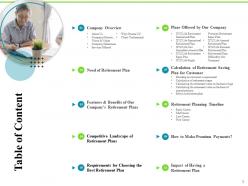
Company Overview
-

About Us
-

Company Mission Vision and Values
-
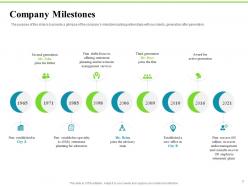
Company Milestones
-

Services Offered
-

Why Choose Us
-
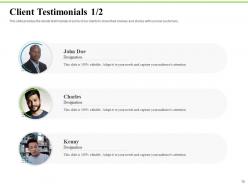
Client Testimonials 1 2
-

Client Testimonials 2 2
-

Need of Retirement Plan
-

Need of Retirement Plan
-

Features Benefits of Our Company s Retirement Plans
-

Features Benefits of Our Company s Retirement Plans
-

Competitive Landscape of Retirement Plans
-

Competitive Landscape of Retirement Plans
-

Requirements for Choosing the Best Retirement Plan
-
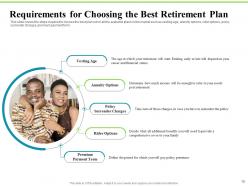
Requirements for Choosing the Best Retirement Plan
-

Plans Offered by Our Company
-

XYZ Life Retirement Guaranteed Plan
-

XYZ Life Retirement Guaranteed Plan cont
-
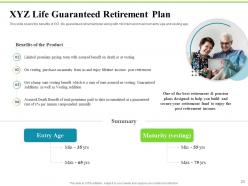
XYZ Life Guaranteed Retirement Plan
-
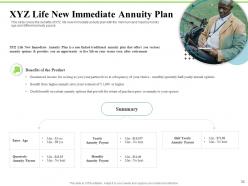
XYZ Life New Immediate Annuity Plan
-
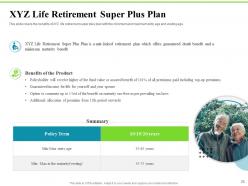
XYZ Life Retirement Super Plus Plan
-

XYZ Life Single Premium Retirement Super Plan
-
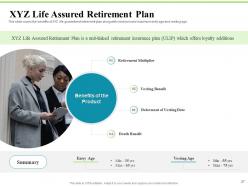
XYZ Life Assured Retirement Plan
-

XYZ Life Personal Retirement Plus
-

Retirement Plans Offered by Our Company
-

Calculation of Retirement Saving Plan for Customer
-
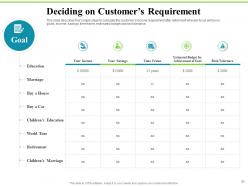
Deciding on Customer s Requirement
-

Calculation of Retirement Corpus
-
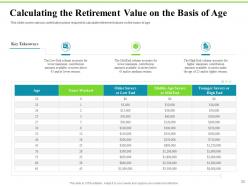
Calculating the Retirement Value on the Basis of Age
-

Calculating the Retirement Value on the Basis of Annual Pension
-
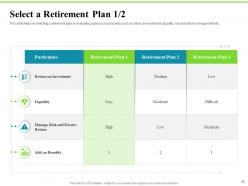
Select a Retirement Plan 1 2
-
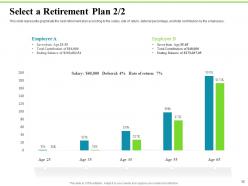
Select a Retirement Plan 2 2
-

Retirement Planning Timeline
-
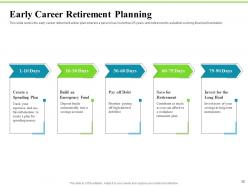
Early Career Retirement Planning
-
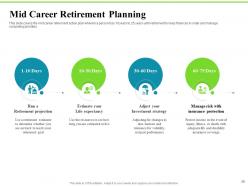
Mid Career Retirement Planning
-
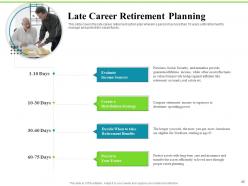
Late Career Retirement Planning
-
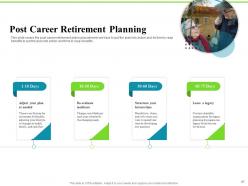
Post Career Retirement Planning
-

How to Make Premium Payments
-

How to Make Premium Payments
-

Impact of Having a Retirement Plan
-

Impact of Having a Retirement Plan
-
Investment Plans Icons Slide
-

Additional Slides
-
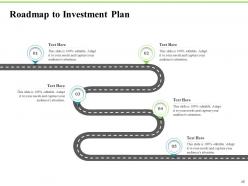
Roadmap to Investment Plan
-

30 60 90 Days Plan
-
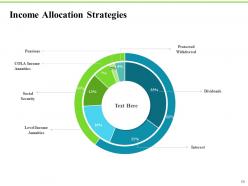
Income Allocation Strategies
-

Timeline
-

Allocation of Cash Management 1 2
-

Allocation of Cash Management 2 2
-
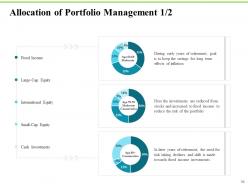
Allocation of Portfolio Management 1 2
-

Allocation of Portfolio Management 2 2
-
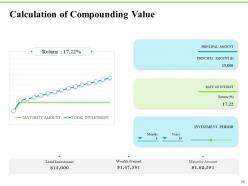
Calculation of Compounding Value
-
Thank You
FAQs for Investment plans
Okay so first figure out what you're actually saving for - retirement, a house, whatever. That timeline is huge for how you'll invest. Be honest about risk too, because everyone's a genius until the market crashes and you panic sell. Spread your money across different stuff - stocks, bonds, international markets. Don't put it all in one basket, basically. Here's the thing though: automate everything. Set up regular contributions and rebalancing so you're not constantly messing with it or trying to time things perfectly. Check in once a year but ignore the daily drama. That'll just stress you out.
Honestly, just think about how you'd feel if your investments tanked 20% overnight - can you handle that stress? Your age matters too. Like if you're retiring soon, don't go crazy with risky stuff. But 30 years out? You've got time to recover from dips. Also consider when you'll actually need this money and how steady your job is. I'd probably take a couple online risk quizzes first - they're kinda cheesy but give you different angles to think about it. Start conservative though, you can always get bolder once you figure out what keeps you sane.
So diversification is just spreading your money around different investments instead of dumping everything into one thing. One sector crashes? Your other stuff helps balance it out. I made the mistake once of going too heavy on tech stocks - ouch. Mix up asset classes, different industries, maybe some international stuff too. Obviously you want to match your risk level and how long you're investing for. Oh and definitely look at what you already own first, you might be surprised how concentrated you actually are without realizing it.
Honestly, just match your timeline to your risk level. Money you need in 1-3 years? Stick with boring stuff - high-yield savings, CDs, money market accounts. But long-term goals can take way more risk since you've got decades to recover from any crashes. I made this mistake once putting my house fund in stocks right before everything tanked - learned that lesson fast! For retirement though, you want growth over time. Write down when you actually need each chunk of money. That's really what determines how aggressive you should be with investing it.
Honestly, most people mess up by putting all their money in one thing or trying to predict when stocks will go up or down - which nobody can do consistently, trust me. Starting late is huge too because they think they need like $10,000 to begin. You don't! Even $50 a month works. The worst thing though? Selling everything when the market crashes instead of just riding it out. Oh, and chasing whatever's hot right now without actually understanding it. Set up automatic transfers into something diversified and then basically ignore it. I know that sounds boring but it actually works.
Dude, get yourself a good investment app first - it'll change everything. No more messy spreadsheets tracking stuff across different accounts. These apps automatically rebalance your portfolio and show real-time performance data. Robo-advisors are clutch if you want completely hands-off investing. The AI features actually work pretty well too, suggesting changes based on your risk level. Automated contributions happen in the background, plus tax-loss harvesting (which honestly I didn't even know was a thing until recently). Start simple with one app to see everything in one place, then mess around with the automation stuff.
Honestly, think of economic indicators like a weather forecast for your investments. GDP growth, unemployment, inflation - they give you hints about what's coming next. Rising inflation? Maybe look at assets that do well when prices go up. I learned this the hard way during that crazy 2021 period. Don't get obsessed with just one number though. You need like 3-4 indicators working together to see the real picture. Short sentences work. Longer ones help you understand the connections between different data points. It's way better than flying blind with your portfolio decisions.
Honestly, robo-advisors are pretty solid. The fees are way better - like 0.25% instead of the 1%+ you'd pay a regular advisor. They automatically rebalance everything and use algorithms to match your risk level. What I really like is they stop you from making dumb emotional trades (guilty as charged lol). You get diversified ETF portfolios without doing the research yourself. Most let you start small too. Betterment and Wealthfront are the big ones - might be worth trying if you don't want to babysit your investments constantly.
Check your portfolio every few months and rebalance when things get wonky. When markets go crazy, I'd move some money from risky growth stocks into bonds or safer stuff. Bull markets? Maybe bump up your stock exposure. Bear markets are brutal though - time to play defense and protect what you've got. Honestly even the "experts" mess up timing all the time, so don't feel bad about it. Set some rules ahead of time, like rebalancing if anything gets 5-10% out of whack. Put quarterly reminders on your phone so you're not panic-selling every time the news freaks you out.
Honestly, you should probably think about whether you're cool with what your money's actually supporting. Like, some companies have amazing returns but treat their workers like garbage or trash the environment. ESG funds are pretty popular for people who care about this stuff, though they're not perfect either. I personally wouldn't want to make money off tobacco or weapons companies, but that's just me. There's actually a ton of screening tools now that let you dig into a company's ethics before you invest. Makes the whole process way easier than it used to be.
Dude, taxes will absolutely destroy your returns if you're not careful. Max out your 401k and IRA first - that's like investing 101. Then do tax-loss harvesting in regular accounts to cancel out gains. Hold stuff for over a year if you can since long-term capital gains rates are way better. I learned this the hard way my first few years investing, lol. But seriously, don't just look at what you made - always think about what you'll actually keep after Uncle Sam takes his cut. That's what really matters.
Honestly, start with "The Bogleheads' Guide to Investing" - it's not boring like you'd think. Investopedia has solid free courses that actually make sense. For YouTube, Ben Felix is legit (way better than those annoying finance influencer types). Oh, and your bank probably does free planning sessions - most people don't even know that's a thing. I'd grab one book first, maybe browse Investopedia when you're procrastinating anyway. Once you've got the basics down, then talk to someone in person who won't try selling you weird stuff.
Honestly, most people just jump into "ethical investing" without figuring out what they actually care about first. Start by writing down your values - like are you more worried about climate stuff or worker rights? Then look into ESG funds that match those specific things. Your broker probably has filters now where you can screen out fossil fuels or find clean energy investments. I spent way too much time looking at "socially responsible" funds that were super vague. Be picky about what matters to you, otherwise you'll end up with some generic fund that doesn't really reflect your priorities.
So inflation is basically stealing from your wallet every year. If you're earning 2% in savings but inflation hits 4%, you're actually losing money. Cash feels safe but it's risky long-term honestly. Stocks have historically beaten inflation over time. Real estate too. There's also TIPS bonds - they're specifically designed to keep up with inflation, which is pretty cool. Maybe throw in some commodities if you want. Point is, you need your money growing faster than prices are rising. I'd figure out what return you actually need first, then build from there.
Check your investments every 6 months if possible - annually at minimum. Your life keeps changing (new job, different goals, age shifts) so your portfolio should too. Market fluctuations happen daily but don't stress about those. Big picture matters more: does your asset allocation still fit? Are you hitting your targets? Honestly, most people get lazy about this stuff. Set an actual calendar reminder or you'll suddenly realize it's been 3 years since you looked. Quick review beats no review every time.
-
Great experience, I would definitely use your services further.
-
Awesome presentation, really professional and easy to edit.
-
Easy to edit slides with easy to understand instructions.
-
Much better than the original! Thanks for the quick turnaround.
-
Attractive design and informative presentation.
-
Commendable slides with attractive designs. Extremely pleased with the fact that they are easy to modify. Great work!
-
Helpful product design for delivering presentation.
-
Unique design & color.
-
Awesome presentation, really professional and easy to edit.