

Investment powerpoint presentation slides




Try Before you Buy Download Free Sample Product
 Impress Your
 Audience
 100%
100% Editable
 Save Hours
 of Time


Use Investment PowerPoint Presentation Slides to educate your clients about various investment schemes, long term investments, benefits, and more. Investment manager can present their different portfolios to the potential investors. This content-ready investment PowerPoint complete presentation deck aims to meet particular investment goals for the benefit of the investors. Incorporate templates like investment objectives, investment instruments, mutual funds, types of mutual funds, SIPs, exchange traded funds, and more. This investment complete presentation slideshow can be used on various other topics like asset allocation, financial statement analysis, stock selection, monitoring of existing investments, plan implementation, etc. Investment management PowerPoint templates are completely customizable. You can edit the PPT slides as per your convenience. Edit the color, text, icon, and font size as per your need. Add or delete the content from presentation if needed. Download ready-to-use investment PowerPoint presentation templates to create an investment portfolio for your clients. Get folks familiar with the field of computers with our Investment Powerpoint Presentation Slides. Be able to increase digital exposure.
People who downloaded this PowerPoint presentation also viewed the following :
Content of this Powerpoint Presentation
Diving into finance without proper guidance will always feel like wandering through a dense forest without a clear path. But imagine having a bunch of PowerPoint Slides, each one shining a light on the intimidating world of finance, making it easier to understand and conquer.
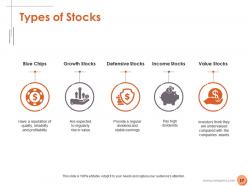
Each presentation slide tells a story that is bound to turn complex investment strategies into actionable insights. From the steady world of bonds to the ups and downs of the stock market, everything is broken down into simple, easy-to-understand bits. Imagine a presentation slide simplifying hedge funds with a flowchart or showing how ETFs grow, all in a way that's easy to grasp.
Consider these more than simple PPT Slides; these're your guide through the financial jungle, designed to help you make informed decisions with confidence.
So, let's start this journey together. Whether you're giving advice or just starting out, these presentation template are your compass in the world of finance, guiding you towards success. Dive in, and let each PPT Template take you closer to mastering the art of investment, making the complex world of finance a bit more friendly.
Template 1: Investment Objectives PPT Slides
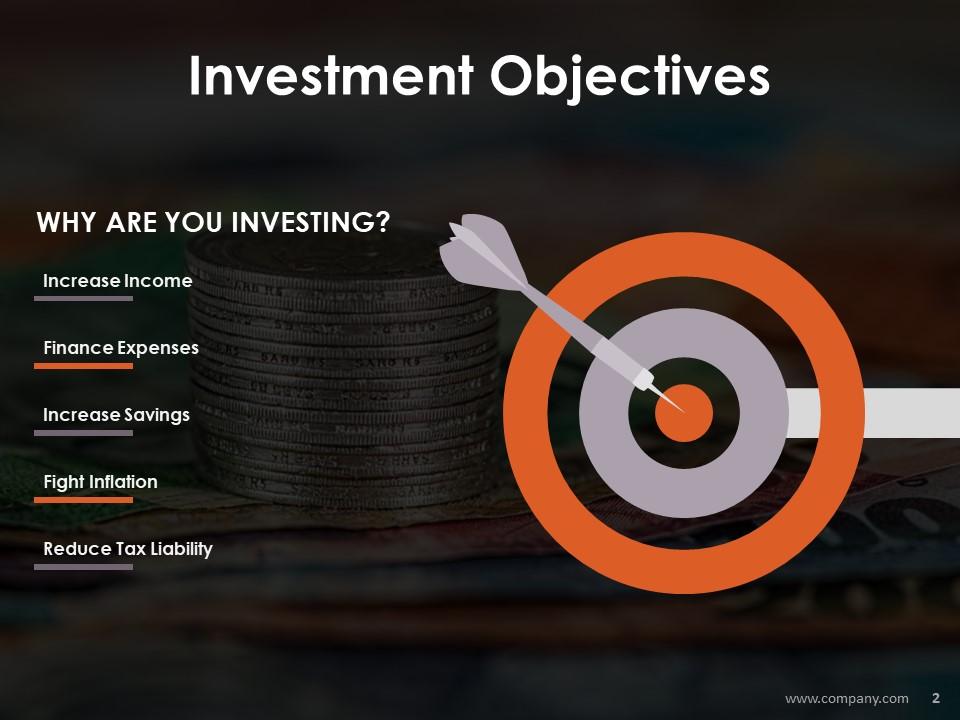
This Investment PowerPoint Slide is like a flashlight for anyone trying to get a grip on investment goals—like making more money, cutting down costs, saving more, beating inflation, or getting smart with taxes. This cool bullseye graphic connects your money goals to how you can reach them, making tricky ideas easy to get. It's not just another slide; it's your helper in clarifying things and helping you figure out how to manage your investments better. Use this presentation slide to step up your finance talks, make them fit your style, and help people feel good about making smart money moves. It's more than just a slide; it's a promise to make the confusing stuff straightforward, confidently leading your audience to their money goals.
Template 2: Investment Instruments PPT Slide
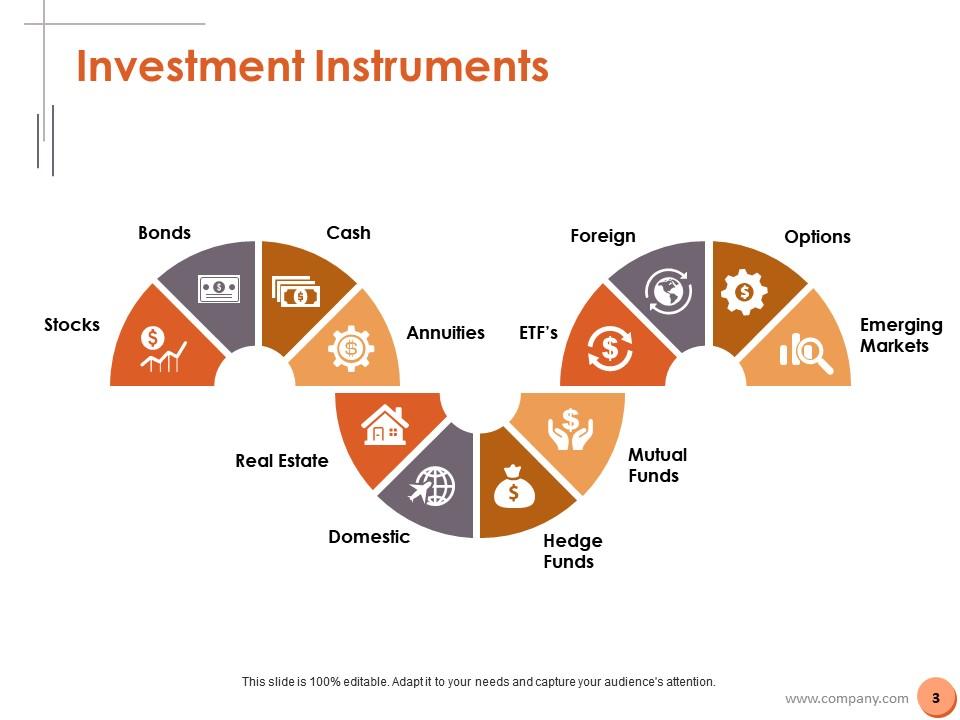
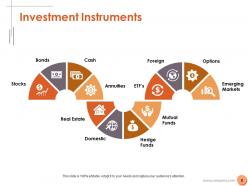
Check out this cool PowerPoint Design that opens up the world of investing. It's packed with pictures and info on different ways to invest your money, from regular stuff like stocks and bonds to fancier options and new markets popping up. This PPT Layout is handy for anyone who talks about investments for a living because it breaks down all those complicated investment types into something anyone can understand. You can change it up however you like to ensure it's telling your investment story just right. It's all about making the big idea of spreading out your investments clear and easy to get. Take your audience on an exciting trip through the world of investing, giving them the info they need to make smart money moves with this presentation template at your aid.
Template 3: Mutual Funds Investment PPT Slide
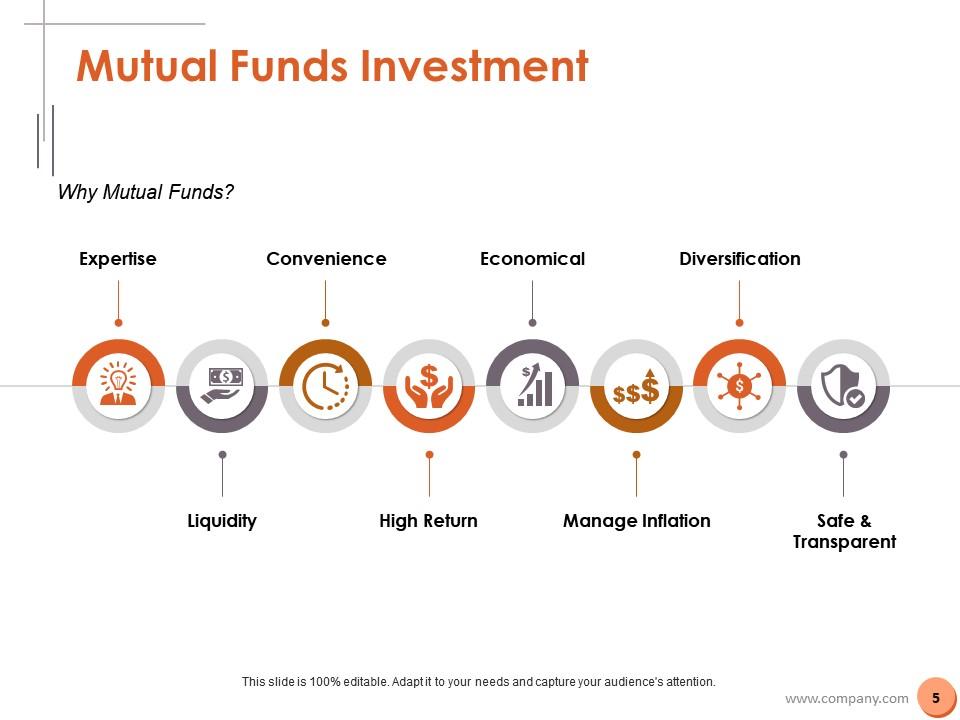
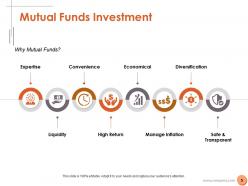
This presentation template shows you the perks like getting a pro to manage your money, how it's easy on your wallet, and how it helps spread out your risk so you don't put all your eggs in one basket. It also talks about how you can quickly get to your cash if needed, the chance to make more money, ways to beat rising costs, and how everything is clear and above board. It's a great tool for financial advisors to explain why mutual funds are worth considering, making it easier for clients to get the hang of it and make smart choices with their cash. You can change its layout to show off your know-how and style, turning it into a key piece that convinces your clients to mix things up and strengthen their investment pile. With this PPT Slide, you're not just giving out facts; you're building trust and helping people make choices they feel good about.
Template 4: Mutual funds to invest PPT Slides
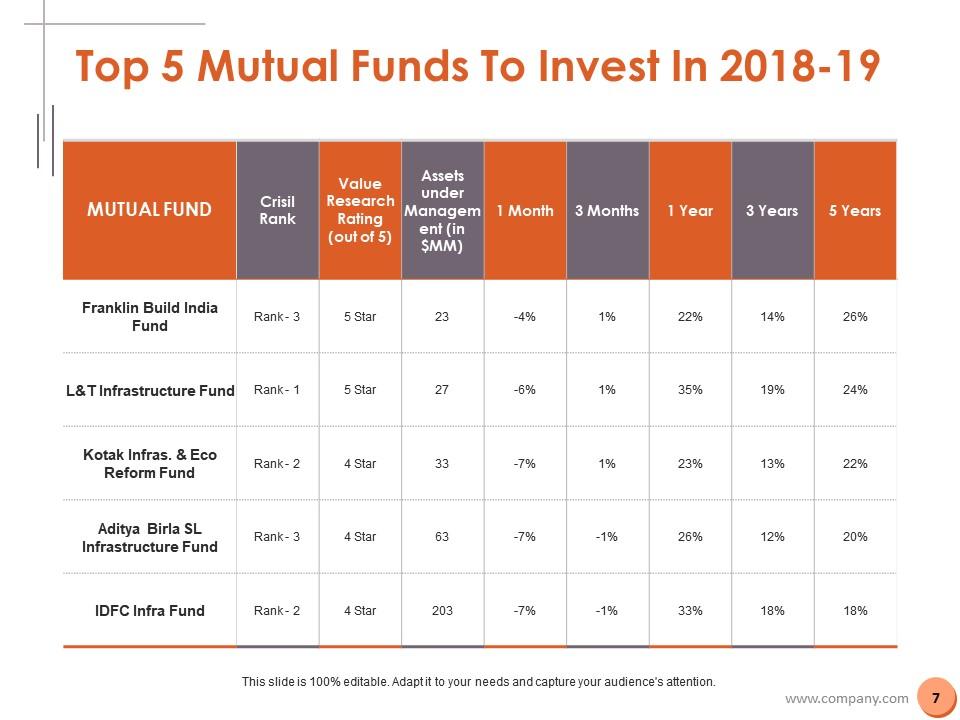
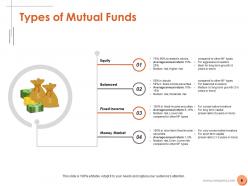
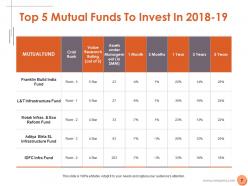
This PowerPoint Design is your go-to guide for checking out the best mutual funds from previous years. It takes all that complicated data and makes it easy to understand, showing off rankings from Crisil and Value Research, plus how these funds did over various times. It's great for anyone wanting to show off the top mutual funds, giving you quick facts on how much money they manage and how they've grown. You can tweak this info-packed PPT slide to fit your presentation vibe, helping your audience understand how these mutual funds have done before. This way, everyone can chat about what worked in the past and make smarter choices on where to invest their money.
Template 5: SIP introduction PPT Slide
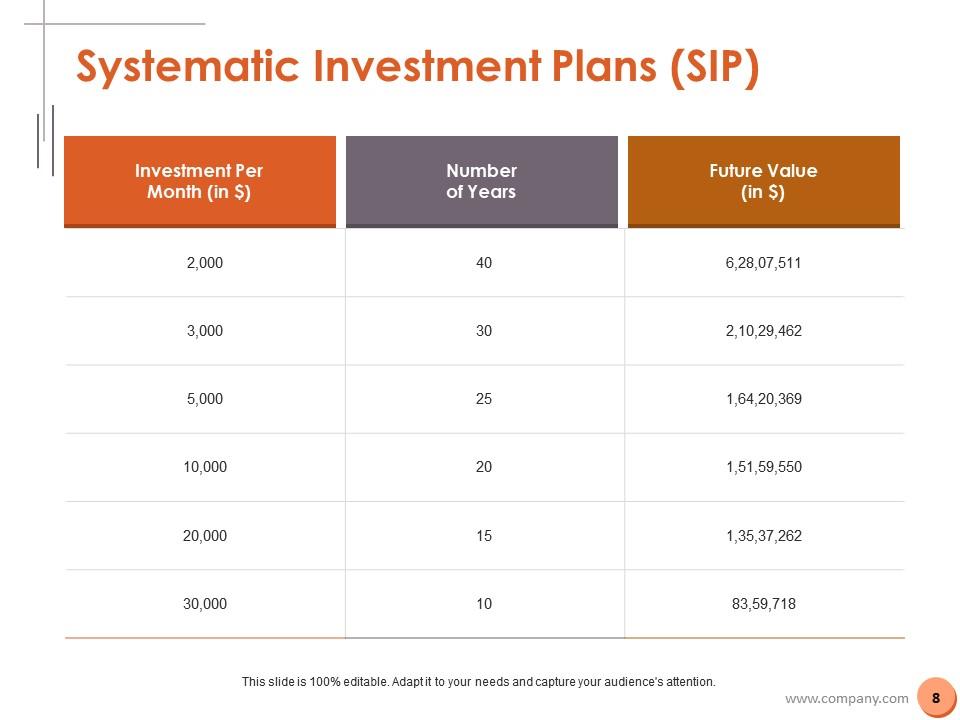
This PowerPoint Slide is all about showing your clients how they can make their money grow with Systematic Investment Plans (SIP). It's got pictures and charts that make it super clear how putting a little money aside regularly can add up over time, thanks to the awesome power of compound interest. It's perfect for financial advisors who want to explain why sticking to a saving plan can really pay off in the long run. You can tweak this presentation slide to suit different money situations, making it easier to show your clients why regular, disciplined investing is a smart move. Customize it to drive home the point about SIPs, getting your clients excited about saving and making smart investment choices.
Template 6: Fastest growing ETF PPT Slide
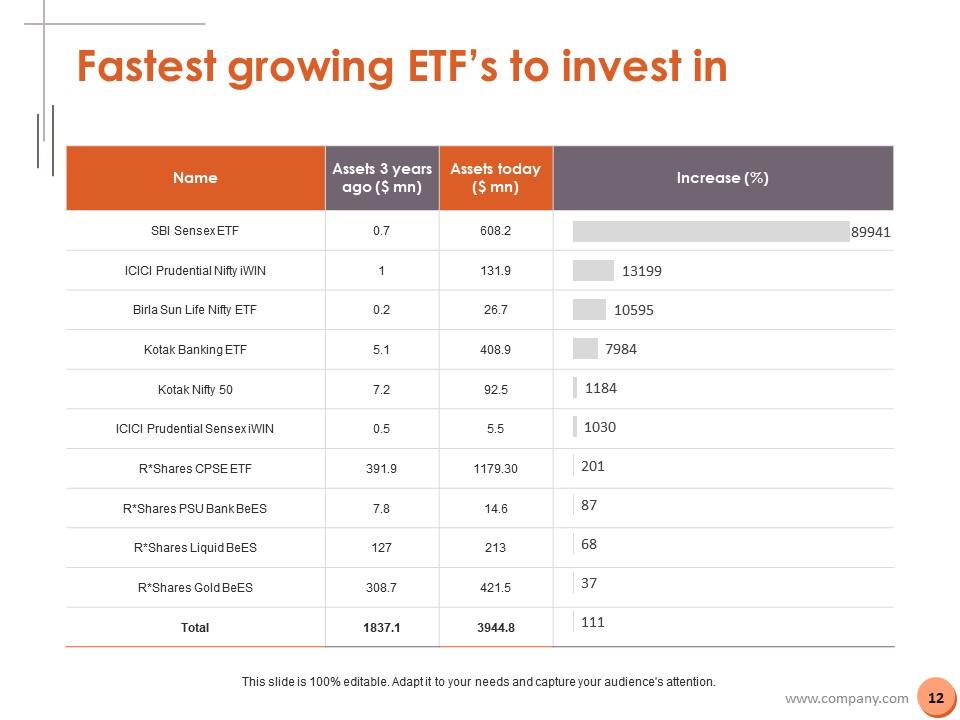
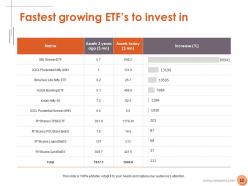
Check out this PowerPoint Design that shows how fast Exchange-Traded Funds (ETFs) are growing. It's a super tool for anyone into investing, clearly showing how different ETFs have done in the last three years. For example, it talks about how the SBI Sensex ETF shot up by an amazing 89941%! This presentation design is great for sparking talks about where to put your money and what's happening in the market, helping your clients pick the best places to invest. It's made to be super clear and has a big impact, and you can change it up to match how you like to do your presentations. It's perfect for helping newbies and pros better understand the market and make smart investment choices. Use it to show off your knowledge and help your clients feel good about their investment decisions.
Template 7: Bond Types PPT Slides
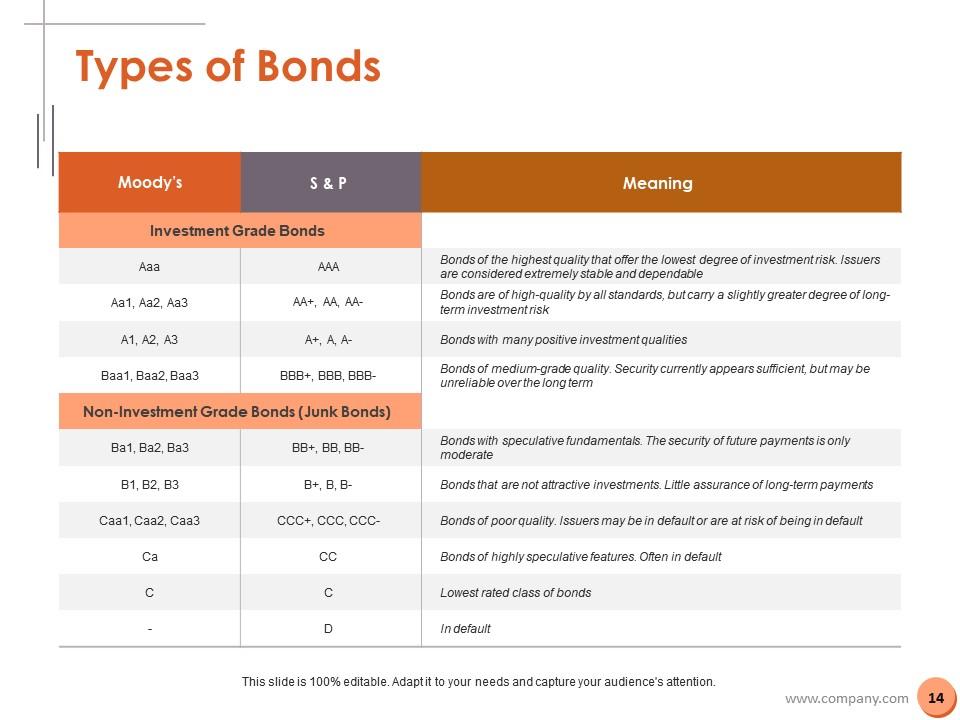
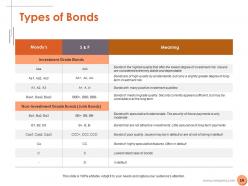
This PowerPoint Layout here makes understanding bond investments way easier. It's perfect for anyone teaching finance or giving advice because it shows you what all those Moody's and S&P bond ratings mean. This presentation layout sorts out the fancy bond types into simple categories to see which ones are good bets and which are riskier. It turns all that complicated bond rating talk into something you can get. You can even change it up to fit your way of explaining things, making your finance talks more interesting and helpful. Use this slide to clarify how bond investments work, helping your crowd get the hang of which bonds are stable and fit their investment style.
Template 8: Best & Worst Performance of Stock PPT Slide
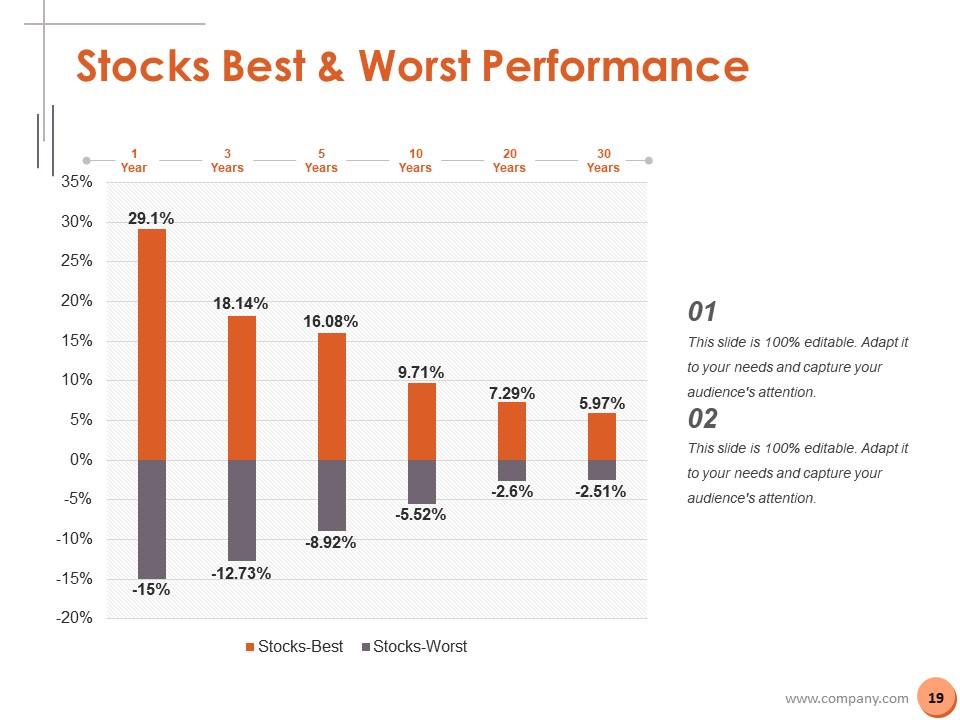
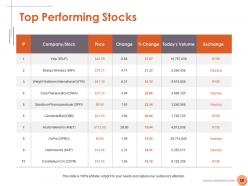
Check out this PowerPoint Preset that's like a quick trip through the ups and downs of the stock market, from the fast pace of one year to the long haul of thirty years. It shows how wild the market can be and why spreading your investments around is smart. The big wins and tough losses of different stocks make a strong case for thinking ahead and staying calm through the market's rollercoaster ride. You can tweak this presentation layout to tell your story, making it a key part of your financial advice toolkit. It uses clear pictures to guide people through the market's twists and turns, helping them feel more sure about their long-term money plans.
Template 9: Types of Hedge Funds PPT Slides

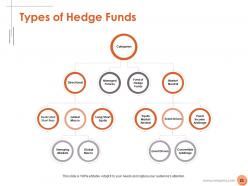
This PowerPoint Framework is like a treasure map to understanding hedge funds. It's got this neat flowchart that makes all those tricky investment strategies super simple to get. Whether discussing bold moves or playing it safe, this slide covers you. It's perfect for anyone who talks money for a living and wants to match up fancy hedge fund tactics with what their clients seek. You can change this presentation framework however you like to make your financial talks even better, helping your audience get the hang of hedge funds. This PPT Design is about making you look good by helping your clients feel smart and ready to dive into the deeper end of investing confidently.
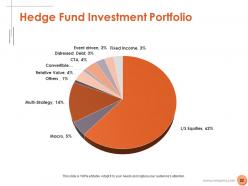
Template 10: Hedge Fund Investment Portfolio PPT Slide
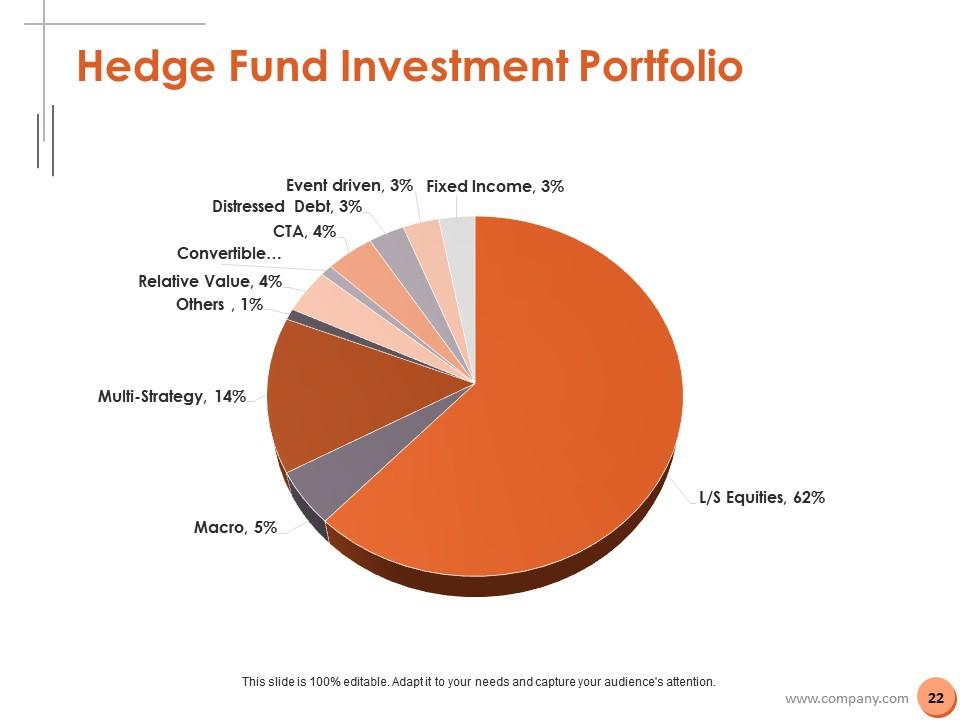
Check out this PowerPoint Design about mixing up your investments, like a recipe for a great financial stew. It shows you how a hedge fund spreads out its money into different pots, from playing the stock market game of guessing which stocks will go up or down to betting on big economic trends. It's a real treasure for advisors because it clearly shows how mixing investments can balance out the risk and possibly up the rewards. Use this PowerPoint Layout to take your clients on a picture journey through the smart ways to spread their investments, helping them make decisions with a bit of savvy. This slide is ready to go and easy to change, making it your tool to tell a story that sticks with your clients, mixing your wisdom with the PPT Design's clear info to catch the attention of those looking to invest with a bit of strategy.
Master the Art of Investing
As we finish our tour of these cool finance slides, we've gotten a better grip on investing. It's been a trip from seeing our investment goals clearly to exploring all the different ways we can play the market. Each presentation template is like a mini-adventure, giving us the tools and tips to navigate the ups and downs of investing. Think of all this knowledge as an anchor and a compass in the huge investing sea. The stuff we've learned here helps us dodge the tricky spots and sail towards making more money. These slides are all about making smart choices, talking things through clearly, and knowing how to put together a killer presentation. Looking ahead feels a bit less scary for finance pros and their clients. Grab these PPT Layouts, tweak them to fit your vibe, and let them guide you as you dive into your next money-making journey. Use this new know-how to drive your strategies, grab people's attention, and win big.
Investment powerpoint presentation slides with all 44 slides:
Document your growth with our Investment Powerpoint Presentation Slides. Elaborate on the chain of events that got you here.










FAQs for Investment
Honestly, start with what you're actually trying to do with your money - like are you saving for a house or just trying to grow wealth? Risk vs return is obvious but liquidity matters too if you might need the cash. Fees will eat you alive if you're not careful, I learned that the hard way. For stocks, dig into the company's basics - are they actually making money? Don't invest in anything that'll make you obsess over your portfolio at 2am. Oh and your timeline matters huge - if you need the money in two years, maybe skip the volatile stuff.
So basically, you spread your money around different stuff - stocks, bonds, international funds, whatever. One thing crashes? The others usually don't all tank at the same time. It's that whole "don't put all your eggs in one basket" thing, which sounds cheesy but actually works. Different investments react weird to market drama, so they kinda balance each other out. Honestly, I learned this the hard way in 2020. Start mixing it up and you'll see way less scary swings in your account. Your future self will thank you.
Look, market research is basically your roadmap for not losing your shirt. It shows you market trends, company basics, and what the competition's doing. Plus you can spot red flags early. I mean, would you buy a house without checking it out first? Same logic applies here. Research separates actual opportunities from all the garbage pumped on social media these days. Works for stocks, bonds, whatever you're into. Oh, and find 2-3 sources you actually trust and can understand - don't overcomplicate it. Without research you're just gambling.
Hey! So basically short-term is like day trading to maybe a couple years - you're constantly watching the market trying to time everything. Super stressful honestly. Long-term is more chill, you buy good stuff and just let it grow for 5+ years. The compound interest does most of the work for you. Short-term means way more fees and taxes eating into your gains. Plus you gotta have nerves of steel. Long-term is more forgiving when you mess up (and trust me, we all do). If you're new to this whole thing, definitely go long-term first.
So behavioral finance is basically about how we're all pretty irrational when it comes to money decisions. Like, you'll probably hold onto losing stocks way too long because nobody wants to admit they screwed up. During market crashes, everyone panics and sells at the worst possible time - it's like a weird herd mentality thing. I mean, the textbooks love to talk about "efficient markets" but that's total BS since real people are making these trades, not emotionless computers. All these psychological quirks add up and create bubbles and crashes. Once you recognize your own biases though, you can actually start making smarter moves.
Oh man, definitely don't dump everything into one stock - learned that one the hard way watching GameStop drama unfold. Diversify that shit. Also? Stop panic selling every time the market has a bad day, and quit chasing whatever stock TikTok's hyping this week. Everyone thinks they can time things perfectly but spoiler alert: they can't. Just grab some boring index funds, throw money at them consistently, and chill for like 10+ years. Trust me, you'll save yourself so many headaches by ignoring all the daily market freakouts.
So basically, economic indicators show you what's happening with the economy and help guide where to invest. Strong GDP + low unemployment usually means growth stocks are safer bets. But if you're seeing stuff like rising unemployment or weird yield curve patterns, maybe stick to bonds or defensive plays instead. Honestly, I've been watching employment reports and GDP data lately - they're pretty solid starting points. It's not perfect obviously, but these signals give you decent context for timing and what to buy. Way better than just guessing, you know?
Honestly, real estate's pretty sweet for steady rent money and it usually goes up when everything else gets more expensive. Plus there's something cool about actually owning a building, you know? But man, you're stuck dealing with tenants and repairs, and you need way more cash upfront. Stocks are the opposite - super easy to buy and sell whenever, and you can spread your money across tons of companies. They bounce around more though, and most don't pay you regularly like rent does. Real estate's usually more stable but locks up your money. Really depends on how much risk you can handle and whether you want to be a landlord or just click "buy" on your phone.
Honestly, robo-advisors are pretty solid for auto-rebalancing your portfolio without thinking about it. Investment apps give you real-time data and make trading super easy. There's also AI stuff for analyzing your portfolio and checking risk levels - though half these apps do basically the same thing with different packaging. Focus on budgeting apps first to see how much you can actually invest, then set up automatic transfers so you don't skip months. Morningstar's great for research when you're picking stocks or funds. Tax-loss harvesting tools are worth it too since they'll save you money come April. Don't try using everything at once though.
Honestly, geopolitical stuff can wreck your investments pretty fast. Markets go crazy, currencies swing all over the place, and whole sectors just tank. Look at what happened with Russian stocks after Ukraine - basically worthless overnight. Investors always run to boring safe stuff like bonds and gold when things get messy, which hammers everything else. Supply chains break down, oil prices go nuts. The annoying thing? You can't really predict this stuff. I mean, who saw that coming exactly when it did? Best you can do is spread your money around different countries and asset types. Don't panic sell when the news gets wild.
So basically interest rates and your investments move in opposite directions - it's this whole seesaw thing. Rates go up? Bond prices tank because newer bonds pay better, plus stocks usually drop since companies can't borrow as cheaply. Your mortgage gets pricier too, obviously. Flip side is when rates fall - bonds do well, stocks often rally from cheaper corporate debt, and you can refinance for less. Honestly the whole system feels backwards sometimes. Just watch your bond duration right now with all this rate chaos, and if you've got variable debt... yeah, that could hurt.
So asset allocation is just spreading your money across different investments - stocks, bonds, whatever. Don't put everything in one place because when stocks crash, maybe your bonds stay solid. It smooths out the crazy ups and downs. You gotta figure out what mix works for your age and how much risk you can handle. Like, I'm more aggressive than my parents would be. Set target percentages for each type, then rebalance every so often when things get too out of whack. Pretty straightforward once you get the hang of it.
Honestly, diversification is your best friend here - spread your money across different types of investments. Dollar-cost averaging works great too, just invest the same amount regularly instead of trying to time the market. I usually rebalance every few months, which basically forces you to buy low and sell high without thinking about it. Having an emergency fund is clutch so you won't panic-sell when things get ugly. Oh and set up automatic investing if you can - takes all the emotional drama out of it. Sounds simple but it actually works.
Taxes will absolutely wreck your returns if you don't think about where stuff goes. Put bonds and REITs in your 401k or IRA since they're tax hogs. Index funds can sit in regular accounts - they're pretty chill tax-wise. Tax-loss harvesting is honestly like found money if you do it right. Oh, and hold things longer than a year before selling. Long-term gains get way better tax rates than short-term. I learned this the hard way my first year investing lol. Always compare what you'll actually keep after taxes, not the flashy gross numbers everyone talks about.
Climate ETFs are huge right now, plus impact bonds targeting specific outcomes. AI screening tools are way better at catching greenwashing than the old methods - honestly, it's about time. Transition investing is blowing up too, where you fund companies that aren't perfect but actually trying to improve. Board diversity requirements are pushing capital around like crazy. Carbon credits are exploding but super volatile. Oh, and I'd probably start by checking your current portfolio's ESG scores - most brokers have free tools for that now. Way easier than starting from scratch.
No Reviews