

IoT In Agriculture Powerpoint Ppt Template Bundles




Try Before you Buy Download Free Sample Product
 Impress Your
 Audience
 100%
100% Editable
 Save Hours
 of Time


Unlock the future of manufacturing with our comprehensive IoT Industrial Automation PowerPoint PPT presentation. Dive into the world of Industry 4 0 as we explore cutting-edge concepts like IoT-based industrial automation and IoT factory automation. Discover the pivotal role of IoT in revolutionizing manufacturing processes, from predictive maintenance to real-time monitoring. Our PPT delves into diverse applications of IoT in industrial automation, illustrating how IoT is reshaping industries globally. Gain valuable insights into the top IoT automation companies driving innovation. Elevate your understanding of the interconnected technologies that are shaping the factories of tomorrow. This presentation is your gateway to mastering the realm of IoT-driven industrial automation in a succinct and insightful manner.
People who downloaded this PowerPoint presentation also viewed the following :
IoT In Agriculture Powerpoint Ppt Template Bundles with all 46 slides:
Use our IoT In Agriculture Powerpoint Ppt Template Bundles to effectively help you save your valuable time. They are readymade to fit into any presentation structure.









FAQs for IoT In Agriculture Powerpoint
Dude, IoT in farming is actually pretty game-changing. You get real-time data on soil moisture, weather, crop health - all that stuff. Makes irrigation and fertilizer decisions way smarter since you're not just guessing anymore. My buddy saved like 30% on water costs and still boosted his yields because he only waters when plants actually need it. Early disease detection is huge too - sensors can catch problems before you lose whole crops. Honestly, the tech feels a bit sci-fi but it works. I'd start with just soil sensors in one field to test it out first.
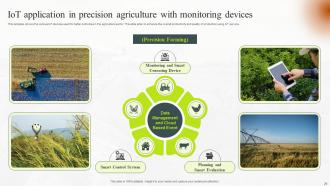
Dude, IoT sensors are game-changers for farming. They track soil moisture, temps, humidity, and nutrients 24/7 across your fields. Way better than walking around checking everything manually (who has time for that?). The data feeds into analytics that predict yields pretty accurately. You'll catch stress patterns and disease signs super early - like weeks before you'd normally notice. Better irrigation timing, smarter fertilizing, less waste. Most farmers see 10-15% yield bumps, though my neighbor swears he got 20% last season. Definitely test it on just one section first to see if the numbers work for you.
Honestly, data analytics is what makes your IoT sensors worth the money instead of just expensive paperweights collecting dust. You'll have all this soil moisture and weather data streaming in, but without analytics you're basically drowning in numbers that don't mean anything. The good stuff happens when it processes everything and tells you actual useful things - when to water, if pests are coming, what your yield might look like. I'd start super simple though, maybe just track soil moisture patterns first. Way less overwhelming than trying to analyze everything at once.
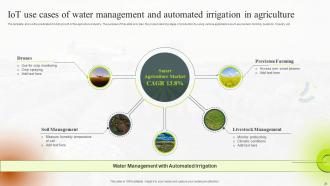
So basically these IoT sensors turn your irrigation into this smart network that knows exactly when and where to water. Soil moisture sensors go throughout your fields, constantly checking water levels and triggering irrigation automatically - no more guessing or drowning your crops. Real-time weather data comes in too from little weather stations, which honestly feels like having your own meteorologist. You can monitor everything from your phone, even when you're grabbing coffee in town. I'd start small though - throw a few sensors in your most problematic spots first, see how it works before you commit to the whole farm.
Honestly, these IoT sensors are game-changers for pest control. They watch your crops around the clock and catch problems way before you'd spot them walking through the fields. Temperature, humidity, leaf wetness - they track all the conditions where bugs and diseases love to party. The smart traps even count and ID specific insects, which is pretty wild tech. Plus they monitor soil health and plant stress that makes crops sitting ducks for infestations. You'll go from just spraying everything to hitting exact spots at the right time. Cuts chemical costs about 30% too.
Dude, the money thing is brutal - smaller farms just can't drop that kind of cash upfront. Rural internet is trash half the time, so good luck with connectivity. And honestly? Most farmers didn't sign up to become tech wizards overnight. The learning curve is steep as hell. You'll be drowning in data before you know it, plus there's all the cybersecurity stuff to worry about. Getting it to work with old equipment is a nightmare too. My buddy tried this last year - I'd say start super small. Maybe grab a couple sensors first, see how it goes before you go full smart farm mode.
Dude, those IoT sensors are actually pretty sweet for farming. Instead of just dumping chemicals everywhere, you get real-time data on soil moisture and nutrient levels. Only water and fertilize the spots that actually need it. Cuts fertilizer runoff by like 30% and saves a bunch of water too. The livestock sensors help with feed optimization and reducing methane - though honestly that part's still kinda new to me. I'd start with basic soil moisture sensors first. They're not expensive and you'll see results right away on both your bills and environmental impact.
Smart collars and ear tags are probably your best bet - they track location, health stuff, and how the animals behave. Automated feeding systems are pretty cool too, they adjust portions based on what each animal needs. Oh, and environmental sensors for monitoring barn conditions like temperature and humidity. Some people go all out with AI cameras to spot sick animals early, but honestly that's getting fancy. The health monitoring has been huge for catching problems before they spread through the whole herd. I'd start simple with basic tracking sensors though - gives you the most value and you'll immediately know what's going on with your animals.
Dude, those IoT sensors are actually pretty sweet for soil monitoring. They'll track moisture, pH, nutrients, and temp without you trudging through mud every day. Wireless networks send data straight to your phone - honestly way cooler than I expected when I first heard about this stuff. Early detection of nutrient problems is huge, plus you catch compaction before it screws you over. Instead of dumping fertilizer everywhere, you can target exactly where it's needed. My advice? Start small with sensors in your worst areas. You'll see results fast and it beats the guesswork approach.
Honestly, the upfront costs are brutal - we're talking $500-2000 just to get started, which most small farmers can't swing easily. But here's the thing: once you're running, farmers see 15-30% cuts in water and fertilizer costs. That adds up fast. Better crop yields too. The real win though? Having data to prove your quality opens up way better markets. My buddy started with just one soil sensor to test it out - smart move. Don't go crazy initially, just pick something simple and see if the numbers work for your operation first.
So basically IoT sensors track your produce through every step - temperature, location, humidity, all that stuff. Pretty wild how detailed it gets. Your customers can literally scan a QR code and see where their tomatoes came from, when they were picked, the whole journey. Builds trust and if something goes wrong, you'll spot issues fast. I'd start simple though - just put basic tracking sensors at the main handoff points. Don't overthink it at first. The transparency thing is huge right now, people really want to know their food's story.
Honestly, farm IoT security is kinda scary right now. Hackers can mess with your sensors or shut down irrigation systems completely. Most devices ship with terrible default passwords - farmers just plug them in without changing anything. Change those passwords first thing, that's huge. Set up a VPN for your devices to talk to each other safely. Keep firmware updated too, which is annoying but necessary. Oh and don't put your IoT stuff on the same network as your main computers - that's asking for trouble. Basically treat farm tech like you would any other computer system. Simple stuff makes a big difference.
Dude, those IoT sensors are game changers - they track soil moisture, temp, humidity, all that stuff 24/7. No more trudging around fields every week just to guess what's happening. Your phone buzzes when irrigation's off or pests show up, so you can fix things in hours instead of days. Honestly, during planting season this kind of speed can save your ass when timing's everything. I'd throw some soil sensors in your best fields first - that's where you'll actually see the money come back. Way better than flying blind and hoping for the best.
Honestly, the tech that's really making waves right now is those precision sensors paired with edge computing. Soil sensors can track moisture and nutrients constantly. Drones are mapping entire fields for crop health data. Smart irrigation adjusts itself based on weather forecasts - pretty wild stuff. What I love is that newer systems work offline, so you won't get stuck if connectivity tanks during crunch time. Machine learning is getting freaky accurate at predicting pest problems and dialing in fertilizer rates. My advice? Start with basic soil monitoring first. It's the easiest win to show actual ROI before you go all-in.
Honestly, it's a mixed bag. Regulations can totally make or break IoT adoption for farmers. Data privacy rules and spectrum stuff directly affect what tech you can even use. Some of these laws are ancient and don't get modern farming needs at all - super frustrating. But subsidies for precision ag? Those actually help a ton. Streamlined approvals speed things up too. I'd definitely keep tabs on both federal and state policies since they'll decide what's actually affordable and legal for your setup. Oh, and agricultural standards play into this whole mess too.
-
If you have visited their site and failed to find the products, try reaching the customer service because it will be the case that you didn't use the search bar well.
-
Easy to edit slides with easy to understand instructions.