

Iot Monitoring Dashboard In Smart Farming Improving Agricultural IoT SS





Try Before you Buy Download Free Sample Product
 Impress Your
Audience
 100%
Editable
 Save Hours
of Time


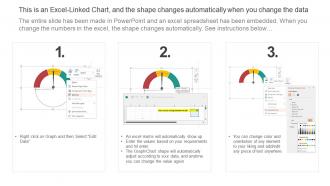
The following slide showcases performance key performance indicator KPI dashboard which can be used to make data drive decision making related to agriculture operations. The slide covers information about temperature, humidity, drip irrigation system, etc.
People who downloaded this PowerPoint presentation also viewed the following :
Iot Monitoring Dashboard In Smart Farming Improving Agricultural IoT SS with all 10 slides:
Use our Iot Monitoring Dashboard In Smart Farming Improving Agricultural IoT SS to effectively help you save your valuable time. They are readymade to fit into any presentation structure.









FAQs for Iot Monitoring Dashboard In Smart Farming Improving
Dude, those IoT sensors are like having eyes everywhere without actually trudging through mud all day. They track soil moisture, nutrients, temp, humidity - the whole deal. Data goes straight to your phone so you'll catch pest problems or water stress way before you'd notice just walking around. Some setups even have drones with special cameras that spot sick plants before they look sick, which is pretty wild. Honestly? Start with basic soil sensors in just one field first. See how the data actually changes what you do before dropping cash on a whole system.
So basically you stick IoT sensors around your fields to track soil moisture, weather, all that stuff. The data goes to one central hub that decides when to actually turn on irrigation - and only where it's needed, not just blasting water everywhere on a timer. Honestly the tech is pretty slick once you see it working. Saves you tons on water bills too since you're not over-watering half the time. I'd definitely start with just one section first though. Test it out before you drop money on sensors for everything.
Honestly, cost is gonna hit you first - all those sensors and systems add up fast. Smaller farms especially feel it. Rural internet is still garbage in a lot of places, which doesn't help. Most farmers I know didn't exactly study computer science, so there's this whole learning curve with the tech side. Plus you'll be drowning in data but not sure what any of it means. Security's another headache - who wants hackers messing with their farm equipment? My advice? Pick one thing like soil sensors and mess around with that first. See how it goes before dropping serious money on the full setup.
Dude, these things are game-changers. You get live updates on soil moisture, temp, pH, nutrients - even bug problems. No more guessing when to water or add fertilizer. Each part of your field gets exactly what it needs. Honestly saves a fortune on water and chemicals. All the data goes straight to your phone so you can set up auto-watering or catch issues early. My buddy started with just soil moisture sensors - they're dead simple and you'll see results right away. Way better than walking around poking dirt with your finger like we used to do.
So there's tons you can do with that farm data! Predictive analytics is perfect for crop yields and spotting pest issues early. Machine learning will totally optimize your irrigation - way better than guessing. Time series stuff tracks seasonal patterns really well. Honestly? The correlation analysis between weather and plant growth is pretty wild when you first see it. Real-time monitoring catches equipment problems fast too. I'd start simple though - just basic analysis to see what patterns you've got, then build up to the fancier predictive models once you have more data to work with.
Dude, IoT sensors are actually pretty sick for farming. They track everything - soil moisture, crop health, storage temps, you name it. So when your produce heads to market, you've got data on exactly how it was handled the whole way. Temperature stayed consistent? Cool. Humidity levels good during transport? Check. Honestly the real-time tracking is where it gets interesting because you can spot problems before they trash your whole shipment. Plus buyers love seeing proof that you didn't let their stuff sit in some hot truck for hours. Way less waste, better logistics, happier customers.
Honestly, the biggest threats are data breaches and hackers messing with your IoT stuff. They could steal farm data, screw with irrigation systems, or lock you out with ransomware - which would be a nightmare. Most IoT devices ship with terrible default passwords too (seriously, why is this still a thing?). Your whole network's at risk if devices aren't secured properly. Change those default logins immediately, use good encryption, and keep your IoT network separate from critical systems. Oh, and actually update firmware regularly - I know it's annoying but hackers love outdated devices.
Dude, the sensors are game-changers. You'll get live updates on soil moisture, weather, pest issues - all that stuff that matters. No more walking fields every few days wondering what's happening. Your phone buzzes when crops need water or pests show up. Weather alerts hit before storms do damage. Honestly, soil moisture sensors should be your first buy - you'll save enough on water costs to pay for them pretty quick. It's like having eyes everywhere on your farm, even when you're stuck in meetings or whatever.
Dude, IoT stuff is actually game-changing for sustainable farming. Soil sensors tell you exactly when crops need water instead of just guessing - saves tons of water and your bills. You can track nutrients, pests, weather patterns, all that. Means you're not just dumping fertilizer and pesticides everywhere "just in case" (which honestly never made sense to me anyway). The data helps with crop rotations too. Less waste, smaller environmental impact. If you're just starting out, grab some soil sensors first - you'll see water savings right away and they're pretty straightforward to set up.
So there's actually some cool stuff happening! John Deere's got these IoT sensors that track soil conditions and help with planting - farmers are seeing 15-20% better yields. Dutch greenhouse guys use connected sensors for climate control and cut energy costs by 30%. California vineyards have smart irrigation that dropped water usage 25% while making better grapes. Even small farms are winning with basic soil moisture sensors and livestock trackers. Honestly, I'd figure out what your biggest crop headaches are first, then find the tech that actually fixes those specific problems. Way more effective than just throwing sensors everywhere.
Yeah, IoT farming hits your wallet hard upfront - we're talking $200-500 per acre for sensors and all that tech stuff. But honestly? Most farmers I've talked to break even in like 2-3 years just from water savings alone. Some are cutting water use by 30-40% which is crazy. Traditional farming looks cheaper at first but you end up wasting tons on fertilizer and basically farming blind. My advice? Don't go all-in right away. Pick one field to experiment with first - I learned that lesson the hard way with other farm tech.
Dude, farming tech is getting wild right now. 5G makes data collection super reliable, and edge computing processes everything right on the farm - no more waiting for cloud uploads. Machine learning can actually predict crop problems before they hit, which honestly blows my mind. Battery life on sensors improved like crazy too, so farmers aren't constantly swapping them out. Oh, and the insights come fast enough to prevent crop loss instead of just watching it happen. Game changer for sure.
Dude, get some IoT sensors that track temperature, humidity, and soil moisture - those conditions basically roll out the red carpet for pests. Smart traps are where it's at though. They've got cameras that automatically ID and count whatever you catch, which honestly beats trudging around checking traps all day. Your phone will buzz when things get sketchy, so you can hit problem spots with targeted treatments instead of spraying everything. Oh, and don't go crazy at first - just focus on your worst areas then expand once you've got the hang of it.
So basically ML takes all that crazy sensor data from your farm and actually makes sense of it. Your soil moisture readings, weather patterns, crop health - it finds the patterns and tells you stuff like "irrigate zone 3 tomorrow" or "your tractor's gonna need service soon." Way better than staring at endless spreadsheets, trust me. The algorithms get smarter over time which is pretty neat. I'd say pick one thing to focus on first - maybe irrigation timing? Then you can expand once you see it actually works.
So basically these apps grab data from all those IoT sensors you've got around your farm - moisture readers, temp gauges, humidity stuff. Gets mixed with satellite images and weather models to give you super local forecasts that actually matter for your specific spot. Way better than the generic weather app, honestly. My buddy swears by this setup - he stopped guessing when to water or fertilize and just follows the timing recommendations. You'll want to place sensors smart though, and connect everything to a decent farm management system that actually makes sense of all the numbers.
-
Exclusive and extensive collection of templates. Really helped me create a professional presentation in just no time.
-
I discovered this website through a google search, the services matched my needs perfectly and the pricing was very reasonable. I was thrilled with the product and the customer service. I will definitely use their slides again for my presentations and recommend them to other colleagues.