


IoT Smart Parking Powerpoint Ppt Template Bundles IoT MM




Try Before you Buy Download Free Sample Product
 Impress Your
 Audience
 100%
100% Editable
 Save Hours
 of Time


Introducing our IoT Smart Parking solution presentation, a cutting edge technology revolutionizing urban parking management. Seamlessly integrating IoT sensors and cloud based analytics, the system optimizes parking space utilization and enhances the overall parking experience. With real time monitoring and availability updates accessible via user friendly mobile app or website, drivers can easily find vacant spots, reducing congestion and carbon emissions. The solution offers city planners and parking operators invaluable insights into usage patterns, allowing for efficient resource allocation and revenue optimization. Experience the future of urban mobility with our IoT Smart Parking presentation where convenience, sustainability and innovation converge for smarter cities.
People who downloaded this PowerPoint presentation also viewed the following :
IoT Smart Parking Powerpoint Ppt Template Bundles IoT MM with all 29 slides:
Use our IoT Smart Parking Powerpoint Ppt Template Bundles IoT MM to effectively help you save your valuable time. They are readymade to fit into any presentation structure.
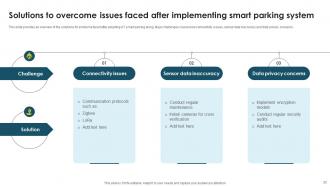









FAQs for IoT Smart Parking Powerpoint Ppt Template
Honestly, the real game-changer is getting live data on open spots instead of circling around forever. IoT sensors track when cars come and go, then update your phone or those digital signs instantly. Dynamic pricing kicks in too - rates change based on how busy it gets (which is kinda clever). You'll also get automated payments and analytics to optimize everything. The whole setup cuts traffic congestion by like 40% because it kills all the guesswork. Oh, and definitely map out what's driving you crazy right now - that'll help you figure out which features to tackle first.
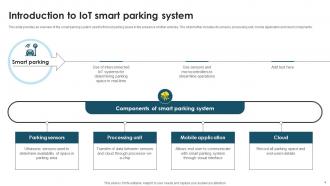
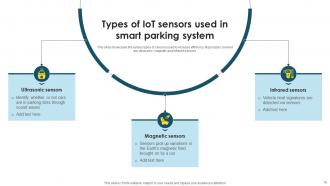
So basically these parking sensors work in a few different ways - ultrasonic ones hang above the spots, or there's magnetic sensors built right into the pavement that pick up your car's metal. The magnetic ones are honestly pretty slick. Data gets sent to a central system that updates super fast, like within seconds when someone parks or leaves. Then it pushes all that info to apps on your phone or those digital signs you see. Way better than driving around in circles for 20 minutes! Oh, and some places use cameras too but those are less common.
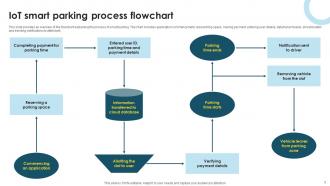
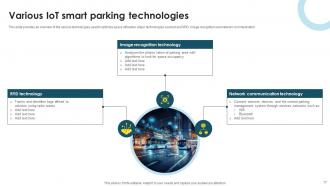
So basically smart parking uses sensors in each spot - ultrasonic ones, magnetic, or cameras - to tell if someone's parked there. That data gets sent through LoRaWAN or cellular to cloud systems, then your phone app shows what's open in real-time. Honestly the sensor tech is getting pretty wild these days, super accurate. A central system processes everything and updates the apps or those digital parking signs you see around. The tricky part is connectivity though - if you've got dead zones, people just end up driving in circles looking for spots which defeats the whole point.
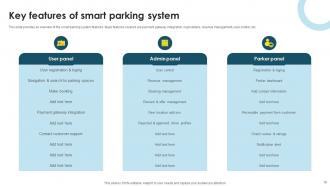
Dude, smart parking apps are honestly a lifesaver. You can book spots ahead of time and see what's available right now. No more driving around in circles! They handle payments too - way better than scrounging for quarters. If you're running behind, just extend your time from wherever you are. Oh, and you'll get alerts before it expires. The coolest feature? You can compare prices between lots and pick the cheapest one nearby. Some even sync with your calendar to suggest parking based on your schedule, though I haven't tried that yet.
Dude, so smart parking basically tells your phone exactly where open spots are instead of making you drive in circles forever. No more of that "I've been looking for 20 minutes" nightmare. The apps show real-time data, so you just drive straight there. Way fewer cars idling around means less pollution too. Plus they can adjust prices to keep spots turning over faster in busy areas - though honestly that part kinda sucks for your wallet. But yeah, you're spending way less time stuck in traffic hunting for parking, which is huge.
Smart parking systems are basically spying on your car 24/7 - they track where you park, when you leave, all that stuff. License plate scanners are the worst part since they can ID you directly. Your payment info gets stored too if you're using their apps. Honestly, most of these companies collect way more data than they actually need to run a parking lot. Before using any system, I'd check what they're collecting and who they're sharing it with. Some places keep your data forever which is pretty sketchy if you ask me.
Smart parking apps use sensors to jack up prices when spots get scarce - I've literally watched downtown rates shoot from $2 to $15 during rush hour, which honestly feels like highway robbery. But they're pretty clever about showing you cheaper spots nearby. The systems track patterns too, so you can actually reserve ahead of time or get pinged when something opens up. Download your city's parking app before you're desperately circling blocks. Trust me on that one - you don't want to be fumbling with app store downloads when you're already late.
So basically, ML turns those parking sensors into fortune tellers that actually get better over time. They'll crunch historical data, current occupancy, weather patterns - even local events - to predict where spots are about to open up. Way cooler than just seeing what's available now, right? Your system can start adjusting prices automatically, route drivers to spots before they're even empty, and give city planners real insights into usage patterns. Oh, and definitely focus on getting quality sensor data first - garbage in, garbage out with ML stuff. The predictions are only gonna be as good as what you're feeding the algorithms.
Honestly, IoT parking sensors are pretty genius for this stuff. They'll show you exactly when and where people actually park, not just where you think they do. Peak times become super obvious, plus you can spot those lots nobody ever uses - why keep paying to maintain those? Traffic patterns start making sense too. I'd dig into your current data first since you'll probably find some weird trends you never noticed. Then you can fix traffic light timing, figure out where new developments should go, maybe even redesign streets based on real behavior instead of just guessing what works.
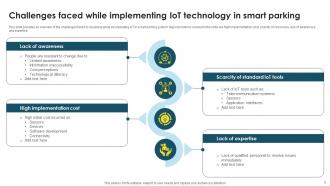
Yeah, the upfront costs are brutal - you're talking $200-500 per sensor versus like $50-100 for regular meters. But honestly? Most cities break even in 2-3 years because you don't need as many parking cops running around, plus you can adjust pricing on the fly. Traditional systems seem cheaper but they're labor-intensive and you miss out on all that sweet revenue data. I'd crunch the numbers based on your actual lot size and how busy it gets daily. My cousin's city went IoT last year and they're already seeing the payoff, though their downtown area is pretty high-traffic.
Smart parking actually fits into cities pretty easily - you just slap sensors on existing meters or stick them in the pavement. Most places already have the WiFi or cellular networks to handle it, so no major construction headaches. The cool part is it connects straight to whatever traffic systems and parking apps people already use. I was honestly surprised how smooth the whole thing is. Drivers end up spending like 30% less time hunting for spots, which is huge for traffic flow. Way better than I expected when I first heard about it.
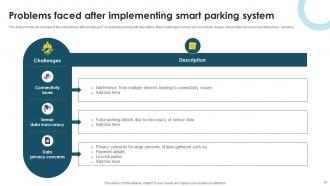
Honestly, the data volume will crush you first - thousands of sensors pumping info constantly. Cell coverage in parking garages? Forget about it. You'll spend forever troubleshooting connection drops. Battery management at scale is brutal too, like trying to maintain 10,000 smoke detectors across town. Integration with legacy systems is its own special hell - some of this parking infrastructure is ancient. My advice? Build everything to work offline from day one. Connectivity always craps out at the worst possible moment, trust me on that one.
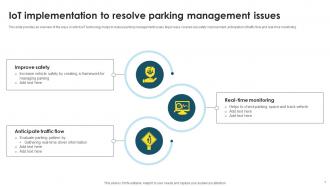
Dude, smart parking totally helps with safety stuff. Better lighting and cameras in parking lots since everything's monitored now. People aren't wandering around sketchy neighborhoods hunting for spots anymore either. Traffic gets way less crazy too - drivers actually chill out when they're not doing those endless loops around blocks (I swear some people lose their minds over parking). Crime drops because of less random wandering. Oh, and ambulances can get through areas faster without all the parking mess. If you're talking to city council about this, definitely hit them with the crime reduction thing first - that's what they care about most.
AI predictive analytics is everywhere now - systems that actually learn parking patterns instead of just tracking spots. Edge computing's getting big too since nobody wants to wait for responses. Most cities are pushing hard for mobile app integration, plus dynamic pricing that changes based on how busy it gets. EV charging is honestly where I'd put my money though - every spot could double as a charging station. The sustainability push is real. Oh, and data sharing between different parking systems is finally happening, which is wild considering how siloed everything used to be. If you're doing this, just make sure whatever you pick plays nice with existing city infrastructure.
Dude, smart parking sensors are a game changer. Your customers won't have to drive around in circles anymore getting pissed off - they can just check an app or look at digital signs to see what's open. Real-time availability is huge. You'll also get useful data about when people actually show up and which spots get used most. I swear, nothing ruins a shopping trip faster than parking drama. When people can park without stress, they stick around longer and spend more instead of bolting. Oh, and start with whatever entrance gets the most traffic first.
-
Thank you for offering such helpful pre-designed templates. They are really beneficial to me in my job.
-
Thank you SlideTeam for such an excellent service.