


Key Account Management Plan Powerpoint Ppt Template Bundles





Try Before you Buy Download Free Sample Product
 Impress Your
 Audience
 100%
100% Editable
 Save Hours
 of Time


Our Key Account Management Plan Powerpoint Ppt Template Bundles are topically designed to provide an attractive backdrop to any subject. Use them to look like a presentation pro.
People who downloaded this PowerPoint presentation also viewed the following :
Key Account Management Plan Powerpoint Ppt Template Bundles with all 17 slides:
Use our Key Account Management Plan Powerpoint Ppt Template Bundles to effectively help you save your valuable time. They are readymade to fit into any presentation structure.
-

Key Account Management Plan
-
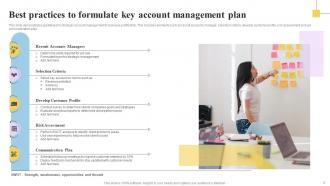
Best practices to formulate key account management plan
-
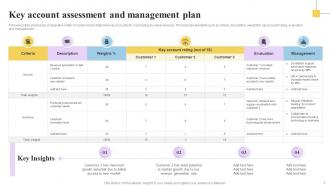
Key account assessment and management plan
-
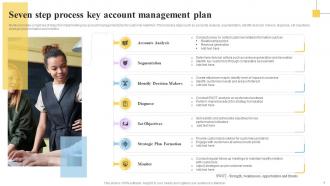
Seven step process key account management plan
-

Key components of account management plan
-
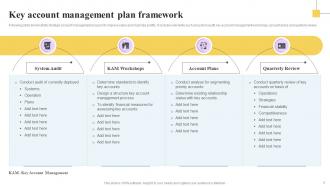
Key account management plan framework
-
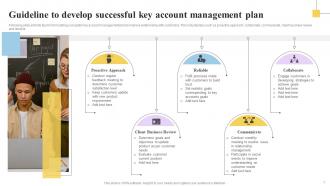
Guideline to develop successful key account management plan
-
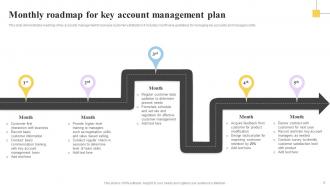
Monthly roadmap for key account management plan
-
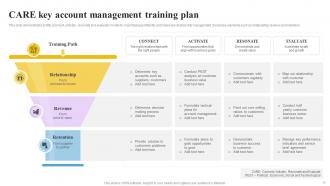
CARE key account management training plan
-

Key account management plan icon to maximize profit
-
Key account management plan icon to improve customer retention
-

Key Account Management Plan
-

-

-

-

-

FAQs for Key Account Management Plan Powerpoint
Honestly, you've got to master three things: relationship mapping, strategic planning, and showing real value consistently. Map out every single person who has influence in your accounts - I swear there's always someone you missed the first time around. Build solid account plans that actually match what they're trying to achieve business-wise. Regular check-ins are huge for proving ROI and spotting new chances to help them out. The biggest mistake? Trying to do everything yourself. Get your team involved and don't be a hero. I'd start by looking at your top accounts and seeing where you're weak on these basics.
Look at your profit numbers first - not just who buys the most, but who actually makes you money. The 80/20 thing is real here too, honestly. Growth potential matters, plus how much clout they have in your space. I'd throw relationship strength into the mix because that stuff counts more than people think. Make a basic scoring system with all these factors. Your top 10-15% get the full KAM treatment - that's where you'll actually move the needle. Don't spread yourself thin trying to baby everyone. Oh, and make sure they fit your long-term vision too.
Honestly, customer data is like having a cheat sheet for your biggest accounts. It shows you their buying habits, what keeps them up at night, and where the next opportunities are hiding. Without it, you're basically flying blind on accounts worth serious money - which is pretty scary when you think about it. Use the data to get personal with your approach and figure out where to spend your time. Mix transactional stuff with behavioral insights and relationship notes. Start by looking at what data you already have, then spot the gaps that'd actually move the needle on your account strategy.
Stop trying to sell them every time you talk - that's annoying. Instead, check in regularly about their actual business problems and what's happening in their industry. I always try to remember random stuff they mention, like their kid's soccer games or whatever. Share useful insights when you find them, maybe introduce them to other people on your team. Honestly, the accounts I've kept longest are just the ones where we actually like each other. In-person meetings beat Zoom every time if you can swing it. Figure out how each person prefers to communicate first though, then create a schedule that doesn't feel weird and robotic.
Focus on revenue growth and retention rates first - those are your bread and butter. Account penetration matters too (like how many departments you're in). Customer lifetime value tells the real story though. Honestly, don't sleep on the relationship stuff. Meeting frequency, executive access, NPS scores - that soft data can save your ass when numbers dip. Pipeline metrics for each account help you spot patterns in their buying cycles. Share of wallet shows growth potential remaining. Dashboard everything so you catch issues early. Oh, and retention rates will probably stress you out at first, but they're crucial for forecasting.
Ugh, yeah changing up your key account management can totally mess with retention rates. Trust gets disrupted when customers have to deal with new people - like, they've already invested time building rapport and suddenly they're back to square one? Super annoying for them. You'll probably see retention drop at first while everyone figures things out. But here's the thing - if you're upfront about what's happening and actually transfer knowledge properly between managers, those relationships can end up stronger than before. Just don't leave customers in the dark about changes. Oh, and make sure service quality doesn't slip during the handoff because that's when you really lose people.
Oh man, key accounts are rough. Managing all those different stakeholders wanting different things drives me crazy - honestly feels impossible some days. The sales cycles drag on forever too, and you're constantly having to prove your worth. Plus these big clients basically monopolize your time, which sucks for your other accounts. Communication gets messy fast when you're trying to coordinate between teams. And don't even get me started on the stress of being too dependent on just a few major clients. Best thing I've found? Schedule regular check-ins and write everything down. Saves your ass later.
Honestly, CRMs are total lifesavers for managing big accounts. Everything lives in one spot - client history, conversations, all of it. You can set reminders so you don't ghost important people (been there). The analytics show you which accounts are thriving or about to bail, which is incredibly helpful. Your team stays on the same page too, so nobody's asking "wait, what happened with that client?" Start by figuring out how you currently track things, then find a system that actually matches how you work.
Honestly, start with communication and relationship building - that's like 70% of the job right there. Strategic thinking matters a ton since you're dealing with these massive, long-term partnerships that directly impact revenue. Problem-solving is non-negotiable because something's always on fire (literally always). Business acumen helps you actually understand what your clients are going through in their industries. Don't sleep on negotiation skills either - renewals and expansions can get intense. Oh, and project management keeps you sane when you're juggling ten different initiatives. Figure out what you suck at first, then work on that.
Look, key account management is totally different across industries. B2B tech? You're dealing with long implementations and way too many stakeholders. Retail KAM is more about inventory and promotions. Healthcare throws regulatory stuff at you - honestly such a pain. Manufacturing usually means those huge multi-year deals with engineering teams involved. Professional services is all retainer relationships and project renewals. The basics don't change much, but your daily work will be completely different. Figure out what actually drives value in your industry first. Then build everything around those specific factors.
You can't handle big accounts solo - trust me on that one. These clients have crazy complex needs that touch sales, marketing, product, support, sometimes even finance. I've watched perfectly good deals crash because teams weren't talking to each other. Super frustrating. When everyone's actually aligned though? You deliver consistent messaging and solve problems way faster. Plus you can actually pull off those strategic projects clients really want. Set up regular meetings for your biggest accounts so everyone knows the game plan and their part in it. Makes all the difference.
Quarterly surveys are honestly a waste of time - nobody fills them out properly anyway. Instead, schedule regular one-on-ones with your key people and send those quick pulse surveys right after big projects wrap up. During normal check-ins, actually shut up and listen instead of steamrolling through your own agenda. Here's the thing though - don't just collect all this feedback and let it die in some Excel file. Close the loop: tell people what you heard, show them how you're fixing things, then report back on what actually changed. Once your accounts see their input making real differences, they'll start giving you way better insights.
Start by really digging into what your key accounts actually need - that's where you'll find the gold. Map out who's who in their company so you can spot people in other departments who might need your stuff. Don't be that person who calls during their crazy busy season though (trust me on this one). Your existing contacts can introduce you to other decision-makers way easier than cold outreach. Here's the thing - frame everything as solving problems they already have, not just selling more products. Do a quick audit of what they buy now versus what you could offer them.
Honestly, weekly check-ins work great for your biggest accounts, but you really need to just ask them what they prefer. Some clients eat that stuff up, others think you're being clingy. Mid-tier ones? Hit them every couple weeks or monthly. When you're in crunch mode - like renewals or active projects - daily contact isn't weird at all. Map out who's who first, then figure out how they actually like to communicate. The whole point is being helpful, not just filling out your CRM because your manager wants to see activity. Consistency beats frequency every time.
Look, most teams just pick their biggest clients and call them "key accounts" - which is honestly backwards. Instead, figure out which accounts actually help you hit your company's main goals. Revenue targets? Market expansion? Whatever it is, map your key accounts to those specific outcomes. Say you're trying to break into new markets - focus on clients who could become solid references or help you get that foothold. I've seen too many companies waste resources on huge accounts that don't really move the strategic needle. Set up metrics that tie back to your bigger business objectives, not just account-level stuff. Oh, and review regularly whether your account work is actually contributing to the broader strategy.
-
Their products can save your time, effort and money. What else you need. All in one package for presentation needs!
-
The best part about SlideTeam is their meticulously prepared presentations (complete-decks and single-slides both), infused with high-quality graphics and easy to edit. All-in-all worthy products.