


Logistic Company Profile Powerpoint Presentation Slides




Try Before you Buy Download Free Sample Product
 Impress Your
 Audience
 100%
100% Editable
 Save Hours
 of Time


A company profile comprises all the relevant aspects of a business, guiding investors and stakeholders to evaluate the organizations performance. Check out our professionally designed Logistic Company Profile Powerpoint Presentation. Firstly, this profile covers an executive summary of the logistics company with USP and achievements, a company overview with value-added services, company operations, solutions and services. Solutions and services include packages and cargo along with an Ecommerce product portfolio, including domestic delivery, cross-border and fulfilment services. Additionally, it consists of the business model canvas, organization chart with details of the management team, supply chain transportation assets, total facility centres, partner brands, clients, and customer reviews with awards and accolades. Moreover, the presentation focuses on five-year revenue and net profit, revenue breakdown by business segments, annual capital expenditures, and logistics delivery performance with competitive and SWOT analysis. At last, this profile emphasizes a multi-carrier shipping system, freight distribution activities, FIFO strategy, smart regional logistics strategy, returns management, operations and time planning, CSR initiatives and ecommerce channel logistics case study. Download our 100 percent editable and customizable deck to know more in detail.
People who downloaded this PowerPoint presentation also viewed the following :
Content of this Powerpoint Presentation
Slide 1: This slide introduces Logistic Company Profile. State Your Company Name and begin.
Slide 2: This slide presents Table of Content for the presentation.
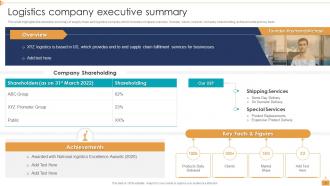
Slide 3: This slide shows Logistics company executive summary.
Slide 4: This slide displays Company overview with key services.
Slide 5: This slide highlights the supply chain and logistics company mission, vision and core values.
Slide 6: This slide showcases the company current operations in unites states.
Slide 7: This slide represents logistics company solutions and services.
Slide 8: This slide highlights the logistics company ecommerce product portfolio.
Slide 9: This slide presents logistics company timeline with company journey from 2012 to 2022.
Slide 10: This slide displays business model of logistics company.
Slide 11: This slide shows organization chart of supply chain or logistics company.
Slide 12: This slide represents Our corporate logistics leadership and management team.
Slide 13: This is another slide continuing Our corporate logistics leadership and management team.
Slide 14: This slide showcases Logistics and supply chain transportation assets.
Slide 15: This slide highlights the assets of logistics company which showcases region wise warehouses.
Slide 16: This slide shows main partner brands of logistics company.
Slide 17: This slide highlights the logistics and supply chain companys' international clients.
Slide 18: This slide presents logistics company customer testimonials and ratings.
Slide 19: This slide displays the awards and accolades of logistics company.
Slide 20: This slide represents Company revenue and profit for 2017 and 2022.
Slide 21: This slide showcases Revenue breakdown by business segments.
Slide 22: This slide shows annual capital expenditures of logistics company for the year 2022.
Slide 23: This slide presents logistics company delivery performance.
Slide 24: This slide displays Competitive analysis of logistics company.
Slide 25: This slide represents logistics company SWOT analysis.
Slide 26: This slide showcases logistics company API platform solutions with multi carrier shipping system.
Slide 27: This slide shows Logistics and freight distribution activities.
Slide 28: This slide presents first in first out method for inventory valuation and planning method.
Slide 29: This slide displays distribution planning which includes the international freight corridors.
Slide 30: This slide showcases the returns management which includes the product handling, inventory management, etc.
Slide 31: This slide represents the logistics company operations and time planning.
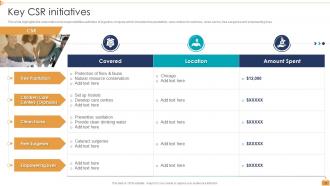
Slide 32: This slide showcases corporate social responsibilities activities of logistics company.
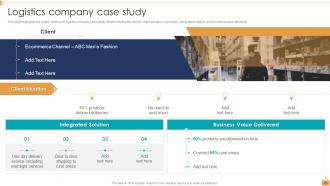
Slide 33: This slide shows the supply chain and logistics company case study.
Slide 34: This slide displays Icons for logistic company profile.
Slide 35: This slide is titled as Additional Slides for moving forward.
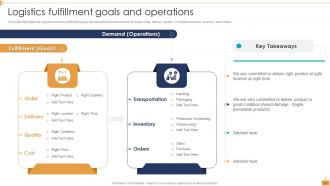
Slide 36: This slide represents Logistics fulfillment goals and operations.
Slide 37: This slide showcases Distribution centres attributes and drivers.
Slide 38: This is About Us slide to show company specifications etc.
Slide 39: This is Our Mission slide with related imagery and text.
Slide 40: This slide presents Bar chart with two products comparison.
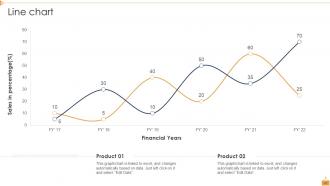
Slide 41: This slide describes Line chart with two products comparison.
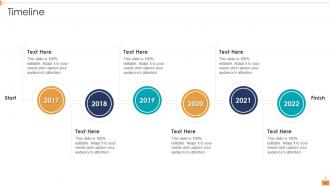
Slide 42: This is a Timeline slide. Show data related to time intervals here.
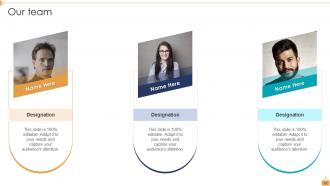
Slide 43: This is Our Team slide with names and designation.
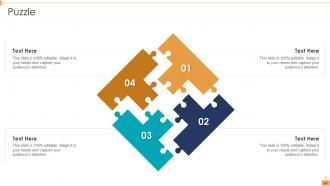
Slide 44: This slide contains Puzzle with related icons and text.
Slide 45: This slide shows Post It Notes. Post your important notes here.
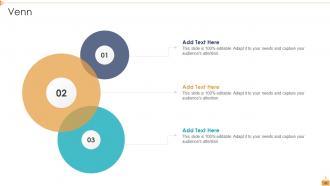
Slide 46: This slide depicts Venn diagram with text boxes.
Slide 47: This is a Thank You slide with address, contact numbers and email address.
Logistic Company Profile Powerpoint Presentation Slides with all 52 slides:
Use our Logistic Company Profile Powerpoint Presentation Slides to effectively help you save your valuable time. They are readymade to fit into any presentation structure.
-
Logistic Company Profile
-
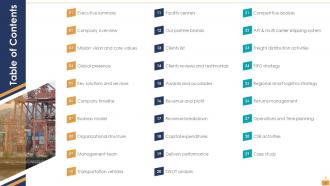
Table of Contents
-
Logistics company executive summary
-
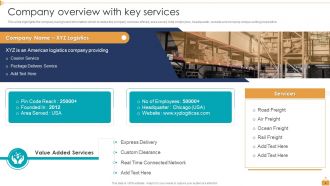
Company overview with key services
-
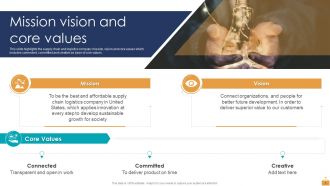
Mission vision and core values
-
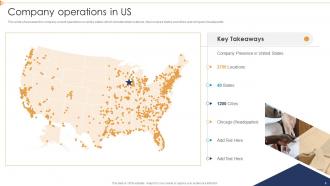
Company operations in US
-
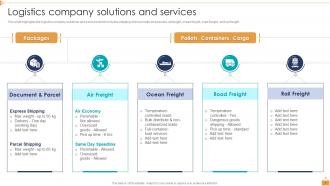
Logistics company solutions and services
-
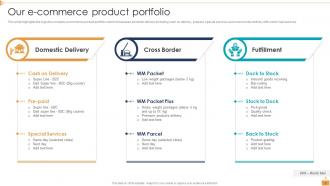
Our e commerce product portfolio
-
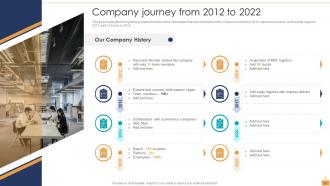
Company journey from 2012 to 2022
-
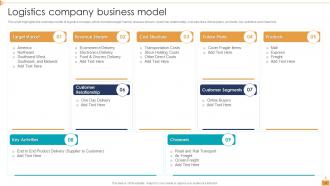
Logistics company business model
-
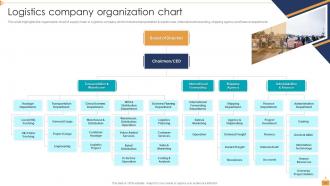
Logistics company organization chart
-
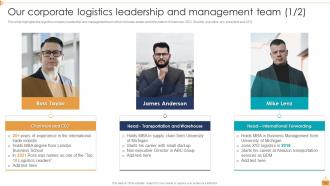
Our corporate logistics leadership and management team 1 2
-
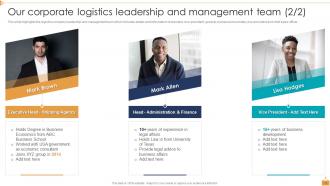
Our corporate logistics leadership and management team 2 2
-
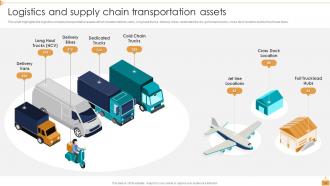
Logistics and supply chain transportation assets
-
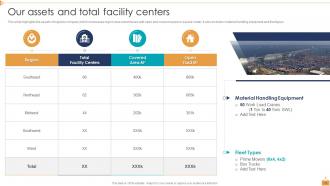
Our assets and total facility centers
-
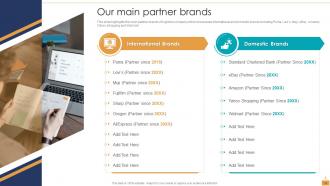
Our main partner brands
-
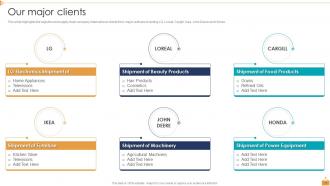
Our major clients
-
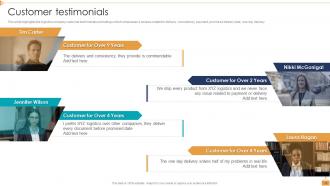
Customer testimonials
-
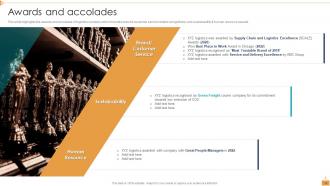
Awards and accolades
-
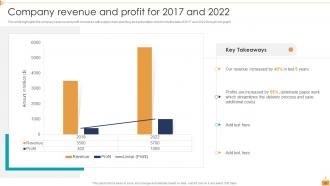
Company revenue and profit for 2017 and 2022
-
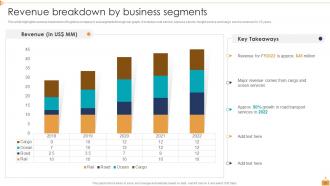
Revenue breakdown by business segments
-
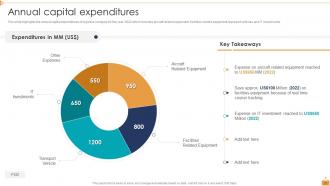
Annual capital expenditures
-
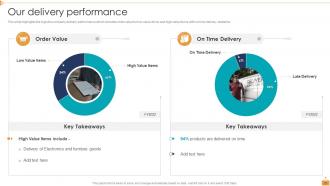
Our delivery performance
-
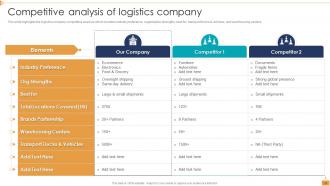
Competitive analysis of logistics company
-
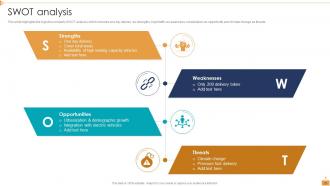
SWOT analysis
-
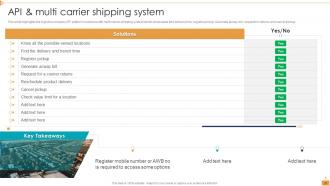
API multi carrier shipping system
-
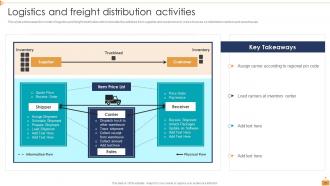
Logistics and freight distribution activities
-
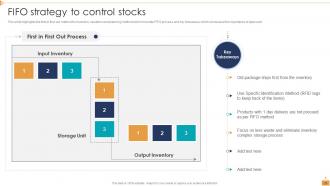
FIFO strategy to control stocks
-
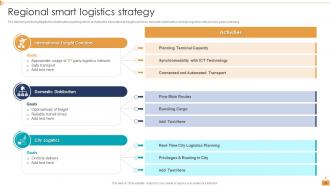
Regional smart logistics strategy
-
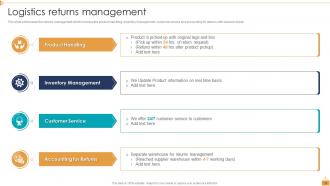
Logistics returns management
-
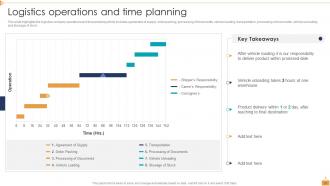
Logistics operations and time planning
-
Key CSR initiatives
-
Logistics company case study
-
Icons slide for logistic company profile
-

Logistic Company Profile
-
Logistics fulfillment goals and operations
-
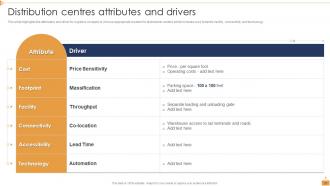
Distribution centres attributes and drivers
-
About us
-
Our mission
-
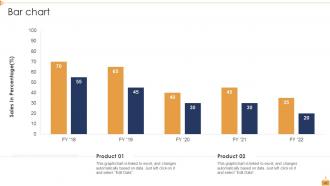
Bar chart
-
Line chart
-
Timeline
-
Our team
-
Puzzle
-

Post it notes
-
Venn
-

Thanks for watching
-

-

-

-

-

FAQs for Logistic Company Profile
Start with your main stuff - trucking, warehousing, freight forwarding. Cold chain and hazmat handling are good differentiators if you do them. Geographic coverage matters too. Your tech stack is huge now - customers always ask about tracking and EDI first thing. Customs brokerage pays well but sounds boring as hell on paper. Last-mile delivery's hot right now. Don't forget any industry niches you serve, that's where the real money is. Supply chain consulting can set you apart from basic haulers. Focus on what actually brings in revenue.
Dude, skip the boring "we're so reliable" stuff everyone says. Start with actual numbers - "we cut delivery times by 30%" or "99.2% on-time rate." That's what gets attention. Your clients want cost savings, faster shipping, and fewer problems to deal with. Most logistics companies sound identical, which is honestly pretty annoying. Real case studies work way better than generic promises. Oh, and always lead with the specific problem you're solving, then hit them with proof. Short version: be concrete, not fluffy.
Dude, you can't run logistics without serious tech anymore. Everything's connected - warehouse systems tracking inventory, GPS giving customers real updates, route software cutting fuel costs. Even smaller companies are pretty loaded with tech these days. The analytics part is honestly where the magic happens - spotting problems that would take forever to catch manually. AI's predicting demand patterns now too, which is wild. When you're looking at logistics partners, definitely dig into their tech setup and how they'll share data with you. Makes all the difference.
Look, start with the basics that actually move the needle - delivery times, shipping costs, and whether orders show up right. Customer satisfaction scores are non-negotiable too. After that, dive into warehouse efficiency, how fast inventory moves, and fleet usage rates. Damage rates can absolutely kill your rep if you're not watching them. Oh, and transit times obviously. Here's the thing though - you could track like 50 different metrics and drive yourself crazy. Just pick maybe 6 that match what you promised customers, then actually act on the data instead of making it look pretty.
Dude, case studies are honestly game-changers for logistics companies. Instead of just saying what you can do, you're showing actual wins - like how you cut someone's delivery time by 30% or saved them 200K a year. Prospects eat that stuff up way more than vague promises. Walk them through the messy problem, your fix, then boom - the numbers that prove it worked. Pick maybe 2-3 different examples that show off your range of services. Oh and obviously get permission from clients first - learned that one the hard way once. Focus on results your target clients actually care about.
Start with your carbon stuff - that's what they really want to hear about. Electric vehicles, route optimization, fuel efficiency upgrades. Numbers work way better than vague "we're green" statements, so if you cut emissions by 15% or whatever, say that. LED warehouse lighting and solar panels are solid wins too. Honestly, clients are scrambling to check ESG boxes these days so even smaller efforts get noticed. Don't forget partnerships - like if you work with green suppliers or do carbon offsets. Oh, and waste reduction programs look good. Just be specific about what you've actually done, not what you're "committed to doing."
Dude, logistics is a nightmare right now. Supply chain keeps breaking, fuel costs are insane, and good drivers? Forget about it - literally nobody wants to drive trucks anymore. Customers want everything delivered yesterday but don't wanna pay for it, which is so typical. Then you've got all this pressure to upgrade your computer systems when half your stuff is from like 2005 and barely works. Oh and everyone's obsessed with going green now too. Honestly though, I'd start with the tech stuff first. Once you get that sorted, everything else becomes way easier to manage.
Honestly, testimonials are huge in logistics - people need to trust you'll actually show up. Get ones that mention your on-time delivery rates and how you handle problems when things go sideways. Don't just dump them at the bottom of your profile though. Spread them around and focus on real numbers like "cut shipping costs 30%" or "18 months with zero damaged packages." Video ones are gold if you can swing it - there's something about seeing actual faces that just works better. Oh, and obviously get permission first and keep them somewhat recent. Nobody cares about praise from 2019.
Look, here's the thing - clients don't really care if you're "tech-forward" since literally everyone claims that now. What actually matters? Solving problems nobody else can handle. Faster delivery, better tracking, weird cargo situations - that's your edge. Sure, reliability is huge too. But honestly, the real winners become actual partners instead of just another vendor. Communication is everything when stuff goes wrong (and it will). Focus on their specific headaches and prove you can fix them better than the competition. That relationship piece? It's what separates the companies that last from the ones that don't.
Dude, think of compliance and certs as reputation insurance for your logistics biz. DOT certifications, ISO standards, customs compliance - clients see this stuff and know you're legit. Without it? You look shady and big enterprise clients won't even glance your way. It's wild how much business you'll lose over missing paperwork. The upside is solid though - proper compliance gets you better insurance rates and opens doors to partnerships you wouldn't get otherwise. Oh, and definitely showcase your compliance status on your website and in proposals. Makes a huge difference.
Honestly, automation and AI are changing everything - warehouses, routing, you name it. E-commerce isn't slowing down, so last-mile delivery is still massive. Customers are weirdly obsessed with green logistics now (which is good, but also adds pressure). Real-time tracking? That's just basic at this point. The real money maker though is data analytics. Companies crushing their logistics data are absolutely killing it right now. I'd probably start by figuring out where your tech stack sucks and focus on stuff that makes both operations smoother and customers happier. Oh, and don't sleep on sustainability - it's not optional anymore.
Location's huge - being close to highways, ports, or airports means you'll move stuff faster and cheaper than competitors stuck out in the middle of nowhere. But honestly? I've watched companies with amazing spots completely screw it up because their warehouses were ancient. You need both - good location AND modern facilities with decent automation, loading docks, storage space. The whole tech setup matters too. Oh, and always tour their facilities if you're picking a logistics partner. Sounds obvious but people skip that step all the time. Map out how close they are to your main shipping routes too.
Look, you're dealing with heavy machinery and tight deadlines every day - accidents happen fast. Good training cuts down on costly screwups and keeps things moving. Yeah, avoiding OSHA fines is great, but honestly? It's more about protecting your people. Trained employees don't panic when equipment acts up, and they actually follow the safety stuff instead of cutting corners. Companies with solid safety records get better workers too - nobody wants to work somewhere dangerous. I'd start by looking at what training you've got now and figure out what's missing. Trust me, it's worth the investment upfront.
Make a visual network map with your hubs, partners, and coverage zones - clients eat that geographic stuff up. Case studies work way better than just slapping logos on a page (which honestly looks lazy). Tell actual stories, like that time you partnered with some regional carrier to fix a nightmare delivery situation. Real tracking data across networks is gold. Get testimonials from partners too. Maybe throw in some short videos of key facilities? The whole point is making it feel real instead of just talking about it. People need to see what you're actually doing together.
Look, good customer service is what stops you from being just another generic shipping company. When things go sideways - and trust me, they will - how you handle it decides if clients bail or stay loyal. Logistics has so many moving pieces that people need constant updates and hand-holding. Be upfront about problems, respond fast, and actually have real people answering phones. I know it sounds basic, but transparency and quick responses will save your ass way more than spending tons on fancy tracking tech. Your clients are trusting you with their most important stuff, so act like it matters.
-
I want to thank SlideTeam for the work that they do, especially their customer service.
-
Kudos to SlideTeam for achieving the high success rate in delivering the top-notch slides.