

Graphic Design Company Profile Powerpoint Presentation Slides




Try Before you Buy Download Free Sample Product
 Impress Your
 Audience
 100%
100% Editable
 Save Hours
 of Time


Graphic Design Company Profile is a professional description aiming to inform clients about service offerings, structure, resources, financial performance, etc. This profile showcases the executive summary and company introduction, which includes our founder, headquarters, industries served, core values, website, industry, etc. Also, it covers mission, vision, and services such as logo designs, business card designs, hosting services, etc. Further, this PPT represents work portfolio, service packages and workflow, software used by designers, business model, company history, global presence, management team, and organizational structure. This deck covers our clientele, their testimonials, awards and recognitions, and strategic partnerships. Additionally, it covers financial highlights such as revenues, net profits, operating profits, EBITDA, and revenue split by geography. Also, it captures market share and comparison with competitors based on financials and services. It also focuses on graphic designing technologies, marketing strategy, SWOT analysis, CSR initiatives, and case study approach. Customize this 100 percent editable company profile through assistance from our highly-skilled research or design team. Get access now.
People who downloaded this PowerPoint presentation also viewed the following :
Content of this Powerpoint Presentation
Slide 1: This slide introduces Graphic Design Company Profile. State Your Company Name and begin.
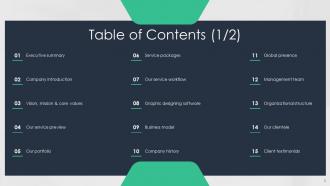
Slide 2: This slide presents Table of Content for the presentation.
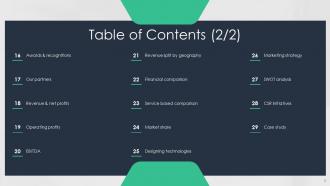
Slide 3: This is another slide continuing Table of Content for the presentation.
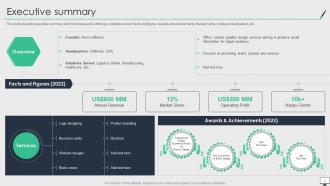
Slide 4: This slide shows the executive summary which includes service offerings, industries served, facts, etc.
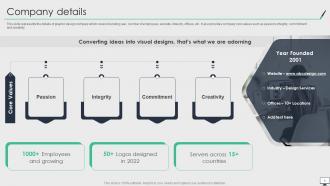
Slide 5: This slide represents the details of graphic design company.
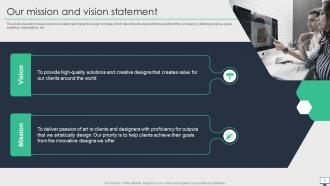
Slide 6: This slide presents mission and vision statement of graphic design company.
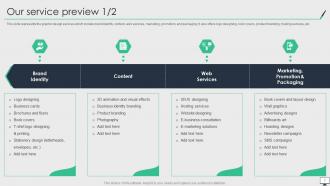
Slide 7: This slide displays the graphic design services which include brand identity, content, web services, etc.
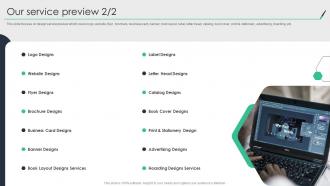
Slide 8: This slide focuses on design service preview which covers logo, website, flyer, etc.
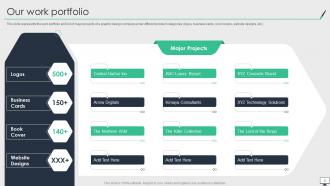
Slide 9: This slide represents the work portfolio and list of major projects.
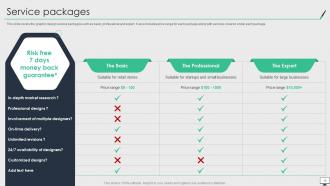
Slide 10: This slide covers the graphic design service packages.
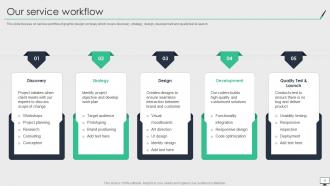
Slide 11: This slide focuses on service workflow of graphic design company.
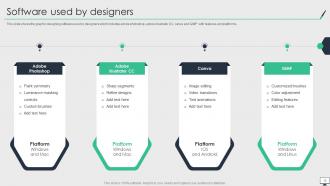
Slide 12: This slide shows the graphic designing software used by designers.
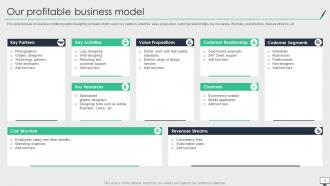
Slide 13: This slide focuses on business model of graphic designing company.
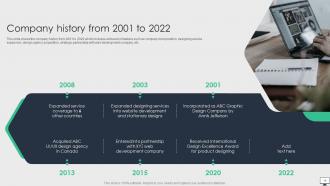
Slide 14: This slide shows the company history from 2001 to 2022.
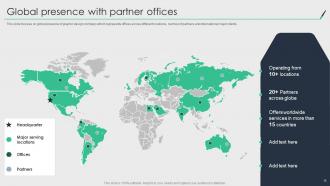
Slide 15: This slide showcases Global presence of graphic design company with partner offices.
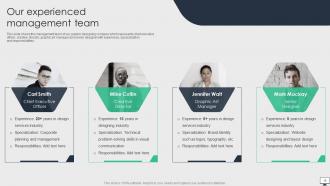
Slide 16: This slide shows the management team of our graphic designing company.
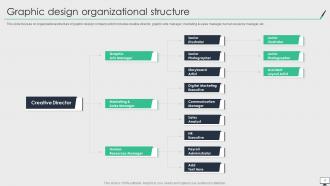
Slide 17: This slide focuses on organizational structure of graphic design company.
Slide 18: This slide represents the prestigious clients associated with our graphic design company.
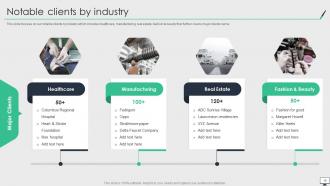
Slide 19: This slide focuses on our notable clients by industry.
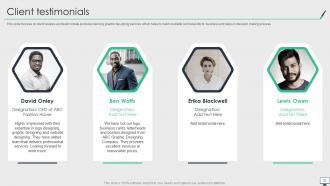
Slide 20: This slide presents client reviews and testimonials post experiencing graphic designing services.
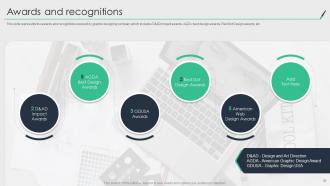
Slide 21: This slide represents the awards and recognitions received by graphic designing company.
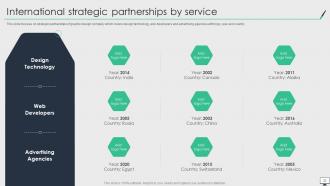
Slide 22: This slide showcases International strategic partnerships by service.
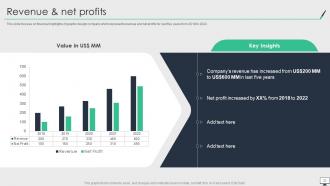
Slide 23: This slide focuses on financial highlights of the company.
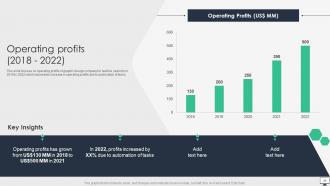
Slide 24: This slide focuses on operating profits of graphic design company for last five years.
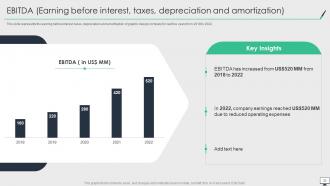
Slide 25: This slide represents the earning before interest, taxes, depreciation and amortization.
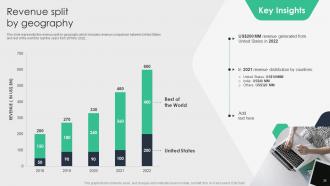
Slide 26: This slide displays the revenue split by geography.
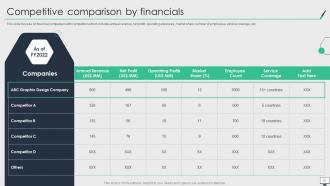
Slide 27: This slide focuses on financial comparison with competitors.
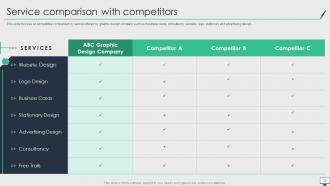
Slide 28: This slide focuses on competitive comparison by service offered.
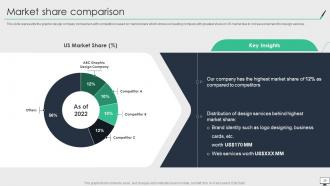
Slide 29: This slide represents the graphic design company comparison with competitors based on market share.
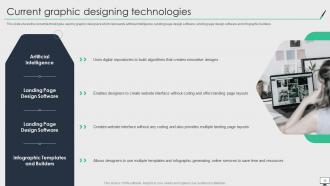
Slide 30: This slide shows the current technologies used by graphic designers.
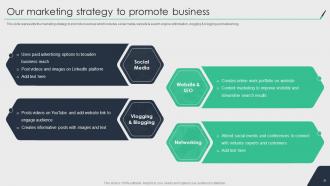
Slide 31: This slide represents the marketing strategy to promote business.
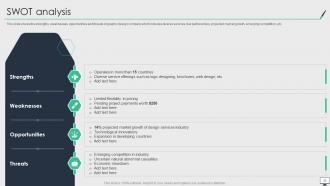
Slide 32: This slide shows the strengths, weaknesses, opportunities and threats.
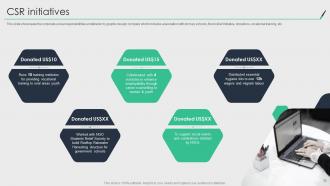
Slide 33: This slide showcases the corporate social responsibilities undertaken by graphic design company.
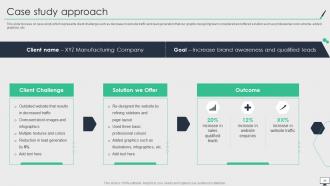
Slide 34: This slide focuses on case study which represents client challenge.
Slide 35: This slide displays Icons for graphic design company profile.
Slide 36: This slide is titled as Additional Slides for moving forward.
Slide 37: This is Our Mission slide with related imagery and text.
Slide 38: This is About Us slide to show company specifications etc.
Slide 39: This is Our Team slide with names and designation.
Slide 40: This is Our Goal slide. State your firm's goals here.
Slide 41: This slide shows Post It Notes. Post your important notes here.
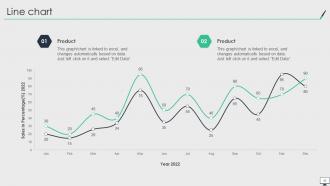
Slide 42: This slide describes Line chart with two products comparison.
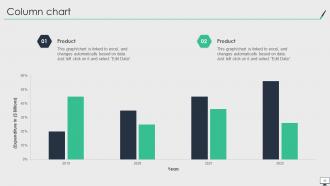
Slide 43: This slide displays Column chart with two products comparison.
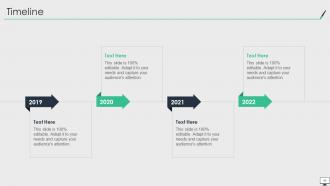
Slide 44: This is a Timeline slide. Show data related to time intervals here.
Slide 45: This is a Thank You slide with address, contact numbers and email address.
Graphic Design Company Profile Powerpoint Presentation Slides with all 50 slides:
Use our Graphic Design Company Profile Powerpoint Presentation Slides to effectively help you save your valuable time. They are readymade to fit into any presentation structure.





FAQs for Graphic Design Company Profile
Start with the obvious stuff - logo design, branding, web design, business cards and brochures. That's what people expect to see right away. Then throw in whatever makes you different - maybe packaging design or UI/UX work? Social media graphics are huge right now too. Oh, and definitely mention if you do strategy sessions. Clients eat that up because they want someone who gets the bigger picture, not just someone who makes things look pretty. Just don't list every single thing you've ever touched - you'll look scattered instead of skilled.
Start with your absolute best stuff - maybe 10-15 pieces max. I'm talking quality over everything here. Don't just throw up pretty pictures though. Write little stories about each project. What problem were you solving? How'd you figure it out? Clients eat that process stuff up way more than just the final design. Oh, and make sure it works on phones! I know, obvious right? But you'd be shocked how many portfolios look terrible on mobile. Pick work that actually matches the clients you want - like, if you want to do branding, show branding work. Seems basic but people mess this up constantly.
Think of branding as your design company's whole vibe - it's how clients see you before they even check out your portfolio. What makes your approach different from every other studio? That's your starting point. Your visuals, how you talk to clients, even what you charge - it all comes from that core identity. Some agencies charge crazy amounts for the same work because their brand just hits different, you know? Good branding pulls in clients you actually want to work with and scares off the nightmare ones. Win-win. Figure out your unique thing first, then make sure everything reflects that.
Okay so basically you want to map out your design process in a way that actually makes sense to regular people. Start with discovery, then concept work, revisions, final stuff - but don't say "ideation sprints" because honestly that sounds pretentious. Show them how you'll work *together* at each step. What do they need to give you? When will they see drafts? I'd definitely include real timelines too - like "first concepts in 5 days" or whatever. Makes it feel less mysterious. The whole thing should read like a collaboration, not you disappearing into a design cave for weeks.
Honestly, start with the basics - client satisfaction scores and whether projects actually get finished on time. Revenue per project is huge too (can't believe how many people ignore this). For the creative stuff, track engagement rates on your designs and any conversion bumps you can measure. Brand awareness lifts are good if the client cares about that. Oh, and definitely count revision rounds - nothing worse than endless feedback loops eating your profit. Pick maybe 3-4 metrics max that actually matter to your clients. Don't overcomplicate it or you'll never stick with tracking them.
Testimonials are basically your reputation doing the heavy lifting for you. Past clients saying stuff like "boosted our sales by 30%" hits way harder than generic "amazing designer!" comments. You want the meaty ones with actual numbers and results. I usually ask permission (obviously) then scatter 3-4 solid quotes around my profile - especially next to portfolio work. It's weird how much people trust other people's opinions over your own hype. Get specific testimonials that mention real outcomes, not just fluff. Makes potential clients feel like they're not taking a gamble on you.
Focus on digital-first and responsive design - that's where the money is right now. UX/UI skills are gold too. Sustainable design and accessibility compliance are having a moment, and honestly, clients eat up the inclusive design angle. Motion graphics aren't optional anymore since everyone's chasing that TikTok vibe. If you're using AI tools like Midjourney, mention it but don't oversell it. Oh, and pick maybe 3-4 trends that actually match what you do instead of throwing everything at the wall. Quality over quantity always wins.
Don't just list the same services everyone else offers - that's boring as hell. Lead with whatever makes you different. Maybe you're killer at food packaging design, or you run these insanely collaborative workshops that clients love. Show the specific problems you solve in ways others can't. Your design philosophy matters way more than saying "we're creative professionals" (yawn). I'd skip the generic stuff entirely. Focus your portfolio on telling the story of your unique approach. Pretty work is fine, but how you think differently? That's what actually gets you hired. Examples of weird challenges you've tackled work great too.
Honestly, your visual style is everything in this business. Clients size you up based on how your brand looks before they even talk to you. Sloppy or outdated design work? They'll think that's what you deliver. It's brutal but true. Think of it like a chef with a dirty kitchen - instant red flag. Your portfolio, website, business cards (do people still use those?) need to scream the same quality you'd give clients. Consistency shows you're professional and actually know what's trending. Pretty much your aesthetics become your reputation.
Don't just say "we work with small businesses" - actually show case studies from real small business owners you've helped. Your portfolio needs to match who you want to work with. Going after tech startups? Then display those clean app designs and modern branding work. Way too many design agencies use boring corporate language that tells me nothing about what they actually do. Style your own website the same way your dream clients would want theirs done. Client stories and work samples should make it super obvious who you're best at serving. It's really that straightforward.
Okay so definitely lead with your design fundamentals - branding, typography, layout stuff, plus whatever Adobe programs you know (which honestly, they expect anyway). But here's the thing: soft skills matter way more than people think. Talk up your project management experience and how you handle client feedback without losing your mind. Got any niche expertise like packaging or web work? Mention it. Awards or big-name clients are obviously worth including too. Oh, and don't forget to show you're not a total nightmare to collaborate with - that's half the battle right there.
Definitely play up the eco stuff - clients are totally asking about it now. Put specifics in your profile like how you cut down on paper waste or use recycled materials when you do print. Mention digital delivery and cloud tools too. I'd add a whole sustainability section honestly, maybe with examples of green projects you've done. Also worth mentioning you can guide clients toward environmentally conscious choices - that's huge right now. Oh and if you work with printers, highlight the ones using vegetable-based inks. It's becoming a real selling point.
Adobe Creative Suite is your starting point - Photoshop, Illustrator, InDesign are must-haves. Figma's huge now too, especially for team stuff since everyone works remotely. Honestly can't imagine designing without real-time collaboration anymore. You'll want project management like Monday or Asana to stay organized with multiple clients. Oh, and get font management software like Suitcase Fusion - sounds boring but font chaos will drive you nuts. Start with these basics. Then just add whatever specialized tools you need as projects get weird and specific.
Start with your best 3 collaborative projects and make dedicated sections for each one. Show everyone's specific role - don't just say "we worked together." Before/after shots work great, plus any messy behind-the-scenes pics (those actually perform better than polished ones). Get quotes from your partners if you can. Tag everyone prominently and maybe do some cross-promotion posts together. The whole point is proving collaboration made the outcome better, not worse. Oh, and process shots are gold - people eat that stuff up.
Dude, you need case studies with actual numbers - that's what sells you. Show them the rebranding project where sales jumped 40%, or that website redesign that doubled conversions. Logo work is solid too, especially if the client got better brand recognition after. Pretty pictures are nice, but honestly? Clients care way more about results than aesthetics. Pick 3-4 strong examples that cover different stuff - print, digital, branding. Each one should tell the whole story: what sucked before, how you fixed it, and what happened next. Oh and make sure the outcomes are specific, not just "the client was happy" or whatever.
-
The designs are very attractive and easy to edit. Looking forward to downloading more of your PowerPoint Presentations.
-
Wow! The design and quality of templates on SlideTeam are simply the best.