


Market Segmentation Process Steps Powerpoint Presentation Slides
There are several reasons why market segmentation needs to be done carefully. Keeping this in mind, we have created market segmentation process steps PowerPoint presentation slides. So that you can divide your business market consisting of existing and potential customers. This well-designed STP presentation PPT template covers division evaluation, customer needs, customer segmentation, retail targeting, product placing, location strategies, product arranging, competitors arranging, competitive landscape, strategic positioning, product positioning etc. Going further, our content ready pre-designed marketing management PPT templates for each segment makes sensibility and provides consumers with a better result. With the help of our professionally created product separation graphics, you can easily relate other topics like division evaluation, customer needs, customer segmentation, retail targeting, product placing, location strategies, product arranging, competitors arranging, competitive landscape, strategic positioning, product positioning. So don’t wait for it! Download our market segmentation process steps PowerPoint templates and Segment your customers based on some type of their shared characteristics or features. Our Market Segmentation Process Steps Powerpoint Presentation Slides may have a casual look. But they are dead serious about projecting your views.

































You must be logged in to download this presentation.


Do you want to remove this product from your favourites?
PowerPoint presentation slides
Ready to use 57 slides. Easy to download. Easily editable in PowerPoint. Fully compatible doing with google slides. This PPT deck covers premium customer support. Accessible in standard and widescreen.

People who downloaded this PowerPoint presentation also viewed the following :
Content of this Powerpoint Presentation
Slide 1: This slide showcase Market Segmentation Process Steps. State your company name and begin.
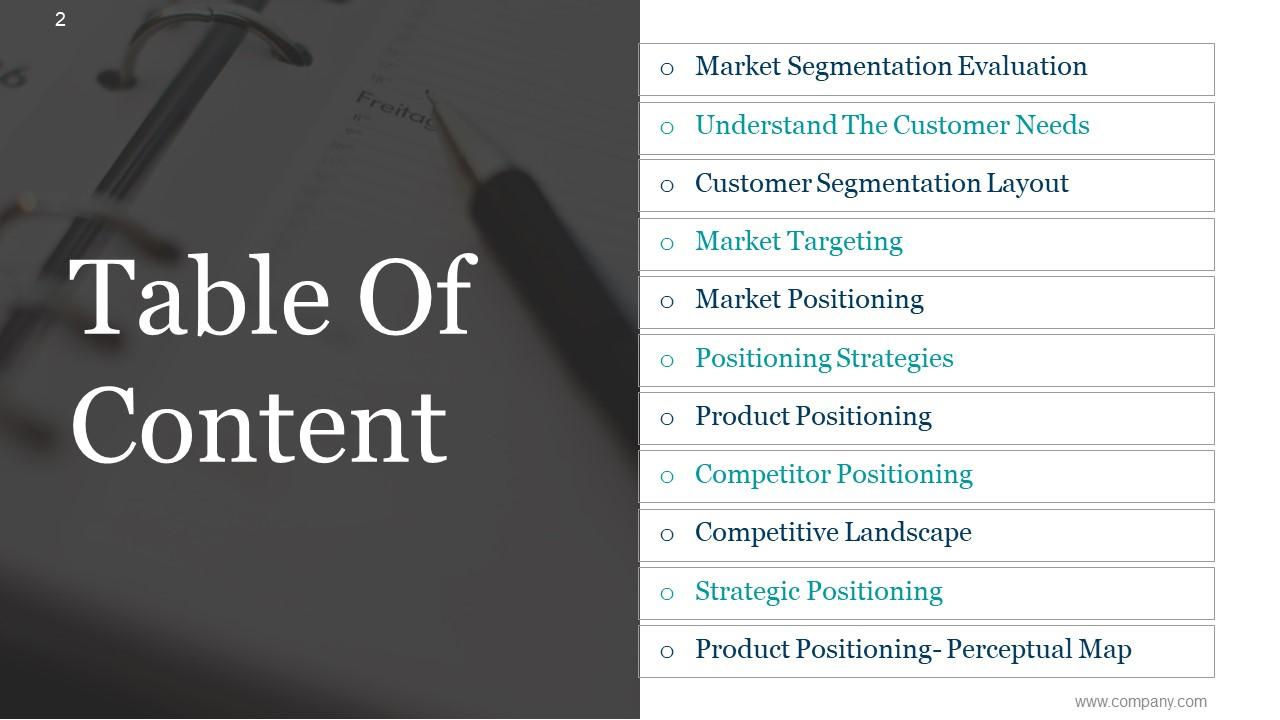
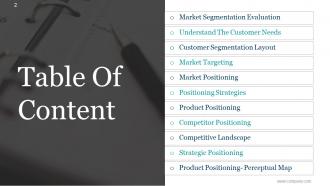
Slide 2: This slide shows Table Of Content with these eleven points- Market Segmentation Evaluation, Understand The Customer Needs, Customer Segmentation Layout, Market Targeting, Market Positioning, Positioning Strategies, Product Positioning, Competitor Positioning, Competitive Landscape, Strategic Positioning, Product Positioning- Perceptual Map.
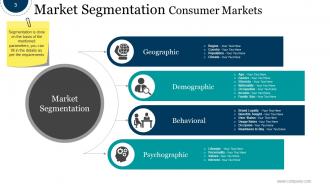
Slide 3: This slide presents Market Segmentation Consumer Markets and also it includes- Behavioral, Geographic, Demographic, Psychographic, Market Segmentation, Segmentation is done on the basis of the mentioned parameters, you can fill in the details as per the requirements
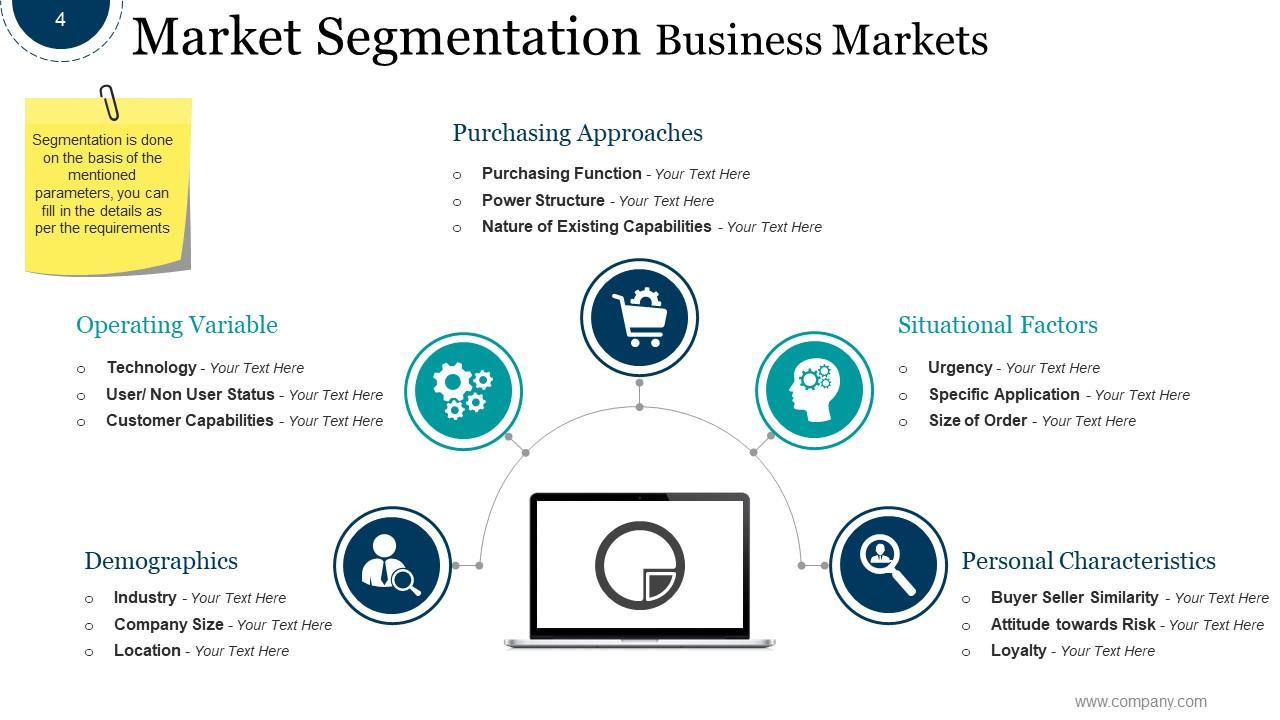
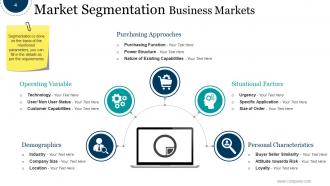
Slide 4: This slide showcases Market Segmentation Business Markets with five parameters- Demographics, Operating Variable, Purchasing Approaches, Situational Factors, Loyalty - Your Text Here, Personal Characteristics, Segmentation is done on the basis of the mentioned parameters, you can fill in the details as per the requirements.
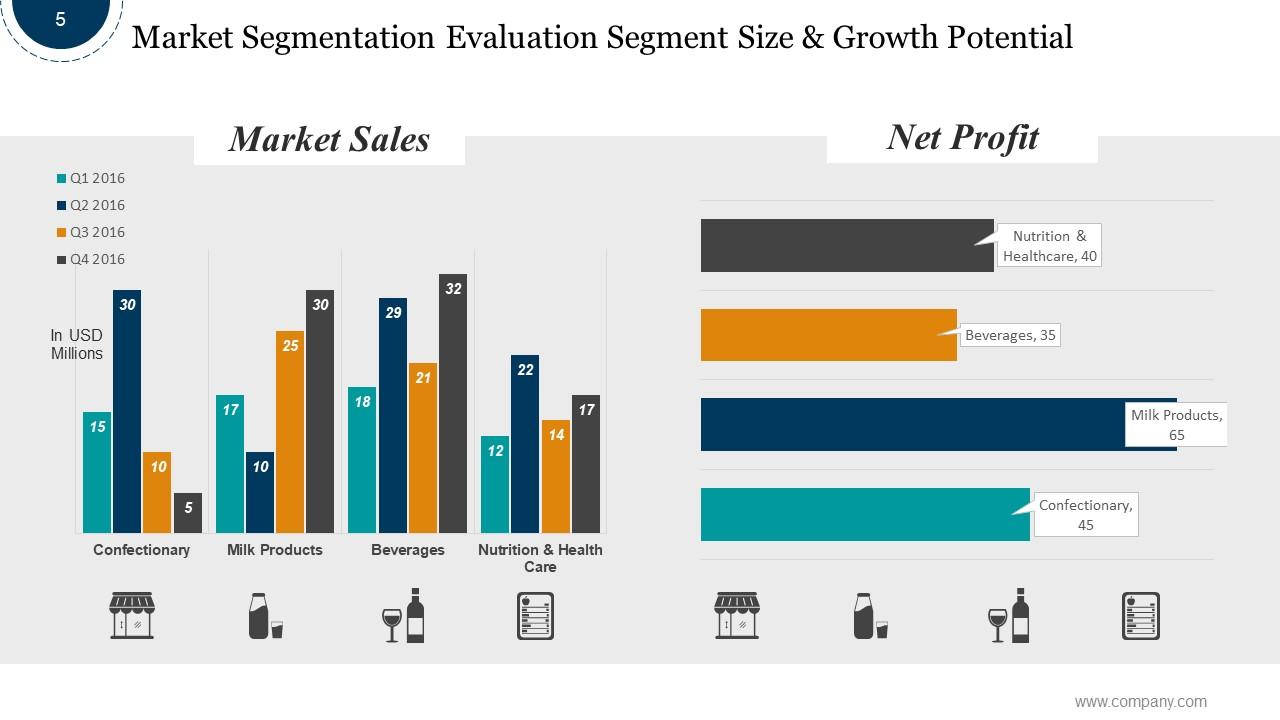
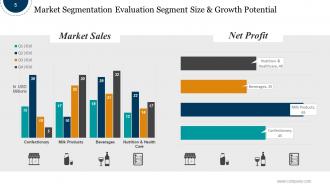
Slide 5: This slide shows Market Segmentation Evaluation Segment Size & Growth Potential Net Profit, Market Sales.
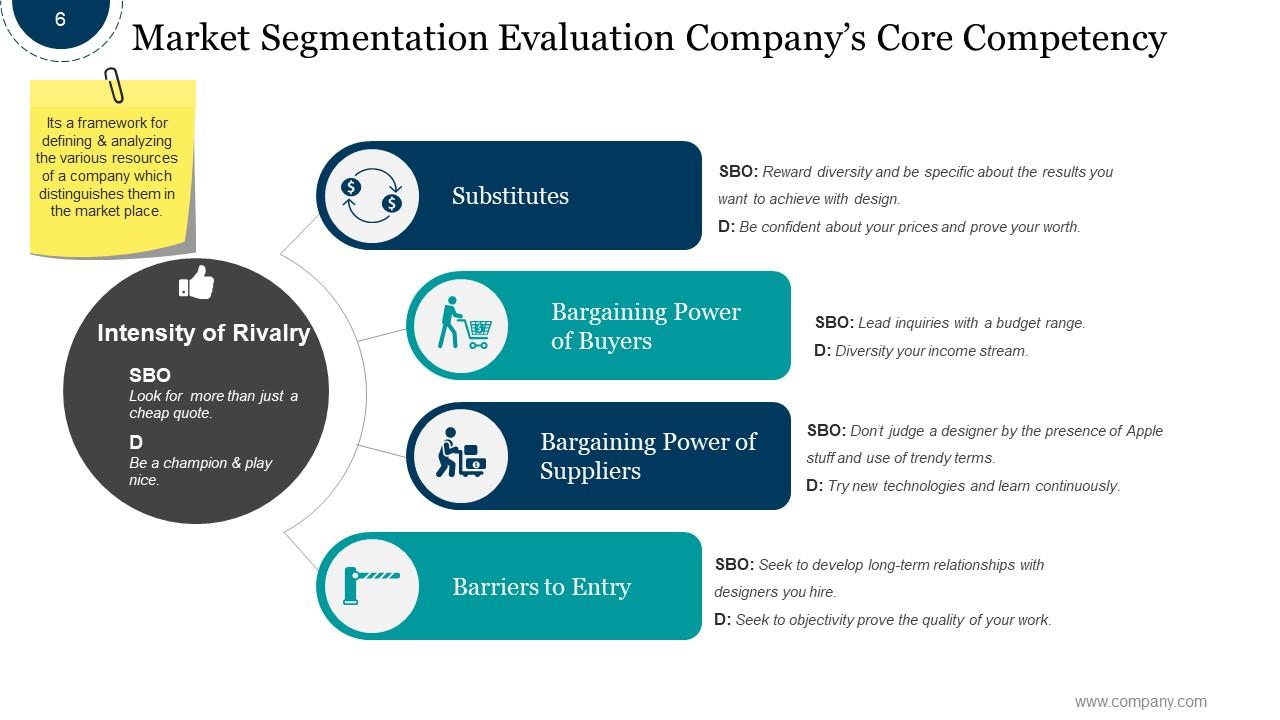
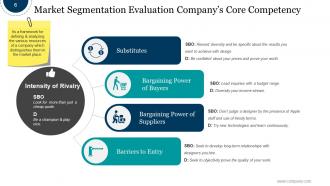
Slide 6: This slide displays Market Segmentation Evaluation Company’s Core Competency .Monitor the market segmentation on the basis of below mentioned parameters, you can alter them as per your requirements Bargaining Power of Buyers, Bargaining Power of Suppliers, Barriers to Entry, Intensity of Rivalry, Its a framework for defining & analyzing the various resources of a company which distinguishes them in the market place.
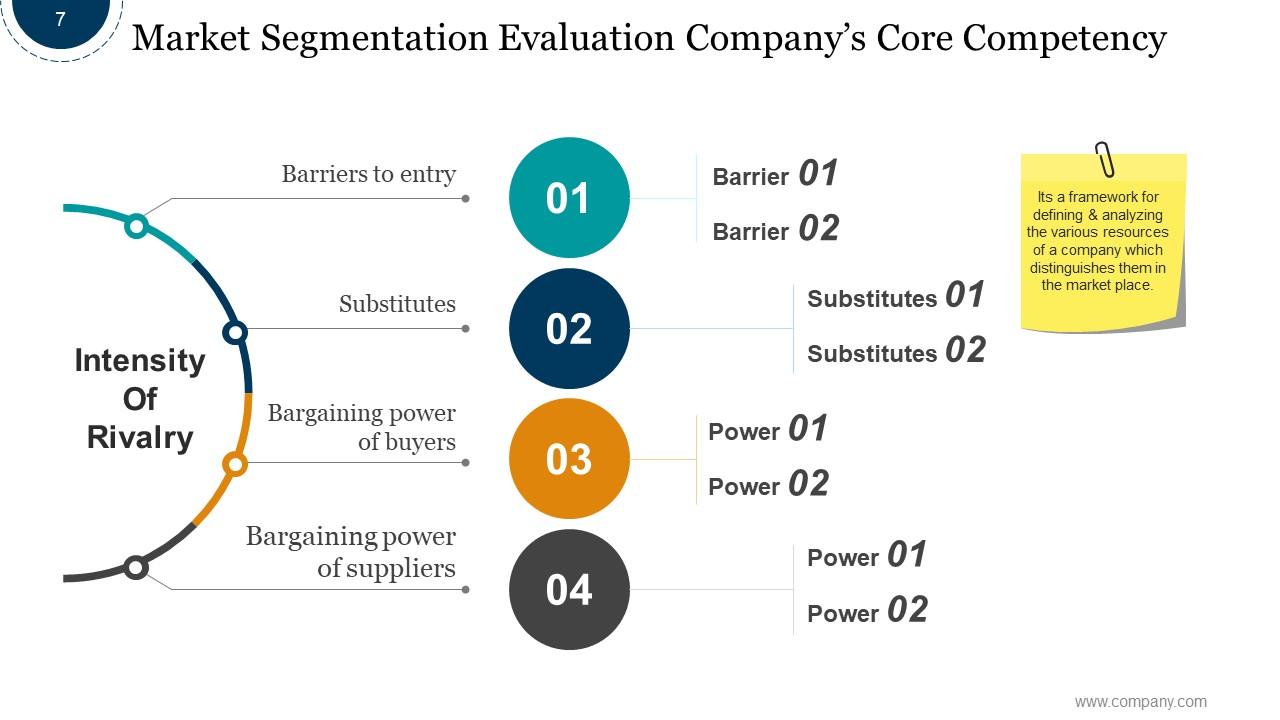
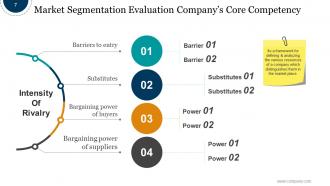
Slide 7: This slide showcases Market Segmentation Evaluation Company’s Core Competency Bargaining power of suppliers, Bargaining power of buyers, Substitutes, Barriers to entry, Intensity Of Rivalry, Its a framework for defining & analyzing the various resources of a company which distinguishes them in the market place.
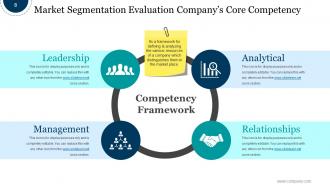
Slide 8: Market Segmentation Evaluation Company’s Core Competency Leadership, Management, Analytical, Relationships, Competency, Framework, Its a framework for defining & analyzing the various resources of a company which distinguishes them in the market place.
Slide 9: This slide shows Understand The Customer Needs. We have considered five most important and commonly considered factors Understand your customer , Understand their occupation & interest, Understand the purchasing cycle of your customer, What they expect of you, How they buy.
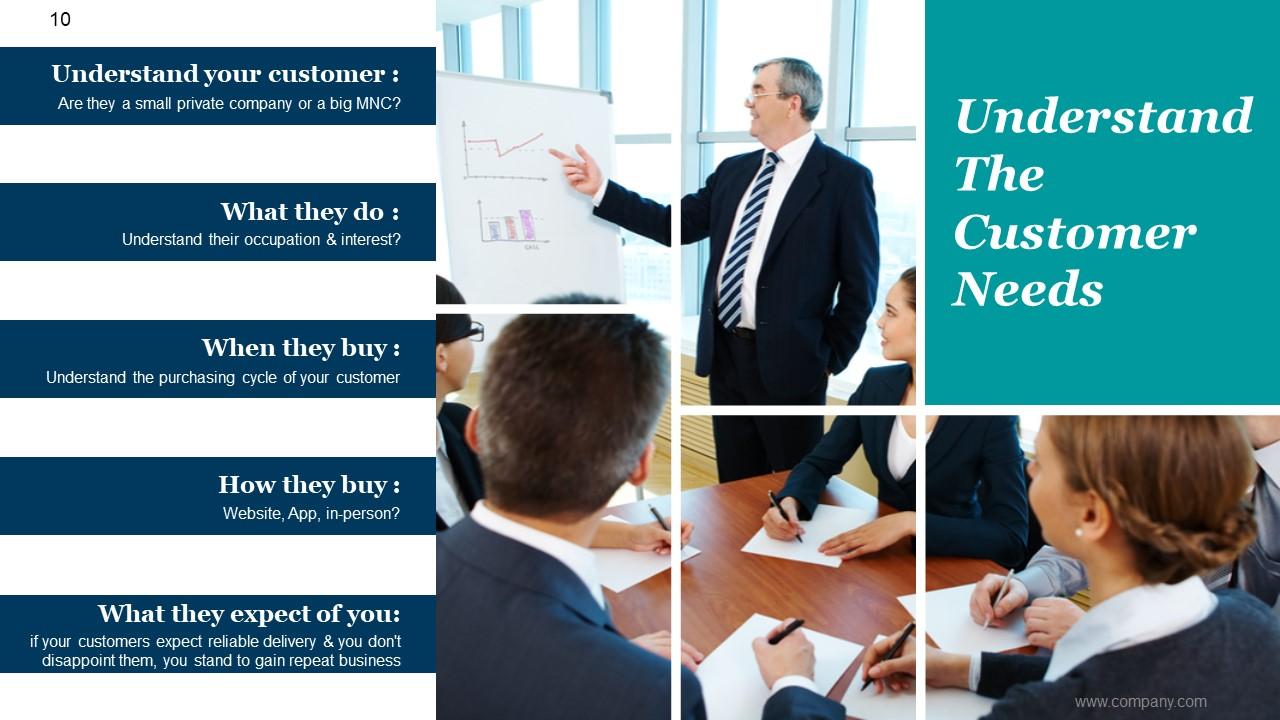
Slide 10: This slide showcases Understand The Customer Needs. You can use these Five factors or add/alter with your requirement- Understand your customer, What they do, When they buy, How they buy, What they expect of you, if your customers expect reliable delivery & you don't disappoint them, you stand to gain repeat business.
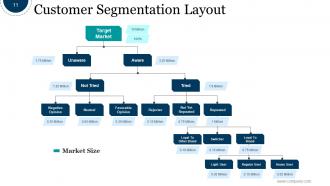
Slide 11: This slide displays Customer Segmentation Layout. It is a decision tree type structure. You can use as such or alter.
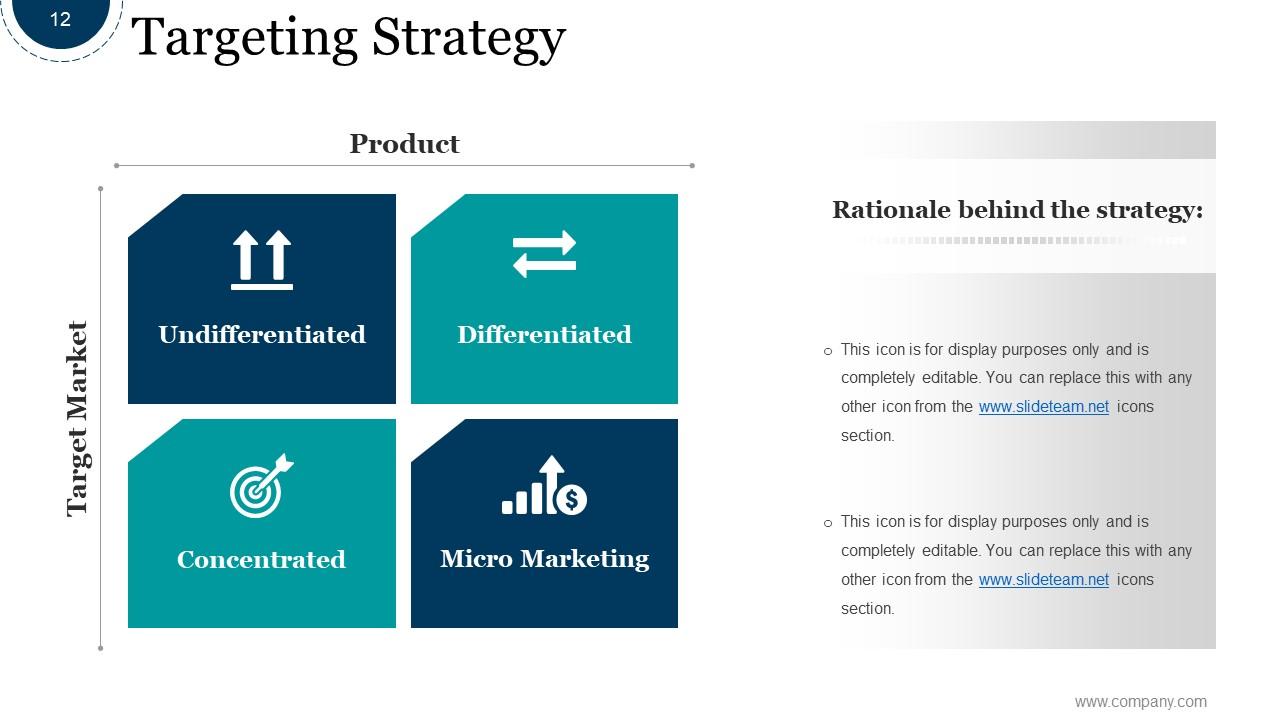
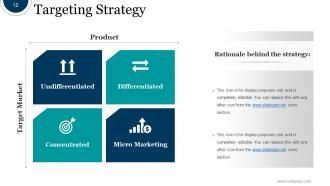
Slide 12: This slide showcases Targeting Strategy with these two parameters- Target Market, Product.
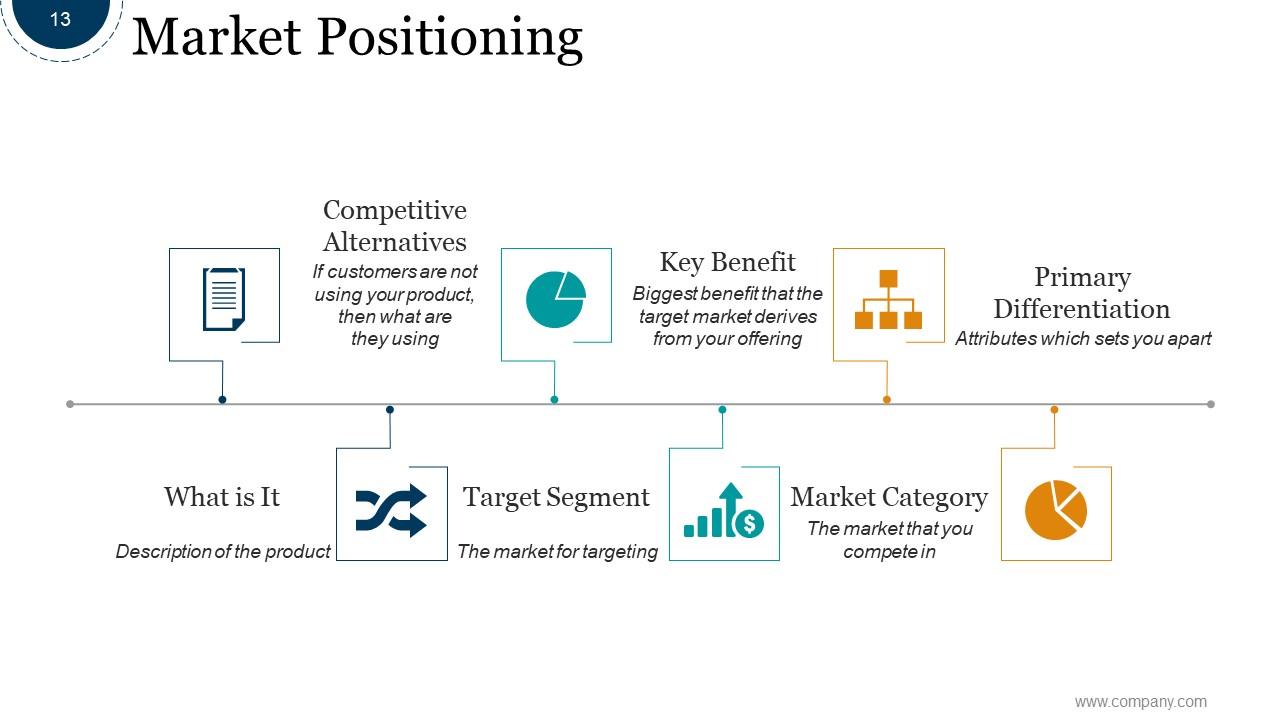
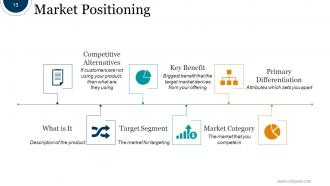
Slide 13: This slide presents Market Positioning with these parameters- What is It, Target Segment, Market Category, Competitive Alternatives, Key Benefit, Primary Differentiation.
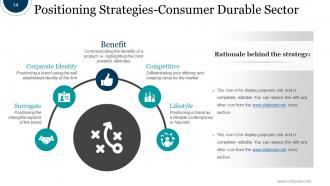
Slide 14: This slide shows Positioning Strategies-Consumer Durable Sector with- Benefit, Corporate Identity, Competitive, Surrogate, Lifestyle, Among the five strategies, highlight the one you would like to choose for your product and explain in the detail the rationale behind the strategy you opted in the comment box.
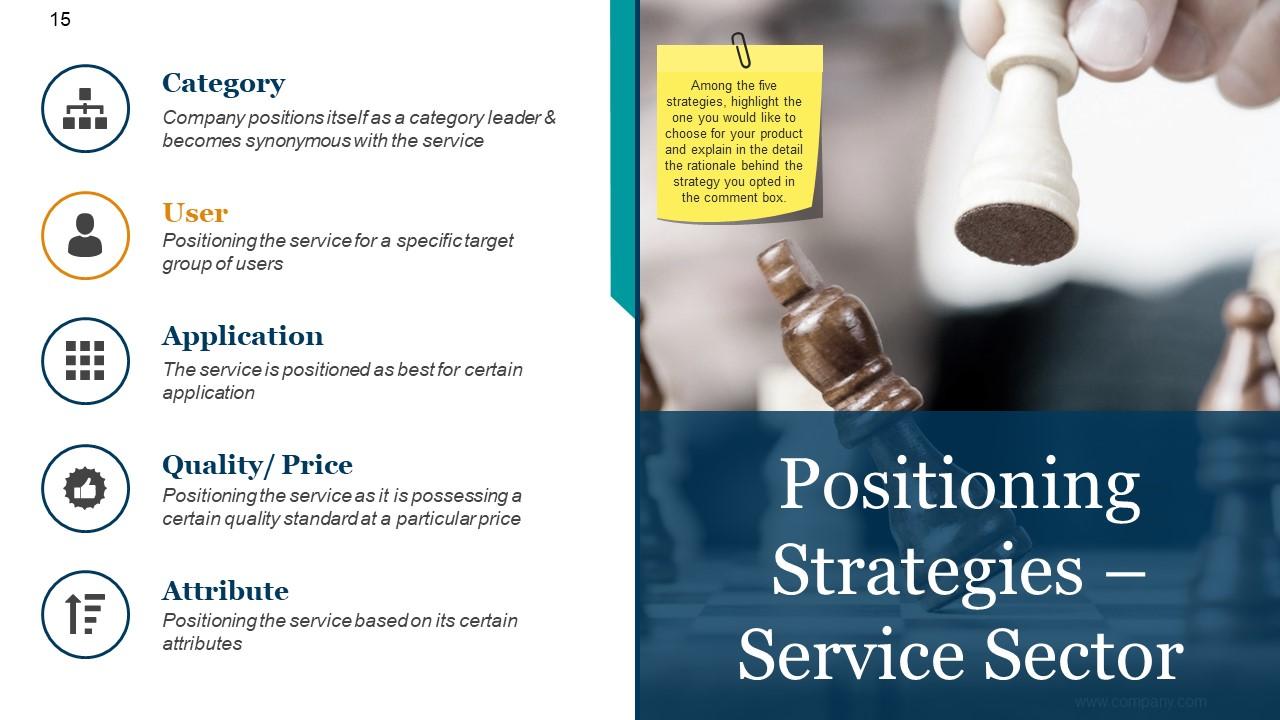
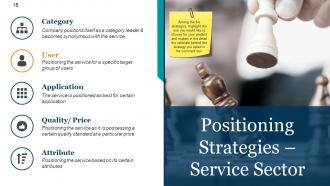
Slide 15: This slide showcases Positioning Strategies – Service Sector User, Category, Application, Attribute, Quality/ Price, Among the five strategies, highlight the one you would like to choose for your product and explain in the detail the rationale behind the strategy you opted in the comment box.
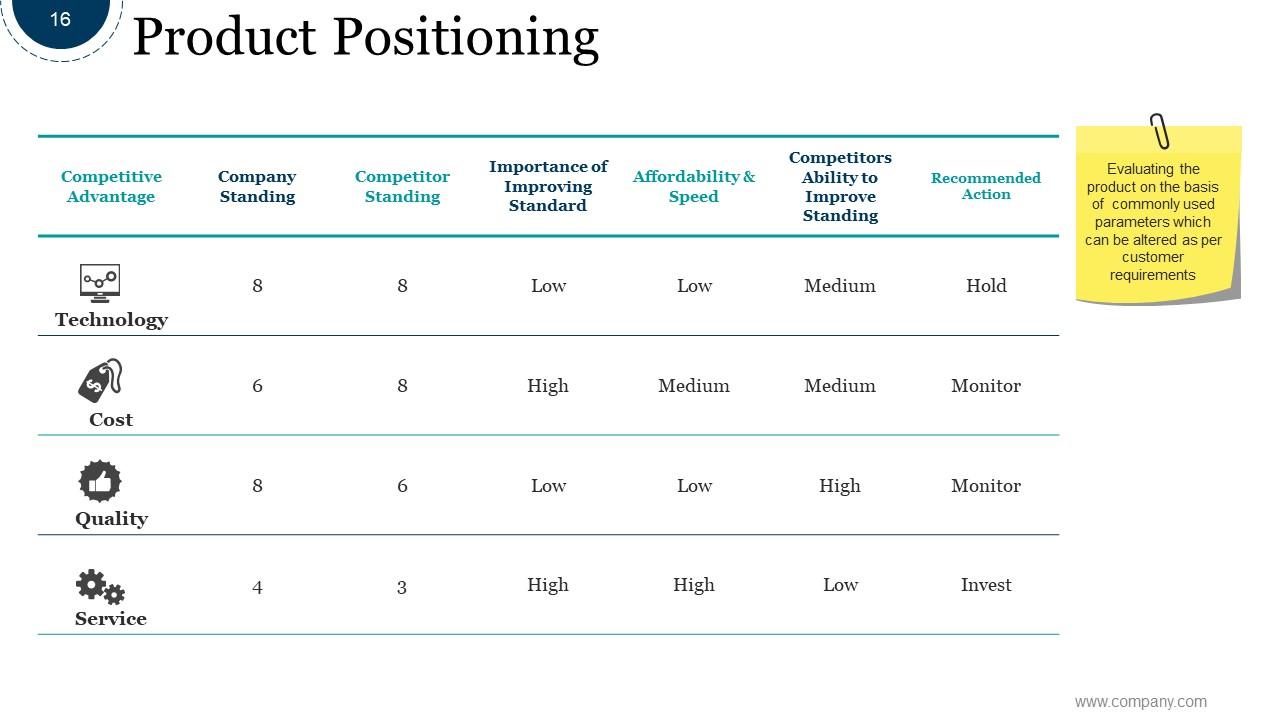
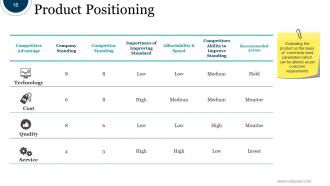
Slide 16: This slide presents Product Positioning with four basic steps. You can use it as such or alter. Evaluating the product on the basis of commonly used parameters which can be altered as per customer requirements.
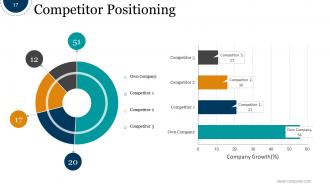
Slide 17: This slide showcase Competitor Positioning. It includes with graph and pie chart for analysis.
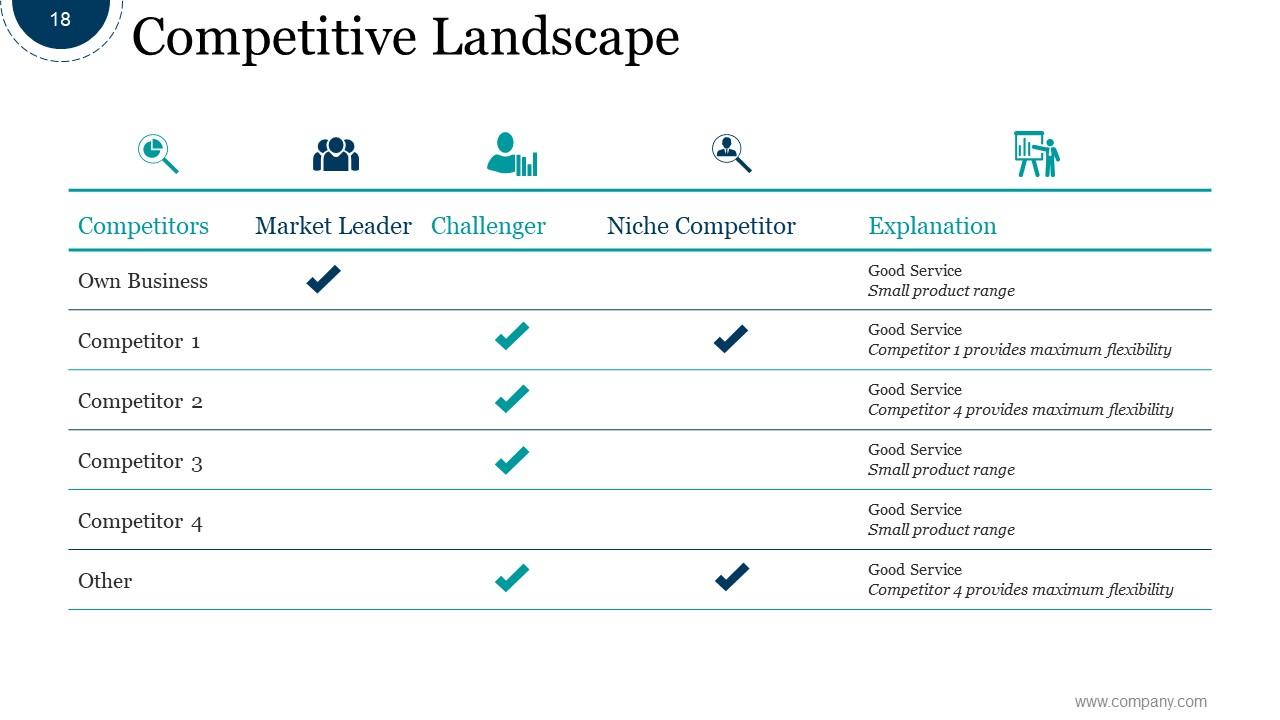
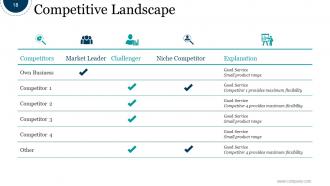
Slide 18: This slide displays Competitive Landscape. You can put your competitors and analyse with this table.
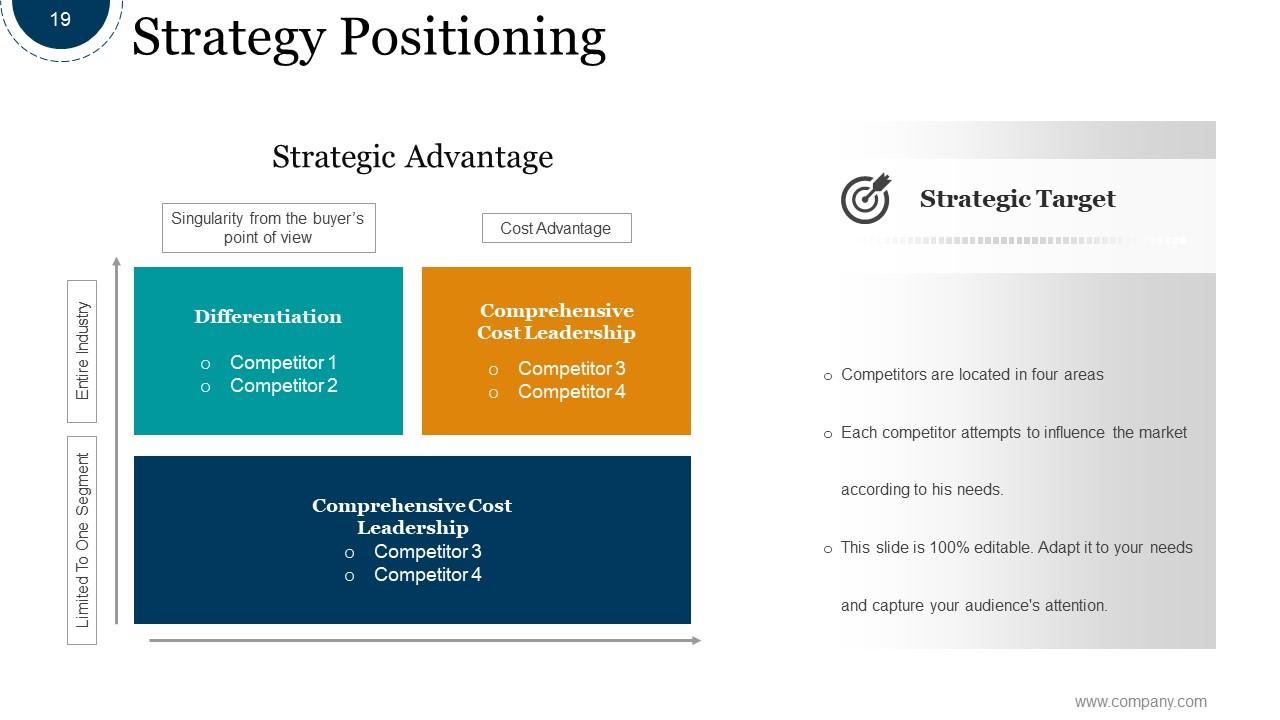
Slide 19: This slide presents Strategy Positioning. You can use this matrix having these three parameters- Differentiation, Comprehensive Cost Leadership, Cost Advantage.
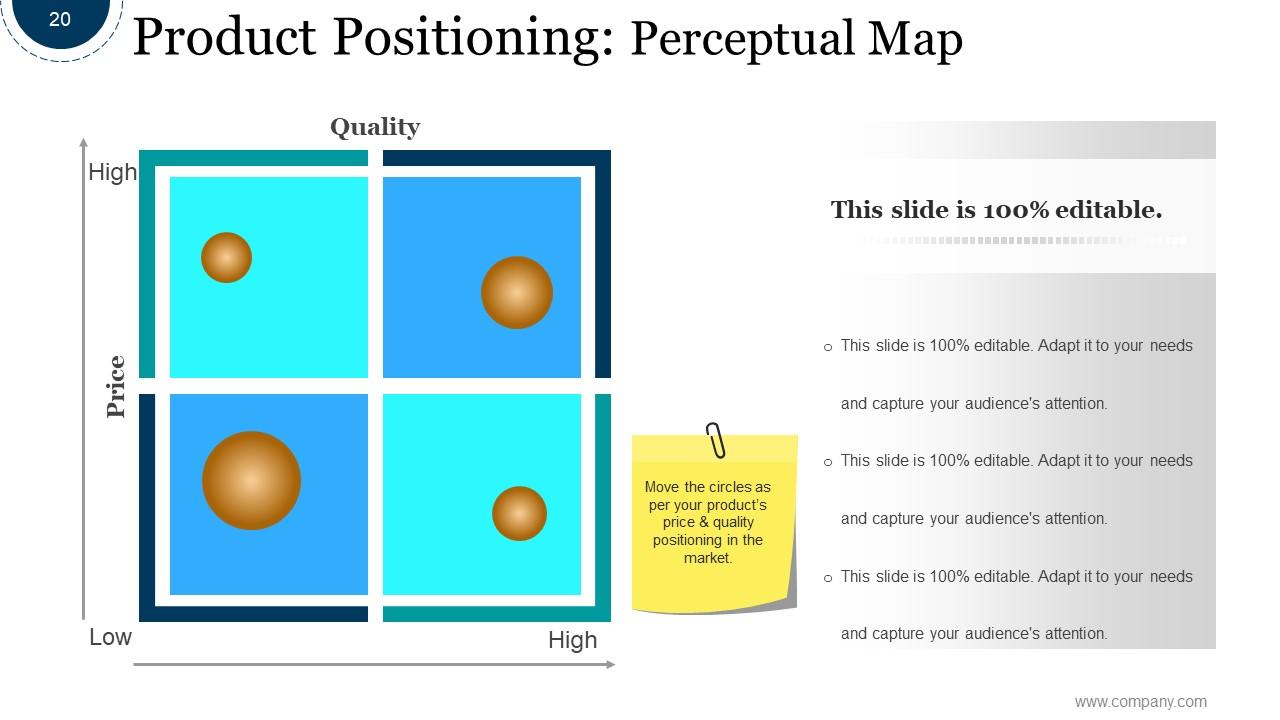
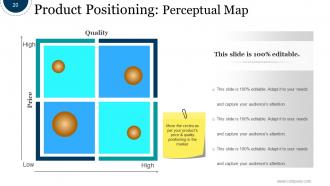
Slide 20: This slide presents Product Positioning: Perceptual Map. With this product you can compare with quality and price. Move the circles as per your product’s price & quality positioning in the market.
Slide 21: This slide is a Coffee Break image for a halt.
Slide 22: This slide forwards to Charts & Graphs.
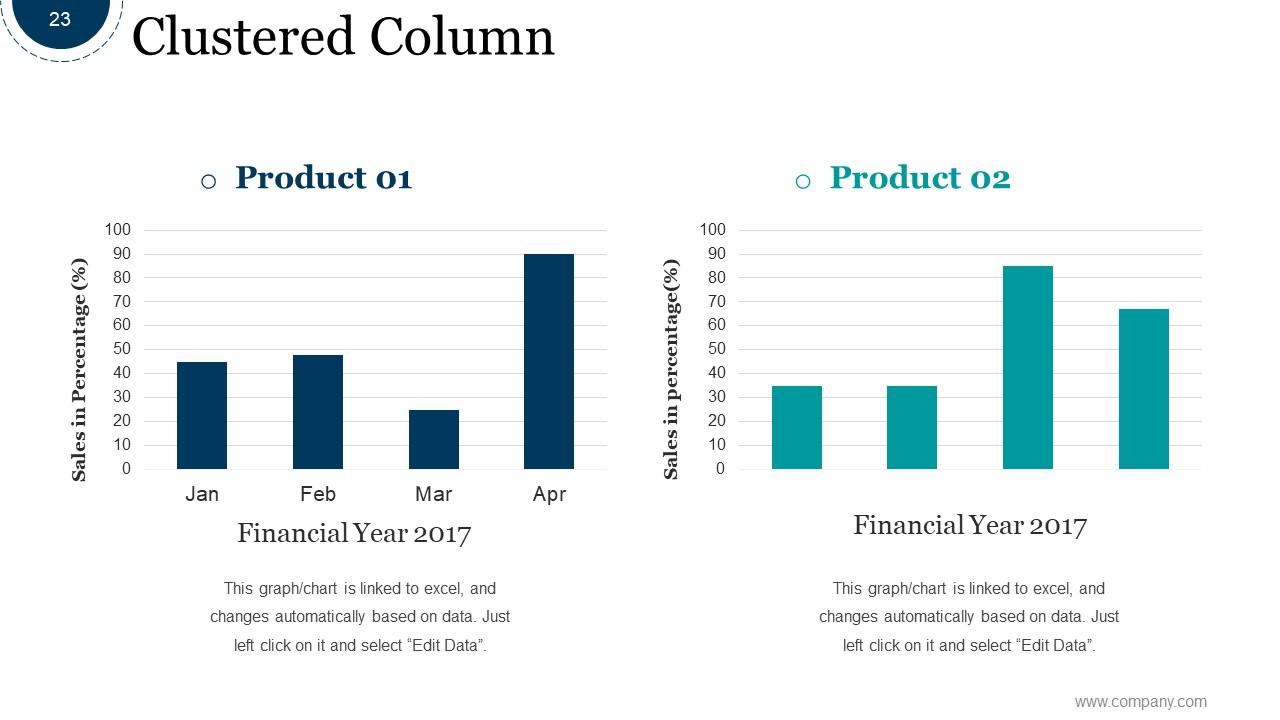
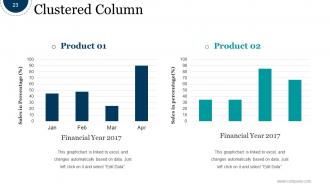
Slide 23: This slide shows Clustered Column to compare products.
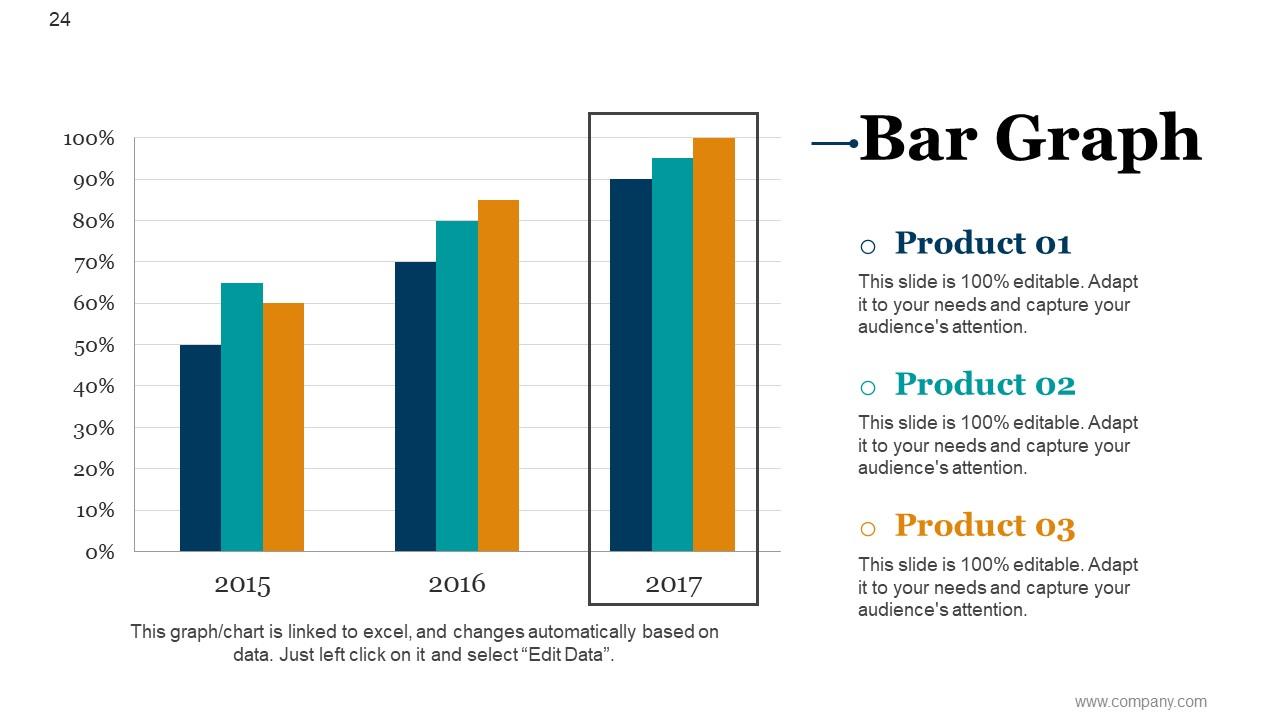
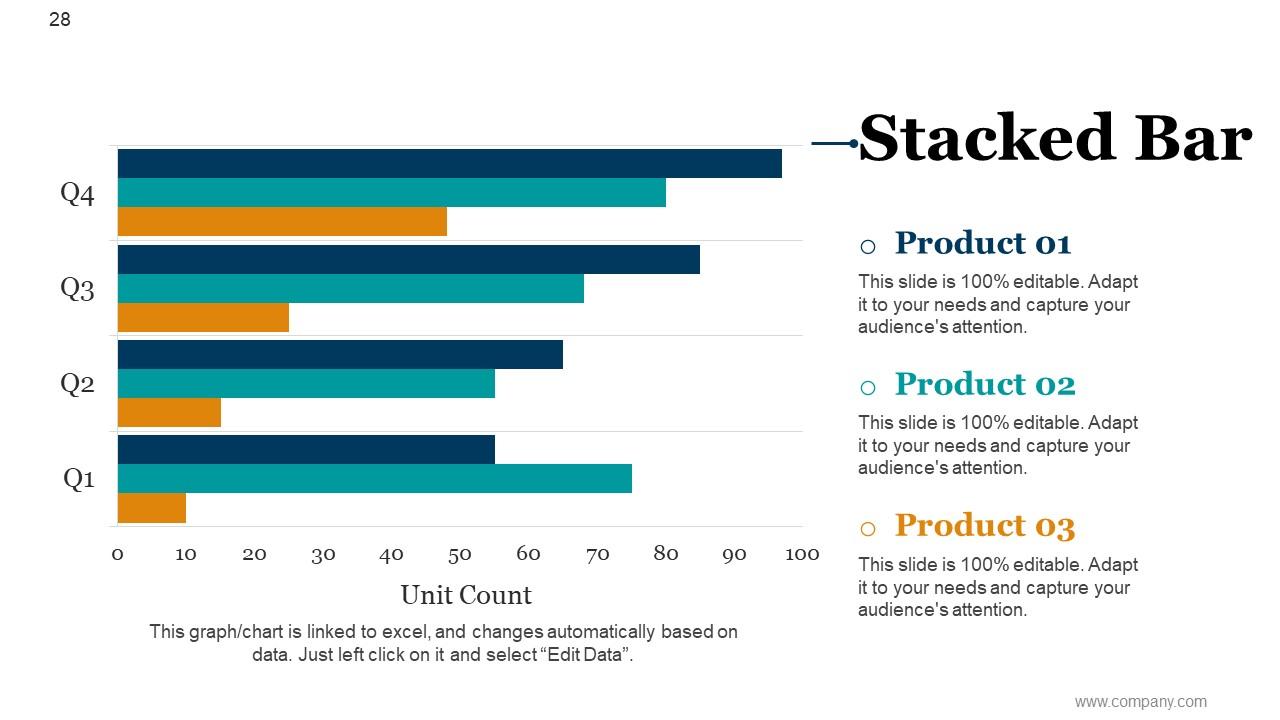
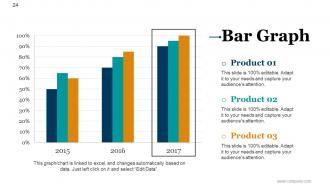
Slide 24: This is a Bar Graph image slide to show product comparison, growth etc. st left click on it and select “Edit Data”.
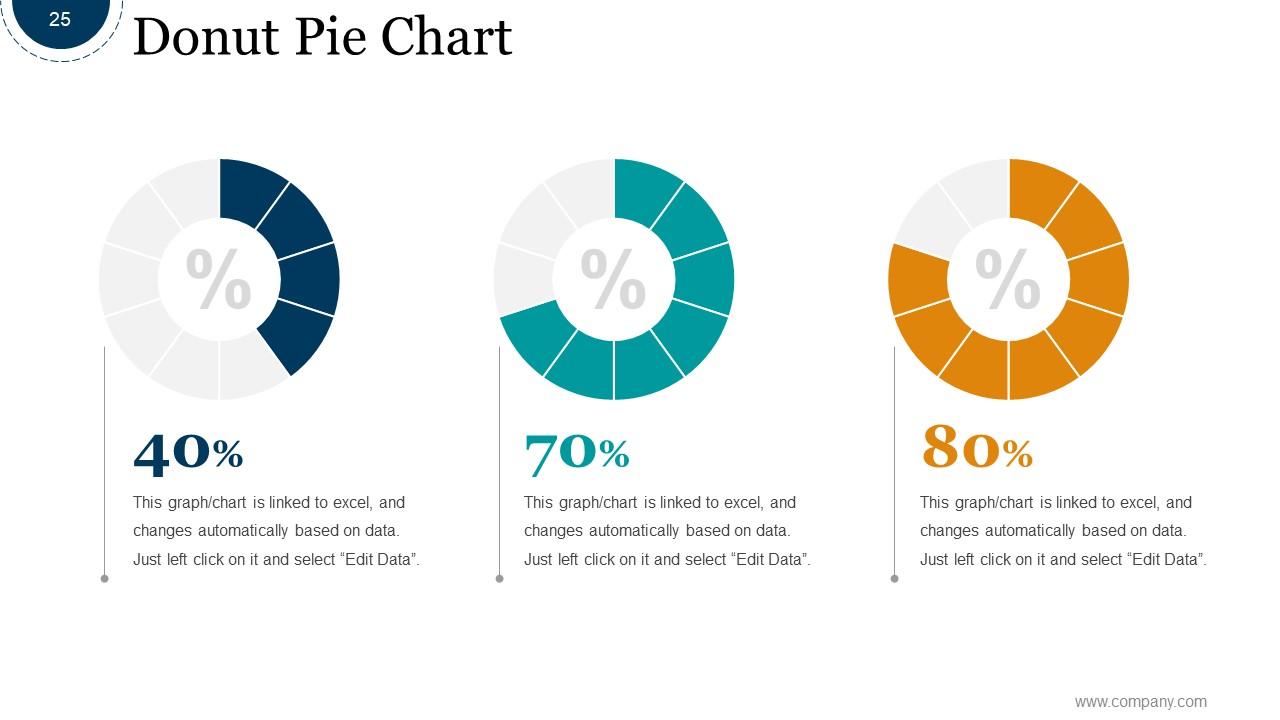
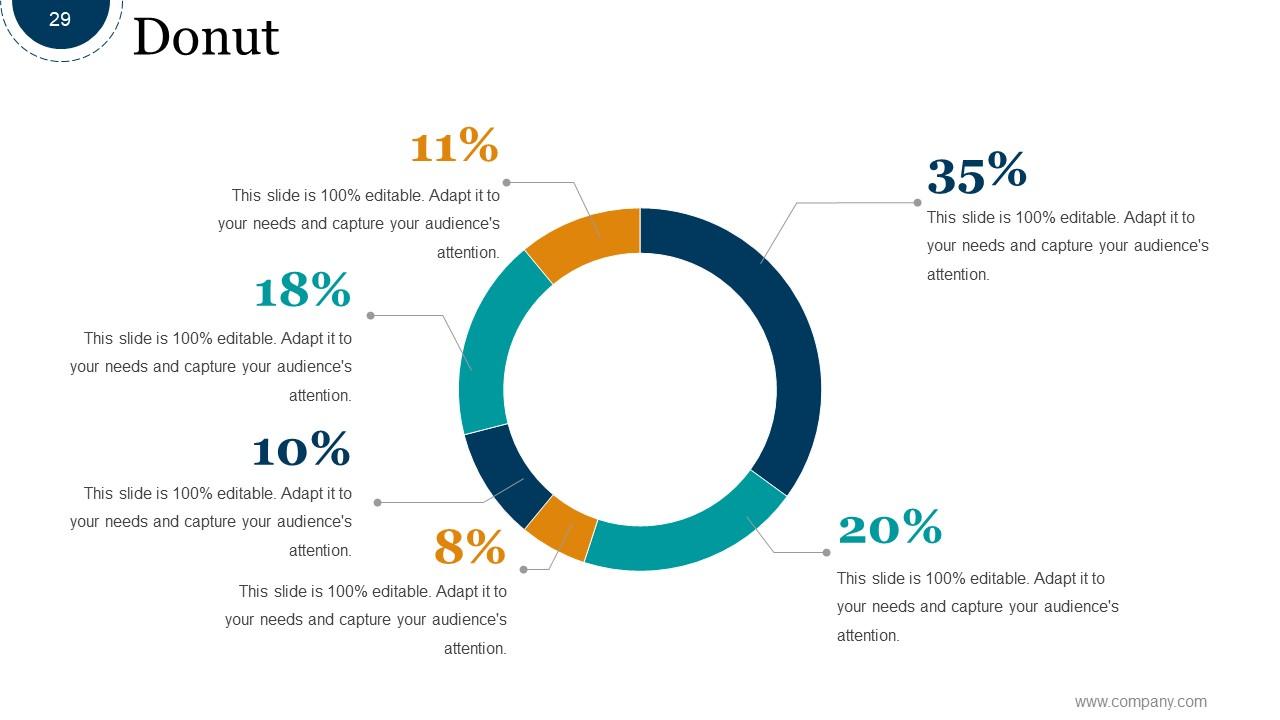
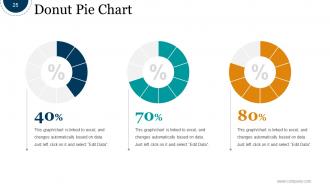
Slide 25: This slide show cases Donut Pie Chart and compare with the percentage.
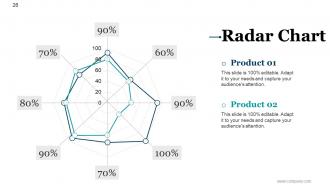
Slide 26: This is a Radar Chart slide for product/entity comparison.
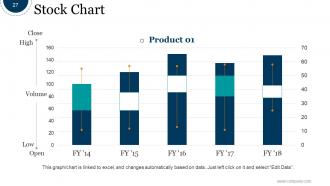
Slide 27: This slide displays a Stock Chart with volume as parameter in terms of high and low, open and close.
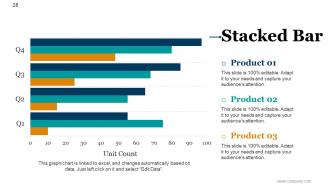
Slide 28: This slide shows a Stacked Line graph in terms of percentage and years for comparison of Product 01, Product 02, Product 03 etc.
Slide 29: This slide presents Donut to compare different product.
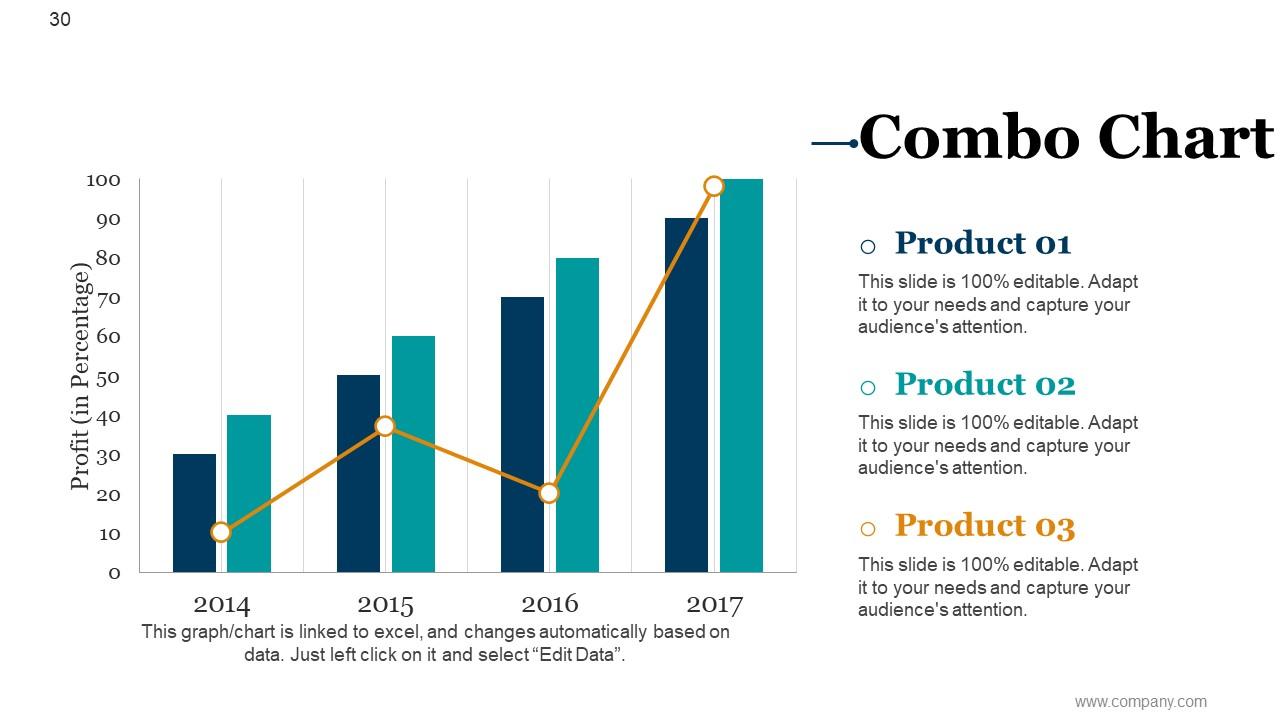
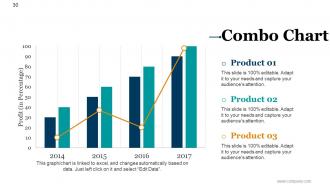
Slide 30: This slide presents Combo Chart showing comparison between two product.
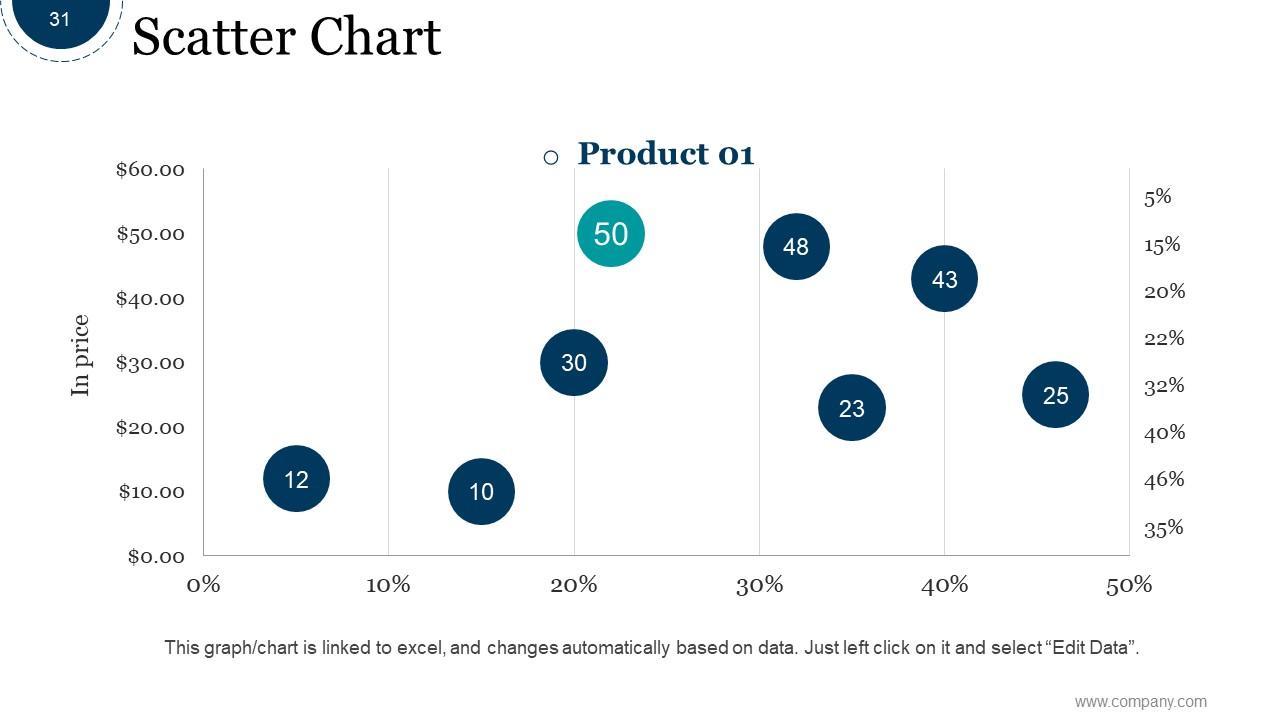
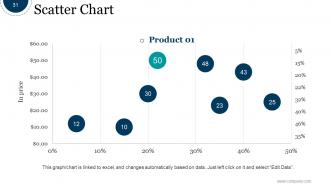
Slide 31: This slide shows Competitive Analysis with Scatter Chart/Radar Chart to compare.
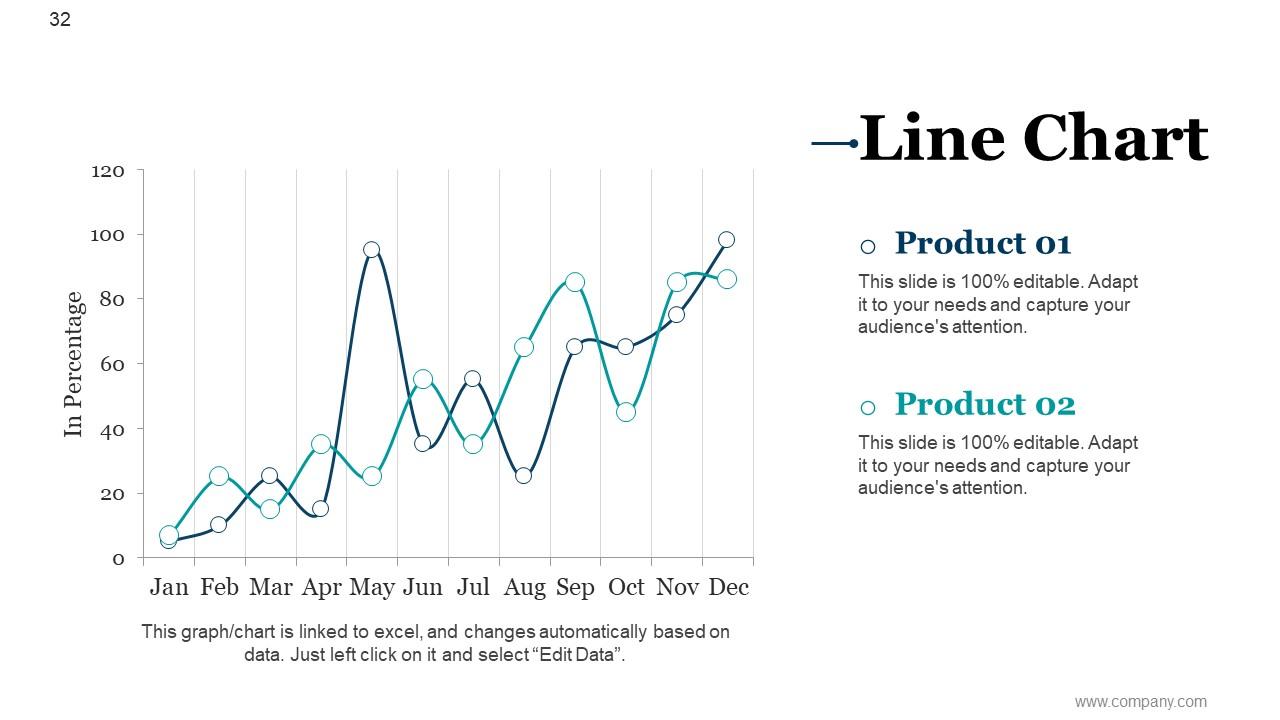
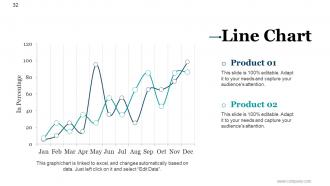
Slide 32: This is a Line Chart slide for product/entity comparison.
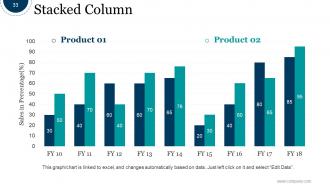
Slide 33: This slide shows a Stacked Line graph in terms of percentage and years for comparison of Product 01, Product 02, Product 03 etc.
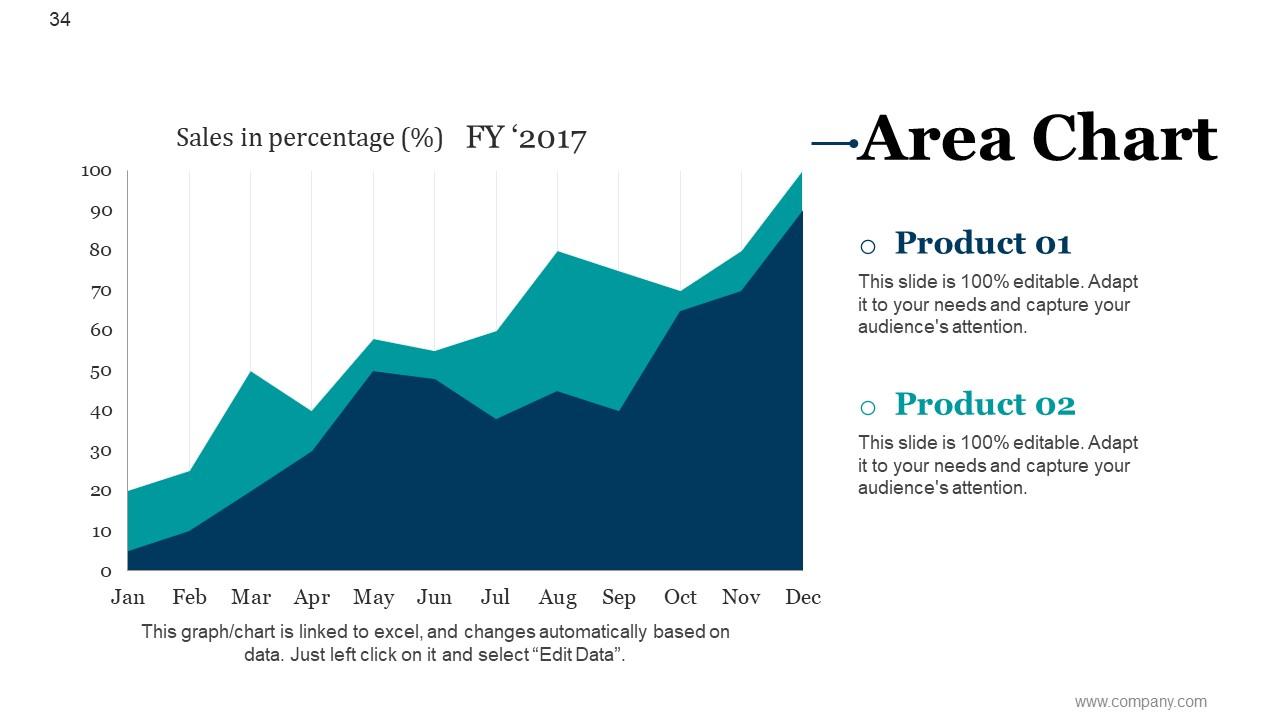
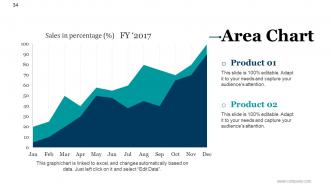
Slide 34: This is an Area Chart slide for product/entity comparison.
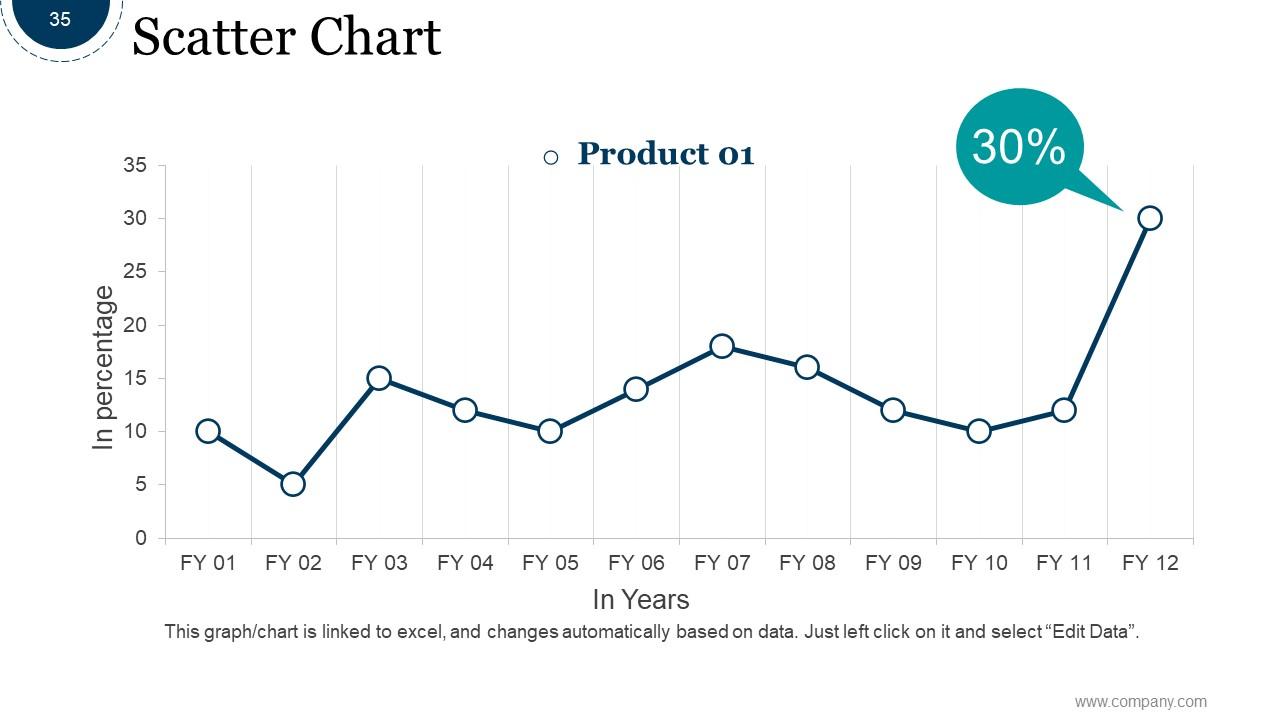
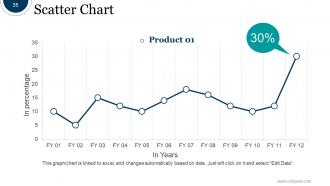
Slide 35: This slide shows Competitive Analysis with Scatter Chart/Radar Chart to compare.
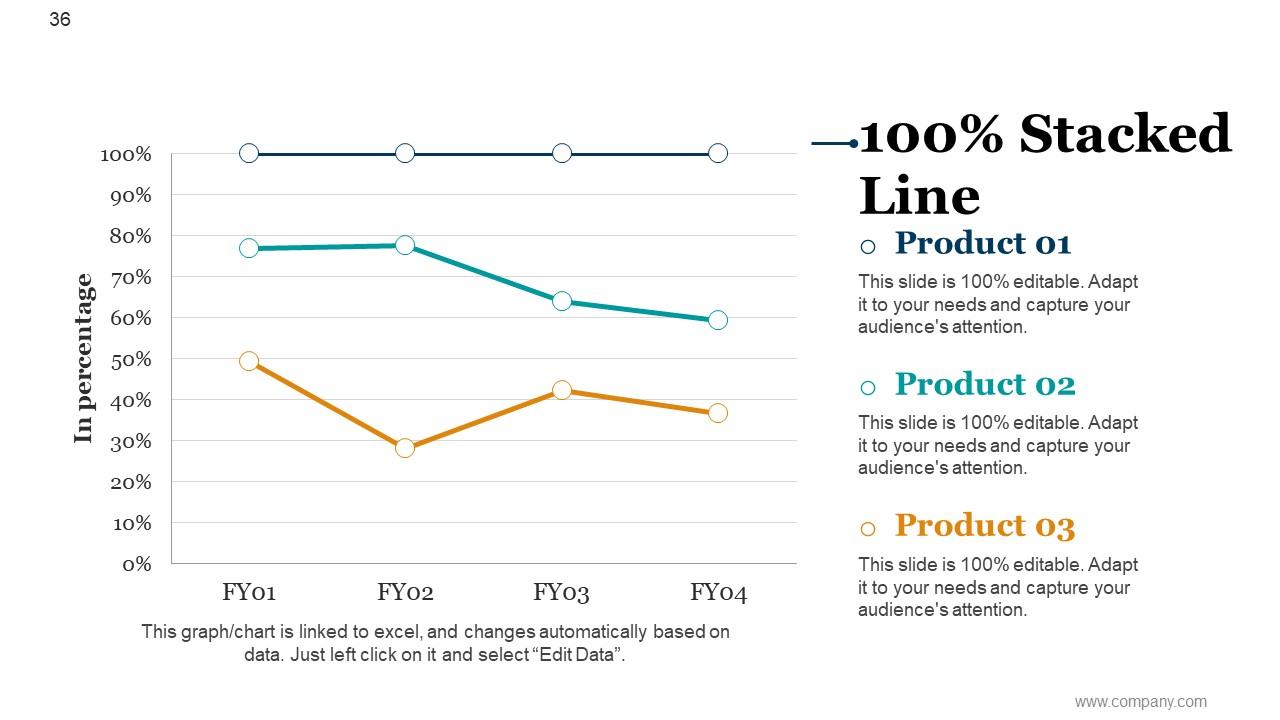
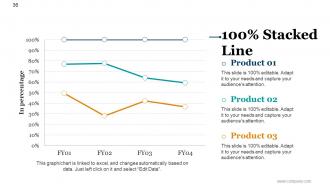
Slide 36: This slide shows a Stacked Line graph in terms of percentage and years for comparison of Product 01, Product 02, Product 03 etc.
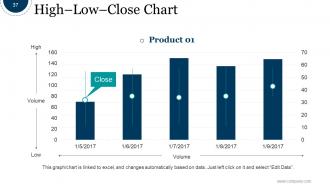
Slide 37: This slide showcases High–Low–Close Chart with matrix. You can add data in it.
Slide 38: This slide is titled Additional Slides.
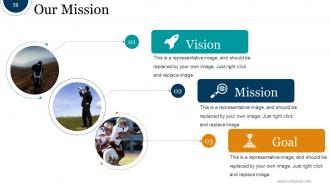
Slide 39: This is a Target slide with the following subheadings- Current Situation, Competitive Analysis, Target Segments, Vision, Positioning.
Slide 40: This slide helps depict Our Team with text boxes.
Slide 41: This is an About Us slide. State company or team specifications here.
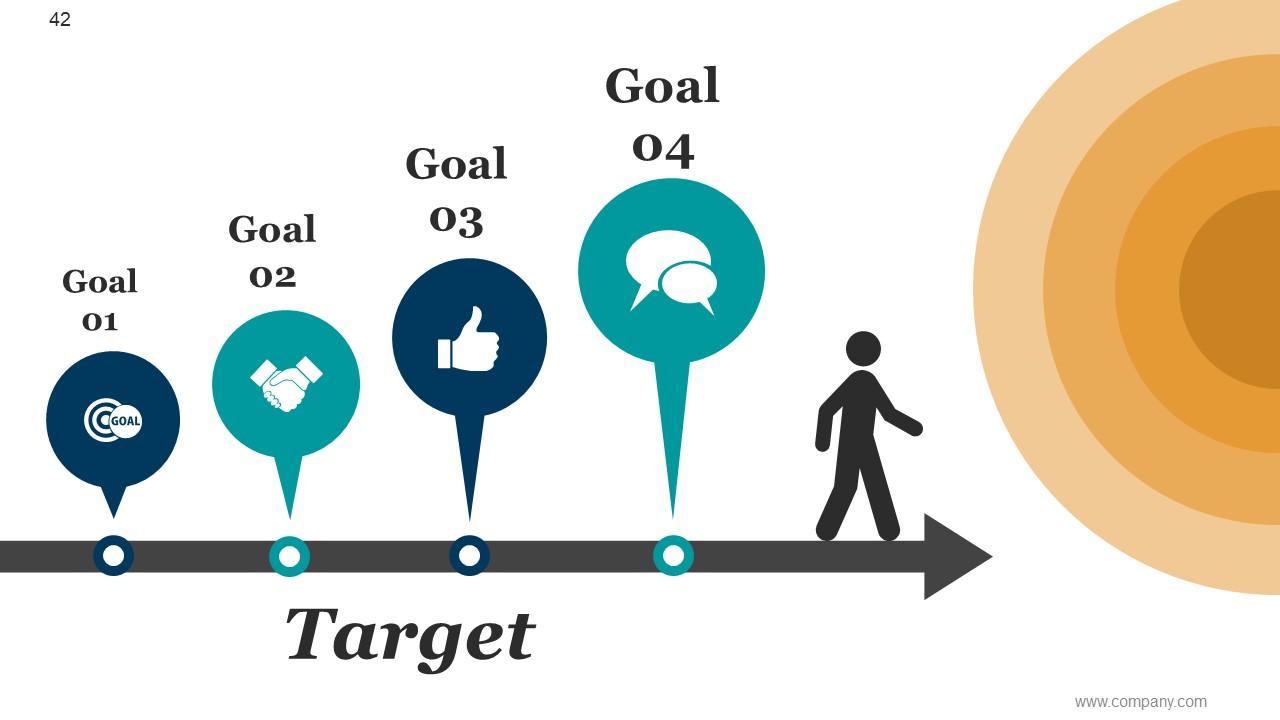
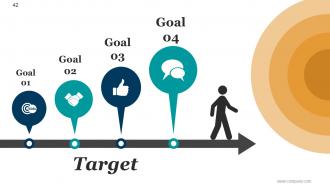
Slide 42: This is a Target slide. State your targets here.
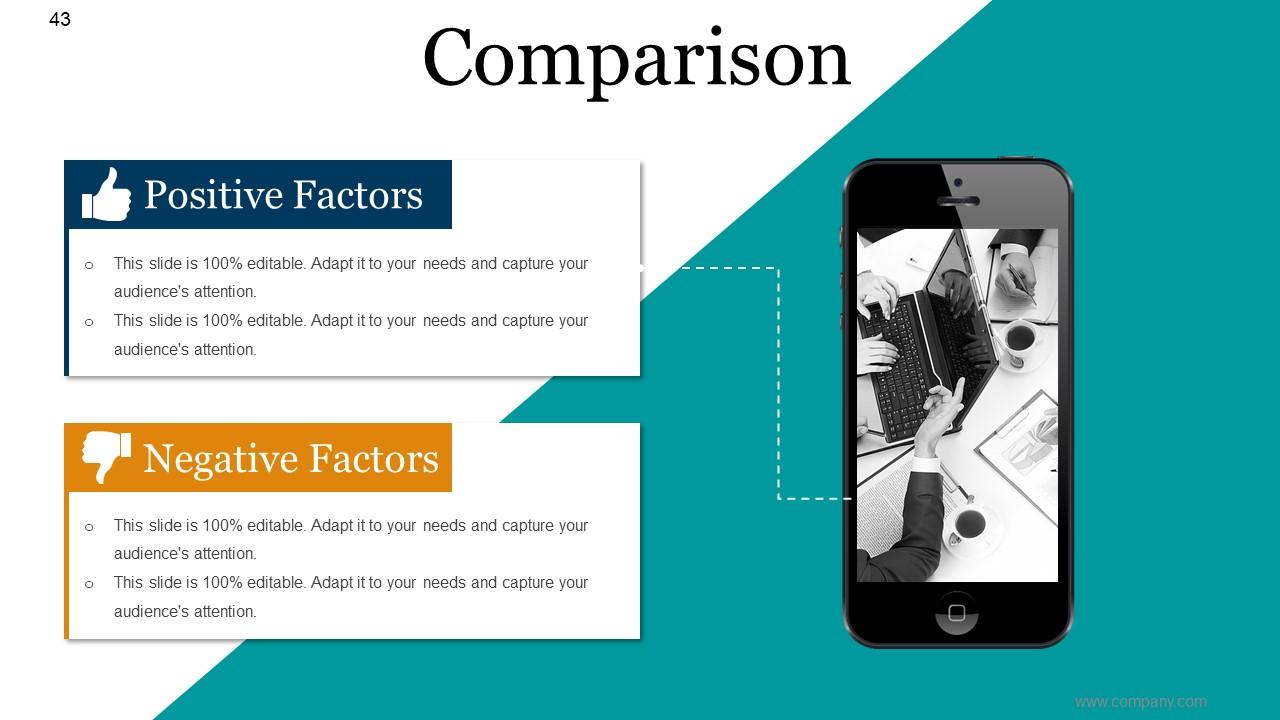
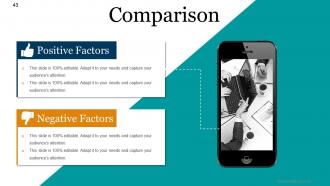
Slide 43: This slide showcases Comparison with negativa and positive factor.
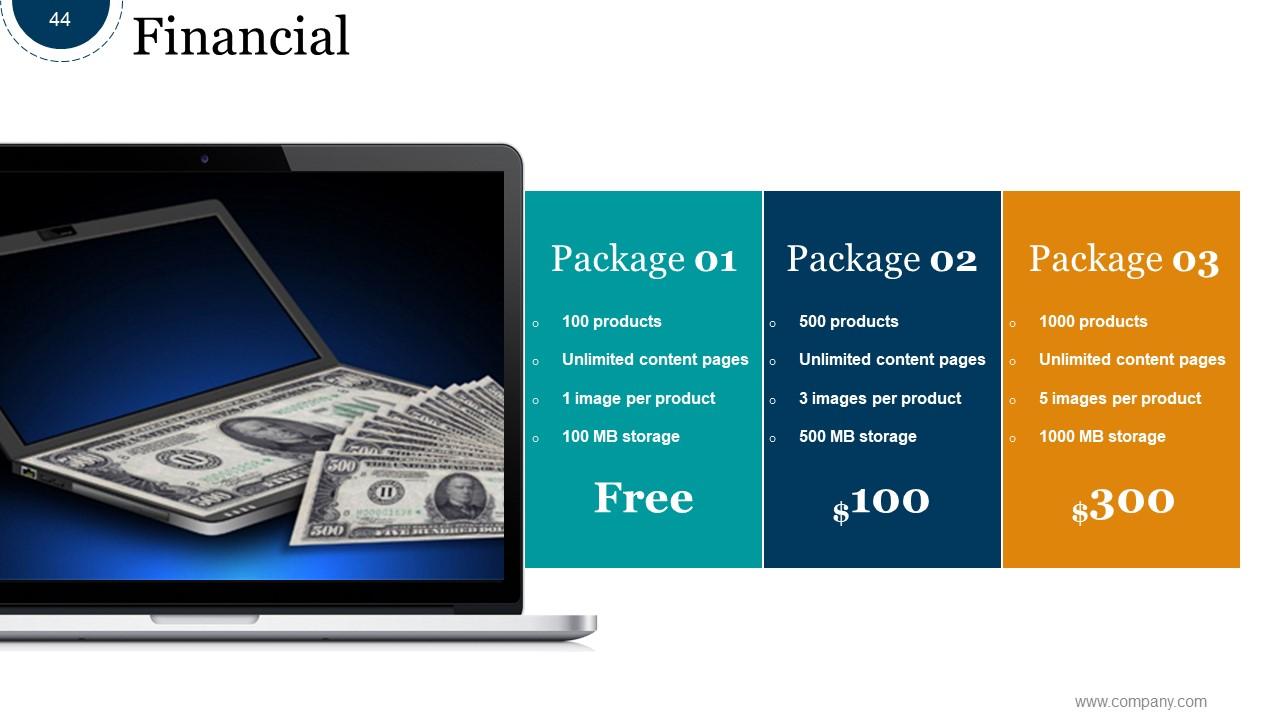
Slide 44: This slide shows Vital financial circles with percentage and text boxes.
Slide 45: This is a Business Quotes slide to quote something you believe in.
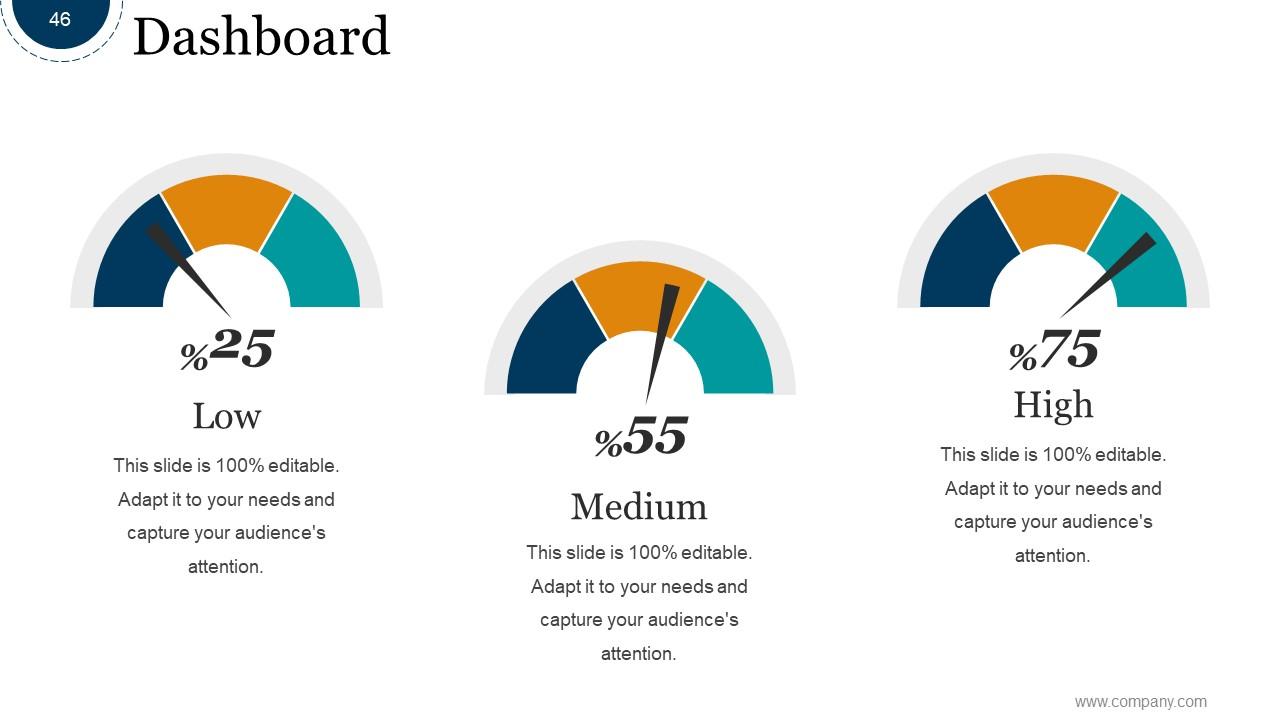
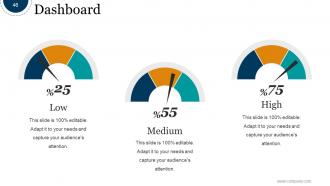
Slide 46: This is a Dashboard slide to show- Strategic System, Success, Goal Process, Sales Review, Communication Study.
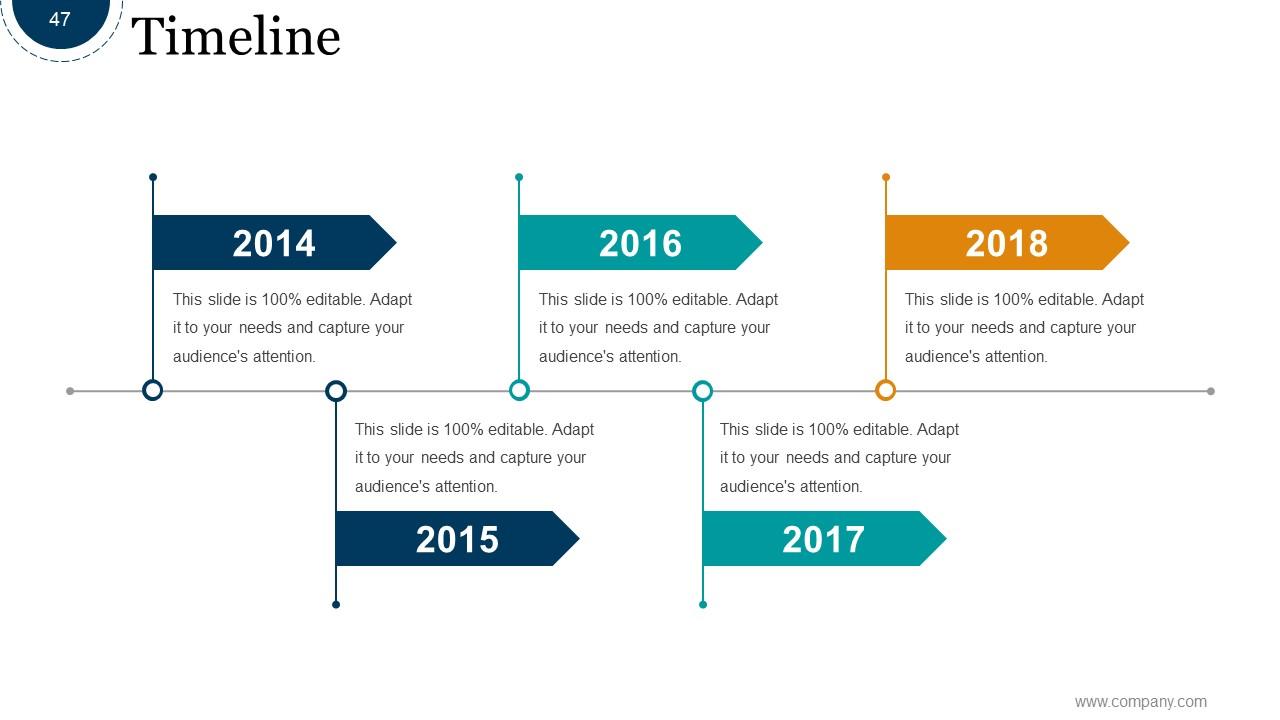
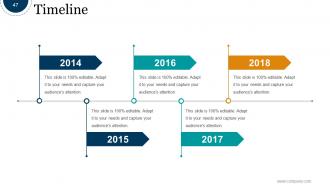
Slide 47: This is a Timelines slide to show- Plan, Budget, Schedule, Review.
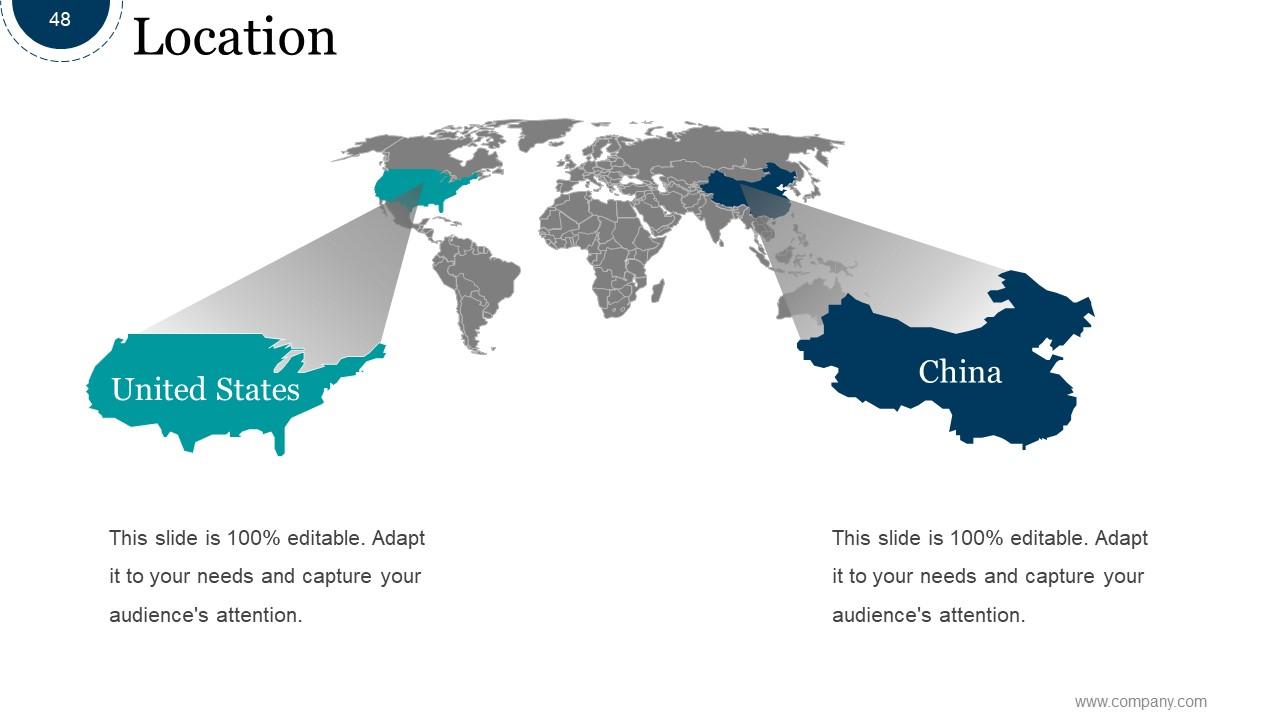
Slide 48: This slide showcases Global Project Locations with a World map and text boxes to make it explicit.
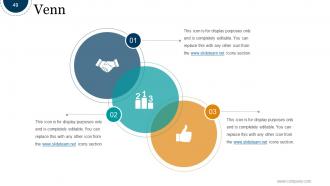
Slide 49: This is a Venn diagram image slide to show information, specifications etc.
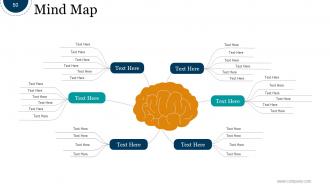
Slide 50: This slide shows a Mind map for representing entities.
Slide 51: This is a Silhouettes slide to show people specific information etc.
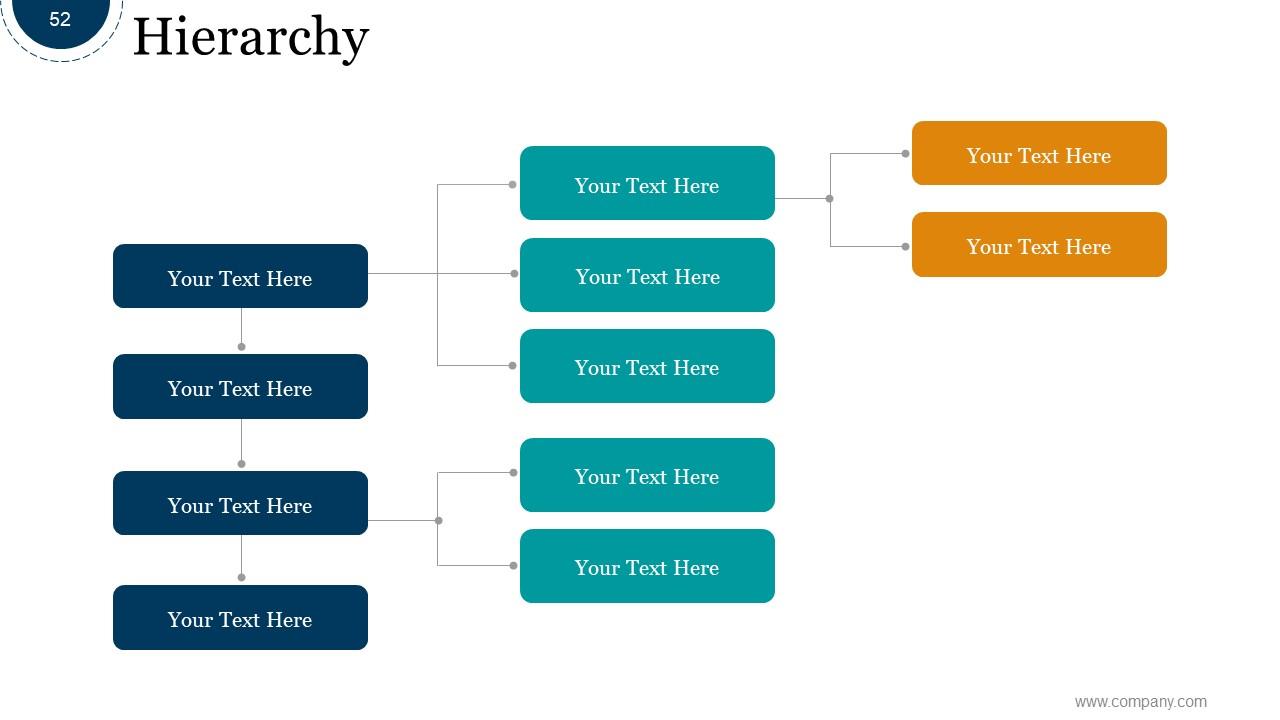
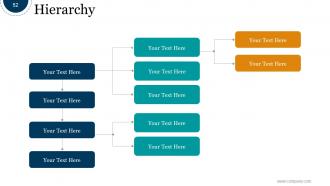
Slide 52: This is a Hierarchy slide showing for an organisation.
Slide 53: This slide shows an image with text boxes titled Business Person with Post It notes.
Slide 54: This is a Magnifying glass image slide to show information, specification etc.
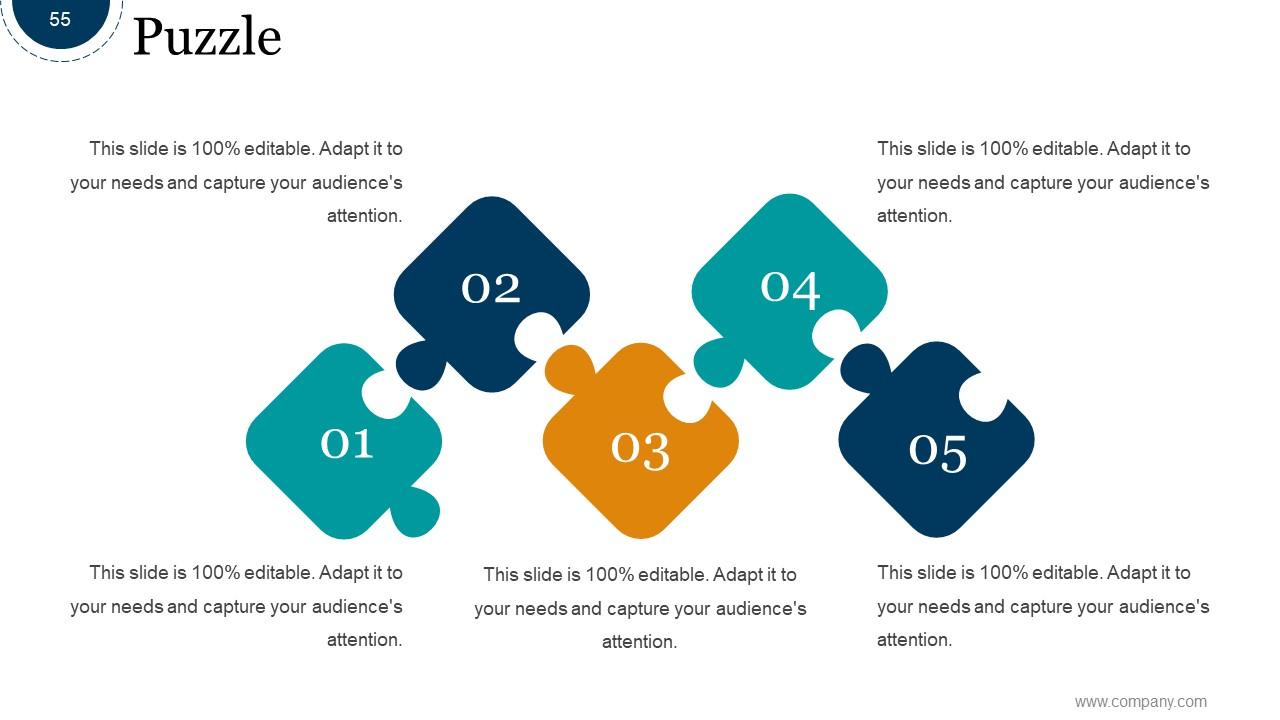
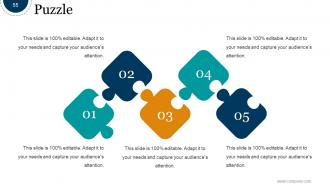
Slide 55: This is a Puzzle slide with the following subheadings- PPC Advertising, Media Marketing, Print Marketing, E-mail Campaigns.
Slide 56: This is a Bulb Or Idea image slide to show information, innovative aspects etc.
Slide 57: This is a Thank You slide for acknowledgement.
Market Segmentation Process Steps Powerpoint Presentation Slides with all 57 slides:
Create a healthy climate for discussion with our Market Segmentation Process Steps Powerpoint Presentation Slides. Conduct them in a cordial environment.
-
Thanks for all your great templates they have saved me lots of time and accelerate my presentations. Great product, keep them up!
-
Easily Understandable slides.
