

Net Promoter Score Infographic With Donut Chart Marketing Best Practice Tools And Templates




Try Before you Buy Download Free Sample Product
 Impress Your
 Audience
 100%
100% Editable
 Save Hours
 of Time


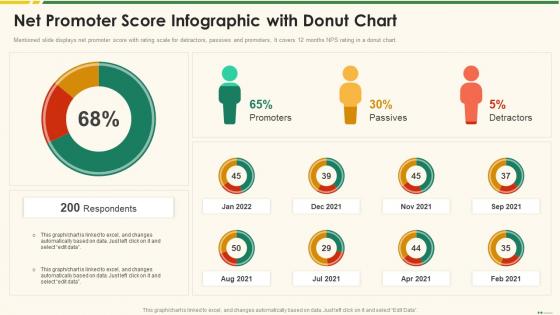
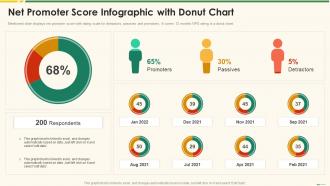
Mentioned slide displays net promoter score with rating scale for detractors, passives and promoters, It covers 12 months NPS rating in a donut chart.
People who downloaded this PowerPoint presentation also viewed the following :
Net Promoter Score Infographic With Donut Chart Marketing Best Practice Tools And Templates with all 7 slides:
Use our Net Promoter Score Infographic With Donut Chart Marketing Best Practice Tools And Templates to effectively help you save your valuable time. They are readymade to fit into any presentation structure.





FAQs for Net Promoter Score Infographic With Donut Chart Marketing Best Practice
So NPS is basically this one question: "How likely are you to recommend us to a friend?" rated 0-10. People who pick 9-10 are "Promoters," 7-8 are "Passives" (though honestly, who cares about the middle), and 0-6 are "Detractors." The math is simple - take your % of Promoters minus % of Detractors. Got 60% promoters and 20% detractors? Your NPS is 40. Anything above zero means you're doing okay. I'd check it monthly to see if you're actually improving or just spinning your wheels.
So you'll want to hit customers with that classic NPS question right after they buy something or deal with support. Timing matters big time. The brutal feedback from your detractors? That's actually the most valuable stuff you'll get, even though it stings. I'd track scores monthly instead of quarterly - gives you way more chances to pivot. Oh, and definitely ask follow-up questions to dig into the "why" behind their numbers. The game-changer is circling back to unhappy customers and showing them you actually listened. Start with just one customer group first.
NPS is honestly way better because it actually predicts if your business will grow, not just whether customers are "meh, fine I guess." People give you real feedback when they're deciding if they'd recommend you - no middle ground BS. Traditional surveys are such a headache with all those 1-10 scales nobody cares about. You can track NPS monthly and spot patterns super easily. Plus benchmarking against competitors is straightforward. The cool part? You quickly see who your real fans are versus people who secretly hate you. My old company started doing this and we caught problems we totally missed before. Way more actionable than those long surveys people ignore.
Honestly, NPS feedback is gold for big decisions. Promoters tell you what's working - double down there. But detractors? They'll straight up tell you what's broken in your customer experience. I've watched entire product roadmaps get flipped because the same complaints kept showing up in NPS responses. Don't just look at the numbers though. Dig into the patterns across all those comments. That's where you'll find what to prioritize - fixing pain points, tweaking processes, or building features people actually give a damn about. Just make it part of your regular strategy talks.
Okay so here's the thing - don't get hung up on just the number itself. Like, yeah hitting 50+ feels great but the real gold is understanding WHY people answered that way. I've seen so many teams panic when scores drop without looking at what actually changed. Context matters too - a -10 in some brutal industry might actually be crushing it compared to a 30 somewhere else. Track the trends over months, not individual surveys. And honestly? Use those written comments to figure out what's actually broken. It's more like a conversation starter than your final grade, you know?
Break down your NPS by stuff that actually matters - customer demographics, how they buy, what features they use, all that. Don't just look at the overall number. Slice it by things like how long they've been customers, what plan they're on, or where they live. You'll start seeing patterns everywhere. Maybe your mobile app sucks compared to desktop, or your big enterprise clients are happy but smaller businesses hate you. I'd start with just 2-3 segments that tie to your biggest business questions. You can always dig deeper later, but honestly, even basic segmentation will blow your mind with what it reveals.
Look, NPS gives your team real feedback on what customers think of their work. High scores? Your people feel proud and stay motivated - they see their effort actually matters. Low scores sting, but at least you know exactly what's broken. I've seen teams tie NPS improvements to bonuses or recognition stuff, which works pretty well. The trick is explaining the "why" behind those numbers regularly. Otherwise people just see random scores and don't get how their daily grind connects to customer happiness. Makes a huge difference when they understand that link.
Honestly, most companies just collect NPS scores and then... do nothing with them lol. Here's what actually works: reach out to your detractors and figure out what went wrong, then fix it. Survey regularly but don't annoy people - timing matters. One terrible interaction can destroy your score, so train your team properly. Got promoters? Make it super easy for them to refer others. Oh, and categorize all that feedback first - it'll show you exactly where the problems are. Close the loop instead of just collecting numbers.
Honestly, NPS is pretty solid for predicting who's gonna stick around and spend money. Promoters (those 9-10 scores) stay like 2-3x longer and buy way more stuff than detractors. Plus they refer people, which is huge. Detractors are basically already mentally checked out - they'll churn fast and trash-talk you to anyone who'll listen. It's not foolproof since other stuff matters too, but the pattern holds across most industries I've seen. Worth tracking those segments separately because the lifetime value differences are wild.
Oh man, timing is everything with NPS surveys! You need to hit people right after they've used your product - like within 24-48 hours max. Their experience is still fresh then. Wait too long and they'll either forget or just ignore it completely. I made this mistake once sending surveys weeks after people signed up. Total disaster - barely anyone responded. Now I set up automated triggers based on what users actually do. After they buy something, use a new feature, or talk to support. Way better than just picking random dates on a calendar. Trust me on this one!
Yeah, totally works for B2B! You'll just need to focus on the right people - like the actual decision makers at each company, not just anyone. The "how likely to recommend" question stays the same, but I'd add some B2B-specific stuff about renewals or industry referrals. Your sample size is gonna be way smaller though. Start with maybe your top 20-30 clients and survey them quarterly - honestly, that's plenty to get useful data. The 0-10 scoring doesn't change, but B2B relationships are just more complicated so you gotta be strategic about who you're asking.
Honestly, I'd start with the detractors first - they're the ones about to bail anyway. Reach out personally to understand what went wrong. For promoters, shoot them a quick thank you and maybe ask for a referral if the timing feels right. You'll want to group your responses by score so you're not sending the same generic message to everyone. But here's the thing - speed matters way more than perfection. People hate giving feedback that disappears into the void. Set up some kind of system so nothing gets forgotten, then actually fix the problems they're telling you about. Otherwise what's the point?
Oh totally - culture messes with NPS big time. Germans and Japanese people are super stingy with high scores even when they're happy, but Americans and Brazilians throw around 9s and 10s like candy. We found this out when our Tokyo team looked awful compared to Miami (same service quality btw). Don't compare raw scores between regions - you'll just confuse yourself. Track how each market trends over time instead. Honestly, a 7 from someone in Germany probably means they love you. Cultural benchmarks are your friend here.
Honestly, interactive dashboards are game-changers - let people filter by segments or dates instead of boring static slides. Customer journey heat maps showing NPS at different touchpoints work really well too. I've seen teams do these "report cards" that actually grade departments, which is kinda brutal but effective lol. Storytelling helps a ton - throw in real customer quotes next to your numbers. The whole point is making it visual and letting stakeholders dig around themselves. People love exploring data when they can click and see what's actually driving those scores instead of just staring at charts.
Honestly, the automation part is a game-changer - you can trigger surveys right after key interactions instead of randomly bothering people. Set up triggers based on what customers actually do, and you'll save yourself hours. The analysis side is where it gets interesting though. AI picks up patterns in those open-ended responses that you'd never catch manually (and let's be real, who has time to read hundreds of comments?). Most platforms give you live dashboards too, so no more waiting around for reports. Oh, and you can hit people through whatever channel works - email, SMS, those little in-app pop-ups.
-
It saves your time and decrease your efforts in half.
-
Use of icon with content is very relateable, informative and appealing.