


New product development analysis and approaches powerpoint presentation slides





Try Before you Buy Download Free Sample Product
 Impress Your
 Audience
 100%
100% Editable
 Save Hours
 of Time


Do you have new brand development idea? Not sure how to express? Not to worry! We present you content ready new product development analysis and approaches PowerPoint presentation slides to build your commodity design. This marketing plan PPT contain slides like product life cycle, life cycle stages, introduction stage, building awareness in market, item concept, brand matrix, quality check, penetration pricing, distribution channel, marketing communication mix, building brand preference, market share, features comparison table, growth stage, maturity stage, repositioning strategy, re-advertising, price reduction, promotional events, social media plans etc. This product design PowerPoint presentation can also be used to create PPTs on commodity development approaches, strategic approach to commodity and process growth, brand development framework, lean commodity growth, sustainable merchandise expansion, product line, new commodity launch etc. Download our readymade new product development analysis and approaches PowerPoint presentation templates to easily go through the planning process.Control the conditions with our New Product Development Analysis And Approaches Powerpoint Presentation Slides. Don't let anything get out of hand.
People who downloaded this PowerPoint presentation also viewed the following :
Content of this Powerpoint Presentation
Slide 1: This slide introduces New Product Developement, Analysis And Approaches. State your company name and get started.
Slide 2: This slide helps showcase your company Agenda.
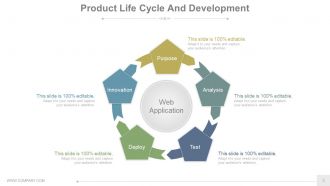
Slide 3: This slide shows Product Life Cycle And Development of Web Application. Its five components are- Purpose, Innovation, Deploy, Test, Analysis.
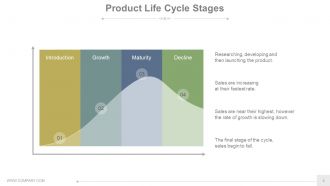
Slide 4: This slide shows Product Life Cycle Stages graph. These stages include- Introduction, Growth, Maturity, Decline.
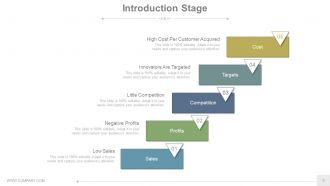
Slide 5: This slide shows the Introduction Stage with five levels- Sales, Profits, Competition, Targets, Cost.
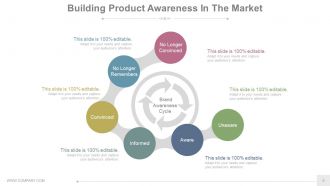
Slide 6: This is Building Product Awareness In The Market slide showing Brand Awareness Cycle with six parameters- Convinced, Unaware, Informed, Aware, No Longer Remembers, No Longer Convinced.
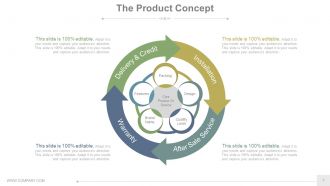
Slide 7: This is The Product Concept slide showing- Packing, Design, Quality Level, Brand Name, Features, Core Product Or Service, Delivery & Credit, Warranty, After Sale Service, Installation.
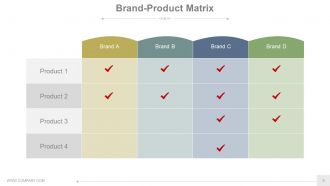
Slide 8: This slide shows Brand-Product Matrix. Add your Product Name and Brand Name here.
Slide 9: This slide displays Product Quality Check in a metric image form with the following 5 parameters for judgement- Average, Poor, Good, Bad, Excellent.
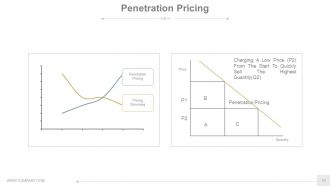
Slide 10: This is Penetration Pricing slide presented in a graphical form.
Slide 11: This slide displays Distribution Of A Product flow chart. This flow chart shows the network of product distribution- Manufacturer, Retailer, Wholesaler, Contractor, End User.
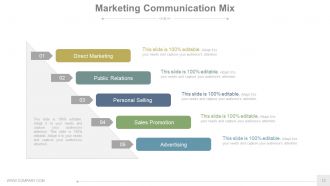
Slide 12: This slide shows Marketing Communication Mix with five attributes- Direct Marketing, Public Relations, Personal Selling, Sales Promotion, Advertising.
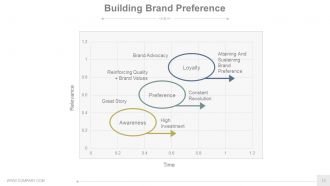
Slide 13: This is Building Brand Preference graph slide showing its three main attributes- Loyalty, Preference, Awareness.
Slide 14: This slide shows the process of Market Share- Increased Sales Performance, Higher Deal Completion Rate, Increased Deal Visibility, Increased Deal Flow.
Slide 15: This is Features Comparison Of The Products slide. Add your Products and their Features here.
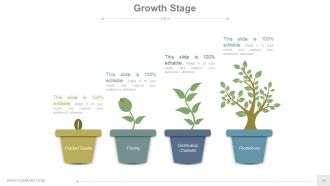
Slide 16: This slide shows the Growth Stage with creative imagery. Its four levels are- Product Quality, Pricing, Distribution Channels, Promotions.
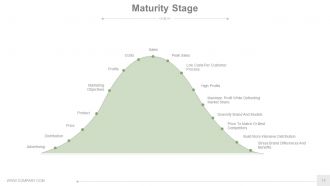
Slide 17: This slide presents Maturity Stage in a curve diagram form which shows- Profits, Sales, Costs, Marketing Objectives, Product, Price, Distribution, Advertising, Low Costs Per Customer, Process, Peak Sales, High Profits, Diversify Brand And Models, Price To Match Or Best Competitors, Build More Intensive Distribution, Stress Brand Differences And Benefits, Maximize Profit While Defending Market Share.
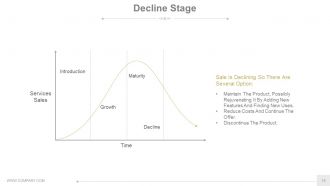
Slide 18: This is Decline Stage graph slide with Time on x- axis and Services Sales on the y-axis.
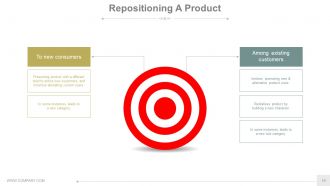
Slide 19: This is Repositioning A Product slide based on the following two parameters- Among existing customers, To new consumers. Use these two parameters to make a judgement regarding repositioning your product.
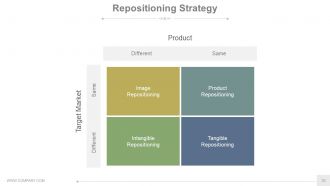
Slide 20: This is also Repositioning Strategy slide presented in a matrix form showing- Image Repositioning, Intangible Repositioning, Tangible Repositioning, Product Repositioning.
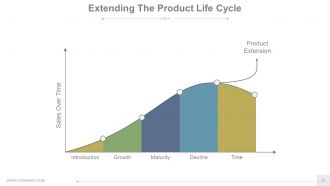
Slide 21: This slide shows Extending The Product Life Cycle with the following stages- Introduction, Growth, Maturity, Decline, Time.
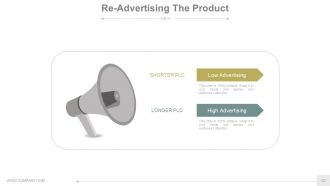
Slide 22: This is Re-Advertising The Product slide categorized into- SHORTER PLC- Low Advertising, LONGER PLC- High Advertising.
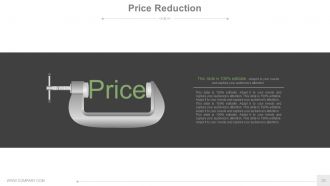
Slide 23: This is Price Reduction slide with imagery and text boxes.
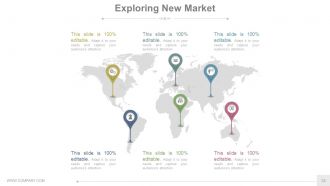
Slide 24: This is Exploring New Market slide with world map imagery. Mark the locations relevant to you in this map and use it accordingly.
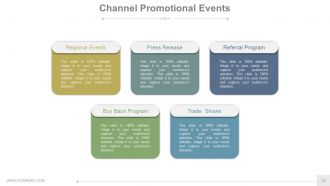
Slide 25: This slide shows five Channel Promotional Events namely- Regional Events, Press Release, Referral Program, Buy Back Program, Trade Shows.
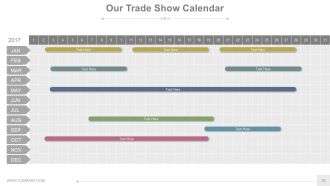
Slide 26: This slide shows Our Trade Show Calendar in a Gantt Chart form.
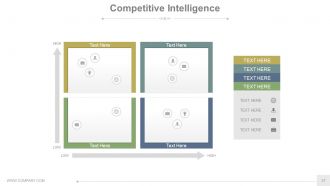
Slide 27: This is Competitive Intelligence matrix slide ranging form High to Low and vice versa.
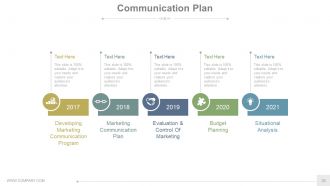
Slide 28: This slide shows yearly Communication Plan with the following stages- Developing Marketing Communication Program, Marketing Communication Plan, Evaluation & Control Of Marketing, Budget Planning, Situational Analysis.
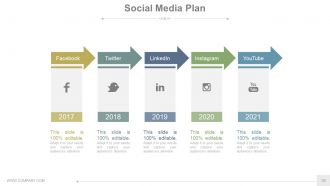
Slide 29: This slide presents Social Media Plan with some popular social media handles such as- Facebook, YouTube, Instagram, LinkedIn, Twitter.
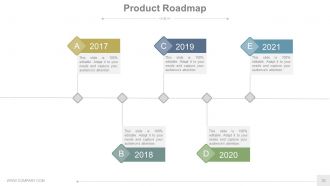
Slide 30: This slide presents Product Roadmap in years.
Slide 31: This slide showcases Website Update Plan. We have provided six text boxes for you to state your options.
Slide 32: This slide presents Customer Testimonial with background imagery and text boxes.
Slide 33: This slide is titled Additional Slides to move forward. You can change the slide content as per need.
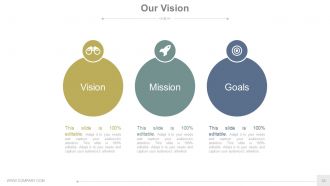
Slide 34: This is Our Vision slide with text boxes. State your vision etc. here.
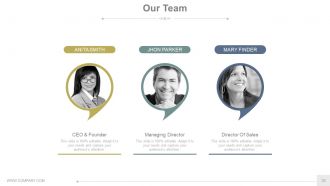
Slide 35: This is Our Team slide. Mention name, designation etc. here.
Slide 36: This is an About Us slide. Provide a brief introduction about company/ team here.
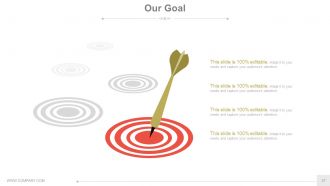
Slide 37: This is Our Goal slide to state company goals, aspirations etc.
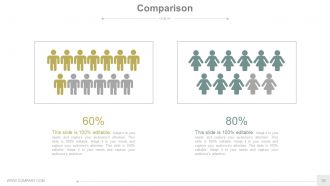
Slide 38: This is a Comparison slide to compare two products/ entities etc.
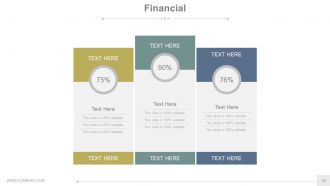
Slide 39: This is a Financial stats slide to state financial aspects etc.
Slide 40: This slide presents Quotes. Sate your inspirational quotes here. You may change the slide content as per need.
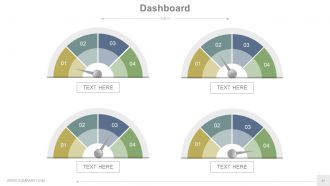
Slide 41: This is Dashboard slide to show information in percentages etc.
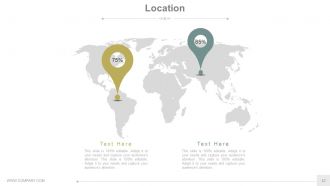
Slide 42: This is a Location slide to show global growth, presence etc. on a world map image.
Slide 43: This is a Timeline slide to present important dates, journey, evolution, milestones etc.
Slide 44: This is a Post It slide to mark events, important information etc.
Slide 45: This is a Newspaper Layouts slide to highlight something or add memorabilia.
Slide 46: This is a Puzzle pieces image slide to show information, specifications etc.
Slide 47: This is a Target image slide. State targets, etc. here.
Slide 48: This is a Circular image slide. State specifications, information here.
Slide 49: This is a Venn diagram image slide to show information, specifications etc.
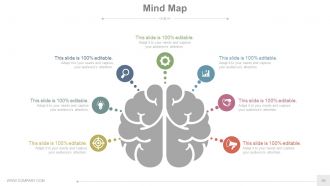
Slide 50: This is a Mind map image slide to show information, specifications etc.
Slide 51: This is a Matrix slide to show information, specifications etc.
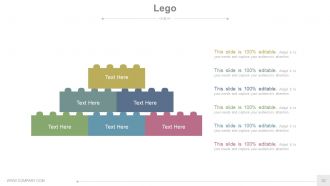
Slide 52: This is a Lego slide to show information, specifications etc.
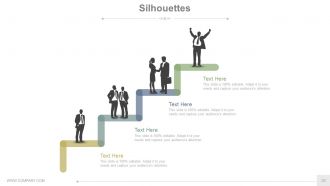
Slide 53: This is a Silhouettes infographic slide to show information, specifications etc.
Slide 54: This is Swimlanes slide to show information, specifications etc.
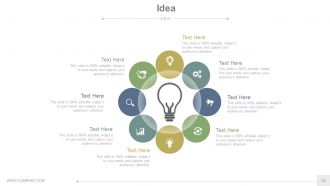
Slide 55: This is an Idea slide to show ideas, innovative information etc.
Slide 56: This is a Magnifying Glass image slide to show information, specifications etc.
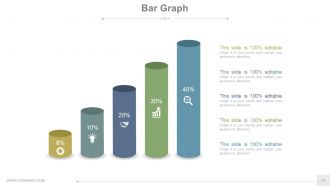
Slide 57: This is a Bar Graph slide to show product/ entity comparison, specifications etc.
Slide 58: This is a Funnel image slide to show information, funneling aspects, specifications etc.
Slide 59: This is a Thank You slide with Address# street number, city, state, Contact Numbers, Email Address.
New product development analysis and approaches powerpoint presentation slides with all 59 slides:
Establish yourself as a capable entrepreneur with our New Product Development Analysis And Approaches Powerpoint Presentation Slides. Impress folks with your imaginative approach.








FAQs for New product development analysis and approaches
So you're looking at idea generation first, then concept development and market research - honestly the research part saved my ass once when I almost built something nobody wanted. After that comes prototyping and testing with actual users. Launch is obviously the big moment, but don't forget to track how it's performing afterward. The whole thing's pretty messy though - you'll probably bounce between stages based on what you discover. I'd map out rough timelines for each phase so everyone knows what's happening when. Short sentences work. Longer ones help with the natural flow of explaining complex processes.
Look, market research stops you from building something nobody gives a shit about. You'll actually know what people need and what they're willing to pay. Can't tell you how many brilliant founders I know who skipped this and crashed hard. Quick surveys beat wild guessing every single time. Real data tells you market size, what's pissing customers off, which features matter most. Your competitors are probably screwing something up - find out what. Oh and it helps you price things right from day one instead of fumbling around later. Seriously, research first, build second.
Honestly, user feedback is like your North Star for figuring out what to build next. Collect it everywhere - surveys, support tickets, analytics, whatever. We're all pretty bad at predicting what people actually want (learned that the hard way). Look for patterns instead of getting distracted by random one-off complaints. Quick wins first, then tackle the bigger stuff. Oh, and always circle back to tell users when you've fixed something they complained about - they love that. Don't try to act on every single piece of feedback though, you'll go crazy.
So first things first - figure out what problem your product actually solves, then find those exact people. Don't just look at basic stuff like age and income. Dig into how they actually live and what pisses them off every day. Honestly, the biggest mistake is thinking "everyone needs this" because that's targeting literally no one. Build detailed profiles of your ideal customers - but base them on real conversations, not guesswork. Survey people, interview them, whatever it takes. Then test everything with small groups first. The whole point is being specific enough that your messaging hits different, you know?
Start with market research - surveys, focus groups, or just chatting with people who'd actually use this thing. Can you realistically build it with what you've got? That's the tech side. Money stuff is obvious but run those numbers anyway - development costs vs what you think you'll make. Competitive analysis too because getting blindsided sucks. Oh, and legal stuff if there are patents floating around (boring but necessary). Honestly? Make a simple scoring sheet for each area and don't lie to yourself about where you stand.
Dude, you NEED those teams talking to each other from the start. Engineering and marketing especially - I've watched so many launches fail because engineers built cool stuff that nobody could actually sell. Sales promises features that can't exist, marketing has no clue what's realistic. It's a mess. Get product, dev, marketing, and support in regular meetings together (even if they hate it at first). You'll spot problems way earlier, build faster, and honestly? You might actually create something people want to buy instead of just what sounds good on paper.
Honestly, the worst thing you can do is over-engineer your first version. Talk to actual users constantly - I can't stress this enough. Don't let feature creep hijack your roadmap either, that's where teams go to die. Technical feasibility? Figure that out early or you'll get burned later. Keep your MVP stupid simple and be brutal about cutting scope. Oh, and set clear metrics upfront so you're not just throwing darts in the dark. I've watched so many teams build amazing features that literally nobody wanted.
Honestly, prototyping is a lifesaver because you can test your ideas before you waste months building something nobody wants. I've seen too many teams skip this step and regret it later. Your assumptions about what users need? They're probably wrong - prototypes help you figure out what actually works. Meetings where you're trying to explain some abstract concept are the worst, but when stakeholders can actually play around with something real, everything clicks. Start super basic with rough sketches or wireframes first. Then you can add more detail as things make sense. Each version helps you catch problems early and improve the experience.
Honestly, you need both the hard numbers and the softer stuff to really know what's happening. Track your signups and how fast people actually start using the product - that time-to-first-value thing is huge. Don't ignore churn rates either, especially in those first 90 days. Revenue's obvious - MRR growth, what you're spending to get customers, lifetime value. But here's the thing: also grab qualitative feedback through NPS and support tickets, because the numbers won't tell you *why* you're succeeding or tanking. Oh, and check this stuff weekly at first, then monthly once things stabilize.
Dude, so much is happening in product dev right now. Sustainability isn't optional anymore - people actually care about eco-friendly materials and circular design. AI is everywhere too, from smart features to personalized stuff. Companies are moving crazy fast with rapid prototyping and agile cycles. The speed thing honestly stresses me out sometimes! But what's cool is more brands are involving customers throughout development instead of just asking for feedback at the end. You should probably look at your current process and see where you might be lagging behind these trends.
Honestly, tech can be a game-changer for NPD if you use it right. CAD software and 3D printing let you prototype crazy fast. Virtual simulations help you test ideas without wasting money on physical builds - learned that one the hard way at my last job. Data analytics shows you what customers actually want upfront, and AI is getting decent at predicting market timing. Digital collaboration keeps teams on the same page, especially remote ones. The magic happens when you catch design problems early. They're dirt cheap to fix then versus later. I'd start by figuring out your biggest bottleneck first, then find tech that tackles that specific issue.
Honestly, start with safety - could this thing actually hurt someone? Privacy's obviously huge if you're grabbing any data. Environmental stuff matters way more now than it used to, plus it's just not being a dick to the planet. Accessibility is key too - disabled users shouldn't be an afterthought. Oh, and think about how people might misuse whatever you're building. Social consequences can bite you later. I know it sounds like a lot, but seriously tackle this stuff during design, not when you're scrambling at the end.
Dude, first thing - break your costs into phases like research, design, prototyping, testing, launch. Most companies totally blow their budgets by 30-40%, so just plan for that upfront. I'd track spending against actual milestones instead of dates because timelines are basically made-up anyway. Always keep 15-20% extra for the weird stuff that'll inevitably pop up. Oh, and don't go all-in right away - start with an MVP budget first. You can always decide later if it's worth throwing more money at it. Trust me on the buffer thing though, you'll thank yourself later.
Honestly, you gotta bake branding into your product from the start - don't just slap it on later. Your brand should guide who you're targeting, what features matter most, even your pricing. I've watched so many teams crush the technical stuff but totally bomb the brand story (it's painful to see). Use your brand as a filter when making decisions about design and user experience. Which user feedback do you actually listen to? Your brand helps you decide. Define your positioning early, then let it drive everything else. It's like having a compass - keeps you pointed in the right direction.
Honestly, start with making people feel safe to share dumb ideas - nobody's gonna brainstorm if they think you'll roast them later. Celebrate when experiments flop because that's how you actually learn stuff. Give teams real time for innovation (Google does that 20% thing for a reason) and let different departments work together more. Budget some money for testing prototypes too. I've seen so many good ideas die because "we don't have funds for that." Leadership needs to show up to brainstorms themselves - not just send an email saying innovation matters. But really, just ask your team what's blocking them from trying new things first.
-
Easily Editable.
-
Best way of representation of the topic.