


New product launch tools and techniques powerpoint presentation slides




Try Before you Buy Download Free Sample Product
 Impress Your
 Audience
 100%
100% Editable
 Save Hours
 of Time


Determine the ways to expand the sales of your product with the aid of our content ready New Product Launch Tools And Techniques PowerPoint Presentation Slides. By using the product innovation strategy PPT theme, you can highlight the creative ideas to launch your brand in the marketplace. You can mention the tools like BCG matrix, Ansoff matrix, Empathy map, and Kano map with the help of this eye-catchy product diversification strategy PowerPoint graphic. Use the product marketing strategy presentation template and outline the steps that help to increase the profitability of your product in the market. Take the assistance of the brand development PowerPoint layout and display the phases of the product or service development. Employ this professionally designed product launch plan PPT visual and portray the key points to generate market segments for the existing products. Therefore, download our ready-to-use market development techniques PowerPoint deck and explain in brief how you can increase the revenue by selling your product.
People who downloaded this PowerPoint presentation also viewed the following :
Content of this Powerpoint Presentation
Slide 1: This slide introduces New Product Launch Tools & Techniques. State Your Company Name and begin.
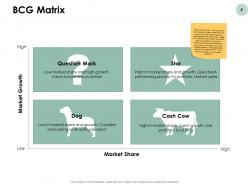
Slide 2: This slide shows BCG Matrix to compare market share with market growth.
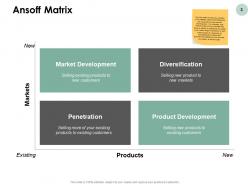
Slide 3: This slide presents Ansoff Matrix comparing different products in different markets.
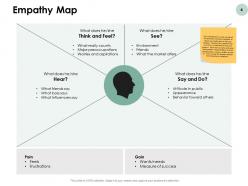
Slide 4: This slide displays Empathy Map to find all the possible customer segments.
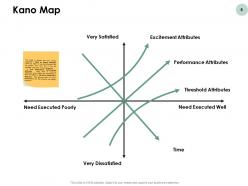
Slide 5: This slide represents Kano Map to measure customer satisfaction.
Slide 6: This slide showcases New Product Launch Tools & Techniques Icons.
Slide 7: This slide reminds about a 15 minutes Coffee Break.
Slide 8: This slide is titled as Additional Slides for moving forward.
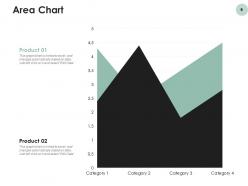
Slide 9: This slide displays Area Chart with two products comparison.
Slide 10: This slide shows Clustered Column Chart with two products comparison.
Slide 11: This is Our Mission slide with related imagery and text.
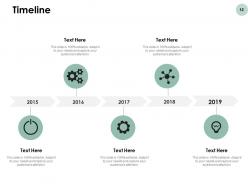
Slide 12: This is a Timeline slide to show information related with time period.
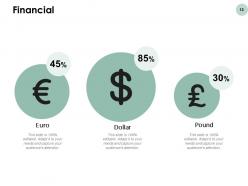
Slide 13: This is a Financial slide. show your finance related stuff here.
Slide 14: This is an Idea Generation slide to state a new idea or highlight information, specifications etc.
Slide 15: This slide shows Magnify Glass to highlight information.
Slide 16: This is Our Team slide with names and designation.
Slide 17: This is a Puzzle slide with additional text boxes.
Slide 18: This is a Thank You slide with address, contact numbers and email address.
New product launch tools and techniques powerpoint presentation slides with all 18 slides:
Use our New Product Launch Tools And Techniques Powerpoint Presentation Slides to effectively help you save your valuable time. They are readymade to fit into any presentation structure.




FAQs for New product launch tools and techniques
Key product launch features include project timeline management, cross-functional team collaboration, market research integration, competitive analysis capabilities, and automated campaign tracking. These tools streamline coordination by centralizing communication, monitoring milestone progress, and measuring launch performance metrics, with many organizations finding that strategic integration ultimately delivers faster time-to-market and enhanced competitive positioning.
Presentation templates enhance product launch effectiveness by ensuring consistent messaging, professional visual design, and streamlined preparation across all stakeholder communications. These standardized frameworks enable teams to focus on strategic content rather than design logistics, while delivering cohesive brand experiences to investors, customers, and internal teams, ultimately accelerating time-to-market and improving audience engagement.
Data analytics enables organizations to refine product launch strategies by identifying target audiences, predicting market demand, optimizing pricing models, and measuring campaign effectiveness across multiple channels. Through advanced analytics platforms, companies streamline decision-making processes, minimize launch risks, and accelerate time-to-market, with many finding that data-driven approaches deliver significantly higher success rates and competitive advantage.
Slack, Microsoft Teams, Asana, Trello, and Miro enable seamless cross-functional coordination during product launches by centralizing communication, tracking deliverables, and visualizing workflows. These platforms streamline collaboration between marketing, engineering, sales, and operations teams, with many organizations finding that integrated project management and real-time messaging ultimately accelerate time-to-market and enhance launch execution.
Social media integration amplifies product visibility, enables targeted advertising, facilitates real-time customer engagement, and provides valuable market feedback during launch phases. Through platforms like Instagram, LinkedIn, and Twitter, companies can reach specific demographics, build anticipation through teasers, and gather immediate consumer responses, ultimately accelerating market penetration and brand awareness.
**INPUT**: What metrics should be tracked to measure the success of a product launch? **OUTPUT**: Key product launch metrics include sales revenue, market penetration rates, customer acquisition costs, user engagement levels, and brand awareness measurements. These indicators enable organizations to assess market acceptance, optimize resource allocation, and refine go-to-market strategies, with many companies finding that tracking these metrics simultaneously delivers comprehensive performance insights and competitive advantage. **Word count: 54 words**
Tailoring presentation templates involves customizing content depth, messaging focus, visual emphasis, and data presentation to match each audience's priorities and expertise level. For executives, emphasize strategic outcomes and ROI metrics, while technical teams require detailed specifications and implementation timelines, and sales teams need competitive advantages and customer benefits, ultimately ensuring each stakeholder receives relevant information that drives engagement and decision-making.
Effective storytelling practices include crafting a compelling customer journey narrative, using data-driven problem-solution arcs, incorporating emotional resonance through real user experiences, establishing clear stakes and outcomes, and building narrative tension around market opportunities. These approaches enhance audience engagement by creating memorable connections, simplifying complex product benefits, and demonstrating tangible value propositions, ultimately driving stronger stakeholder buy-in and market positioning.
Feedback loops improve future product launches by capturing customer responses, market reactions, and performance metrics throughout each campaign, enabling teams to identify successful strategies and areas needing refinement. Companies across retail, technology, and consumer goods increasingly leverage these insights to optimize messaging, timing, and channel selection, ultimately delivering more targeted launches and higher success rates.
Video content in product launch presentations enhances audience engagement, simplifies complex product explanations, increases information retention, and creates emotional connections with potential customers. These multimedia elements streamline communication by demonstrating product functionality, showcasing real-world applications, and building brand credibility, with many organizations finding that video-driven launches deliver significantly higher conversion rates and broader market reach.
Brand consistency across launch materials is maintained through comprehensive brand guidelines, centralized asset libraries, standardized templates, and regular cross-team reviews. Strategic tools like brand management platforms streamline this process by providing unified access to logos, fonts, and messaging frameworks, while collaborative review systems ensure materials align with brand standards, ultimately delivering cohesive customer experiences and stronger market recognition.
Timing determines market readiness, competitive positioning, seasonal demand alignment, and resource availability, directly impacting launch success rates and adoption curves. Strategic timing enables companies to capitalize on market gaps, avoid competitor conflicts, and leverage optimal consumer spending periods, with many organizations finding that well-timed launches achieve 40-60% higher initial sales than poorly scheduled ones.
User-generated content enhances product launches by building authentic credibility, expanding reach through social sharing, and creating community engagement around new offerings. Through customer testimonials, unboxing videos, and social media posts, companies amplify their launch messaging while reducing marketing costs, with many brands finding that peer recommendations significantly boost adoption rates and trust.
Coordinating remote teams for product launches presents challenges including communication delays, time zone conflicts, reduced collaboration visibility, inconsistent project tracking, and misaligned expectations across departments. While these obstacles can complicate launch timelines, many organizations find that implementing centralized project management platforms, structured communication protocols, and regular cross-functional check-ins ultimately delivers improved coordination and accountability.
Balancing creativity and strategy in product launch presentations involves aligning compelling visual storytelling with data-driven market insights, clear value propositions, and measurable business objectives. Through strategic design frameworks, organizations seamlessly integrate creative elements like dynamic infographics and engaging narratives with analytical components, ultimately delivering presentations that captivate audiences while driving actionable results.
-
Awesome presentation, really professional and easy to edit.
-
Use of different colors is good. It's simple and attractive.
-
Design layout is very impressive.