


New Product Go To Market Roll Out Launch Process Flow And Steps Powerpoint Presentation Slides
Want to launch a new product? Don’t know how? The best way out, our new product go to market roll out launch process flow and steps PowerPoint presentation slides will help you launch your product successfully. With this product line extension PowerPoint templates, product administrator of the organization can provide ideas regarding merchandise promotion channels to the senior management. Overall this marketing plan PPT templates comprises of product overview, target audience, item/service positioning, new commodity/service launch, launch timeline, initiate planning, goods initiate the detailed plan, phase-wise tactics, marketing plan and process etc. If you are planning to make PPT presentation on software goods initiate, marketing plan, goods requirements document, marketing requirement document, new good development, new commodity introduction, marketing strategy etc., then our new commodity launch presentation will be helpful for you. Get started now! convince your customers with our new product go to market rollout launch process flow and steps PowerPoint presentation slides. Highlight hollow boasts with our New Product Go To Market Roll Out Launch Process Flow And Steps Powerpoint Presentation Slides. Convince folks that the claims are exaggerated.
Want to launch a new product? Don’t know how? The best way out, our new product go to market roll out launch process flow a..
























-

- Google Slides is a new FREE Presentation software from Google.
- All our content is 100% compatible with Google Slides.
- Just download our designs, and upload them to Google Slides and they will work automatically.
- Amaze your audience with SlideTeam and Google Slides.
-

Want Changes to This PPT Slide? Check out our Presentation Design Services
-

- WideScreen Aspect ratio is becoming a very popular format. When you download this product, the downloaded ZIP will contain this product in both standard and widescreen format.
-

- Some older products that we have may only be in standard format, but they can easily be converted to widescreen.
- To do this, please open the SlideTeam product in Powerpoint, and go to
- Design ( On the top bar) -> Page Setup -> and select "On-screen Show (16:9)” in the drop down for "Slides Sized for".
- The slide or theme will change to widescreen, and all graphics will adjust automatically. You can similarly convert our content to any other desired screen aspect ratio.
Compatible With Google Slides

Get This In WideScreen
You must be logged in to download this presentation.


Do you want to remove this product from your favourites?
PowerPoint presentation slides
This complete deck comprises of 76 slides. Slides have 100% compatibility with Google Slides. We offer PPT templates with fully editable graphics. This deck is helpful for the product manager, company owner, marketing officer etc. Slides ensure 100% risk-free downloads. Providing standard and widescreen compatibility. Offering premium support to customers.This is a one stage process. The stages in this process are product marketing, product strategy, product management, product lifecycle etc.

People who downloaded this PowerPoint presentation also viewed the following :
Content of this Powerpoint Presentation
Slide 1: This slide introduces New Product Go To Market Roll Out Launch Process Flow And Steps. State Your Company Name and get started.
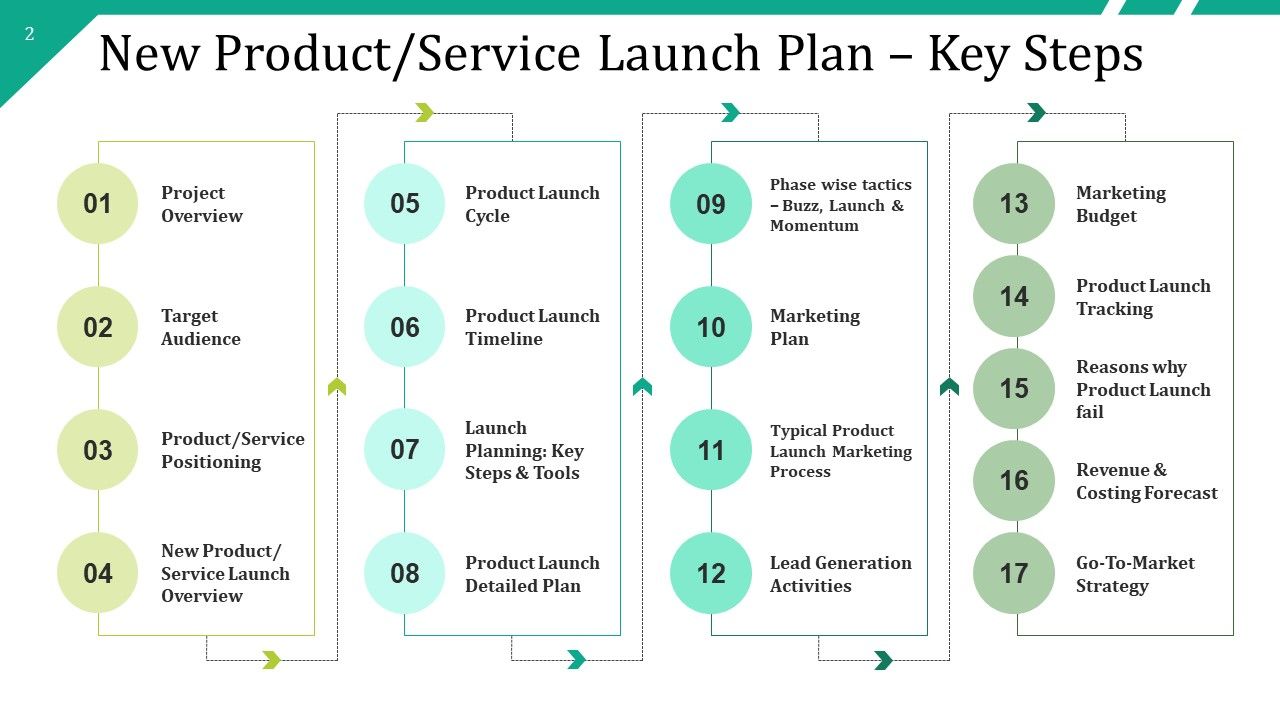
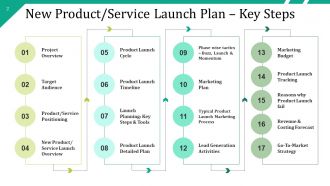
Slide 2: This slide showcases New Product/Service Launch Plan – Key Steps with the following points- Target Audience, Product/Service Positioning, New Product/ Service Launch Overview, Product Launch Cycle, Project Overview, Product Launch Timeline, Launch Planning: Key Steps & Tools, Product Launch Detailed Plan, Phase wise tactics – Buzz, Launch & Momentum, Marketing Plan, Typical Product Launch Marketing Process, Lead Generation Activities, Marketing Budget, Product Launch Tracking, Reasons why Product Launch fail, Revenue & Costing Forecast, Go-To-Market Strategy.
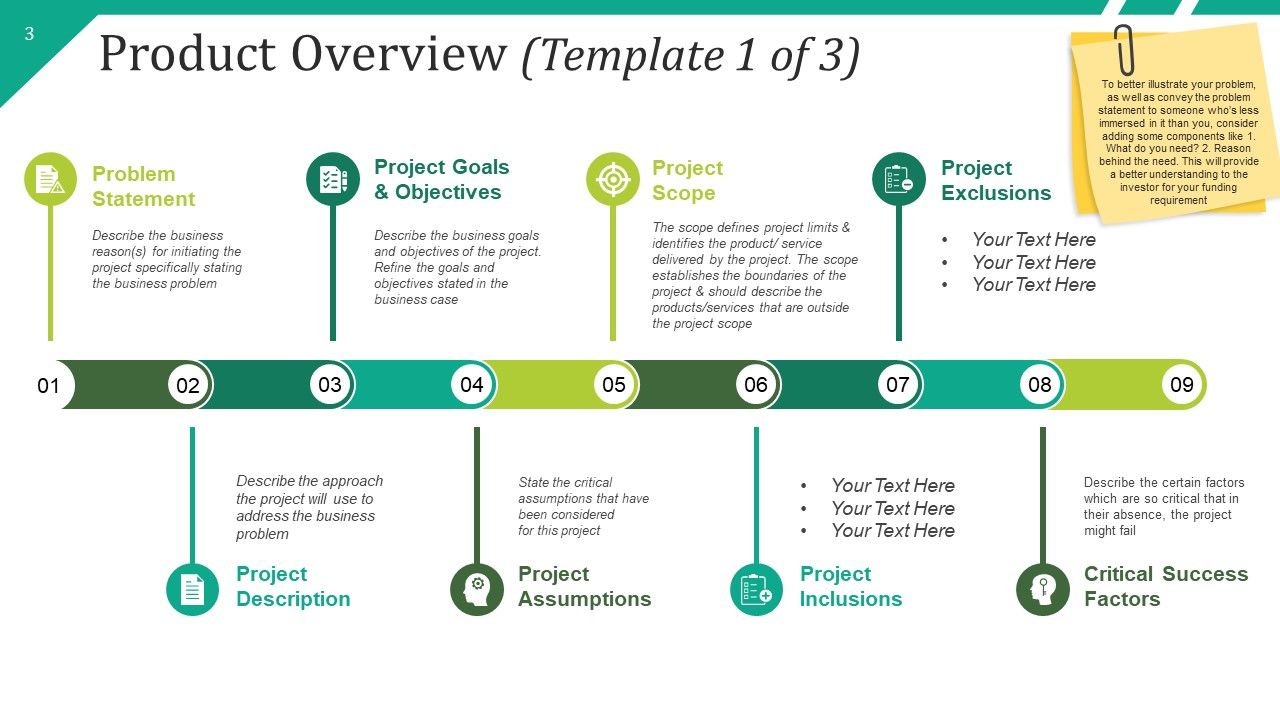
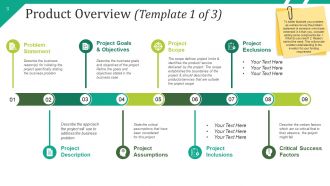
Slide 3: This slide shows Product Overview stating- Critical Success Factors, Project Inclusions, Project Exclusions, Project Scope, Project Goals & Objectives, Assumptions, Problem Statement, Project Description. We have identified few parameters that could be added in Product overview details like problem statement, description of project, goals & objectives, scope etc. which can altered as per requirement.
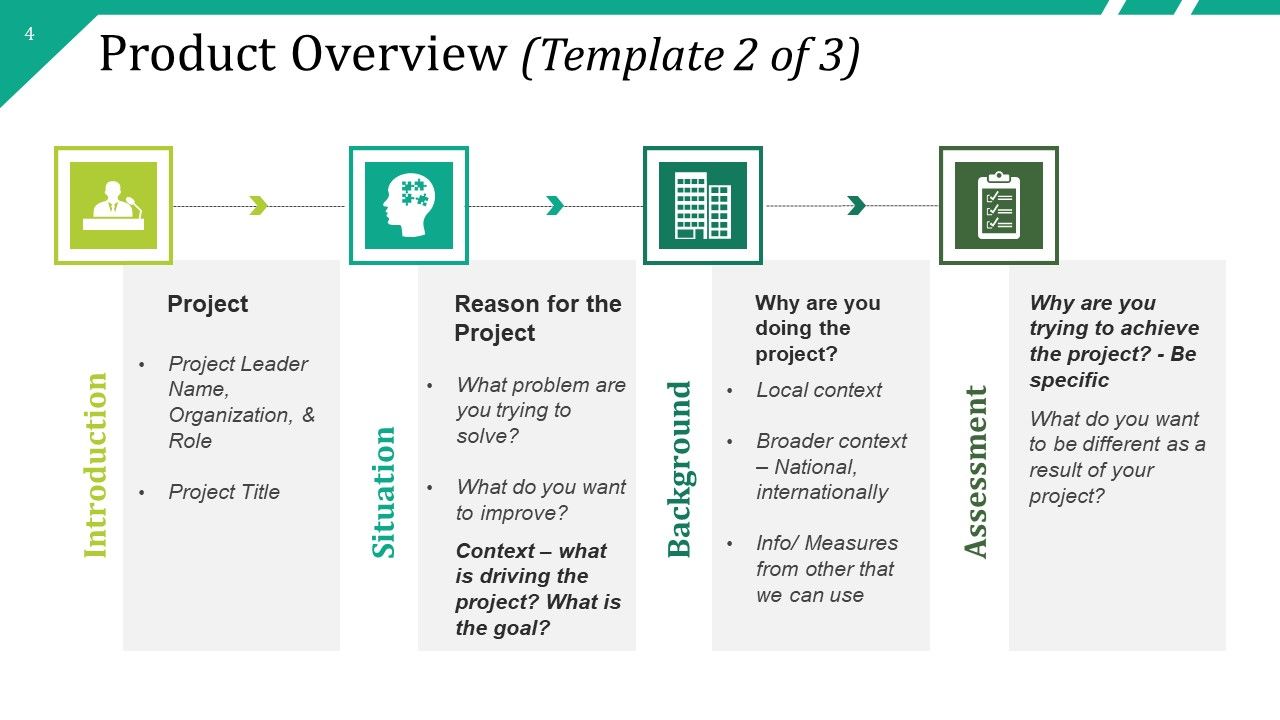
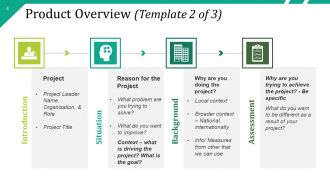
Slide 4: This slide also presents Product Overview showcasing- Introduction, Background, Assessment, Situation.
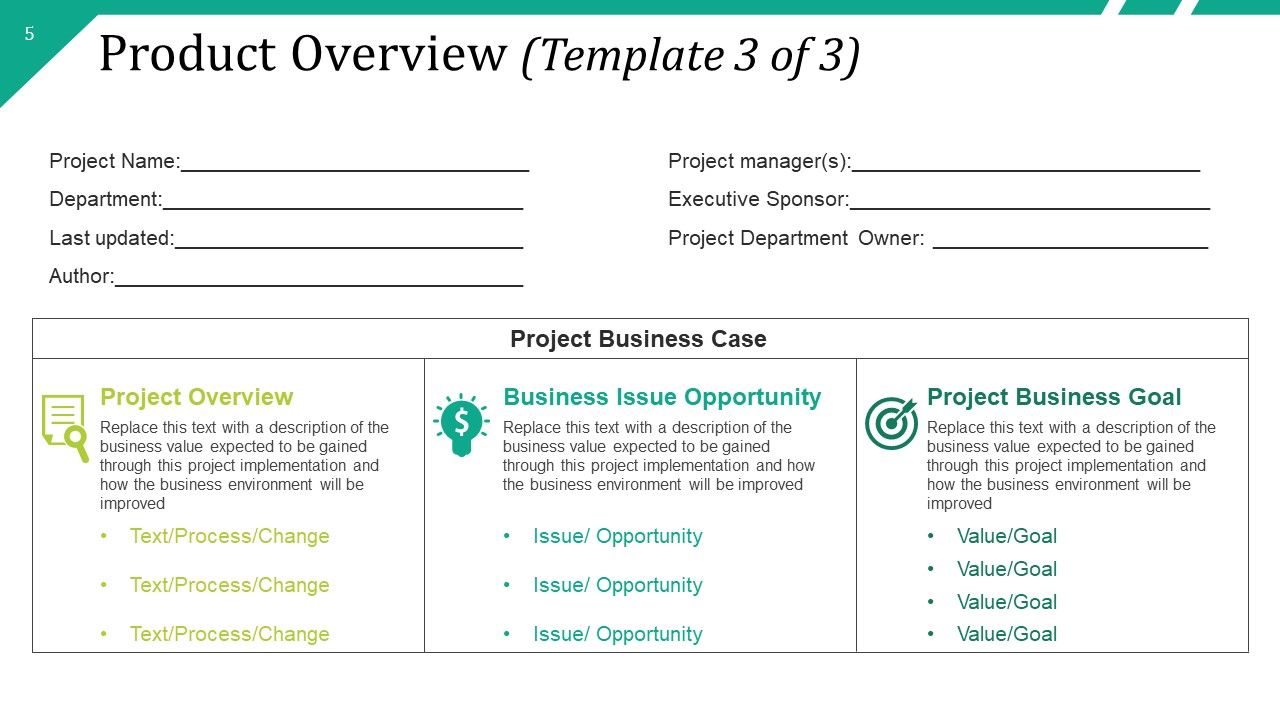
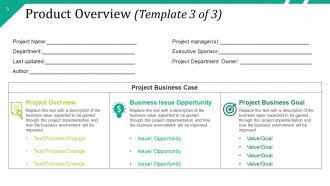
Slide 5: This slide showcases Product Overview showing- Project Name, Project manager, Executive Sponsor, Project Department Owner, Text/Process/Change, Project Overview Business Issue Opportunity, Issue / Opportunity, Value/Goal, Project Business Goal, Project Business Case.
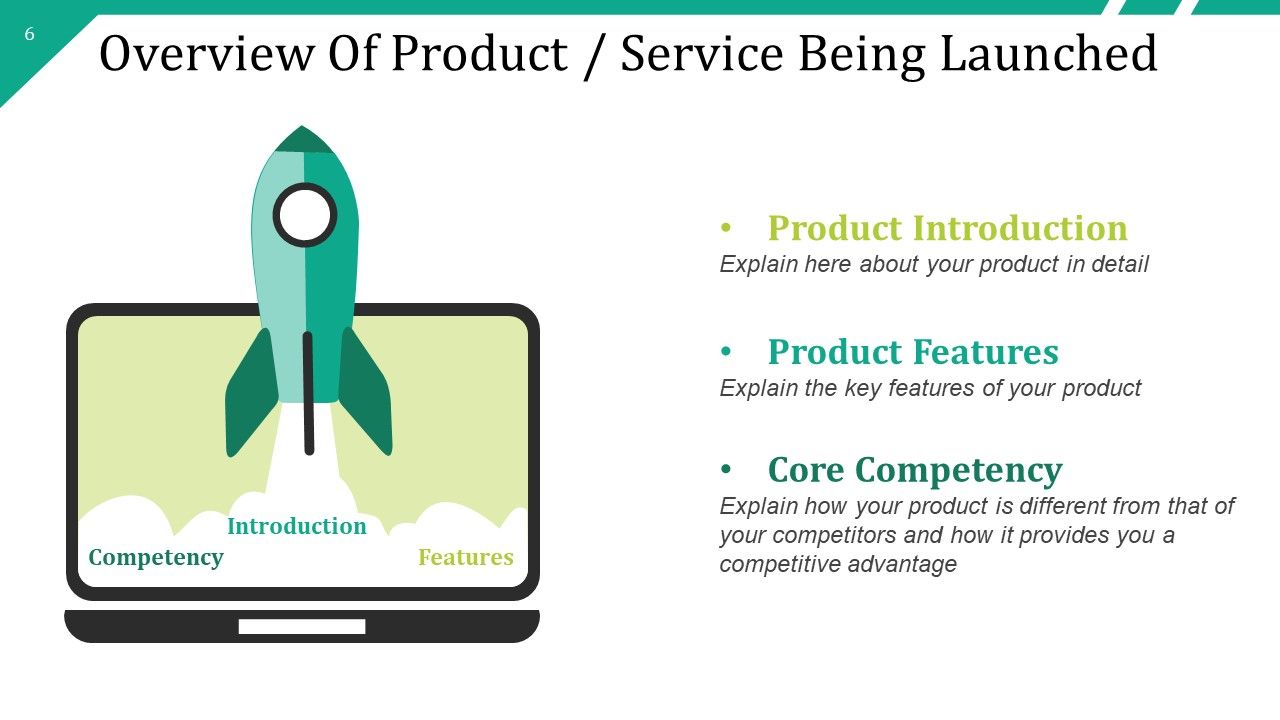
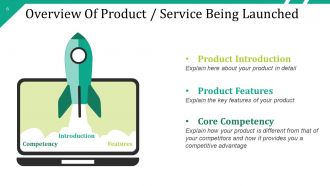
Slide 6: This slide presents Overview Of Product/ Service Being Launched showcasing- Product Introduction, Core Competency, Product Features.
Slide 7: This slide presents Product Portfolio to be shown.
Slide 8: This slide also presents Product Portfolio to be shown.
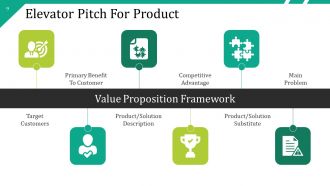
Slide 9: This slide presents Elevator Pitch for product displaying- Value Proposition Framework, Target Customers, Product/Solution Description, Main Problem, Competitive Advantage, Primary Benefit To Customer, Product/Solution Substitute.
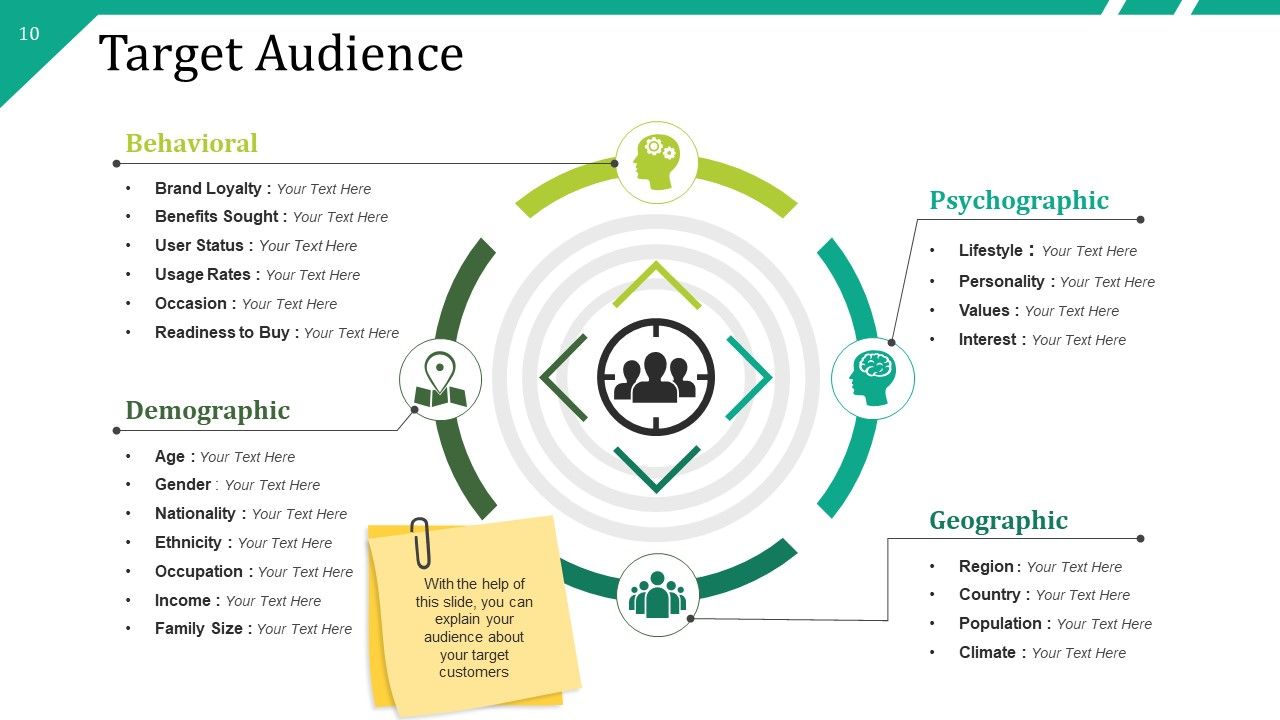
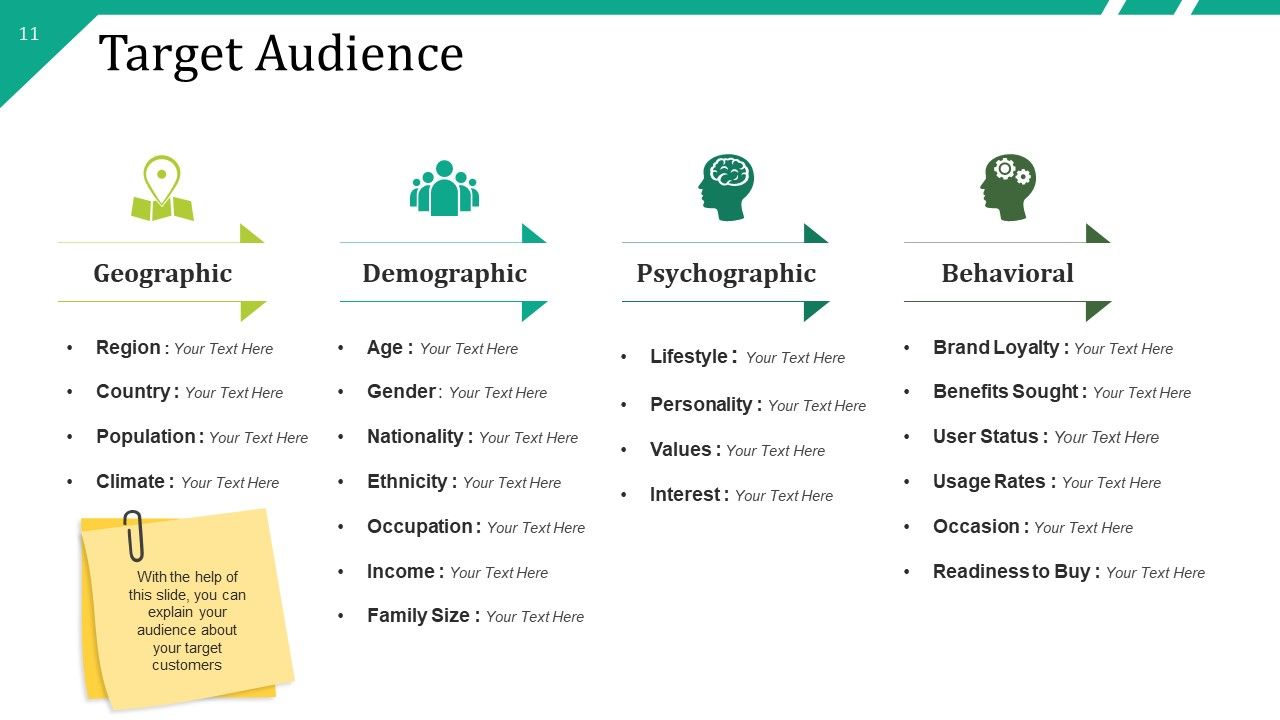
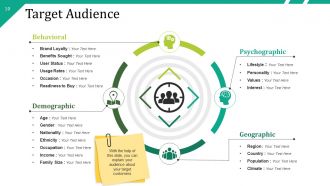
Slide 10: This slide showcases Target Audience segregated into Geographic, Behavioral, Psychographic, Demographic. With the help of this slide, you can explain your audience about your target customers.
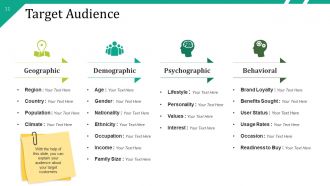
Slide 11: This slide showcases Target Audience segregated into Geographic, Behavioral, Psychographic, Demographic.
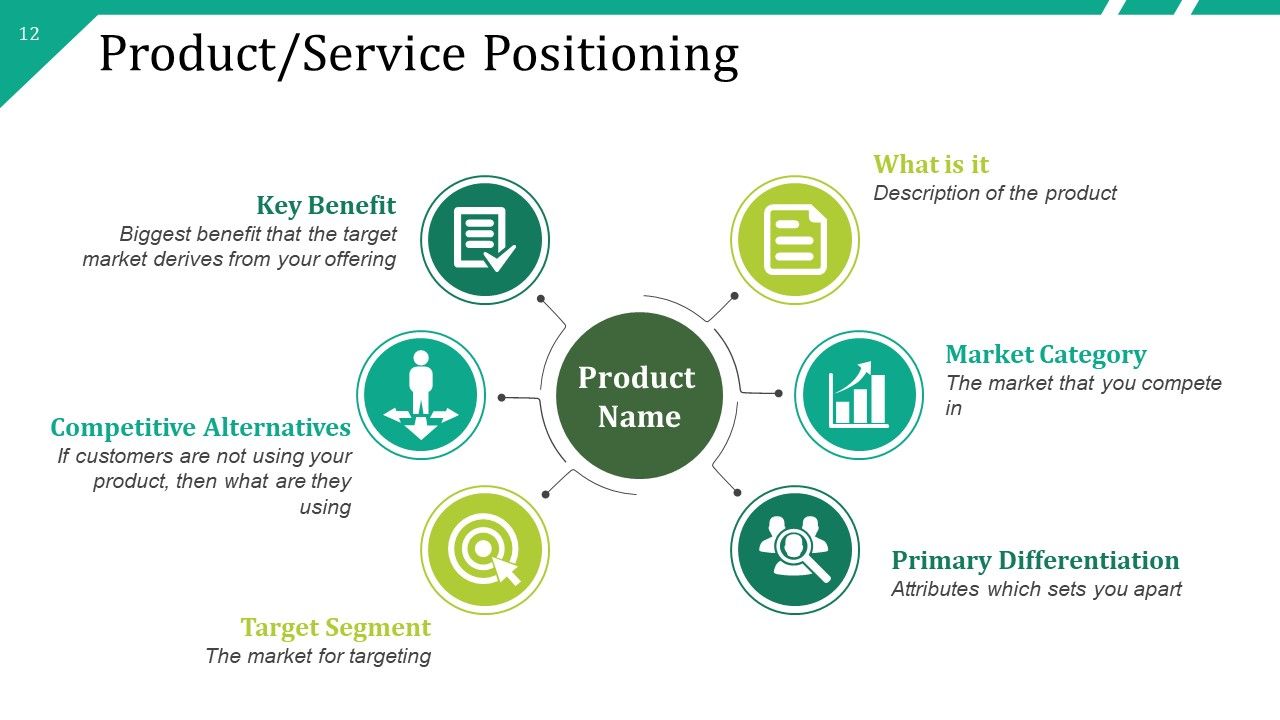
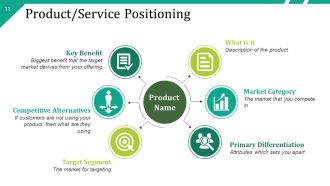
Slide 12: This sldie shows Product/Service Positioning with- Market Category, What is it, Target Segment, Competitive Alternatives, Key Benefit, Primary Differentiation.
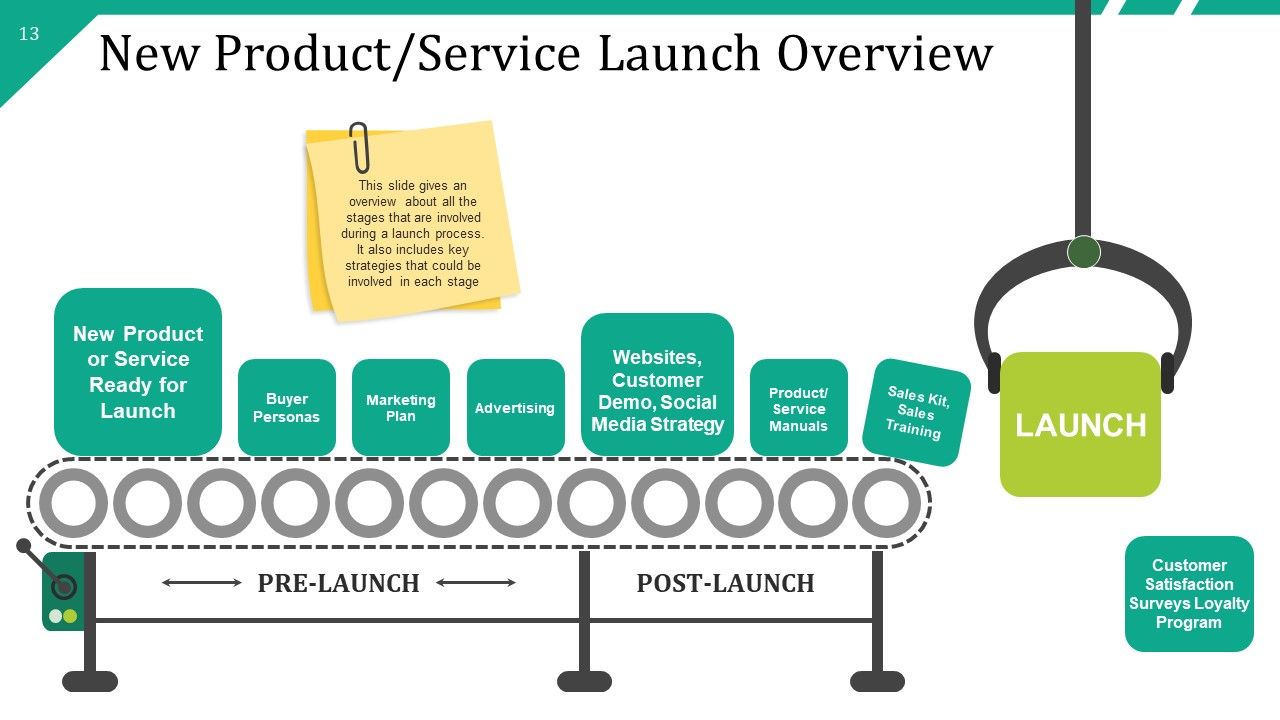
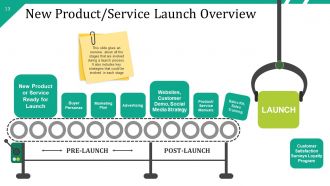
Slide 13: This slide presents New product or service launch Overview showing- POST-LAUNCH, PRE-LAUNCH, Buyer personas, Marketing plan, Advertising, Websites, customer demo, social media strategy, Product/ service manuals, Sales kit, sales training, Launch, Customer satisfaction surveys loyalty program. This slide gives an overview about all the stages that are involved during a launch process. It also includes key strategies that could be involved in each stage.
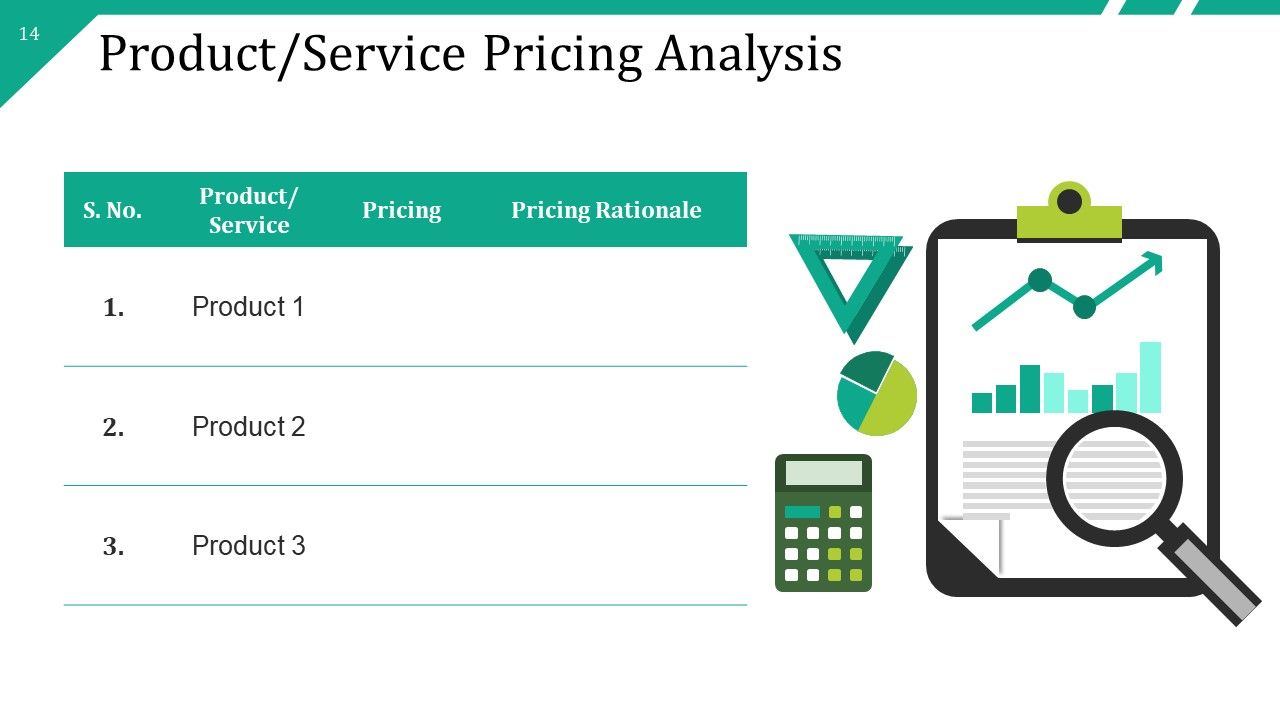
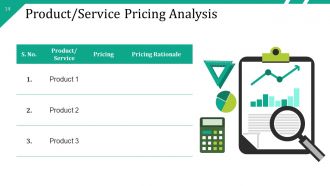
Slide 14: This slide showcases Product/Service Pricing Analysis in tabular form.
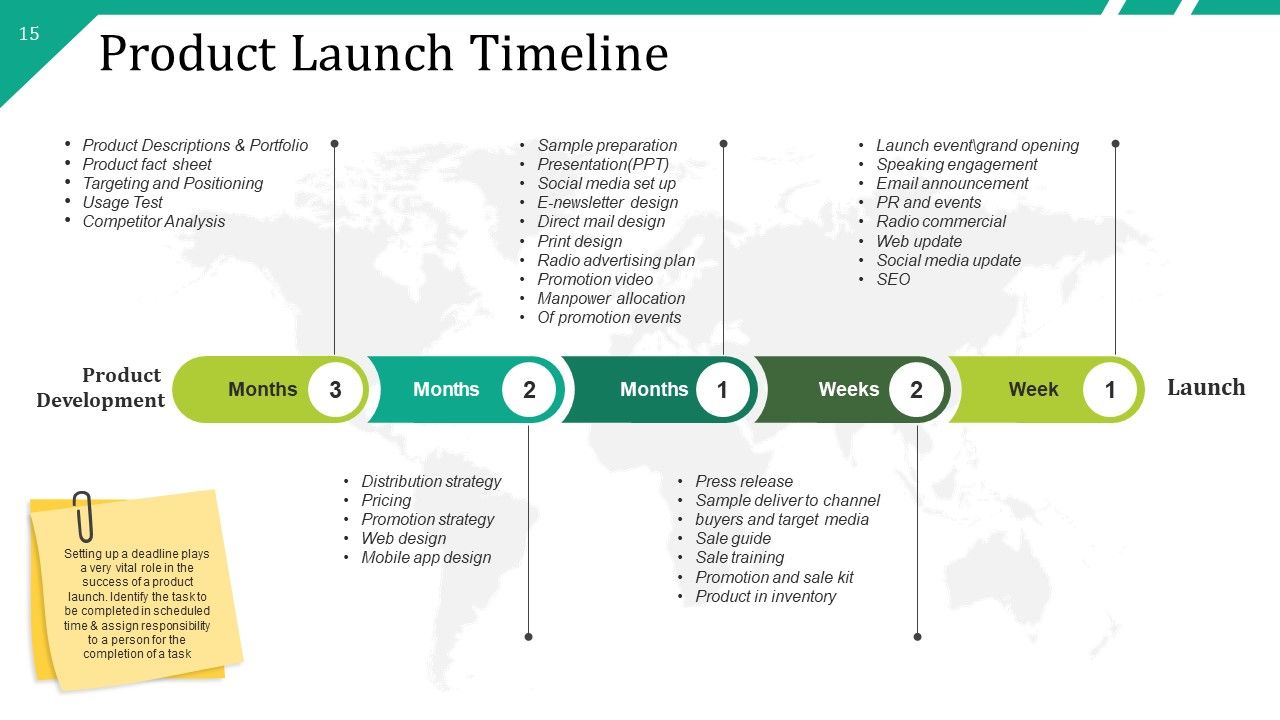
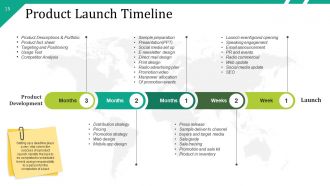
Slide 15: This slide presents Product Launch Timeline displaying- Sample preparation, Presentation(PPT), Social media set up, E-newsletter design, Direct mail design, Print design, Radio advertising plan, Promotion video, Manpower allocation, Of promotion events, Launch event\grand opening, Speaking engagement, Email announcement, PR and events, Radio commercial, Web update, Social media update, SEO, Distribution strategy, Pricing, Promotion strategy, Web design, Mobile app design, Press release, Sample deliver to channel, Buyers and target media, Sale guide, Sale training, Promotion and sale kit, Product in inventory, Product descriptions & portfolio, Product fact sheet, Targeting and positioning, Usage test, Competitor analysis. Setting up a deadline plays a very vital role in the success of a product launch. Identify the task to be completed in scheduled time & assign responsibility to a person for the completion of a task.
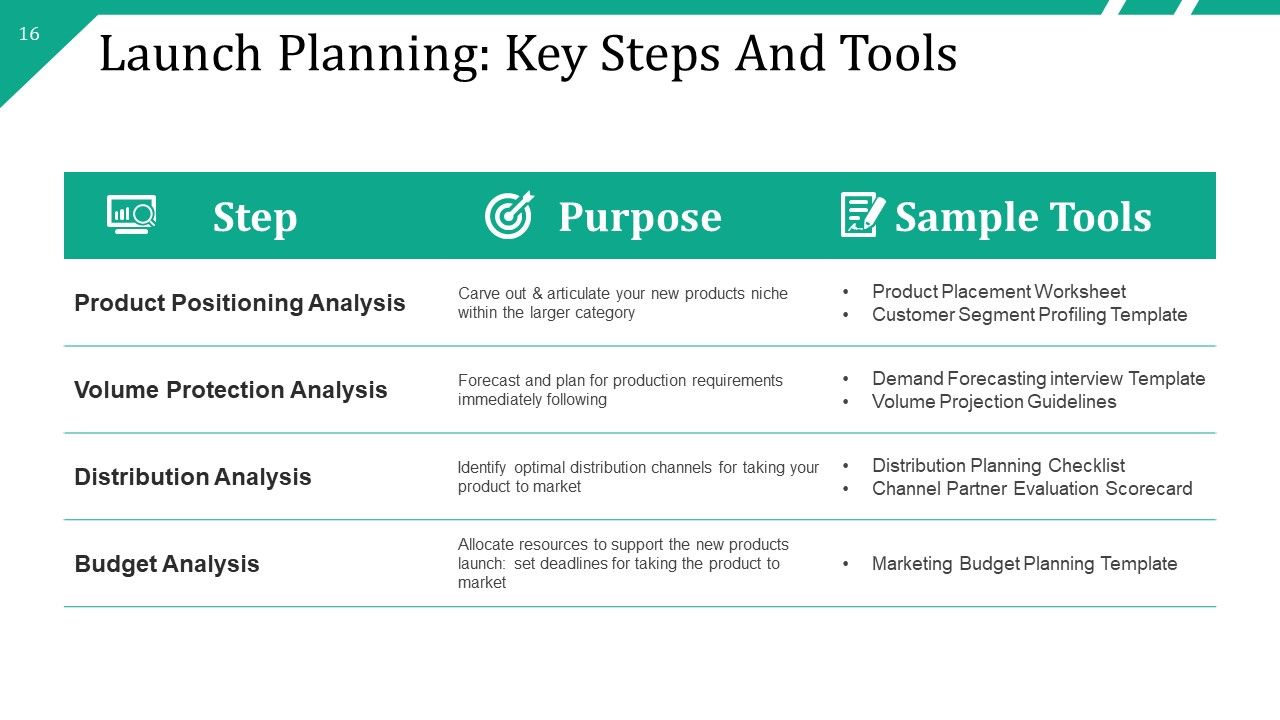
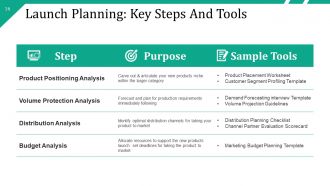
Slide 16: This sldie showcases Launch Planning: Key Steps And Tools.
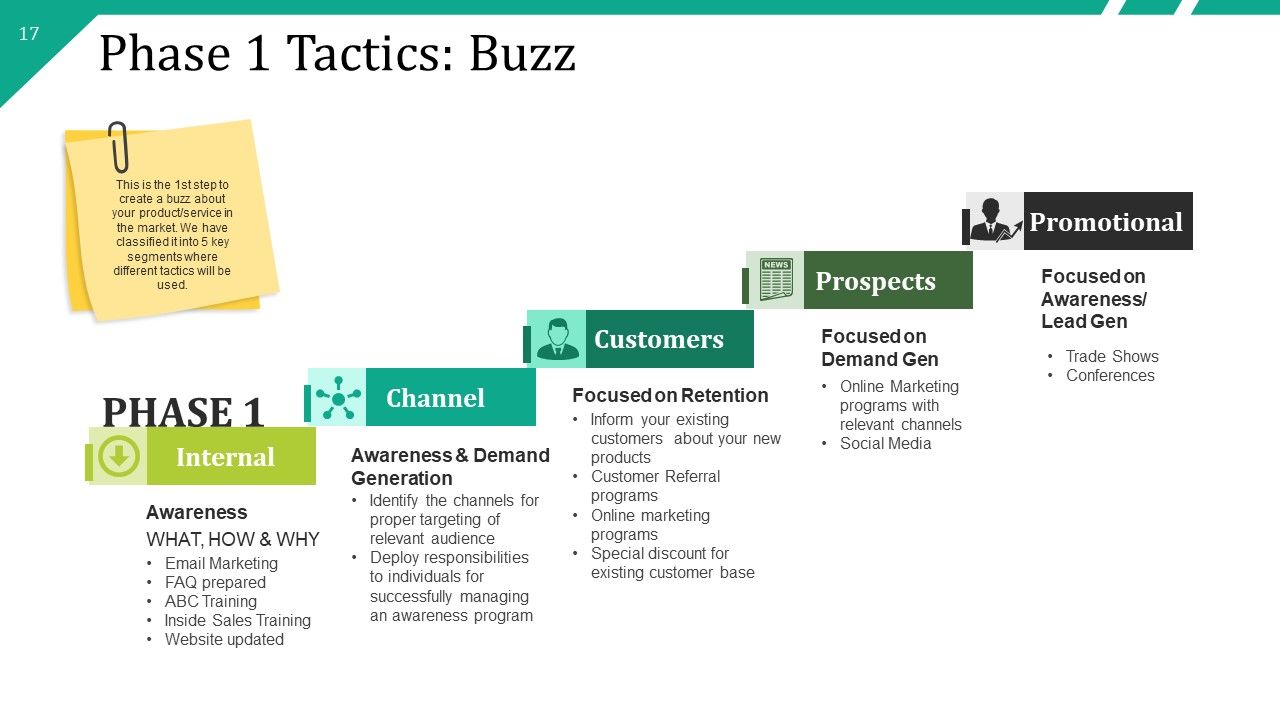
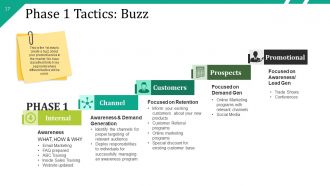
Slide 17: This slide displays Phase 1 Tactics: Buzz showcasing- Internal, Channel, Customers, Prospects, Promotionala aspects. This is the 1st step to create a buzz about your product/service in the market. We have classified it into 5 key segments where different tactics will be used.
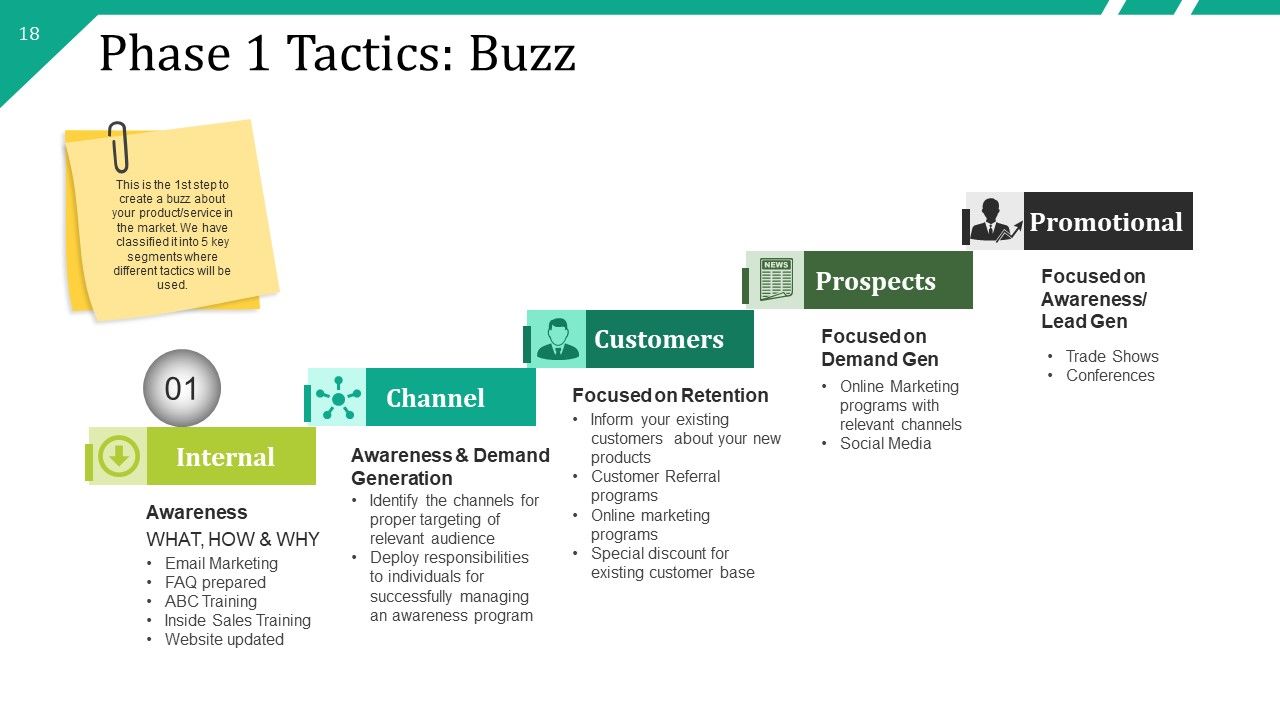
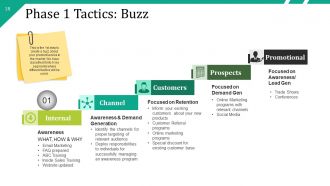
Slide 18: This slide displays Phase 1 Tactics: Buzz showcasing- Internal, Channel, Customers, Prospects, Promotional aspects. This is the 1st step to create a buzz about your product/service in the market. We have classified it into 5 key segments where different tactics will be used.
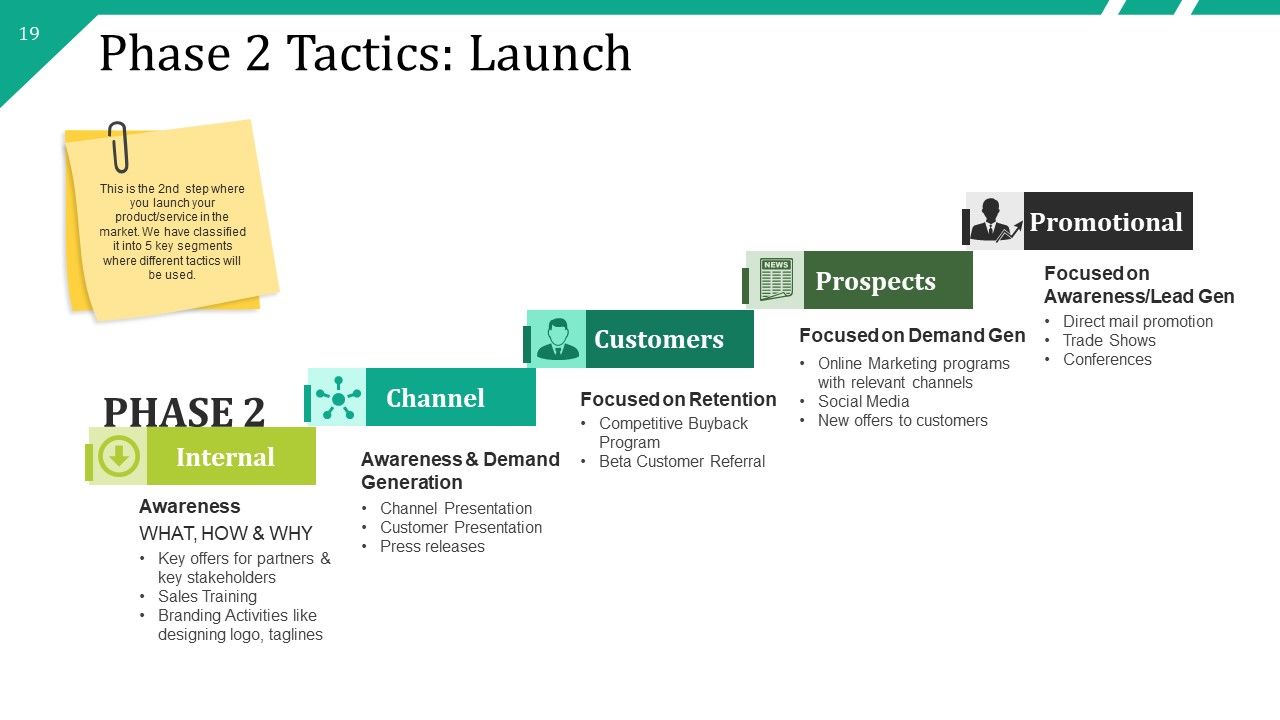
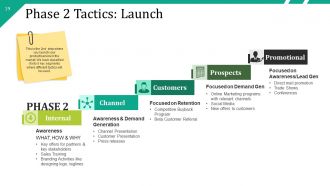
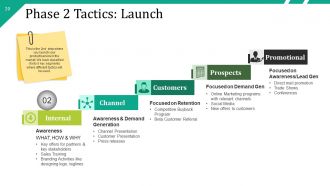
Slide 19: This slide displays Phase 2 Tactics: Launch showcasing- Internal, Channel, Customers, Prospects, Promotional. This is the 2nd step where you launch your product/service in the market. We have classified it into 5 key segments where different tactics will be used.
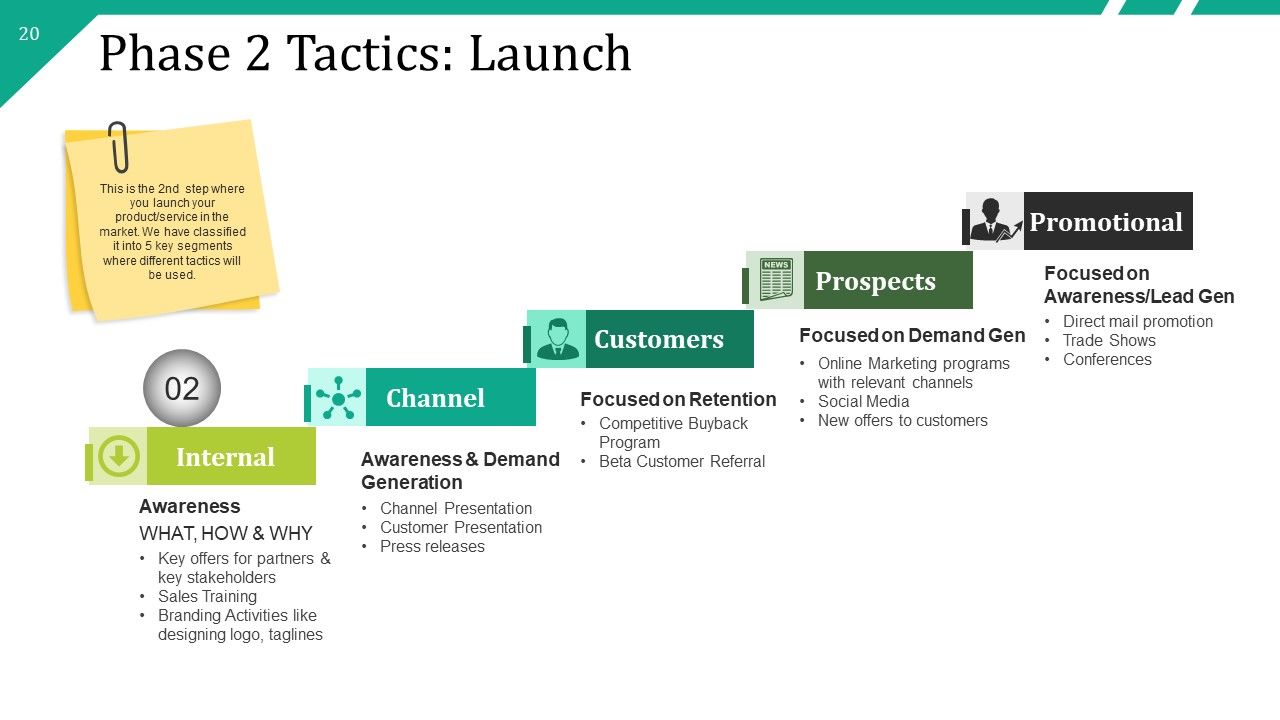
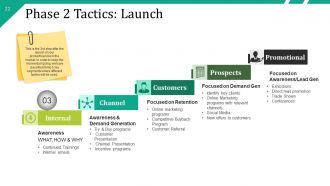
Slide 20: This slide displays Phase 2 Tactics: Launch showcasing- Internal, Channel, Customers, Prospects, Promotional. This is the 2nd step where you launch your product/service in the market. We have classified it into 5 key segments where different tactics will be used.
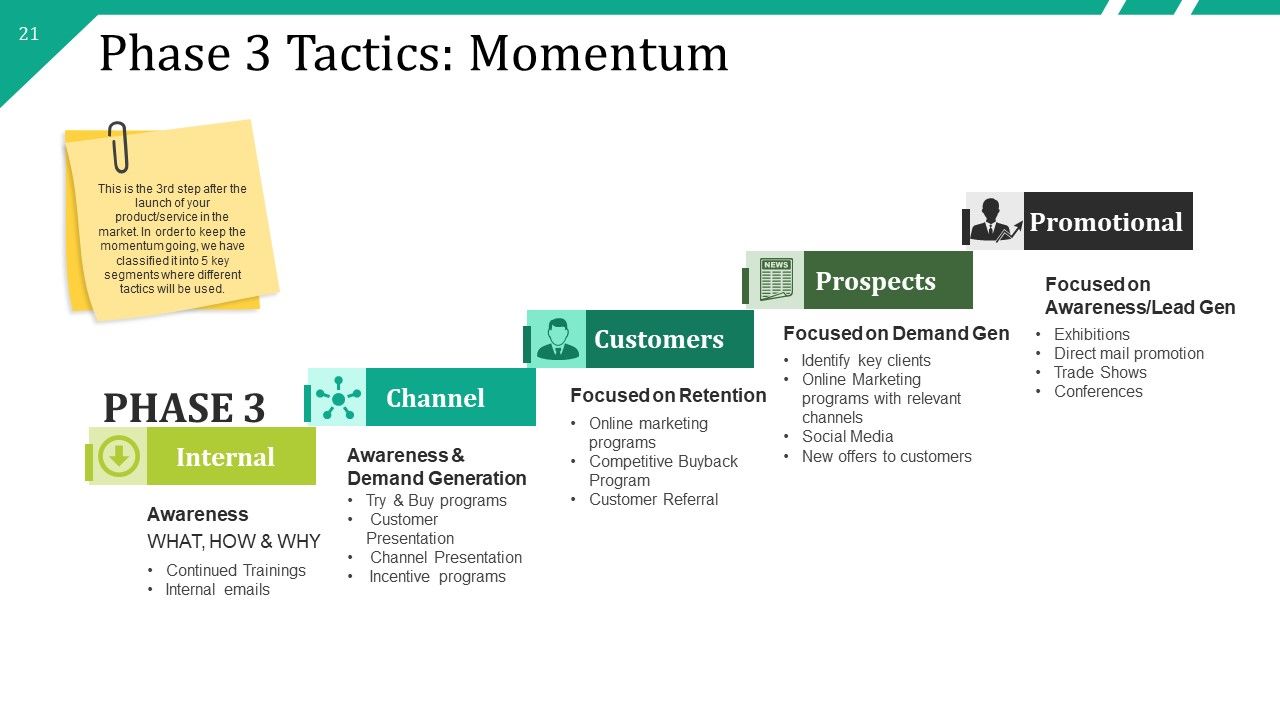
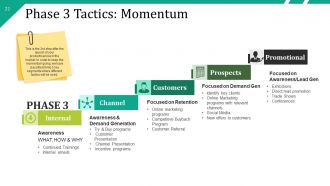
Slide 21: This slide presents Phase 3 Tactics: Momentum displaying- Internal, Channel, Customers, Prospects, Promotional. This is the 3rd step after the launch of your product/service in the market. In order to keep the momentum going, we have classified it into 5 key segments where different tactics will be used.
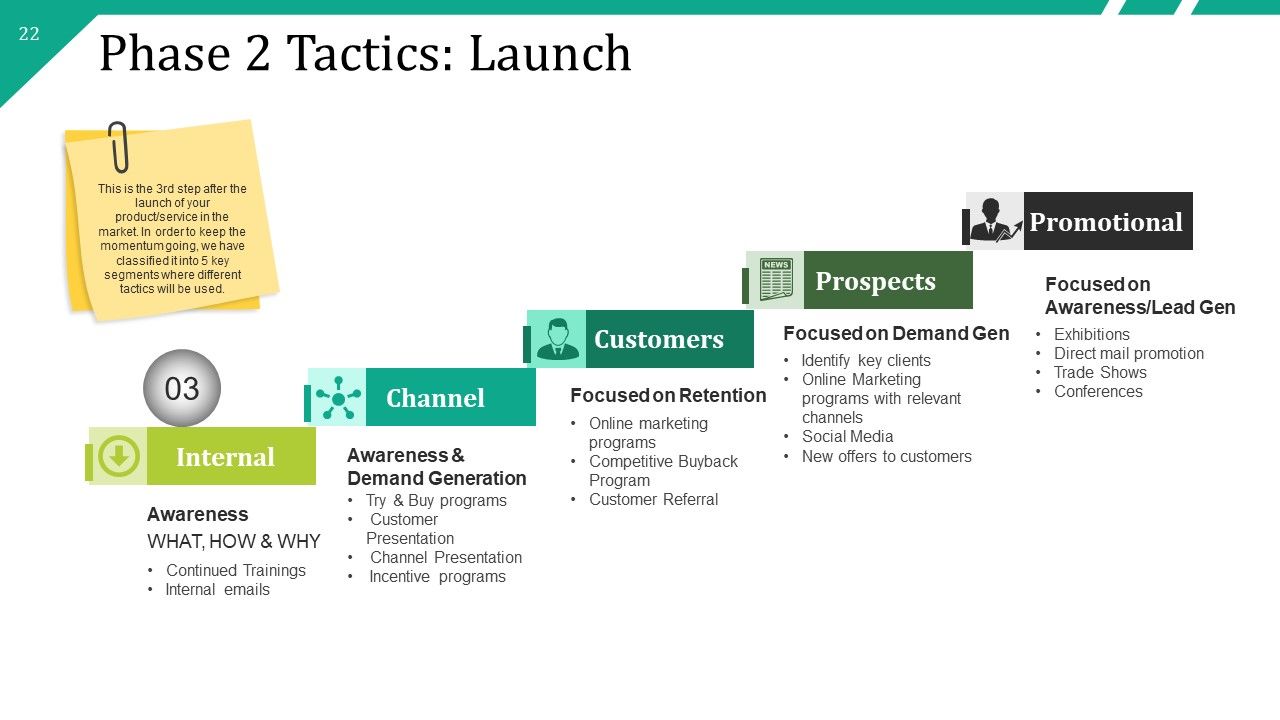
Slide 22: This slide presents Phase 3 Tactics: Launch displaying- Internal, Channel, Customers, Prospects, Promotional. This is the 3rd step after the launch of your product/service in the market. In order to keep the momentum going, we have classified it into 5 key segments where different tactics will be used.
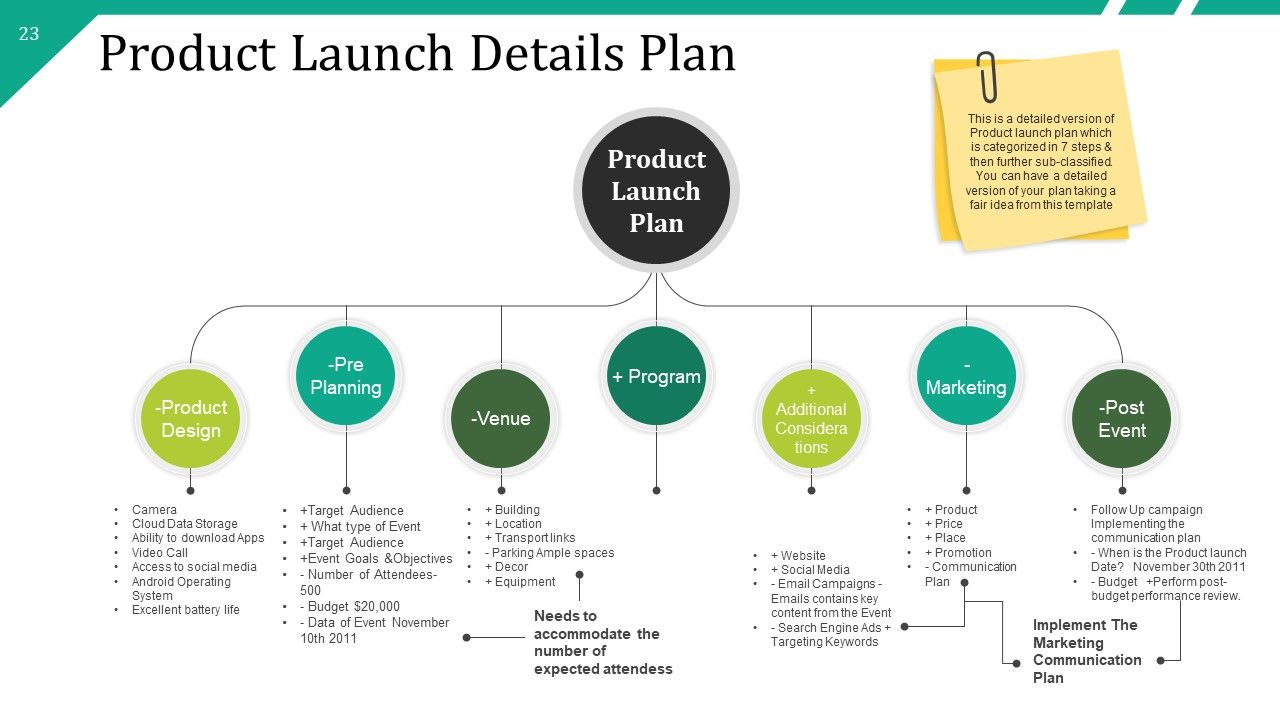
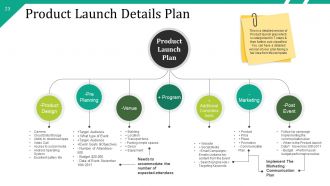
Slide 23: This slide shows Product Launch Details Plan with- Product Design, Pre Planning, Venue, Additional, Considerations, Marketing, Post Event, Program. This is a detailed version of Product launch plan which is categorized in 7 steps & then further sub-classified. You can have a detailed version of your plan taking a fair idea from this template
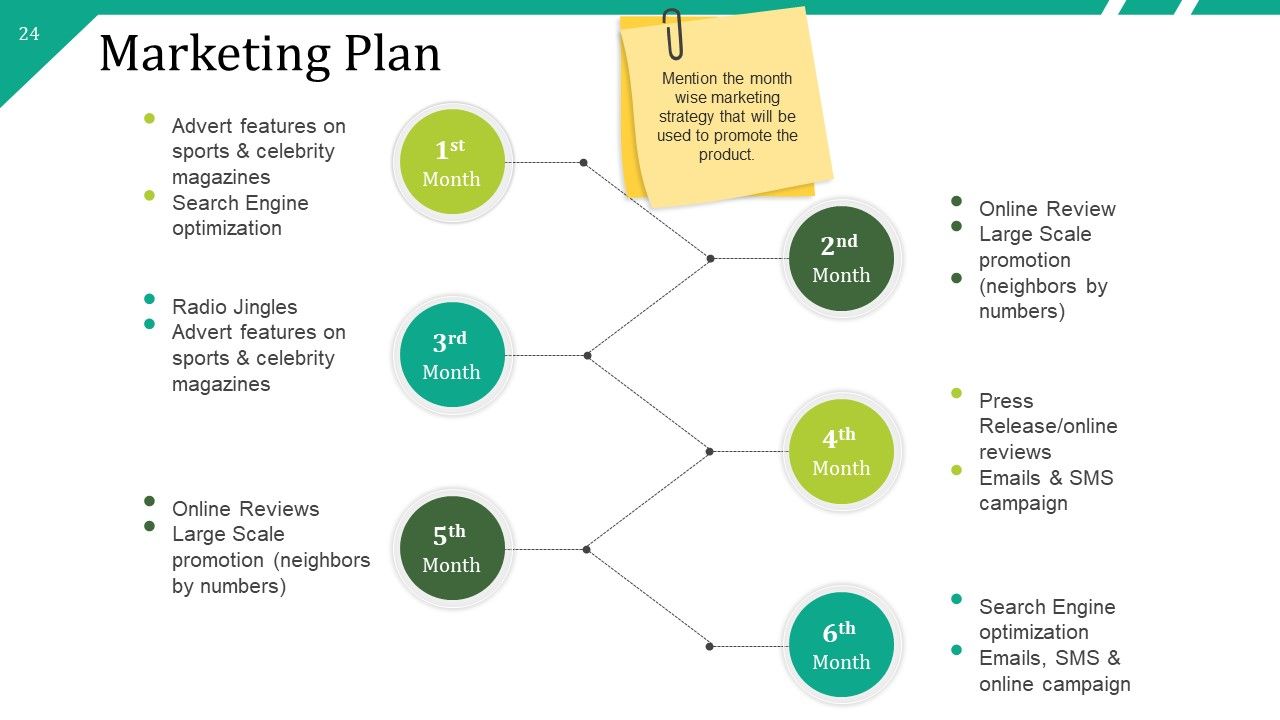
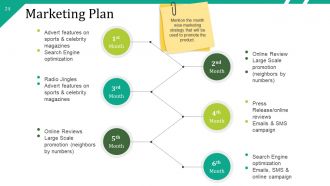
Slide 24: This slide showcases a Marketing Plan displaying- Advert features on sports & celebrity magazines, Search Engine optimization, Online Review, Large Scale promotion (neighbors by numbers), Radio Jingles, Advert features on sports & celebrity magazines, Press Release/online reviews, Emails & SMS campaign, Online Reviews, Large Scale promotion (neighbors by numbers), Search Engine optimization, Emails, SMS & online campaign, Mention the month wise marketing strategy that will be used to promote the product.
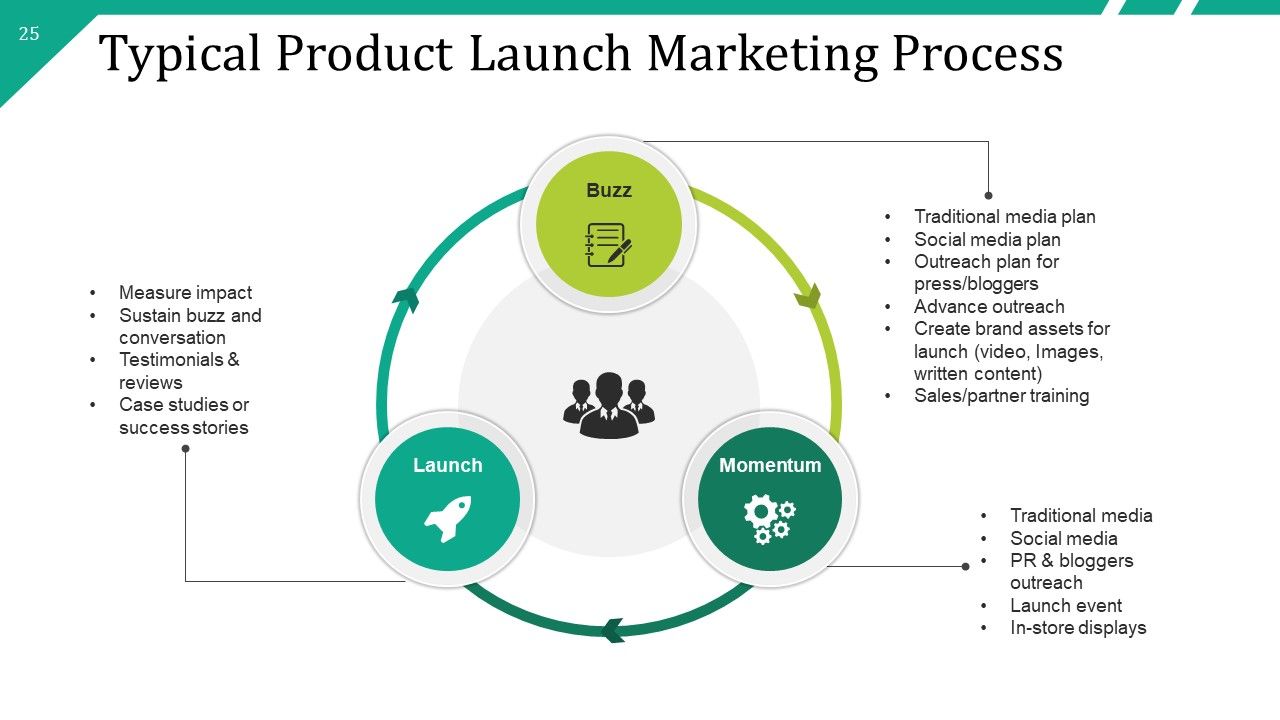
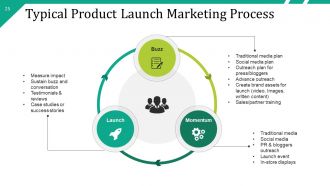
Slide 25: This slide displays a Typical Product Launch Marketing Process showcasing- Buzz, Launch, and Momentum.
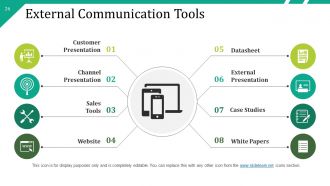
Slide 26: This slide presents External Communication Tools such as- Datasheet, Case Studies, White Papers, External Presentation, Website, Customer Presentation, Sales Tools, Channel Presentation.
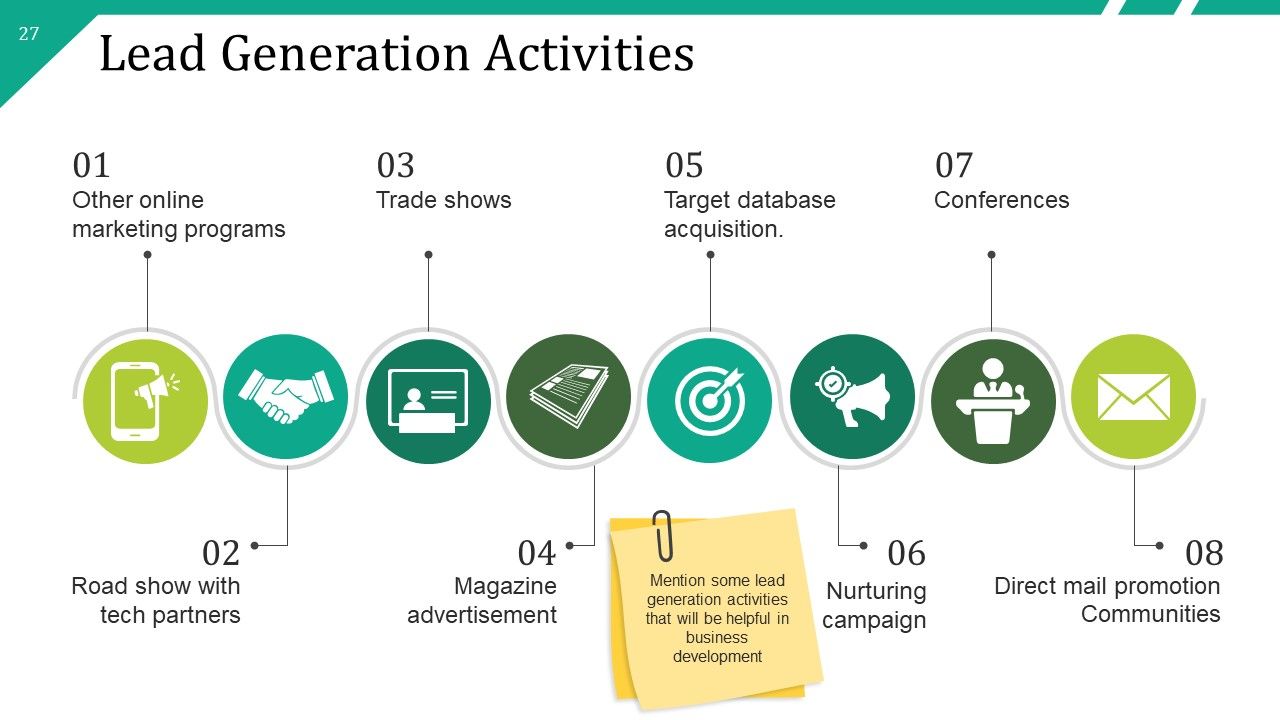
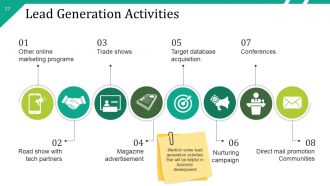
Slide 27: This slide lists Lead Generation Activities such as- Road show with Tech Partners, Conferences, Nurturing Campaign, Other Online Marketing Programs, Direct Mail Promotion, Target Database Acquisition, Trade Shows, Magazine Advertisement. Mention some lead generation activities that will be helpful in business development.
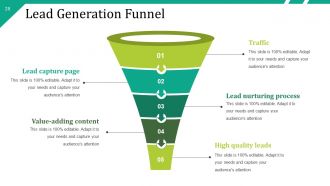
Slide 28: This slide showcases a Lead Generation Funnel displaying- Traffic, Lead Nurturing process, Lead Capture page, Value- Adding content, High Quality leads.
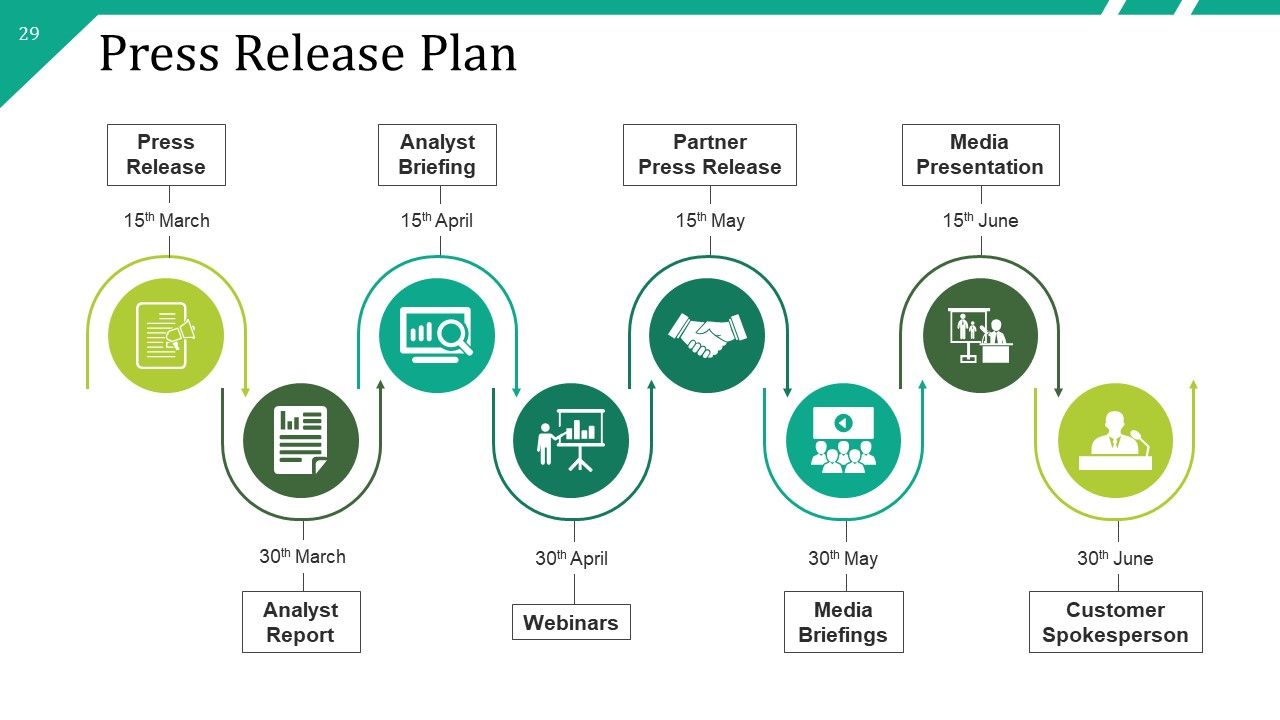
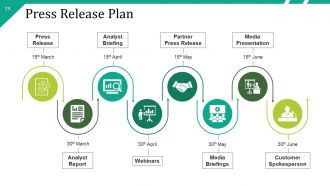
Slide 29: This slide showcases a Press Release Plan.
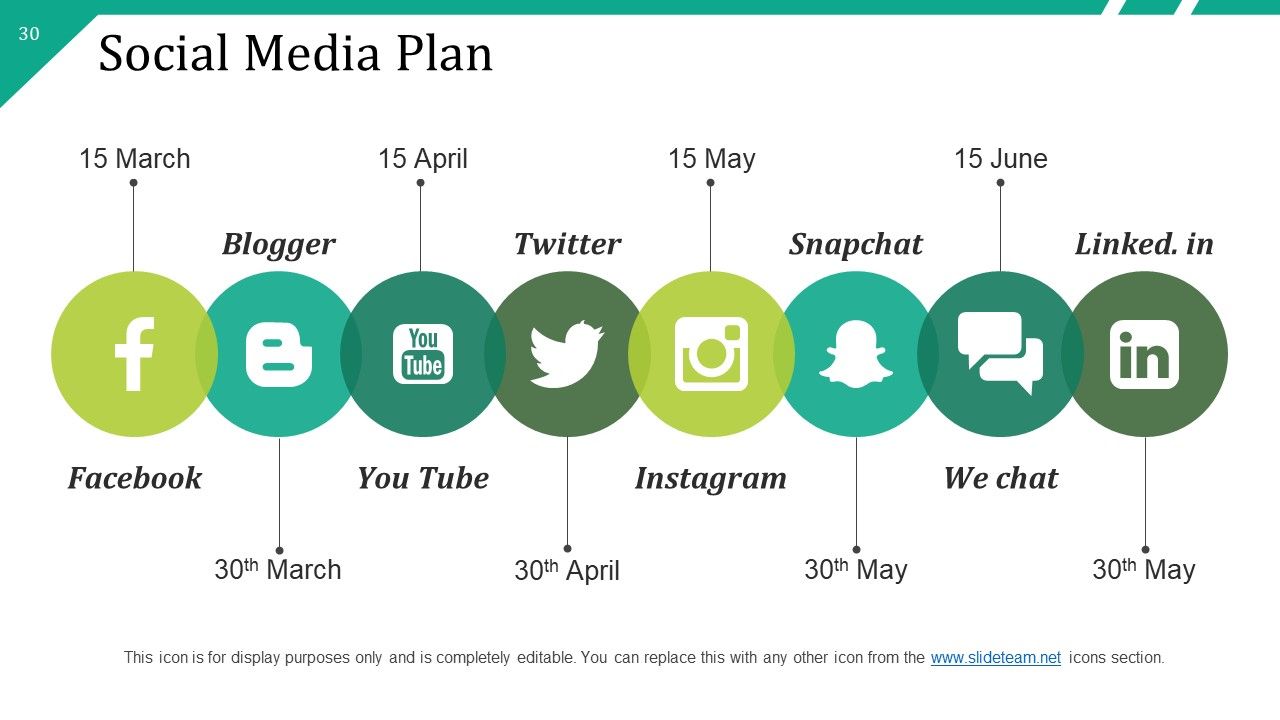
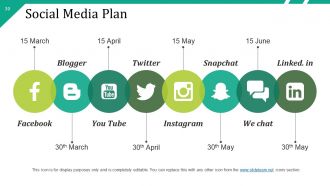
Slide 30: This slide displays a Social Media Plan.
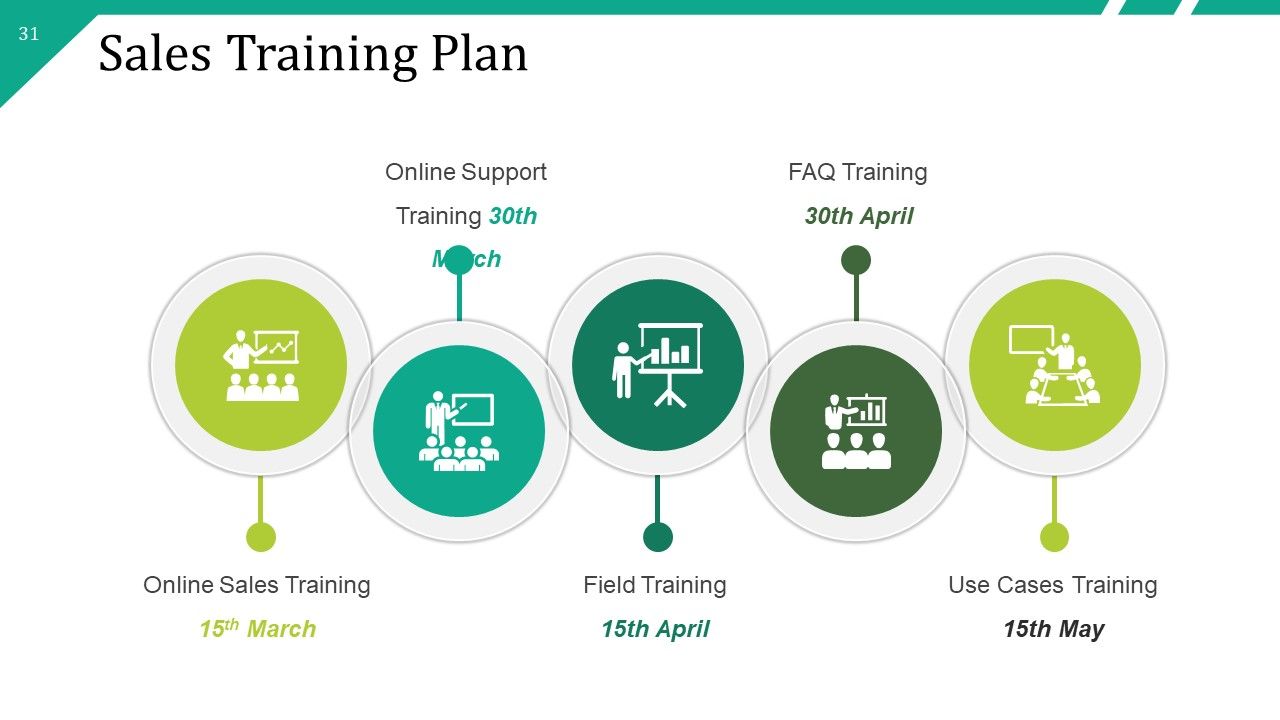
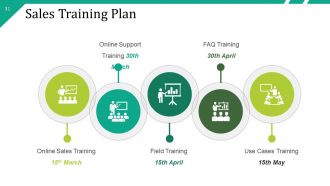
Slide 31: This slide showcases a Sales Training Plan.
Slide 32: This slide presents Marketing Budget in tabular form.
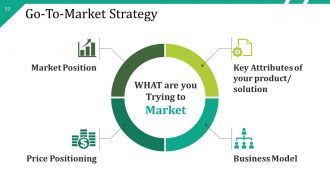
Slide 33: This slide shows Go-To-Market Strategy displaying- Price Positioning, Market Position, Key Attributes of your product/solution, Business Model.
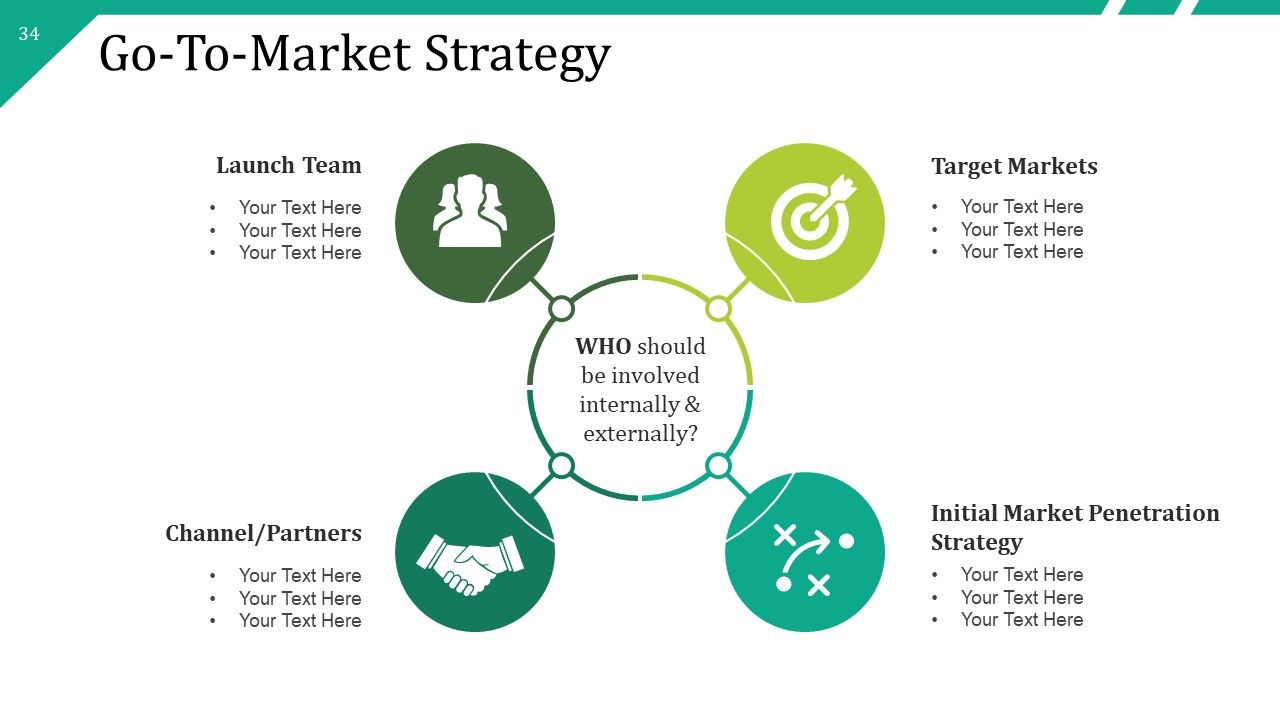
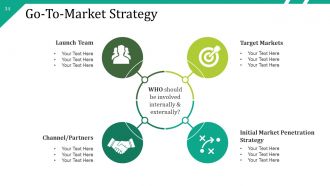
Slide 34: This slide shows Go-To-Market Strategy displaying- Launch Team, Channel/Partners, Target Markets, Initial Market Penetration Strategy.
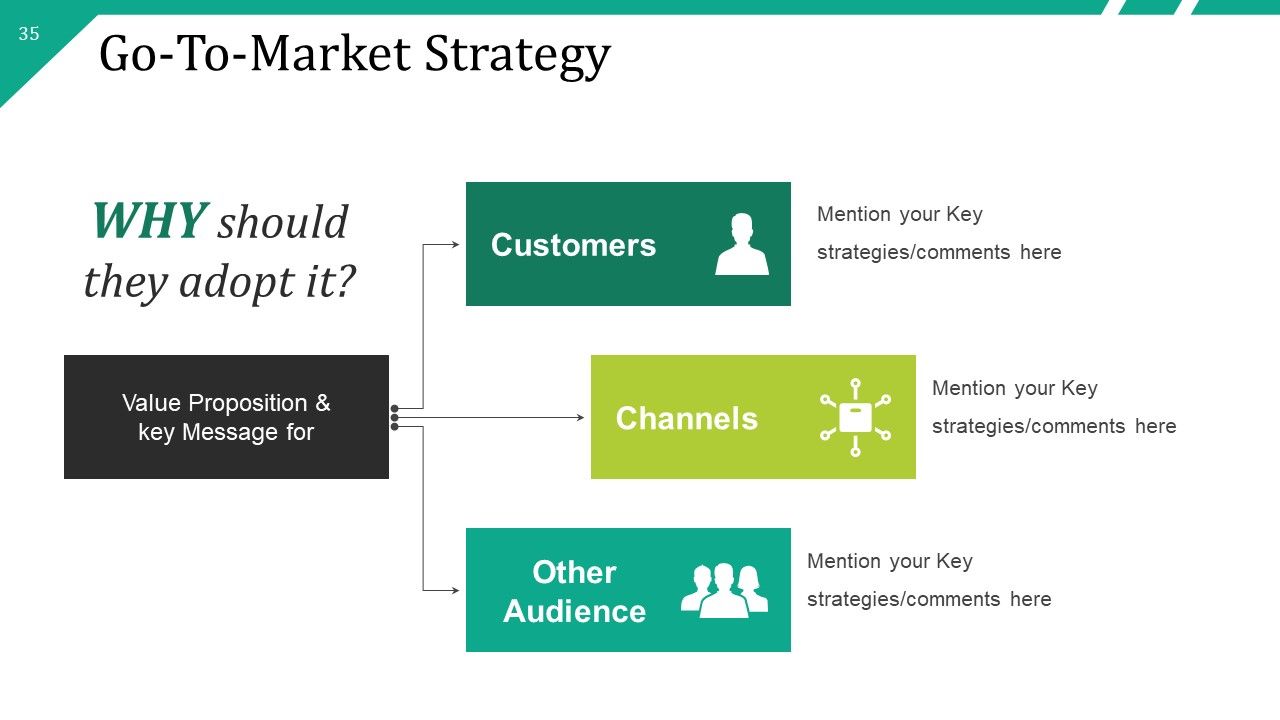
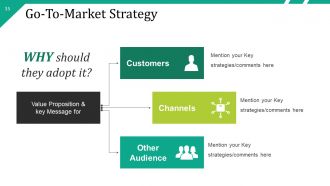
Slide 35: This slide presents Go-To-Market Strategy with the following subheadings- Customers, Channels, Other Audience.
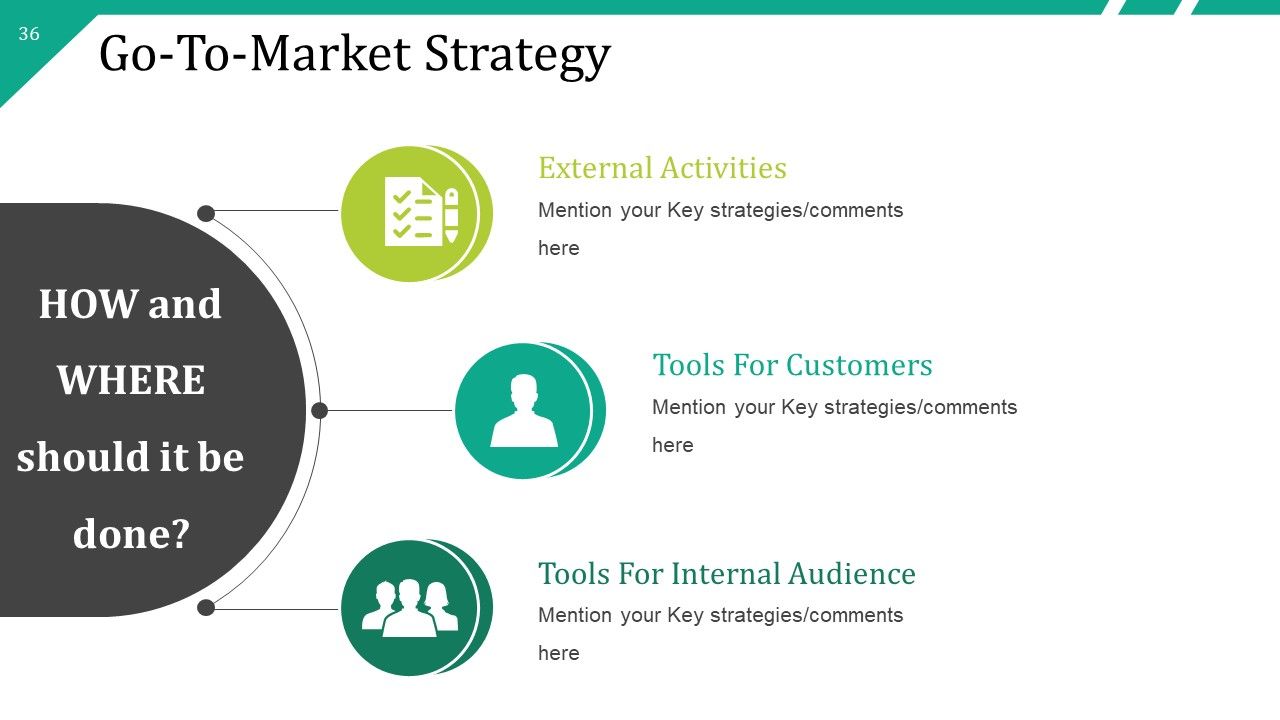
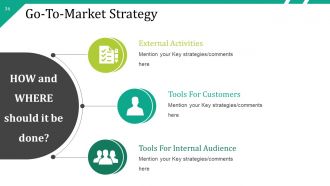
Slide 36: This slide presents Go-To-Market Strategy displaying- Tools For Internal Audience, Tools For Customers, External Activities.
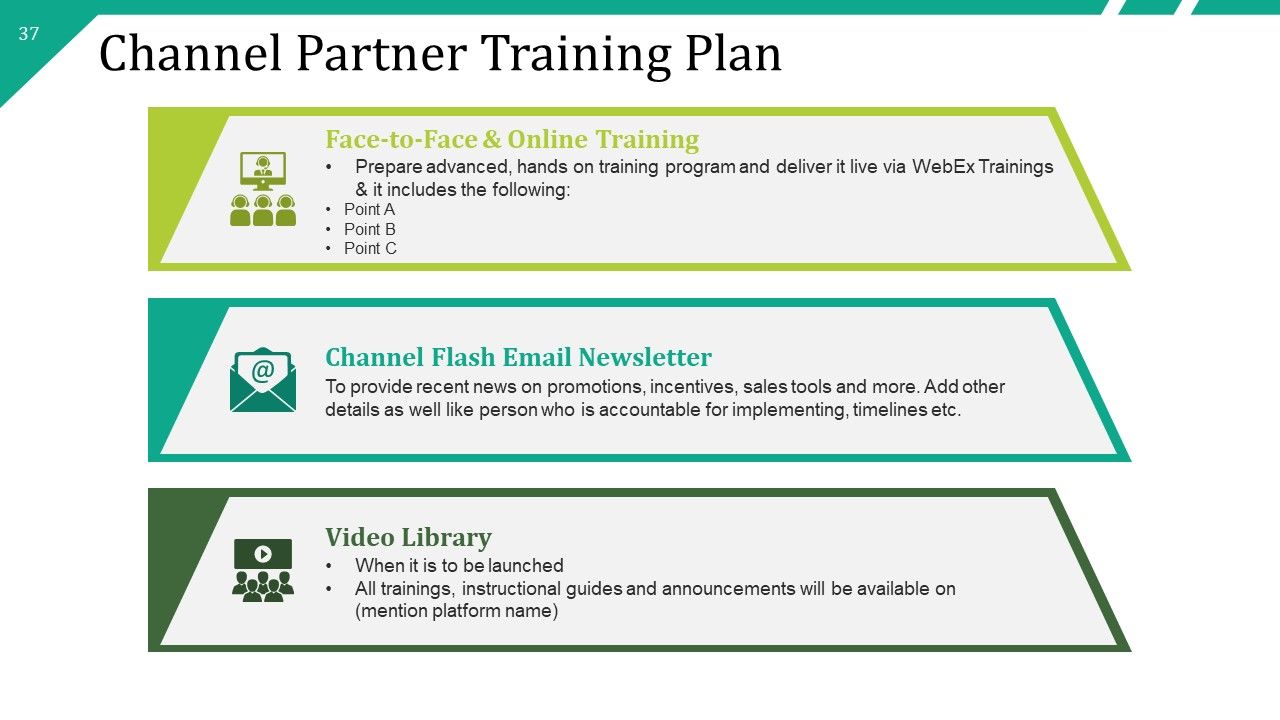
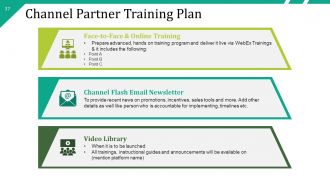
Slide 37: This slide shows a Channel Partner Training Plan with the following subheadings- Video Library, Face-to-Face & Online Training, Channel Flash Email Newsletter.
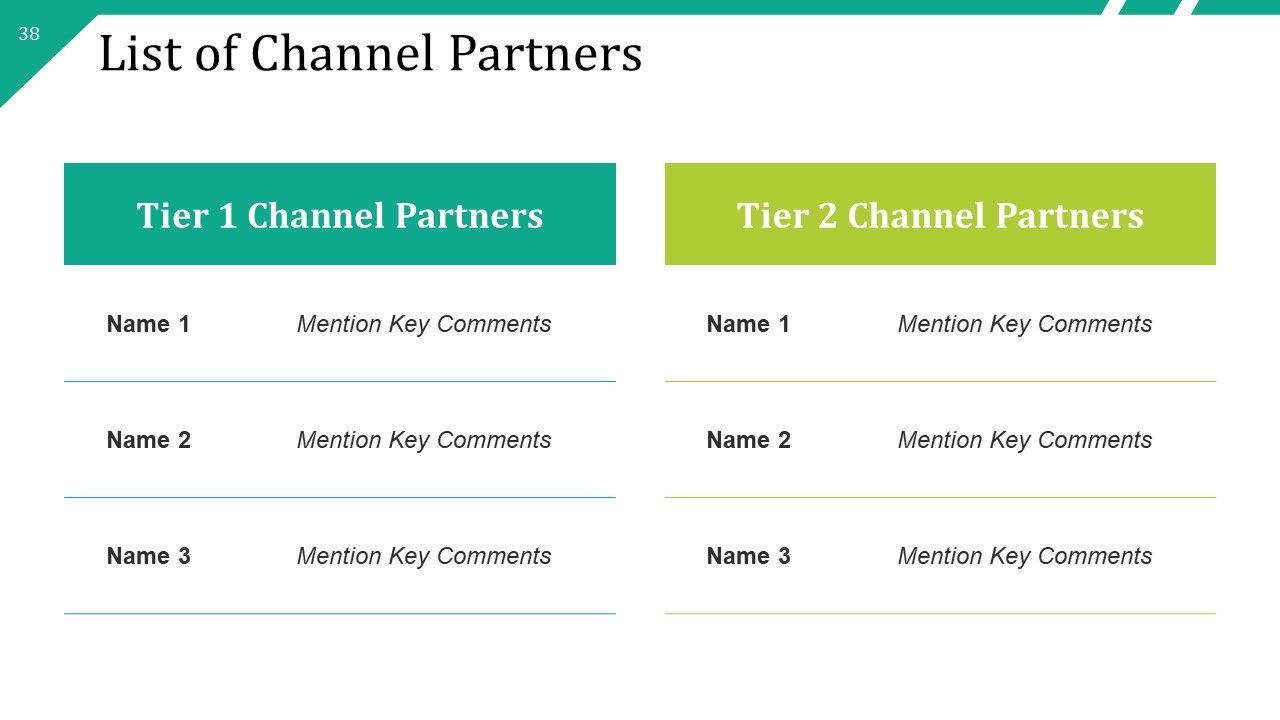
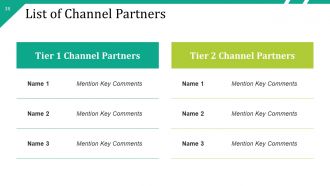
Slide 38: This slide showcases List Of Channel Partners associated.
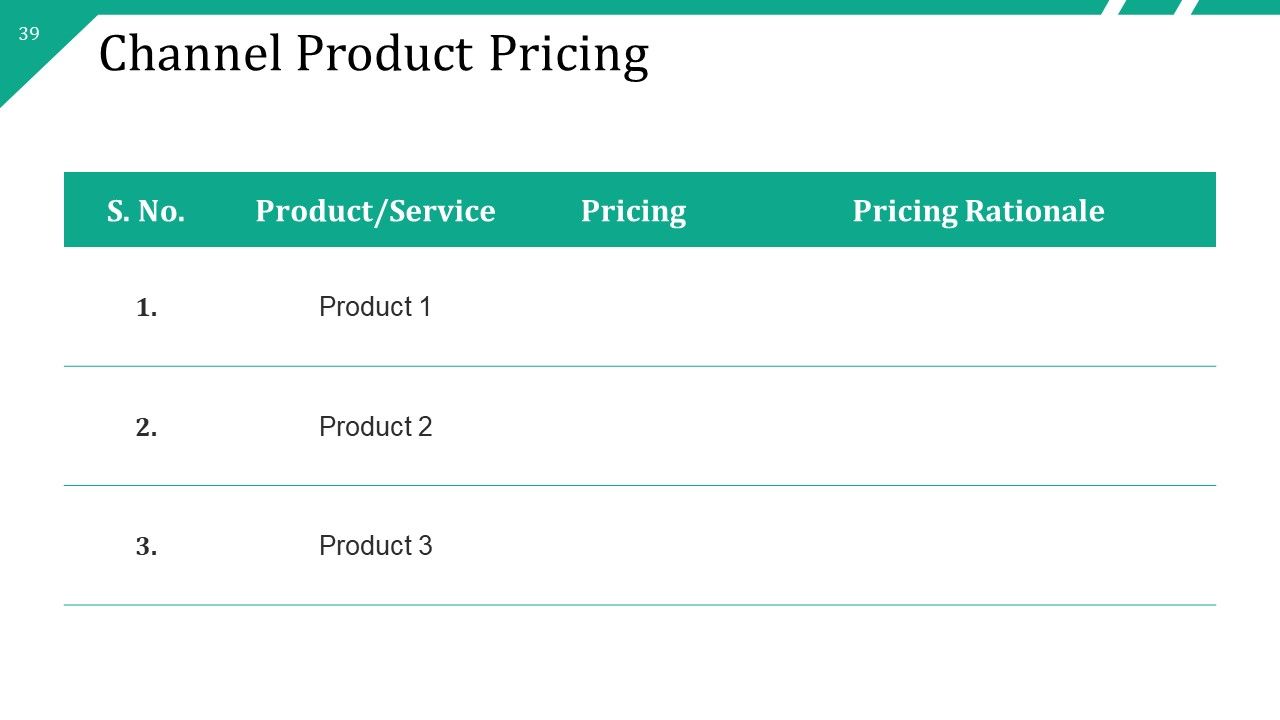
Slide 39: This is a Channel Product Pricing table slide.
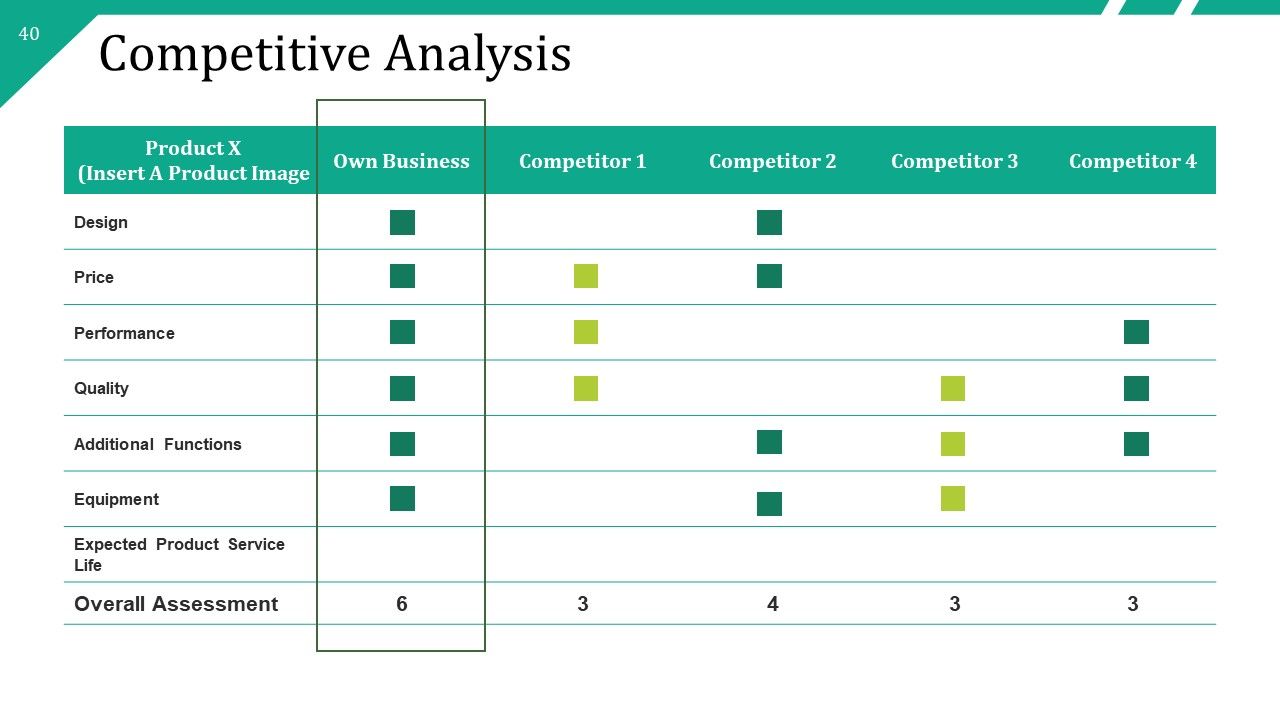
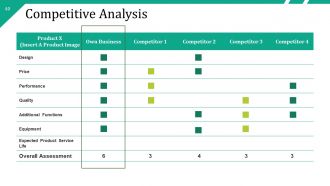
Slide 40: This slide presents Competitive Analysis in tabular form.
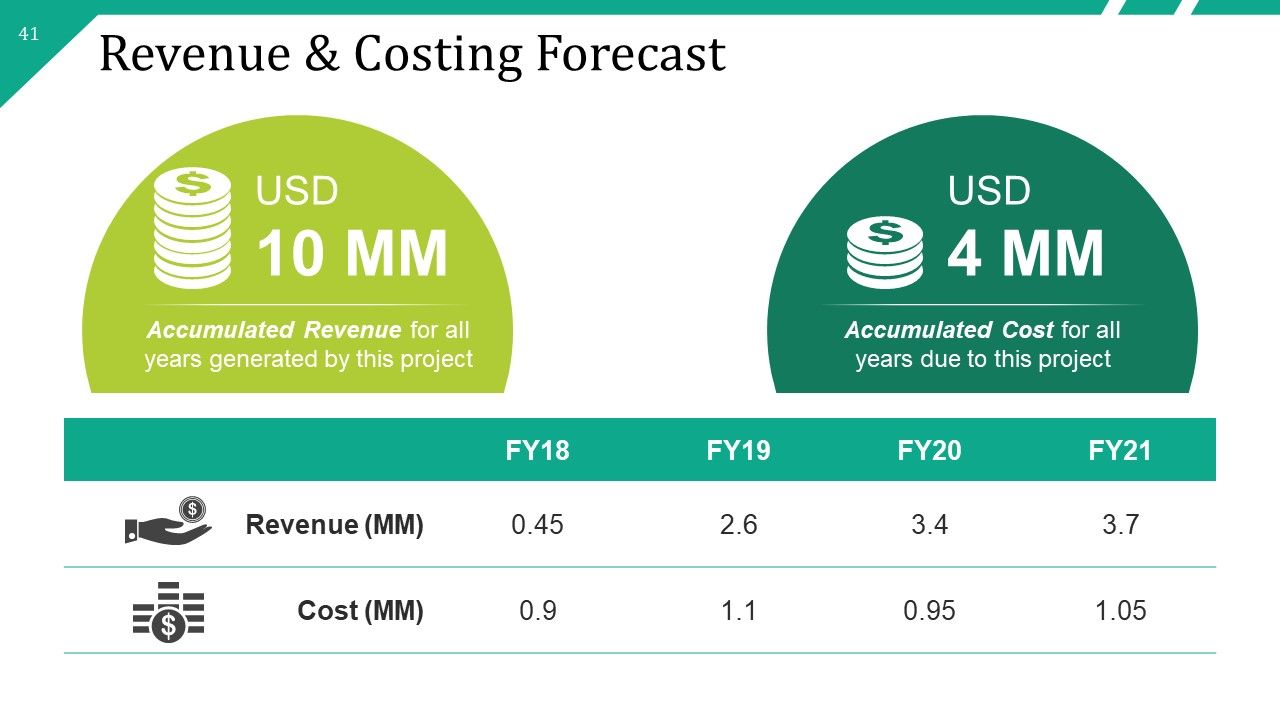
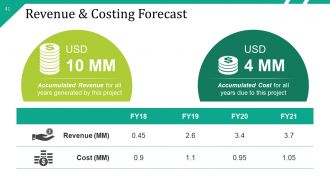
Slide 41: This slide shows Revenue & Costing Forecast to be calculated.
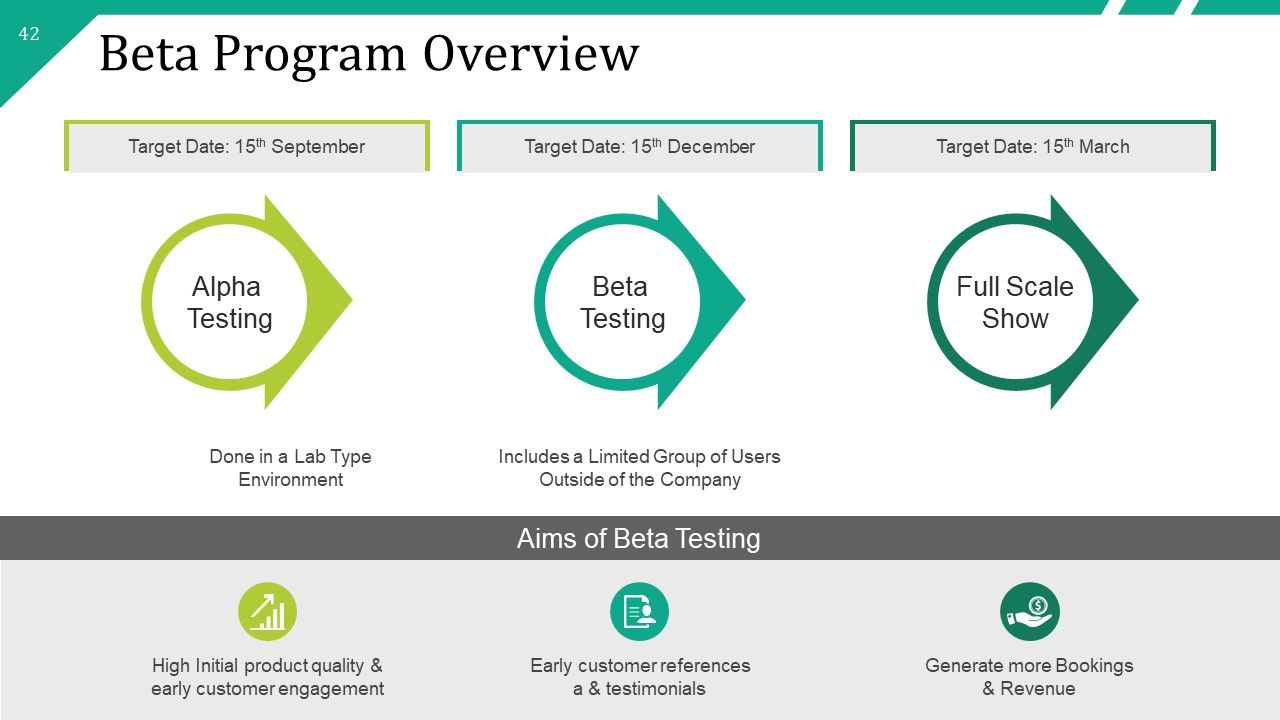
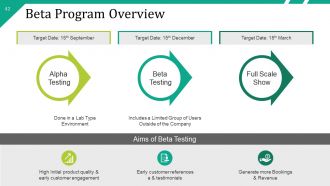
Slide 42: This slide showcases Beta Program Overview displaying- Alpha Testing, Beta Testing, Full Scale Show.
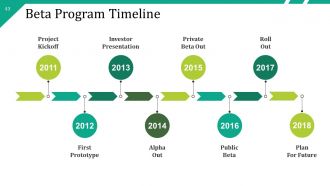
Slide 43: This slide shows a Beta Program Timeline showing- Private Beta Out, First Prototype, Alpha Out, Investor Presentation, Project Kickoff.
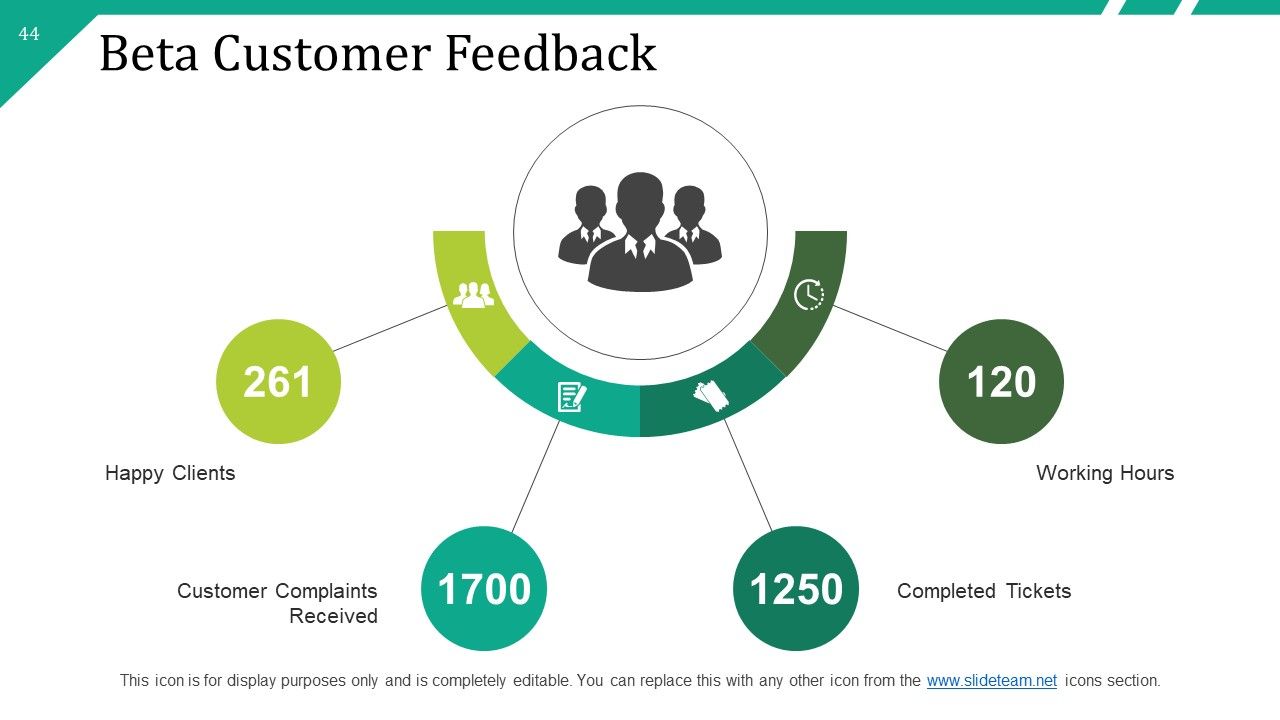
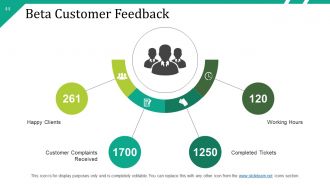
Slide 44: This slide showcases Beta Customer Feedback in terms of- Happy Clients, Customer Complaints Received, Completed Tickets, Working Hours.
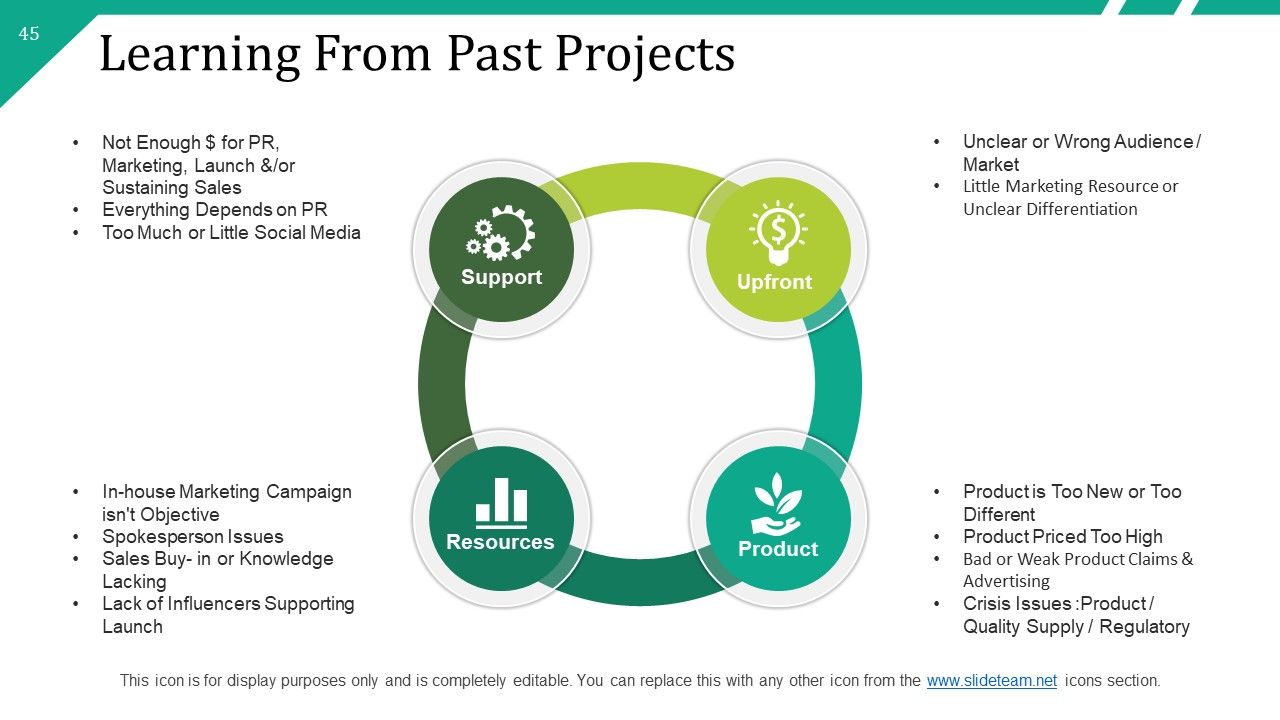
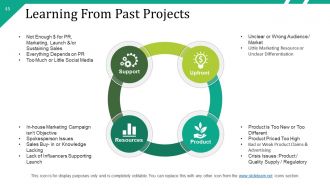
Slide 45: This slide shows Learning From Past Projects divided into- Support, Resources, Product, Upfront.
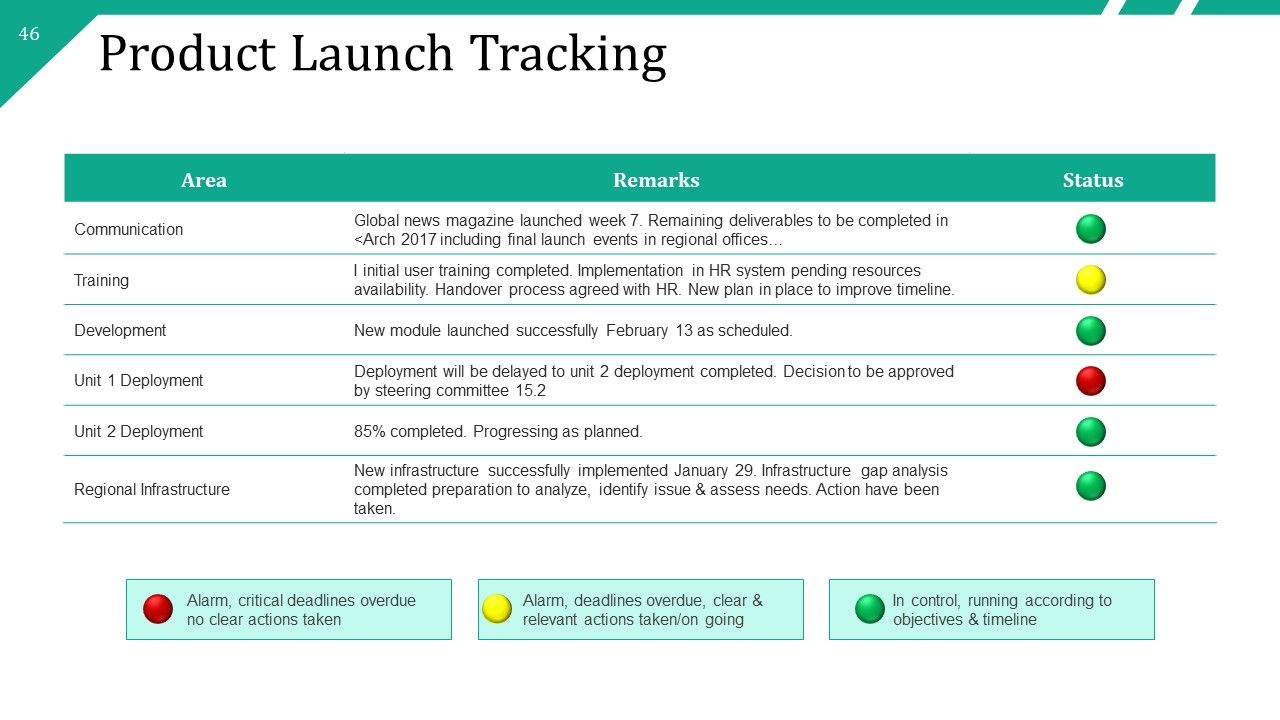
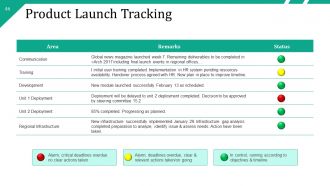
Slide 46: This slide showcases Product Launch Tracking displaying- Area, Remarks and Status.
Slide 47: This slide is titled Charts and Graphs to move forward. You can change the slide content as per need.
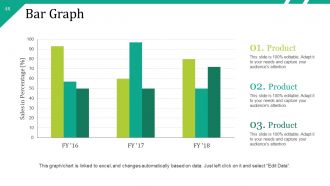
Slide 48: This is a Bar Graph slide. State specifications, comparison of products/entities here.
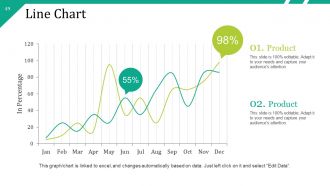
Slide 49: This is a Line Chart slide. State specifications, comparison of products/entities here.
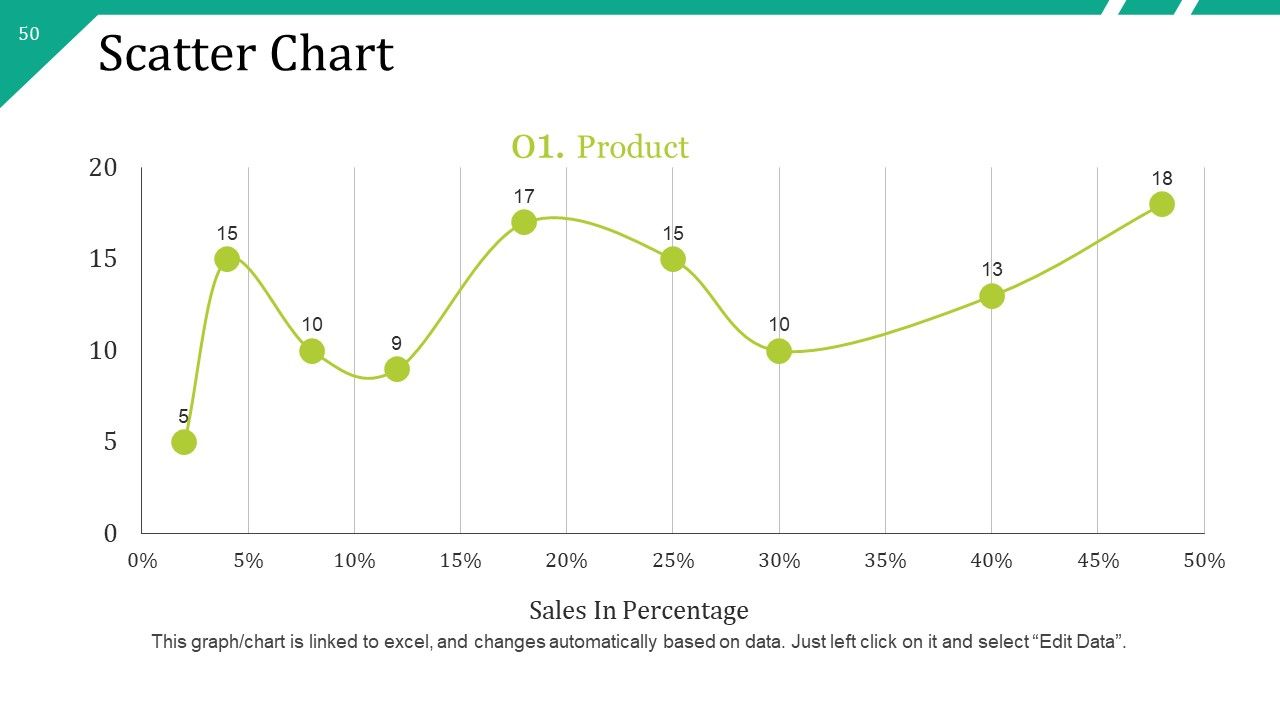
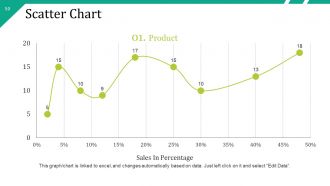
Slide 50: This is a Scatter chart slide. State specifications, comparison of products/entities here.
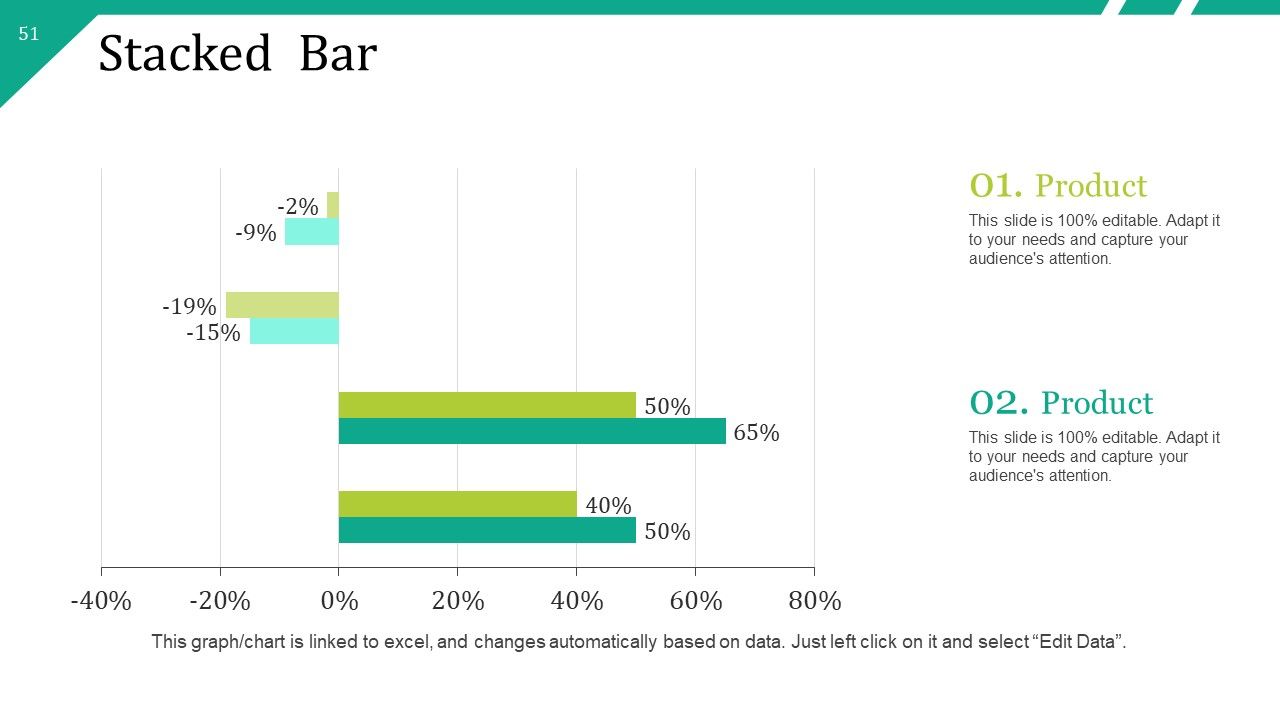
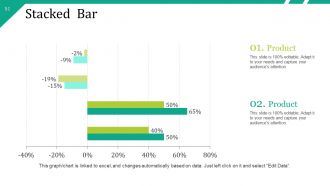
Slide 51: This is a Stacked Bar graph slide. State specifications, comparison of products/entities here.
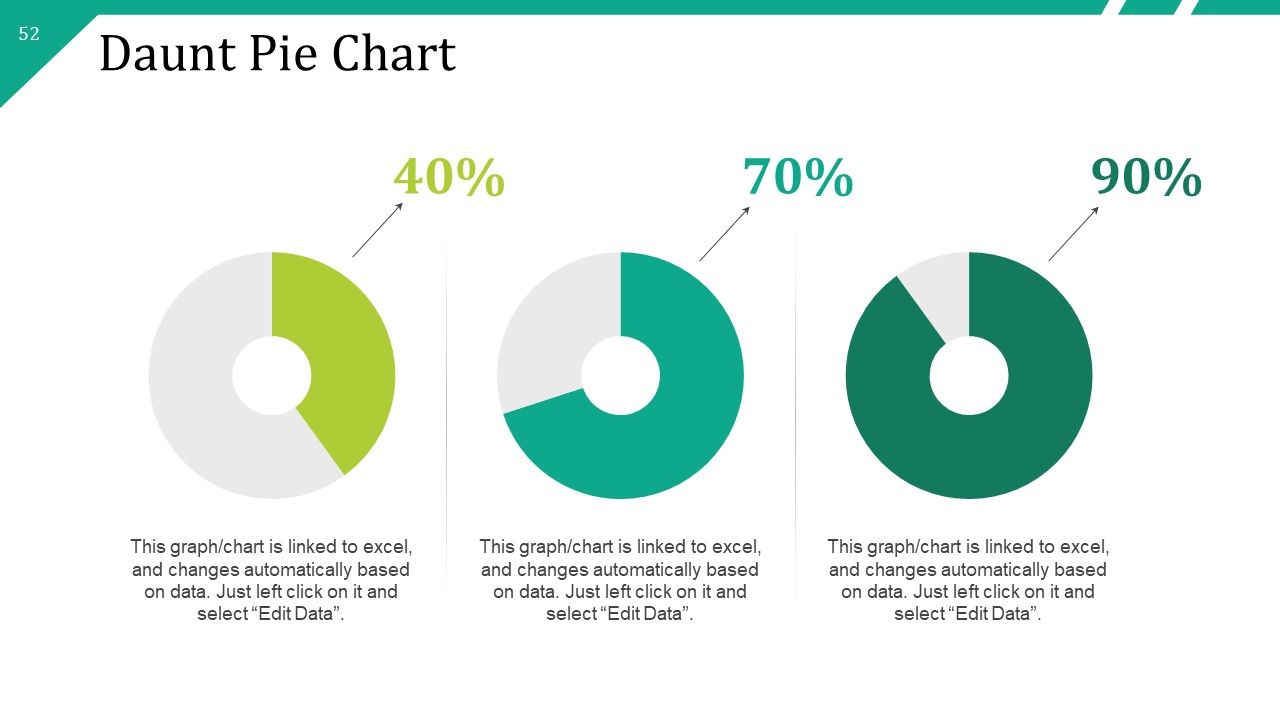
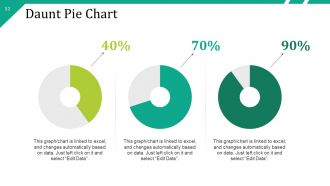
Slide 52: This is a Donut Pie Chart slide to show product/entity comparison, specifications etc.
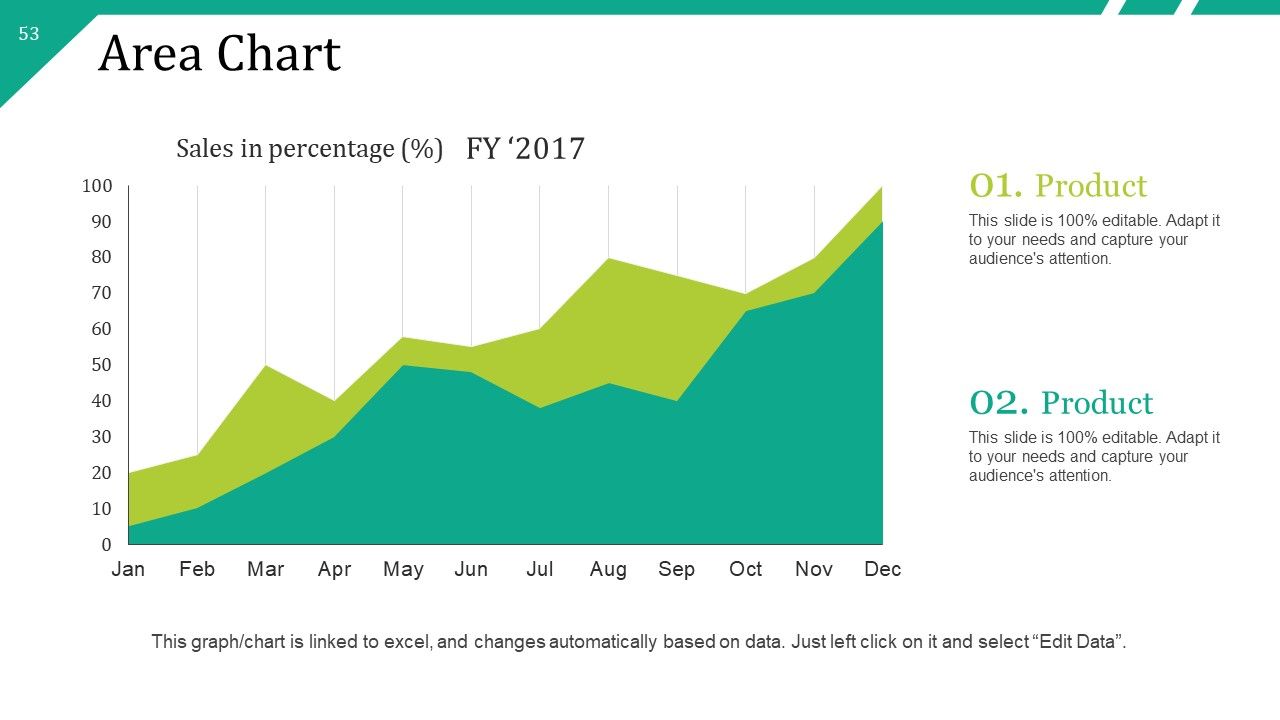
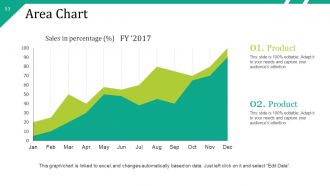
Slide 53: This is an Area Chart slide. State specifications, comparison of products/entities here.
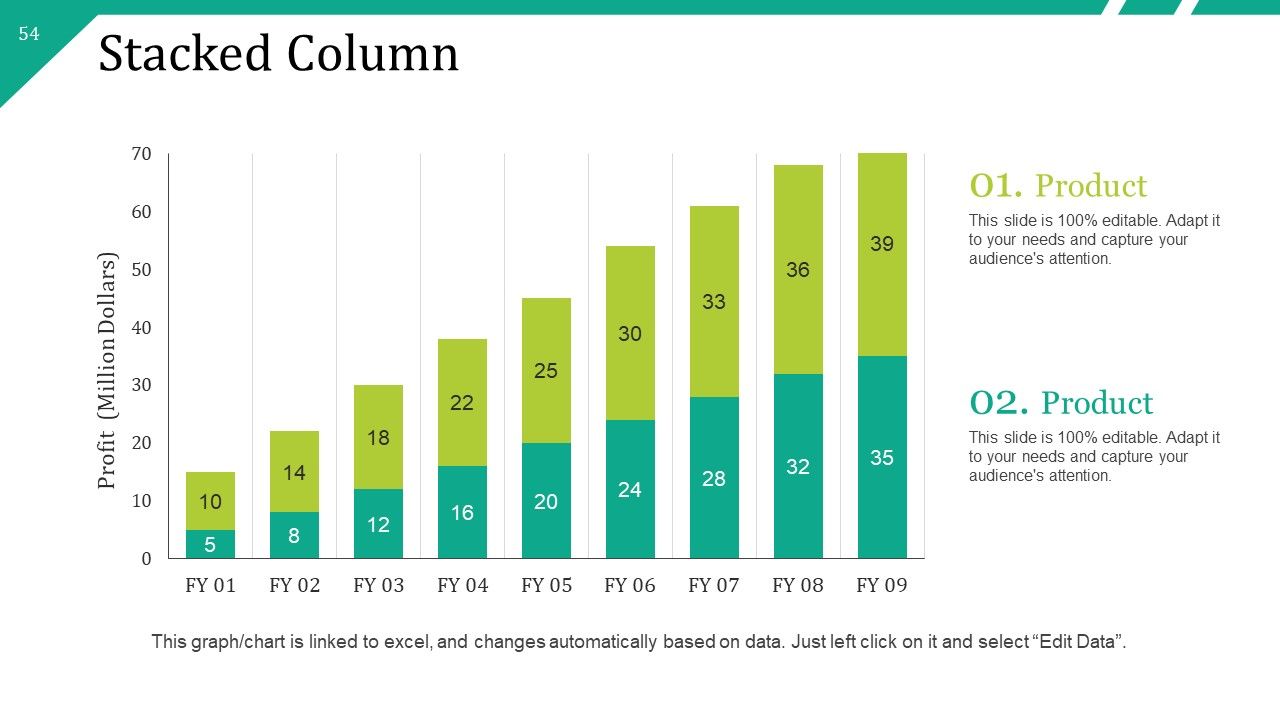
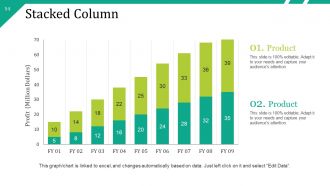
Slide 54: This is a Stacked Column graph slide. State specifications, comparison of products/entities here.
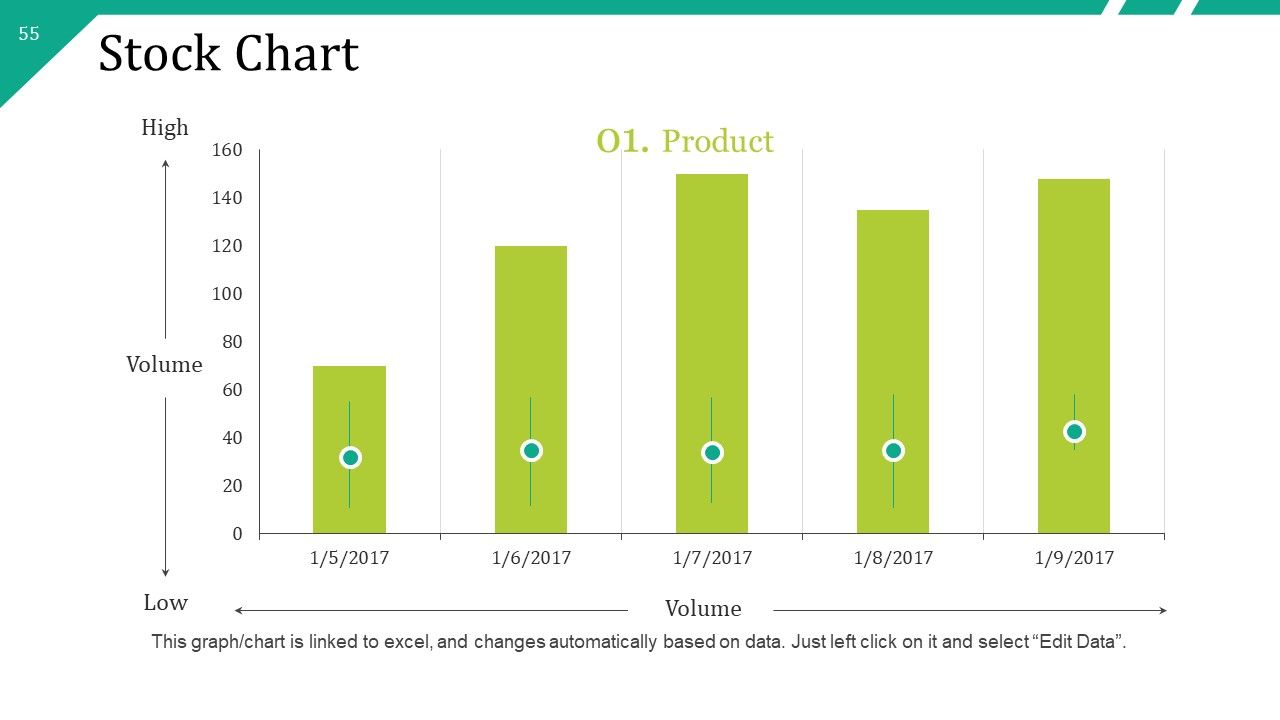
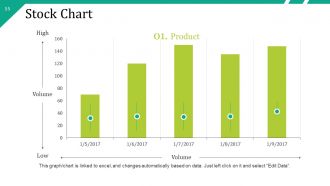
Slide 55: This is a Stock Chart slide. State specifications, comparison of products/entities here.
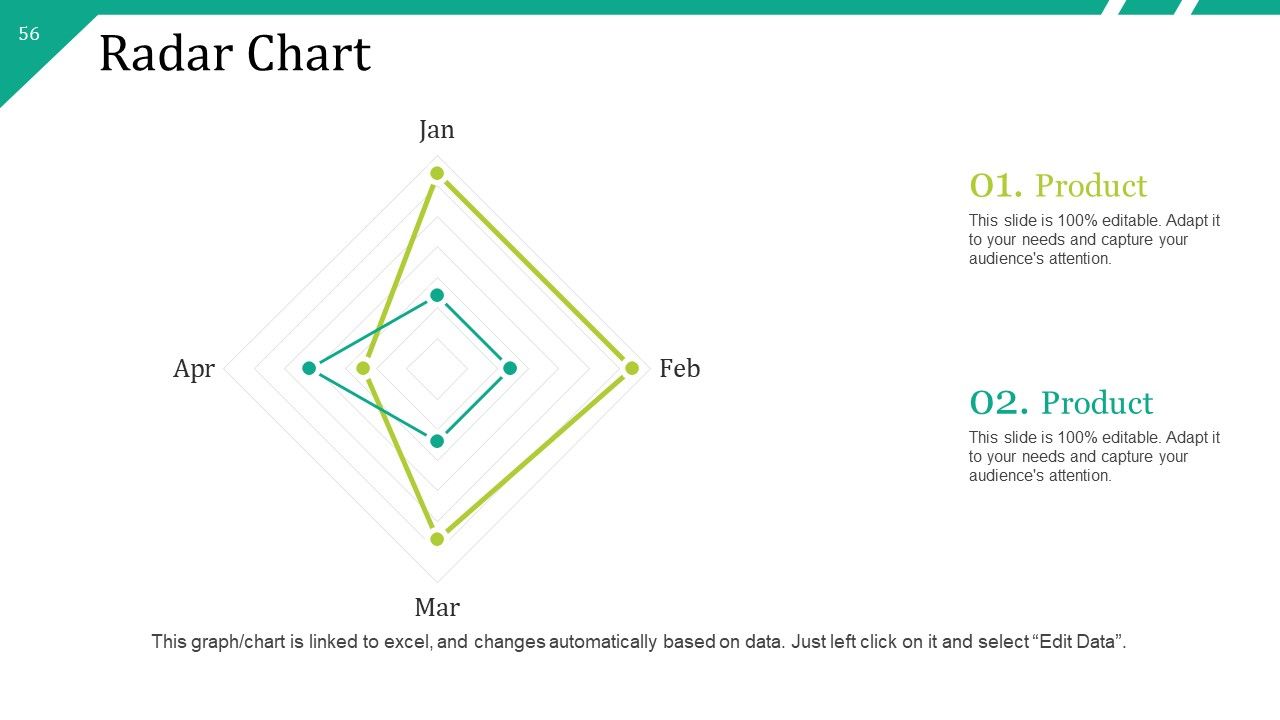
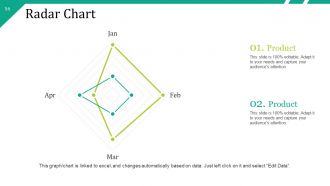
Slide 56: This is a Radar Chart slide. State specifications, comparison of products/entities here.
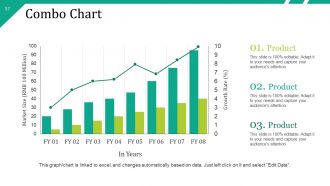
Slide 57: This is a Combo Chart slide. State specifications, comparison of products/entities here.
Slide 58: This slide is titled Additional Slides to move forward. You can change/modify the slide content as per need.
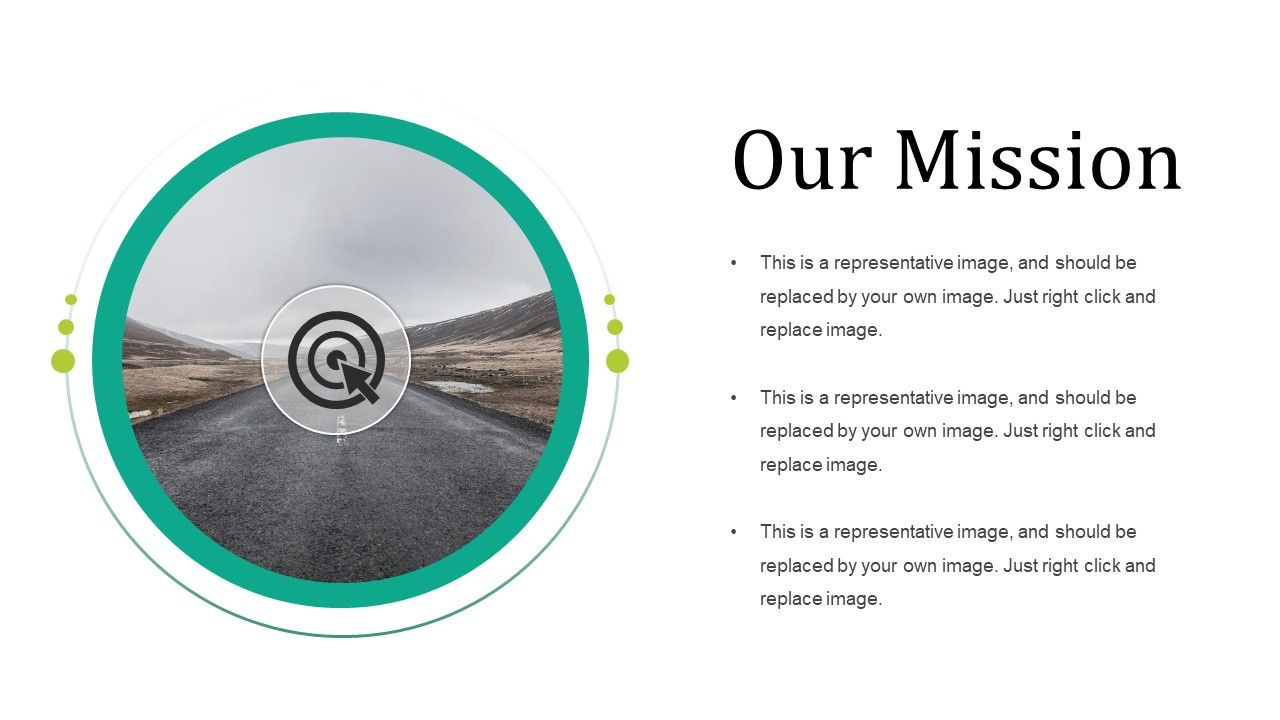
Slide 59: This slide showcases Our Mission. Show your company mission etc. here.
Slide 60: This is an About Us slide. State team/company specifications here.
Slide 61: This is Meet Our Team slide with names, designation and text boxes to fill information.
Slide 62: This is a Puzzle image slide. State information, specifications etc. here.
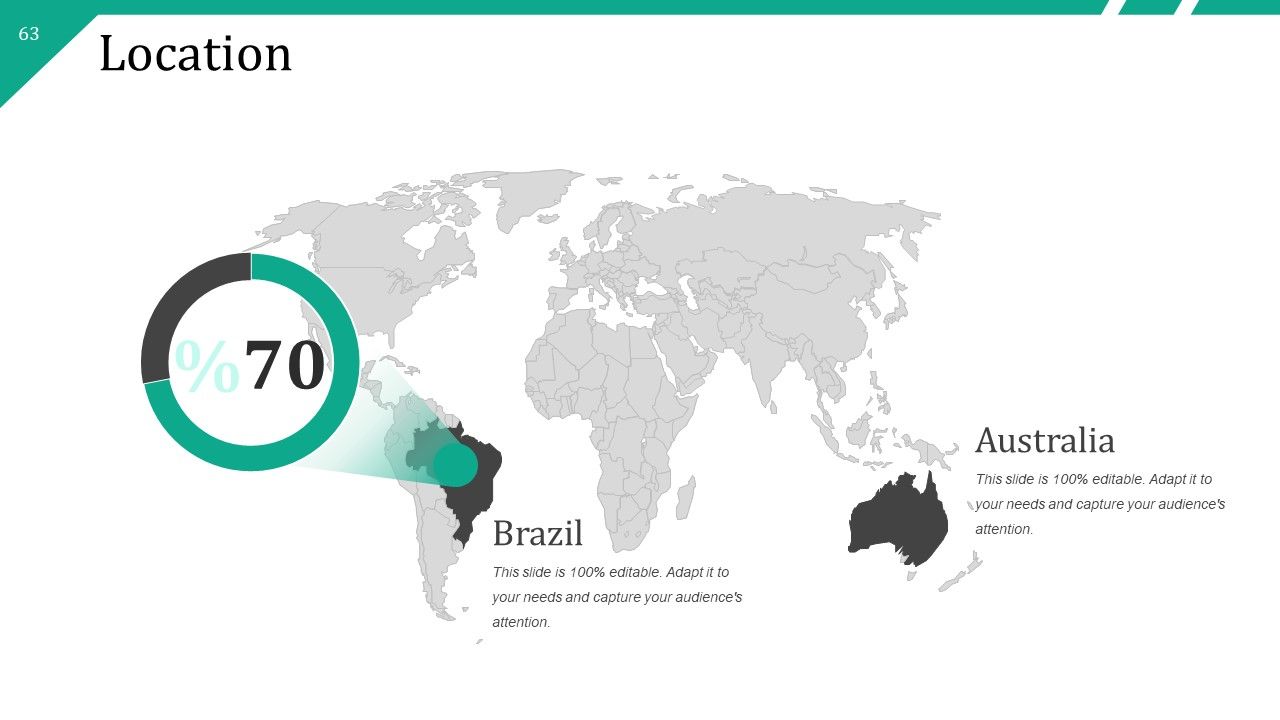
Slide 63: This is a Location slide of USA. Mark specific locations for company growth, market etc. here.
Slide 64: This is a Mind map image slide to show information, segregation, specifications etc.
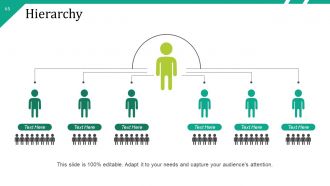
Slide 65: This is a Hierarchy slide. State team/department, organization information, specifications etc. here.
Slide 66: This slide shows Silhouettes with text boxes. State people specific information, specifications etc. here.
Slide 67: This is a Bulb idea slide to showcase innovative aspects, informative ideas etc.
Slide 68: This is a Post It slide to mark reminders, events or anything important.
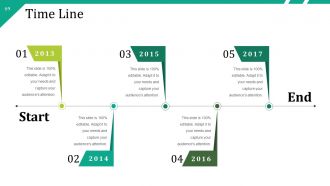
Slide 69: This is a Timeline slide to show company growth, milestones, evolution etc.
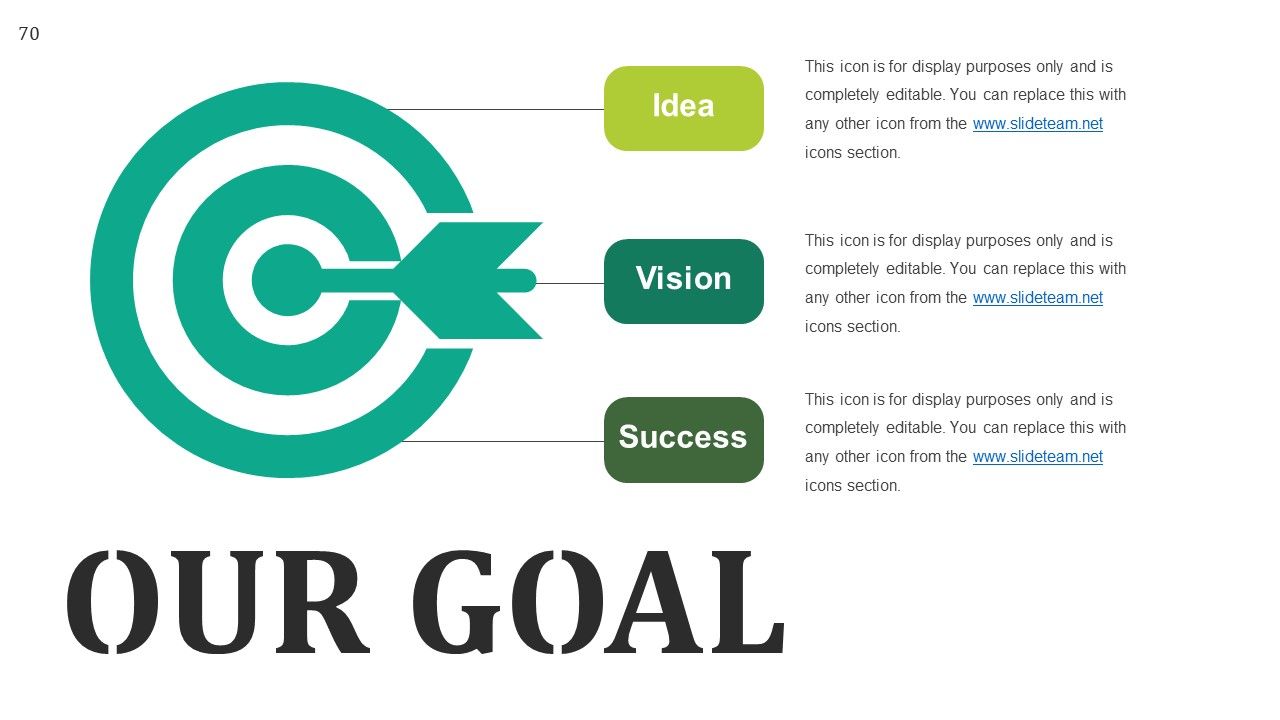
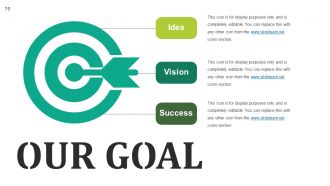
Slide 70: This is Our Goal slide showcasing Idea, Vision and Success factors to display.
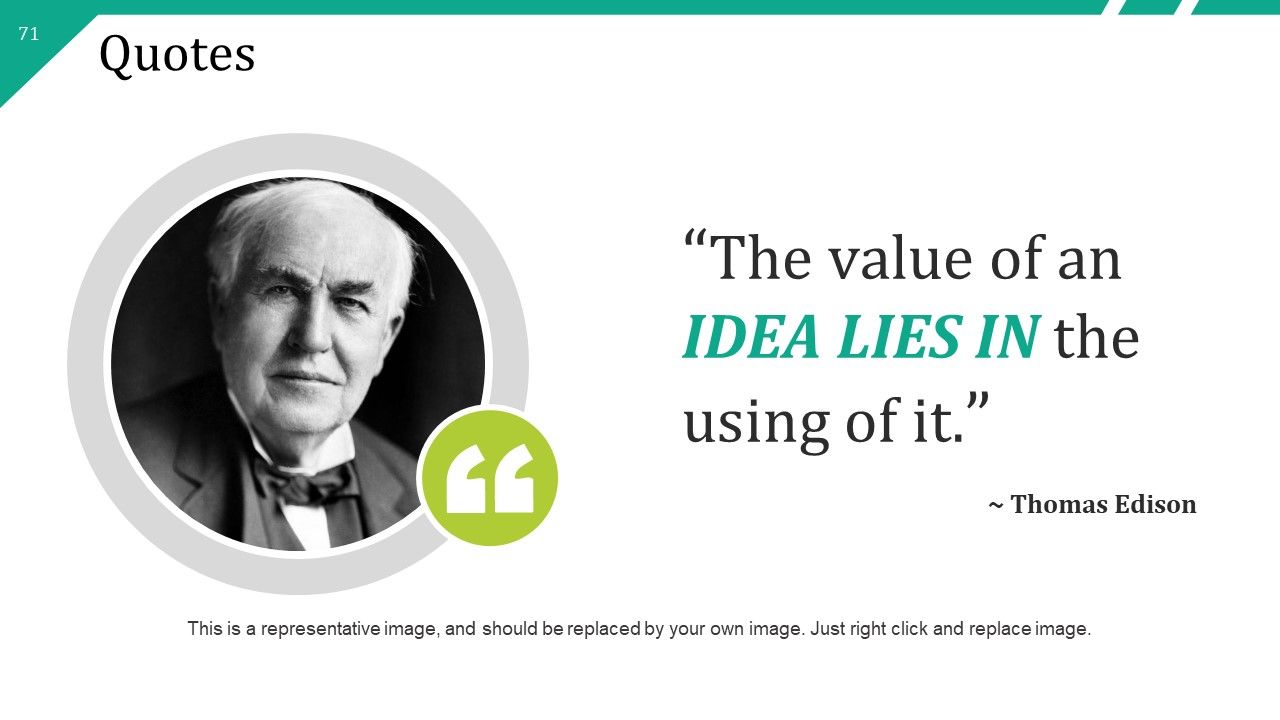
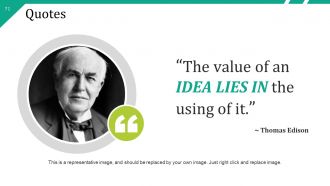
Slide 71: This is a Quotes slide to show something you want to convey. You may change the slide content as required.
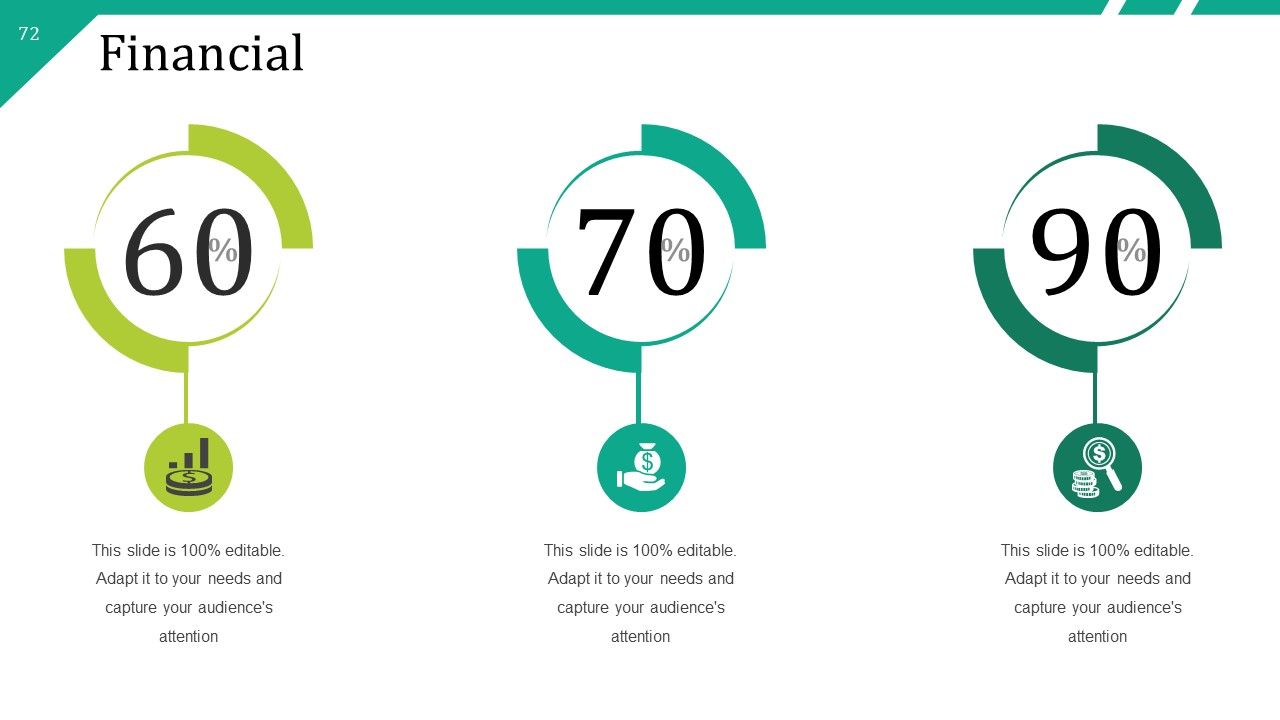
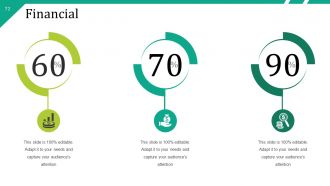
Slide 72: This is a Financial Highlights slide. State financial aspects etc. here.
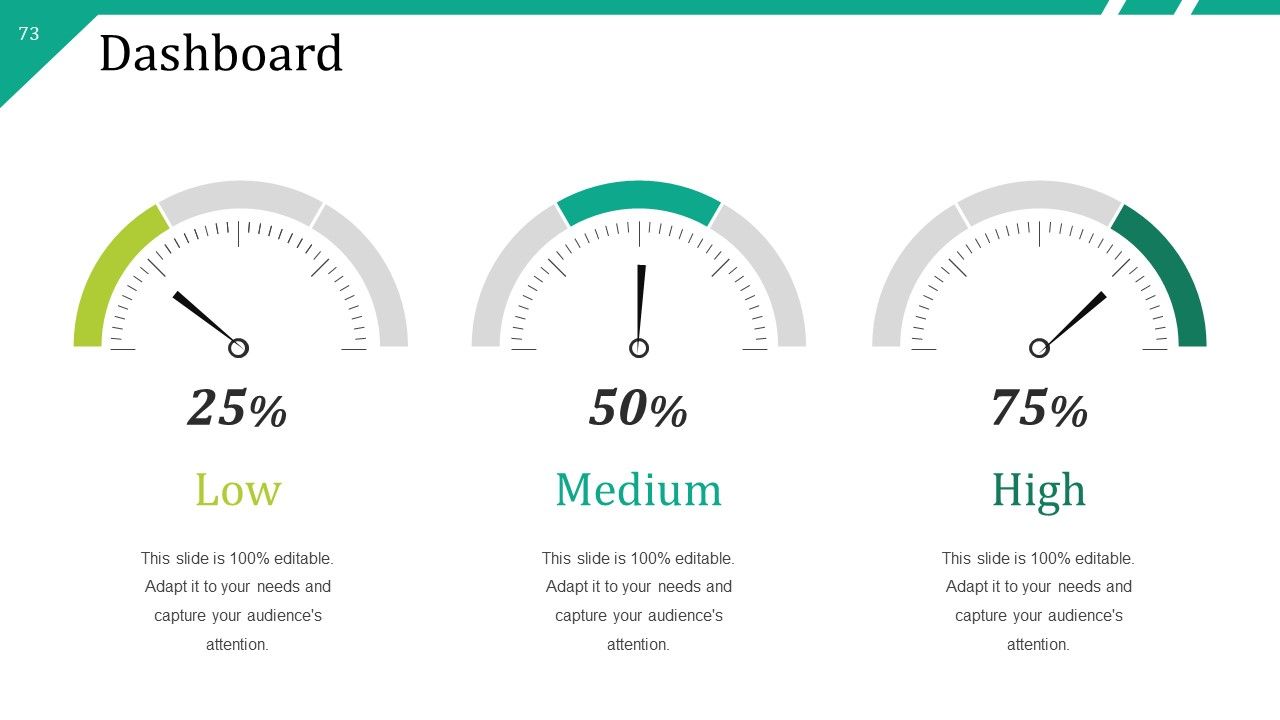
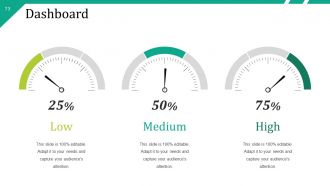
Slide 73: This is a Dashboard slide to state Low, medium and High aspects, kpis, metrics etc.
Slide 74: This is a Venn diagram slide to show information, specifications etc.
Slide 75: This is a Magnifying Glass image slide to show information, specifications etc. .
Slide 76: This is a Thank You slide with Address# street number, city, state, Contact Numbers, Email Address.
New Product Go To Market Roll Out Launch Process Flow And Steps Powerpoint Presentation Slides with all 76 slides:
Display your joy with our New Product Go To Market Roll Out Launch Process Flow And Steps Powerpoint Presentation Slides. Indicate your happiness at their achievement.
-
Visually stunning presentation, love the content.
-
Topic best represented with attractive design.
