


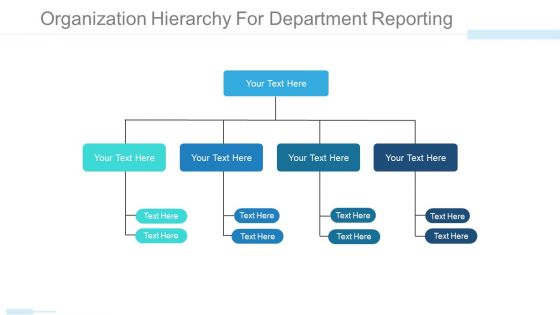
Hiérarchie de l'organisation pour les thèmes Powerpoint des rapports de département




Try Before you Buy Download Free Sample Product
 Impress Your
 Audience
 100%
100% Editable
 Save Hours
 of Time


Apportez une dimension supplémentaire avec nos thèmes Powerpoint de la hiérarchie de l'organisation pour les rapports de département. Ils permettent à de nouveaux concepts d'émerger.
People who downloaded this PowerPoint presentation also viewed the following :
Hiérarchie d'organisation pour les thèmes Powerpoint de rapport de département avec les 5 diapositives :
Fournissez une dose de votre expertise avec nos thèmes Powerpoint de hiérarchie d'organisation pour les rapports de département. Encouragez-les à développer leur art.


FAQs for Organization hierarchy for department
You need clear reporting lines first - who reports to who. Then nail down what everyone's actually supposed to be doing. Group similar functions together so it makes sense, and don't make people jump through crazy hoops to communicate. Honestly, most companies I've worked with totally overthink this stuff. Give people enough authority to make decisions at their level instead of having everything go up the food chain. Oh, and map out what you have now first - you'll spot the messy parts pretty quickly. The "why" behind your structure matters way more than making it look perfect on paper.
Yeah so basically the more layers your company has, the more stuff gets lost or watered down. It's like playing telephone - by the time info reaches the top or bottom, half of it's missing or wrong. Flatter companies are way better for this since there aren't as many people filtering everything. You gotta figure out your company's vibe though. Some places are cool with you jumping levels if something's urgent, others get weird about it. I learned this the hard way at my last job lol. Just watch how things flow around you and adapt.
Look, flat structures are great for quick decisions and communication - no playing telephone through 5 managers, you know? Your team gets way more autonomy too, which people usually love. But here's where it gets tricky: accountability becomes this weird gray area when there's no clear chain of command. I've seen it turn into total chaos honestly. Managers end up drowning with like 15 direct reports and can't give anyone real attention. Really depends on your company though. Startups? Perfect. Big corporation? Probably a nightmare waiting to happen.
Honestly, having clear hierarchy cuts through so much BS. People know who makes what decisions, so you're not sitting in meetings wondering "wait, can we actually decide this?" Decision-making gets way faster when everyone knows their lane and who to escalate to. The trick is actually telling people what they can decide on their own vs. what goes upstairs - don't just assume they'll figure it out from looking at the org chart (spoiler: they won't). You'll save yourself tons of those awkward "who's in charge here" moments.
Dude, hierarchy is such a double-edged sword when it comes to keeping people motivated. Clear advancement paths? Game changer - employees actually see where they're headed and stay engaged. But make it too rigid and you'll watch everyone's drive just... die. People hate feeling stuck or like they can't make real decisions about their own work. I've seen teams where nobody could do anything without approval from three different managers - nightmare fuel, honestly. You want just enough structure so people know who's calling the shots and how they can move up. Don't cage them in though. Think ladder, not ceiling.
Honestly? Mix up your teams with people from different levels - that's where the magic happens. Skip-level meetings work great too. But here's the thing - if people are terrified to speak up, you're screwed. Senior folks actually have to listen when junior people share ideas (revolutionary concept, I know). Don't route everything through endless approval chains because innovation just dies there. Oh, and create some psychological safety - nobody's gonna take risks if they're worried about the hierarchy crushing them. Maybe start small with one project where you can flatten things out a bit.
So remote work basically breaks down all those old hierarchy walls - junior people can ping the CEO directly now, which is wild. Middle managers can't really gatekeep info anymore when everyone's in the same Slack channels. Honestly, I love how much more accessible leadership becomes. Geography stops mattering for who talks to who. But you do have to work harder at keeping clear reporting structures, otherwise things get messy fast. The transparency is great though - just gotta balance it with actual accountability systems that still make sense.
Honestly, it's all about what fits your industry and culture. Tech companies love going flat - like startups where engineers report straight to VPs. Banking and manufacturing? Total opposite. They're super hierarchical with clear chains of command. Healthcare's weird because you've got clinical hierarchies (attendings down to residents) running alongside administrative ones. Creative agencies are kinda schizophrenic - they'll be all collaborative for projects but then have strict hierarchy for client stuff. Here's the thing though: your structure should match how work actually flows, not just copy what everyone else does. Makes way more sense.
Build hierarchy that bends instead of breaks. Give teams real decision-making power so not everything has to go up the chain - that's where things die. Cross-functional projects work great for breaking down those annoying silos. Honestly, the best companies I've worked with change their org charts way more than you'd think. Your managers should coach people, not just bark orders. Communication needs to flow both ways too. Oh and create frameworks that actually guide decisions instead of random rules that slow everyone down. Don't get married to your structure - what works today might suck in six months.
Honestly, the best thing about modern tools is you can set up those approval chains so stuff automatically goes to the right person. No more wondering if your boss even saw your email. Slack and Teams are pretty solid for this - your request just flows through the chain without all that back-and-forth nonsense. What I really love though? Those dashboards that show you exactly where your request is stuck. Like, is it sitting on someone's desk or actually being reviewed? Game changer. Just make sure whatever you pick plays nice with your current systems or you'll create more headaches than you solve.
Honestly, your company's culture is what makes the hierarchy feel super rigid or pretty chill. Collaborative places? People skip their boss and go straight to whoever can help - junior people actually speak up too. But traditional companies love their chains of command, everything has to go through "proper channels" which is honestly such a pain. Risk-averse places pile on approval layers. Innovative ones let people lower down make calls. Here's the thing though - check if your org chart actually matches how stuff gets done day-to-day, because there's usually a gap.
Start with weekly all-hands meetings - leadership needs to share updates and actually explain *why* they're making big decisions. Open up that org chart too so people can see how everything connects. Skip-level meetings are clutch here, lets employees talk directly to their manager's boss without the weird hierarchy stuff getting in the way. Oh, and make sure you can actually see the decision-making process happening, not just the final results. The companies I've seen nail this were super siloed before. Here's the thing though - if you promise quarterly updates, you better deliver every damn quarter or people will notice.
Yeah so your company's lifecycle stage basically determines how you should set things up. Startups? Everyone does everything - I've seen founders coding at 2am then pitching investors the next morning. Pretty wild honestly. Once you hit growth mode, you'll start adding layers and specialists because that scrappy approach stops working. Mature companies end up with all these departments and formal processes. Makes sense but can feel bureaucratic. Then if things go south, companies often strip back down to bare bones to survive. Just match your structure to where you actually are right now, not some idealized version.
Check how fast decisions actually get made - like how long approvals take bouncing between managers. Employee engagement surveys tell you a lot too. I'd also track if people can actually get promoted or move around internally, since bad hierarchies create those annoying bottlenecks. Communication flow matters big time - is info getting stuck somewhere? Oh, and look at management costs vs actual work getting done. Honestly, duplicated work across levels drives me crazy but it's super common. Pick maybe 2-3 things that bug you most and check quarterly.
Honestly? Start by cutting out those middle management layers that just shuffle papers around. Cross-functional teams work way better - let them actually make decisions instead of waiting for seventeen approvals. Getting leadership to loosen their grip is the real nightmare though. Give teams clear goals and metrics, then back off on the micromanaging. I'd run a pilot first with maybe one or two teams to show it actually works. Oh, and prepare yourself - changing people's mindsets is going to be way harder than redrawing the org chart. Most people hate giving up control, even when it's obviously not working.
-
Much better than the original! Thanks for the quick turnaround.
-
Awesomely designed templates, Easy to understand.