


Organizational Structure Of Start Up Bakery Business Bake Shop Business BP SS




Try Before you Buy Download Free Sample Product
 Impress Your
 Audience
 100%
100% Editable
 Save Hours
 of Time


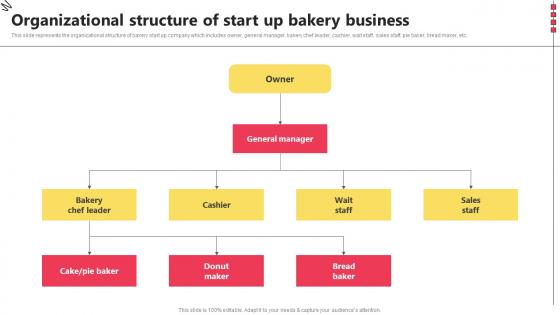
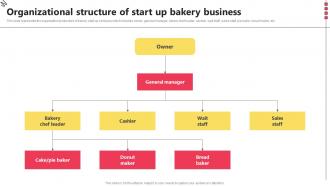
This slide represents the organizational structure of bakery start up company which includes owner, general manager, bakery chef leader, cashier, wait staff, sales staff, pie baker, bread maker, etc.
People who downloaded this PowerPoint presentation also viewed the following :
Organizational Structure Of Start Up Bakery Business Bake Shop Business BP SS with all 9 slides:
Use our Organizational Structure Of Start Up Bakery Business Bake Shop Business BP SS to effectively help you save your valuable time. They are readymade to fit into any presentation structure.








FAQs for Organizational Structure Of Start Up Bakery Business Bake Shop
So basically, functional means grouping people by what they do - like putting all the marketing folks together, all the engineers together, whatever. Divisional is more about organizing around products or regions instead. Functional's awesome when you need people to get really specialized and learn from each other. Google did this early on and it worked well. But divisional makes more sense when teams need to focus on specific markets - P&G does this with their different brands. Honestly, it comes down to whether you want deep expertise or quick responses to market changes. Most places end up mixing both approaches anyway because pure anything rarely works in the real world.
Honestly, your org structure makes or breaks workplace vibes. Too many layers? People feel voiceless and checked out. Flatter setups work way better - employees actually feel heard and can talk to the people making decisions. I've watched this happen at like three different companies now, it's crazy how much it matters. Open communication paths built into your structure will boost morale naturally. Oh and definitely map out how info actually moves around your place right now - not how it's supposed to, but how it really works. That'll show you where things get stuck.
Think of your org structure like plumbing for info flow. Flat companies? Way faster communication since you're not waiting around for five different approvals. Hierarchical setups create those annoying bottlenecks we all know and hate, but at least you know exactly who to bug when things go wrong. Here's the thing though - if you're constantly going around your org chart just to get basic stuff done, something's broken. Look at where communication dies most often in your company. That's usually where your structure isn't working for you.
Honestly, flat structures are game-changers because you cut out all that middle management bureaucracy. People can actually talk to each other instead of waiting forever for approvals to bounce around. Ideas flow way better when there's no weird hierarchy blocking everything - like, why should good communication get stuck behind someone's title, you know? Everyone feels more equal so they speak up more. Oh, and departments stop being these isolated silos. If you're considering it, I'd look at which approval processes are the biggest pain points first. Those are usually the easiest wins to start with.
Honestly, start with your team size and how fast you're planning to grow - that's your baseline. Most companies add way too many management layers early on, which is just bureaucracy waiting to happen. Figure out if you need separate departments or if cross-functional teams make more sense for how you actually build stuff. Your funding round matters here since it dictates scaling speed. Remote vs in-person changes everything too - some structures just don't work distributed. Build simple first. You can always add complexity later, but removing it? That's a nightmare.
Honestly, it all comes down to who's calling the shots and how quickly stuff gets done. Flat orgs are great - decisions happen fast because you're not waiting for five different people to sign off. Hierarchical ones? They can be a nightmare for speed, but at least you get consistent decisions across the board. The trick is figuring out what actually works for your business. Fast-moving industry? Too many approval layers will absolutely crush you. I'd map out how decisions currently flow through your company and spot where things get stuck. That'll tell you everything you need to know.
Matrix structures let people report to both a functional manager AND a project manager - so you get specialized expertise plus project focus. Resource sharing works better, communication flows faster between departments, and your team picks up more diverse skills. The downside though? Total chaos if you're not careful. People get confused about who's actually in charge, managers start battling over priorities, and employees feel pulled in different directions. My old company tried this once and it was... messy. If you go this route, spell out everyone's roles super clearly from day one and set up solid communication channels. Otherwise you'll just create headaches.
Dude, remote work totally messes with the whole hierarchy thing. Physical barriers disappear, so does all that formal meeting BS. Middle management becomes way less important when teams can just collaborate directly online. Decisions happen so much faster without people having to get approval from like 5 different people in person. Managers end up handling way more people across different time zones though - that part's rough. The old school "do what I say" management dies and gets replaced with focusing on actual results. Honestly, you should probably look at your current setup and figure out which management layers actually do something useful vs just creating more paperwork.
Honestly, don't try to flatten everything at once - that'll just create chaos. Pick your key decision-makers and start pushing authority down to the teams actually doing the work. Cross-functional groups beat siloed departments every time (trust me on this one). Give people clear goals but let them figure out how to hit them. Oh, and here's the thing most companies mess up - don't just axe your middle managers. Train them to be coaches instead. They can actually become your biggest supporters if you handle it right. Focus on what teams accomplish, not how many meetings they attend.
Look, here's the deal - if your company structure doesn't match what you're actually trying to do, you're screwed. Like if you need to move fast and innovate but have to get approval from 5 different people for everything? Good luck with that. When things line up properly, info flows better and decisions actually happen. People can focus on getting stuff done instead of fighting through red tape all day (which honestly drives everyone nuts). Your structure should make hitting your goals easier, not turn it into some obstacle course. Worth checking every so often if your setup is helping or just getting in the way.
Yeah, flat structures are way better for innovation - ideas don't get stuck waiting for approval from like ten different people. Decision-making happens fast, which is huge. Hierarchical places can be innovation killers honestly, especially when every decent idea has to crawl up the chain first. Though I've seen some that work if they actually give teams room to breathe and make calls on their own. Adaptability? No contest - flat wins. You can change direction without getting three manager signatures first. If you're stuck in traditional hierarchy hell, at least push for clearer paths where teams can act without endless approvals.
Honestly, start with decision-making speed - how long does it take to get approvals or fix problems between departments? That's usually where you'll spot the biggest issues. Employee engagement scores are solid too since they show if people actually feel empowered or just stuck. Check your span of control metrics to see if managers are drowning or bored. Communication effectiveness matters, though let's be real, something's always broken there. Oh, and track whether teams actually collaborate cross-functionally instead of just staying in silos. Pick maybe 2-3 of these based on whatever's driving everyone crazy right now.
So here's the thing - when you're under 50 people, a flat structure works great. Everyone just reports to you or maybe a couple managers. Past 100-200 employees though? You're gonna need more layers and departments because managing that many people directly is impossible (learned this the hard way at my last job). Big companies need formal hierarchies and specialized roles to actually function. Don't wait until everything's falling apart - start rethinking your structure right when you hit those growth points.
Cross-functional teams tear down those department walls, which is great but also kinda chaotic. Decision-making speeds up since everyone's already there. Different perspectives mixing together? That's where the real innovation happens. The downside though - accountability gets weird. People end up confused about whether they answer to their regular boss or the project leader. I've seen teams waste so much time just arguing about who's actually running things. You really need to nail down roles from day one and figure out how these teams fit with your normal structure, or you'll be dealing with turf wars left and right.
So you want tech to flatten things out? Smart move. Start by figuring out where info gets stuck in your current setup - that's usually where you need the most help. Automation handles the boring decisions, dashboards give teams direct data access, and suddenly you don't need three managers just moving emails around. Slack actually works better than people think for breaking down those annoying department walls. Just don't go overboard with tools or you'll create more mess. The goal is connecting people, not drowning them in new software they'll hate.
-
Innovative and Colorful designs.
-
Editable, diversified, compatible with MS PPT and Google Slides, and on top of that finest graphics!! I mean in the words of the famous Ross Geller, “What more do you want!”