Organizational structure powerpoint slide design templates

Rating:
90%
Organizational structure powerpoint slide design templates
Slide 1 of 5
Favourites Favourites

Try Before you Buy Download Free Sample Product

Audience Impress Your
Audience
Editable 100%
Editable
Time Save Hours
of Time
The Biggest Sale is ending soon in
0
0
:
0
0
:
0
0
Rating:
90%
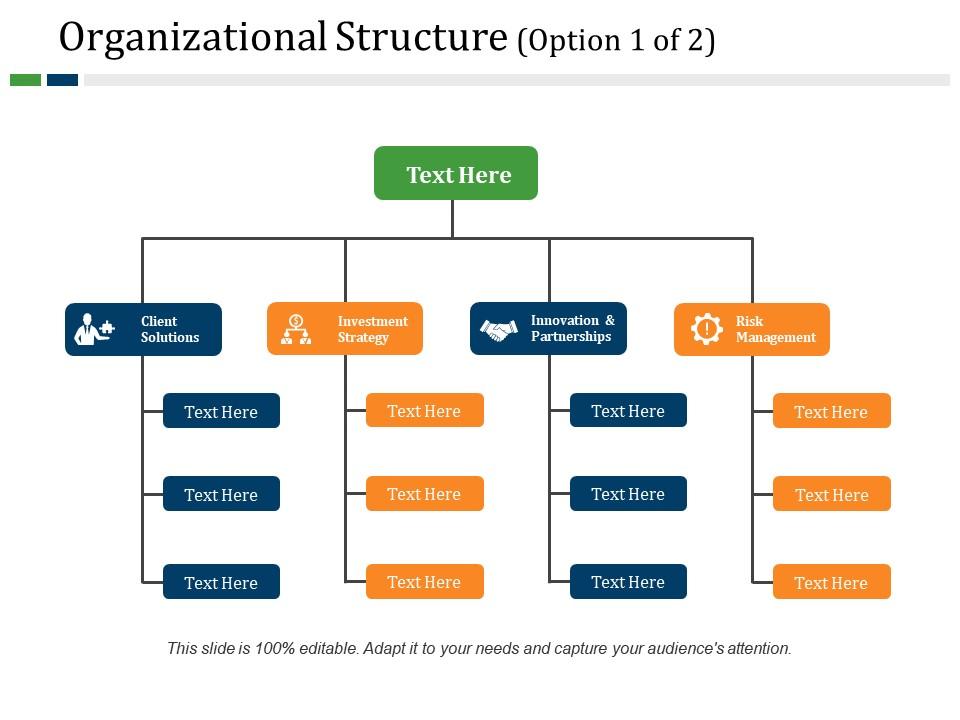
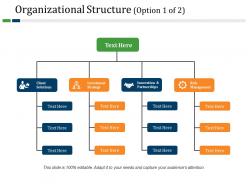
Presenting this set of slides with name - Organizational Structure Powerpoint Slide Design Templates. This is a four stage process. The stages in this process are Client Solutions, Investment Strategy, Innovation And Partnerships, Risk Management.

FAQs for Organizational structure powerpoint

So basically, functional means you've got one boss in your department - marketing reports to marketing head, finance to finance, etc. Pretty straightforward. Matrix is where it gets weird because you're reporting to like two people at once - your department manager AND some project lead. Honestly? Matrix can be a total headache when priorities clash and you're not sure whose orders to follow first. But it does break down those annoying department silos. If your company does tons of projects that need different teams working together, matrix probably makes sense. Otherwise just stick with functional and save yourself the confusion.

So basically these templates stop that whole "uh, who do I even ask about this?" mess that happens all the time. Everyone knows who reports to who, which makes everything way smoother. No more sending the same email to like five different people or having stuff fall through the cracks. You can spot communication problems early too, which is honestly a lifesaver. The best part? You set up regular check-ins between teams and different levels, so info actually moves around instead of getting stuck somewhere. Makes the whole place run better without all that weird confusion about who's in charge of what.

Flat structures are perfect for startups, creative agencies, or tech teams that need to move fast. Works best with small teams (under 50) who are skilled and don't need micromanaging. If you're in an industry where quick pivots beat rigid processes, it's golden. Fair warning though - it feels messy at first if you're used to clear hierarchies. I actually think that's part of what makes it work. Your people need to be self-motivated and good communicators. When that clicks, you get way faster decisions and way less red tape.

Dude, culture trumps everything when picking org structure. Got a collaborative, innovative team? Go flat with cross-functional groups. More traditional, process-heavy vibe? Stick with hierarchy. I swear, most reorgs crash and burn because they ignore this - seen it way too many times. Your structure has to match how people actually communicate and get stuff done. Fighting against your culture is like... swimming upstream but worse because it's expensive. Map your values first, then find a template that fits. Don't force it the other way around.

Remote team structures are way more about results than who sits where in the office hierarchy. You need flatter setups with small cross-functional groups since nobody can just walk over and ask questions anymore. Role clarity becomes huge - like, really define what everyone does. Each team should have someone specifically handling collaboration stuff because things slip through the cracks so easily when people are scattered. More check-ins and syncs are non-negotiable, even if they feel excessive at first. Honestly though, look at how your team actually talks to each other now before picking any template. Work with their natural flow instead of forcing some textbook structure on them.

Look at who you actually have on your team right now - don't build an org chart for imaginary people. Your funding stage matters too since you can only afford so many managers. Tech companies need totally different setups than, say, manufacturing businesses. How fast are you planning to grow? That'll determine if you need flexibility built in early. Your founders' personalities play a huge role here honestly - the structure usually ends up reflecting how they like to work anyway. Keep it simple at first. You can always add layers later when things get messy enough to actually need them.

Honestly, visual org charts are a game-changer. Color coding different departments makes everything so much easier to follow - no more squinting at endless text trying to figure out who reports to who. I always use different box sizes for hierarchy levels and switch between solid/dotted lines for direct vs indirect relationships. Grouping related teams together spatially helps too. Oh, and adding little photos or icons makes people actually remember the roles instead of forgetting two seconds later. Just grab a simple template and customize the colors to match your departments. Trust me, you'll spend way less time explaining things to people.

Honestly? The focus thing is huge - when teams own their numbers, they actually care about results. No more waiting around for shared resources or dealing with endless approval chains. Each division can pivot fast and do what makes sense for their market. Performance becomes crystal clear too. Like, you'll know exactly which teams are crushing it and which ones need help instead of everything being this murky mess. Works great if you're in different industries or have products that need totally different approaches. Just don't let them become weird isolated kingdoms that never talk to each other.

So org structure templates are basically lifesavers - they map out who's doing what so you don't get that awkward "wait, I thought YOU were handling that" moment mid-project. Super helpful for setting up reporting chains and decision-making stuff without reinventing the wheel each time. I swear half the project disasters I've witnessed could've been avoided with clear role assignments from day one. They make it way easier when you're bringing new people onto the team too. Stakeholders get it right away. Oh, and definitely pick one that matches how complex your project actually is - don't overthink it.

Ugh, people hate change - that's your biggest headache right there. Everyone gets cozy with the old way and suddenly you're the villain shaking things up. Communication goes to hell fast too. Half your team won't know who they report to anymore, the other half will be confused about decision-making. Timeline? Yeah, whatever they told you, double it. You'll probably discover skill gaps where the new setup needs stuff your team can't actually do yet. Honestly, just talk to everyone constantly during the switch - like, annoyingly often. Write down the new structure super clearly so nobody can claim they didn't know.

Oh totally, your org structure makes a huge difference in motivation. Flat structures work great - people feel heard and can actually make decisions without going through five layers of approval. Traditional hierarchies though? They often leave employees feeling super disconnected from leadership. Matrix structures are honestly a mixed bag. Sure, varied projects keep things interesting, but good luck figuring out who you're supposed to report to (I swear my last job had like three "bosses" for one project). You should map out how decisions actually get made in your company. Bet you'll find where people are getting frustrated or ignored.

Dude, you've gotta ditch those static org charts and go digital. Interactive software automatically updates when people switch roles - no more outdated PowerPoint slides floating around. I've been using Lucidchart lately and it's honestly a game changer. Cloud-based tools let everyone collaborate without that nightmare of emailing versions back and forth (we've all been there). The cool part? You can click on people's boxes to see job descriptions and contact info. Plus HR systems can feed data directly into these things. Oh, and you'll actually see how people use the structure versus what's on paper. Trust me on this one.

Yeah, so regional differences totally change what structure makes sense. Different regulations, customer wants, business cultures - all that stuff means you probably want more decentralized setup with regional teams calling their own shots. I've watched companies crash and burn trying to copy-paste the same structure everywhere, it's brutal. But if your markets are pretty similar or you're watching costs like a hawk, centralized works better. Really comes down to figuring out how much local tweaking you actually need vs just running things efficiently from one spot.

Check them every 6 weeks if you're growing quickly - quarterly is too slow honestly. I'd set up regular chats with your department heads since they'll catch when people are juggling roles that aren't on paper yet. Major hires or departures? That's when things shift fast and your templates get outdated. Document the gaps between what's happening vs what your template shows. Those mismatches are your biggest red flag. Also, after big project launches since workflow changes. Just throw it on your calendar like any other review - templates that don't match reality are basically useless.

Dude, these templates are honestly game-changers when you're scaling up. You get clear reporting lines and role hierarchies without starting from scratch each time. It's like having a blueprint ready to go. When you suddenly need to hire 20 people (which happens faster than you think), you're not sitting there wondering who reports to whom. The structure just... works. Saves you from those super awkward moments where nobody knows who's making decisions. Even if you're tiny right now, sketch out what you'd want your bigger team to look like. Trust me on this one.

Ratings and Reviews

90% of 100
Review Form
Write a review
Most Relevant Reviews
  1. 100%

    by Li Stewart

    Use of icon with content is very relateable, informative and appealing.
  2. 80%

    by Callum Gonzalez

    Really like the color and design of the presentation.

2 Item(s)

per page: