


Presentación de diapositivas de marketing farmacéutico




Try Before you Buy Download Free Sample Product
 Impress Your
 Audience
 100%
100% Editable
 Save Hours
 of Time


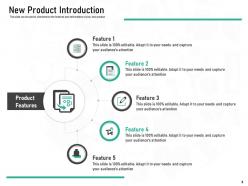
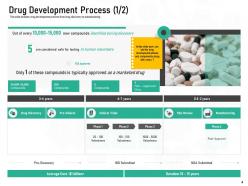
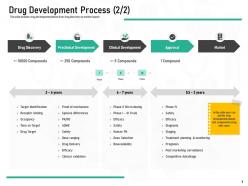
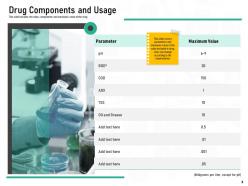
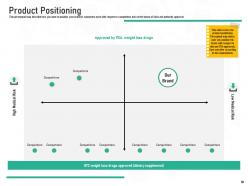
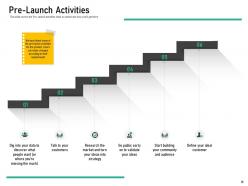
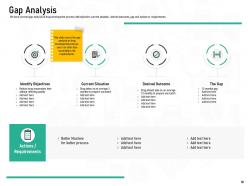
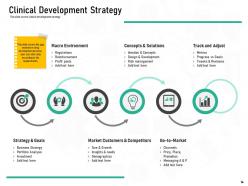
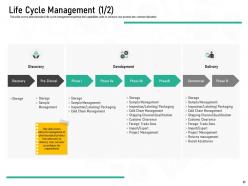
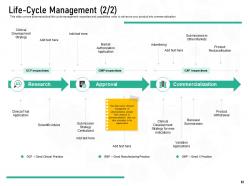
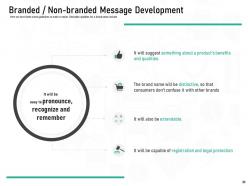
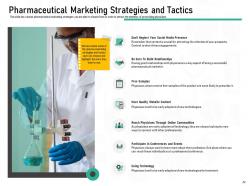
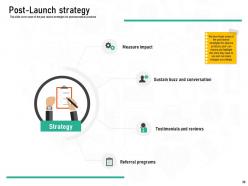
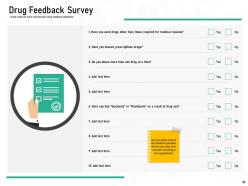
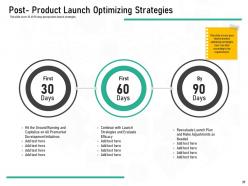
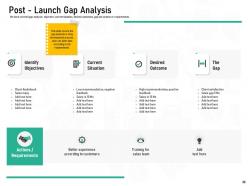
Presentación de diapositivas de PowerPoint de Pharmaceutical Marketing. La presentación contiene varias plantillas que describen la descripción general de la empresa, la introducción del producto, la planificación del lanzamiento del producto, el posicionamiento del producto, las actividades previas al lanzamiento, el desarrollo de mensajes con y sin marca, la gestión del ciclo de vida, la estrategia de desarrollo clínico, el análisis de brechas, la estrategia previa al lanzamiento, las estrategias y tácticas de marketing farmacéutico, la estrategia posterior al lanzamiento, la encuesta de retroalimentación de medicamentos, los indicadores clave de desempeño, etc. La presentación de ventas farmacéuticas PPT analiza adecuadamente la visión, la misión y las diferentes características de la organización. Analice el proceso de desarrollo de medicamentos con la ayuda de nuestra presentación de diapositivas de marketing farmacéutico disponible. Analice los parámetros y el valor máximo de las sales incluidas en el medicamento. Presente la planificación del lanzamiento del producto y el posicionamiento del producto con la ayuda de este conjunto de diapositivas de gestión farmacéutica fácil de usar. Además, demuestre las estrategias previas y posteriores al lanzamiento de los productos farmacéuticos. También cubra el análisis de brechas del proceso de desarrollo de medicamentos con objetivo, situación actual, resultados deseados.
People who downloaded this PowerPoint presentation also viewed the following :
Contenido de esta presentación de Powerpoint
Desde la idea conceptual de una molécula como un ajuste adecuado como medicina para una enfermedad humana particular hasta su lanzamiento en el mercado, es un largo camino. En el mejor de los casos, un medicamento eficaz de una gran compañía farmacéutica tarda más de diez años, generalmente 15. También implica un gasto total de más de $1.5 mil millones durante este período, incluidos los proyectos abandonados.
El marketing farmacéutico merece una mirada multifacética para que las empresas muestren su singularidad en un mundo plagado de competencia.
Por lo tanto, el marketing farmacéutico no es para los débiles de corazón. Requiere conocimientos de marketing, la ciencia del descubrimiento y desarrollo de medicamentos, y la capacidad de aceptar comentarios.
Los planes de marketing para las industrias farmacéuticas son importantes para garantizar que las compañías farmacéuticas puedan progresar y crecer a un ritmo rápido.
Incluso cuando lo entendemos, la mayoría de las partes interesadas no comprenden la mecánica básica de la fabricación farmacéutica, especialmente cuando los medicamentos se fijan para recuperar todos estos costos.
Asegurar que el negocio transmita su punto de vista es difícil, pero con SlideTeam se vuelve mucho más fácil. Proporcionamos plantillas de PPT listas para usar que explican y detallan la fabricación farmacéutica para el público en general y las personas orientadas a los negocios. El objetivo es resolver el principal punto crítico del negocio farmacéutico de comunicar el esfuerzo realizado en el descubrimiento de medicamentos y que esto solo se puede hacer con el apoyo público y gubernamental. También mostramos los pasos en la fabricación farmacéutica y el rigor involucrado en la fabricación científica.
¡Exploremos las PPT ahora!
Presentación de diapositivas de PowerPoint sobre marketing farmacéutico con las 40 diapositivas.
Nuestras diapositivas de presentación de marketing farmacéutico le ayudarán a ahorrar tiempo valioso. Están listas para adaptarse a cualquier estructura de presentación.








FAQs for Pharmaceutical marketing
Ugh, FDA regs are the worst part honestly. Getting promotional claims approved is a nightmare, and don't even get me started on medical-legal reviews - they take forever. Digital ad rules change constantly too, which is super annoying. Off-label promotion stuff will trip you up if you're not careful. Plus fair balance requirements across every channel... it's a lot. Oh and adverse event reporting - can't forget that mess. My biggest tip? Make friends with your regulatory people ASAP. Like, buy them coffee. And always add extra weeks to your timeline because compliance reviews drag on way longer than you think.
So digital pharma marketing is way more precise than the old school stuff. You can actually target doctors based on their specialty and prescribing habits instead of just throwing ads at everyone. Real-time compliance monitoring is huge now - no more waiting around for print approvals. The coolest part? You get instant feedback on what's working. Traditional journal ads took forever to show results. Plus you can have actual conversations through webinars and social media rather than just shouting into the void. Honestly, I'd start by checking your compliance processes first - that's where most companies screw up.
Dude, patient stories are gold in pharma marketing. They turn boring clinical data into something doctors can actually connect with - way more powerful than just throwing numbers around. Conference presentations, sales decks, you name it. Just heads up though, the compliance stuff is a total nightmare compared to other industries. Tons of approval hoops to jump through. For rare diseases especially, these case studies are clutch since most docs have barely seen these conditions. My advice? Always bug your team about finding good patient stories to back up your clinical evidence. Makes everything way more compelling.
Skip the pushy sales stuff - educational content is where it's at. Disease awareness, patient stories, health tips that actually help people. LinkedIn's your best bet for doctors, Facebook and Instagram work better for patients. Oh and heads up, the FDA literally watches everything pharma posts (learned that the hard way), so legal review is non-negotiable. Honestly, being genuinely useful beats being salesy every time. Figure out where your audience hangs out online first, then create stuff they'd actually want to read. It's pretty straightforward once you get the hang of it.
Look, patient safety has to come first - no exceptions. Present the real deal: benefits AND risks, don't cherry-pick data to make your drug seem amazing. The FDA will absolutely wreck you for misleading efficacy claims or hiding serious side effects. Different audiences need different approaches too. Consumer ads vs. doctor materials? Totally different ethical rules. Honestly, I always think about whether I'd be okay with my mom seeing this kind of marketing for her meds. If it feels sketchy for family, it's probably sketchy period.
So basically, analytics lets you get way more specific with targeting than just looking at basic demographics. Instead of that old shotgun approach, you can actually figure out which doctors are most likely to prescribe what you're selling and when they're actually paying attention. Plus you can track which channels are worth your money - honestly, some of the data patterns are pretty surprising. The real magic happens when you combine prescription records with engagement stuff and behavioral data. Makes your campaigns way more targeted and actually moves prescribing habits instead of just burning budget.
Look, educating physicians is honestly your best bet for pharma marketing. Forget the pushy sales stuff - when docs actually understand your drug's mechanisms and data, they become real advocates instead of just rolling their eyes at you. I've seen companies waste tons on fancy brochures when they should've invested in solid educational content and peer-to-peer programs. The results speak for themselves: better adoption rates, smarter prescribing, and way stronger relationships. It's basically relationship building disguised as education, and it works so much better than traditional pitches.
Honestly, you've gotta be super transparent first - like share your trial data, explain how everything actually works, don't hide the messy stuff about side effects or costs. Third-party validation is huge here. Partner with legit patient groups and doctors who can back you up, because nobody trusts what pharma companies say directly anymore (and honestly, can you blame them?). Dump money into real educational content that doesn't scream "marketing." Disease awareness stuff, funding research. The whole point is showing you actually care about helping people, not just making bank. Start by figuring out where you're being sketchy in your current messaging.
Honestly? Your reputation is everything in pharma. The FDA doesn't mess around - they're watching constantly, and misleading info means huge fines and legal headaches. Doctors are way more skeptical these days too (can't blame them). Being upfront about clinical data, side effects, all the messy details? That's how you actually build trust with healthcare providers. They want to work with companies that give them straight answers. Oh, and always over-disclose rather than hiding stuff - learned that one the hard way from watching other companies get burned.
Honestly, personalized medicine is where everything's headed now. Companies are ditching those generic campaigns for stuff that's actually tailored to genetic profiles and patient data. COVID basically fast-tracked the whole digital thing too - social media partnerships, telehealth integrations, all that. AI's getting pretty good at predicting which doctors to target. There's also this big swing toward patient advocacy in campaigns, which makes sense I guess. Oh, and real-world evidence is huge now. My take? You should mess around with omnichannel stuff because that old-school rep model isn't cutting it anymore. Younger doctors especially don't respond to it the same way.
Ugh, global regs are such a pain - you basically have to start from scratch for every region. Europe's way more strict than the US with DTC ads. Different countries want totally different approval processes, and some just ban certain promo materials completely. The clinical data presentation rules? Super specific and annoying. Honestly though, don't even try adapting one campaign globally - I learned that the hard way. Build separate strategies for each market instead. Oh, and map out your priority markets' regulatory stuff first before you do anything else.
Pharma influencers are everywhere these days and honestly, they work really well. People trust patient advocates and healthcare pros sharing their actual experiences way more than boring traditional ads. It makes conditions feel less scary and more relatable, you know? Mental health campaigns especially benefit from this approach. Lifestyle influencers are getting in on it too - they're great at breaking down stigma around chronic diseases. Just heads up though, FDA disclosure rules are super strict for pharma partnerships. Your team better know those guidelines backward and forward or you'll be in trouble fast.
Honestly, market research is like having a GPS instead of just winging it with your pharma campaigns. You'll actually know which doctors have real influence over prescribing decisions and what pain points patients face. Plus you can figure out which channels they trust most - which matters more than people think. I've watched so many campaigns crash because teams made assumptions instead of just asking. The data helps you nail messaging around what docs actually care about. Like, do they prioritize efficacy stats or worry more about side effects for that specific condition? Map out your key players first, then survey them about their biggest headaches before you build anything.
So DTC ads let drug companies skip doctors and pitch straight to patients. Good news? People discover treatments they never knew existed and actually talk to their doctors about stuff. I've seen it work pretty well for awareness. But here's the thing - patients start demanding pricey brand names when the generic does the same job. Plus you get folks basically diagnosing themselves from TV commercials, which... yikes. If you're doing DTC work, just focus on education without being too pushy about it. Balance is key.
Track prescription lift and market share changes first - that's your real money data. HCP engagement rates matter too. Digital stuff like email opens and web traffic can help, but honestly half of that is just fluff if docs aren't actually changing behavior. The trick is connecting your campaign directly to what physicians do differently. Attribution tracking from day one is huge. Oh, and run some brand awareness surveys periodically - I always forget about those but they're actually useful. Just make sure you know your starting numbers before you launch anything.
-
Good research work and creative work done on every template.
-
Good research work and creative work done on every template.
-
Attractive design and informative presentation.
-
Innovative and attractive designs.
-
The Designed Graphic are very professional and classic.
-
Very well designed and informative templates.