


Diapositivas de presentación de Powerpoint de riesgo de proyecto





Try Before you Buy Download Free Sample Product
 Impress Your
 Audience
 100%
100% Editable
 Save Hours
 of Time


Cree una presentación de PowerPoint de riesgo de proyecto profesional en un par de minutos. Todo lo que tiene que hacer es descargar las diapositivas de presentación del plan de riesgo empresarial prediseñado. Con la ayuda de estas plantillas PPT de gestión de riesgos, los gerentes de proyecto pueden hacer una presentación a su alta gerencia sobre los riesgos involucrados durante la implementación del proyecto. Incluye gráficos PPT sobre la matriz de evaluación de riesgos, el plan de gestión de riesgos, el rastreador de riesgos, el análisis de riesgos, el plan de respuesta a los riesgos, la matriz de respuesta a los riesgos, etc. Con la ayuda de los componentes mencionados anteriormente, se pueden demostrar fácilmente los aspectos de riesgo involucrados en el proyecto. Hemos cubierto a fondo todos los aspectos de la gestión de riesgos comerciales e incluido los mejores diseños de presentación de PowerPoint. Nuestra presentación en PowerPoint de evaluación de riesgos de proyectos se puede utilizar para términos relacionados como análisis de riesgos, plan de respuesta a amenazas, gestión de riesgos, registro de riesgos, plan de gestión de riesgos de proyectos, proceso de gestión de amenazas, gestión de riesgos de operaciones comerciales, riesgos del proyecto, recompensa de amenazas, etc. tienen el mejor modelo de PPT de estructura de desglose de riesgo. Impulse su equipo de gestión con nuestra presentación de PowerPoint de gestión de riesgos de proyectos. Establezca conexiones que unan al grupo con nuestras diapositivas de presentación de PowerPoint sobre riesgos de proyectos. Ayuda a generar fuerzas de cohesión.
People who downloaded this PowerPoint presentation also viewed the following :
Contenido de esta presentación de Powerpoint
Diapositiva 1 : esta diapositiva presenta el riesgo del proyecto con una imagen.
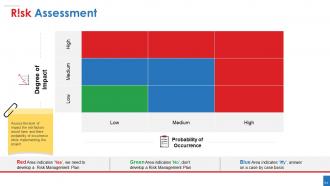
Diapositiva 2 : Esta diapositiva muestra la matriz de evaluación de riesgos con probabilidad de ocurrencia. El área verde indica "No", no desarrolle un plan de gestión de riesgos. El área roja indica 'Sí', necesitamos desarrollar un Plan de Gestión de Riesgos. El área azul indica 'dudoso', responda caso por caso. Evaluar el nivel de impacto que tendrían los factores de riesgo y la probabilidad de que ocurran durante la implementación del proyecto.
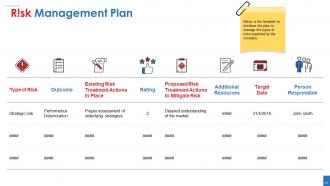
Diapositiva 3 : Esta diapositiva muestra un plan de gestión de riesgos. La plantilla enumera el plan para gestionar los tipos de riesgos que espera la empresa.
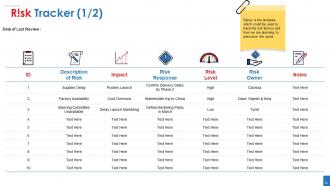
Diapositiva 4 : Esta diapositiva presenta un Rastreador de riesgos. Se puede utilizar para realizar un seguimiento de los factores de riesgo y planificar su superación.
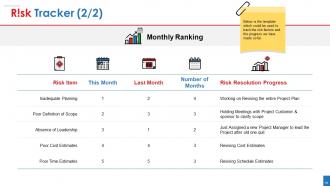
Diapositiva 5 : Esta diapositiva también presenta un Rastreador de riesgos. Se puede utilizar para realizar un seguimiento de los factores de riesgo y el progreso realizado hasta el momento.
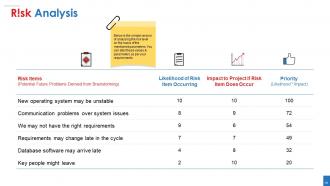
Diapositiva 6 : Esta es una diapositiva de Análisis de riesgos. Analizar el nivel de riesgo en base a los parámetros mencionados. Puede modificar estos valores y parámetros según sus requisitos.
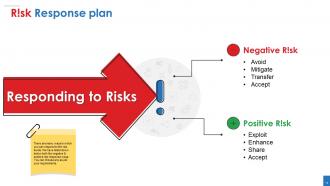
Diapositiva 7 : Esta diapositiva presenta un plan de Respuesta al Riesgo dividido en Riesgo Negativo y Positivo. R! Sk negativo (evitar, mitigar, transferir, aceptar) R! Sk positivo (aprovechar, mejorar, compartir, aceptar) Hay muchas formas en las que puede responder a los niveles de riesgo. A continuación, enumeramos las formas de respuesta al riesgo negativas y positivas. Puede elegir cualquiera según sus necesidades.
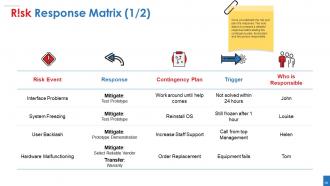
Diapositiva 8 : Esta diapositiva presenta una Matriz de respuesta al riesgo. Una vez que calcule el riesgo y planifique la respuesta. El siguiente paso es preparar una matriz de respuesta detallada que indique el plan de contingencia, su duración y la persona responsable.
Diapositiva 9 : Esta es una diapositiva de Coffee Break para detener. Puede cambiar el contenido de la diapositiva según sus necesidades.
Diapositiva 10 : Esta diapositiva presenta tablas y gráficos para seguir adelante.
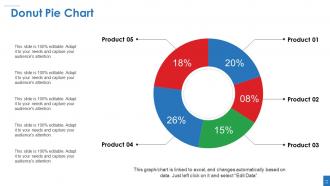
Diapositiva 11 : Esta es la diapositiva del gráfico circular de rosquillas para comparar productos / entidades, etc.
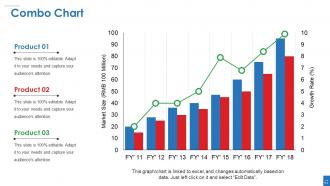
Diapositiva 12 : Esta es una diapositiva de gráfico combinado para comparar productos / entidades, etc.
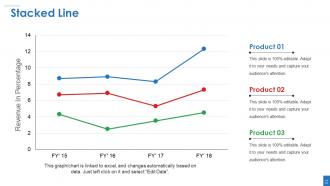
Diapositiva 13 : Esta es una diapositiva de gráfico de líneas apiladas para comparar productos / entidades, etc.
Diapositiva 14 : esta diapositiva se titula Diapositivas adicionales para avanzar.
Diapositiva 15 : Esta es la diapositiva Nuestra misión. Indique su misión aquí.
Diapositiva 16 : Esta es la diapositiva de Nuestro equipo con el nombre, la designación y los cuadros de imagen. Indique las especificaciones del equipo aquí.
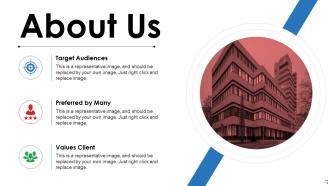
Diapositiva 17 : Esta es una diapositiva Acerca de nosotros. Indique aquí las especificaciones del equipo / empresa.
Diapositiva 18 : Esta es una diapositiva de Nuestro objetivo. Indique los objetivos aquí.
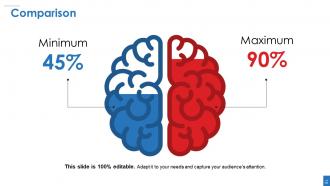
Diapositiva 19 : Esta es una diapositiva de comparación para comparar entidades / productos, etc.
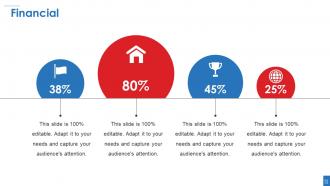
Diapositiva 20 : Esta es una diapositiva de puntajes financieros. Indique aquí los aspectos financieros.
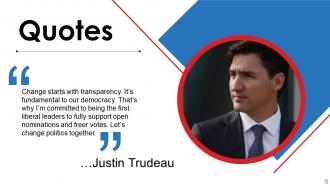
Diapositiva 21 : Esta es una diapositiva de Cotizaciones para transmitir las creencias, mensajes, etc. de la empresa.
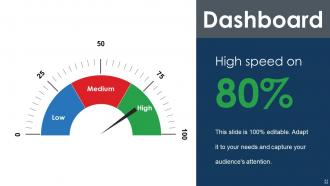
Diapositiva 22 : Esta es una diapositiva del Panel con Alto, Medio y Bajo como parámetros que se mostrarán.
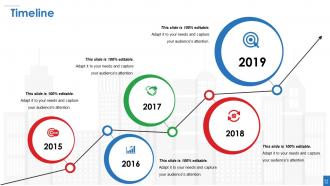
Diapositiva 23 : Esta es una diapositiva de la línea de tiempo para presentar el crecimiento, los hitos, etc.
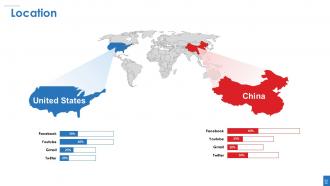
Diapositiva 24 : esta es una diapositiva de ubicación de una imagen de mapa mundial para mostrar el crecimiento global, la presencia, etc.
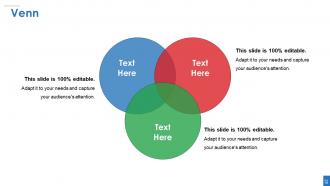
Diapositiva 25 : Esta es una diapositiva de imagen de diagrama de Venn para mostrar información, especificaciones, etc.
Diapositiva 26 : Esta es la diapositiva de Nuestro objetivo. Objetivos de la empresa estatal, etc. aquí.
Diapositiva 27 : Esta es una diapositiva de imagen de mapa mental para mostrar información, especificaciones, etc.
Diapositiva 28 : Esta es una diapositiva de imagen de Siluetas para mostrar información relacionada con las personas, especificaciones, etc.
Diapositiva 29 : Esta es una diapositiva de imagen de bombilla / idea para mostrar aspectos innovadores, información, especificaciones, etc.
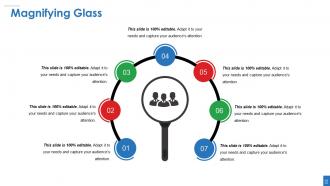
Diapositiva 30 : Esta es una diapositiva con imagen de lupa para mostrar información, especificaciones, etc.
Diapositiva 31 : Esta es una diapositiva de agradecimiento con dirección # número de calle, ciudad, estado, números de contacto, dirección de correo electrónico.
Diapositivas de presentación de PowerPoint de Riesgo del Proyecto con las 31 diapositivas:
Nuestras diapositivas de presentación de PowerPoint sobre riesgos de proyectos son deliciosamente asequibles. Garantizado para traer una sonrisa a su cara.







FAQs for Project Risk
So basically you wanna start by listing out what could go wrong, then figure out how likely each thing is and how bad it'd mess you up. Prioritize the scary stuff first. Then make a plan for each risk - like what you'll do if it actually happens. Here's the thing though - most people do all that upfront work and then totally forget about it. Big mistake. You gotta keep checking back on your risk list throughout the whole project because new stuff pops up. I learned this the hard way on my last project when we didn't update our risk register for like 3 months. Being proactive saves you so much stress later, trust me.
Look, both types help you dodge those "wait, what just happened?" disasters. Qualitative stuff is great for quick sorting - high impact, low probability, whatever. Gets you focused on the right fires first. Then quantitative dives into actual dollars and timeline padding, which honestly your stakeholders will love seeing. I'd say start broad with qualitative to spot your major headaches, then crunch numbers on anything that could tank the whole thing. You'll end up with realistic plans instead of wishful thinking. Plus you won't be scrambling when Murphy's Law kicks in.
You definitely need other people weighing in on risks - seriously, project managers miss so much stuff. Finance folks will catch budget red flags you'd never think of. End users? They'll point out usability nightmares waiting to happen. Operations teams know exactly where implementation gets messy (trust me on this one). Plus these people have seen projects blow up before and know the office politics that could tank yours. Actually, the more different departments you get involved early, the better your risk list becomes. Set up some workshops with key people from each area - it's worth the extra meetings upfront.
Honestly, good communication is your best bet for keeping project risks from blowing up. Most disasters happen because people are working with old info or just don't understand what's expected. Weekly check-ins are a game changer - I can't stress this enough. Set up a shared risk tracker that everyone can jump into and update. The key is making your team comfortable flagging problems early, even the small stuff. Once people start speaking up about potential issues, you'll catch things way before they turn into real headaches.
Honestly, just start with brainstorming - get different people in the room because they'll catch stuff you'd never think of. SWOT analysis and risk checklists work well too, those three cover most bases. If you know someone who's tackled similar projects, definitely pick their brain. Super helpful. Also dig through your project docs and question your assumptions - risks love to hide there. Oh, and don't make this harder than it needs to be. A simple brainstorm session plus a basic checklist will spot the obvious stuff you'd kick yourself for missing later.
So basically you make a simple grid - probability on one side, impact on the other. Plot your risks and focus on the scary top-right corner first. I always start by brain-dumping every risk I can think of, then rate how likely each one is and how badly it'll mess up your timeline, budget, whatever. Honestly, don't try to fix everything at once or you'll go crazy. Pick maybe 3-5 of the worst ones and actually create plans for those. Oh, and make sure someone's watching each risk - can't just write it down and forget about it.
So there's basically four ways to handle risks. **Avoid** them completely by changing your whole approach. **Mitigate** by doing stuff upfront to lower the chances or impact. **Transfer** it - like getting insurance or making it the vendor's headache instead of yours. Or just **accept** it if dealing with the risk costs more than the actual problem would. Honestly, the transfer option is pretty underrated. Match each strategy to how bad the risk actually is and what you can afford to do about it. Go through your risk list, figure out what's realistic for each one, then pick whatever makes the most financial sense.
Dude, external stuff will absolutely wreck your project if you're not watching for it. Market shifts, new regulations, economic weirdness - none of that was probably in your original risk plan. Our supply chain got completely hammered last year and we were scrambling. You've got to look beyond just internal problems. Set up Google alerts for industry news or whatever. Stay tight with your stakeholders so they tip you off early. I always pad my timelines now because markets are just... unpredictable? The big thing is making this a regular habit, not something you do once during planning.
Honestly, the worst thing you can do is treat it like a box-checking exercise. Get your whole team involved - that quiet dev might catch something huge everyone else missed. I've seen projects tank because they only planned for the obvious risks. Also, don't just write stuff down and ignore it. Your risk register needs regular updates as things change. Weekly 15-minute check-ins work great for this. The other trap? Planning responses that sound good on paper but are totally unrealistic when shit actually hits the fan. Be honest about what you can actually pull off.
Just bake it right into your sprint stuff instead of treating it like some separate process. During planning, throw in 10 minutes to chat about what might blow up with your upcoming stories. Your standups and retros? Perfect spots for quick risk check-ins. Most teams already do this without calling it "risk management" tbh. Try adding a simple risk board next to your kanban - way easier to see what's brewing. Oh, and skip the heavy docs nonsense. Keep it collaborative and light. Maybe start by tossing one risk question into your next retro and see what happens.
Honestly, I'd focus on just a few metrics that actually matter. Track how often your identified risks happen versus what you expected. When they do hit, measure the damage - did it match your predictions? My favorite is checking if your prevention stuff worked - like, did those safety measures actually reduce the odds like you hoped? Also time how fast you recover from problems. Oh and definitely watch your budget variance from risk events, though that one's kinda obvious. Don't go crazy measuring everything though - pick 2-3 that make sense for your project and stick with those consistently.
So basically, AI can crunch through tons of old project data and catch risk patterns you'd totally miss. Like, it'll predict what's most likely to go wrong based on your team size, timeline, budget - all that stuff. The algorithms keep getting smarter at spotting issues before they blow up into real problems. Schedule delays, going over budget, not having enough people, you know? You can even run those "what if" scenarios to see how different choices might pan out. Honestly though, I'd start small - maybe just pick one type of risk and test a tool there first.
Your risk register is like an early warning system for your project. Update it weekly and bring it up in team meetings so stuff doesn't slip through the cracks. I've watched too many projects get hit by problems that were spotted months ago but never properly tracked - it's painful to see. Give each risk an owner and set review dates. Weekly updates work pretty well in my experience. Don't just create it once and abandon it somewhere. Treat it more like checking your project's pulse regularly, and you'll spot trouble before it actually becomes trouble.
Definitely dig into your old projects for risk patterns! Check what caught you off guard before and which fixes actually worked vs the ones that seemed smart but totally bombed. I keep notes on this stuff because honestly we forget the messy details super fast. Those "oh hell no, never again" moments? Turn them into actual prevention steps for next time. Go through your post-mortems and add new risk categories you discovered the hard way. Then tweak your probability guesses based on real data from similar work you've done - way better than just winging it.
Definitely work on both the technical stuff and people skills. Monte Carlo analysis and decision trees are solid for actually putting numbers on risks - those frameworks really do help. Communication is massive though since you're constantly translating scary technical details for executives who just want the bottom line. I can't tell you how many project managers I've worked with who totally bomb at stakeholder management and wonder why everything falls apart. Oh, and learn how to run good risk workshops - facilitation skills matter more than you'd think. Maybe grab a basic risk cert first if you don't have one already.
-
Amazing product with appealing content and design.
-
Helpful product design for delivering presentation.