


Project Scope And Objective Powerpoint Ppt Template Bundles





Try Before you Buy Download Free Sample Product
 Impress Your
 Audience
 100%
100% Editable
 Save Hours
 of Time


Our Project Scope And Objective Powerpoint Ppt Template Bundles are topically designed to provide an attractive backdrop to any subject. Use them to look like a presentation pro.
People who downloaded this PowerPoint presentation also viewed the following :
Project Scope And Objective Powerpoint Ppt Template Bundles with all 16 slides:
Use our Project Scope And Objective Powerpoint Ppt Template Bundles to effectively help you save your valuable time. They are readymade to fit into any presentation structure.








FAQs for Project Scope And Objective Powerpoint
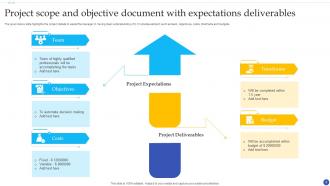
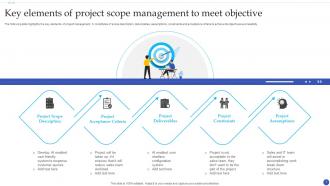
So you've got four main things to nail down: what you're actually delivering, what you're NOT doing (seriously this one's huge), how you'll know when stuff is finished, and any big assumptions you're making. The deliverables are obvious - your features, reports, whatever. But boundaries? That's where you save yourself from endless "oh can we also add..." requests later. You'll also need solid acceptance criteria so there's no confusion about when something's done. Oh and document everything upfront, get people to sign off on it. Trust me on this one.
Honestly, clear objectives are like having GPS for your team. Nobody's wandering around confused about what they're supposed to be doing. When people actually understand the goal, they make way better decisions on their own - which saves you from micromanaging everything (thank god). You can track if you're making progress or just spinning your wheels. I've seen too many projects crash because everyone had different ideas about what "success" meant. Your team stays motivated when they know what they're working toward. Try writing down 2-3 specific goals that anyone could explain back to you.
Start with stakeholder interviews to get the big picture first. Workshops are where the magic happens though - getting everyone in a room to hash out details catches so many conflicts early. Check existing docs too, obviously. Surveys help when you're dealing with tons of people. If possible, actually watch people work - you'd be surprised what they forget to mention in meetings. Mix it up since everyone communicates differently. Oh, and don't skip the documentation review even if it's boring as hell. Multiple methods always beats relying on just one approach.
Stakeholders basically control your project scope through feedback sessions and approval meetings. They'll ask for extra features or push back on what you're proposing - honestly, this is where scope creep becomes a nightmare if you're not watching. But you need their input to set realistic boundaries. Document everything they request, even during planning. Run it through change control before you agree to anything - learned that one the hard way! Their clarifications usually reveal what they actually want versus what you assumed. It's annoying but crucial for getting real buy-in.
Honestly, the main things that'll bite you are being vague as hell, letting scope creep in, and forgetting to loop in the right people early on. Write objectives that actually mean something - none of that "improve customer satisfaction" nonsense. Yeah, stakeholder meetings are painful, but get everyone together upfront and make them approve deliverables before you touch anything. When someone inevitably comes asking for "one tiny thing" (spoiler: it's never tiny), having a proper change process saves your sanity. Oh, and use a scope template! Fill out every section before starting work. Trust me on this one.
Honestly, start by grabbing their strategic plan and literally draw lines connecting your project to their big goals. Sounds weird but it actually works. Get the key stakeholders involved early - they'll spot stuff you missed. Oh, and create like a simple one-page doc showing these connections. I reference mine constantly when making decisions because it keeps me honest. Regular check-ins are clutch too since company priorities shift randomly. The whole thing feels obvious but most people skip this step and then wonder why their project gets axed later.
Oh man, scope creep is the worst - it's when projects start growing like weeds with all these "small" additions that pile up. Document everything at the start, seriously. Get written approval for changes and don't feel bad about saying "nope, that's not what we agreed on." Regular check-ins help too since stakeholders love to forget what the original plan was. Set up some kind of change process so you can actually look at how new requests will mess with your timeline and budget. Trust me, saying no upfront beats scrambling later.
Honestly, you've gotta nail down your success metrics before anything else - completion rates, staying on budget, quality scores, whatever makes sense for your project. I made the mistake once of figuring this out halfway through and it was a mess. Set up some basic tracker (doesn't need to be fancy) so you can check in regularly instead of waiting until the end. Short bursts of monitoring beat one big panic moment later. Just decide what "winning" looks like upfront, then actually stick to measuring against it. Sounds obvious but you'd be surprised how many people skip this step.
Honestly, Asana or Monday.com are probably your best bet for tracking deliverables and scope changes. Jira works too if you're doing more technical stuff. Microsoft Project is decent but way too complicated unless you really need all those bells and whistles. I'd pair whatever you pick with Confluence or Notion for documentation - maybe throw in a basic spreadsheet for quick scope tracking. The main thing is getting everyone on your team to actually use the same tool consistently. Oh, and don't overthink it! Pick one platform for defining scope and just stick with it.
Honestly, just make a simple 2x2 grid - impact vs effort. Sounds boring but it actually works. Put your biggest bang-for-buck stuff in the top left corner and start there. Focus on whatever connects directly to your main business goals or fixes the most annoying problems first. Dependencies matter too - some things unlock other opportunities later. You've gotta be ruthless though. Nice-to-have stuff can wait. Write down why you picked what you picked so you can defend your choices when people inevitably question them. Trust me on that one.
Honestly, if you're not crystal clear about what's in scope vs. out of scope, people just make stuff up in their heads. And their version is never what you actually meant, which sucks. Visual stuff helps - like actual scope docs people can reference. Skip the fancy jargon too, just say what you mean. I've found regular check-ins work way better than waiting for confusion to blow up later. Oh, and set up some kind of communication schedule early on and actually follow it. People need that consistency or they start filling gaps with their own wild interpretations.
Look, you've got to spot risks right when you're defining scope - not later when everything's on fire. Do a proper risk assessment during initial scoping (I know, everyone skips this but seriously don't). Build your mitigation stuff right into the work breakdown structure and add buffer time for the risks that'll probably hit. Assign clear ownership for each risk within your scope boundaries too. Your scope statement should call out major assumptions and constraints upfront. That way you're planning for problems instead of just reacting to them. Way less stressful, trust me.
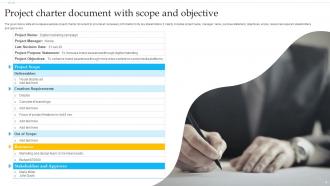
Okay so basically you're the person who has to say what's actually included in the project and what isn't. Document everything upfront - seriously, this will save you so much drama later. People will constantly try to add random stuff (I swear, it happens on every single project), so you'll be saying "no" a lot. Break the work down into smaller pieces that make sense. When changes come up, you've got to run them through proper processes - can't just wing it. The hardest part? Being nice about it when you're telling someone their brilliant idea isn't happening.
Honestly, feedback loops are like reality checks for your project goals. You think everyone's on the same page, but then you ask around and realize half the team pictured something totally different. Super frustrating but better to know early, right? I'd set up quick weekly check-ins - nothing fancy, just "hey, are we still trying to achieve the same thing here?" Stakeholders, team members, even users if you can swing it. You'll catch the fuzzy objectives before they derail everything. Trust me, those "oh wait, that's not what I meant" moments happen way more than they should.
So deliverables are basically the actual stuff you hand over - like reports, websites, whatever. Your scope is more like the game plan of what you're supposed to do. They're connected because every deliverable should tie back to something in your scope, otherwise you're doing random work for no reason. I learned this the hard way on a project last year. When people ask for extra things (and they always do), just check if it fits your original scope first. Short answer: scope = the plan, deliverables = the actual things you create from that plan.
-
Editable, diversified, compatible with MS PPT and Google Slides, and on top of that finest graphics!! I mean in the words of the famous Ross Geller, “What more do you want!”
-
Awesome use of colors and designs in product templates.