

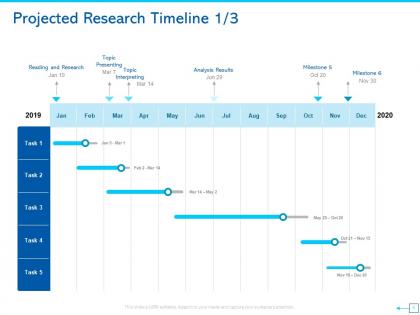
Projected research timeline milestone ppt powerpoint presentation ideas backgrounds




Try Before you Buy Download Free Sample Product
 Impress Your
 Audience
 100%
100% Editable
 Save Hours
 of Time


Give them a big hello with our Projected Research Timeline Milestone Ppt Powerpoint Presentation Ideas Backgrounds. They will believe you are genuinely happy.
People who downloaded this PowerPoint presentation also viewed the following :
Projected research timeline milestone ppt powerpoint presentation ideas backgrounds with all 2 slides:
Happy expressions appear with our Projected Research Timeline Milestone Ppt Powerpoint Presentation Ideas Backgrounds. Frowns give way to grins.
FAQs for Projected research timeline milestone ppt powerpoint
So there's basically five main phases you'll hit: planning/lit review, designing your methodology, collecting data, analysis, then sharing results. Honestly? The methodology phase makes or breaks everything - get that right and the rest flows way smoother. Planning sets you up for success or failure later on. Data collection will definitely take longer than you think (it always does), but good analysis can surprise you with insights you never saw coming. Oh, and build in buffer time between each phase because when early stuff gets delayed, it snowballs fast and can totally mess up your whole timeline.
Honestly, milestones are game-changers for team projects. They create these shared checkpoints so nobody's confused about what needs to happen when. You know that awful moment when everyone assumes someone else is handling the important stuff? Yeah, milestones prevent that disaster. Breaking your research into chunks with actual deadlines helps people coordinate way better - they can see dependencies coming from miles away. The feedback opportunities are clutch too. I always map out like 3-4 major ones at the start (sounds excessive but trust me). Your collaboration will feel so much smoother once everyone's literally on the same timeline.
Honestly, Gantt chart tools are your best bet - Asana, Monday.com, or Microsoft Project if your school has it. They're great for seeing deadlines and how tasks connect. Notion's actually pretty solid too if you like custom databases, though fair warning: you might get sucked into making everything look perfect instead of working. Trello works fine for simpler stuff. Google Sheets too, weirdly enough. The real trick is finding something everyone will stick with. I'd start simple with whatever clicks for you first, then level up later if needed.
Yeah, when stuff goes sideways like that, you can't just shove everything back a few weeks and call it good. Time to get real about what actually *needs* to happen versus what would be nice. Sometimes - and I know this sounds weird - but having less time actually helps you focus on what matters. Don't fall into the trap of cramming the same amount of work into way less time though. That's a recipe for burnout. Figure out what's genuinely critical and cut the rest. Oh, and for next time? Build in like 15-20% extra buffer time so you're not scrambling every time something unexpected hits.
Honestly, deadlines are what keep you from spiraling into that endless "just one more source" trap. You'll get obsessed with perfecting chapter one while completely ignoring your data collection - I've done this way too many times! Break everything into smaller chunks with actual dates. Weekly mini-deadlines work great because they force you to just make a decision and move forward. Otherwise you'll spend three months on your lit review (guilty). The trick isn't one giant deadline looming over you. Set realistic smaller ones that keep the momentum going without making you panic.
Look at each milestone and ask: does this actually get me closer to my main goal? If not, ditch it. I make this little 2x2 chart - impact vs urgency. Sounds nerdy but it works. High-impact stuff goes first, even when it's annoying to tackle. Don't forget about dependencies though. Some milestones unlock others, so those need to jump ahead in line. Honestly, the hardest part is being brutal about what actually matters versus what just makes you feel busy. Short sentences help me think clearer too.
Honestly, tracking milestones depends on where you are in the process. Early on, I'd focus on basic stuff - are you hitting deadlines, completing deliverables, staying on budget? Later phases get more interesting - data quality, whether your hypothesis actually holds up, significance of results. But here's the thing: don't sleep on the "soft" stuff. Is your team still confident? Are stakeholders giving good feedback? Do you still feel excited about where this is headed? Those matter just as much, maybe more. My approach - pick 2-3 clear success criteria per milestone before you start, then do quick check-ins afterward. Keeps you honest about real progress instead of just ticking boxes.
Honestly, just document everything as you hit each milestone - progress reports, timeline updates, the whole deal. Don't sugar-coat the messy parts either; show what's actually happening, not just the wins. I keep a super basic milestone log with dates and deliverables, plus any scope changes that pop up. Oh, and definitely note methodology tweaks or weird findings you didn't expect. Make it detailed enough that if you got hit by a bus tomorrow (morbid but true), someone could jump right in. Set up a shared folder so people can check your progress without constantly bugging you for updates.
Don't wait until you're already screwed - get ahead of it when timelines start slipping. Shoot them a heads up explaining what happened and your new game plan. Trust me, people absolutely hate surprises more than actual delays. Frame it around how it affects what they care about most. Always bring solutions too, not just "hey we're behind." Give them choices if you can - like delivering part of it on time vs adjusting what you're actually building. Oh and definitely follow up in writing so nobody can claim they didn't know about the changes later.
Look back at your old projects and see how long stuff actually took vs what you planned. Literature reviews are the worst for this - they're always like 20% over time, drives me crazy. Find projects that were similar size or used the same methods as your baseline. But here's the thing - don't just compare dates. Figure out what went wrong or what made things go faster than expected. Maybe your team was understaffed, or approval processes dragged on forever. Once you know those pain points, you can build in extra time for the tricky parts and spot problems before they hit.
Honestly, funding cycles will control your research timeline whether you like it or not. Grant deadlines force you to cram everything into these weird artificial chunks. I've seen people rush experiments just because renewal season is coming up - which sucks because some research really needs time to breathe, you know? The smart move is padding your milestones with extra time from the start. Also, be real with funders about how long things actually take. They might act surprised, but most get it if you're upfront instead of overpromising and scrambling later.
Honestly, take whatever timeline you're dreaming of and tack on like 40% more time - trust me on this one. My "6-month" project? Yeah, that took 14 months because I was being way too optimistic. Break everything down into smaller chunks so you can actually see if you're making progress or just spinning your wheels. Dependencies always screw you over, and getting approvals takes forever. Set your own internal deadlines that are way earlier than what you tell everyone else. That way when stuff inevitably goes sideways, you're not completely panicking. Schedule regular check-ins where you can be real about how things are actually going, not how you wish they were going.
Honestly, pad each phase with way more time than you think you need - like 20-30% extra. Research never goes according to plan, and I learned this the hard way. Don't lock yourself into crazy rigid deadlines early on when you're still figuring things out. Keep your big milestones firm but make those smaller check-ins flexible so you can actually pivot when stuff gets interesting. Your stakeholders would rather have realistic timelines than watch you constantly push things back. Oh, and definitely review monthly instead of pretending your original plan will somehow work perfectly.
Dude, you're gonna be way too optimistic with your timeline - trust me on this one. Add like 20-30% buffer time because stuff always goes sideways. Break everything into tiny chunks and check in weekly, not monthly. The projects that totally implode? They skip all the boring planning stuff (guilty as charged) and just dive right in. Also, don't ignore those little red flags when things start falling behind - I've made that mistake too many times. Plan for delays from day one and build in spots where you can change course instead of being stubborn about the original plan.
Honestly, feedback loops are a lifesaver - they stop you from wandering into research hell for months. Set up regular check-ins with advisors or peers at major milestones instead of waiting till the end. Catches those "oh shit, I've been doing this completely wrong" moments early. I learned this the hard way after spending forever on the wrong methodology once. You'll want maybe 2-3 feedback points per phase. Yeah, it feels like extra work upfront, but trust me - schedule them now or you'll keep putting it off. Way better than realizing you measured the wrong variables after six months of work.
No Reviews