


Sales Action Plan To Boost Top Line Revenue Growth And Increase Profitability Complete Deck




Try Before you Buy Download Free Sample Product
 Impress Your
 Audience
 100%
100% Editable
 Save Hours
 of Time


Our Sales Action Plan To Boost Top Line Revenue Growth And Increase Profitability Complete Deck are topically designed to provide an attractive backdrop to any subject. Use them to look like a presentation pro.
People who downloaded this PowerPoint presentation also viewed the following :
Content of this Powerpoint Presentation
Slide 1: This is the cover slide of Sales Action Plan to Boost Top Line Revenue Growth and Increase Profitability PowerPoint Presentation.
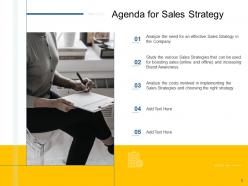
Slide 2: This is an Agenda for Sales Strategy slide.
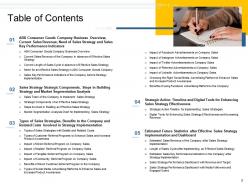
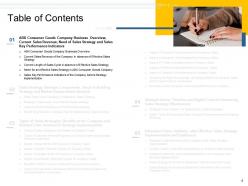
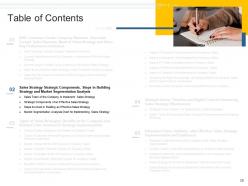
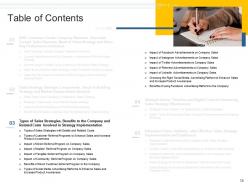
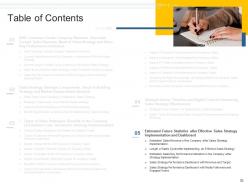
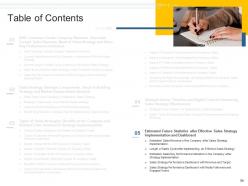
Slide 3: This is the Table of Contents slide that lists out all the essential elements covered in the deck.
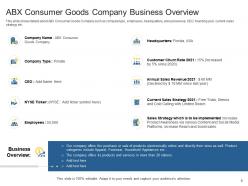
Slide 4: This slide presents ABX Consumer goods company business overview.
Slide 5: This slide shows details about ABX Consumer Goods Company such as company type, employees, headquarters, annual revenue, CEO, founding year, current sales strategy etc.
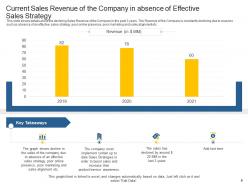
Slide 6: This slide presents Current Sales Revenue of the Company in absence of Effective Sales Strategy.
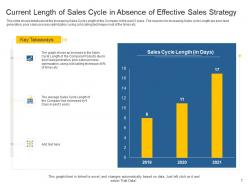
Slide 7: This slide shows details about the increasing Sales Cycle Length of the Company in the past 3 years. The reasons for increasing Sales cycle Length are poor lead generation, poor sales process optimization, using cold calling technique most of the times etc.
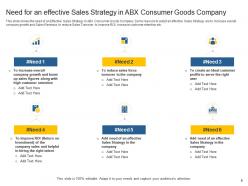
Slide 8: This slide shows the need of an Effective Sales Strategy in ABX Consumer Goods Company. Some reasons to adopt an effective Sales Strategy are to increase overall company growth and Sales Revenue, to reduce Sales Turnover, to improve ROI, increase customer retention etc.
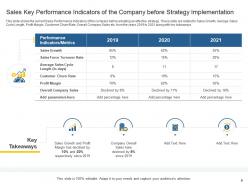
Slide 9: This slide shows the current Sales Performance Indicators of the company before adopting an effective strategy. These stats are related to Sales Growth, Average Sales Cycle Length, Profit Margin, Customer Churn Rate, Overall Company Sales etc. from the years 2019 to 2021 along with key takeaways.
Slide 10: This slide presents sales strategy strategic components.
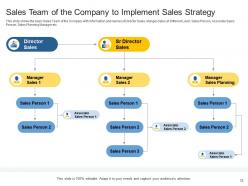
Slide 11: This slide shows the basic Sales Team of the Company with information and names of Director Sales, Manger Sales at Different Level, Sales Person, Associate Sales Person, Sales Planning Manager etc.
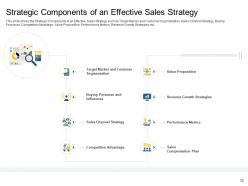
Slide 12: This slide shows the Strategic Components of an Effective Sales Strategy such as Target Market and Customer Segmentation, Sales Channel Strategy, Buying Personas, Competitive Advantage, Value Proposition, Performance Metrics, Revenue Growth Strategies etc.
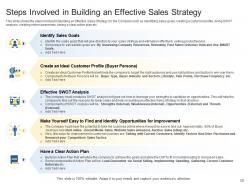
Slide 13: This slide shows the steps involved in Building an Effective Sales Strategy for the Company such as identifying sales goals, creating a customer profile, doing SWOT analysis, creating online awareness, having a clear action plan etc.
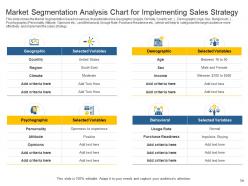
Slide 14: This slide shows the Market Segmentation based on various characteristics like Geographic (region, Climate, Country etc..) , Demographic (Age, Sex, Religion etc..) , Psychographic (Personality, Attitude, Opinions etc..) and Behavioral (Usage Rate, Purchase Readiness etc..) which will help to categorize the target audience more effectively and implement the sales strategy.
Slide 15: This slide presents Types of Sales Strategies, Benefits to the Company and Related Costs Involved in Strategy Implementation.
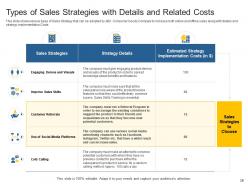
Slide 16: This slide shows various types of Sales Strategy that can be adopted by ABX Consumer Goods Company to increase both online and offline sales along with details and strategy implementation Costs
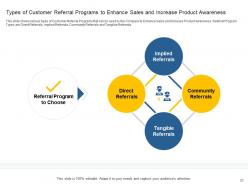
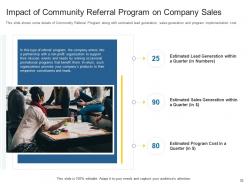
Slide 17: This slide shows various types of Customer Referral Programs that can be used by the Company to Enhance Sales and Increase Product Awareness. Referral Program Types are Direct Referrals, Implied Referrals, Community Referrals and Tangible Referrals.
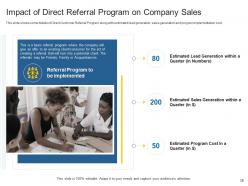
Slide 18: This slide shows some details of Direct Customer Referral Program along with estimated lead generation, sales generation and program implementation cost.
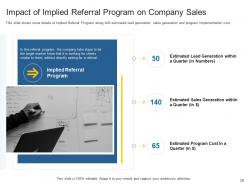
Slide 19: This slide shows some details of Implied Referral Program along with estimated lead generation, sales generation and program implementation cost.
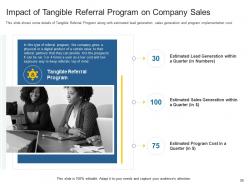
Slide 20: This slide shows some details of Tangible Referral Program along with estimated lead generation, sales generation and program implementation cost.
Slide 21: This slide shows some details of Implied Referral Program along with estimated lead generation, sales generation and program implementation cost.
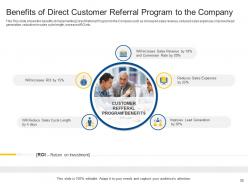
Slide 22: This This slide shows the benefits of implementing Direct Referral Program to the Company such as increased sales revenue, reduced sales expenses, improved lead generation, reduction in sales cycle length, increased ROI etc.
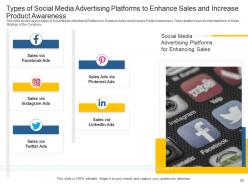
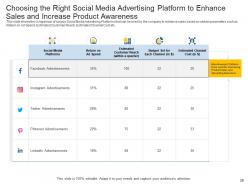
Slide 23: This slide shows various types of Social Media Advertising Platforms to Enhance Sales and Increase Product Awareness. These platforms are an important form of Sales Strategy of the Company.
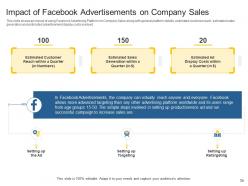
Slide 24: This slide shows an impact of using Facebook Advertising Platform on Company Sales along with general platform details, estimated customer reach, estimated sales generation and estimated advertisement display costs involved.
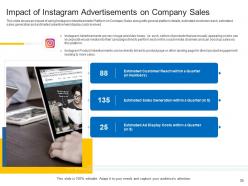
Slide 25: This slide shows an impact of using Instagram Advertisements Platform on Company Sales along with general platform details, estimated customer reach, estimated sales generation and estimated advertisement display costs involved.
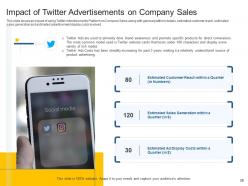
Slide 26: This slide shows an impact of using Twitter Advertisements Platform on Company Sales along with general platform details, estimated customer reach, estimated sales generation and estimated advertisement display costs involved.
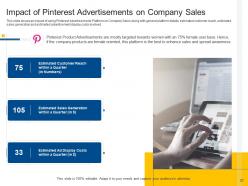
Slide 27: This slide shows an impact of using Pinterest Advertisements Platform on Company Sales along with general platform details, estimated customer reach, estimated sales generation and estimated advertisement display costs involved.
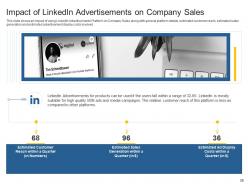
Slide 28: This slide shows an impact of using LinkedIn Advertisements Platform on Company Sales along with general platform details, estimated customer reach, estimated sales generation and estimated advertisement display costs involved.
Slide 29: This slide shows the comparison of various Social Media Advertising Platforms that can be used by the company to enhance sales based on certain parameters such as Return on Ad Spend, Estimated Customer Reach, Estimated Channel Cost etc.
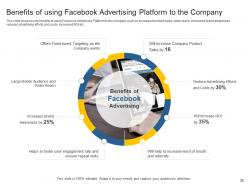
Slide 30: This slide shows some benefits of using Facebook Advertising Platform to the company such as increased product sales, wider reach, increased brand awareness, reduced advertising efforts and costs, increased ROI etc.
Slide 31: This slide presents estimated future statistics after effective sales strategy implementation and dashboard.
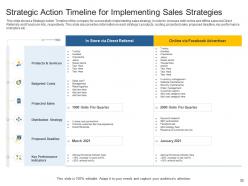
Slide 32: This slide shows a Strategic Action Timeline of the company for successfully implementing sales strategy, in order to increase both online and offline sales via Direct Referrals and Facebook Ads, respectively. This slide also provides information on each strategy’s products, costing, projected sales, proposed deadline, key performance indicators etc.
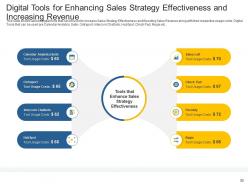
Slide 33: This slide shows various digital tools that can be used to increase Sales Strategy Effectiveness and Boosting Sales Revenue along with their respective usage costs. Digital Tools that can be used are Calendar Analytics Suite, Ontraport, Intercom Chatbots, HubSpot, Clinch Pad, Regie etc.
Slide 34: This slide presents estimated future statistics after effective sales strategy implementation and dashboard.
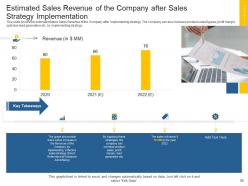
Slide 35: This slide shows the estimated future Sales Revenue of the Company after implementing strategy. The company can also increase product sales figures, profit margin, optimize lead generation etc. by implementing strategy.
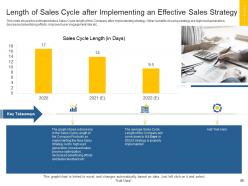
Slide 36: This slide shows the estimated future Sales Cycle length of the Company after implementing strategy. Other benefits of using strategy are high lead generation, decreased advertising efforts, improved user engagement rate etc.
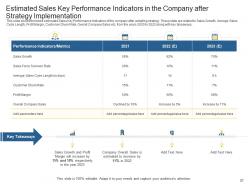
Slide 37: This slide shows the future estimated Sales Key Performance Indicators of the company after adopting strategy. These stats are related to Sales Growth, Average Sales Cycle Length, Profit Margin, Customer Churn Rate, Overall Company Sales etc. from the years 2020 to 2022 along with key takeaways.
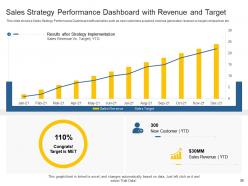
Slide 38: This slide shows a Sales Strategy Performance Dashboard with variables such as new customers acquired, revenue generated, revenue vs target comparison etc.
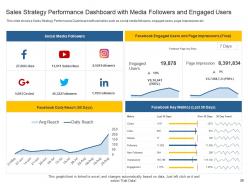
Slide 39: This slide shows a Sales Strategy Performance Dashboard with variables such as social media followers, engaged users, page impressions etc.
Slide 40: This is Icon Slide with various icons. Use as per need and requirement.
Slide 41: This slide is titled Additional Slides to move forward. Change/ alter content as per need.
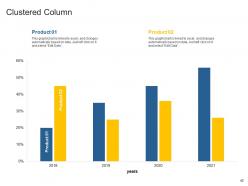
Slide 42: This is a Clustered Column chart slide that can be used to compare different products.
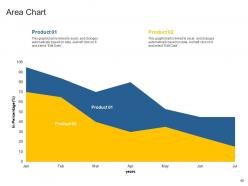
Slide 43: This is a Area chart slide that can be used to compare different products.
Slide 44: This is a Post IT Notes slide that can be used to keep important information at one place.
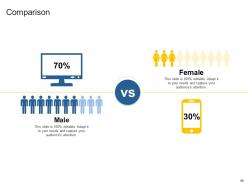
Slide 45: This is Comparison slide to compare two products/ entities etc.
Slide 46: This is Our Mission Our Vision slide to state your mission, vision etc.
Slide 47: This is a Blub or Idea image slide to present innovative/ creative aspects.
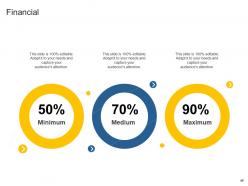
Slide 48: This is Financial scores slide. State your financial aspects etc. here.
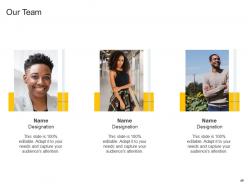
Slide 49: This is Our Team slide with name and designation to fill.
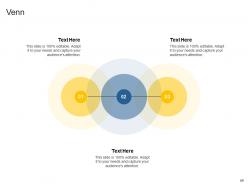
Slide 50: This is a Venn diagram slide that can be used to compare three different elements.
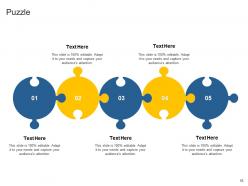
Slide 51: This is a creative Puzzle image slide to state information, specifications etc.
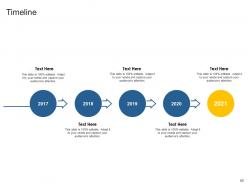
Slide 52: This is a Timeline slide that can be used to present series of events.
Slide 53: This is a Thank You slide for acknowledgement.
Sales Action Plan To Boost Top Line Revenue Growth And Increase Profitability Complete Deck with all 53 slides:
Use our Sales Action Plan To Boost Top Line Revenue Growth And Increase Profitability Complete Deck to effectively help you save your valuable time. They are readymade to fit into any presentation structure.
FAQs for Sales Action Plan To Boost Top Line Revenue Growth And Increase
Okay, so you need five things for a sales plan that actually works. First, set specific revenue targets with real deadlines - none of that "increase sales" nonsense. Know exactly who you're targeting too. What tactics will you use? Cold calls, emails, whatever. Map out timeline milestones so you can see if you're on track. Here's where most people mess up though - they completely ignore measuring results and then act shocked when nothing happens. Don't forget budget and tools you'll need. I'd start with your revenue goal and just work backwards from there. Way easier than starting from scratch.
Dude, SMART goals are a game changer for sales plans. You can't just say "sell more stuff" - that's useless. Break it down: "close 15 deals worth $50K by March 31st." Now you've got something real to work with. Deadlines kill procrastination (learned that the hard way). The measurable part is clutch too. You'll actually know if you're crushing it or if your strategy sucks before you waste months spinning your wheels. Makes it way easier to prioritize what actually matters and catch problems early.
Start with your existing customers - dig into their demographics and buying habits to find patterns. Industry reports and competitor analysis will show you who's being ignored (honestly, most companies miss obvious gaps). Create buyer personas from actual data, not gut feelings. Geographic stuff matters too, but psychographic segmentation is where you'll find the goldmine opportunities. Test everything with real customer feedback first though. I learned this the hard way - assumptions will burn you every time. Pick one small segment, nail it completely, then move on to the next.
Honestly, just focus on the stuff that actually makes money first. Close those warm leads, follow up on proposals - that's your bread and butter. I always do the high-impact, urgent stuff in the morning when I'm not brain-dead yet. After that, hit your prospecting calls. Here's what kills me though - I see so many people waste time updating their CRM when they could be selling instead. Try rating each task 1-10 based on how much money it could bring in, then just work down from the tens. Simple but it works.
Look, market research is honestly everything when you're building a sales plan. You can't just wing it and hope for the best - trust me, I've seen that crash and burn. Research shows you exactly who to go after and what problems they're actually dealing with. Plus you'll figure out realistic targets based on real demand, not some random number your boss threw out there. Study your competitors too because they're probably doing something right. Start with customer feedback and industry trends before writing anything down. It's way better than guessing your way through quota season.
B2B and B2C customers are totally different animals, so your sales plan needs to reflect that. With businesses, you're looking at months-long buying cycles - they want ROI breakdowns and you'll be talking to like five different people before anyone signs anything. Super tedious but worth it. Consumer sales? Way faster. Hit their emotions, keep it simple, get them to buy now. Track different stuff too - pipeline stages matter for B2B while conversion rates are king for B2C. Honestly, just map out how each type of customer actually buys from you first, then build your action steps around those moments.
Track activity stuff and results - you need both to see what's actually working. Pipeline velocity and conversion rates at each stage are huge. Revenue generated, obviously. Deal size and sales cycle length tell you if you're getting more efficient or just creating busy work, which honestly happens more than people admit. Don't go crazy with metrics though - pick like 3-5 good ones. Monthly quota numbers and lead-to-close ratios work well. Set up something simple you can glance at weekly so you catch problems early instead of scrambling later.
Honestly? Monthly feels too crazy - you'll burn out. Quarterly works way better for most people I know. Just pick whatever and actually stick to it, that's the real trick. Your plan's gonna need tweaking anyway when the market does weird stuff or your pipeline changes. Oh, and do those quick weekly metric check-ins too - catches problems before they explode. Pro tip: put it on your calendar as a recurring thing. Trust me, when work gets nuts you'll totally forget otherwise. The whole point is staying flexible with what's actually happening vs what you thought would happen.
HubSpot and Salesforce are solid CRM choices - they handle everything from leads to closed deals. Asana or Monday.com could work too if your team's already using project management stuff. Honestly, Monday's visual progress tracking is pretty sweet. Google Sheets works fine for simpler setups (I know, I know, but sometimes basic is better). The real trick is finding something everyone will actually stick with instead of abandoning after two weeks. I'd just start with whatever feels closest to how you're working now, then switch later if needed.
Honestly, just start asking your reps what they'd change about how things work right now - that'll tell you everything. Set up monthly check-ins where they can actually tell you what's happening with real customers versus whatever's written in your fancy plan. Your sales team deals with prospects all day, so they know which tactics actually work and which ones are total duds. Document what they're saying though, don't just nod and forget about it. I'd also build regular feedback sessions right into your planning process. Oh and definitely ask about obstacles they're hitting - sometimes the smallest process change makes a huge difference.
Don't set crazy unrealistic targets - learned that one the hard way. Vague goals are useless too. Keep it simple because those massive complicated spreadsheets? Nobody looks at them twice. Always put actual dates on stuff and make sure someone owns each piece. Here's what kills most plans though: no regular check-ins. Like, you write this whole thing and then it just sits there collecting dust. Schedule weekly reviews or you're basically wasting your time. Oh, and honestly? Starting small beats going big every single time.
Dude, you absolutely need sales and marketing talking to each other regularly. Marketing can tell you which campaigns are bringing in the best leads, and your sales people know exactly what objections they're hitting. It's honestly night and day compared to when teams just do their own thing. Plus you won't have marketing promising stuff that sales can't actually deliver - super awkward when that happens. The lead quality gets so much better too. I'd start with weekly check-ins where both sides share what's actually working. Trust me, once you see the difference you'll wonder why you waited so long.
You gotta be systematic about nurturing relationships throughout the whole customer journey - can't just wing it. Map out all your touchpoints: initial outreach, follow-ups, post-sale stuff, renewals. The trick is staying in touch regularly, not just when you want something (seriously, nobody likes that person). Set up your CRM to actually work for you - log everything, track what they care about, set reminders for birthdays or whatever. I'd focus on weekly relationship goals, not just how many calls you made. Short sentences work. But also mix in some longer ones that feel natural when you're actually talking about building real connections with people.
Honestly, start by figuring out what actually drives each person on your team - some want money, others just need recognition. Break everything into weekly chunks so it doesn't feel impossible. Weekly one-on-ones are clutch for catching problems early. Set up rewards for hitting milestones - bonuses work, but seriously, team lunches can be just as motivating (food is weirdly powerful). Don't forget to celebrate wins publicly when people crush their goals. The whole thing falls apart if it feels overwhelming, so keep those smaller goals coming.
Honestly, just automate the boring stuff first - email sequences and data entry will save you hours. Your CRM can handle follow-ups and send personalized emails automatically. Plus it'll score leads based on what they're actually doing. I love having dashboards that show which activities actually close deals vs. the busy work that feels productive but isn't. Sales tools will ping you when prospects ghost you (happens to everyone). They can even auto-schedule demos. Start with whatever's eating up most of your time manually. You'll wonder why you waited so long.
-
Excellent Designs.
-
Innovative and attractive designs.
-
Qualitative and comprehensive slides.
-
Good research work and creative work done on every template.
-
Professional and unique presentations.
-
The Designed Graphic are very professional and classic.
-
Great product with highly impressive and engaging designs.
-
Unique and attractive product design.
-
Unique research projects to present in meeting.