


Sales Strategy Fmcg Powerpoint Ppt Template Bundles




Try Before you Buy Download Free Sample Product
 Impress Your
 Audience
 100%
100% Editable
 Save Hours
 of Time


Our Sales Strategy Fmcg Powerpoint Ppt Template Bundles are topically designed to provide an attractive backdrop to any subject. Use them to look like a presentation pro.
People who downloaded this PowerPoint presentation also viewed the following :
Sales Strategy Fmcg Powerpoint Ppt Template Bundles with all 17 slides:
Use our Sales Strategy Fmcg Powerpoint Ppt Template Bundles to effectively help you save your valuable time. They are readymade to fit into any presentation structure.
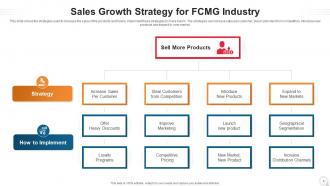
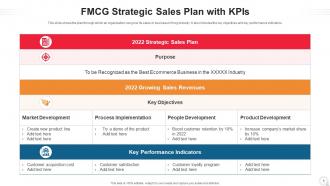
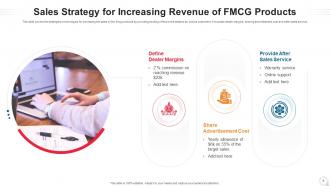

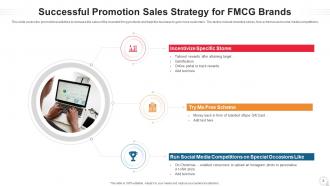





FAQs for Sales Strategy Fmcg Powerpoint
Honestly, it's all about getting everywhere first - corner shops, supermarkets, wherever people actually buy stuff. Pricing's tricky though, you've got to stay competitive without losing money (easier said than done, trust me). Make sure your products actually stand out on shelves with good displays and promos. The relationship side is huge too - retailers are basically your lifeline to customers, so don't mess that up. Oh, and track everything with data because FMCG changes crazy fast. You'll need to pivot quickly when something's not working.
Honestly, start with tracking one thing well - like conversion rates or how much customers spend over time. Data analytics will show you which products are hot vs. total duds just sitting around. I'd focus on predicting when demand's gonna spike so you're not scrambling later. Real-time dashboards are clutch for pivoting fast when sales tank. Oh, and definitely track how people shop differently online vs. in stores - that stuff's eye-opening. The amount of data out there is insane, but don't get overwhelmed. Pick the goldmine metrics first, then build from there once you've got the hang of it.
Honestly, everything in FMCG comes down to understanding how people actually shop - not how we think they should shop. Map out your customer's journey first, then build around those key moments. Most FMCG purchases happen super fast or they're just habit, so you've got like 3 seconds to win at the shelf. Your pricing, placement, all that stuff needs to match real behavior patterns. I've watched so many good strategies crash because they ignored how people really make these split-second decisions. Oh and brand loyalty isn't what it used to be - people switch way more now. Focus on those purchase triggers and you'll be golden.
Honestly, seasonal trends are everything for FMCG companies. You've gotta ramp up ice cream production way before summer hits, soup before winter - that kind of thing. Holidays are where the real money is if you don't mess up the timing. During peak seasons you can actually charge more, but when it's slow? That's when you need those crazy promotions just to clear inventory. I learned this the hard way at my last job. The smart move is digging into your past sales data early so you can build your whole supply chain and marketing around those ups and downs.
Honestly, D2C is pretty tempting - way better margins and you actually own the customer relationship. But man, the logistics will eat you alive if you're not careful. Traditional retail still crushes it for impulse buys though, like when people are just grabbing stuff at checkout. With D2C you can pivot fast based on feedback, which is huge. The distribution costs are rough though, especially on cheap products. I'd probably test it with higher-end stuff first where you've got room to absorb shipping costs. Oh, and having your own customer data is gold for targeting later.
Honestly, FMCG is all about staying in people's heads since they're buying this stuff constantly anyway. Instagram and TikTok work great for recipe ideas and lifestyle posts - you know, that casual "here's what I'm making tonight" vibe that just happens to show your products. Facebook's solid for targeting ads based on what people actually buy. Pick one platform first though, don't spread yourself too thin. Post maybe 3-4 times a week and actually reply to comments - builds that community thing everyone wants. I've noticed brands do really well with simple dinner inspiration content. It's not rocket science, just be consistent and relatable.
Packaging design can literally make or break your FMCG sales. Good design boosts purchase intent by up to 30% when you're competing against 20 other products on the shelf. Colors and typography matter more than people think - they determine if someone even picks up your product. Your packaging needs to grab attention immediately and communicate your value proposition without any explanation. I always tell people to compare their current packaging against the top performers in their category first. You'll see the problems right away. Honestly, it's like having a salesperson working 24/7 without paying them.
Honestly, partnerships are where the magic happens for FMCG brands. Look at co-branding with companies that complement yours - like pairing your snacks with a drink brand. Influencer collabs can work wonders too if they're authentic. I've watched brands crush it by getting into subscription boxes or meal kits, which is genius because you're hitting customers you'd never reach normally. Oh, and exclusive retail deals? Those get you primo shelf space. Map out maybe 3-5 brands whose customers match yours but aren't competitors. Test something small first though - don't go all in right away.
Focus on placement first - grab those endcaps and checkout spots if you can, eye-level stuff sells way better. Timing matters too, hit payday cycles and holidays when people actually have cash to spend. Cross-merchandising is huge... chips by the beer, batteries near toys during Christmas. Honestly, some of my weirdest pairings worked best! Don't just track your promoted items either - customers grab complementary stuff you're not even thinking about. Oh, and definitely dig into your current promo data first. You'd be shocked what's actually driving new sales vs just making people buy earlier than usual.
Dude, you literally can't survive without e-commerce anymore in FMCG. I mean, people are ordering toilet paper on their phones now - wild times. The big wins are owning that customer relationship and getting way better data than what retailers share (which is basically nothing useful). Younger shoppers expect everything available online. Don't pit digital against your physical stores though - they work better together. Your retail partnerships still matter, obviously. But you need your own online game running too. I'd start by actually tracking where your customers shop digitally and just show up there first.
Honestly, start with a basic rewards program - points or cashback work well since people buy this stuff regularly anyway. Quality consistency is huge though. Like, if someone's favorite yogurt suddenly tastes off, they're done with your brand forever. Use their purchase data to send personalized offers via email or your app. Social media communities are pretty solid too, especially if customers start posting recipes or tips with your products. I'd probably focus on the rewards thing first since it's easiest to set up. Build everything else around that foundation.
Start with whatever products you already have that are actually sustainable - don't try to greenwash stuff that isn't. Retailers genuinely care about this now (finally!). Train your team to talk about eco packaging and sourcing like they know what they're doing. Make sell sheets that show environmental wins right next to the usual product specs. Oh, and try partnering with retailers on sustainability campaigns or initiatives - that's been working really well lately. Most buyers I know are actively hunting for green options, so you're not pushing uphill anymore. Just don't oversell it if the story isn't there.
Ugh, pricing is such a nightmare honestly. Your margins will be paper-thin and competitors are always trying to undercut you. Raw material costs keep going up too, so you're getting squeezed everywhere. Retailers? Total sharks when it comes to negotiations - they'll fight every price increase. Here's what actually works though: stop doing cost-plus pricing and focus on what value you're giving customers instead. Innovation helps you stand out from the price war mess. Also streamline your supply chain where you can and use data to figure out what different markets will actually pay. Building a strong brand is huge because then you're not just another commodity competing on price alone.
Look, your channel choice basically controls your entire sales game. Traditional retail means you're schmoozing buyers and fighting for shelf space. Online? You're living in the digital marketing world - SEO, social ads, all that stuff. Supermarkets want totally different pricing than corner stores do. It's honestly like each channel speaks its own language, which can be frustrating but whatever. Here's what works: pick your channels FIRST, then shape your whole sales approach around them. Don't try to force your existing strategy into random channels - trust me on this one.
FMCG is crazy right now - brands are going direct-to-consumer like mad, cutting out the middleman entirely. AI personalization has become basically mandatory if you want to compete. Sustainability stuff actually matters now too, not just for show. Younger buyers especially care about that. Oh and omnichannel is huge since people bounce between online, stores, social media... they want it all to work together smoothly. The speed of change is honestly insane. My take? Pick one area and start testing it out now instead of overthinking it.
-
My presentations were a bit amateur before I found SlideTeam’s designs. I’ve been able to find slides for nearly every topic I’ve had to present. Thanks, Slideteam!
-
I am really satisfied with their XYZ products. Used their slides for my business presentations and now I am taking their help for my son's high-school assignments. Super satisfied!!