


Sales strategies playbook powerpoint presentation slides




Try Before you Buy Download Free Sample Product
 Impress Your
 Audience
 100%
100% Editable
 Save Hours
 of Time


Sales playbook is considered an essential document that helps the sales team deploy best practices, tactics, and strategies along the various stages of the selling process. Here is a competently designed Sales Strategies Playbook template that caters to details about the firms offerings and sales performance. It covers guidelines to progress through the sales process journey, including key activities across the sales process, sales meeting plan, product positioning and messaging, ideal customer profile development, aligning buyers journey with the sales process, customer experience journey mapping, etc. The playbook covers different sales methodologies in MEDDIC, SNAP selling, gap selling for deal closure. It covers details about sales pitching through content with sales content management, content planning worksheet, prospects nurturing content program, potential buyer leads nurturing plan. Moreover, it caters to initiatives to manage sales team productivity through effective communication, a sales enhancement checklist, productivity enhancement management system. Sales workforce is addressed by developing a sales team reporting structure, identifying key people involved, etc. Sales performances and activities are tracked through essential metrics and dashboards. Get access to our sales strategy presentation now.
People who downloaded this PowerPoint presentation also viewed the following :
Content of this Powerpoint Presentation
Slide 1: This slide introduces Sales Strategies Playbook. State Your Company Name and begin.
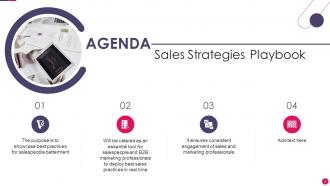
Slide 2: This is an Agenda slide. State your agendas here.
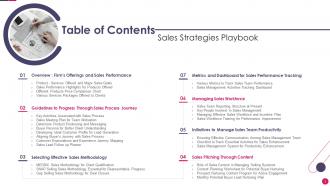
Slide 3: This slide presents Table of Content for the presentation.
Slide 4: This slide highlights title for topics that are to be covered next in the template.
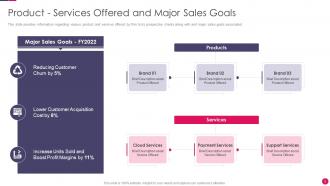
Slide 5: This slide displays various product and services offered by firm to its prospective clients.
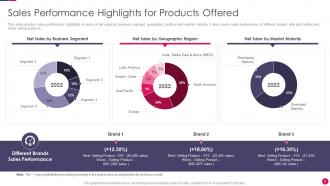
Slide 6: This slide represents sales performance highlights in terms of net sales by business segment, geographic location, etc.
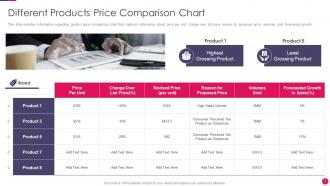
Slide 7: This slide shows product price comparison chart that captures information about price per unit, change over list price, etc.
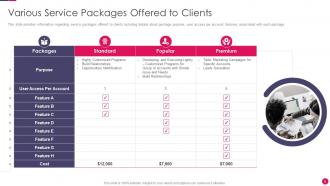
Slide 8: This slide presents Various Service Packages Offered to Clients.
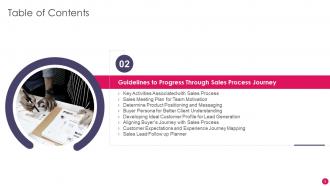
Slide 9: This slide shows Table of Contents for Sales Playbook Template.
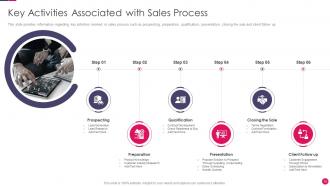
Slide 10: This slide displays key activities involved in sales process such as prospecting, preparation, qualification, etc.
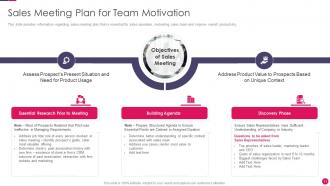
Slide 11: This slide represents sales meeting plan that is essential for sales operation, motivating sales team and improve overall productivity.
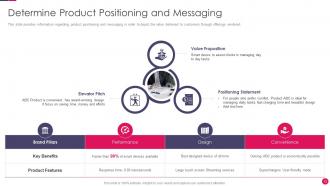
Slide 12: This slide shows product positioning and messaging in order to depict the value delivered to customers.
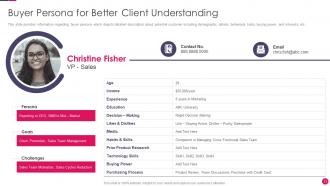
Slide 13: This slide presents buyer persona which depicts detailed description about potential customer.
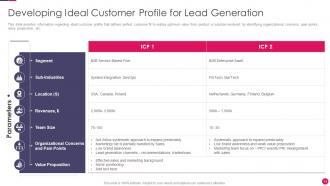
Slide 14: This slide shows Developing Ideal Customer Profile for Lead Generation.
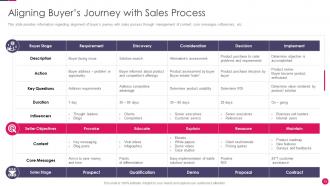
Slide 15: This slide displays alignment of buyer’s journey with sales process through management of content, core messages, influencers, etc.
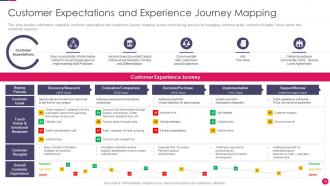
Slide 16: This slide represents Customer Expectations and Experience Journey Mapping.
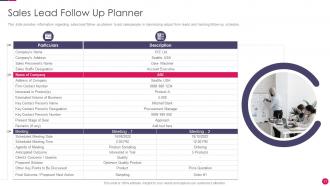
Slide 17: This slide shows sales lead follow up planner to aid salespeople in maximizing output from leads and tracking follow-up schedule.
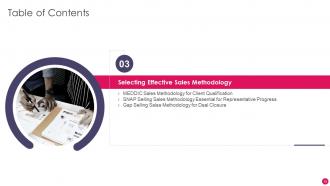
Slide 18: This slide presents Table of Contents for Sales Playbook Template.
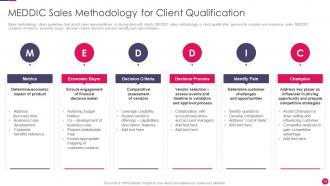
Slide 19: This slide shows guidelines that assist sales representatives in closing deal with clients.
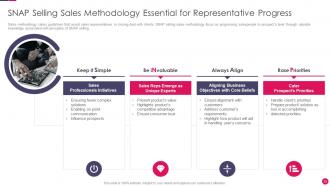
Slide 20: This slide displays SNAP Selling Sales Methodology Essential for Representative Progress.
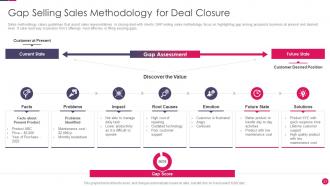
Slide 21: This slide represents Gap Selling Sales Methodology for Deal Closure.
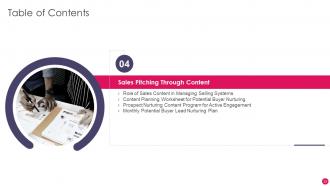
Slide 22: This slide shows Table of Contents for Sales Playbook Template.
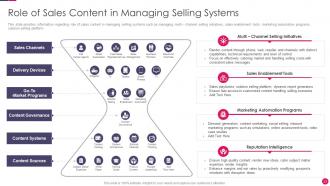
Slide 23: This slide presents Role of Sales Content in Managing Selling Systems.
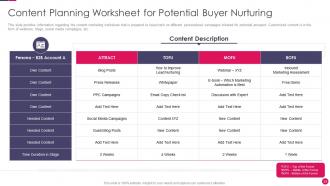
Slide 24: This slide shows content marketing worksheet that is prepared to keep track on different personalized campaigns.
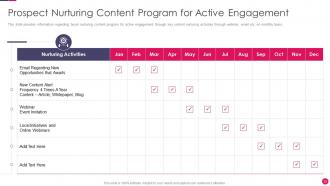
Slide 25: This slide displays Prospect Nurturing Content Program for Active Engagement.
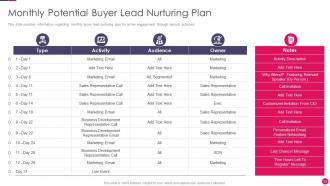
Slide 26: This slide represents regarding monthly buyer lead nurturing plan for active engagement through various activities.
Slide 27: This slide shows Table of Contents for Sales Playbook Template.
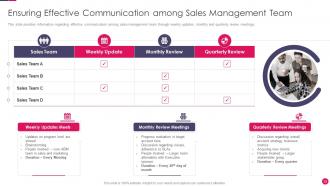
Slide 28: This slide presents effective communication among sales management team through weekly updates, monthly and quarterly review.
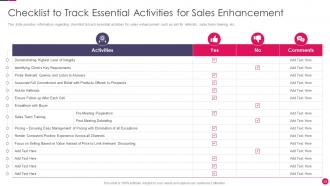
Slide 29: This slide shows Checklist to Track Essential Activities for Sales Enhancement.
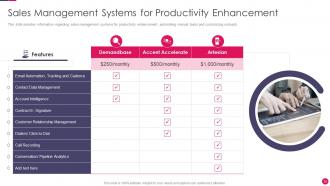
Slide 30: This slide displays Sales Management Systems for Productivity Enhancement.
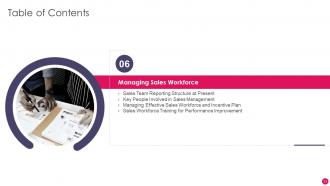
Slide 31: This slide represents Table of Contents for Sales Playbook Template.
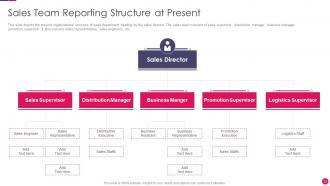
Slide 32: This slide depicts the present organizational structure of sales department heading by the sales director.
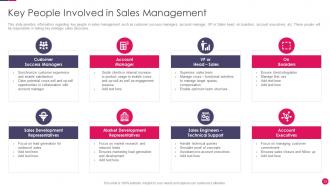
Slide 33: This slide presents key people in sales management such as customer success managers, account manager, etc.
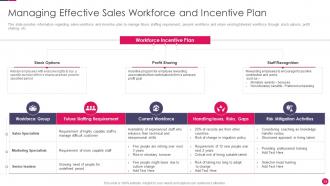
Slide 34: This slide shows sales workforce and incentive plan to manage future staffing requirement, present workforce, etc.
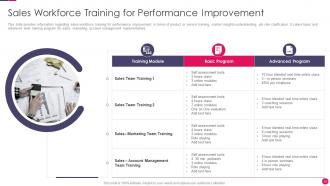
Slide 35: This slide displays Sales Workforce Training for Performance Improvement.
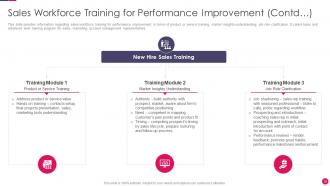
Slide 36: This slide represents sales workforce training for performance improvement in terms of product or service training.
Slide 37: This slide shows Table of Contents for Sales Playbook Template.
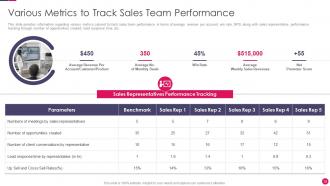
Slide 38: This slide presents Various Metrics to Track Sales Team Performance.
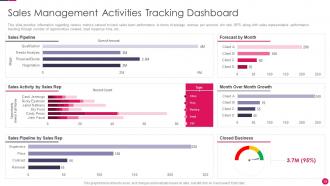
Slide 39: This slide shows various metrics catered to track sales team performance in terms of average revenue per account.
Slide 40: This slide displays Icons for Sales Strategies Playbook.
Slide 41: This slide is titled as Additional Slides for moving forward.
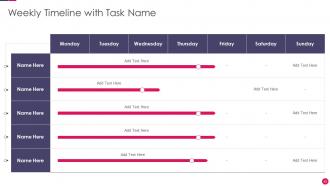
Slide 42: This slide represents Weekly Timeline with Task Name.
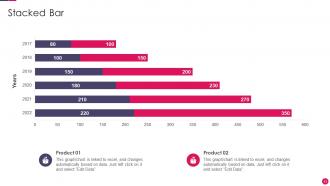
Slide 43: This slide represents Stacked Bar chart with two products comparison.
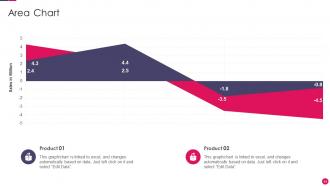
Slide 44: This slide depicts Area chart with two products comparison.
Slide 45: This is Our Team slide with names and designation.
Slide 46: This is Our Goal slide. State your firm's goals here.
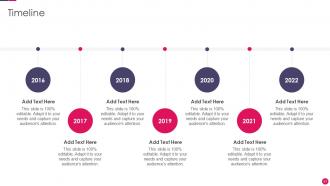
Slide 47: This is a Timeline slide. Show data related to time intervals here.
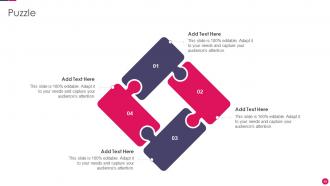
Slide 48: This slide contains Puzzle with related icons and text.
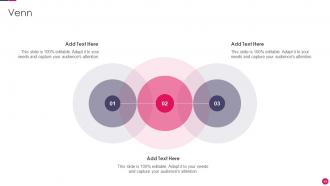
Slide 49: This slide depicts Venn diagram with text boxes.
Slide 50: This is a Thank You slide with address, contact numbers and email address.
Sales strategies playbook powerpoint presentation slides with all 55 slides:
Use our Sales Strategies Playbook Powerpoint Presentation Slides to effectively help you save your valuable time. They are readymade to fit into any presentation structure.





FAQs for Sales strategies playbook
Honestly, millennials can smell BS from a mile away, so authenticity is everything. They want real customer reviews, not polished marketing speak. Social media engagement works way better than traditional ads - show behind-the-scenes stuff and make sure your values actually match theirs. User-generated content is gold. Oh, and everything needs to work perfectly on mobile since they're always on their phones. Don't make them fill out tons of forms or wait around - they'll just leave. I'd start by looking at your current stuff and asking "does this feel genuine or like corporate fluff?"
Dude, stories are game-changers for sales presentations. People's brains literally light up differently when they hear narratives instead of boring feature lists. When you tell a customer success story, prospects can actually picture themselves in that situation - way more powerful than just rattling off specs. Plus it builds trust because you're showing real proof, not just making claims. I learned this the hard way after bombing a few pitches with pure data dumps. Try starting your next presentation with how you solved a similar client's problem. Trust me, you'll see the difference immediately.
Honestly, data analytics is like having a cheat sheet for sales. You'll actually see which leads turn into customers instead of just guessing. Track what your best prospects have in common, then focus there. Way better than shooting in the dark, you know? I mean, I used to think I knew my customers but the data showed me I was totally wrong about half my assumptions. Start small though - pick maybe two things to measure that actually matter to your numbers. Don't go crazy trying to track everything at once.
Honestly, social media works best when you're not being all salesy right away. Start by sharing stuff that actually helps people - case studies, industry tips, whatever solves their problems. LinkedIn's your best bet for B2B (duh). Instead of constantly pitching, just engage with your prospects' posts naturally. Comment on their stuff, be genuinely helpful. Social listening is clutch too - find people complaining about problems you can solve, then jump in with useful advice. I'd say pick 10-15 key prospects and start commenting on their posts this week. Build those relationships first, sales come later.
Honestly, it comes down to who's making the buying decision. B2B deals with multiple people in the mix - you've got managers, IT folks, finance teams all weighing in. Takes forever but the deals are usually worth more. B2C is way more straightforward. Someone sees your product, likes it, buys it. Quick emotional decisions vs those endless corporate approval chains. For B2B you'll need case studies, detailed demos, the whole nine yards. B2C? Just show clear benefits and make it easy to purchase. Figure out which audience you're targeting first, then match your approach to how they actually make decisions.
Track your lagging stuff first - revenue, conversion rates, deal size. That's the obvious part. But honestly? Leading indicators matter way more since they show what's coming. Watch activity levels, pipeline quality, how engaged prospects actually are. Daily and weekly targets too. Customer acquisition cost vs lifetime value is huge - don't want to hemorrhage cash chasing bad leads. Throw it all in a weekly dashboard so you can catch problems before they bite you. I learned this the hard way last year.
Start by actually listening to what they're saying - ask "what specifically worries you about that?" so you really get it. Then hit back with proof: testimonials, case studies, whatever you've got. There's this old sales trick called "feel, felt, found" that honestly works pretty well - like "I get how you feel, other clients felt the same way, but here's what they discovered..." Just don't get all defensive about it. That makes everything awkward. Oh, and definitely practice your responses ahead of time or you'll stumble through them when it actually matters.
Dude, EQ is everything in sales. Like, you can have the best pitch in the world but if you can't read people, you're toast. I've watched so many reps completely miss when someone's checked out or getting annoyed. The good ones? They pick up on tone, notice body language shifts, know when to back off. It's wild how much you can learn just by actually listening instead of waiting for your turn to talk. Honestly feels like a superpower once you get good at it. Try paying attention to voice changes on your next few calls - you'll be surprised what you catch.
Dude, customer feedback is like having cheat codes for sales. Listen to what people actually tell you and you'll start seeing patterns - maybe you're rushing through your pitch or hammering benefits they don't care about. Ask your recent wins AND losses what made them decide. You'll be shocked what comes up. The timing thing is huge too - I learned I was bringing up pricing way too early and scaring people off. Plus people love when you actually ask their opinion, makes them feel heard. Honestly, this one change probably boosted my close rate more than any other "technique."
You gotta actually talk to your customers first - like, real conversations about what was driving them crazy before they found you. Their exact words are gold because that's how other people in their shoes think too. Most companies just guess at this stuff and end up with boring, generic messaging that makes everyone's eyes glaze over. Map out what their typical day looked like when things sucked, then connect your solution to those specific headaches. Focus on the transformation they get, not your fancy features. Test different versions with prospects - you'll know you nailed it when they're like "omg yes, that's exactly what I'm dealing with."
Dude, social selling is where it's at right now. You gotta build real relationships on LinkedIn instead of just throwing pitches at people. Interactive stuff works way better - polls, quizzes, live demos. Static presentations? Nobody's got time for that anymore, honestly. Personalized video prospecting is crushing it too, especially when you call out their specific pain points. Oh and AI tools can help you figure out the best prospects and timing. But here's the thing - be helpful first, salesy second. Share valuable stuff in their feeds before you ever ask for a meeting.
Dude, you gotta personalize those pitches - it's honestly night and day. Nobody wants another boring "we increase efficiency by 30%" presentation (ugh, kill me now). Do like 10 minutes of homework beforehand and swap out at least 3 slides for their specific situation. Drop their company name, mention problems you found during research, show case studies from their industry. When prospects see you actually understand their exact pain points instead of some generic solution? They'll actually listen. It's kinda crazy how much this works, but people just want to feel heard, you know?
Honestly? Get everyone on the same CRM first - sounds basic but you'd be amazed how many teams still work in separate systems. Weekly syncs help too, where people actually share their wins and what's screwing them over that week. I'd also ditch individual-only targets and create some shared goals that force people to work together. Oh, and pipeline transparency is huge - when everyone can see what's happening across territories, it stops being this weird competitive thing. Your top performers probably have gold they're not sharing, so set up regular sessions for them to spill their secrets. Breaking down silos takes time but it's worth it.
Dude, cultural stuff will totally sink your international sales if you're not careful. Germans want straight facts and data - no fluff. But try that in Japan? You'll bomb because they need to build trust first. Decision-making is weird too - Americans love quick individual calls while other places need the whole team to agree. Honestly, even eye contact rules are different everywhere, which sounds minor but isn't. Get local sales people who actually know this stuff. Or at least do your homework on business customs before you jump in. Trust me on this one.
Dude, follow-up is literally what makes or breaks you in sales. Most reps bail after like 2 attempts, but here's the thing - 80% of deals need at least 5 touchpoints. You're basically leaving money on the table if you don't stick with it. Each follow-up needs to actually help them somehow. Share something useful, check where they're at, or tackle whatever new issue popped up. Don't just be like "hey, still interested?" The consistency thing is huge too - it shows you're not just trying to hit your quota and disappear. Set up reminders so you don't forget people. Trust me, being systematic about it pays off.
-
Wonderful templates design to use in business meetings.
-
Innovative and attractive designs.