


Strategy playbook powerpoint presentation slides




Try Before you Buy Download Free Sample Product
 Impress Your
 Audience
 100%
100% Editable
 Save Hours
 of Time


Strategy playbook emerges as a guideline that showcases the best strategic thinking, planning, and execution practices. It is essential for organizational leaders to formulate effective strategies across the firm. It represents performance-specific guidelines to support staff while executing strategic goals to ensure business activities are aligned with the overall strategy. The playbook caters to crucial elements associated with strategic thinking, such as key phrases in the strategic thinking process, strategic thinking tool, Porters five competitive forces assessment, and 7-S strategic analysis framework to assess organizational performance. It covers vital components of strategic planning in terms of the three-step strategic planning process, redefining vision, mission and core values, strategy canvas, and product-market matrix. Critical features related to strategic execution include a five-step framework, strategic execution framework, business strategy mind map, organic growth profile selection for business expansion, essential business growth levers for firm development, and fundamental building blocks for strategy execution. Moreover, it describes strategic team initiatives by determining the role of the chief strategy officer, revamping the leadership and management team, and workforce training plan to upskill existing staff. Book a free demo now.
People who downloaded this PowerPoint presentation also viewed the following :
Content of this Powerpoint Presentation
Slide 1: This slide introduces Strategy Playbook. State Your Company Name and begin.
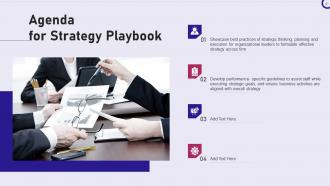
Slide 2: This is an Agenda slide. State your agendas here.
Slide 3: This slide presents Table of Contents for Strategy Playbook Template.
Slide 4: This slide highlights title for topics that are to be covered next in the template.
Slide 5: This slide displays key phases in strategic thinking process including spark, team, understand, etc.
Slide 6: This slide represents PESTLE Analysis Assessing External Factors Impacting Market Environment.
Slide 7: This slide showcases Porter’s Five Competitive Forces Assessment.
Slide 8: This slide shows 7- S analysis framework to assess organizational internal elements in terms of strategy.
Slide 9: This slide presents Table of Content for the presentation.
Slide 10: This slide displays three step strategic planning process in terms of where you are now.
Slide 11: This slide represents redefining of vision, mission and core values for enhancing overall productivity.
Slide 12: This slide showcases Prioritized Key Organizational Goals to Achieve.
Slide 13: This slide shows Gap Assessment for Enhancing Business Performance.
Slide 14: This slide presents Determine Strategy Canvas for Effective Strategies Development.
Slide 15: This slide displays Importance of Strategy Canvas Technique for Developing Strategic Effectiveness.
Slide 16: This slide represents Comparing Product Factors of Competitors Across Strategy Canvas.
Slide 17: This slide showcases product-market matrix to leverage offerings and identify growth opportunities.
Slide 18: This slide shows Understanding Competitive Industry Dynamics through Strategy Group Maps.
Slide 19: This slide highlights title for topics that are to be covered next in the template.
Slide 20: This slide presents Five Step Framework for Effective Strategic Execution.
Slide 21: This slide displays Strategic Execution Framework – Design Alignment Execution Enablement.
Slide 22: This slide represents business strategy mind map that caters visual representation of strategic initiatives.
Slide 23: This slide showcases Organic Growth Profile Selection for Business Expansion.
Slide 24: This slide shows Essential Business Growth Levers for Firm Development.
Slide 25: This slide presents Fundamental Building Blocks for Successful Strategy Execution.
Slide 26: This slide displays organizational level balanced scorecard system rolled out to employees.
Slide 27: This slide represents Value Chain Analysis for Activities Assessment to Increase Profit Margins.
Slide 28: This slide highlights title for topics that are to be covered next in the template.
Slide 29: This slide showcases sales management systems for productivity enhancement, automating manual tasks and customizing outreach.
Slide 30: This slide represents revamping of leadership and management team along with key takeaways.
Slide 31: This slide showcases Workforce Training Plan to Upskill Existing Staff.
Slide 32: This slide presents Icons for Strategy Playbook.
Slide 33: This slide is titled as Additional Slides for moving forward.
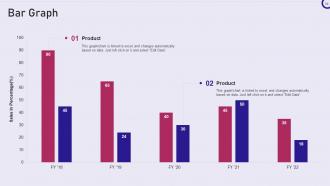
Slide 34: This slide presents Bar chart with two products comparison.
Slide 35: This is Our Mission slide with related imagery and text.
Slide 36: This is About Us slide to show company specifications etc.
Slide 37: This slide depicts Venn diagram with text boxes.
Slide 38: This slide shows Post It Notes. Post your important notes here.
Slide 39: This slide presents Roadmap with additional textboxes.
Slide 40: This slide contains Puzzle with related icons and text.
Slide 41: This is a Thank You slide with address, contact numbers and email address.
Strategy playbook powerpoint presentation slides with all 46 slides:
Use our Strategy Playbook Powerpoint Presentation Slides to effectively help you save your valuable time. They are readymade to fit into any presentation structure.
-
Strategy Playbook
-
Agenda for Strategy Playbook
-
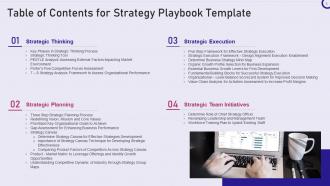
Table of Contents for Strategy Playbook Template
-
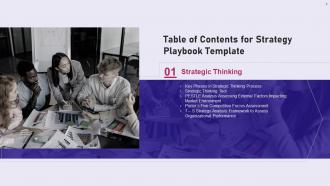
Table of Contents for Strategy Playbook Template
-
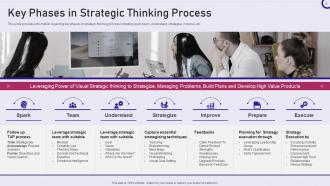
Key Phases in Strategic Thinking Process
-
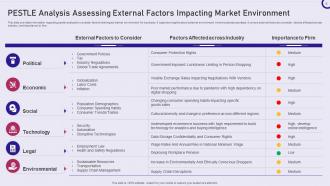
PESTLE Analysis Assessing External Factors Impacting Market Environment
-
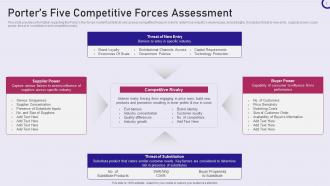
Porter s Five Competitive Forces Assessment
-
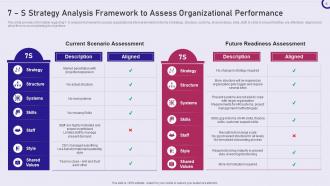
7 S Strategy Analysis Framework to Assess Organizational Performance
-
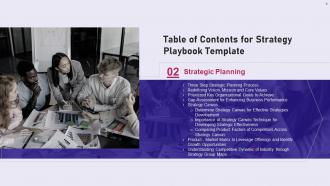
Table of Contents for Strategy Playbook Template
-
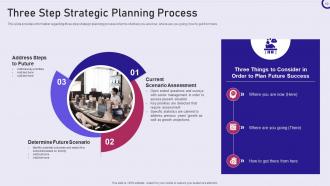
Three Step Strategic Planning Process
-
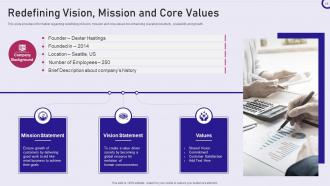
Redefining Vision Mission and Core Values
-
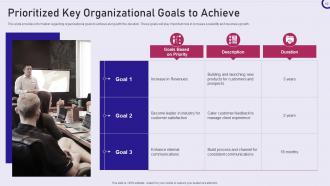
Prioritized Key Organizational Goals to Achieve
-
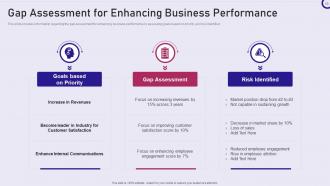
Gap Assessment for Enhancing Business Performance
-
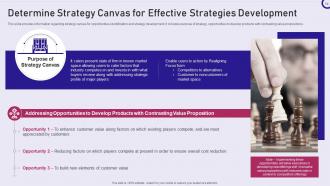
Determine Strategy Canvas for Effective Strategies Development
-
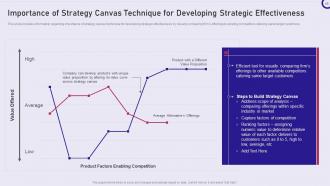
Importance of Strategy Canvas Technique for Developing Strategic Effectiveness
-
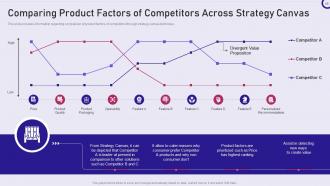
Comparing Product Factors of Competitors Across Strategy Canvas
-
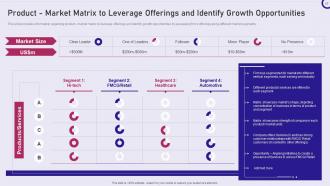
Product Market Matrix to Leverage Offerings and Identify Growth Opportunities
-
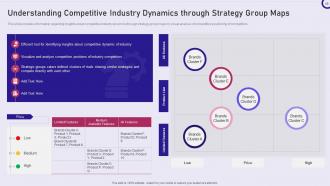
Understanding Competitive Industry Dynamics through Strategy Group Maps
-
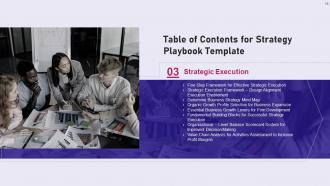
Table of Contents for Strategy Playbook Template
-
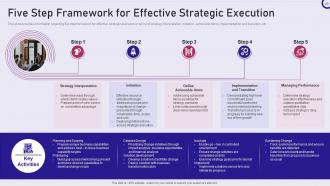
Five Step Framework for Effective Strategic Execution
-
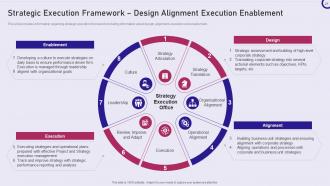
Strategic Execution Framework Design Alignment Execution Enablement
-
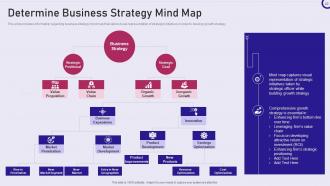
Determine Business Strategy Mind Map
-
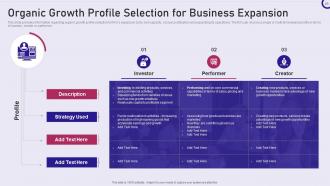
Organic Growth Profile Selection for Business Expansion
-
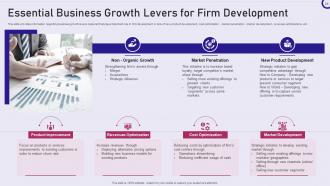
Essential Business Growth Levers for Firm Development
-
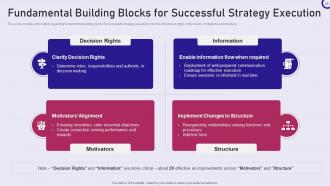
Fundamental Building Blocks for Successful Strategy Execution
-
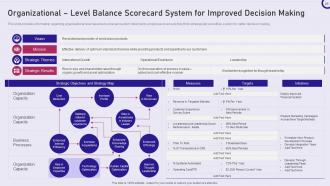
Organizational Level Balance Scorecard System for Improved Decision Making
-

Value Chain Analysis for Activities Assessment to Increase Profit Margins
-
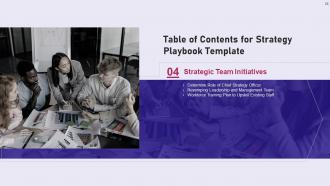
Table of Contents for Strategy Playbook Template
-
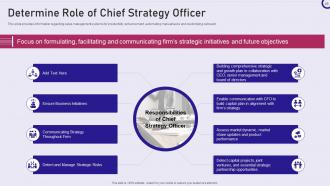
Determine Role of Chief Strategy Officer
-
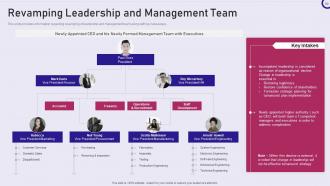
Revamping Leadership and Management Team
-
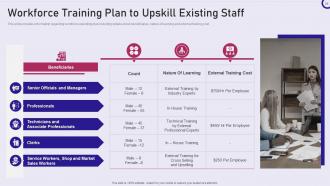
Workforce Training Plan to Upskill Existing Staff
-
Icons Slide for Strategy Playbook
-

Additional Slides
-
Bar Graph
-
Our Mission
-

About Us
-
Venn
-
Post it Notes
-
Roadmap
-
Puzzle
-

Thanks for Watching
-

-

-

-

-

FAQs for Strategy playbook
So you need five main things in your strategy playbook. First, objectives that don't make people's eyes glaze over - like, actually clear ones. Then map out your tactics for hitting those goals. Define who's responsible for what (this saves SO many headaches later). Track the right metrics and set timeline milestones. Also, throw in some "what if" scenarios because Murphy's law is real and stuff will go sideways. The whole thing should be easy enough that people aren't constantly pinging you for explanations. Start with your biggest priority first - it'll help everything else fall into place.
Think of the strategy playbook as your shared GPS - it stops departments from going off in random directions. Marketing, sales, product, ops... they're all looking at the same map now. No more awkward meetings where someone's like "wait, what are we even doing?" Each team can see how their stuff connects to everyone else's goals. During planning sessions, you just pull it out and check if people are actually working toward the same thing. Have departments match their big projects to whatever strategic pillars you've got. Honestly saves so much confusion down the road.
Look, you need both types of metrics - the early warning signs and the actual results. Track adoption rates and how often people actually use the playbook (because honestly, what's the point if it just sits there collecting dust?). Also watch completion rates for your strategic initiatives. Then measure the real outcomes - revenue growth, market share, customer satisfaction, whatever you're trying to move. Time-to-decision is super important too, plus how consistent your teams are when they're running similar plays. Don't go crazy though. Pick 3-4 metrics that actually matter for your situation and start there.
Get key people from each team involved in actually building the playbook - don't just dump it on them later. When they help create it, they'll actually use it. Honestly, I've watched so many fail because some exec just handed down rules from their ivory tower. Make sure you're solving real daily headaches, not made-up problems. Explain why changes matter. Address their concerns directly instead of brushing them off. Start with a pilot group who can become your biggest cheerleaders. Oh, and create some quick wins early so people see it's worth their time.
Don't make it too generic - your team needs something they can actually use every day. Skip the fancy frameworks that just confuse people. Get input from the folks who'll actually execute this stuff, otherwise you'll create something that sounds amazing but totally flops. I've honestly watched so many of these things just sit there collecting digital dust. Build in regular updates from the start. Oh, and keep it simple enough that people won't roll their eyes when they open it. You want something living and breathing, not another corporate document nobody touches.
Quarterly reviews are the bare minimum, but honestly it depends on your industry. Tech moves crazy fast - I'd check monthly if I were you. More stable markets? Every 6 months works fine. Here's the thing though - don't just rely on calendar dates. Big competitor moves or new regulations should trigger immediate reviews. I learned this the hard way when a client missed a major shift because they were "waiting for Q3 review." Set those recurring reminders and actually follow through. Nothing worse than a strategy that's collecting dust while your market evolves without you.
Honestly, visuals are a game-changer for strategy docs. Nobody wants to read walls of text - charts and diagrams help people actually *get* what you're saying fast. I always color-code different priority levels because it makes everything so much easier to navigate. Flowcharts work great for processes too. The trick is being smart about where you use them, not just throwing in random graphics everywhere. Look at your heaviest text sections first and think "would a simple diagram explain this way better?" Trust me, your team will thank you for it. Makes such a difference.
Drop case studies right after each strategy section - they're your "see, this actually works" proof. I'd go with 2-3 per major topic, mixing wins with failures (honestly the screwups teach way more). Make them snappy but throw in real numbers so people can see actual results. Oh, and add those little "key takeaways" boxes after each one - saves people from hunting for the main points. If you can pull examples from your own company, even better. People connect more when they recognize the chaos they're dealing with.
Look, market research is honestly everything when you're building strategy. It shows you what's really going on vs. what you think is happening. Without it, you're basically just throwing darts blindfolded - and that rarely ends well, trust me. The research helps you spot customer pain points and find gaps your competitors missed. Plus you'll catch trends before everyone else jumps on them. Start by checking what data you already have lying around, then figure out what's missing for your next big decisions. Makes all the difference.
Honestly, just trace each playbook thing back to your mission statement. Can't make that connection? Probably doesn't belong there. Your vision is basically your filter for what gets resources and attention - I've watched companies create these fancy playbooks that look great but have zero connection to what they're actually trying to do. Your team should be able to explain how their daily stuff ties to the big picture without thinking too hard about it. Every quarter or so, do a quick check - would some random person reading this understand what you're all about? That's the test.
Honestly, you've got so many choices it's kinda overwhelming. Miro and Mural work great for mapping out strategy stuff with your team. Then there's the usual suspects - Google Workspace or Office 365 for actually writing and editing together. I'm pretty obsessed with Notion though, keeps everything tidy in one spot and doesn't look like garbage. Distribution's the tricky part - could go with your company intranet, SharePoint, or something fancier like Confluence. But here's the thing: pick whatever your people already use daily. Best tool in the world won't matter if it just sits there collecting digital dust.
Culture will absolutely torpedo your strategy if they don't match up. Like, I've watched teams with amazing plans completely crash because the strategy needed quick decisions but everyone was used to talking things through for weeks first. Risk tolerance is huge too - and honestly, the whole hierarchy thing gets weird fast if you're not careful. You can't just ignore how people actually operate day-to-day. Two options: either tweak your playbook so it fits your team's natural style, or start changing the culture first (which takes forever, just saying). Map out where your strategy bumps against current behaviors, then figure out how to connect them.
Honestly, a strategy playbook is like GPS when you're driving in the dark - stops you from chasing every shiny object that pops up. For startups, it keeps your tiny team aligned so you're not second-guessing every move. Bigger companies use them differently though. More about coordinating all the moving pieces and getting new hires up to speed fast. Plus it's your safety net when someone important quits (and trust me, they always do at the worst time). Just start with one page. Better than nothing.
Set up quarterly reviews where people can actually tell you what's broken - not just the polite stuff. Track metrics that matter, not vanity numbers. The hard part? Getting honest feedback without people worrying they'll get blamed. I've seen too many teams where everyone just nods along while the playbook collects dust. Try anonymous feedback forms or casual retrospectives after big projects. Short, punchy sessions work better than marathon meetings. Most importantly, actually update the thing based on what you hear. Otherwise it becomes that document nobody opens anymore.
Build quarterly check-ins into your routine - honestly, most teams forget about their playbooks after launch which is such a waste. Put specific people in charge of different sections so there's actual ownership. After every project, add playbook updates to your retrospective while the lessons are still fresh in everyone's heads. Set up something simple for feedback too, like a dedicated Slack channel where people can drop suggestions without making it this whole formal process. The trick is making updates feel normal instead of some dreaded annual overhaul that nobody wants to touch.
-
Informative presentations that are easily editable.
-
Easily Editable.