


Corporate Business Playbook Powerpoint Presentation Slides
Check out our professionally designed presentation on Business Playbook, a guide that helps the organization analyze the business model. The following presentation is a detailed playbook that allows the organization to understand the business and revenue model and develop key strategies to boost the organizations organic growth. This playbook is helpful for entrepreneurs intending to define the organizations process, strategy, functions, and policies. The following presentation is strategically divided into four sections that help understand each business vertical in detail. The first section of the presentation provides an overview of the playbook and helps understand the organizations vision, mission, and goals. The second section of the playbook helps define the Organizations Roles, Responsibilities, and Governance Structure. The third section of the playbook helps the organization understand the business model. This is achieved by breaking down each element of the business model, such as key business partners, key areas of expenditure, segments of the customer, etc. The final section of this playbook helps identify the key metrics that the organization can use to measure the performance of their business efforts successfully. Our slides are 100 percent editable and are compatible with Google Slides.




















-

- Google Slides is a new FREE Presentation software from Google.
- All our content is 100% compatible with Google Slides.
- Just download our designs, and upload them to Google Slides and they will work automatically.
- Amaze your audience with SlideTeam and Google Slides.
-

Want Changes to This PPT Slide? Check out our Presentation Design Services
-

- WideScreen Aspect ratio is becoming a very popular format. When you download this product, the downloaded ZIP will contain this product in both standard and widescreen format.
-

- Some older products that we have may only be in standard format, but they can easily be converted to widescreen.
- To do this, please open the SlideTeam product in Powerpoint, and go to
- Design ( On the top bar) -> Page Setup -> and select "On-screen Show (16:9)” in the drop down for "Slides Sized for".
- The slide or theme will change to widescreen, and all graphics will adjust automatically. You can similarly convert our content to any other desired screen aspect ratio.
Compatible With Google Slides

Get This In WideScreen
You must be logged in to download this presentation.


Do you want to remove this product from your favourites?
PowerPoint presentation slides
Deliver this complete deck to your team members and other collaborators. Encompassed with stylized slides presenting various concepts, this Corporate Business Playbook Powerpoint Presentation Slides is the best tool you can utilize. Personalize its content and graphics to make it unique and thought-provoking. All the fourty one slides are editable and modifiable, so feel free to adjust them to your business setting. The font, color, and other components also come in an editable format making this PPT design the best choice for your next presentation. So, download now.

People who downloaded this PowerPoint presentation also viewed the following :
Content of this Powerpoint Presentation
Slide 1: This slide displays title i.e. 'Business Playbook' and your Company Name.
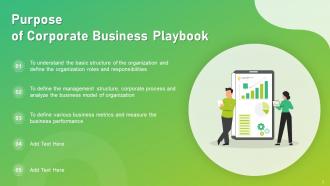
Slide 2: This slide presents purpose of the playbook.
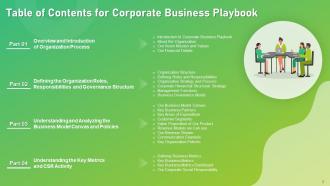
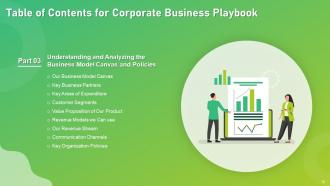
Slide 3: This slide exhibits table of contents.
Slide 4: This slide depicts title for four topics that are to be covered next in the template.
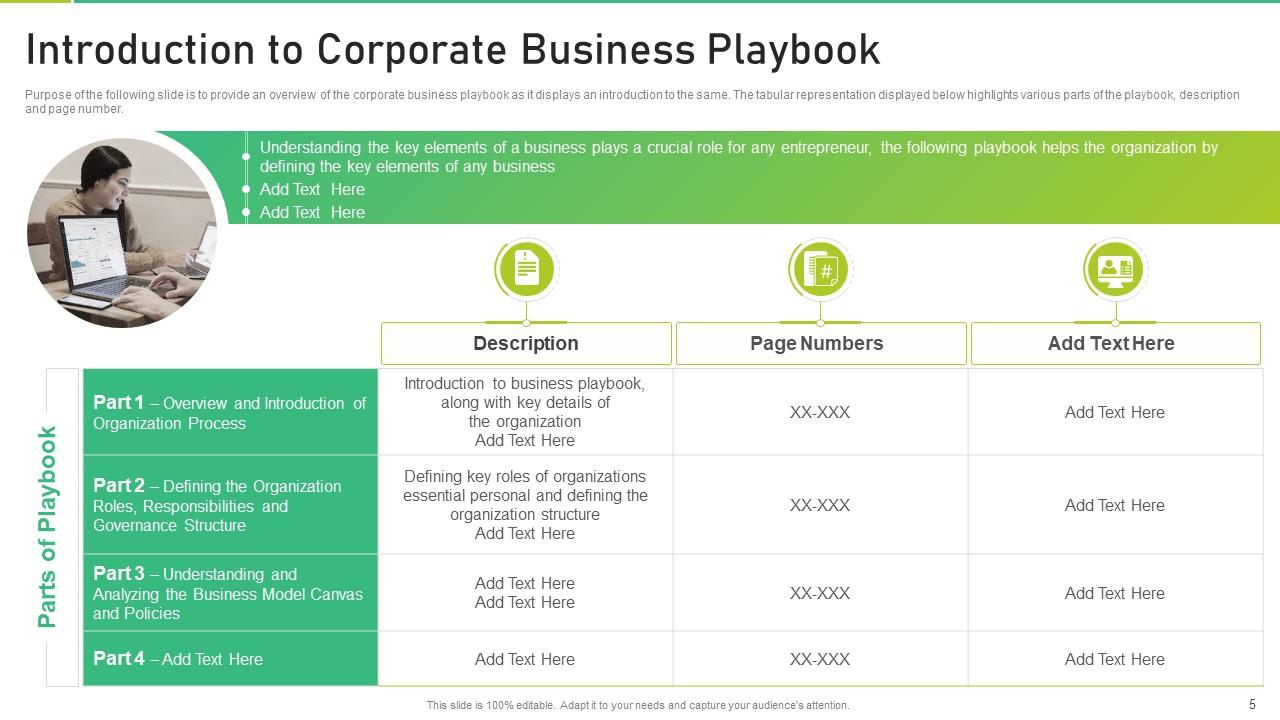
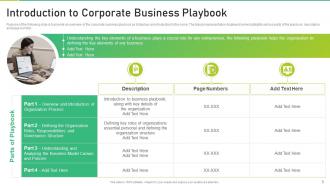
Slide 5: This slide provide an overview of the corporate business playbook as it displays an introduction to the same.
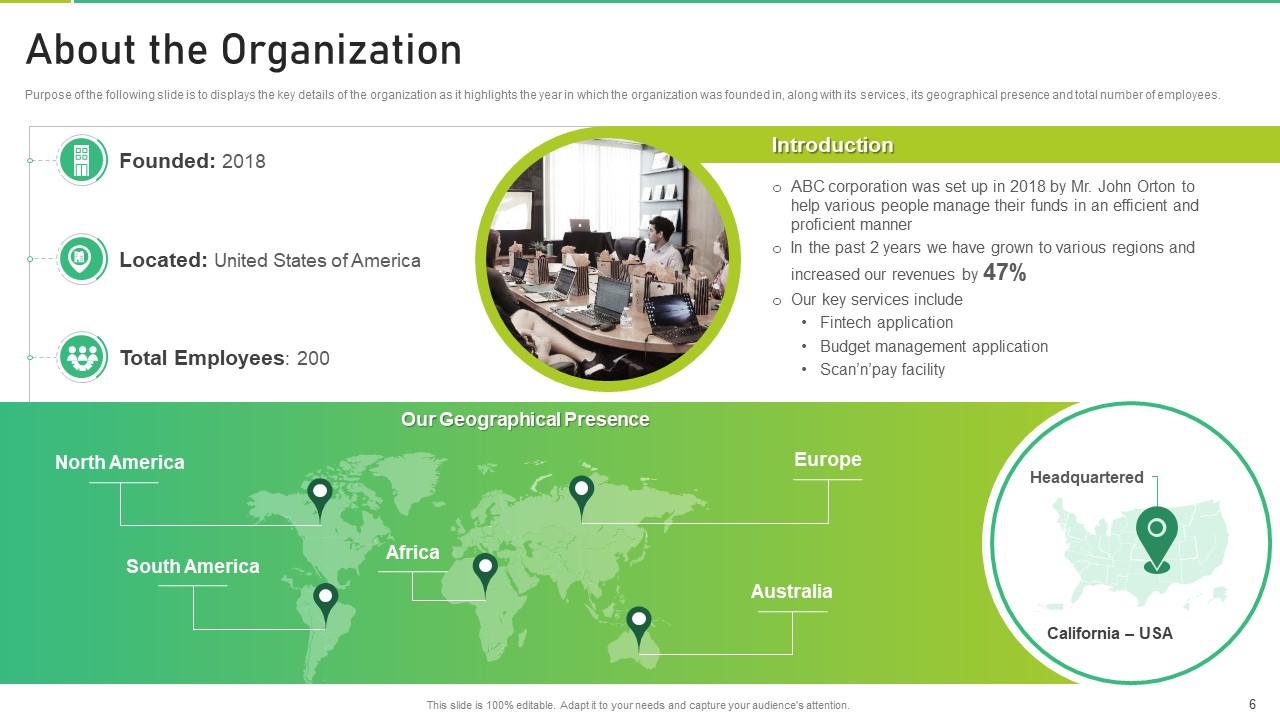
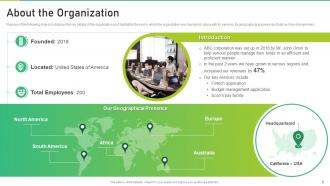
Slide 6: This slide displays the key details of the organization as it highlights the year in which the organization was founded in, along with its services, etc.
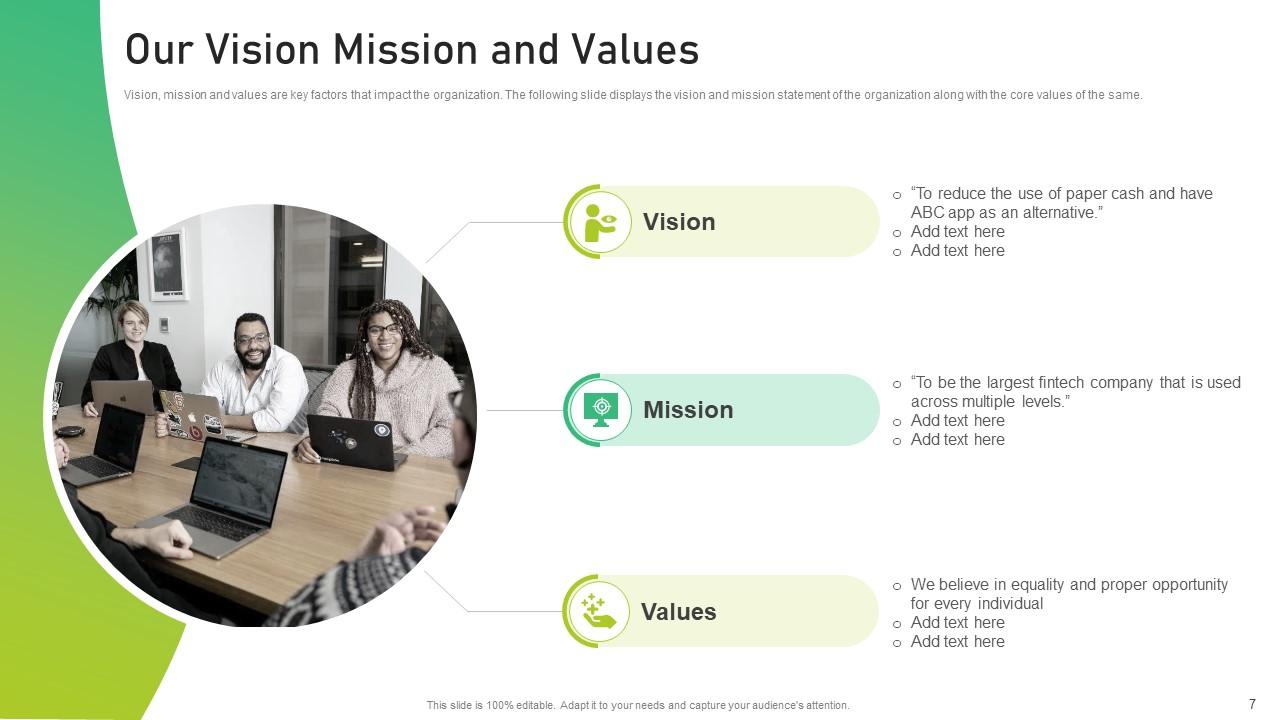
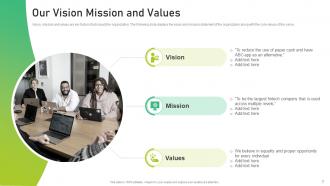
Slide 7: This slide displays the vision and mission statement of the organization along with the core values of the same.
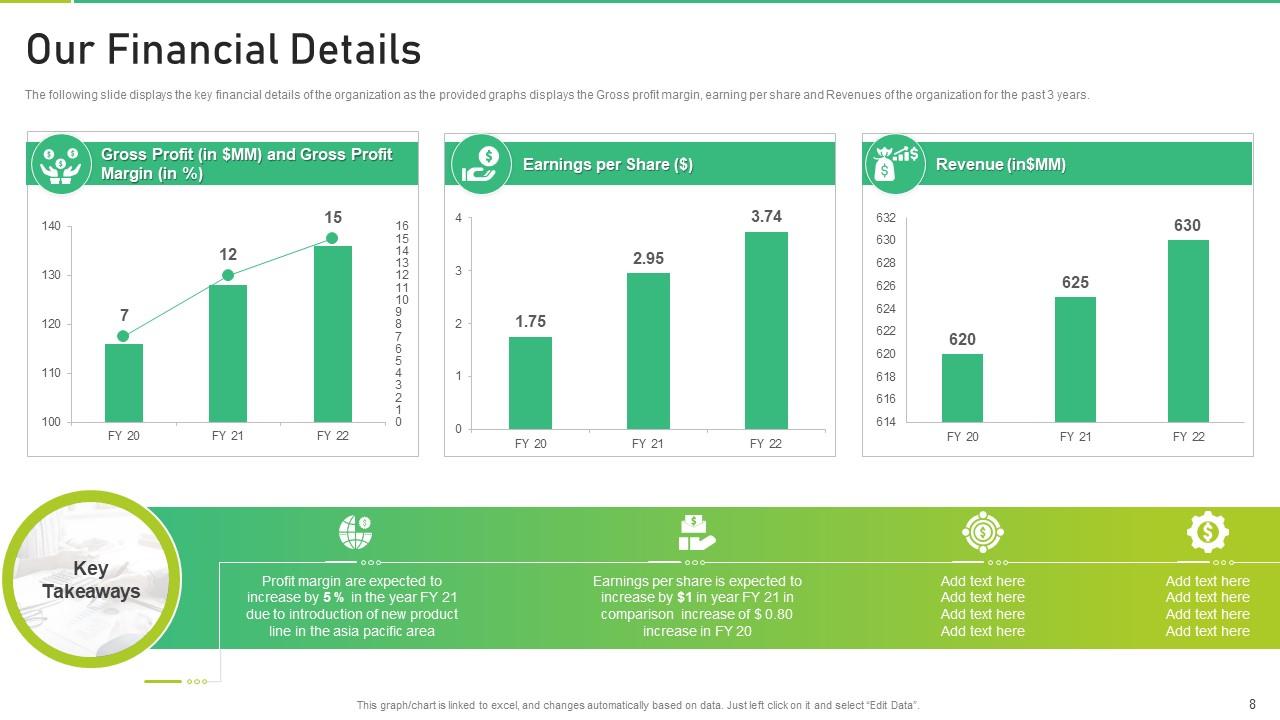
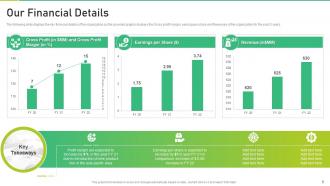
Slide 8: This slide displays the key financial details of the organization as the provided graphs displays the Gross profit margin, etc.
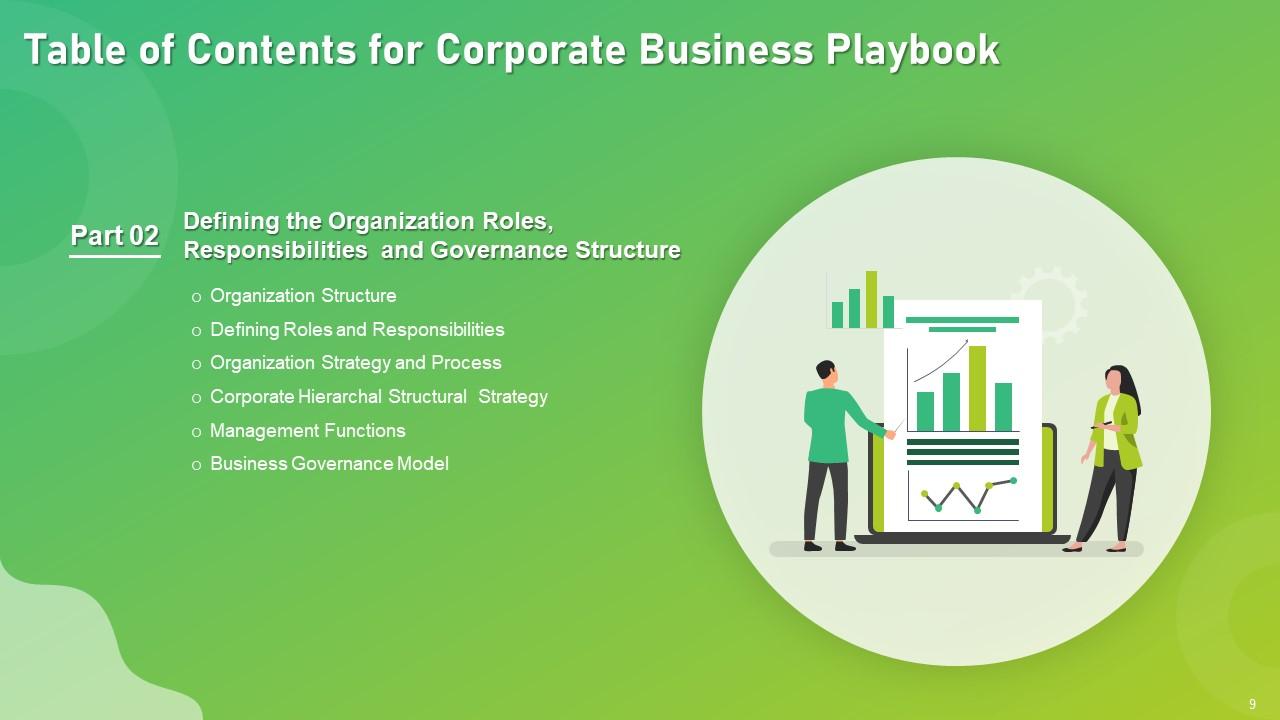
Slide 9: This slide depicts title for six topics that are to be covered next in the template.
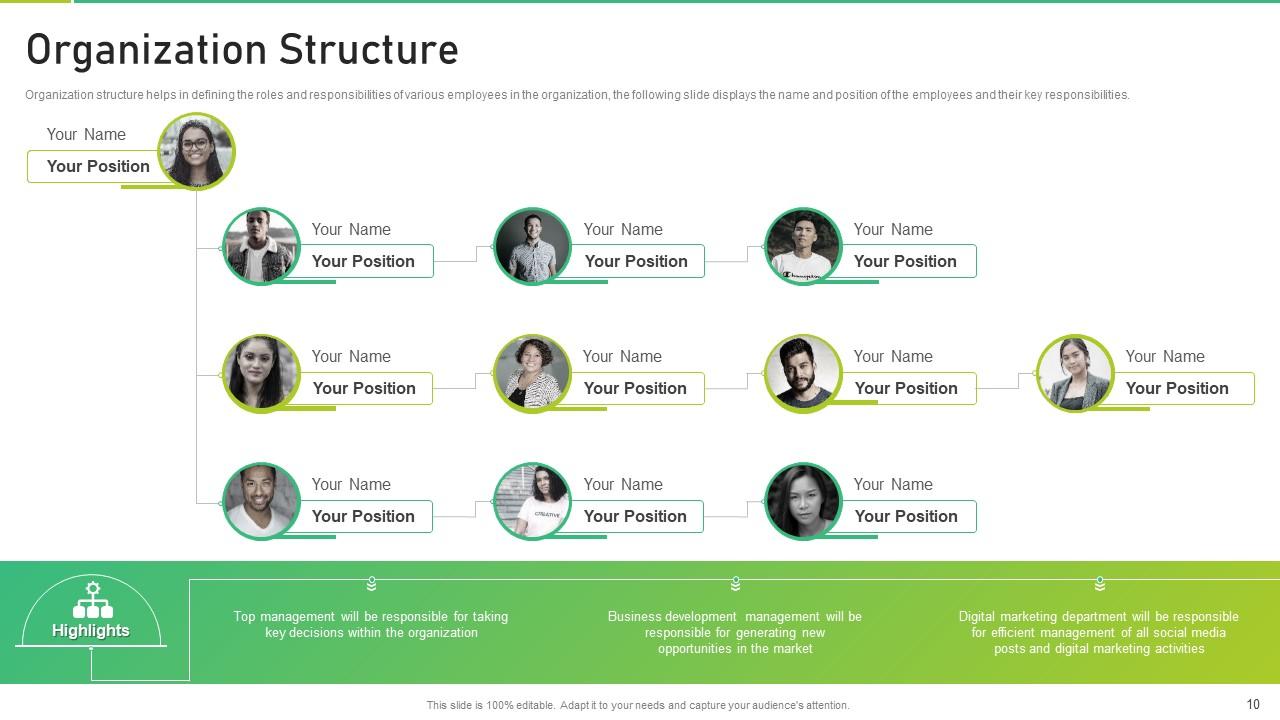
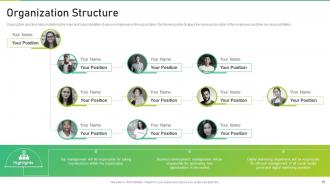
Slide 10: This slide displays the name and position of the employees and their key responsibilities.
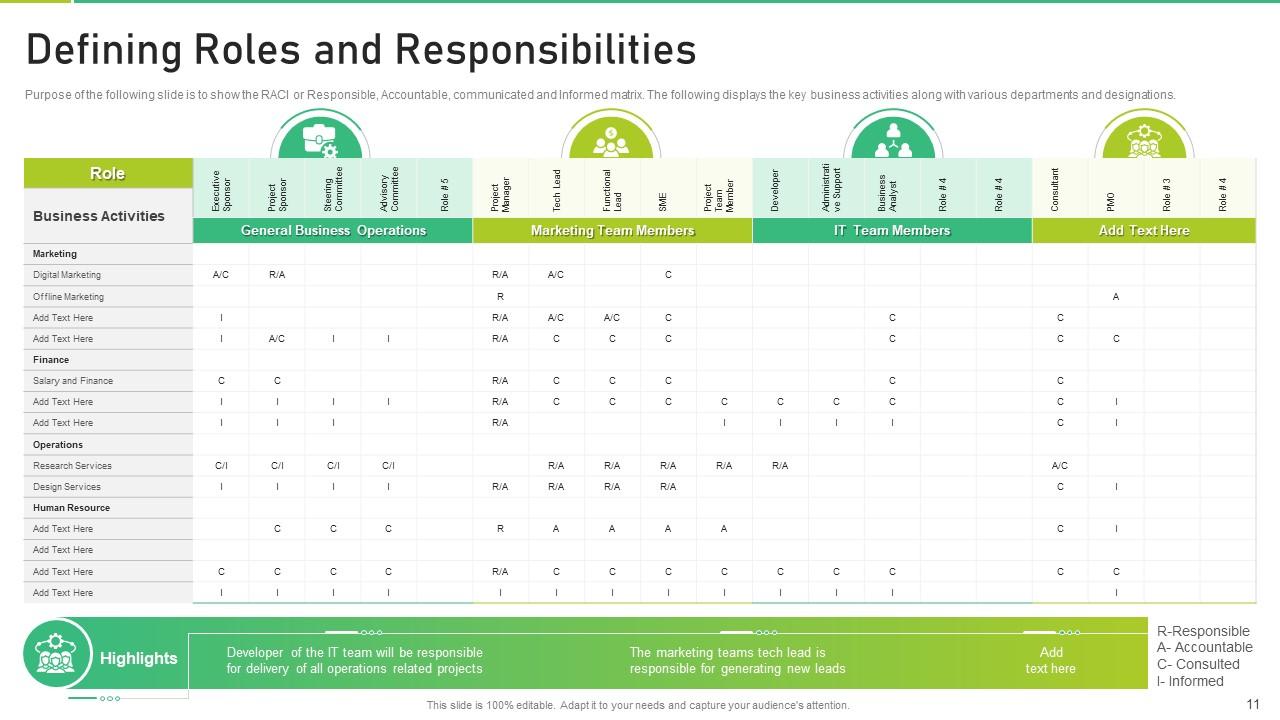
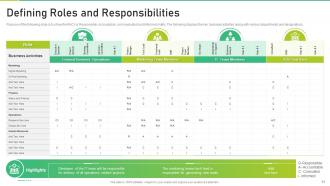
Slide 11: This slide show the RACI or Responsible, Accountable, communicated and Informed matrix.
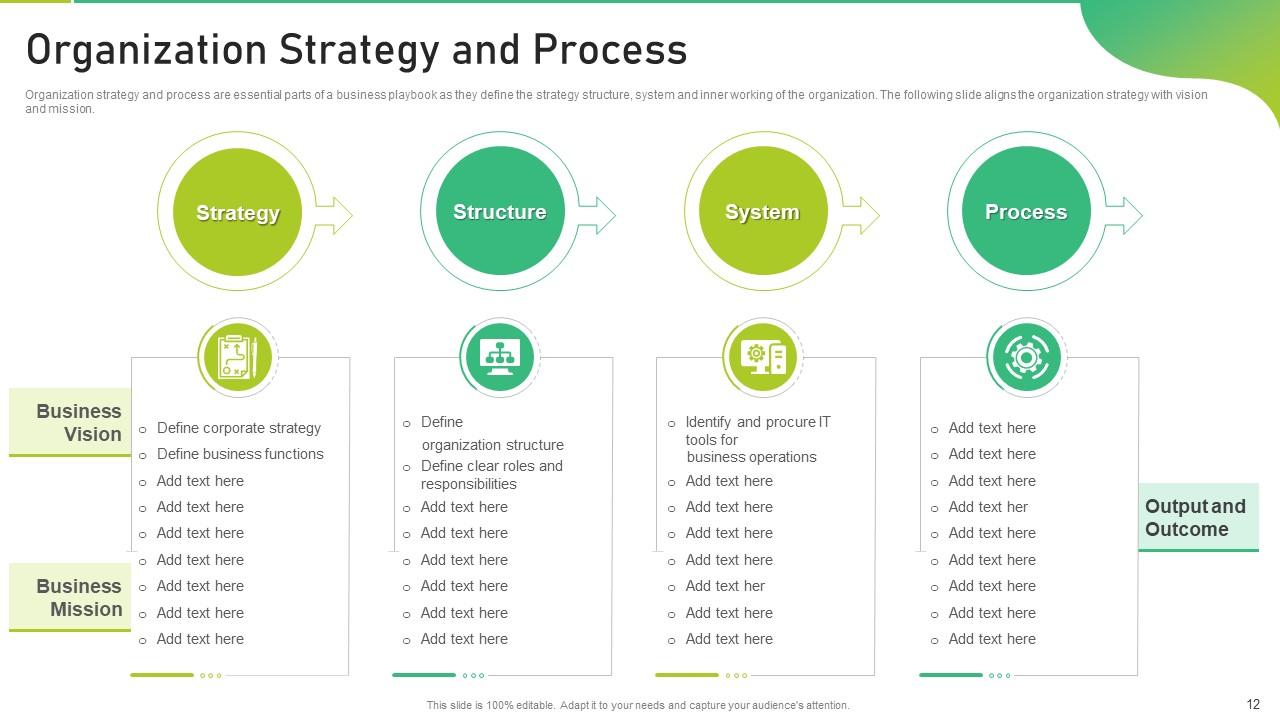
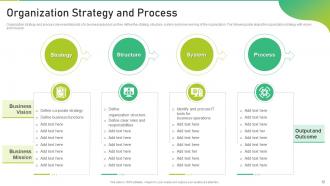
Slide 12: This slide aligns the organization strategy with vision and mission.
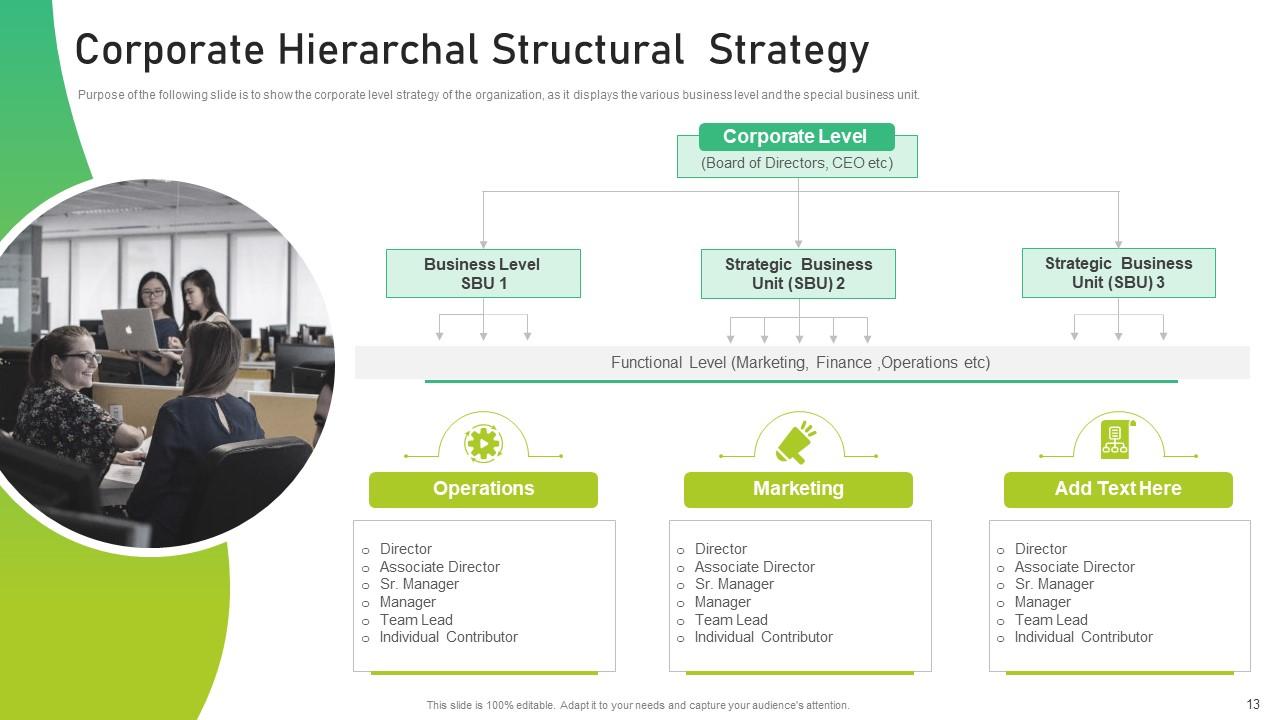
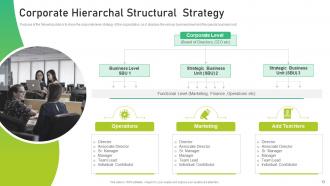
Slide 13: This slide show the corporate level strategy of the organization, as it displays the various business level and the special business unit.
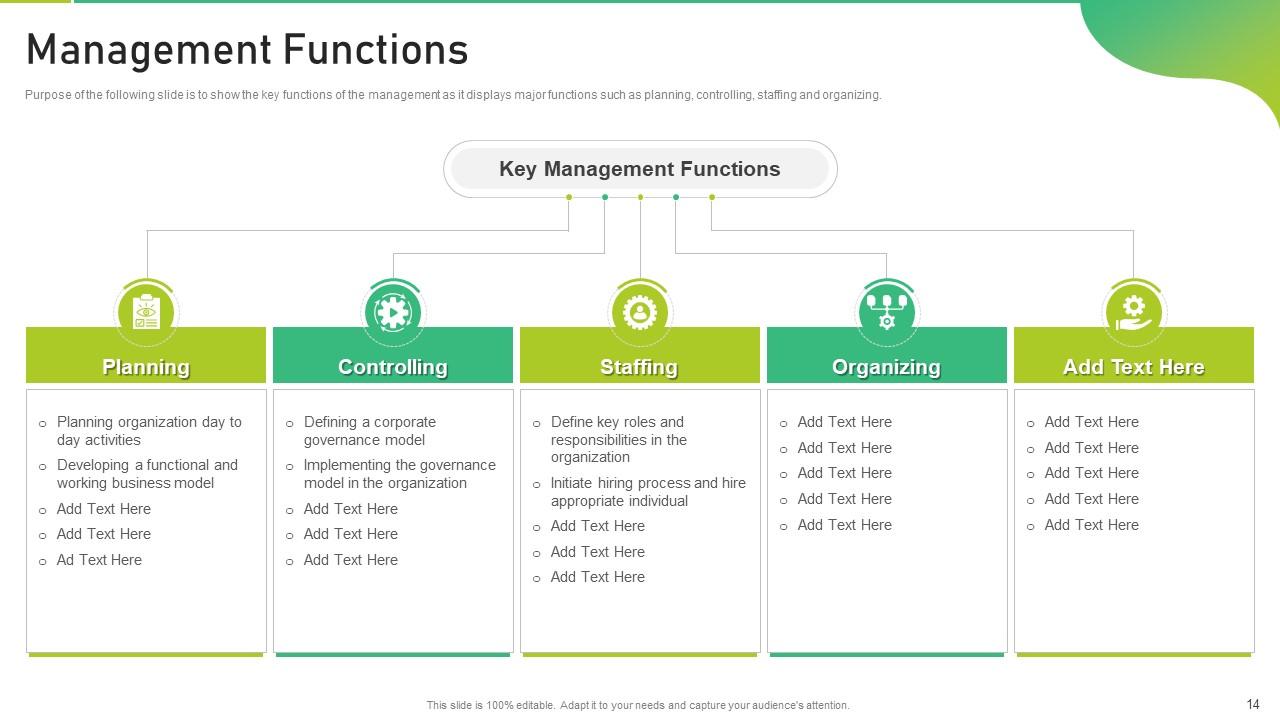
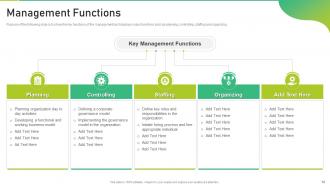
Slide 14: This slide show the key functions of the management as it displays major functions such as planning, controlling, staffing and organizing.
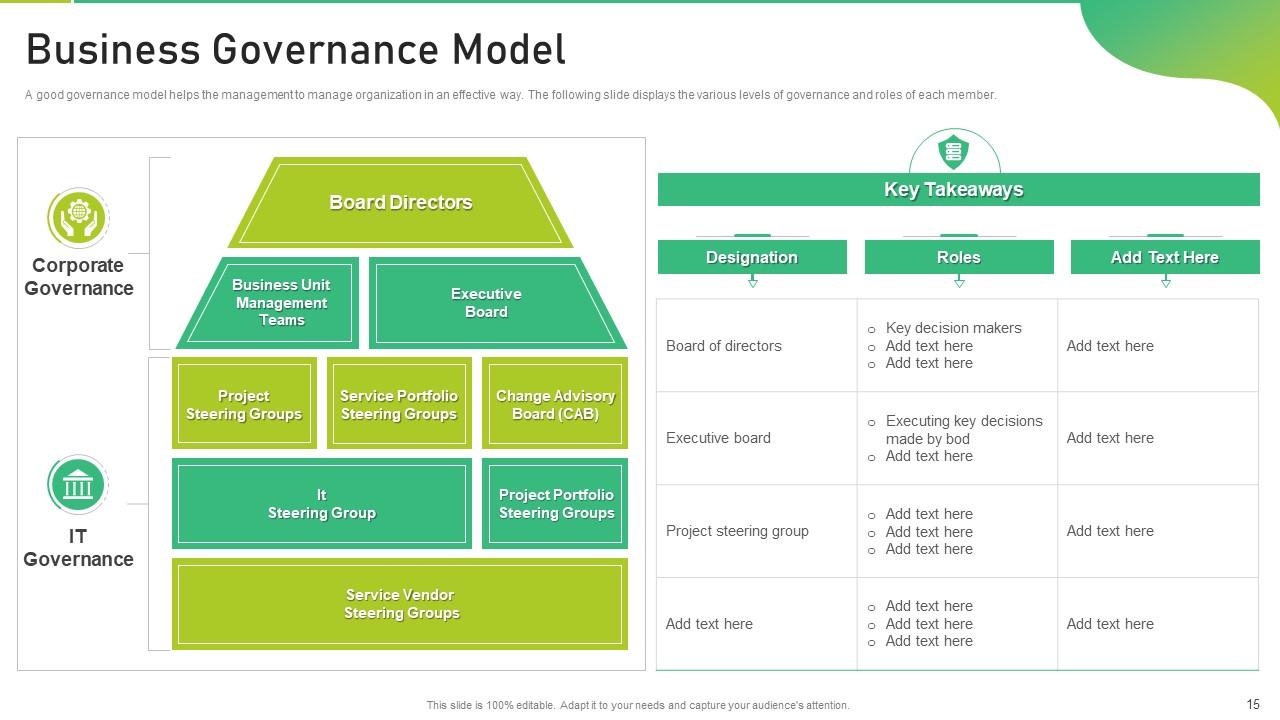
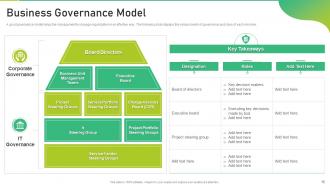
Slide 15: This slide displays the various levels of governance and roles of each member.
Slide 16: This slide depicts title for nine topics that are to be covered next in the template.
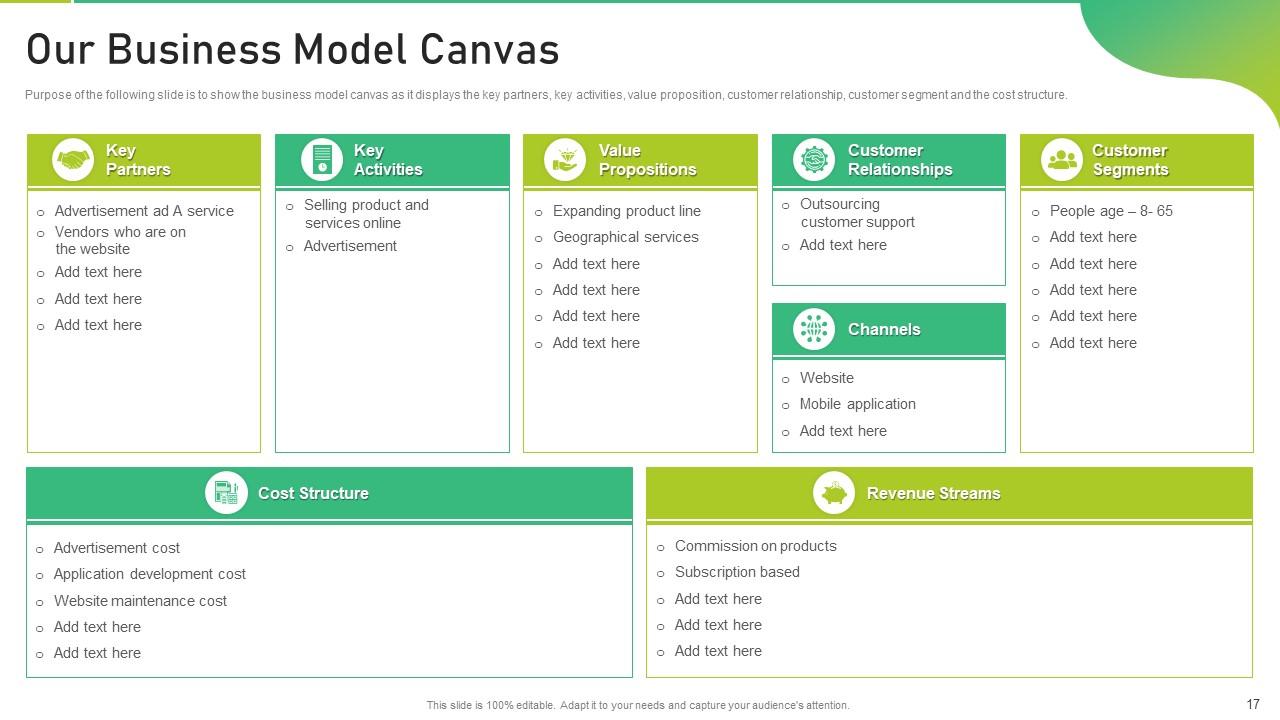
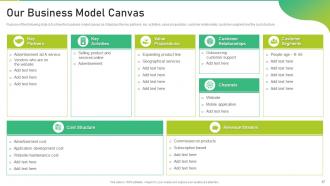
Slide 17: This slide show the business model canvas as it displays the key partners, key activities, value proposition, customer relationship, etc.
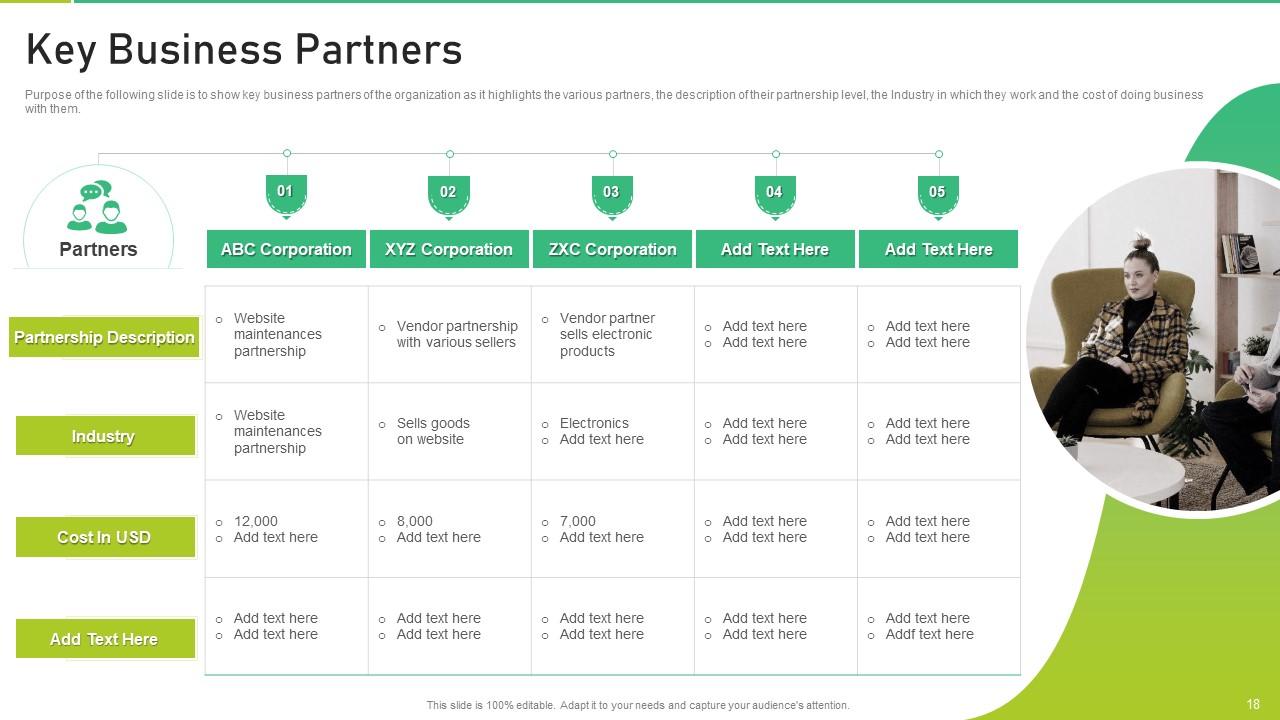
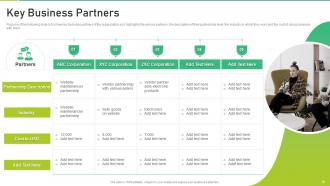
Slide 18: This slide show key business partners of the organization as it highlights the various partners, the description of their partnership level, etc.
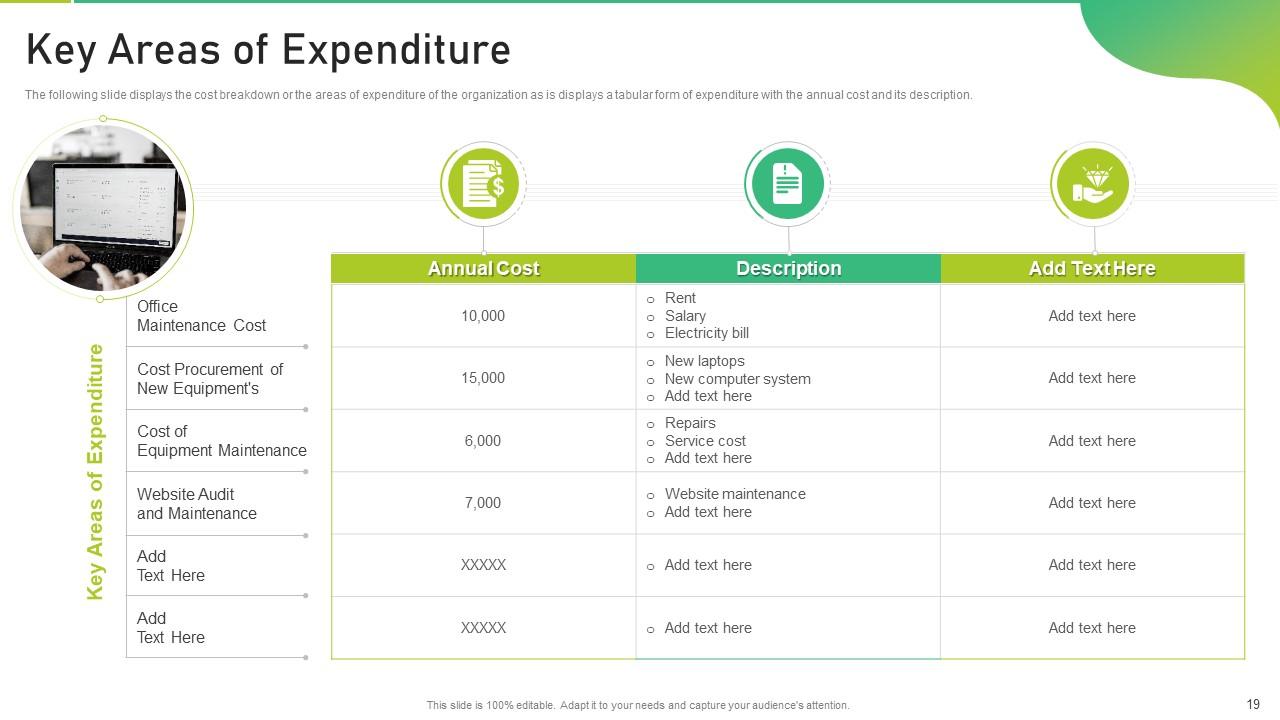
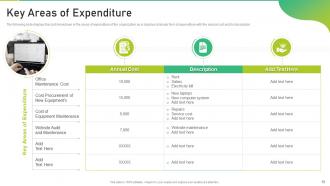
Slide 19: This slide displays the cost breakdown or the areas of expenditure of the organization.
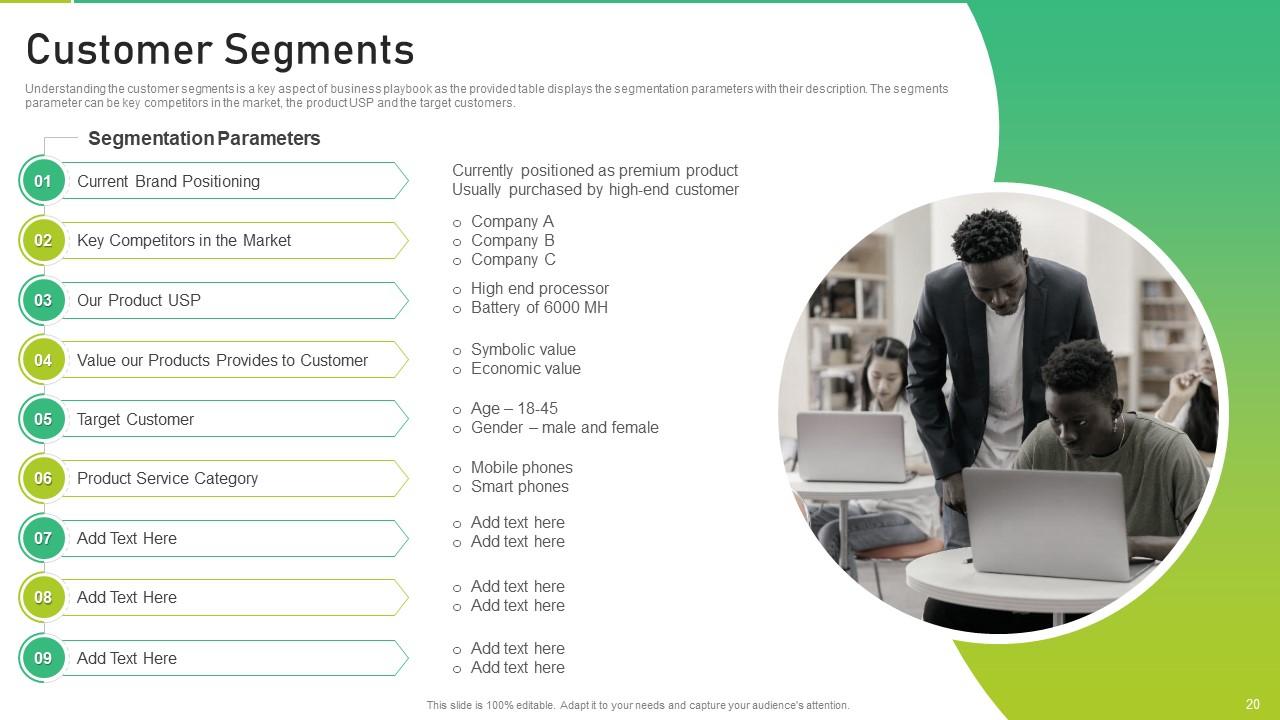
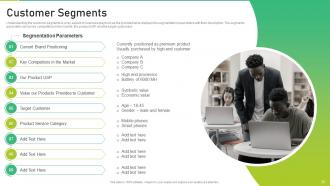
Slide 20: This slide displays the segmentation parameters with their description.
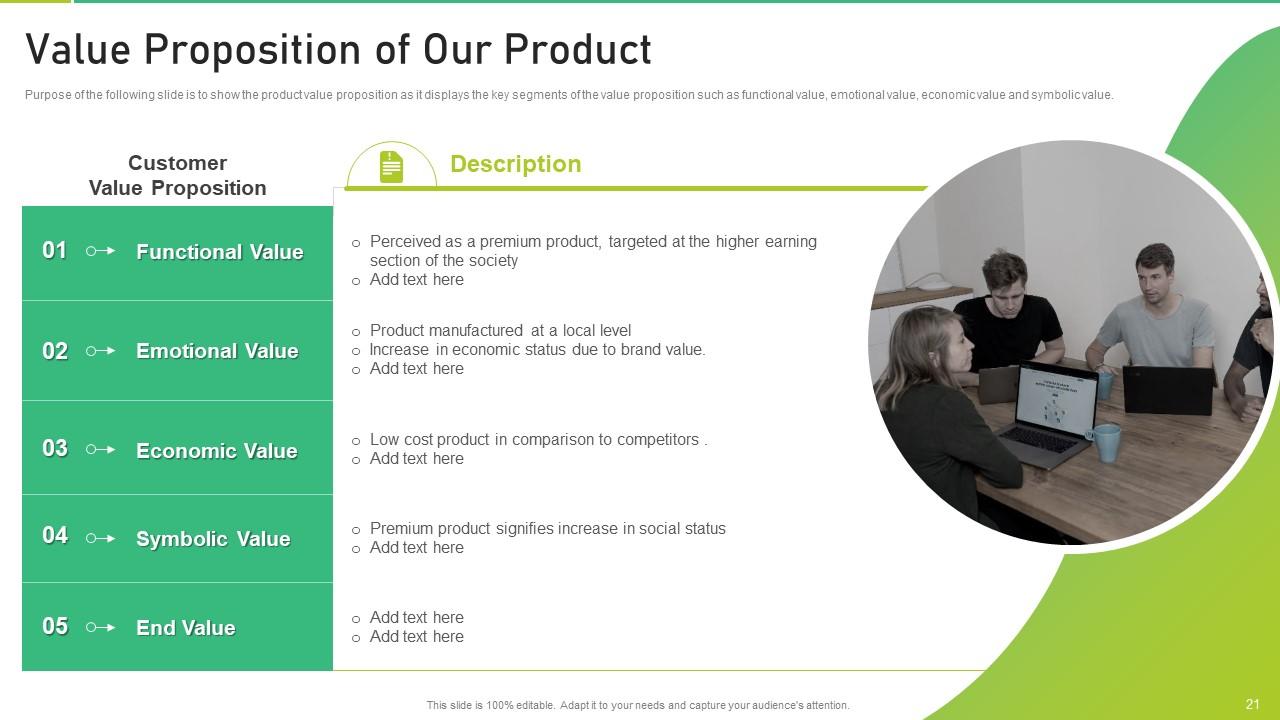
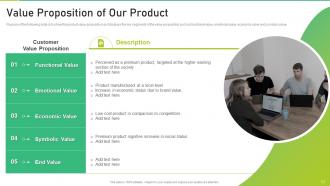
Slide 21: This slide show the product value proposition as it displays the key segments of the value proposition such as functional value, emotional value, etc.
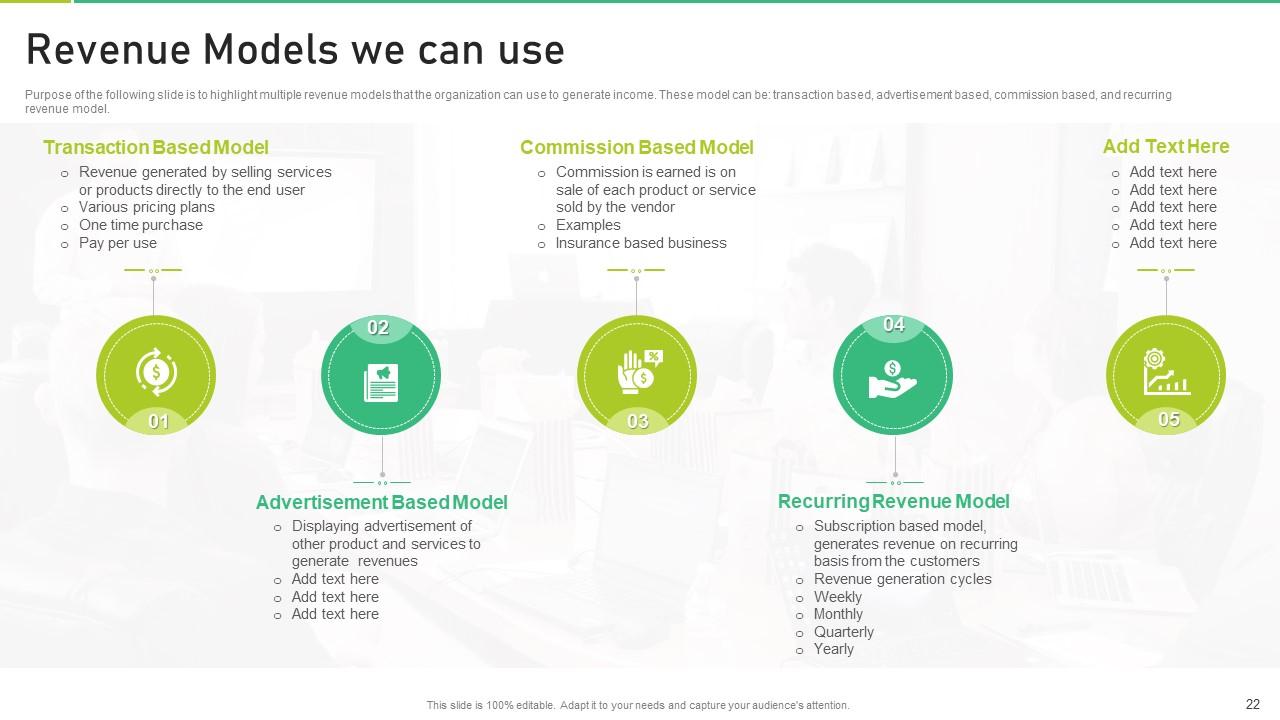
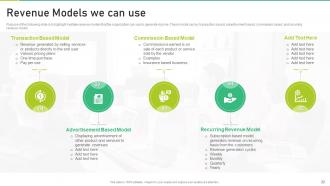
Slide 22: This slide highlight multiple revenue models that the organization can use to generate income.
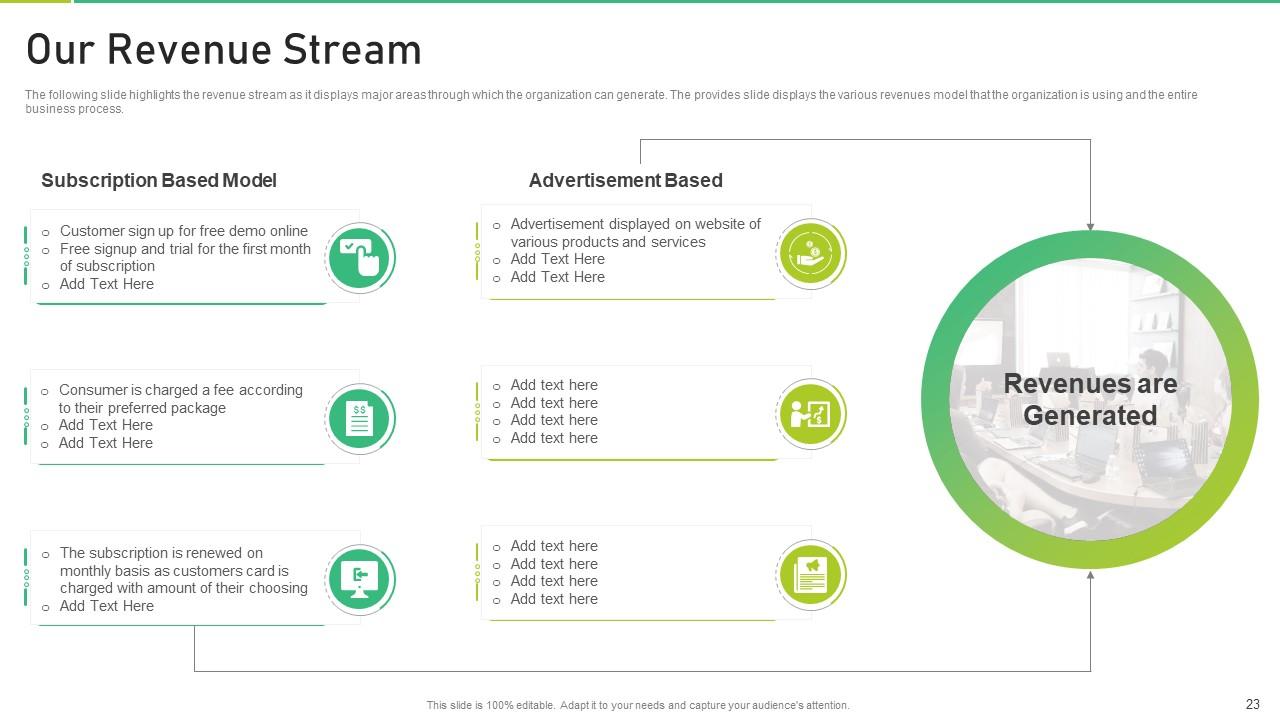
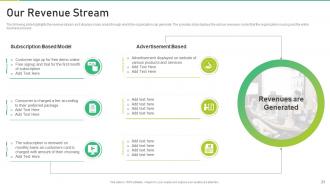
Slide 23: This slide highlights the revenue stream as it displays major areas through which the organization can generate.
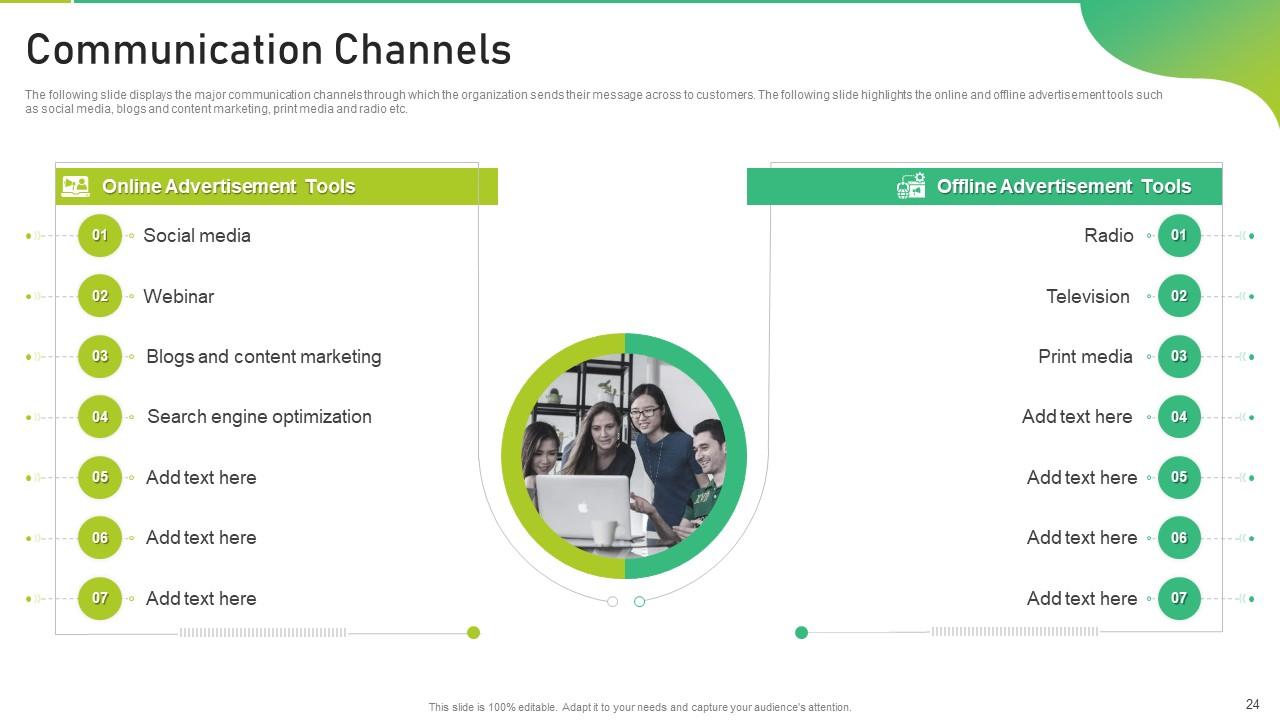
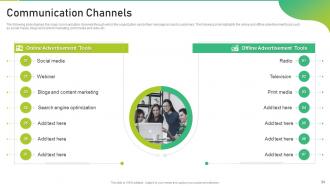
Slide 24: This slide displays the major communication channels through which the organization sends their message across to customers.
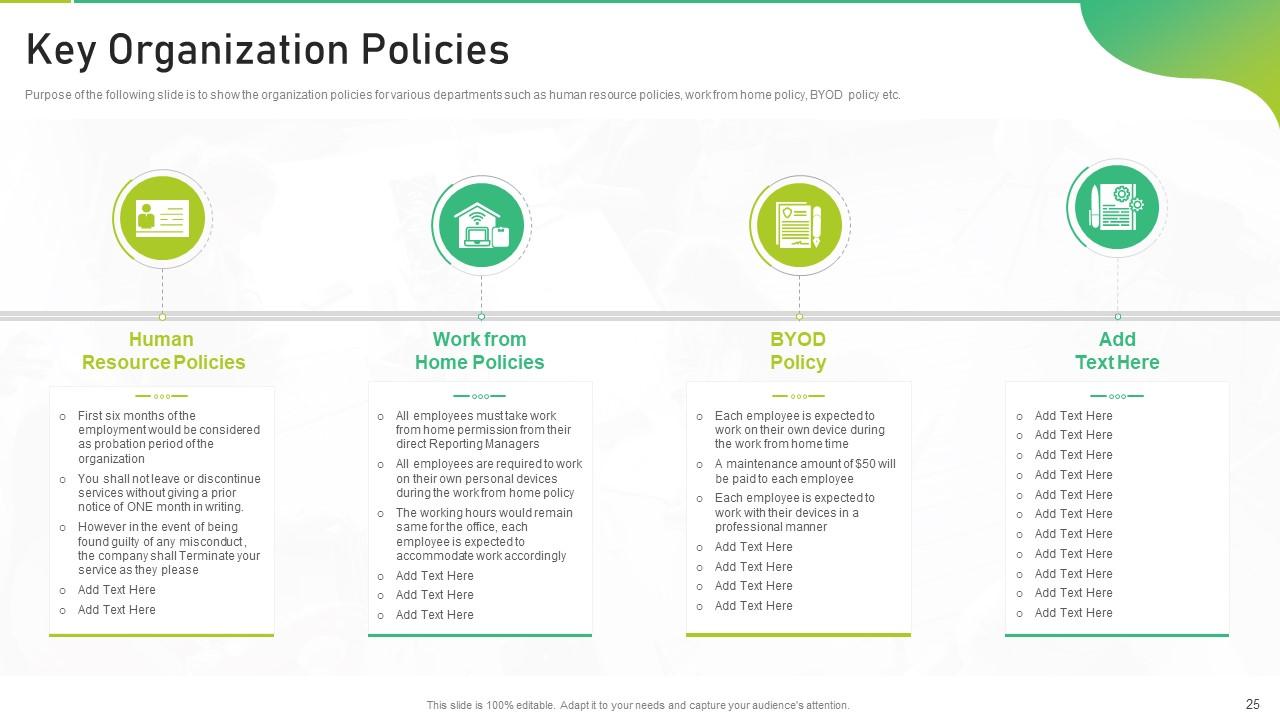
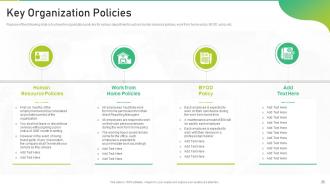
Slide 25: This slide show the organization policies for various departments such as human resource policies, work from home policy, BYOD policy etc.
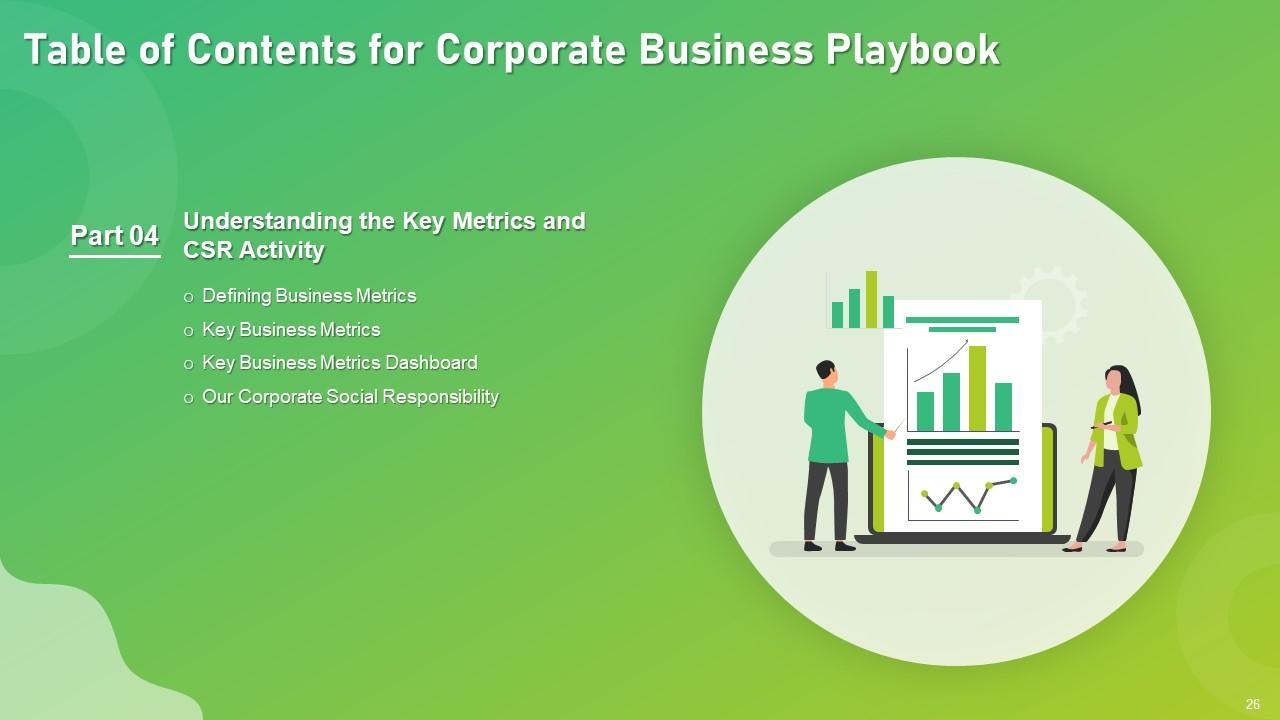
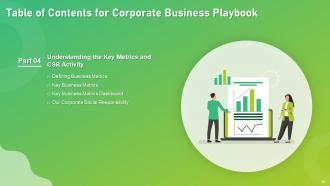
Slide 26: This slide depicts title for three topics that are to be covered next in the template.
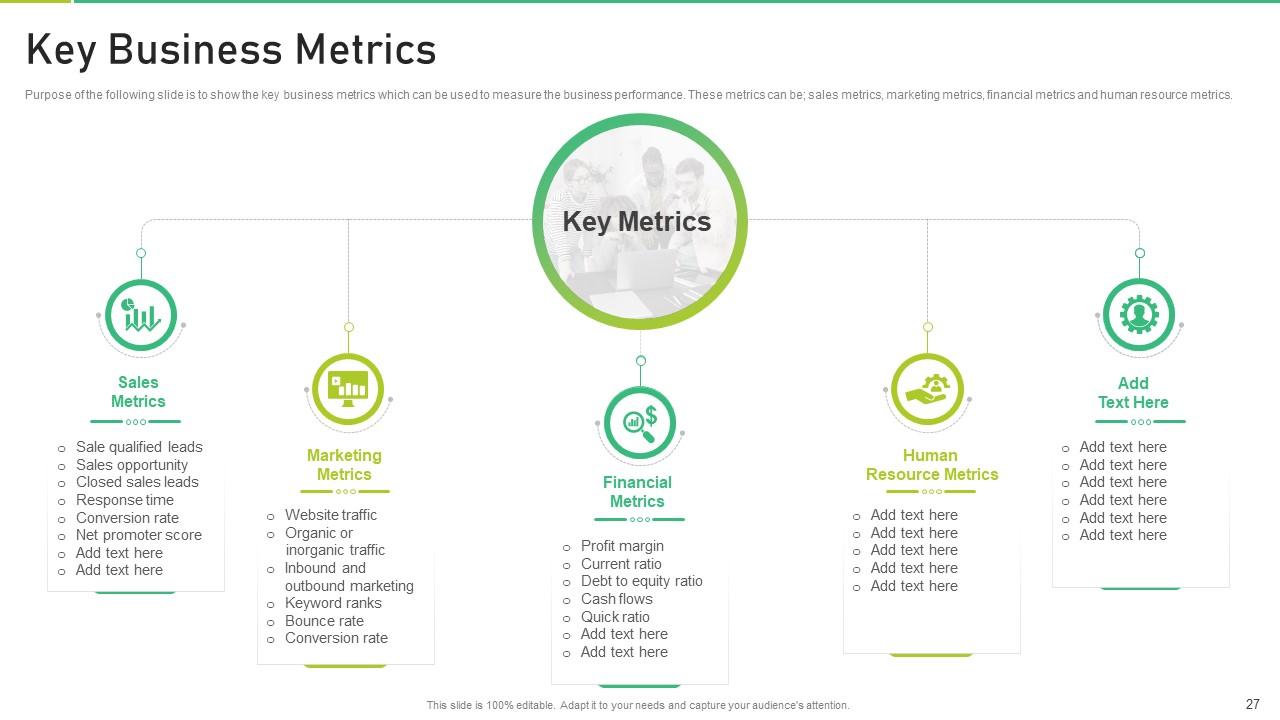
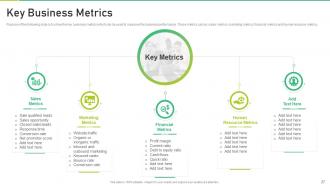
Slide 27: This slide show the key business metrics which can be used to measure the business performance.
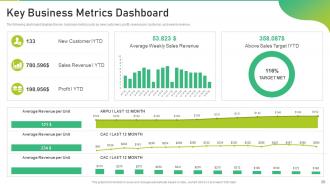
Slide 28: This slide displays the key business metrics such as new customers, profit, revenue per customer, and weekly revenue.
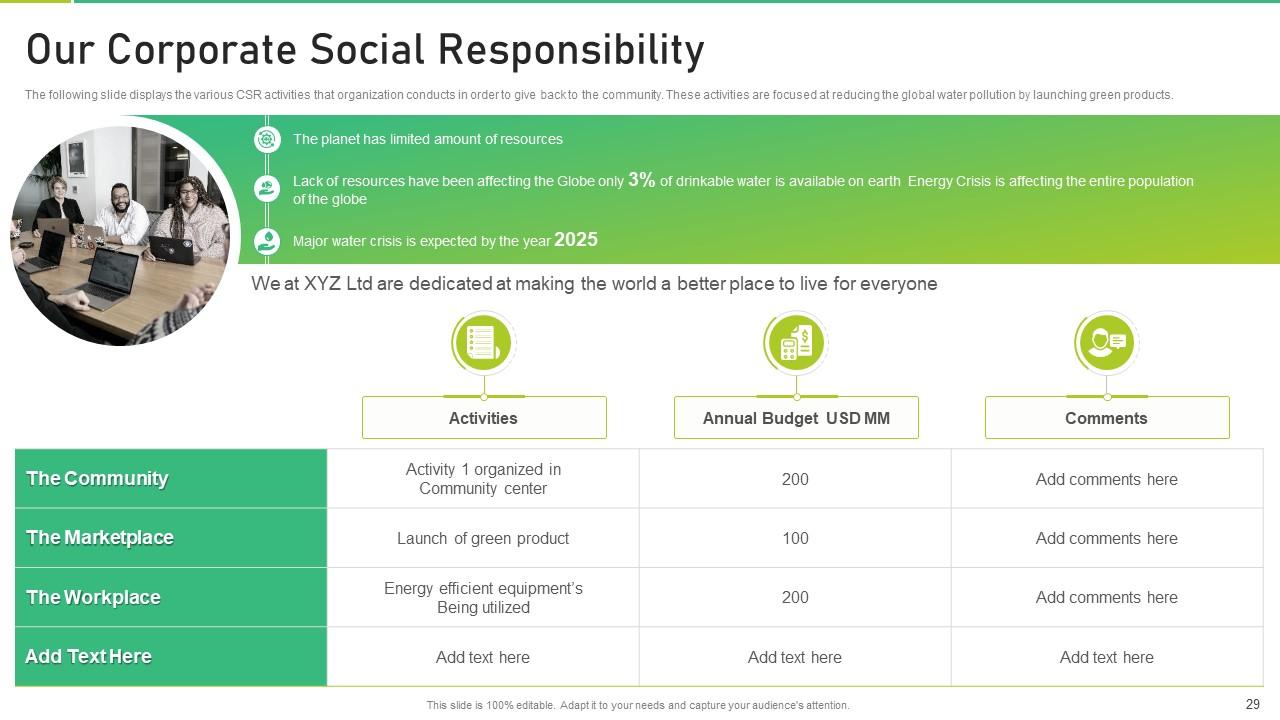
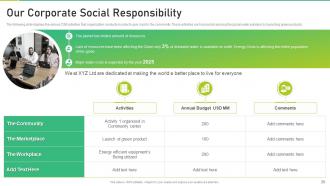
Slide 29: This slide displays the various CSR activities that organization conducts in order to give back to the community.
Slide 30: This is the icons slide.
Slide 31: This slide presents title for additional slides.
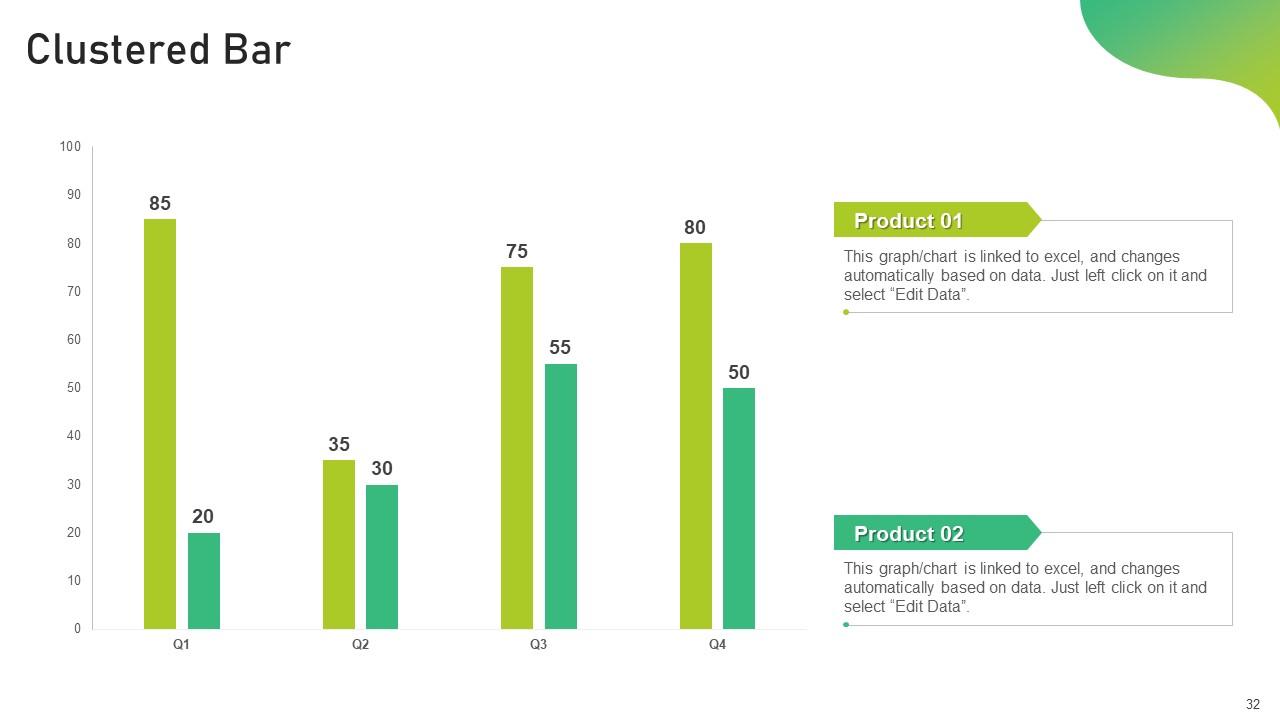
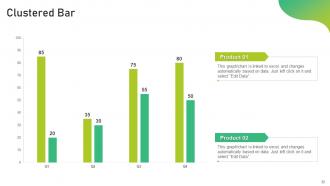
Slide 32: This slide exhibits quarterly clustered bar charts for different products. The charts are linked to Excel.
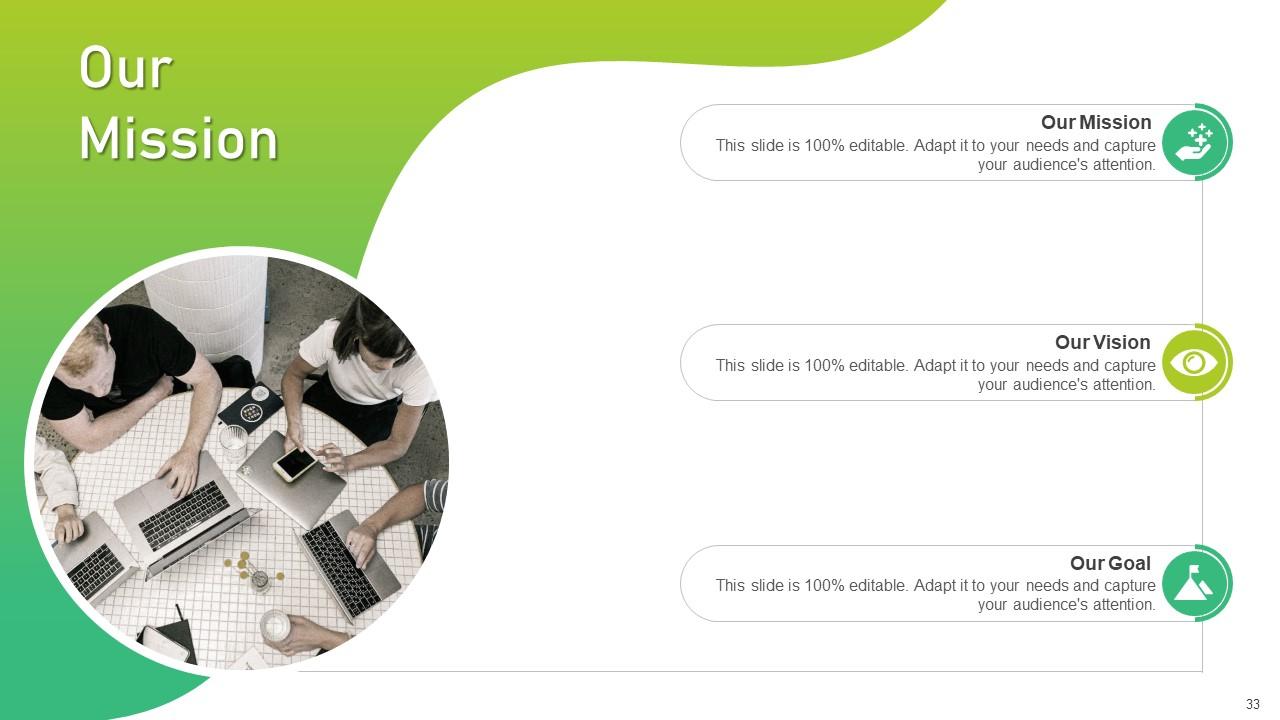
Slide 33: This slide presents your company's vision, mission and goals.
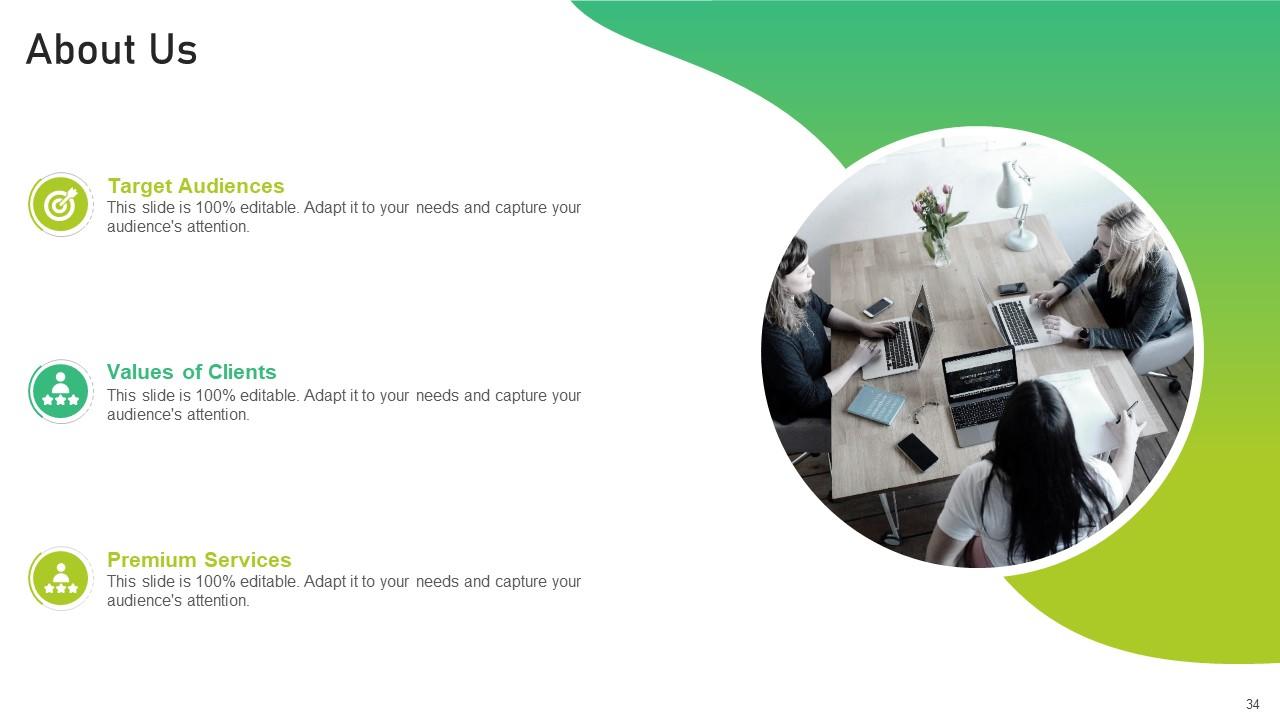
Slide 34: This slide shows about your company, target audience and its client's values.
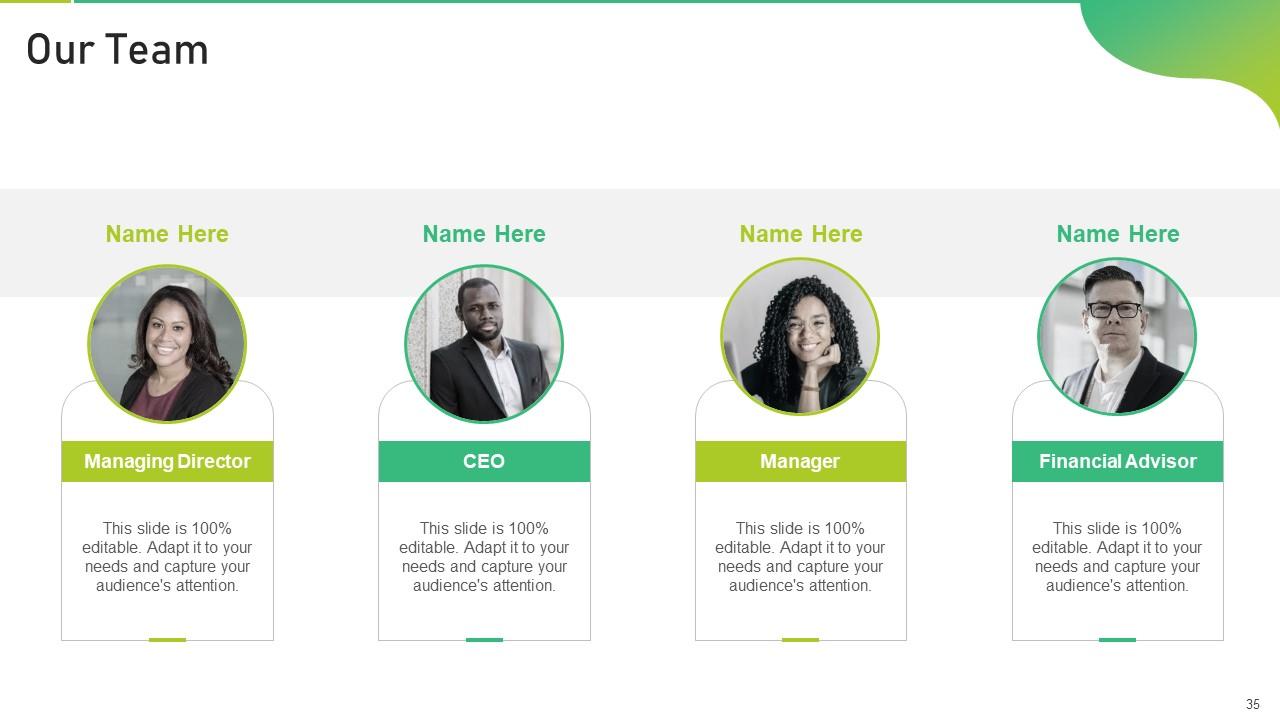
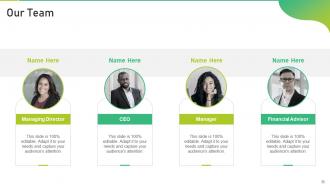
Slide 35: This slide shows details of team members like name, designation, etc.
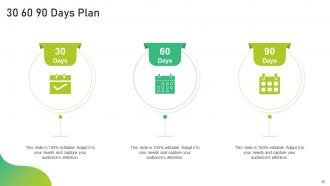
Slide 36: This slide depicts 30-60-90 days plan for projects.
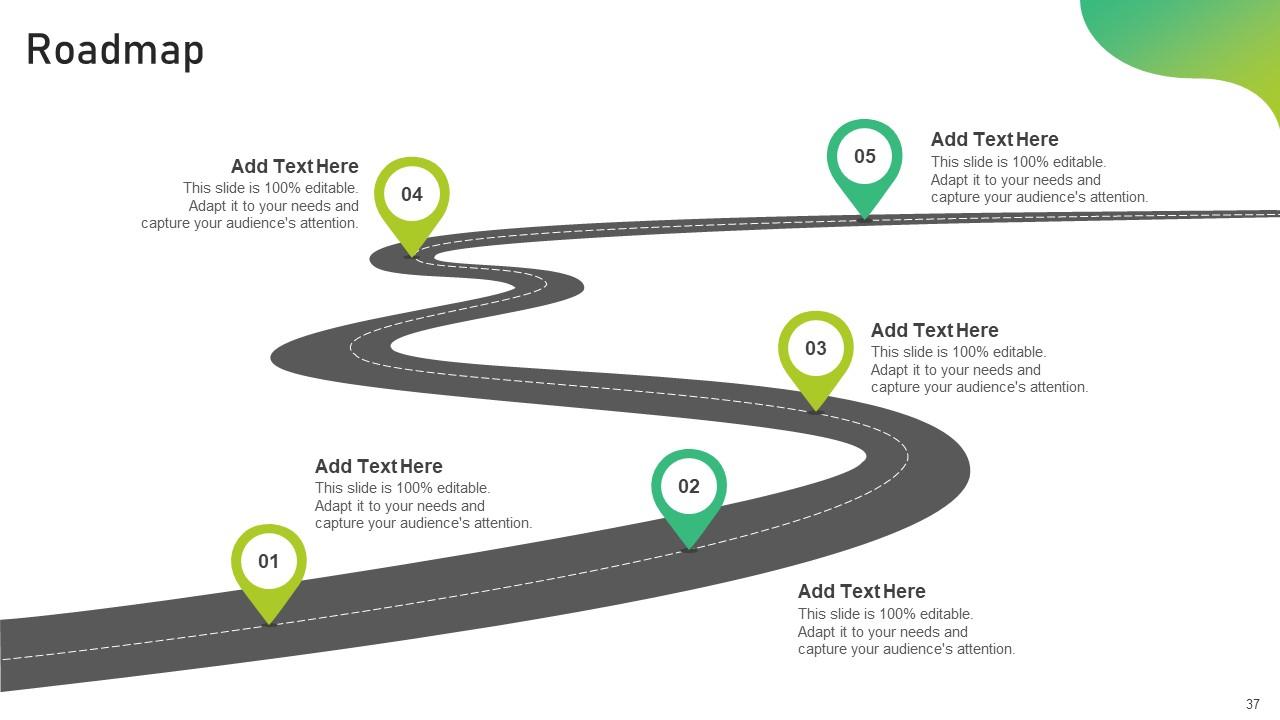
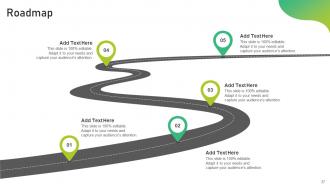
Slide 37: This slide shows roadmap.
Slide 38: This slide displays Venn.
Slide 39: This slide exhibits ideas generated.
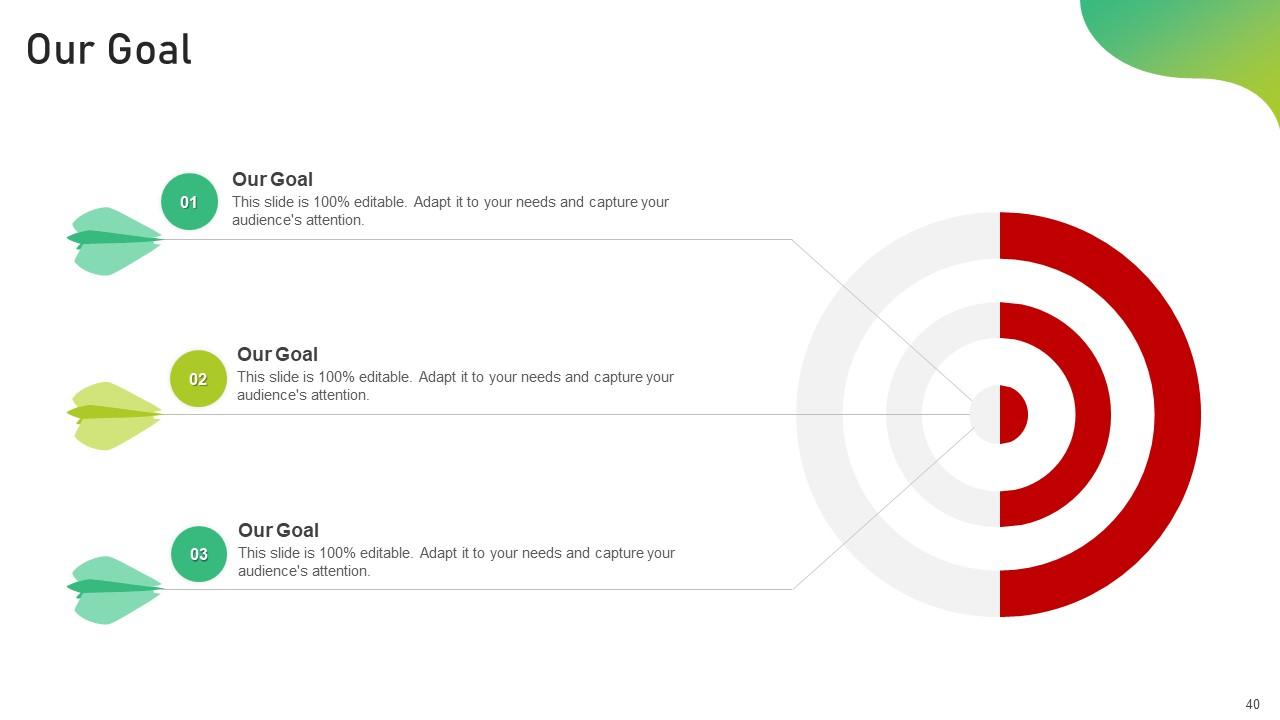
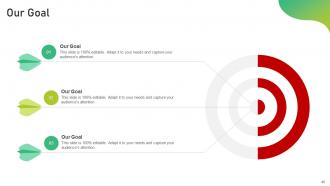
Slide 40: This slide depics goals of the company.
Slide 41: This is thank you slide & contains contact details of company like office address, phone no., etc.
Corporate Business Playbook Powerpoint Presentation Slides with all 46 slides:
Use our Corporate Business Playbook Powerpoint Presentation Slides to effectively help you save your valuable time. They are readymade to fit into any presentation structure.
-
Templates are beautiful and easy to use. An amateur can also create a presentation using these slides. It is amazing.
-
The templates are easy to get, and the chat customer support is excellent.
